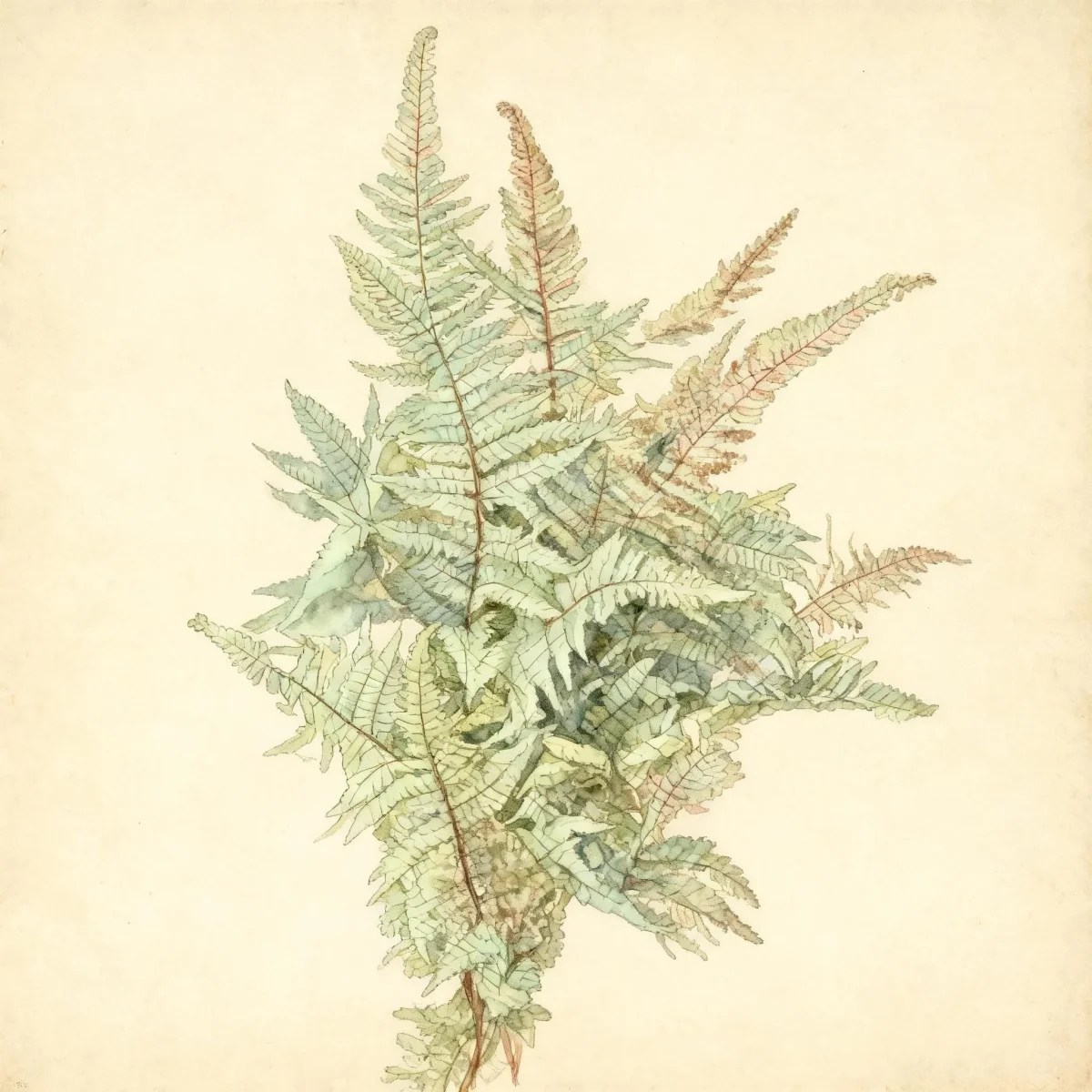
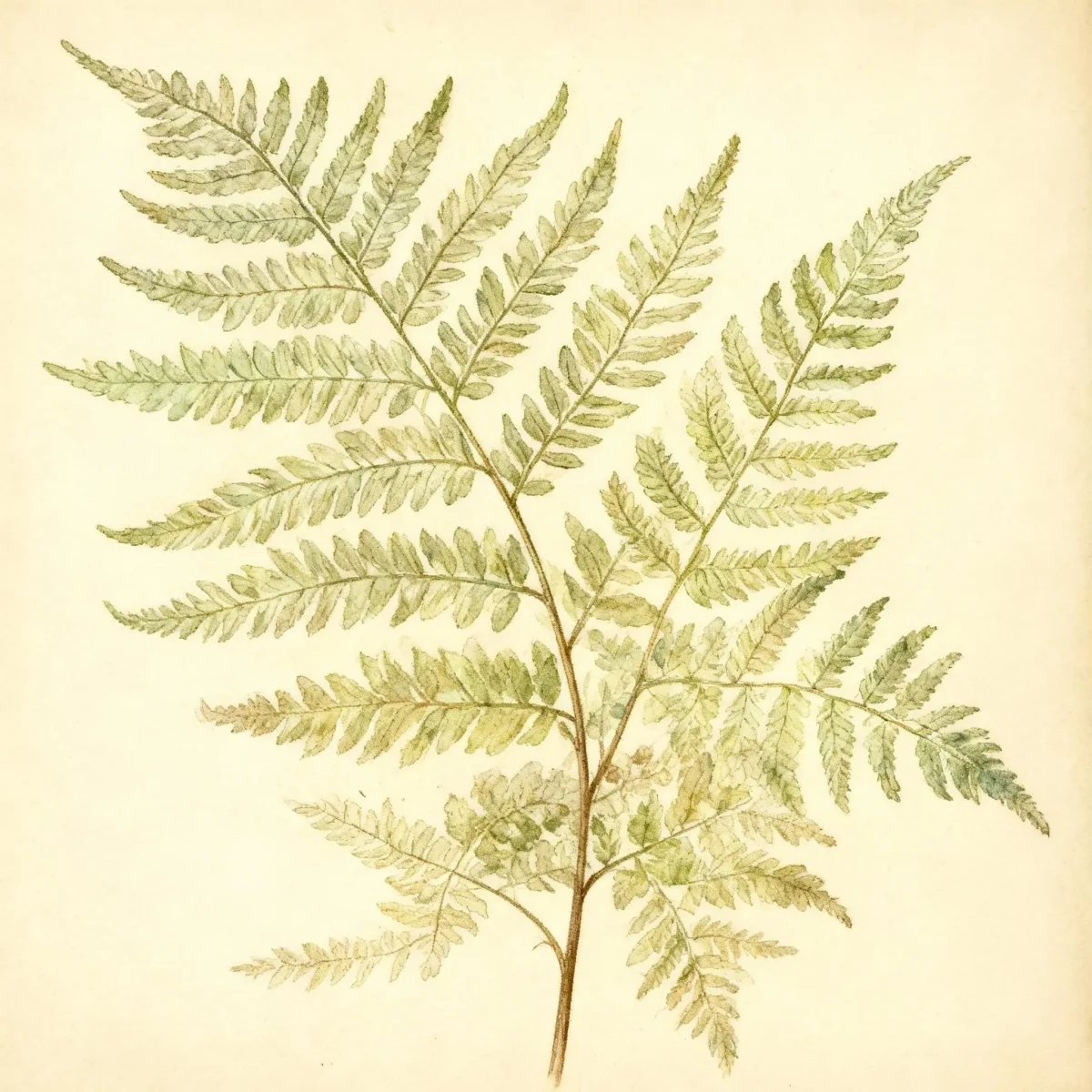
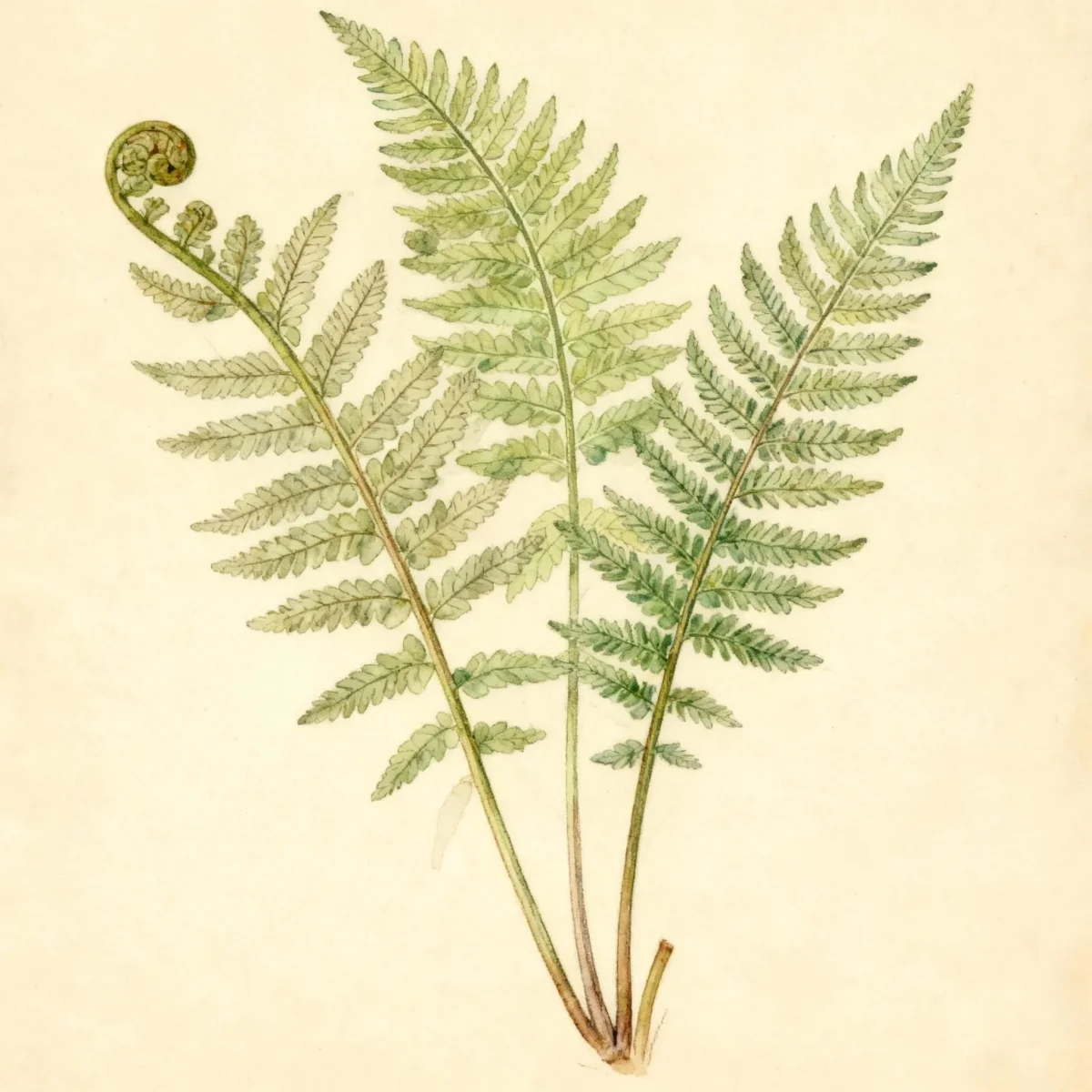
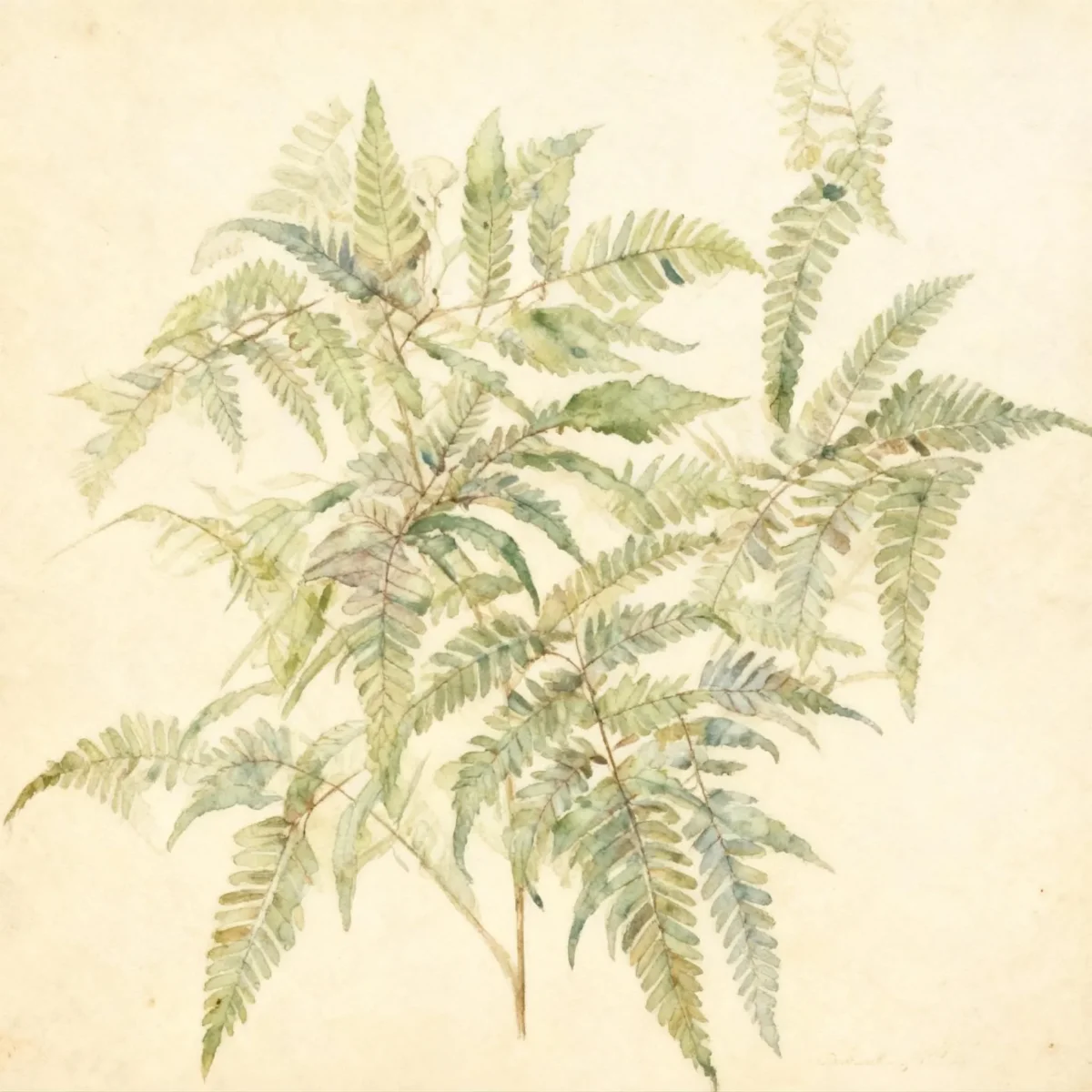
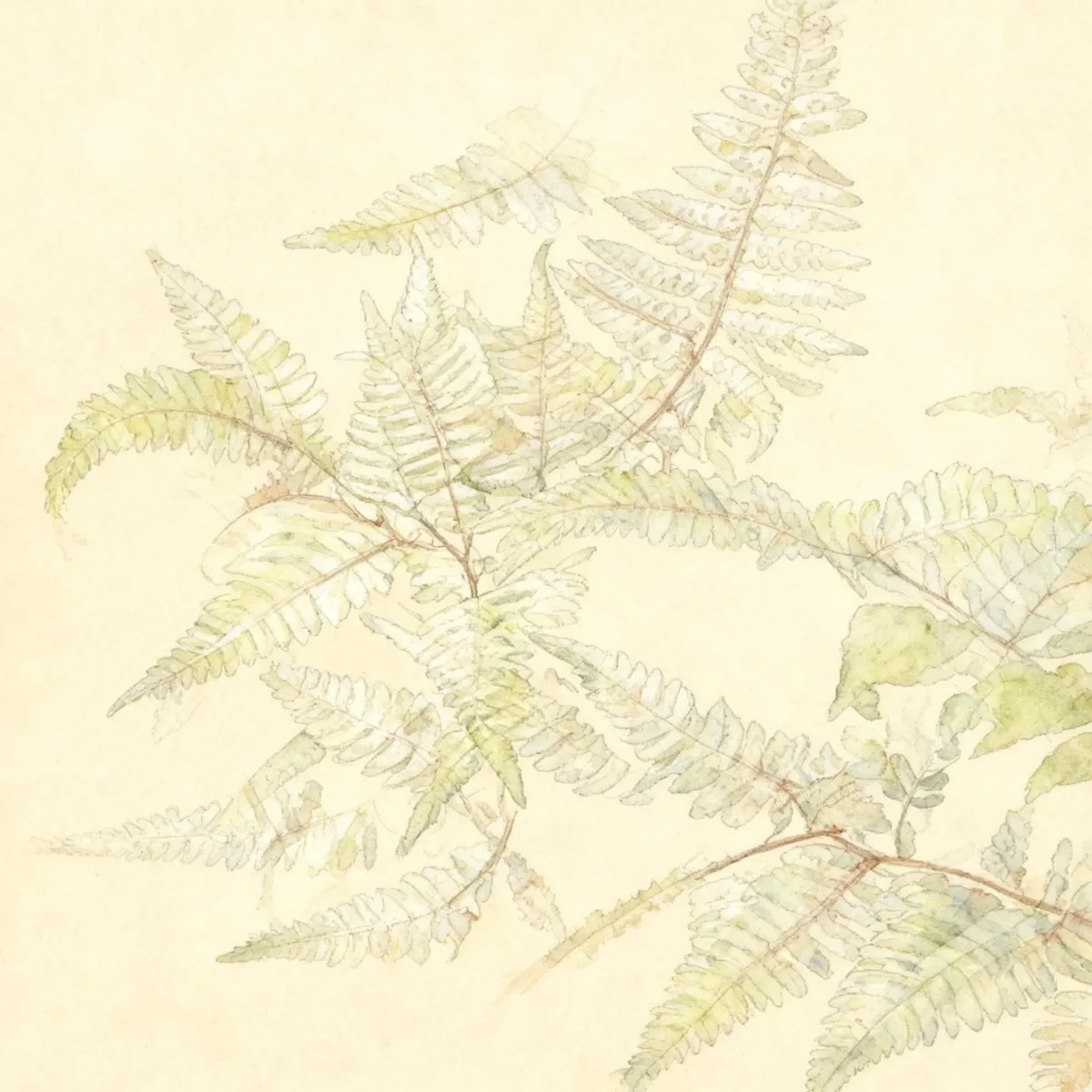
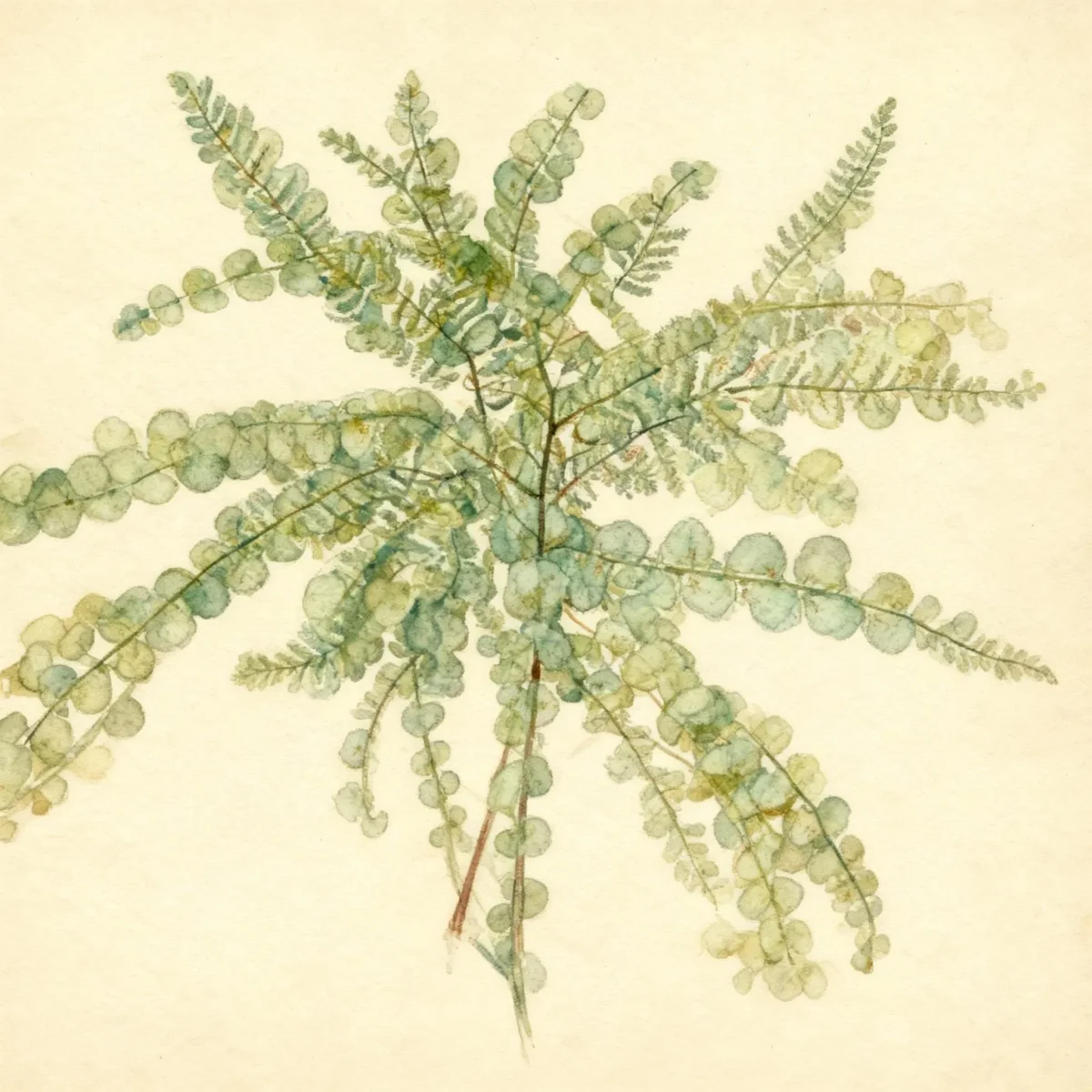
Eared lady fern (Athyrium otophorum)
Athyrium otophorum, the Eared lady fern, offers dusky green fronds with dark burgundy stems. Low maintenance, ideal for shade gardens in Zones 5-9.
Scroll down to discover growing tips, care requirements, companion plants, and more
Complete Plant Information
Overview
The Eared lady fern, scientifically known as Athyrium otophorum, is a standout deciduous woodland fern prized for its uniquely colored foliage structure. This species provides excellent texture and contrast in deep shade environments where few other plants thrive. Gardeners appreciate the Athyrium otophorum for its low maintenance requirements coupled with its distinctive visual appeal.
This plant typically reaches between one to two feet in height and spread, creating a compact mound perfect for smaller shaded areas or woodland borders. Its foliage emerges in striking shades, often presenting a dusky green overlaid with darker stems, offering architectural interest throughout the growing season. The Eared lady fern establishes easily given the right consistent moisture conditions.
As a native of Eastern Asia, Athyrium otophorum brings an exotic yet hardy presence to temperate gardens. Its ability to tolerate heavy shade makes it an invaluable structural element for foundational plantings or beneath dense tree canopies. Gardening with this species ensures reliable, year-round structure with minimal long-term effort.
Fast Facts
- Plant Family: Athyriaceae
- Plant Type: Fern
- Native Range: Eastern Asia
- Hardiness Zones: USDA Zones 5-9
- Size at Maturity:
- Height: 1-2 ft
- Spread: 1-2 ft
- Bloom Time: Non-flowering
- Bloom Description: Non-flowering
- Sun Exposure: Part shade to full shade
- Water Needs: Medium
- Maintenance Level: Low
How to Grow
Athyrium otophorum is best sited during the spring or fall, allowing the root system to establish before dealing with the stress of intense summer heat. Successful cultivation hinges on its location: select a spot offering rich, moist, well-drained soil in either part shade or full shade conditions. Avoid afternoon sun entirely, as it rapidly leads to leaf scorch.
Watering is crucial for the Eared lady fern; it requires medium moisture levels and absolutely cannot be allowed to dry out between waterings. Inconsistent soil moisture is the primary cause of general foliage decline in this species. While dedicated fertilizing is usually unnecessary due to its woodland nature, incorporating organic matter like compost into the soil annually will help maintain the required richness and moisture retention.
Maintenance for this low-concern plant is minimal. Pruning generally involves clearing away old, spent foliage in very early spring just as new growth is beginning to emerge. During winter, plants in colder zones (5) benefit from a layer of mulch to help buffer soil temperatures, though established crowns are quite resilient.
Landscape Uses
The primary aesthetic role of the Eared lady fern is providing deep-green, fine texture beneath tree canopies or in deeply shaded borders where flowering perennials struggle. Use Athyrium otophorum en masse to create a lush, restful carpet effect in woodland gardens. Its compact, upright habit also makes it an excellent foreground plant in shaded layered plantings.
Consider pairing the Eared lady fern with plants that offer contrasting leaf shapes or late-season color to maximize visual interest. Good companions include Hosta varieties with bolder, variegated leaves, or perennial groundcovers like European wild ginger (Asarum europaeum). The dark burgundy stems of Athyrium otophorum contrast beautifully against light-colored stones or gravel mulches.
These ferns work wonderfully along shaded paths or streams where consistently damp conditions can be guaranteed. Their reliable one to two-foot spread allows them to define edges without aggressively overtaking space, making them reliable workhorses for creating structure in dark corners of the landscape.
Standout Features
Noteworthy Characteristics
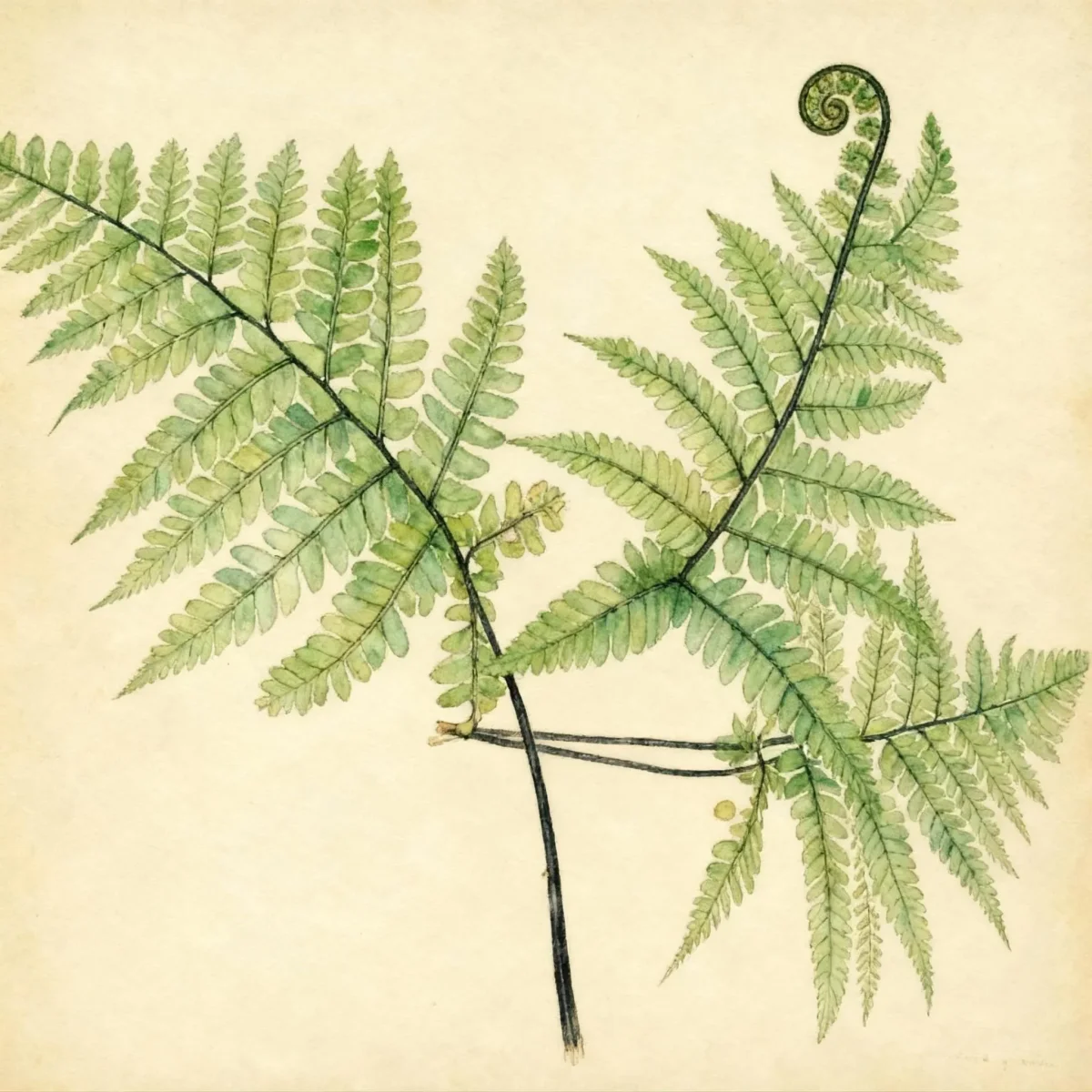
Athyrium otophorum, commonly called eared lady fern, is a deciduous, woodland species which typically grows to 18” tall and features erect, triangular, dusky green fronds with dark burgundy stems (stipes and rachises). Young fronds emerge throughout the growing season as a pale green, thus giving the foliage a two-toned appearance. Genus name comes from Greek athyros meaning “doorless” in reference to the slowly opening hinged indusia (spore covers).
Tolerances
- Rabbit
- Heavy Shade
Potential Problems
The Eared lady fern exhibits excellent pest and disease resistance, meaning gardeners should rarely face serious insect infestations or major fungal outbreaks. Preventing potential deterioration relies almost entirely on environmental management. The most common issue is leaf scorch, which occurs when soils become water-stressed, so diligent, consistent watering is the best form of preventative care.
In areas with very dry springs or summers, ensure the soil remains equitably moist. If the fronds begin to look crispy or bleached, immediately increase soil moisture and consider adding a thicker layer of moisture-retaining organic mulch around the base of the Athyrium otophorum.
Frequently Asked Questions
What hardiness zones is Eared lady fern suitable for?
The Athyrium otophorum is suitable for USDA Hardiness Zones 5 through 9. Ensure your location falls within this range for reliable perennial performance.
How large does Eared lady fern grow?
This species typically matures to a height between 1 and 2 feet, and spreads to a similar width of 1 to 2 feet, forming a small, manageable clump.
What sun exposure does Athyrium otophorum need?
Athyrium otophorum thrives in conditions ranging from part shade to full shade. Protection from direct, intense afternoon sun is essential to prevent foliage decline.
Conclusion
The robust texture and subtle coloration of the Athyrium otophorum make it an indispensable addition to any shade garden seeking dependable, low-fuss vertical accents. This Eared lady fern offers unique woodland charm without demanding high levels of attention, provided its need for consistent moisture is met. Before planting, confirm your site offers the necessary shade and rich soil, and schedule your planting for cooler seasons for best long-term success.
Companion Planting
When designing a shade garden around your Athyrium otophorum, focus on partners that complement its fine texture with bold form or color. Good pairings include broad-leaved woodland ephemerals like Trillium or large, richly colored Hosta cultivars such as ‘Sum and Substance’. The upright, airy habit of the fern provides necessary height variation against low-growing groundcovers.
For textural contrast, consider planting near Japanese Forest Grass (Hakonechloa macra). The fine, mounding blades of the grass pair excellently with the slightly coarser fronds and dark stems of the Eared lady fern. This combination utilizes the vertical dimension provided by the fern while maintaining a lush, multi-textured appearance wholly suited to dark, damp environments.
Seasonal Care Calendar
Early Spring: This is the ideal time to clean up and prepare the beds for the Athyrium otophorum. Cut back any remaining dead foliage from the previous year. Amend the soil surface with fresh, rich compost to boost spring emergence.
Summer: Focus entirely on monitoring soil moisture, as drought stress is the main threat to the beauty of the Eared lady fern. Water deeply and regularly, especially during dry spells, ensuring the soil never fully dries out near the root zone. No significant pruning or fertilization is usually required during this period.
Late Fall/Early Winter: As temperatures drop, apply a 2-3 inch layer of organic mulch (such as shredded leaves or bark chips) around the base of the fern, taking care not to smother the crown. This insulation helps protect the roots in Zones 5 and 6 through the coldest months.