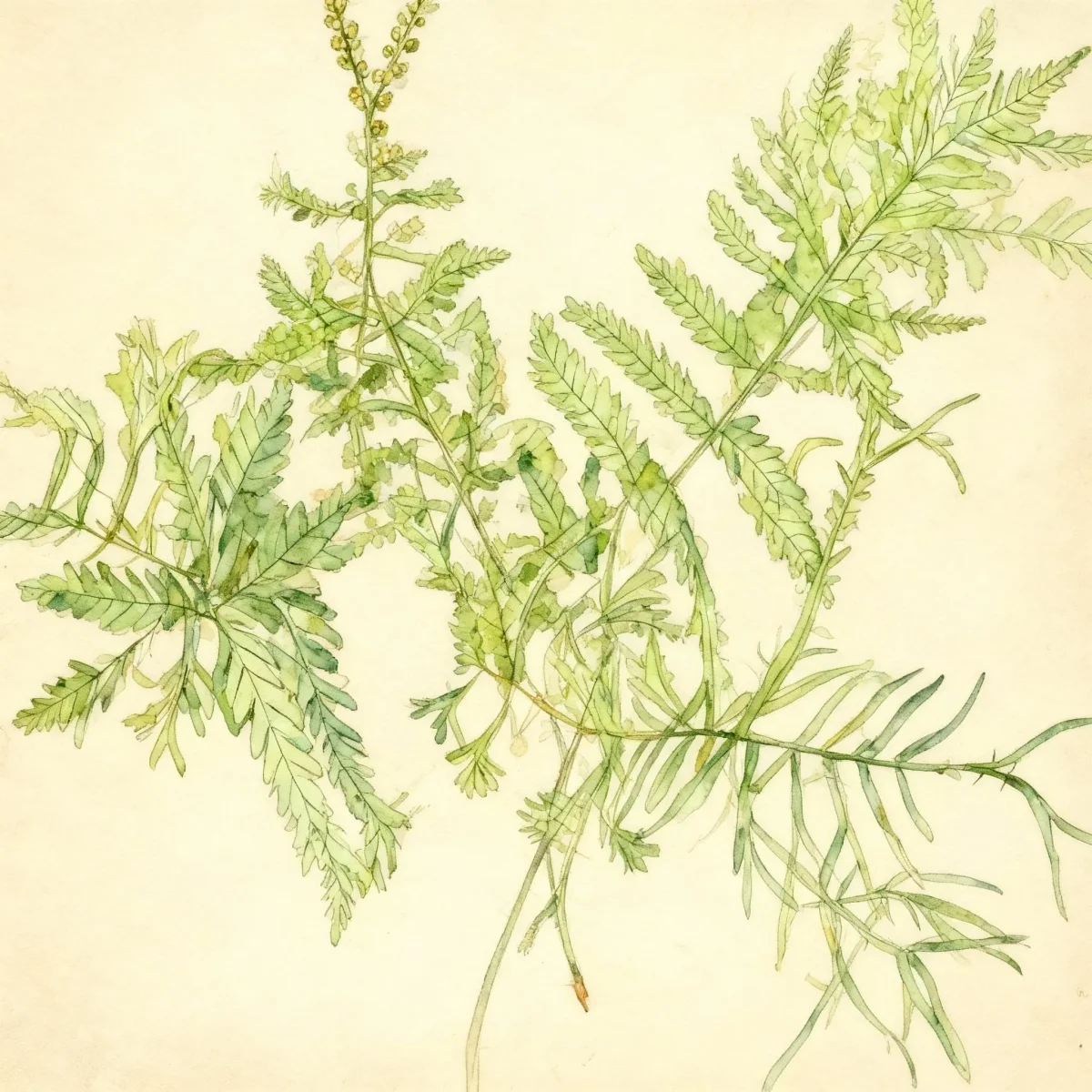
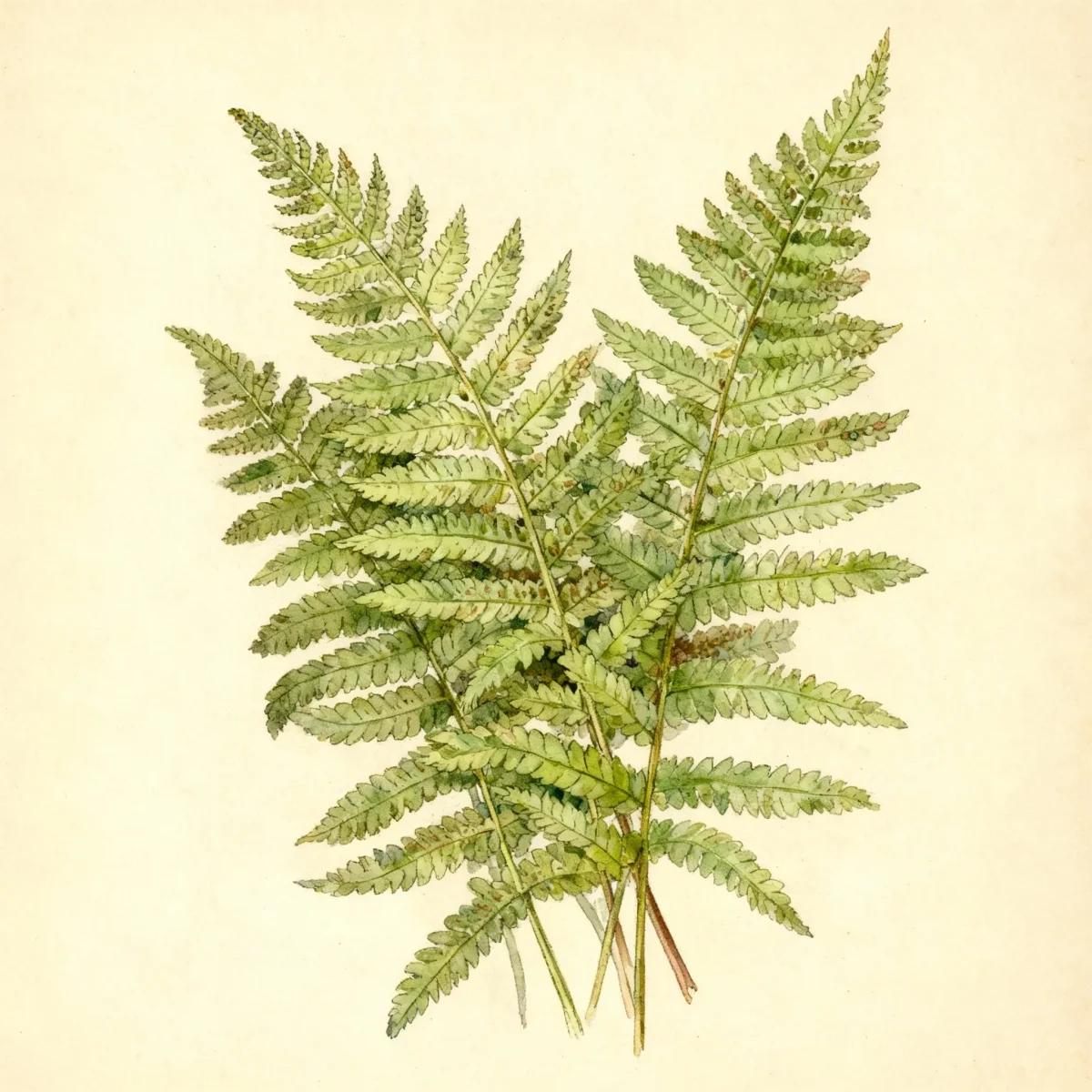
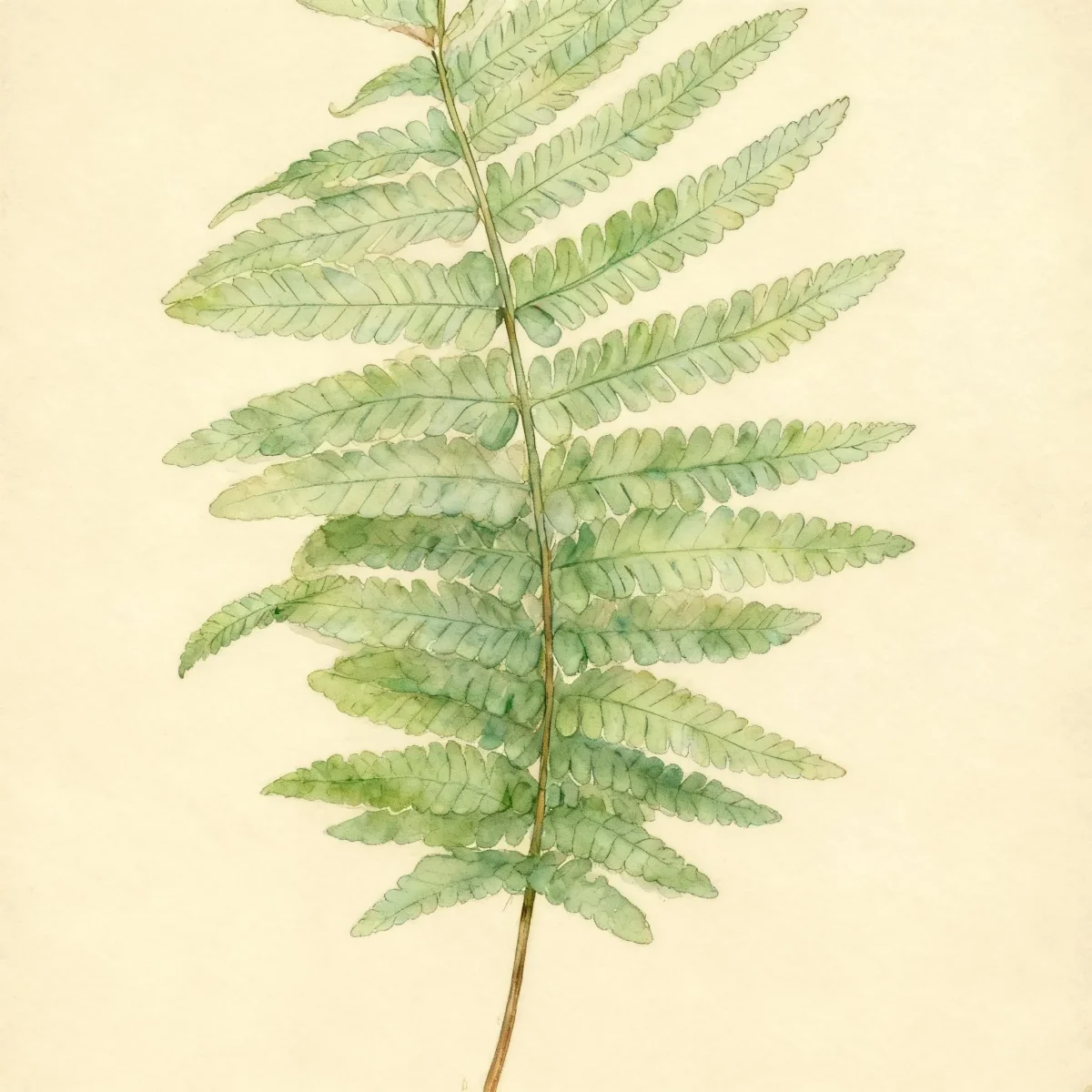
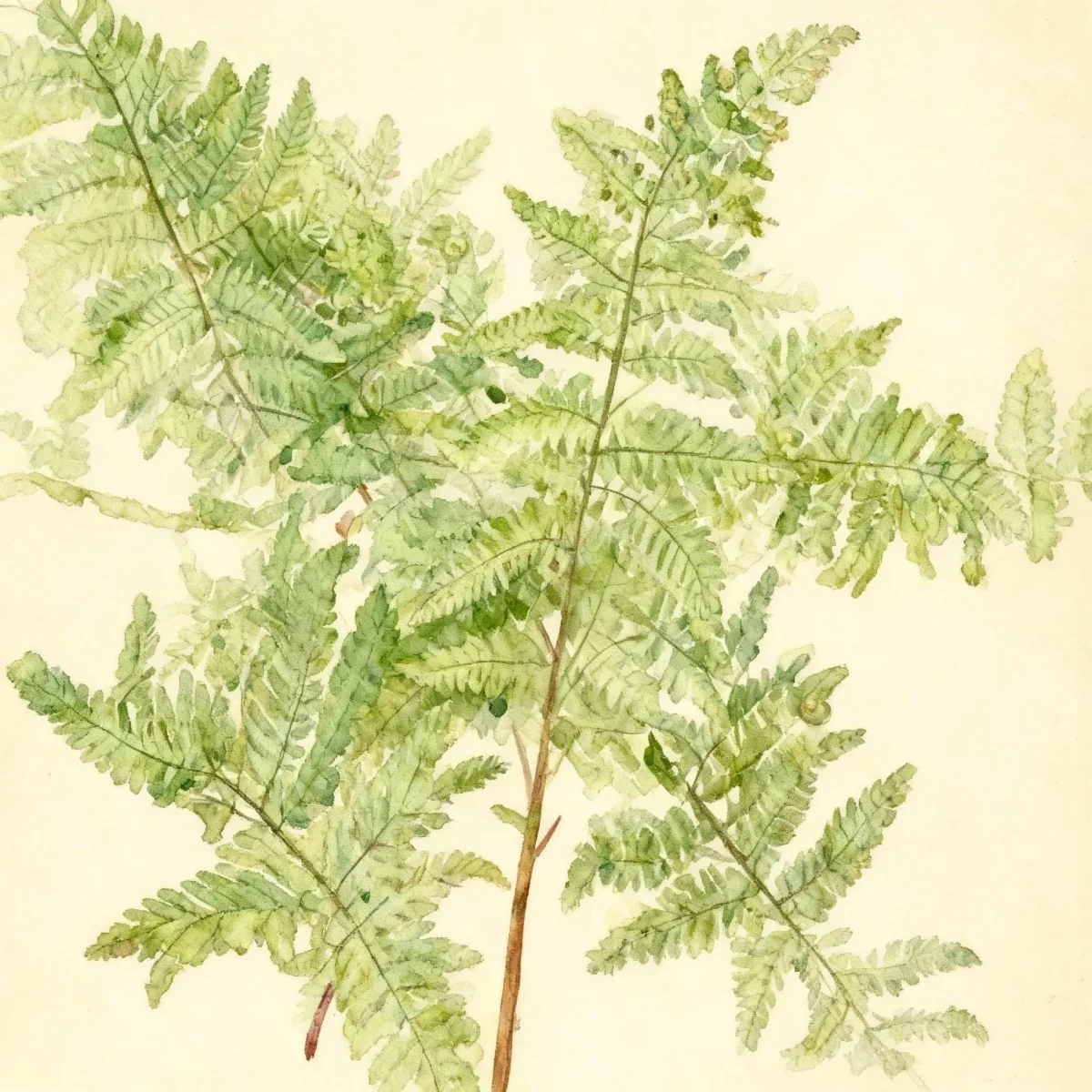
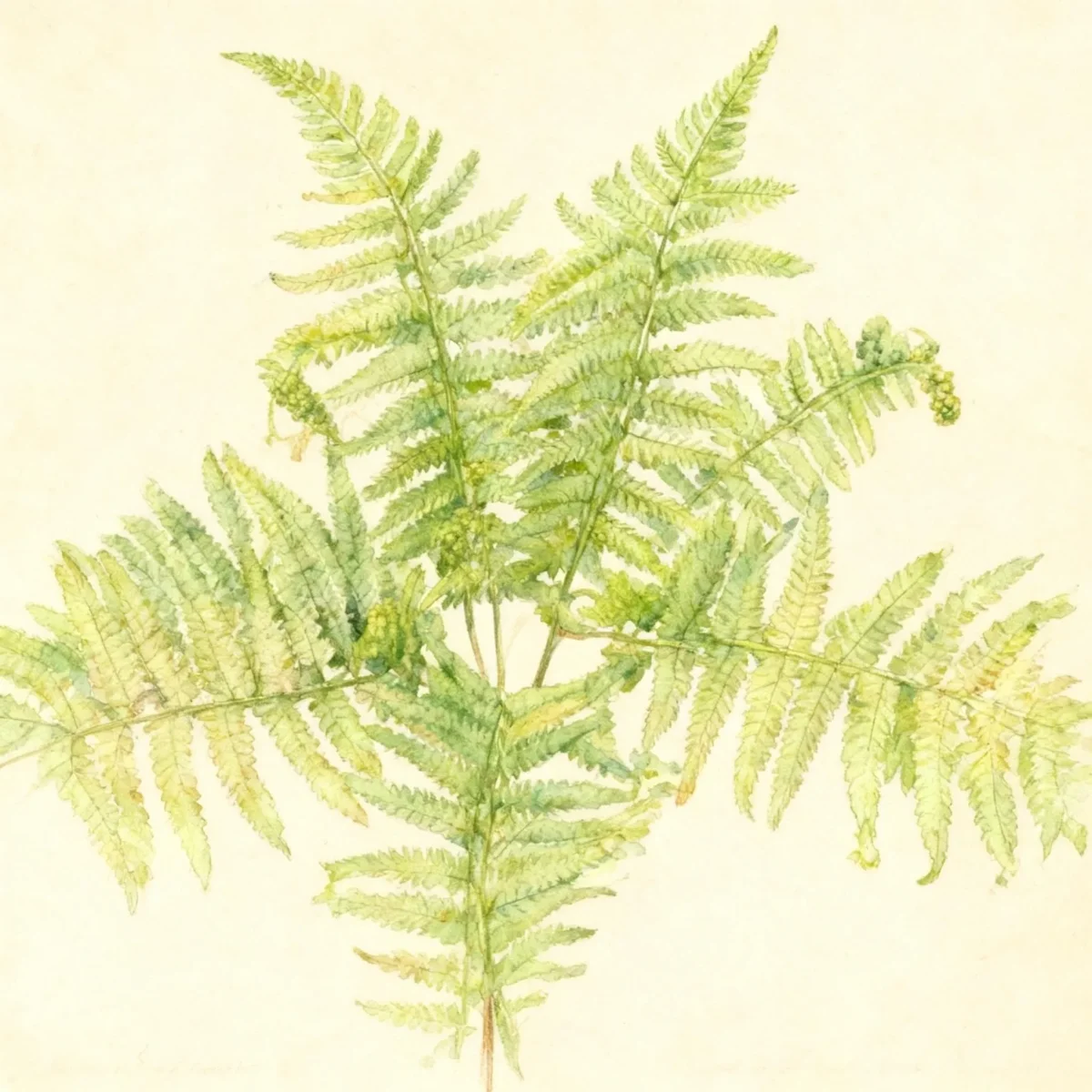
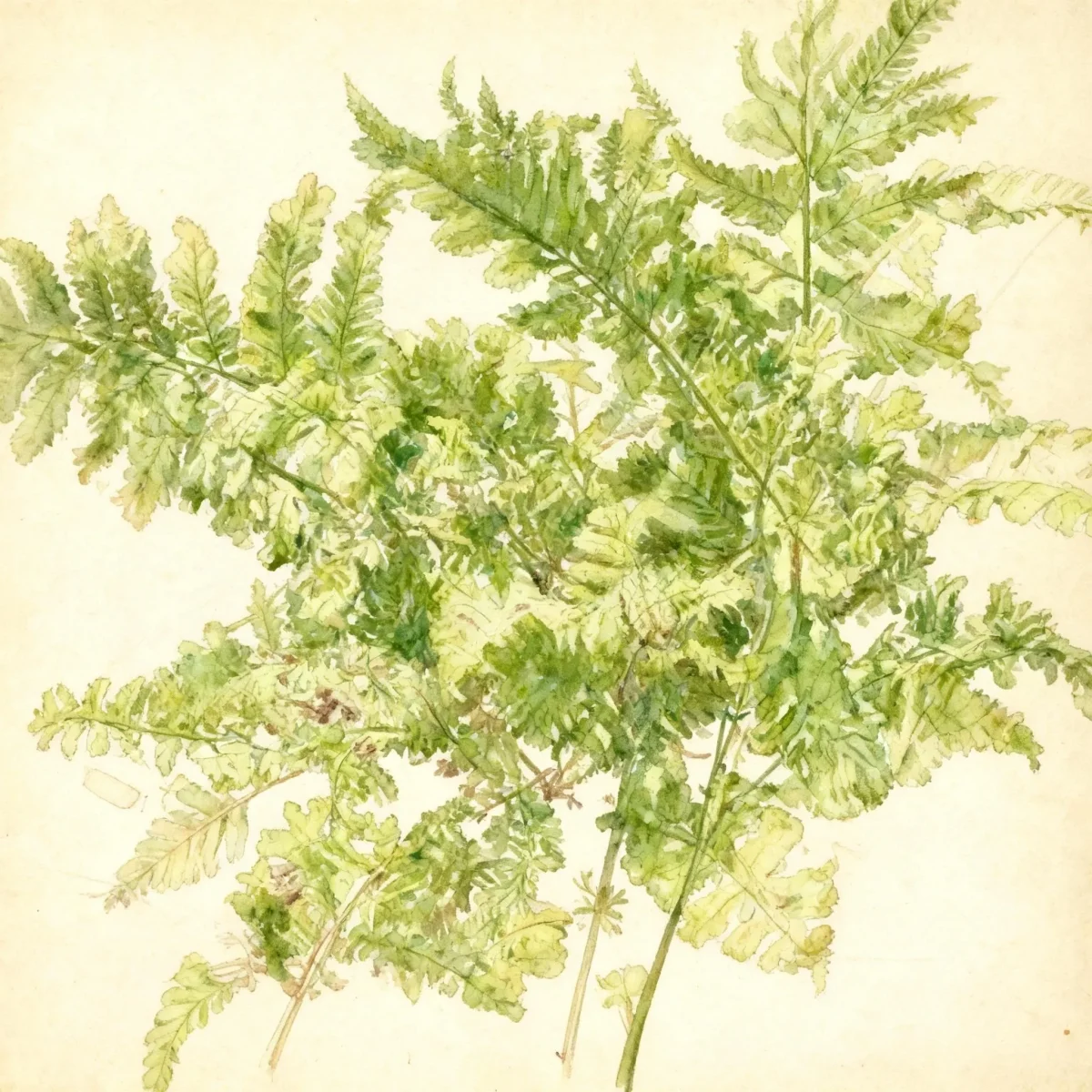
Tokyo wood fern (Dryopteris tokyoensis)
The stately Tokyo wood fern (Dryopteris tokyoensis) is a low-maintenance, vase-shaped fern perfect for deep shade gardens.
Scroll down to discover growing tips, care requirements, companion plants, and more
Complete Plant Information
Overview
The Tokyo wood fern (Dryopteris tokyoensis) offers distinctive, upright architectural form derived from its rhizomes, creating an elegant, vase-shaped silhouette in the garden. This deciduous fern is highly valued for its ability to thrive in deeply shaded environments where many other ornamentals struggle. It is a relatively slow grower, rewarding patient gardeners with deep green texture.
Valued for its reliability and low input requirements, Dryopteris tokyoensis is an excellent foundation plant for woodland settings or Asian-inspired designs. It maintains a tidy habit, typically reaching three feet tall, making it an effective vertical accent in a shaded border.
Cultivating Dryopteris tokyoensis ensures you have dependable, year-round greenery (when evergreen or planted in mild winters) that requires minimal intervention once established. Its presence brings a sophisticated, naturalistic element to the landscape.
Fast Facts
- Plant Family: Dryopteridaceae
- Plant Type: Fern
- Native Range: Southern China, Japan, Korea
- Hardiness Zones: USDA Zones 5-8
- Size at Maturity:
- Height: 1.5-3 ft
- Spread: 1.5-3 ft
- Bloom Time: Non-flowering
- Bloom Description: Non-flowering
- Sun Exposure: Part shade to full shade
- Water Needs: Medium
- Maintenance Level: Low
How to Grow
When planting Dryopteris tokyoensis, choose a site that offers protection from drying or harsh winds, which can damage the delicate fronds. The best time to plant is typically in spring or early fall, allowing the root system time to establish before temperature extremes. Success hinges on soil quality: ensure the location has moist, humusy soil rich in organic matter, although it tolerates average soil provided moisture is consistent.
Watering the Tokyo wood fern should be consistent, maintaining medium soil moisture throughout the growing season; avoid letting the soil dry out completely, especially during periods of drought. As a low-maintenance specimen, dedicated fertilization is rarely necessary, though a yearly top-dressing of compost can help maintain the preferred organic soil structure. Minimal pruning is required, usually just removing tattered old fronds in early spring before new growth emerges.
Because Dryopteris tokyoensis develops slowly, avoid disturbing the root crown once you have selected its final resting place. Its preference for consistent moisture means heavy mulching is recommended to conserve water and keep the roots cool, further reducing watering frequency throughout hot summers.
Landscape Uses
The upright structure of the Tokyo wood fern makes it an ideal choice for adding height and texture to woodland gardens or deep shade borders. It performs elegantly when positioned near moisture-loving companions such as hostas, astilbes, or bleeding hearts, whose contrasting leaf shapes enhance the fern’s fine texture.
Consider planting masses of Dryopteris tokyoensis to create an immersive, forest-floor effect beneath mature deciduous trees. While naturally an understory plant, it also works well planted near dark-colored water features or in shaded rock gardens to provide vertical relief against stone elements.
Standout Features
Noteworthy Characteristics
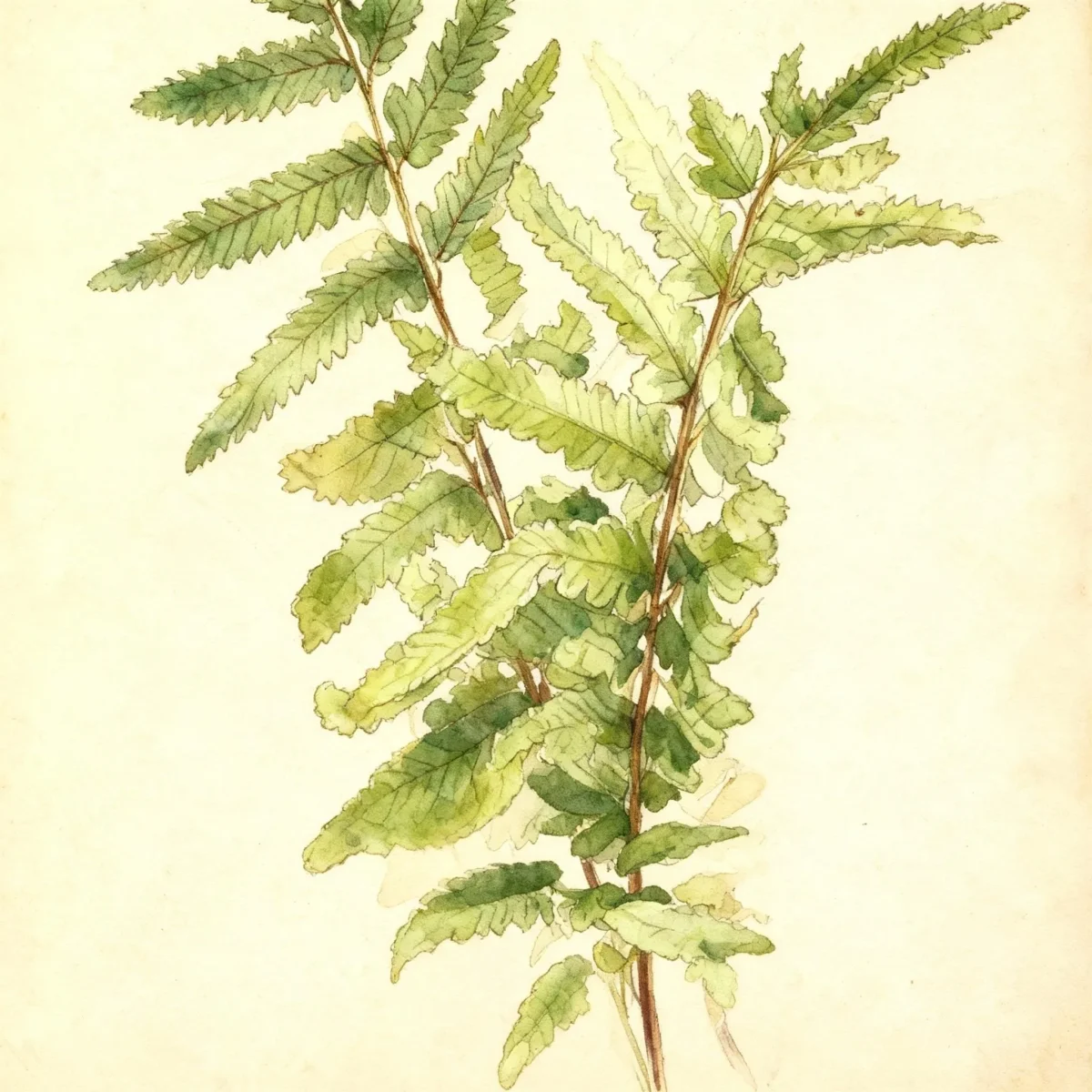
Dryopteris tokyoensis, commonly called Tokyo wood fern, is an erect, vase-shaped, deciduous fern that typically grows from a crown of rhizomes to 18-36” tall. Each frond has 20-40 pairs of shallow-lobed, lance-shaped pinnae. Fronds grow to 6” wide. Genus name from Greek dryas meaning oak and pteris meaning fern in reference to the presence of some species of wood ferns in woodland areas populated with oaks.
Tolerances
- Rabbit
- Heavy Shade
Potential Problems
This species is generally very robust, exhibiting no serious insect or disease problems under proper cultural conditions. Gardeners should focus on proper soil preparation—ensuring high organic matter and consistent moisture—as the primary preventative measure against any potential stress. If foliage appears scorched, it usually indicates inadequate water retention during dry spells or too much direct afternoon sun exposure.
Frequently Asked Questions
What hardiness zones is Tokyo wood fern suitable for?
The Tokyo wood fern is sturdy enough to thrive in USDA Hardiness Zones 5 through 8.
How large does Dryopteris tokyoensis grow?
This fern typically matures to a height between 1.5 and 3 feet tall, with a corresponding spread of 1.5 to 3 feet, achieving an impressive upright habit.
What sun exposure does Dryopteris tokyoensis need?
Dryopteris tokyoensis thrives best when sited in part shade to full shade locations, mimicking its native woodland environment.
When does Tokyo wood fern bloom?
As a fern, Dryopteris tokyoensis is non-flowering and does not produce blooms or fruit.
Companion Planting
Selecting companions for Dryopteris tokyoensis should focus on plants that share its love for moist, humus-rich soil and low light levels. Consider contrasting textures to make the fine, lacy foliage of the fern stand out. Hellebores (Lenten Rose) provide excellent early-season color adjacent to the emerging green fronds of the Tokyo wood fern.
For year-round interest in the shade garden, pair it with evergreen groundcovers that tolerate similar conditions, such as Pachysandra or Vinca minor. Grouping these different forms together creates a layered, complex tapestry that looks professional and intentional, maximizing the visual appeal of heavy shade areas.
Seasonal Care Calendar
Spring is the ideal time for initial maintenance of your Dryopteris tokyoensis. Inspect the crown for any old, brown, or damaged fronds from the previous season and cut them back near the base to welcome the new croziers. Focus on amending the soil with a fresh layer of compost during this period to boost long-term health.
Summer care revolves almost entirely around irrigation. Ensure that the medium moisture level is maintained; if you see any sign of wilting, water deeply immediately. Avoid the temptation to fertilize heavily; the fern prefers natural fertility from decomposing organic matter.
In autumn, resist the urge to clear away all fallen debris, as a light layer of leaves or shredded mulch helps insulate the crown of the Tokyo wood fern for winter protection, particularly in the cooler reaches of Zone 5. In winter, the plant may go dormant, but its structure remains a visual anchor until spring renewal.
Conclusion
The erect, vase-like form and low-maintenance requirements make the Tokyo wood fern (Dryopteris tokyoensis) a superior choice for providing dependable texture in shaded landscapes. Its tolerance for heavy shade and rabbits further solidifies its status as a reliable woodland staple. Assess your shaded spots and ensure the soil is humusy and moist before planting this exceptional fern this coming growing season.