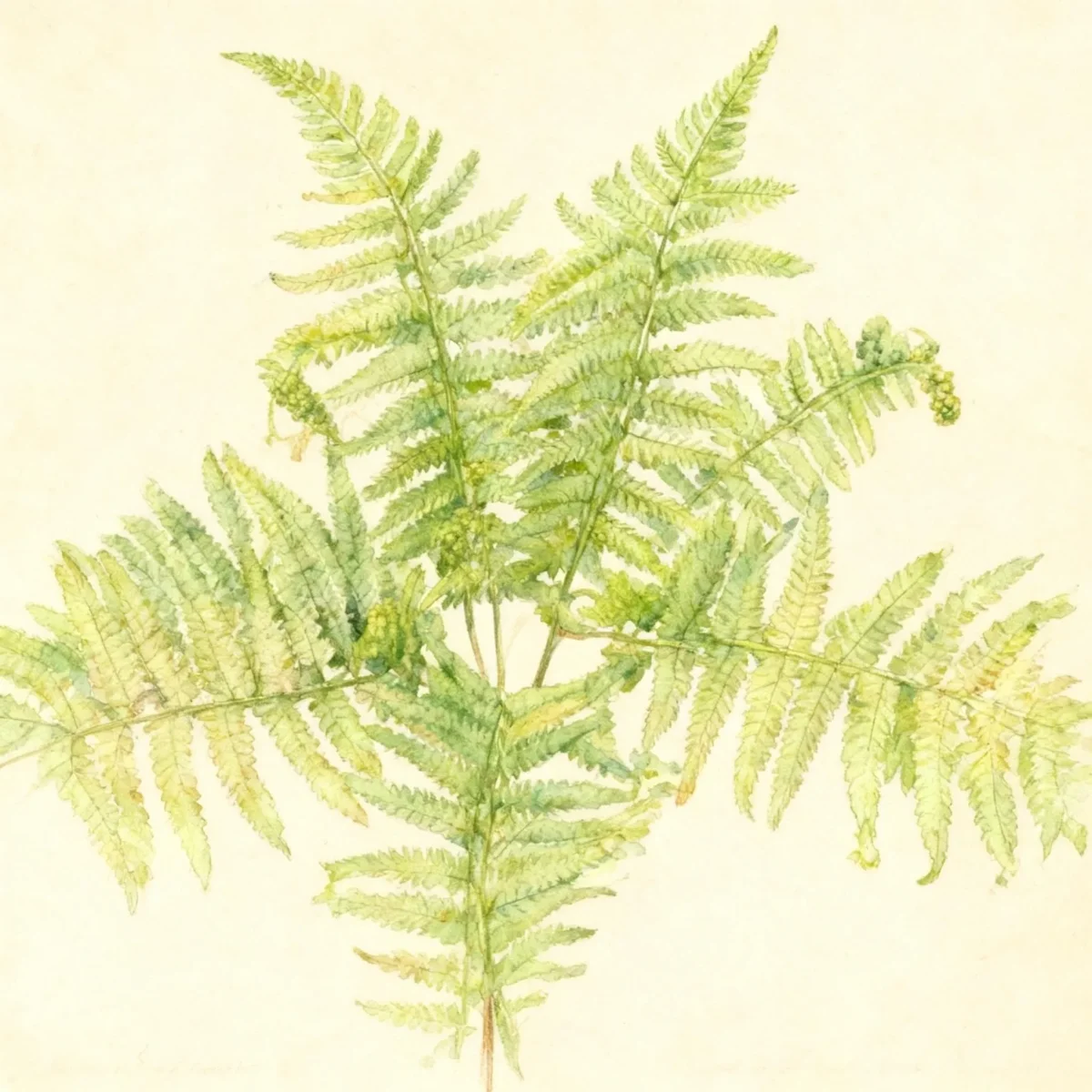
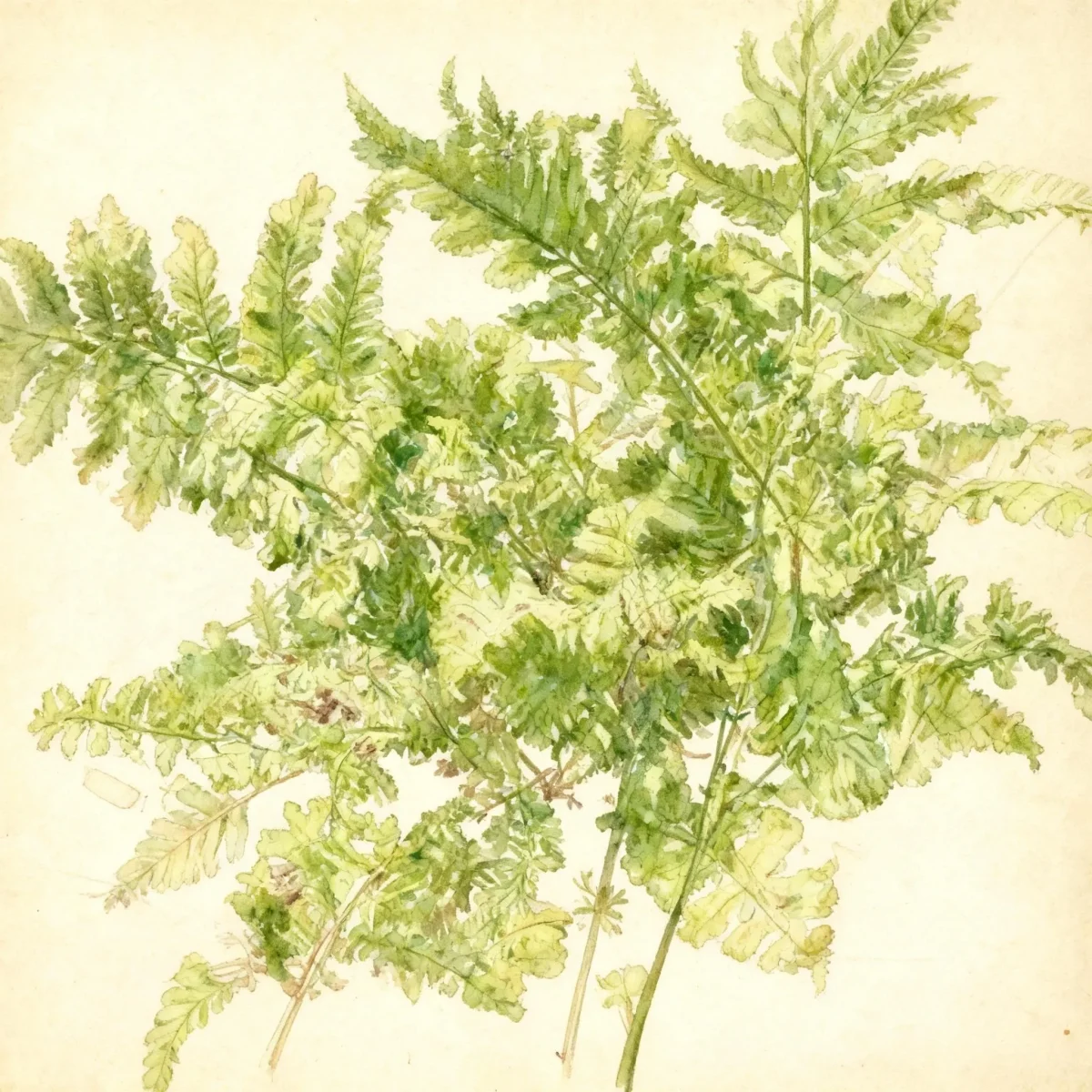
Tassel fern (Polystichum polyblepharum)
The Tassel fern (Polystichum polyblepharum) is a low-maintenance, evergreen fern featuring dark green, tasseled fronds ideal for deep shade.
Scroll down to discover growing tips, care requirements, companion plants, and more
Complete Plant Information
Overview
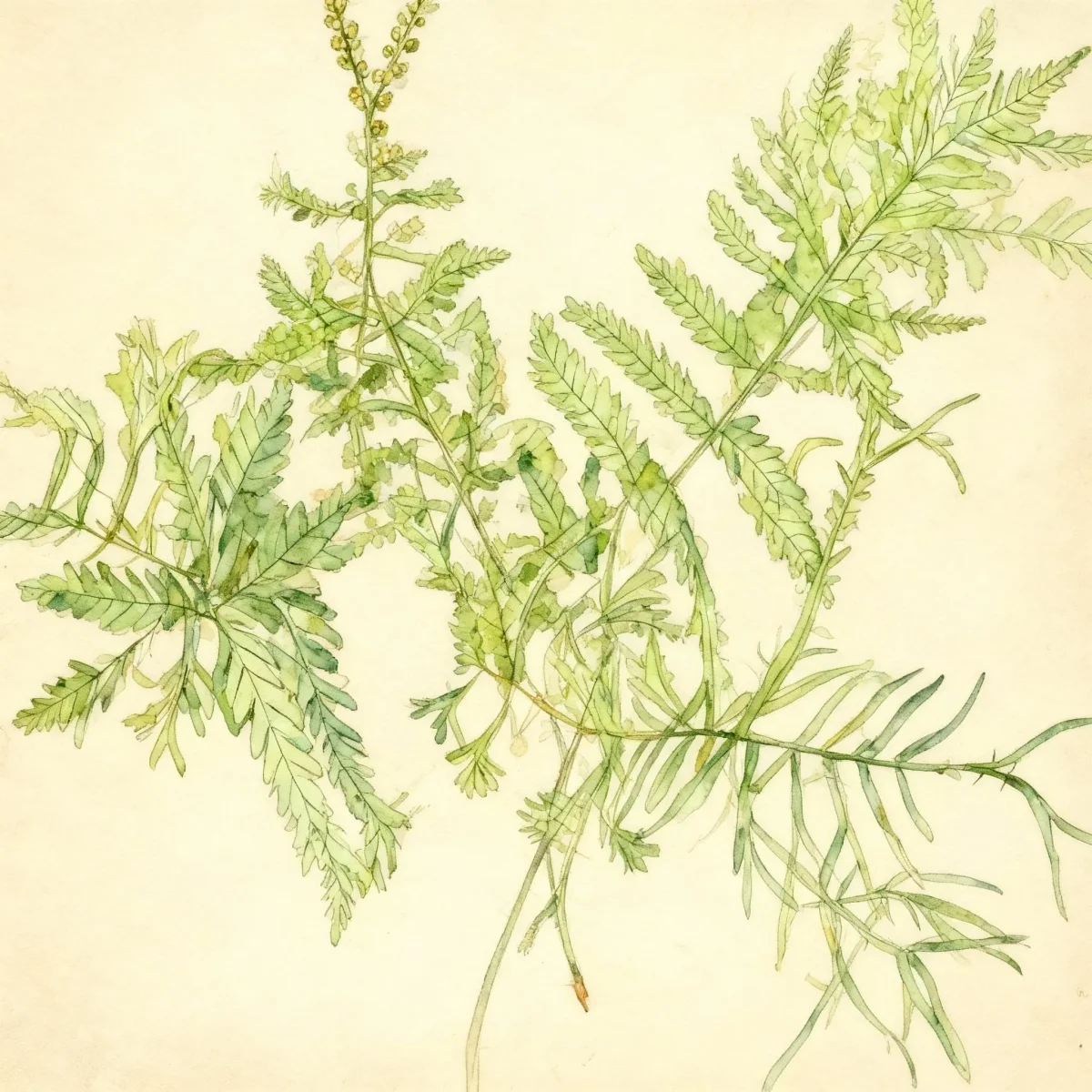
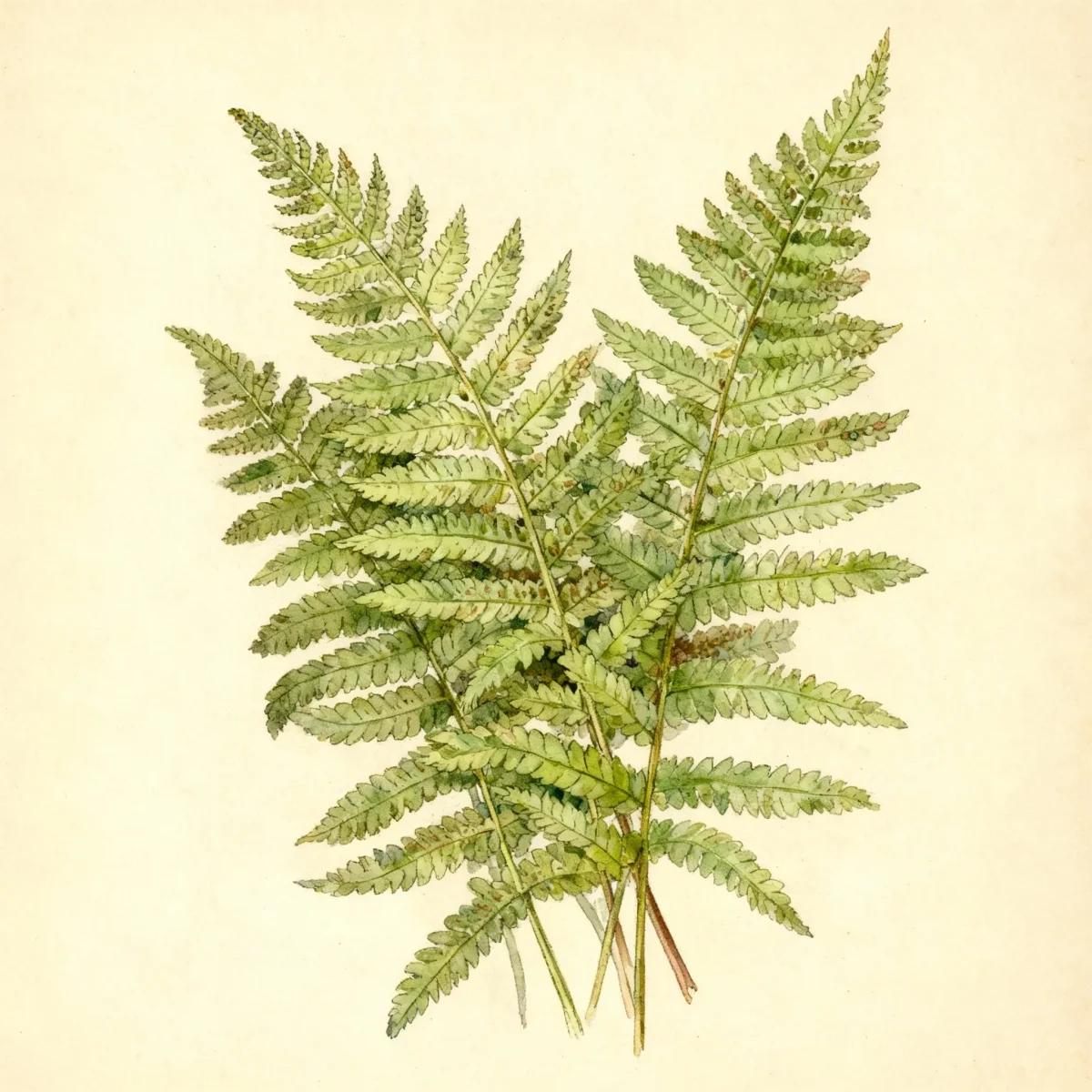
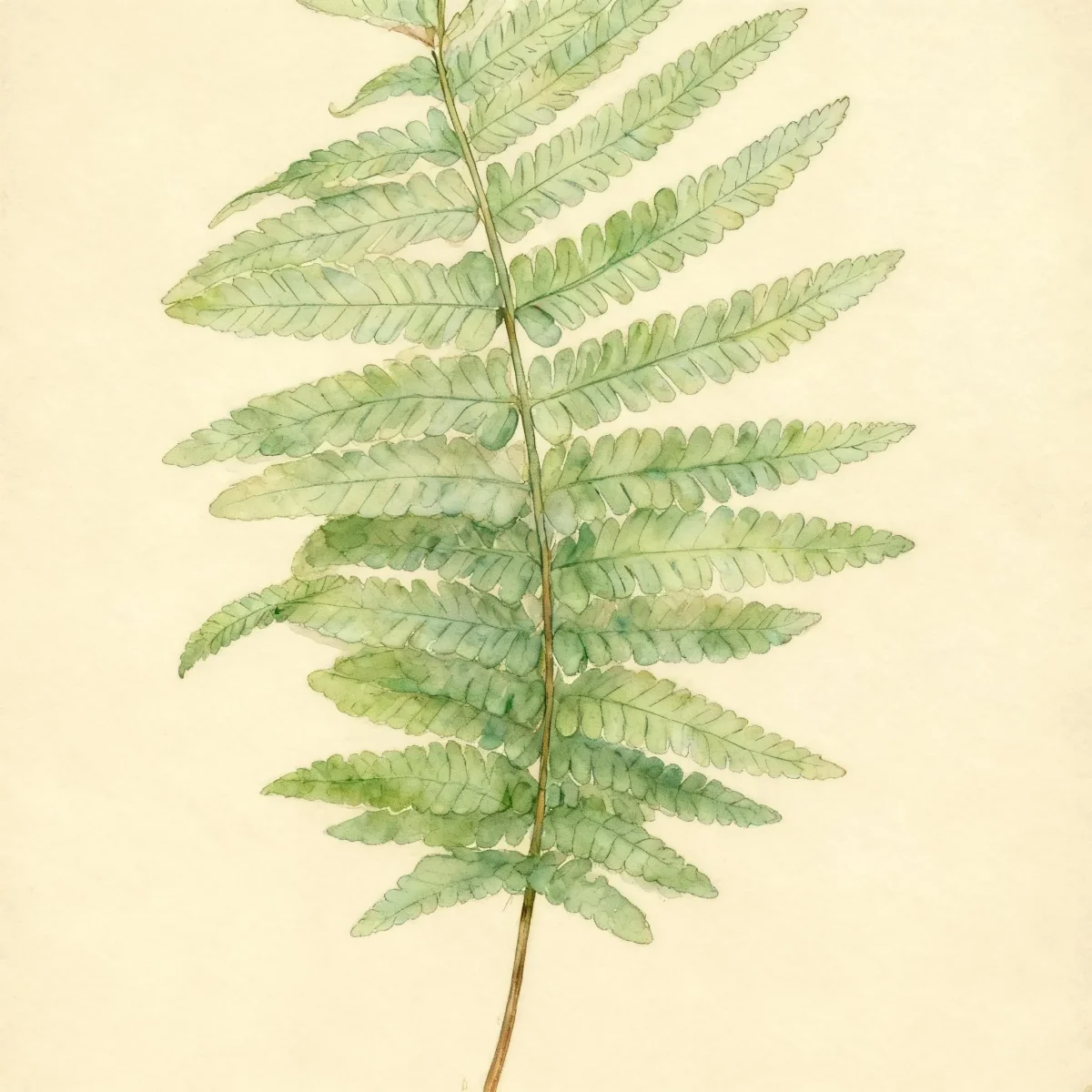
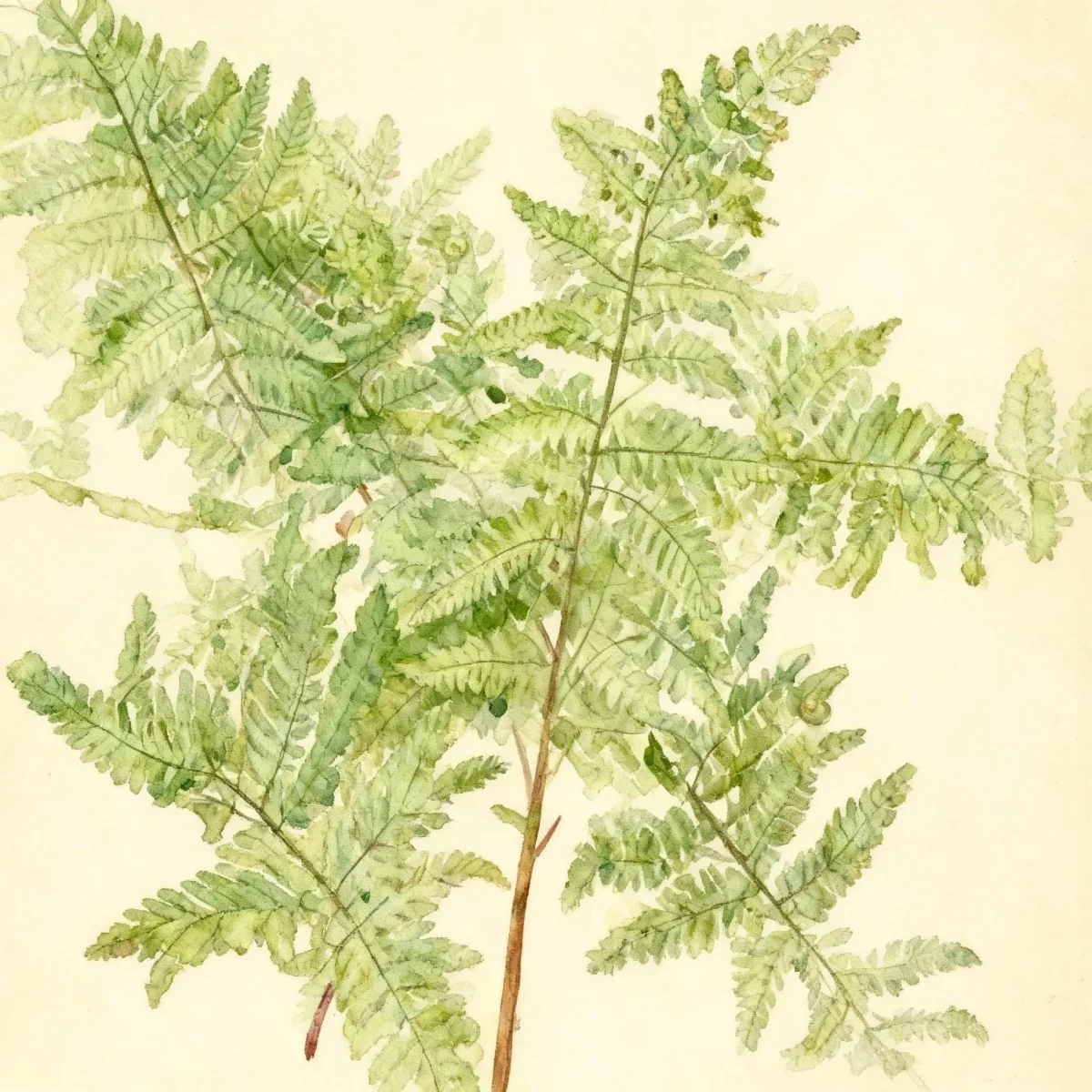
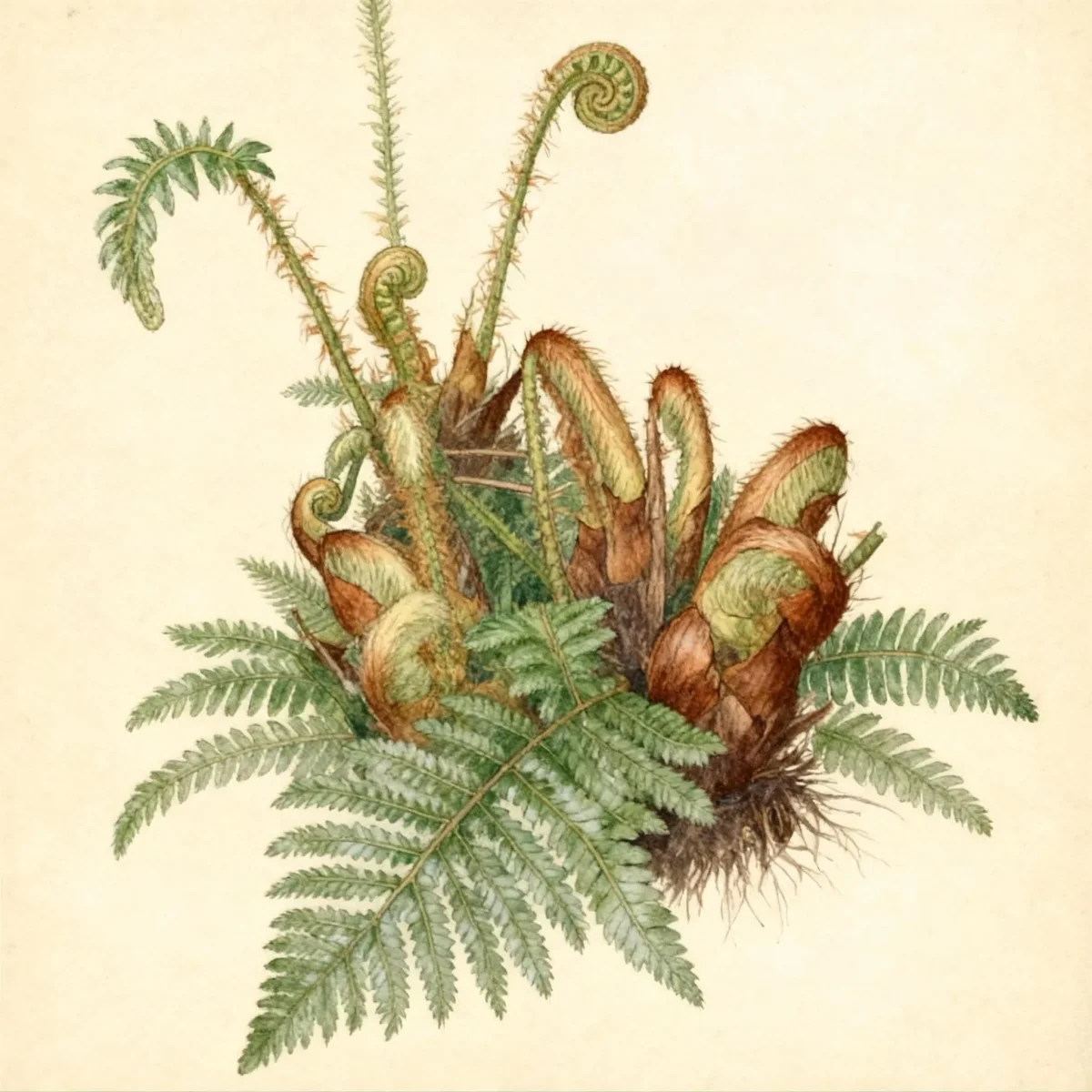
The Tassel fern, scientifically known as Polystichum polyblepharum, brings outstanding texture and deep green permanence to shadowed garden spaces. This hardy evergreen fern is prized for its gracefully arching, bipinnate fronds that create a rich, layered appearance throughout the year. Its common name is derived from the unique way new crosiers emerge, flipping backward to resemble miniature tassels before flattening into maturity.
Native to Eastern Asia, this variety is adaptable to a range of zones, flourishing best where it receives protection from intense afternoon light. The Polystichum polyblepharum is valued by landscapers for its neat, vase-shaped clumping habit, making it an excellent structural element where flowering plants might fail.
As a low-maintenance perennial, the Tassel fern requires consistent moisture but tolerates neglect once established, offering reliable year-round visual interest in woodland settings or foundation plantings. Its resistance to common pests further enhances its appeal.
Fast Facts
- Plant Family: Dryopteridaceae
- Plant Type: Fern
- Native Range: Eastern Asia
- Hardiness Zones: USDA Zones 5-8
- Size at Maturity:
- Height: 1.5-2 ft
- Spread: 1.5-2 ft
- Bloom Time: Non-flowering
- Sun Exposure: Part shade to full shade
- Water Needs: Medium
- Maintenance Level: Low
How to Grow
Planting the Polystichum polyblepharum should ideally occur in spring or early fall when temperatures are moderate. Choose a location offering protection from the hottest afternoon sun, favoring dappled or deep shade. Success hinges on excellent soil structure; aim for organically rich, consistently moist, well-drained loams. A critical preventative measure against crown rot, especially in areas with winter moisture issues, is to plant the rhizome slightly angled rather than perfectly flat.
Ongoing care for the Tassel fern is straightforward. Maintain medium moisture levels, ensuring the soil never dries out completely, although heavy, waterlogged conditions must be avoided. Fertilization is usually unnecessary if the planting site is rich in organic matter. Pruning typically involves only removing any noticeably damaged or dead fronds as they appear, though often, this isn’t required until early spring cleanup.
When managing the winter season, the evergreen nature of Polystichum polyblepharum means the existing foliage remains attractive. In colder zones (closer to Zone 5), ensure mulch is adequate to insulate the crown. Spring cleanup is minimal; trim back any brown foliage to allow the new, tassel-tipped fronds to emerge cleanly.
Landscape Uses
The reliable structure and deep green coloration of the Tassel fern make it an exemplary choice for filling shaded borders and defining edges. Its moderate height (up to 2 feet) functions perfectly along foundation plantings where taller shrubs might overwhelm the architecture, or as a textured element within mixed shade borders.
This fern excels in creating the ambiance of a woodland garden. Plant drifts of Polystichum polyblepharum beneath deciduous trees, allowing the spring light to dapple its robust foliage before the canopy fills in. It pairs beautifully with hostas, bleached ferns, or dark-leaved astilbes, providing excellent contrast in texture and shade tolerance.
For a formal yet naturalistic look, use the Tassel fern to line shaded pathways or mass plantings in wild gardens where low maintenance is a priority. Its fine texture softens the hard lines of stone hardscaping effectively.
Standout Features
Noteworthy Characteristics
Polystichum polyblepharum, commonly called tassel fern, is an evergreen fern that is native to Japan and southern Korea. It features shiny, bipinnate, dark green fronds (to 1-2’ long) with finely divided but overlapping pinnae. It grows in an outward-spreading, vase-shaped clump to 24” tall and 24” wide. Crosiers flip over backwards to form tassels as the newly emerging fronds unfurl, hence the common name of tassel fern for this plant. Genus name comes from the Greek words polys meaning many and stichos meaning in a row in reference to its spore cases being in rows.
Tolerances
- Rabbit
- Deer
Potential Problems
Fortunately, the Tassel fern generally exhibits exceptional resistance to serious insect infestations or fungal diseases. The primary concern growers face relates directly to soil conditions rather than pests. Crown rot is a notable potential problem, particularly during winter months or if the soil has inadequate drainage.
To prevent crown rot in Polystichum polyblepharum, rigorous attention to soil aeration and drainage is essential. If your site is naturally heavy clay, amend heavily with compost and grit to improve porosity. As mentioned in cultivation notes, planting the rhizome at a slight angle can also help direct moisture away from the center growing point.
Frequently Asked Questions
What hardiness zones is Tassel fern suitable for?
The Tassel fern is suitable for gardeners located in USDA Hardiness Zones 5 through 8.
How large does Polystichum polyblepharum grow?
This fern typically achieves a mature height between 1.5 and 2 feet tall, with a similar spread of 1.5 to 2 feet wide, forming a neat clump.
What sun exposure does Tassel fern need?
Polystichum polyblepharum thrives in conditions ranging from part shade to full shade, preferring environments where it is sheltered from intense, direct sunlight.
When does Tassel fern bloom?
This plant is a fern and is non-flowering; it develops texture through its foliage rather than blooms.
Conclusion
The Tassel fern provides significant aesthetic value through its glossy, evergreen foliage and unique unfurling habit, solidifying its place as a reliable performer in difficult shady spots. For gardeners seeking low-maintenance structure, Polystichum polyblepharum is an outstanding choice. Confirm your garden falls within USDA Zones 5-8, ensure your soil drains well, and plan your planting this spring for season-long evergreen beauty.
Companion Planting
Since the Tassel fern requires consistent moisture and deep shade, companion planting should focus on other shade-loving moisture-tolerant perennials. Hostas are natural partners, offering a contrast in leaf size and texture, particularly varieties with bright greens or blues to offset the deep forest green of the Polystichum polyblepharum.
Consider layering textures for dynamic effect. While the fern fills the mid-layer, use groundcovers like moss or creeping Ajuga at the base. In woodland settings, spring ephemeral bulbs that go dormant mid-summer, such as trilliums or bloodroot, will emerge and bloom before the Tassel fern fully expands its seasonal canopy.
For visual depth, avoid overly coarse companions that compete with the fine division of the fern’s fronds. Plants with fine foliage, like Japanese forest grass (Hakonechloa macra), complement the texture of the Tassel fern beautifully without creating visual chaos.
Seasonal Care Calendar
Spring is the primary time for maintenance for your Tassel fern. Begin by cutting back any old, ragged foliage that did not naturally decompose over winter. This clears the way for the new crosiers, which emerge looking like miniature tassels.
Summer maintenance centers entirely on water management. Because the Tassel fern requires medium moisture, you must actively monitor irrigation, especially during dry spells, to ensure the soil stays consistently damp but not saturated. Avoid overhead watering late in the day, which can promote fungal issues that cause crown rot.
In fall, resist the urge to heavily mulch heavily around the crown of the plant; a light layer of compost is ideal for feeding the soil structure. If the plant shows signs of struggle entering winter, a protective layer of pine straw can help insulate the root zone in colder parts of Zones 5 and 6.