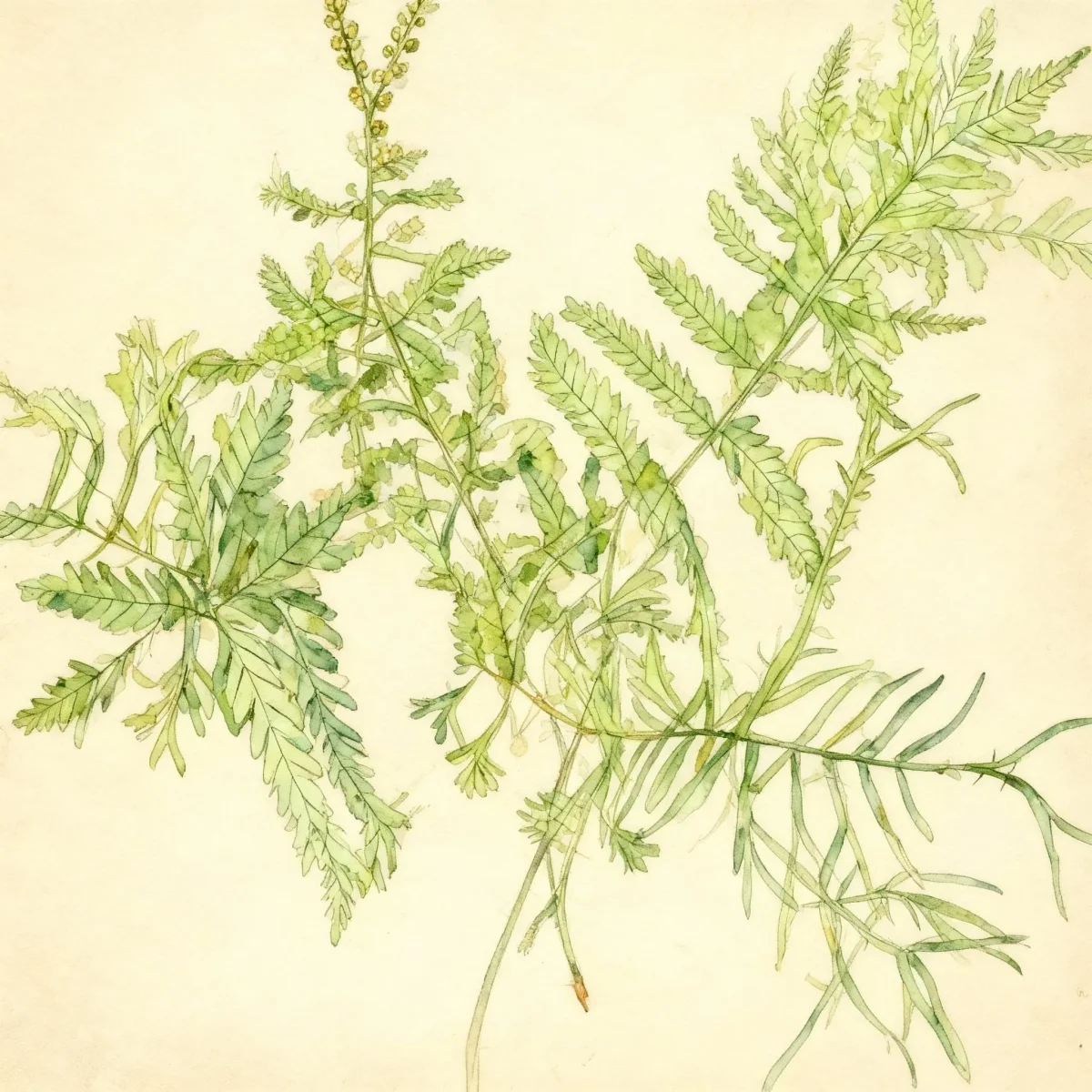
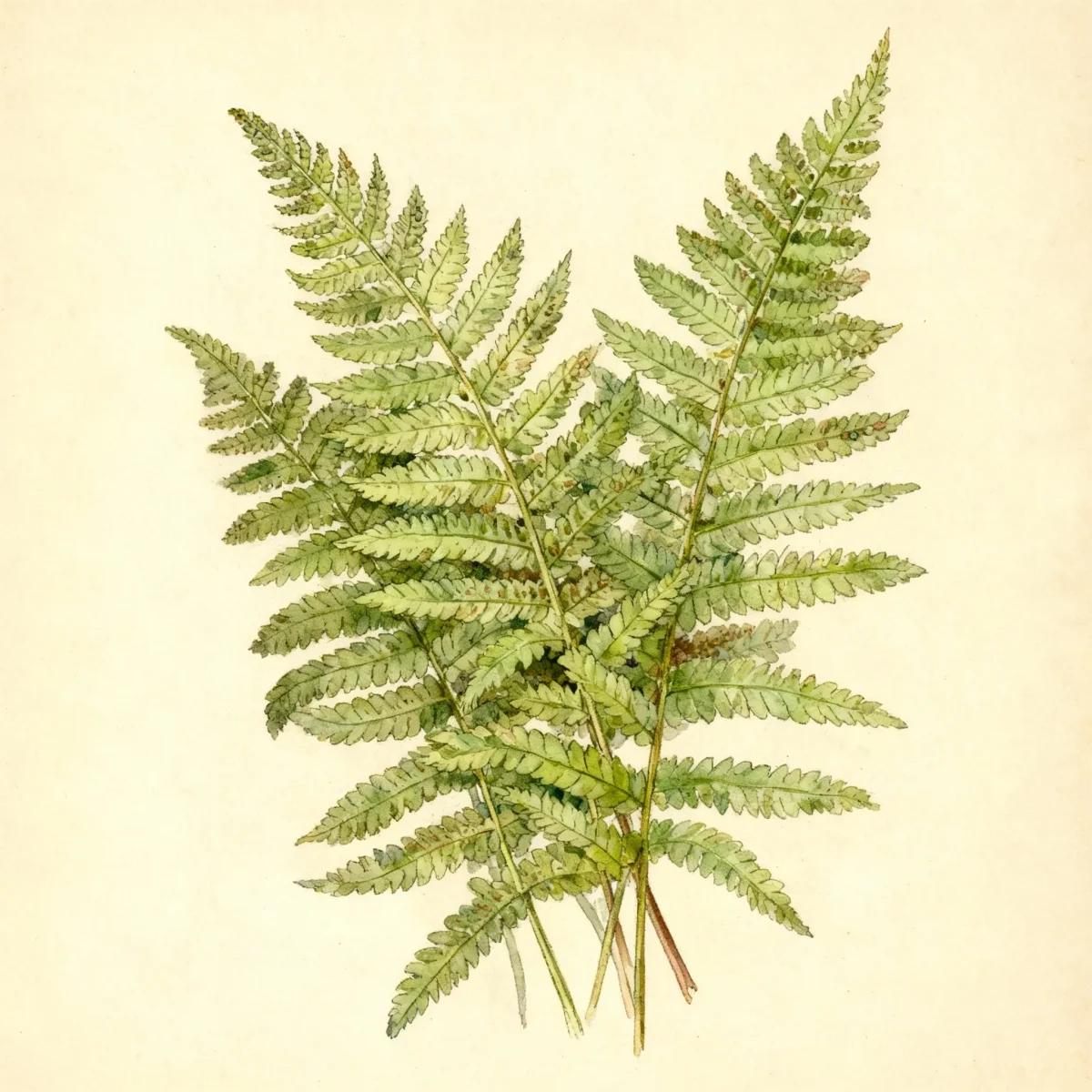
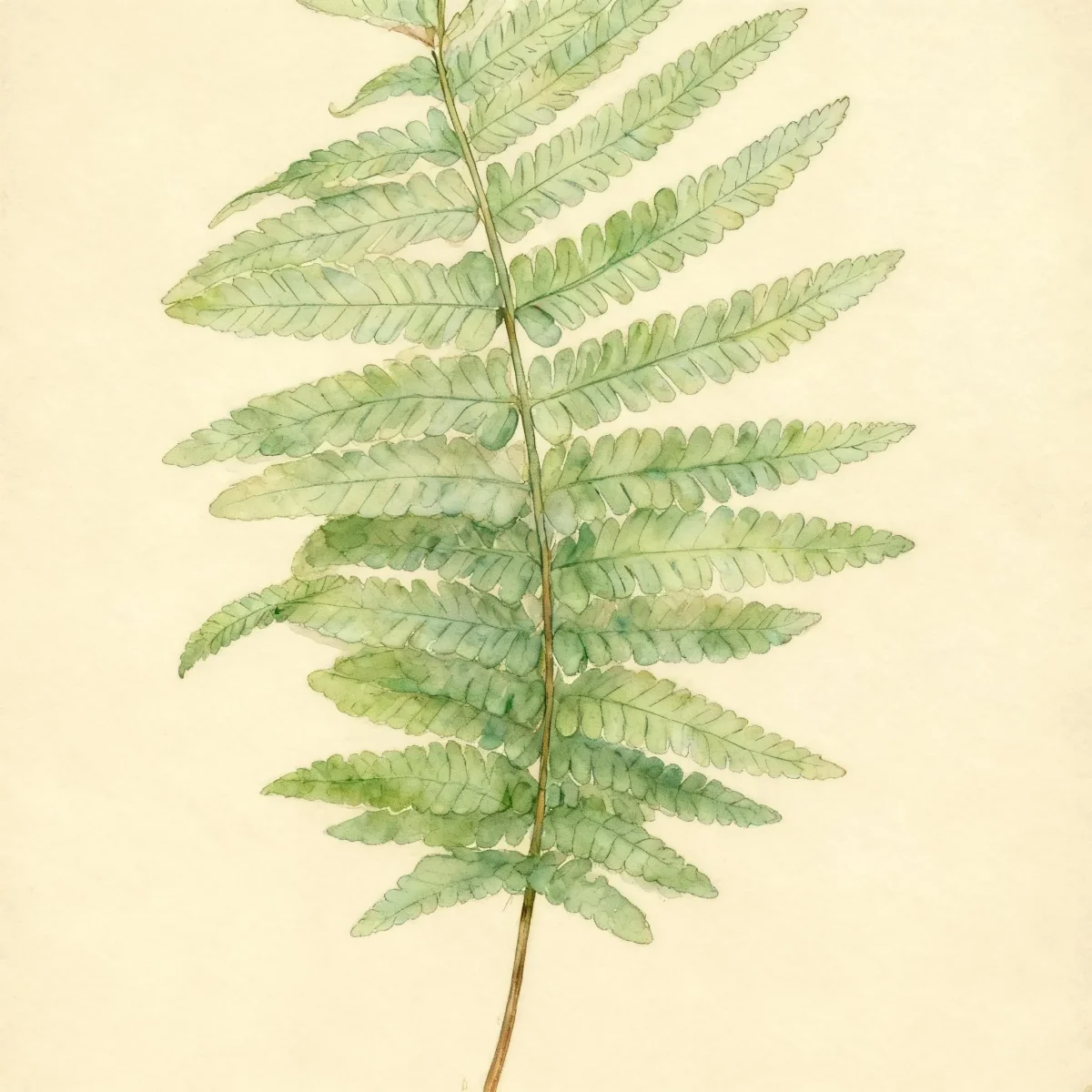
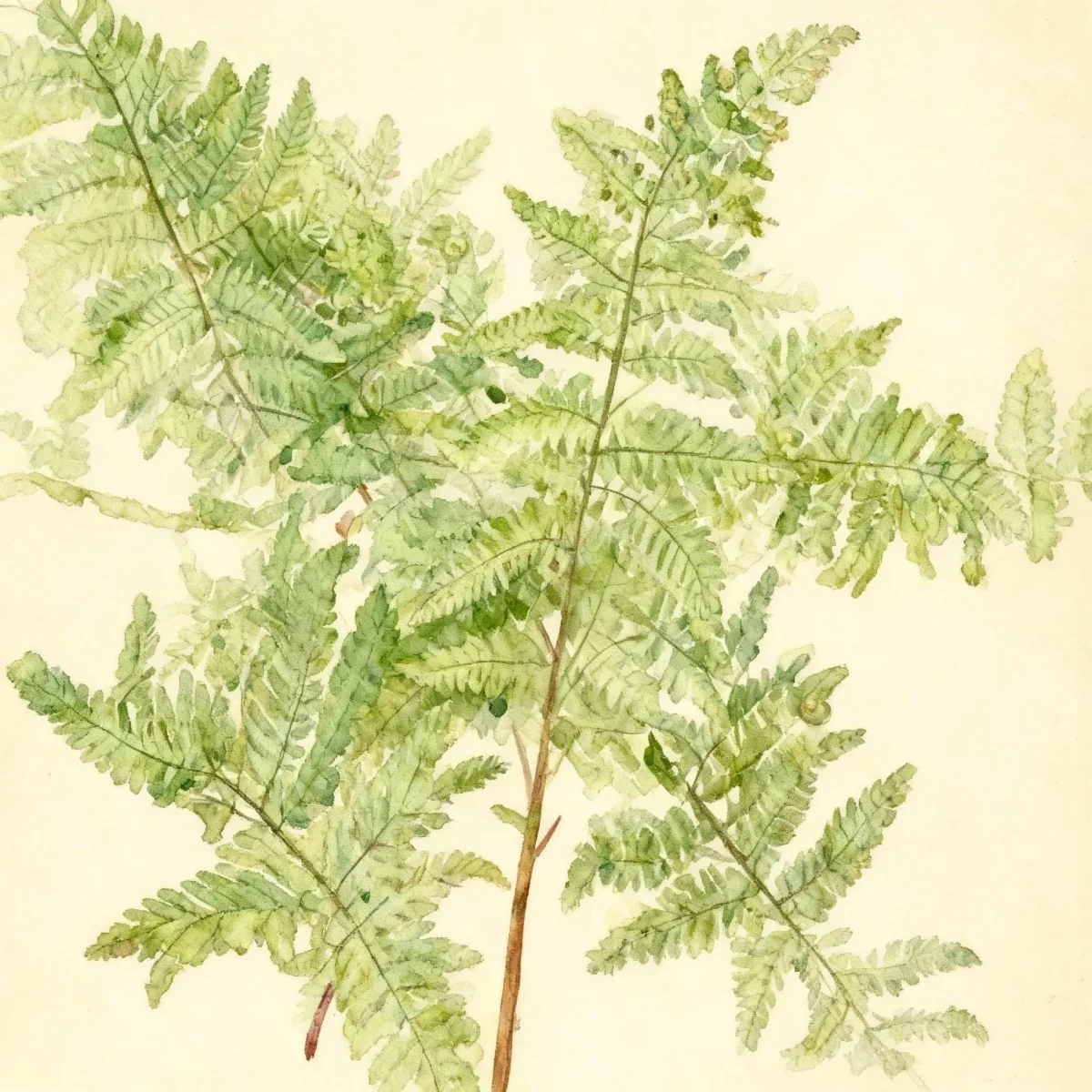
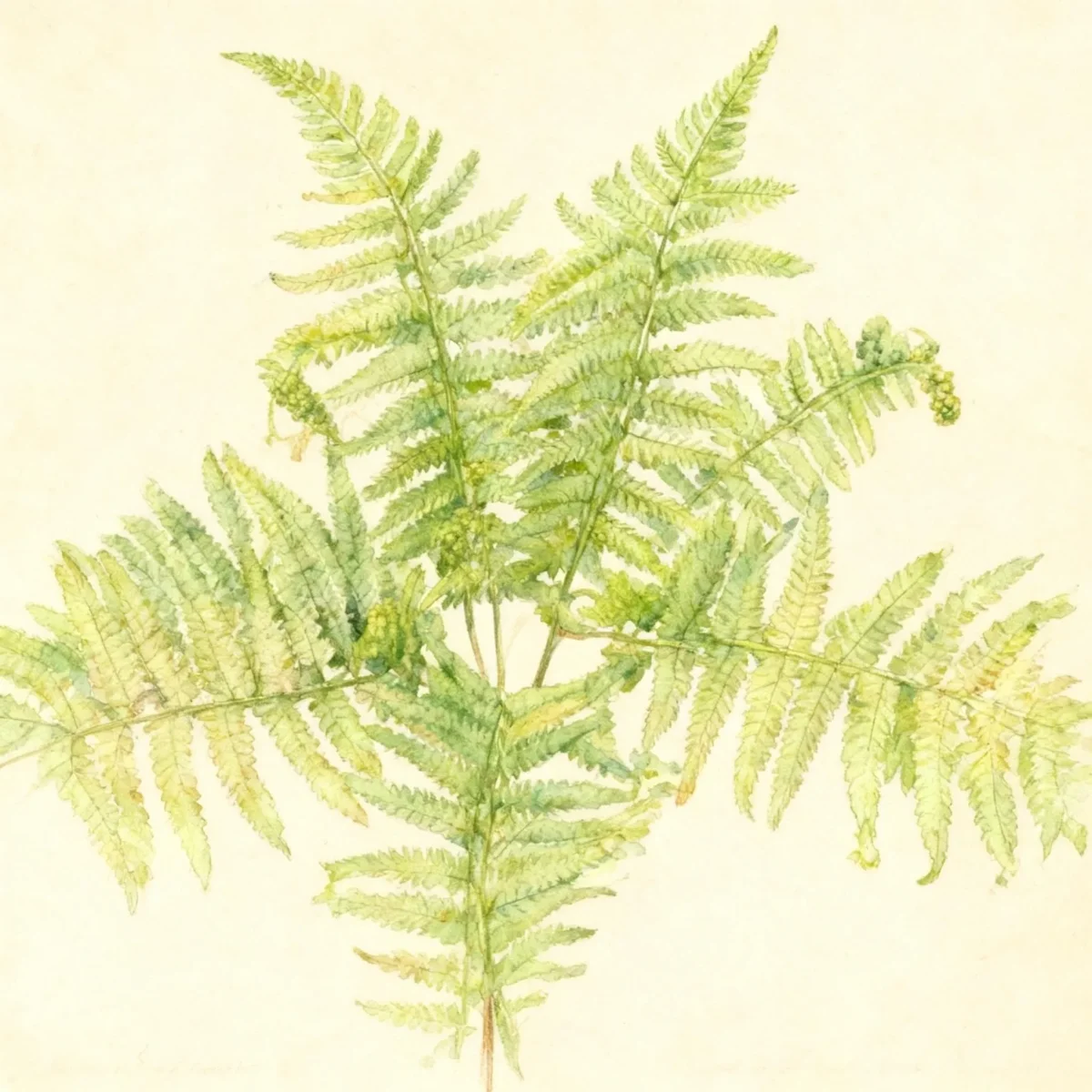
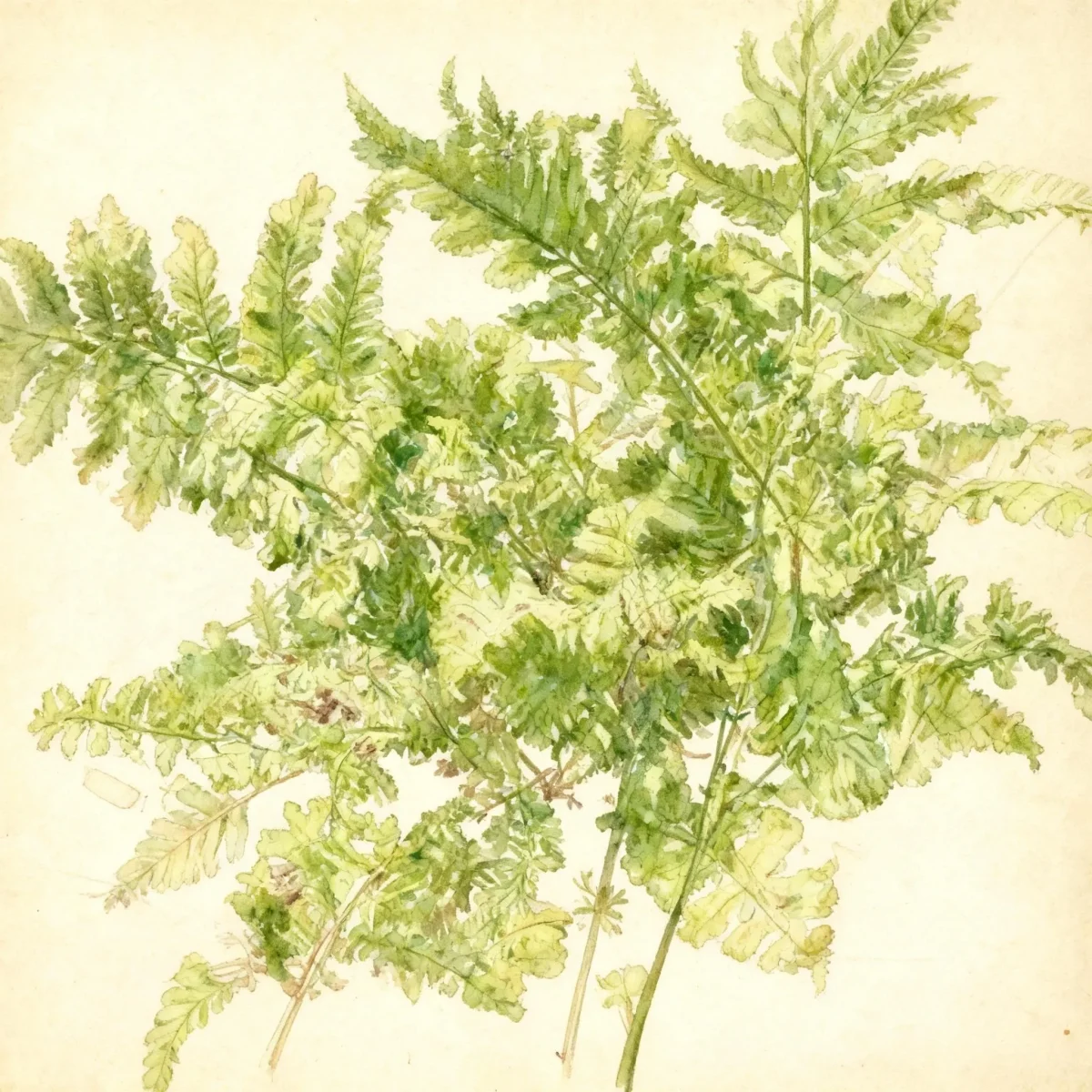
Mexican male fern (Dryopteris pseudofilix-mas)
The Mexican male fern (Dryopteris pseudofilix-mas) is a stunning semi-evergreen fern ideal for deep shade.
Scroll down to discover growing tips, care requirements, companion plants, and more
Complete Plant Information
Overview
The Mexican male fern, botanically known as Dryopteris pseudofilix-mas, offers gardeners a lush, textured addition perfect for the deepest recesses of the garden. Native to the high alpine forests of Mexico, this species is valued for its semi-evergreen nature and its strong resemblance to the more common D. filix-mas. It establishes a substantial, upright clump, providing dependable vertical interest where few other foliage plants thrive.
Unlike many ferns that pause growth, Dryopteris pseudofilix-mas is noteworthy because it continues to produce new fronds throughout the entire growing season, ensuring a fuller appearance longer. Its cultural needs—consistently moist, humusy soil in shade—make it an excellent choice for woodland simulations or beneath dense tree canopies. Gardeners appreciate the low maintenance required once established.
This robust fern easily attains heights up to four feet, creating significant architectural presence in shade perennial borders or woodland settings. Ensure you site your Mexican male fern protected from harsh winds to maintain the integrity of its elegant fronds, securing a prime spot for this beautiful woodland native.
Fast Facts
- Plant Family: Dryopteridaceae
- Plant Type: Fern
- Native Range: Mexico
- Hardiness Zones: USDA Zones 5-8
- Size at Maturity:
- Height: “2-4 ft”
- Spread: “2-3 ft”
- Bloom Time: Non-flowering
- Bloom Description: Non-flowering
- Sun Exposure: Part shade to full shade
- Water Needs: Medium
- Maintenance Level: Low
How to Grow
Planting Dryopteris pseudofilix-mas is best done in the spring or fall when soils are cool, allowing the roots to establish without heat stress. Select a location that provides deep shade or partial shade, ensuring the spot is protected from strong, drying winds that can damage the foliage. The key to success for the Mexican male fern is soil composition; it critically requires consistently moist, well-drained soils rich in organic matter and humus.
Watering should be maintained strictly; do not allow the soil where Dryopteris pseudofilix-mas resides to dry out completely, as this species demands consistent moisture. Fertilizing is rarely necessary if the soil is rich in organic matter, as ferns prefer lean conditions over heavy feeding. Focus clean-up efforts on removing tattered old foliage in early spring before new growth aggressively emerges.
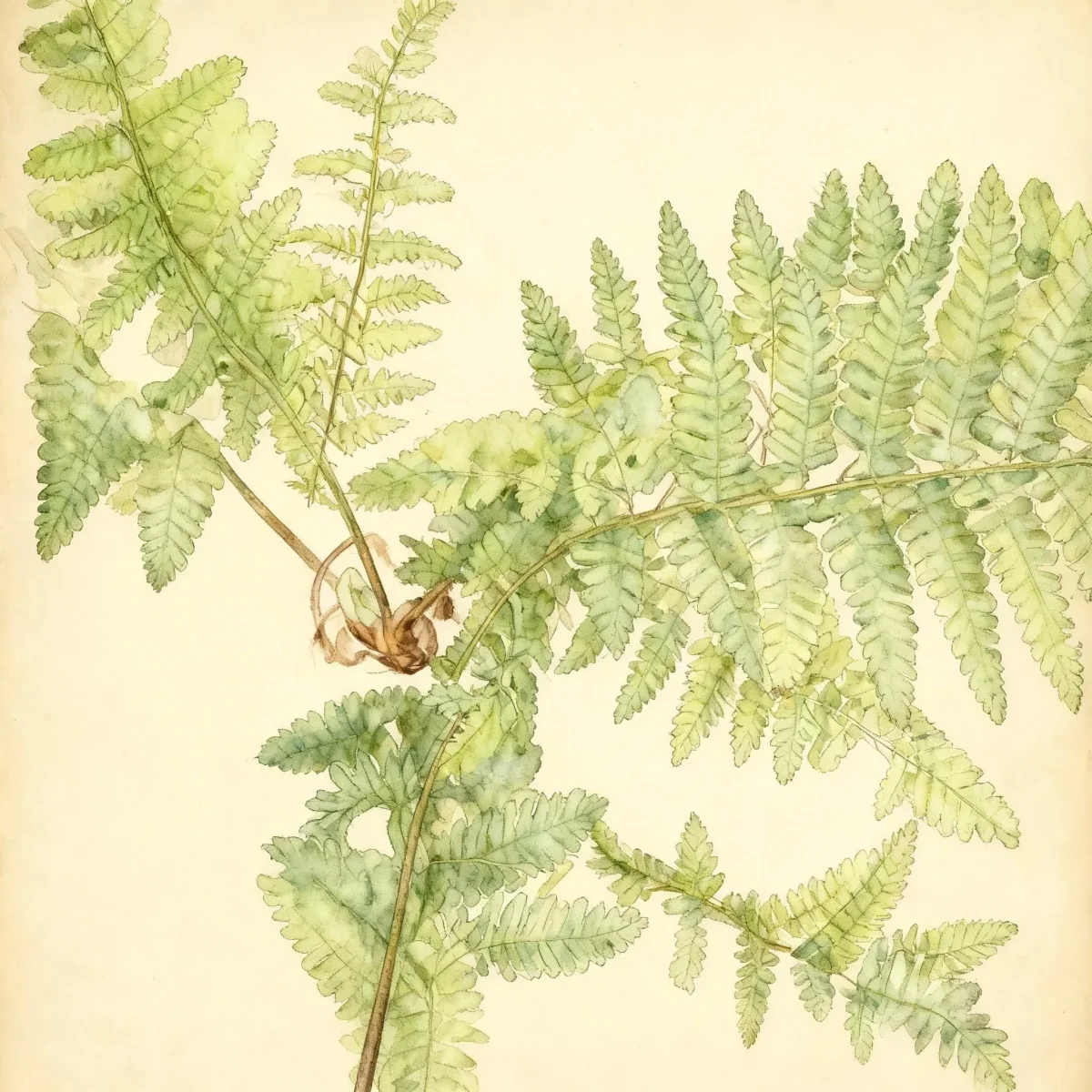
Consider the underground structure; this fern develops an erect crown of rhizomes. While generally slow-moving, ensuring good air circulation around the base prevents crown rot, especially in humid conditions. Proper site selection focusing on consistent moisture and shelter is the primary maintenance task for this otherwise exceptionally easy-to-grow fern.
Landscape Uses
The robust size and shade tolerance of the Mexican male fern make it an outstanding foundational plant for moist woodland or shade gardens. Use Dryopteris pseudofilix-mas to provide strong vertical structure along shaded pathways or as a background element in deep borders where sun-loving plants fail. Their rich green texture contrasts beautifully against lighter foliage plants like Hosta or Astilbe.
In structured, formal shade gardens, allow a few specimens of Mexican male fern to form a natural, low-maintenance screen. They combine well with moisture-loving companions such as Rodgersia or various native ferns that appreciate similar humusy soil conditions. Avoid planting near shallow-rooted trees that aggressively compete for surface moisture, as this fern needs constant hydration.
Standout Features
Noteworthy Characteristics
Dryopteris pseudofilix-mas, commonly called Mexican wood fern, is a semi-evergreen fern that is native to high alpine forests in Mexico. It is similar in appearance to D. Filix-mas (male fern) and in that regard is sometimes commonly called Mexican male fern. It is also similar to D. Affinis. It typically grows in a large clump to 4’ tall, and unlike most other plants in the genus, this fern continues to produce new fronds throughout the growing season.
Tolerances
- Rabbit
- Heavy Shade
Potential Problems
The Mexican male fern (Dryopteris pseudofilix-mas) generally exhibits outstanding resistance, showing no serious insect or disease problems under ideal conditions. The primary health risk associated with this plant is cultural, stemming from improper moisture management. Root or crown rot can occur if the soil is excessively heavy, poorly drained, or remains perpetually waterlogged rather than consistently moist.
To prevent issues, amend heavy clay soils thoroughly with compost or grit before planting to ensure sharp drainage. If you notice fronds yellowing or dying back rapidly outside of normal senescence, confirm that the soil is not simply too dry, as drought stress is the next most common issue for this species after poor drainage.
Frequently Asked Questions
What hardiness zones is Mexican male fern suitable for?
The Mexican male fern is suitable for planting in USDA hardiness zones 5 through 8.
How large does Dryopteris pseudofilix-mas grow?
This fern typically reaches a mature height between 2 and 4 feet tall, with a spread ranging from 2 to 3 feet wide.
What sun exposure does Dryopteris pseudofilix-mas need?
Dryopteris pseudofilix-mas thrives best in part shade to full shade conditions within the garden landscape.
When does Mexican male fern bloom?
As a fern, this plant is non-flowering and does not produce blossoms or fruit.
Conclusion
For gardeners seeking reliable texture and semi-evergreen structure beneath a dense canopy, the Mexican male fern is an exceptional choice. Its low maintenance profile, combined with resilience against rabbits and heavy shade, makes Dryopteris pseudofilix-mas a dependable perennial highlight. Before planting, ensure your chosen site offers rich, consistently moist soil, and check that your USDA zone falls between 5 and 8 for the best long-term success.
Companion Planting
When selecting neighbors for Dryopteris pseudofilix-mas, focus on plants that share its love for moist, rich, shaded environments. Good companions include various Hosta cultivars, particularly those with blue or variegated foliage to contrast the dark green fronds of the fern. Bloodroot (Sanguinaria) and Bleeding Heart (Dicentra) are excellent early spring bloomers that will emerge before the fern fully expands, creating layered interest.
Consider moisture-loving perennials like Japanese Forest Grass (Hakonechloa macra) for a softer, cascading texture near the upright habit of the Mexican male fern. These pairings create a classic, lush woodland tapestry that requires minimal mid-summer intervention once established, adhering to the low-maintenance appeal of Dryopteris pseudofilix-mas.
Propagation Tips
Propagation of the Mexican male fern is most successfully achieved through division of the crown. This process is best undertaken in early spring just as new fiddleheads begin to emerge, or in the fall after the main growth flush has completed. Gently dig around the established clump and carefully sever sections of the rhizome crown, ensuring each new division has a healthy set of roots and several developing fronds or buds.
If planting divisions immediately, ensure they go into soil matching the parent plant’s requirements: consistently moist, high in organic matter, and well-drained. While ferns technically reproduce via spores, division is the standard, faster, and more reliable method for propagating mature, named cultivars like Dryopteris pseudofilix-mas to ensure true-to-type results. A divided Mexican male fern will establish quickly in its new location.