Pomegranate (Punica granatum)
The Pomegranate (Punica granatum) is a deciduous shrub prized for showy orange-red flowers and edible fruit. Hardy in Zones 8-11.
Scroll down to discover growing tips, care requirements, companion plants, and more
Complete Plant Information
Overview
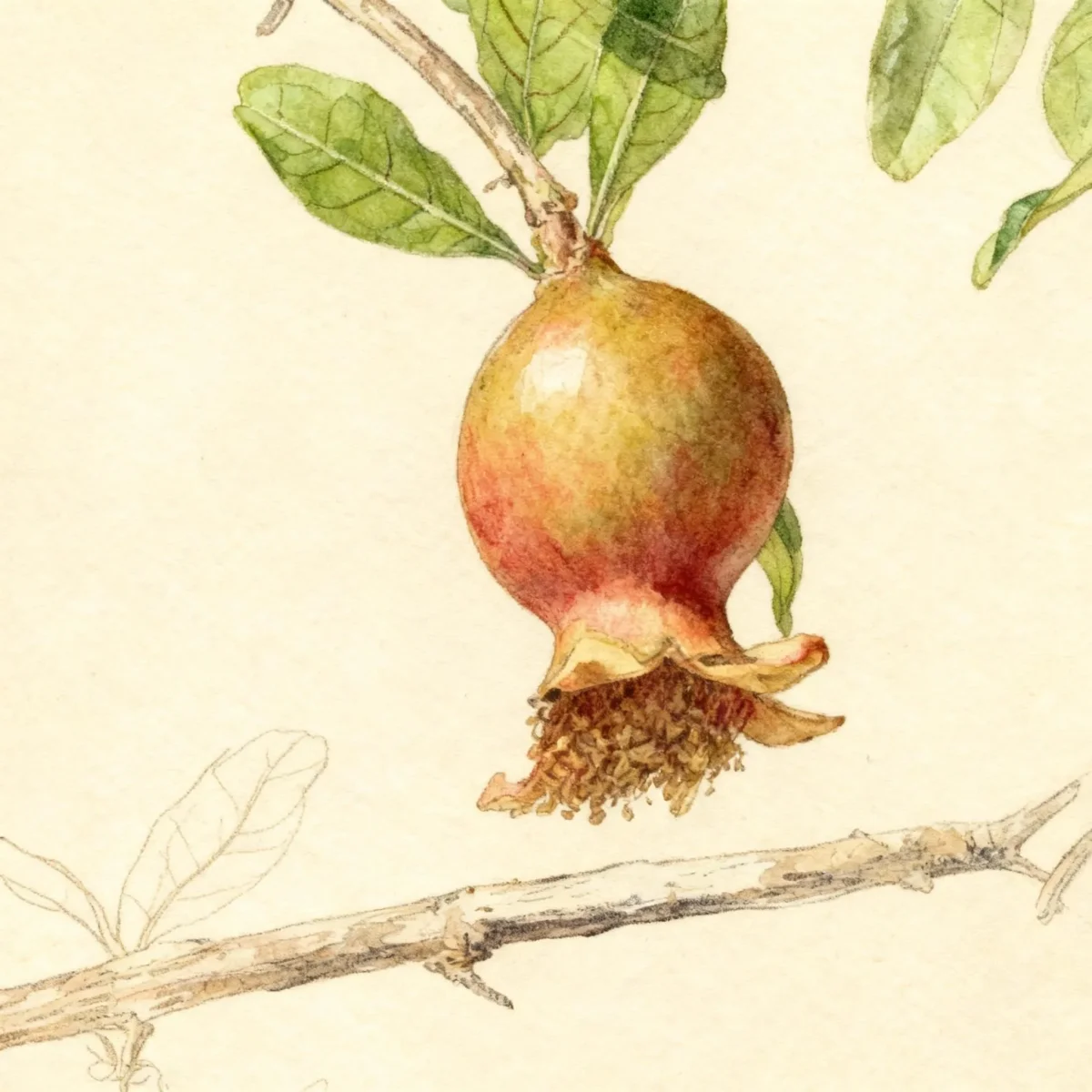
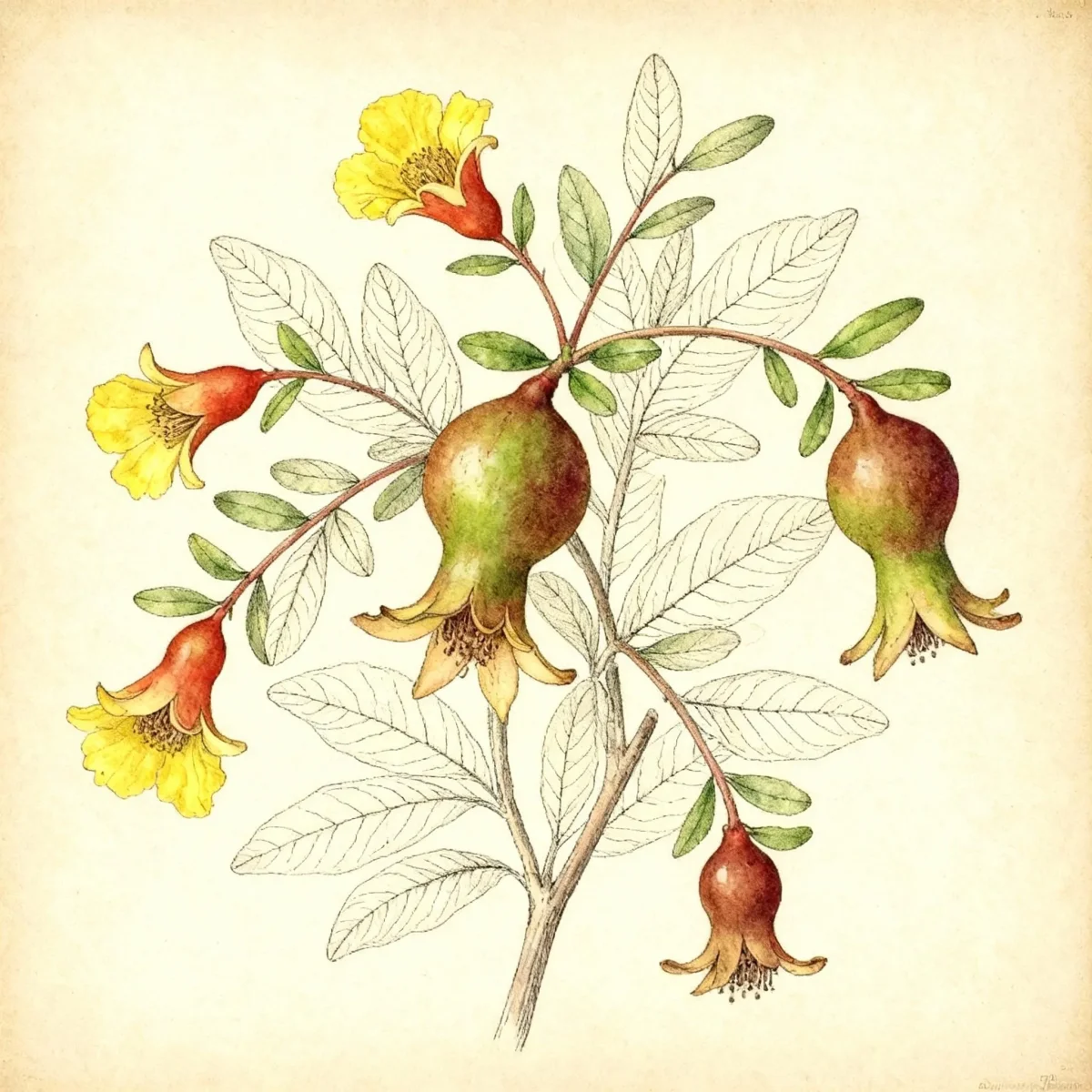
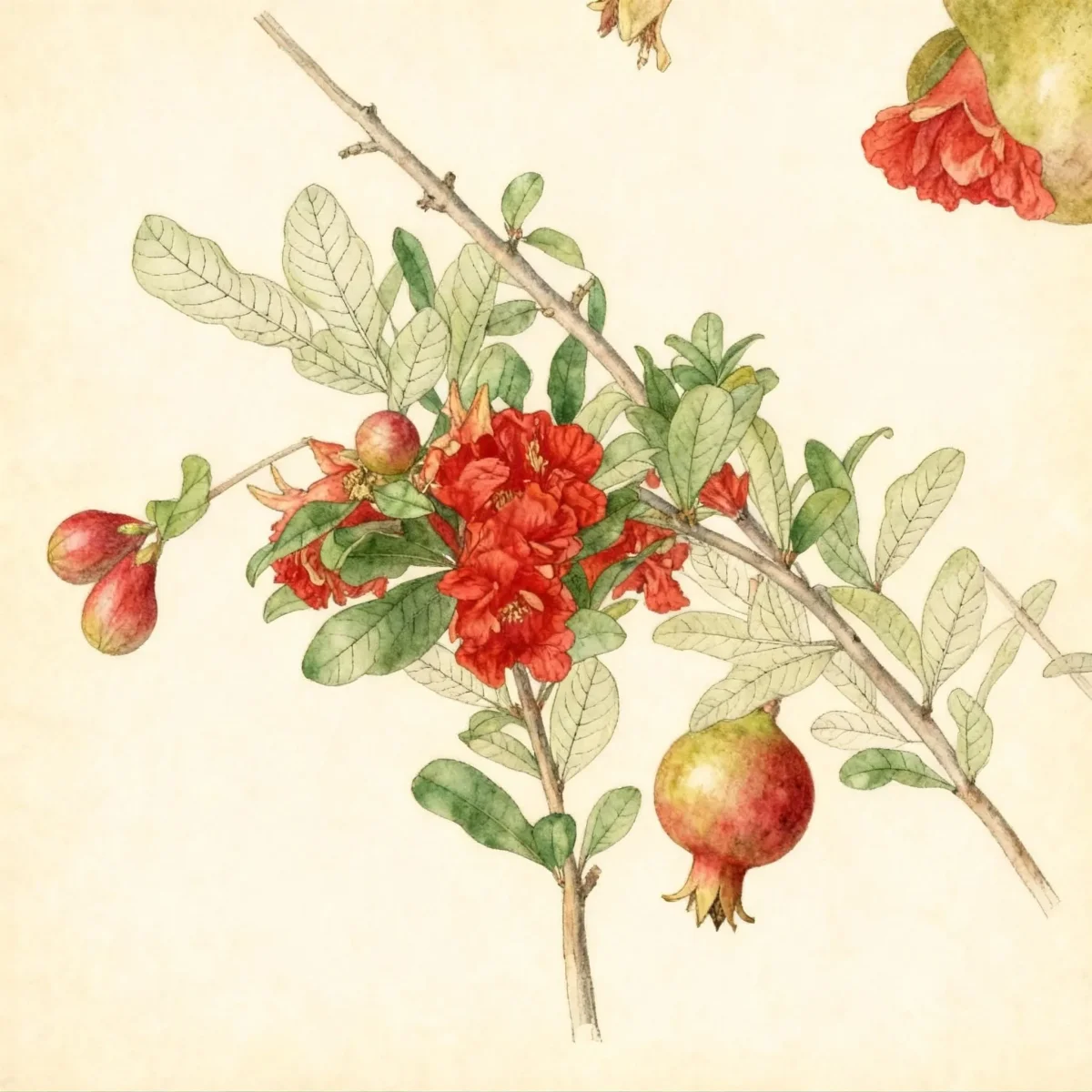
The Pomegranate, scientifically known as Punica granatum, is a highly valued, multi-stemmed deciduous shrub or small tree celebrated globally for its beauty and productive nature. Gardeners prize this plant for its attractive ornamental features, particularly the bright, trumpet-shaped orange-red flowers that appear throughout the summer months before developing into sought-after, edible fruits. Originating in the wild regions of Western Asia, the resilient Punica granatum thrives in climates characterized by long, hot summers, making it a superb focal point in warm-weather landscapes.
This species transitions gracefully from an attractive shrub to a small tree reaching up to 20 feet, offering seasonal interest from bloom to harvest. While it is best known for its culinary uses—the juicy arils within the leathery fruit are highly desirable fresh or processed—its drought tolerance also makes the Pomegranate a practical, moderately low-maintenance choice for sunny borders. For gardeners in suitable regions, cultivating this ancient fruit-bearing ornamental is both rewarding and visually stunning.
Fast Facts
- Plant Family: Lythraceae
- Plant Type: Deciduous shrub
- Native Range: Middle and western Asia
- Hardiness Zones: USDA Zones 8-11
- Size at Maturity:
- Height: 6-20 ft
- Spread: 4-15 ft
- Bloom Time: July to August
- Bloom Description: Orange-red
- Sun Exposure: Full sun
- Water Needs: Dry to medium
- Maintenance Level: Medium
How to Grow
For optimal establishment, plant Punica granatum during the dormant season, allowing it to settle before the summer heat sets in. This plant performs best when situated in well-drained, fertile loams that are rich in organic matter. Full sun exposure is non-negotiable, as plants fruit most successfully in environments that experience very long, hot, and dry summers, often exceeding 90°F, coupled with relatively cooler winters.
Watering routines are crucial; allow the soil to dry out almost completely between thorough soakings to mimic its arid native environment, especially during fruiting periods. Maintenance involves diligent removal of suckers that emerge from the base of the plant as they develop, keeping the desired structure intact. Pruning should be conducted in late winter as needed to shape the structure or remove dead wood.
For those gardening in marginal zones, container culture is an excellent alternative. Use a rich, fertile soil mix for potted pomegranate specimens. During summer, place containers outside in bright, sunny spots, ensuring regular moisture. Crucially, these containers must be brought indoors to overwinter in a cool, bright location, reducing watering significantly, which may encourage leaf drop.
Landscape Uses
The Pomegranate is exceptionally versatile within its successful hardiness range. Its upright, multi-stemmed habit makes it an excellent specimen plant, drawing attention with its vibrant blooms and eventual fruit display. It excels when used structurally as a hedge, offering density and seasonal rewards. Consider incorporating Punica granatum into Mediterranean-style garden designs where its love for heat and drier conditions fits seamlessly among succulents and drought-tolerant flowering perennials.
Where winter hardiness is a concern, container growing immediately expands your options, allowing the Pomegranate to be seasonally displayed outdoors and safely stored indoors during frost. When planting in beds or borders, utilize its height potential by placing it toward the back, allowing shorter, sun-loving companions with similar dry water needs to soften the edges. Its unique foliage and structure offer significant textural contrast throughout the growing season.
Standout Features
Flower Qualities
- Showy
Fruit Qualities
- Showy
- Edible
Noteworthy Characteristics
Punica granatum, commonly called pomegranate, is recognized as a multi-stemmed deciduous shrub or small tree, typically reaching heights between 6 and 20 feet. It has been cultivated for centuries not just for its orange-sized edible fruit, but also for its impressive ornamental qualities, featuring trumpet-shaped flowers that give way to leathery, globose fruits. The interior segments are packed with juicy, edible sacs known as arils, which are the basis for fresh consumption and making products like grenadine syrup.
Tolerances
- Drought
Potential Problems
While the Pomegranate is generally tough, successful fruiting requires high heat, which is a limiting factor in cooler northern climates like St. Louis, where species plants may fail to produce fruit. Deer typically avoid browsing on this shrub, lending it some natural pest resistance in that regard.
Potential horticultural challenges include various leaf spots, fruit blotch, and rot issues, often indicating overly humid conditions or poor air circulation. Insect pressures may involve scale insects, stem borers, caterpillars, whiteflies, and mealybugs. Management should focus on maintaining optimal dry soil conditions and pruning for good air flow to reduce disease risk, while chemical or horticultural oil treatments can address persistent insect infestations.
Frequently Asked Questions
What hardiness zones is Pomegranate suitable for?
The Pomegranate (Punica granatum) is winter hardy in USDA Zones 8 through 11.
How large does Pomegranate grow?
At maturity, this shrub typically reaches a height between 6 and 20 feet, with a corresponding spread of 4 to 15 feet.
What sun exposure does Pomegranate need?
Punica granatum requires full sun exposure to perform best and consistently produce fruit.
When does Pomegranate bloom?
The striking orange-red flowers of the Pomegranate appear throughout the summer, typically blooming from July to August.
Conclusion
The Punica granatum, or Pomegranate, remains a superb choice for gardeners seeking a plant offering both strong architectural structure and tangible culinary rewards when grown in the right conditions. Its drought tolerance and spectacular blooms add significant value to dry, sunny landscapes across Zones 8-11. Assess your local summer heat profile and prepare well-drained soil to ensure this magnificent shrub thrives in your garden.
Companion Planting
Due to the Pomegranate’s requirement for full sun and dry to medium soil moisture, successful companions should share similar drought tolerance once established. Consider pairing Punica granatum with plants that thrive in hot, dry environments, such as ornamental grasses like Blue Fescue (Festuca glauca) or Rosemary (Salvia rosmarinus). Mediterranean staples like Lavender (Lavandula) provide contrasting color and fragrant textures that complement the structural elegance of the Pomegranate shrub beautifully. Avoid crowding the base, as good air circulation is key to preventing fungal issues prevalent in humid weather.
Container Growing
Growing Pomegranate in containers is an excellent strategy for urban gardeners or those in zones just outside suitability (Zones 7 or lower) for overwintering protection. Use a high-quality, well-draining potting mix, ensuring the container itself has ample drainage holes, as soggy roots will quickly compromise plant health. While container plants require more frequent watering than their in-ground counterparts during the active summer growing season, it is vital to reduce water significantly when moving the plant indoors for cool winter storage. Select established dwarf varieties like ‘Nana’ if you intend to keep the Pomegranate permanently indoors as a houseplant, as they manage indoor conditions better than standard species plants.