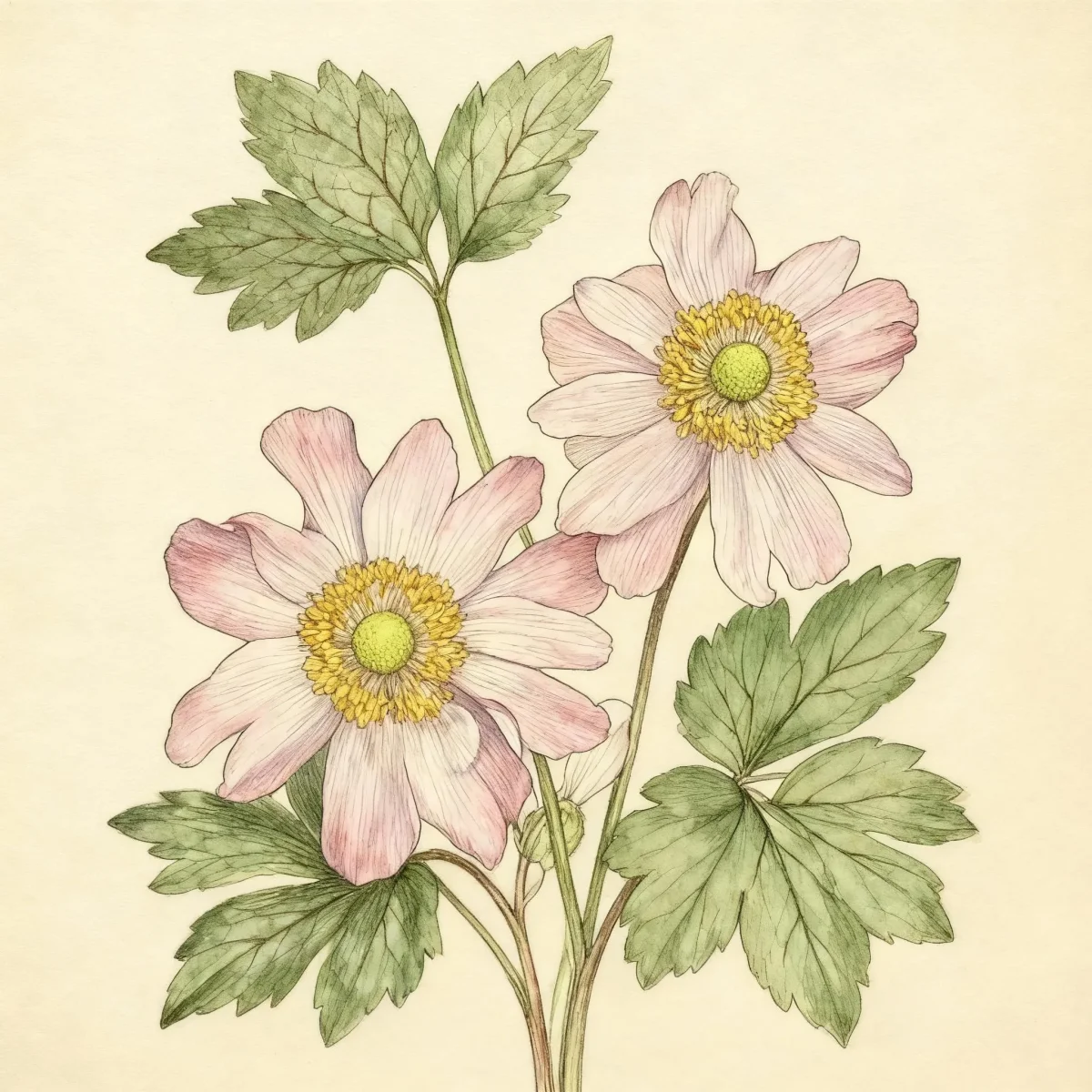
Windflower (Anemone cylindrica)
Anemone cylindrica, the native Windflower, thrives in dry soils, offering low-maintenance beauty from June to July.
Scroll down to discover growing tips, care requirements, companion plants, and more
Complete Plant Information
Overview
Anemone cylindrica, commonly known as Windflower, is a valuable addition to native and xeriscaped gardens throughout the Western United States. This upright herbaceous perennial distinguishes itself with unique, cylindrical seed heads that follow its late spring bloom, providing extended visual interest. Its resilience in drier conditions makes it an excellent, low-input staple plant.
The Windflower produces subtly beautiful, cup-shaped flowers of greenish-white nestled above deeply lobed, attractive foliage. Mature plants reach a modest height of 1 to 2 feet, spreading gently to create naturalized groupings. Gardeners prize Anemone cylindrica for its adaptability and its easy-going nature, requiring minimal intervention once established.
For naturalistic settings, this charming species excels. You can incorporate the Windflower into prairie restorations or dry woodland edges where it integrates well with native grasses and other drought-tolerant wildflowers. Its ability to handle both full sun and light shade provides flexibility in placement.
Fast Facts
- Plant Family: Ranunculaceae
- Plant Type: Herbaceous perennial
- Native Range: Western United States
- Hardiness Zones: USDA Zones 4-7
- Size at Maturity:
- Height: 1-2 ft
- Spread: 0.75-1.5 ft
- Bloom Time: June to July
- Bloom Description: Greenish-white
- Sun Exposure: Full sun to part shade
- Water Needs: Dry to medium
- Maintenance Level: Low
How to Grow
Establish Anemone cylindrica during the cooler periods of spring or early fall when moisture is more readily available. The key to success for this Windflower is excellent drainage; it thrives specifically in sandy or gritty soils. Ensure the site receives full sun to achieve the best flowering, though it tolerates light afternoon shade gracefully.
Once established, this perennial truly earns its low-maintenance status, as established plants tolerate significant drought. Water sparingly, allowing the soil to move from dry to medium moisture levels between irrigation events. Fertilization is generally unnecessary; amending poor soil is often discouraged as it may reduce drainage or encourage excessive moisture retention.
Minimal intervention is needed throughout the growing season. There are no reported serious insect or disease problems that typically plague this hardy native. Deadheading spent flowers is optional; leaving the seed cones intact provides excellent winter texture and allows the plant to self-sow naturally where it is suited.
Landscape Uses
The Windflower is perfectly suited for naturalizing across open, dry landscapes, fulfilling the suggested use of blending seamlessly into the environment. Its upright habit works well when interspersed within native plant gardens where it provides height variation among shorter groundcovers. Consider using Anemone cylindrica along banks or slopes where good drainage is paramount, preventing root rot issues common in wetter soils.
For more structured areas, this species performs beautifully in borders where its mid-season bloom bridges the gap between spring ephemerals and summer heavyweights. Rock gardens benefit immensely from the texture and drought tolerance of the Windflower, especially when paired with other dry-loving perennials like Sedum or Penstemon. Its presence supports local ecosystems, fitting perfectly within native wildflower mixes intended for low-water displays.
Standout Features
Flower Qualities
- Showy
Fruit Qualities
- Showy
Noteworthy Characteristics
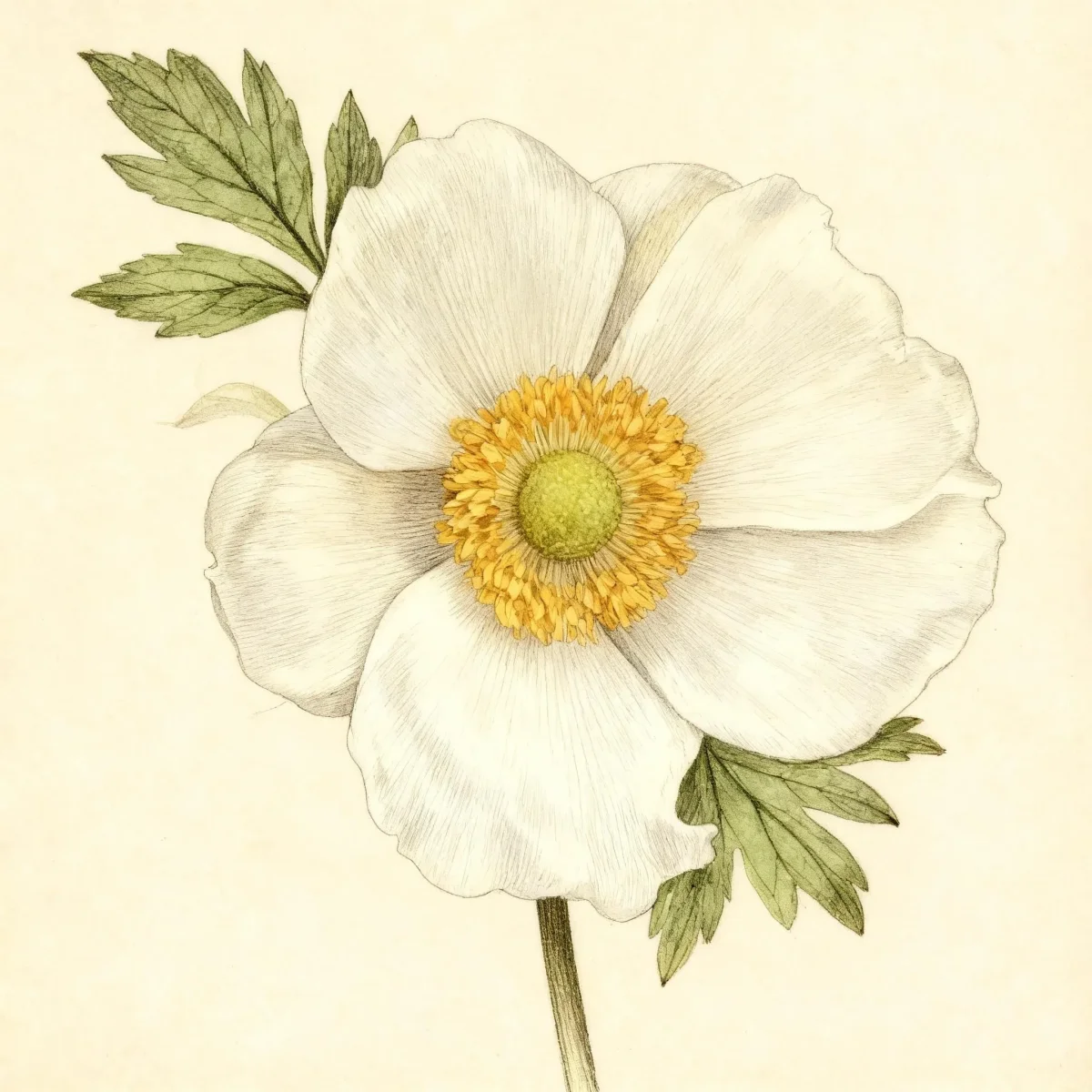
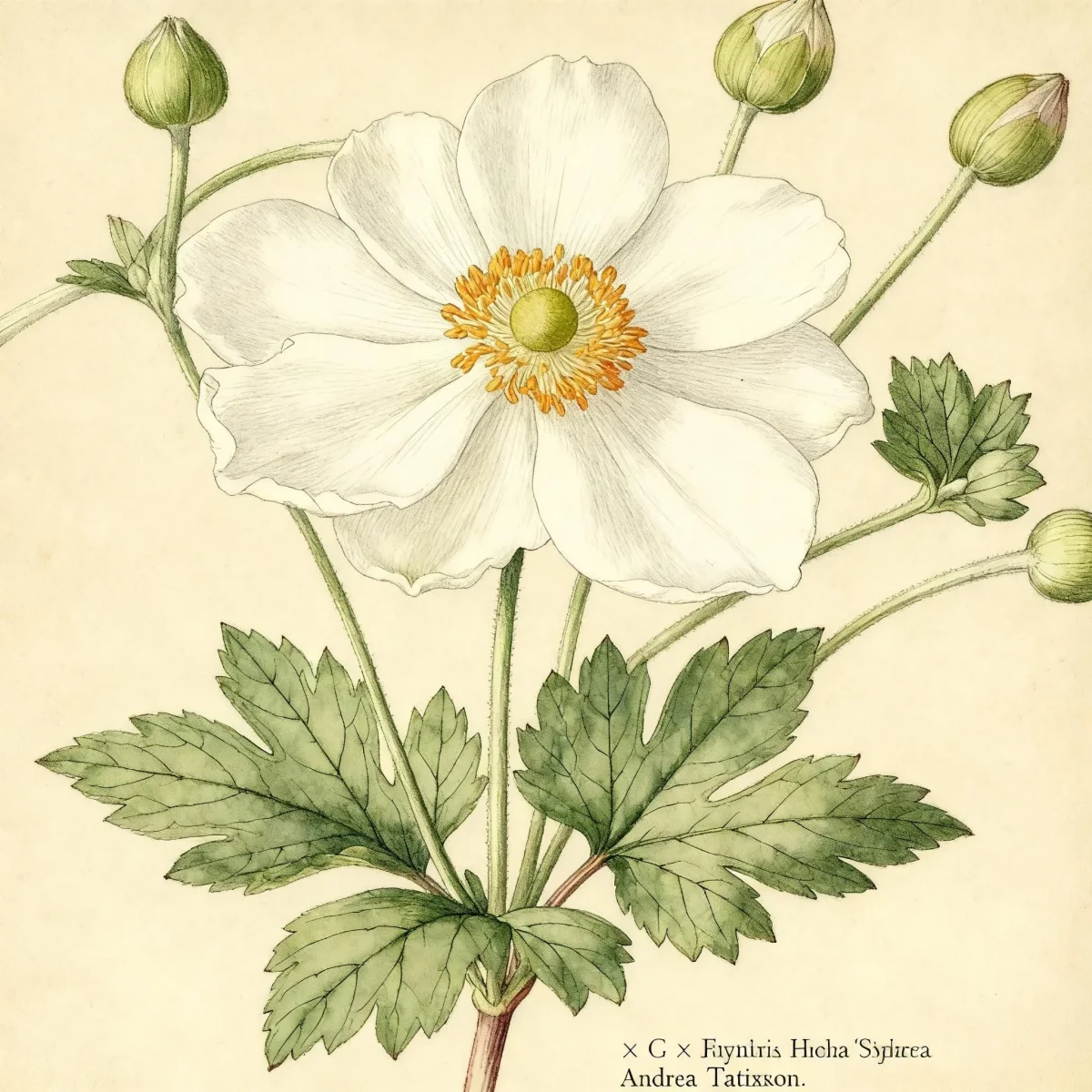
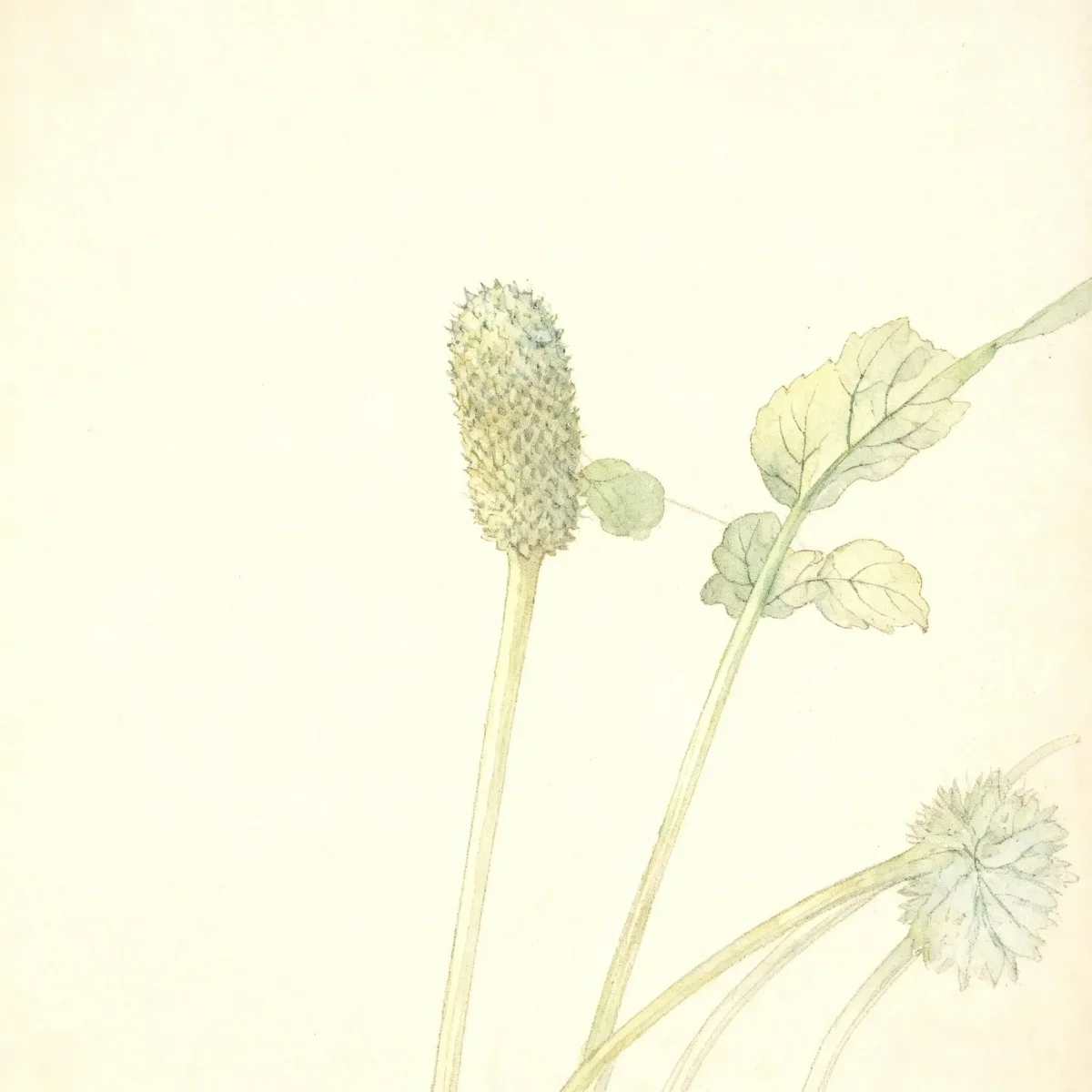
Anemone cylindrica is an upright herbaceous perennial that features an attractive late spring (June-July) bloom of cup-shaped, greenish-white anemone flowers (to 3/4 across), each having five petal-like sepals and a thimble-like center containing numerous stamens with yellow anthers. Thimbleweed typically grows to 1-2’ tall. Each plant contains two types of palmate compound deeply lobed leaves: large basal leaves (to 4” wide) and a whorl of smaller stalked stem leaves located 1/2 way up the stem. Naked flower stalks rise upward from the leaf whorl, each stalk containing a single flower. After bloom, the center cone of each flower elongates into a cylindrical cone (to 1 1/2” long) as the seed begins to develop. Mature cones contain tiny dark brown seeds attached to cottony tufts which facilitate distribution of the seed by the wind (anemone from Greek means wind). Species plants are easily distinguished by these long cylindrical seed cones which have given rise to a large number of common names including thimbleweed (thimble-shaped cone), long-fruited anemone (long cylindrical cone) and candle flower (candle-shaped cone). This wildflower is native to prairies, dry open woods, slopes, limestone glades, pastures and roadsides throughout southern Canada south to New Jersey, Illinois, Missouri and Arizona. It is uncommon in Missouri where it is found in dry open loess hills, loess prairies and dry open wooded hills in four counties in the far northwestern part of the State (Steyermark).Genus name is often said to be derived from the Greek word anemos meaning wind.
Tolerances
- Drought
- Dry Soil
Potential Problems
Anemone cylindrica exhibits excellent pest and disease resistance, meaning gardeners rarely contend with serious insect infestations or fungal issues when grown in appropriate conditions. The primary potential problem revolves around cultural missteps, specifically planting in heavy, moist clay. Poor aeration and too much standing water will quickly lead to root problems.
To prevent issues, prioritize amending heavy soils with grit or sand to ensure rapid drainage before planting. Once the Windflower is situated in its preferred dry, well-drained environment, it typically requires no chemical intervention for pest control.
Frequently Asked Questions
What hardiness zones is Windflower suitable for?
Anemone cylindrica is reliably hardy across USDA Zones 4 through 7, offering reliable perennial performance across a wide climatic range.
How large does Anemone cylindrica grow?
This species generally matures to a height between 1 and 2 feet tall, with a spread averaging between 0.75 and 1.5 feet wide.
What sun exposure does Windflower need?
The ideal placement for this native is in areas receiving full sun, although Anemone cylindrica tolerates, and may even prefer, partial shade, especially during the hottest part of the afternoon.
When does Anemone cylindrica bloom?
Look for the flowering of the Windflower from June into July, when it displays its delicate, greenish-white blossoms.
Conclusion
The inherent toughness and unique seed structure of Anemone cylindrica make the Windflower a highly valued native perennial for gardeners designing resilient, low-water landscapes. Its capacity to thrive in dry, gritty conditions minimizes necessary upkeep over the years. Ensure your site offers sharp drainage, and plan to plant this specimen during its ideal period in spring or fall.
Companion Planting
When planning a tapestry garden centered around Anemone cylindrica, it is crucial to select companions that share its preference for dry, well-drained soils. Pairing it with other prairie or dry woodland natives enhances the overall ecological benefit. Consider using lower-growing native species like various Sedums or certain small, clumping ornamental grasses like Prairie Dropseed (Sporobolus heterolepis).
These companions will not compete aggressively for scarce moisture while providing softer textural contrast to the upright stems of the Windflower. Avoid moisture-loving bog plants or those requiring heavy, rich humus, as these environments will quickly degrade the health of your Anemone cylindrica.
Wildlife Benefits
As a native wildflower, the Windflower contributes positively to local insect populations. While its primary value might be in its structure, the June and July blooms attract generalist pollinators seeking nectar and pollen. More importantly, the unique, cottony seed heads that develop after flowering serve as potential nesting material for smaller birds and insects throughout the late summer and fall.
By leaving the seed heads intact, you are providing late-season structure in the garden, which is vital for overwintering beneficial insects. Protecting these native species supports cleaner local food webs compared to relying solely on exotic ornamental plants.