Columbine (Aquilegia canadensis)
Discover Aquilegia canadensis, the native Eastern Columbine. This herbaceous perennial offers showy red/yellow blooms attractive to hummingbirds.
Scroll down to discover growing tips, care requirements, companion plants, and more
Complete Plant Information
Overview
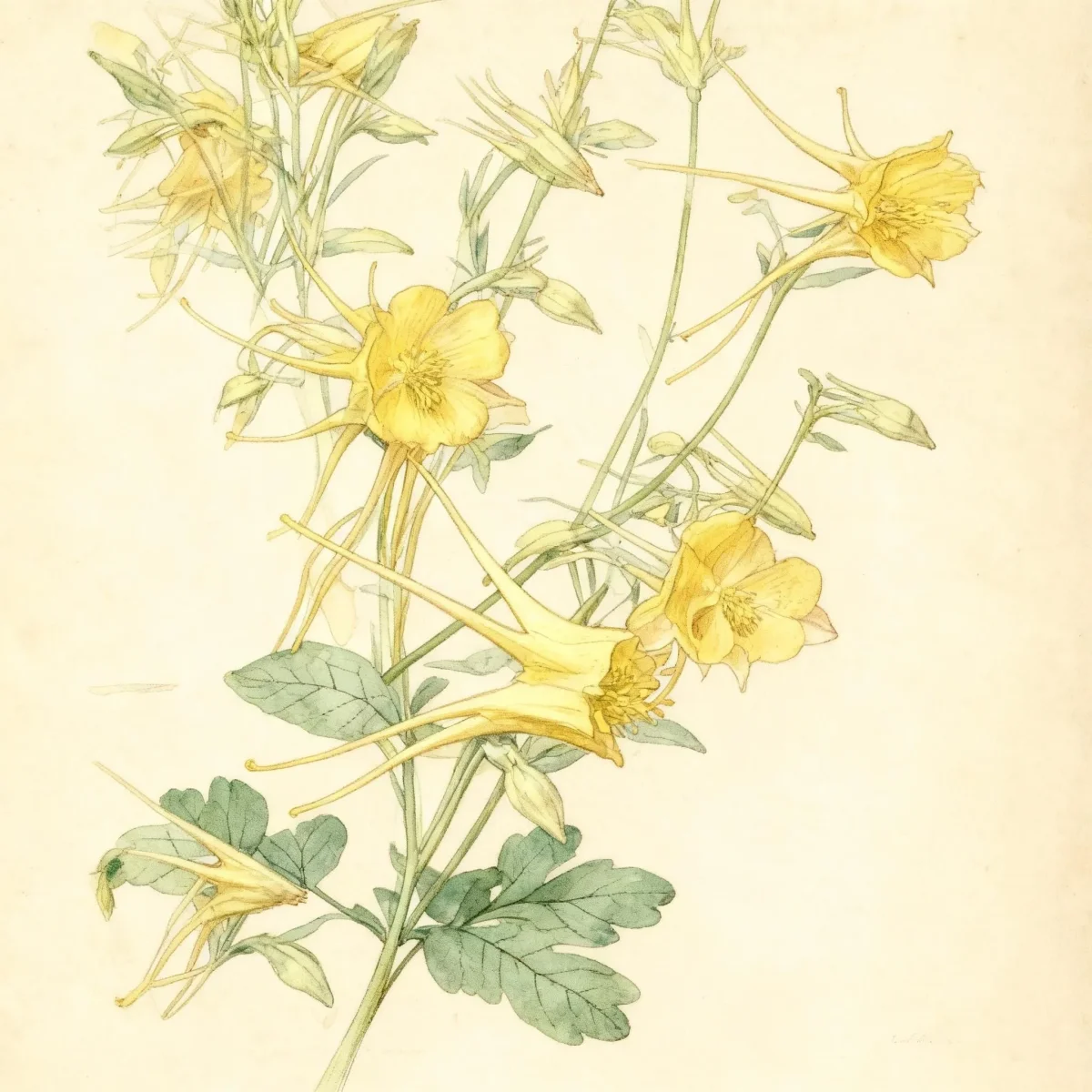
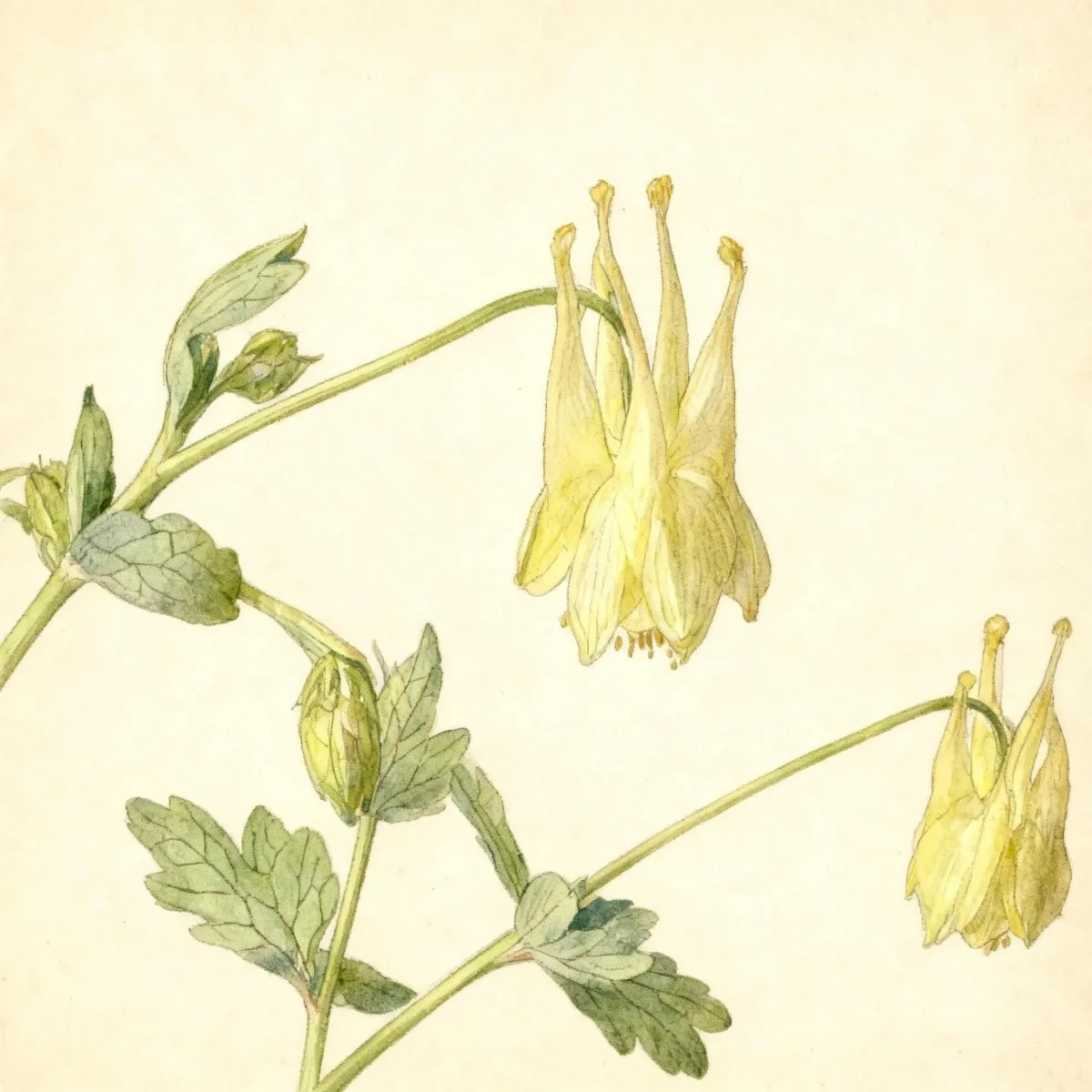
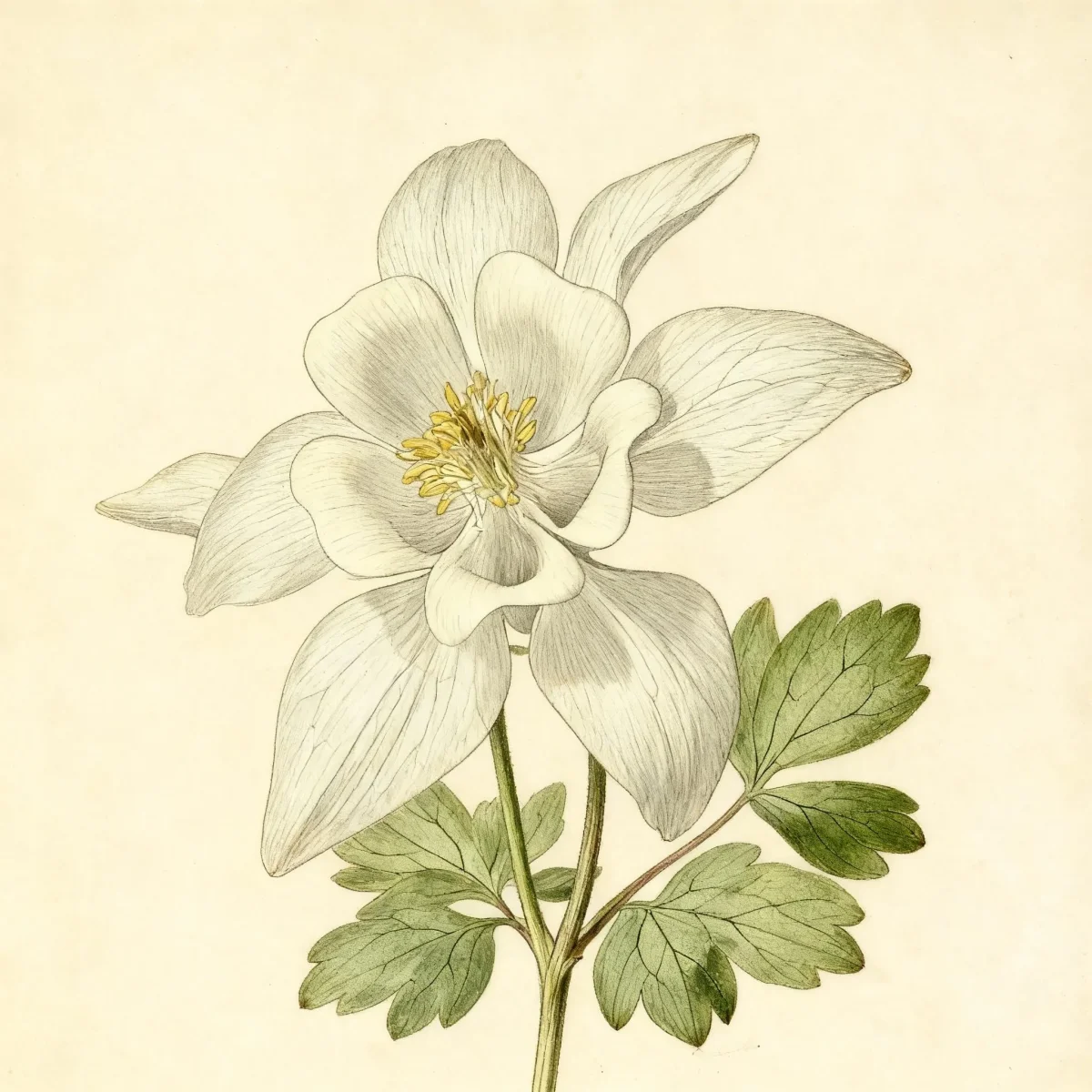
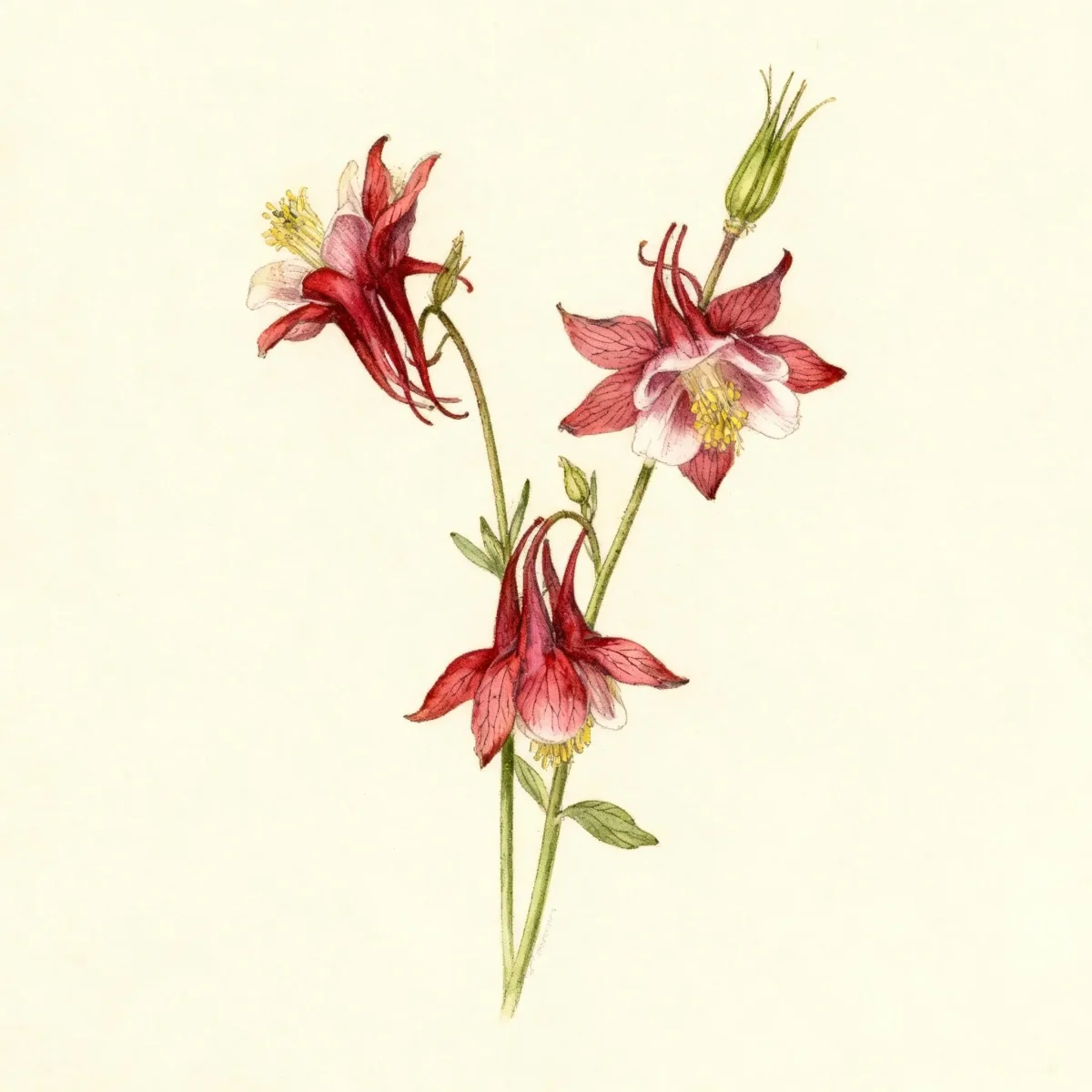
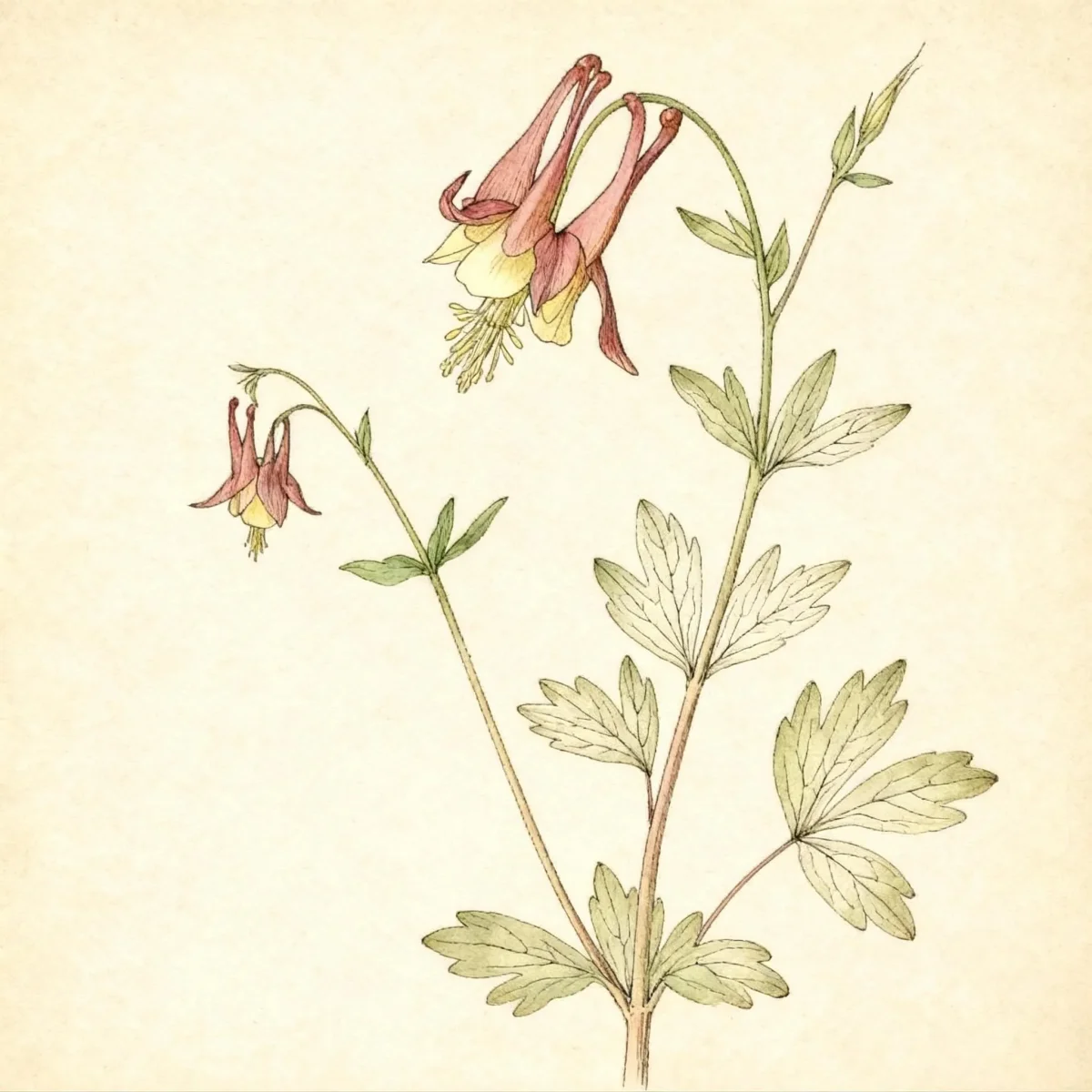
Aquilegia canadensis, commonly known as Eastern Columbine, is a celebrated native spring wildflower across Eastern North America. Its unique, drooping, bell-like flowers featuring red sepals and yellow petals are a magnet for hummingbirds, making it an essential addition to wildlife gardens. This herbaceous perennial establishes easily and enhances woodland or cottage garden settings with its charming display.
The structure of the Aquilegia canadensis flower is particularly noteworthy, with five distinctive red spurs that resemble an eagle’s talon, giving the genus its Latin name reference. While it thrives best in rich, moist soils in light shade, this adaptable Columbine shows a wide tolerance for average, well-drained soils, even tolerating dry conditions once established.
Gardeners value this species not only for its early spring color but also because its delicate, biternate foliage remains attractive throughout the summer, provided moisture levels are maintained. When sited correctly, Aquilegia canadensis will freely self-seed, easily naturalizing to form dense, lovely colonies over time.
Fast Facts
- Plant Family: Ranunculaceae
- Plant Type: Herbaceous perennial
- Native Range: Eastern North America
- Hardiness Zones: USDA Zones 3-8
- Size at Maturity:
- Height: “2-3 ft”
- Spread: “1-1.5 ft”
- Bloom Time: April to May
- Bloom Description: Light pink/yellow to blood red/yellow
- Sun Exposure: Full sun to part shade
- Water Needs: Medium
- Maintenance Level: Medium
How to Grow
Planting Aquilegia canadensis is straightforward; the best time is typically during the cooler periods of spring or fall. Ensure the location provides average, medium, well-drained soil. While it readily adapts to various conditions, this Columbine performs optimally in rich, moist soils situated in light to moderate shade. Good drainage is the most critical soil requirement for long-term success.
Ongoing care is relatively low once established. Maintain medium moisture levels, especially after the blooming period, to keep the attractive foliage looking its best deep into summer. Deadheading—removing the flowering stems immediately after bloom—is encouraged as it promotes a second flush of blooms and helps manage self-seeding if colony expansion is not desired.
If the foliage begins to look tired later in the season, you can cut the entire plant back to the ground; new growth will emerge. Because the species freely self-seeds, if you wish to maintain discrete colonies rather than allowing widespread naturalization, be diligent in managing where the plant drops its seeds or remove spent flowers promptly.
Landscape Uses
Aquilegia canadensis is exceptionally versatile, making it a star in both formalized groupings and wilder settings. Its upright habit and native status make it perfect for naturalized areas, where it can blend seamlessly into woodland margins or meadow plantings. It is also an excellent choice for bordering paths or tucking into cottage or open shade gardens seeking early color.
Due to its incredible ability to attract hummingbirds, this Columbine is a cornerstone plant for any dedicated hummingbird garden. It pairs well visually and culturally with other spring ephemerals and woodland natives that share similar soil and moisture preferences.
When used near patios or seating areas, the delicate flowers of the Eastern Columbine provide wonderful early-season visual interest. Remember that keeping the soil consistently moist after flowering will help prolong its ground cover effect, ensuring that the garden bed remains attractive long after the blooms fade.
Standout Features
Flower Qualities
- Showy
- Good Cut
Noteworthy Characteristics
Aquilegia canadensis is a Missouri native spring wildflower which occurs in rocky woods, slopes, ledges and open areas throughout the State. Features drooping, bell-like, 1-2”, red and yellow flowers (red sepals, yellow-limbed petals, 5 distinctive red spurs and a mass of bushy yellow stamens). Delicate, biternate foliage is somewhat suggestive of meadow rue (Thalictrum) and remains attractive throughout the summer as long as soils are kept moist. Flowers are quite attractive to hummingbirds.
Tolerances
- Rabbit
- Deer
- Drought
- Dry Soil
Potential Problems
This particular species of Columbine, Aquilegia canadensis, benefits gardeners by possessing very good natural resistance to the leaf miner pest. Leaf miners frequently cause severe aesthetic damage to the foliage of many other exotic columbine species and hybrids, but the native species is generally unbothered. Gardeners should monitor for general pests, though severe infestations are uncommon. Cultural issues, rather than pests, are the primary concern; ensure the plant is never subjected to standing water, as this will cause root rot, despite its adaptability to various soil types.
Frequently Asked Questions
What hardiness zones is Columbine suitable for?
This native Eastern Columbine, Aquilegia canadensis, is reliably hardy across USDA Zones 3 through 8.
How large does Aquilegia canadensis grow?
When fully mature, this perennial typically reaches a height between 2 and 3 feet, with a spread ranging from 1 to 1.5 feet wide.
When does Aquilegia canadensis bloom?
The primary bloom time for this wildflower is early in the season, generally spanning from April into May, featuring light pink/yellow to blood red/yellow flowers.
What sun exposure does Columbine need?
Aquilegia canadensis performs well across a broad spectrum, thriving in conditions ranging from full sun to light or part shade locations.
Conclusion
The Eastern Columbine, Aquilegia canadensis, provides vital early nectar for hummingbirds and offers reliable structure and color to shaded or partially sunny borders. Its native status and excellent pest resistance make it a low-stress choice for naturalizing. Before planting, confirm that your site falls within USDA Zones 3-8 and plan for medium water needs to ensure a long-lived colony of beautiful Columbine.
Companion Planting
When designing a garden bed around Aquilegia canadensis, select companions that appreciate similar soil drainage and light levels, especially those that can mask the foliage if it declines in high summer heat. Good companions often include intermediate-growing spring bloomers like Virginia Bluebells (Mertensia virginica) or late spring bloomers like Wild Geranium (Geranium maculatum). Combining the nodding flowers of the Columbine with upright forms of native Iris provides textural contrast during the bloom season.
Wildlife Benefits
The primary ecological service provided by Aquilegia canadensis is providing crucial early-season nectar specifically adapted for hummingbirds. The long, curved red spurs perfectly match the bills of these visitors. Beyond birds, the abundant yellow stamens offer pollen resources for various native bees active early in the year. Planting this species helps anchor the native ecosystem, supporting local insect populations before many other summer bloomers arrive.