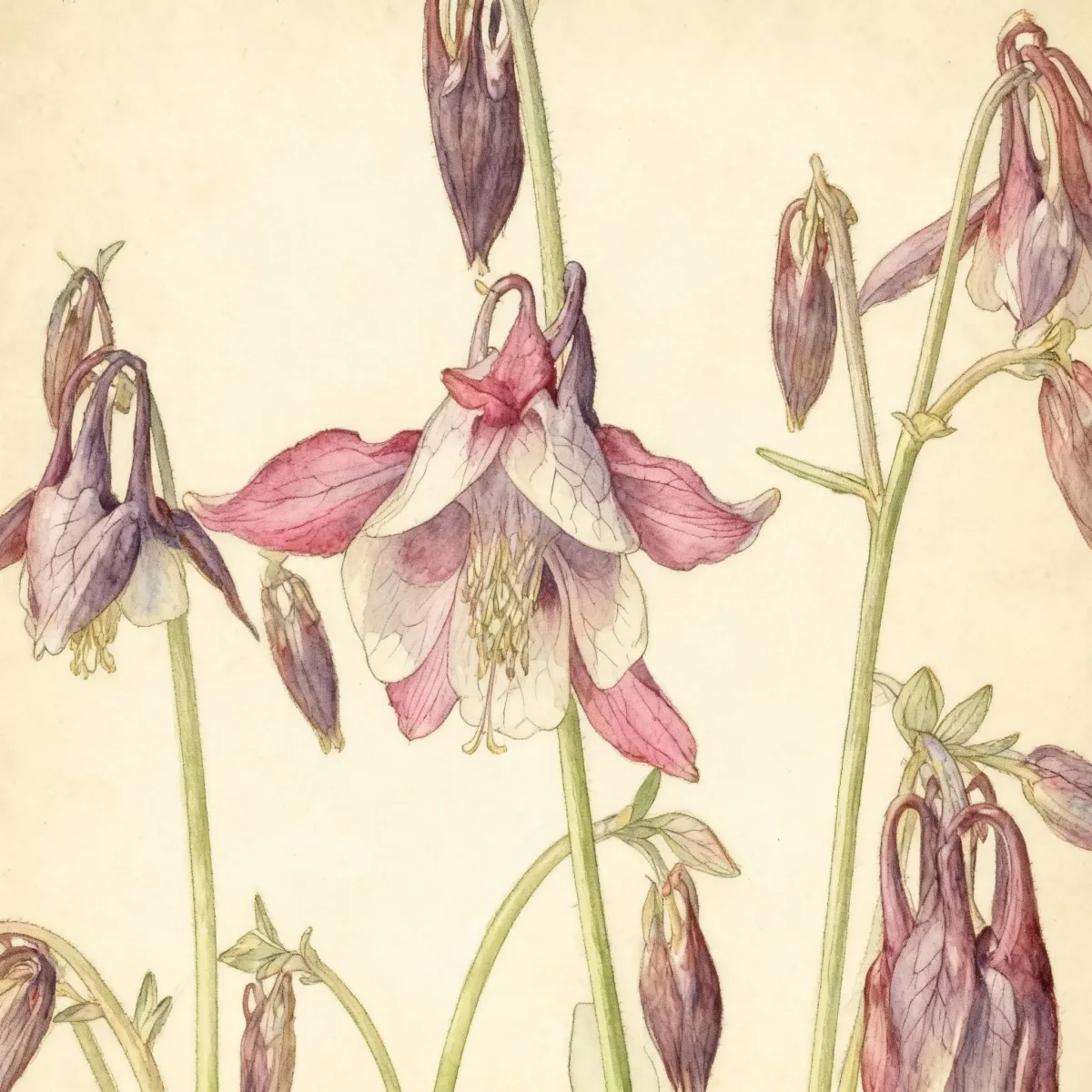
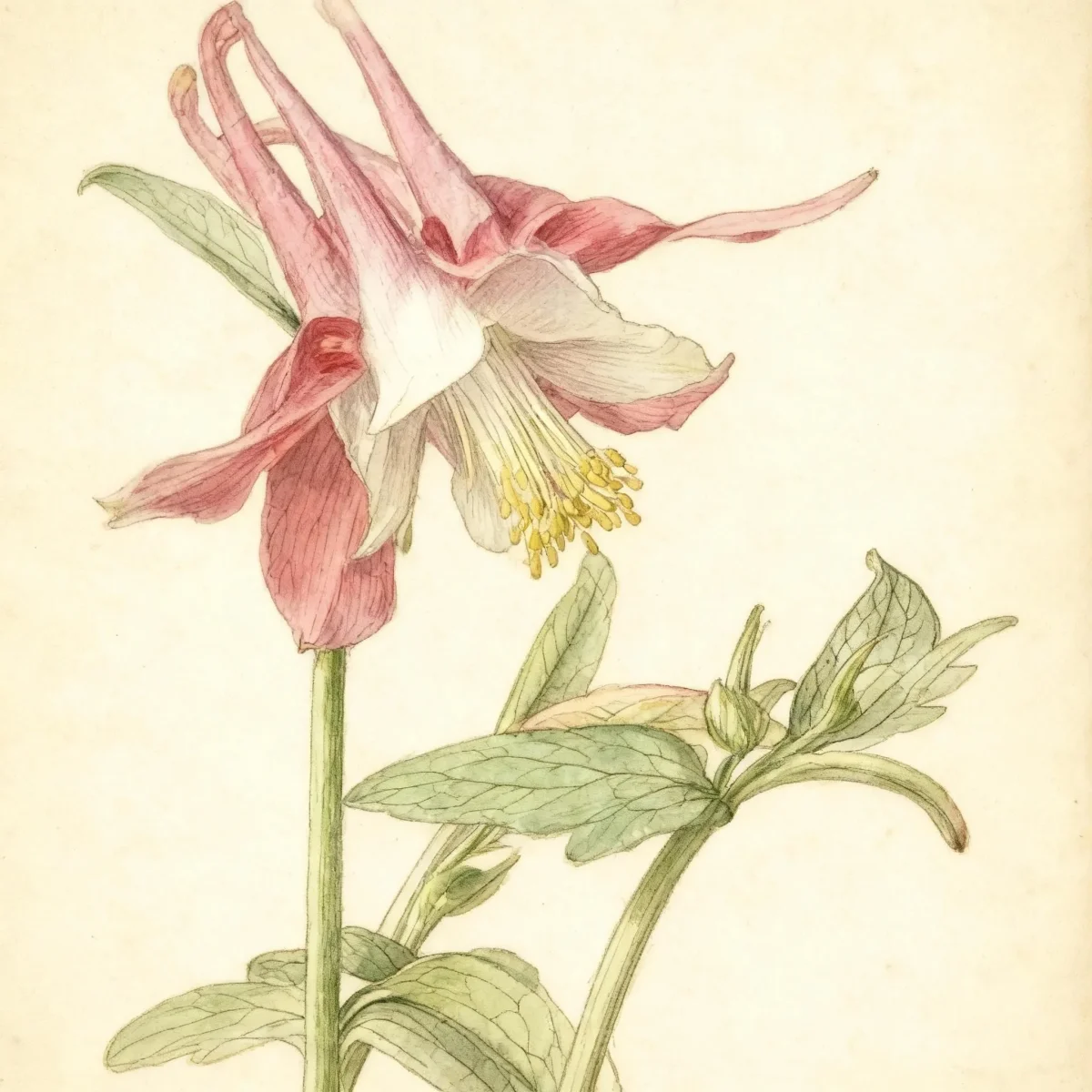
Columbine (Aquilegia vulgaris)
Discover Aquilegia vulgaris, the charming Columbine, boasting intricate spurred flowers perfect for borders and cottage gardens.
Scroll down to discover growing tips, care requirements, companion plants, and more
Complete Plant Information
Overview
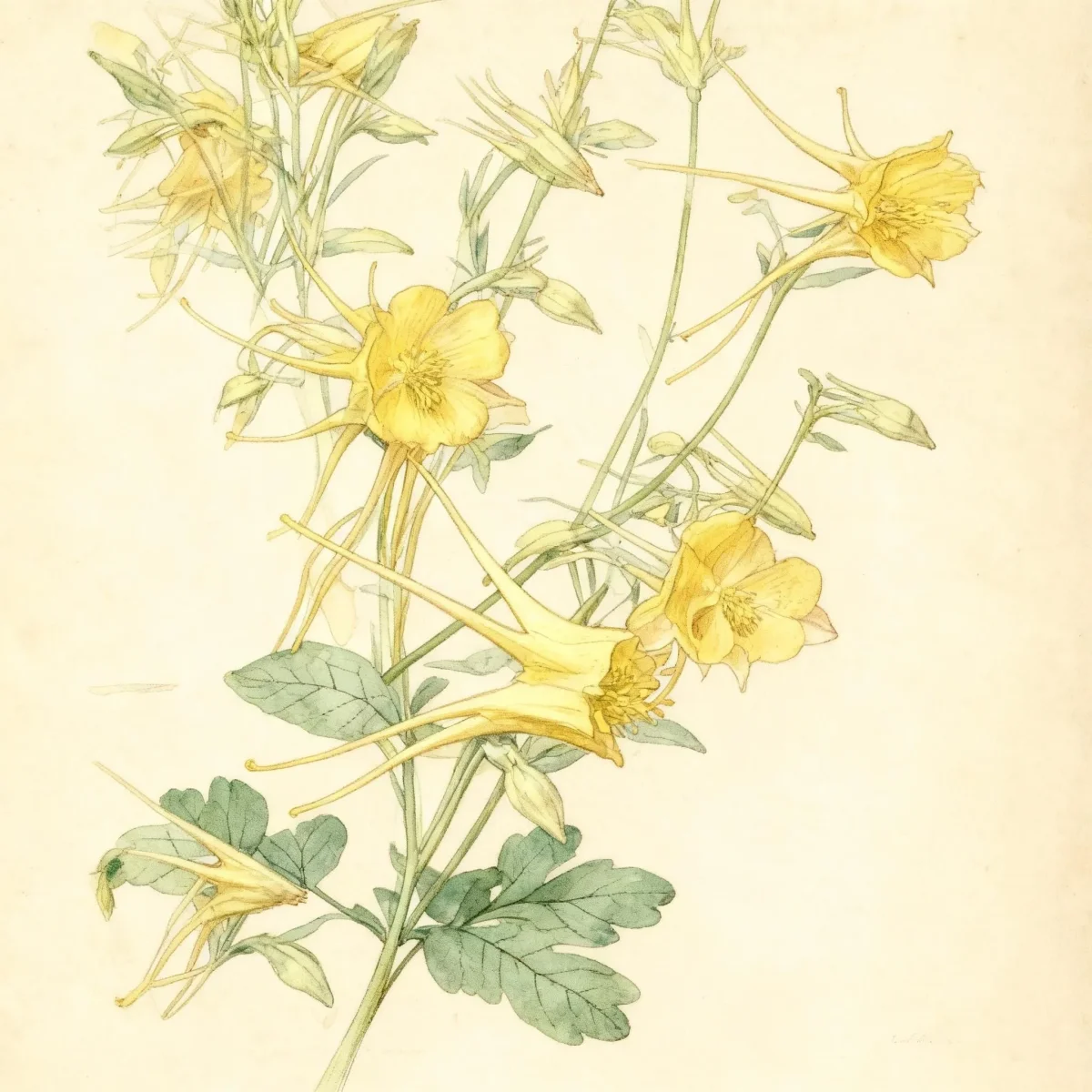
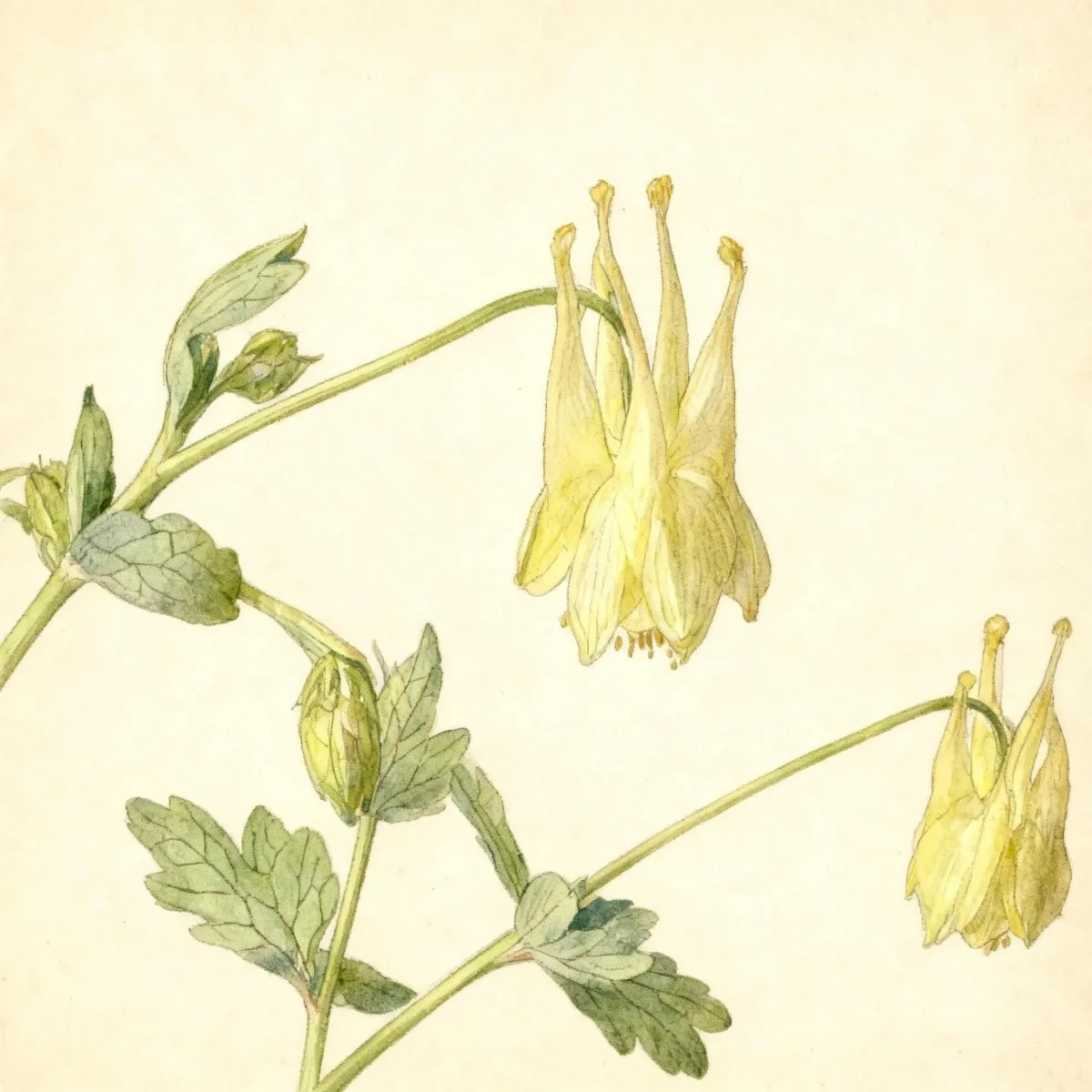
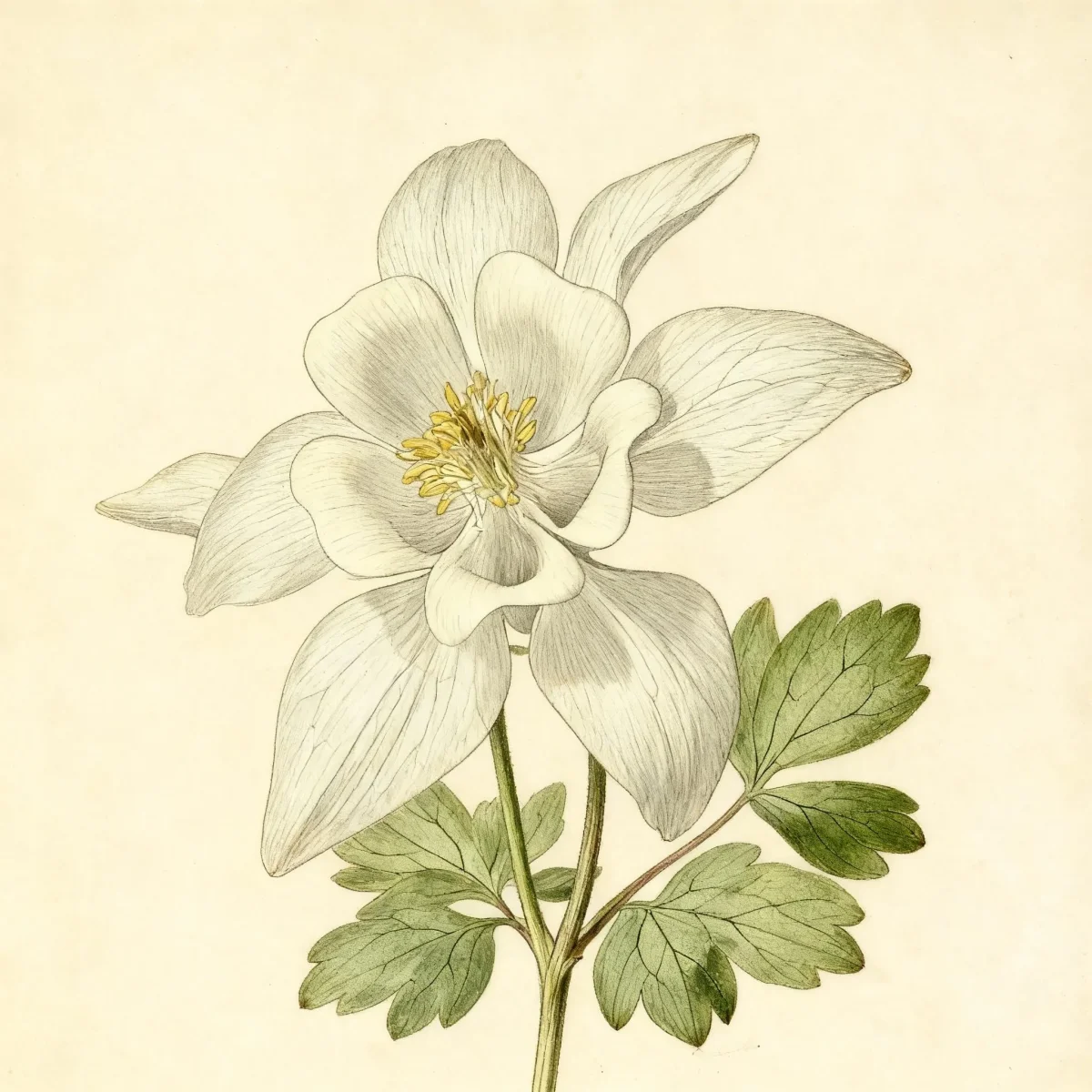
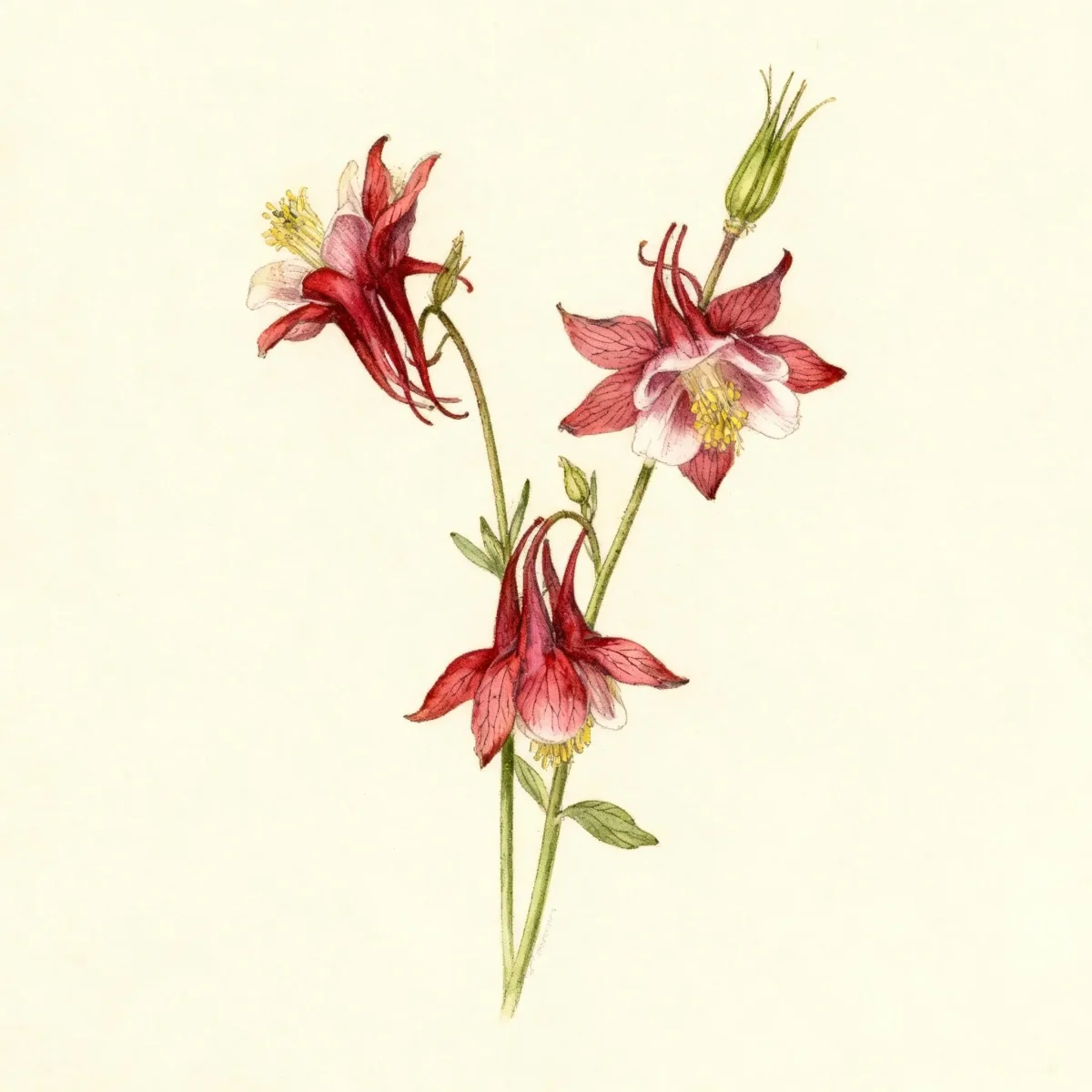
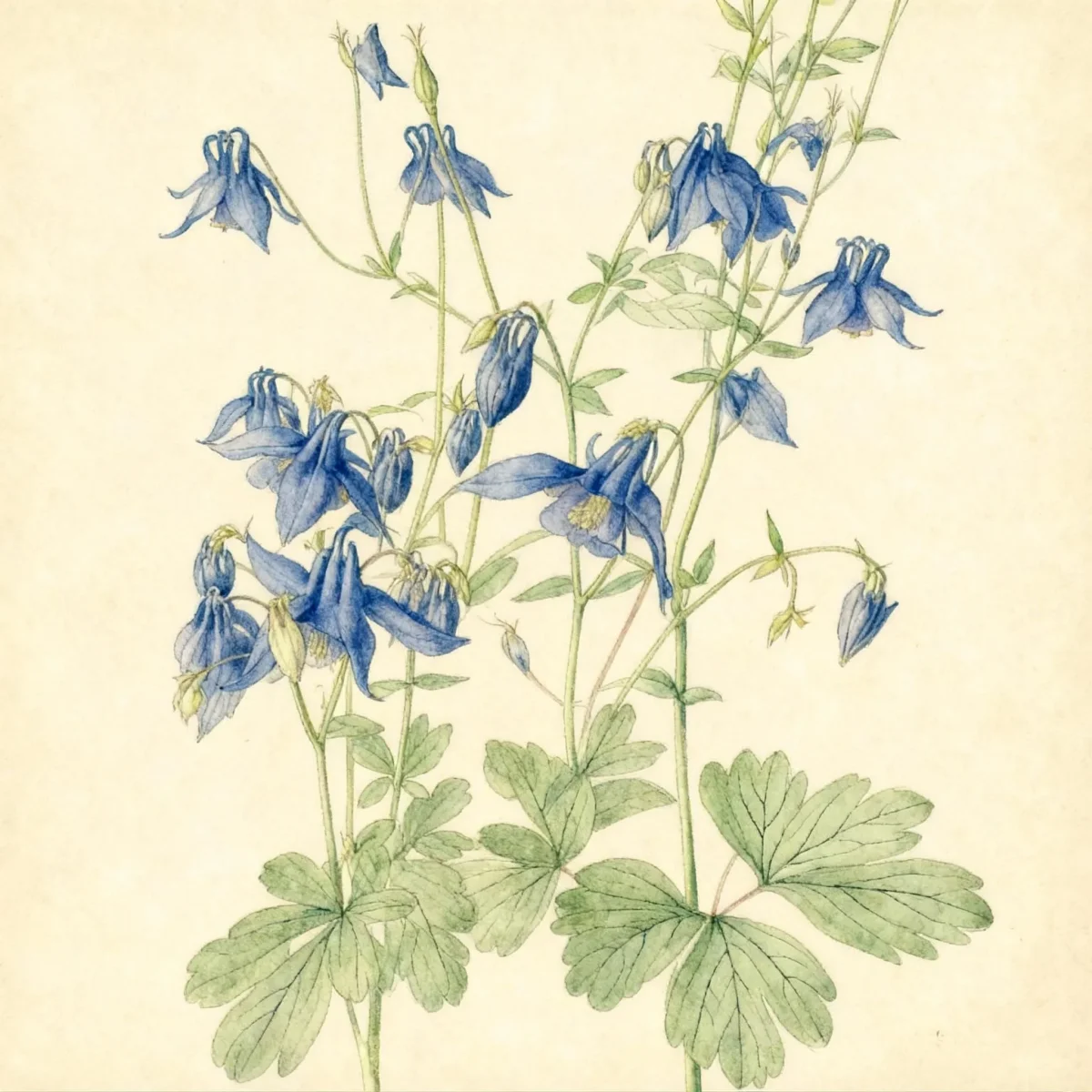
The distinctive Aquilegia vulgaris, commonly known as Columbine, brings delicate, intricate beauty to the spring garden. Its unique spurred blooms, often compared to an eagle’s talon due to the genus name reference, provide essential early color. This bushy, clump-forming perennial is valued for its airy texture and wide spectrum of color options, including blue, violet, pink, and red varieties.
Native to Europe, Aquilegia vulgaris naturallyizes readily and often self-seeds, lending an informal, cottage garden atmosphere. While its foliage is attractive initially, gardeners should be prepared to cut it back later in the season once it begins to decline. Successfully growing Columbine ensures visual interest well before many summer bloomers emerge.
Caring for this plant is moderately involved; it thrives best in average, well-drained soil, appreciating organic content and protection from the harshest afternoon sun. Planning your placement carefully will ensure vibrant displays of this classic garden favorite, Aquilegia vulgaris, year after year.
Fast Facts
- Plant Family: Ranunculaceae
- Plant Type: Herbaceous perennial
- Native Range: Europe
- Hardiness Zones: USDA Zones 3-8
- Size at Maturity:
- Height: 1.5-3 ft
- Spread: 1-2 ft
- Bloom Time: April to May
- Bloom Description: Blue, violet, white, pink, red
- Sun Exposure: Full sun to part shade
- Water Needs: Medium
- Maintenance Level: Medium
How to Grow
Planting Aquilegia vulgaris is best achieved in the spring or early autumn once the danger of hard frost has passed. Select a location that offers full sun to partial shade, noting that plants prefer organically rich, moist soils. Columbine tolerates a variety of soil conditions provided they are well-drained; avoid heavy, saturated clays at all costs.
Watering requirements are medium; maintain consistently moist, but not soggy, soil, especially as the plants establish and throughout the blooming period. Fertilization is usually unnecessary if the soil is rich, but a light application of compost worked into the soil surface helps maintain vigor. To encourage a second flush of bloom, promptly remove faded flowering stems immediately after the spring display ends.
As mid-summer approaches, the foliage of Columbine often begins to look tired. If this occurs, act decisively by cutting the entire clump down to the ground. Keeping the soil uniformly moist after the initial bloom period helps prolong the attractive appearance of any late-season foliage that develops.
Landscape Uses
Columbine excels in settings where its delicate form can be appreciated up close. It is highly recommended for borders, lending vertical interest without becoming overly tall or bulky. Its historical charm makes it a perfect choice for traditional cottage gardens, where it mixes beautifully with peonies and foxgloves.
For shadier spots, consider woodland or open shade gardens, where the dappled light enhances the flower colors. Although Aquilegia vulgaris naturalizes, it also works exceptionally well when tucked into rock gardens to soften hard edges. Furthermore, gardeners focusing on attracting local wildlife should know that Columbine is an excellent selection for a dedicated hummingbird garden. Continuing to supply water to emerging foliage after flowering encourages a pleasant ground cover effect late into the season.
Standout Features
Flower Qualities
- Showy
Noteworthy Characteristics
Aquilegia vulgaris, known as Columbine, is native to Europe and has naturalized successfully in parts of Eastern North America. It forms a bushy clump of stems reaching 1.5 to 3 feet tall, noted for its spring bloom featuring blue to violet flowers with unique, short-hooked spurs. The genus name refers to the eagle in reference to the flower’s spurs resembling talons, while the plant’s common name, Columbine, originates from the Latin word for dove-like.
Tolerances
- Rabbit
- Deer
Potential Problems
The primary pest concern for Aquilegia vulgaris is susceptibility to leaf miner, visible as winding trails tunneling through the leaves. Although less common, aphids can sometimes pose a minor threat, often clustering on new growth. The most common cultural issue is foliage decline, which typically occurs by mid-summer. Manage this by cutting the entire plant down to the ground when the foliage looks spent; this often prompts a fresh, neat flush of leaves.
Frequently Asked Questions
What hardiness zones is Columbine suitable for?
Aquilegia vulgaris is highly adaptable, thriving in USDA Zones 3 through 8.
How large does Columbine grow?
When mature, this perennial typically reaches a height between 1.5 and 3 feet and spreads between 1 and 2 feet wide.
When does Columbine bloom?
Columbine displays its vibrant flowers from April through May, showing colors that range from blue and violet to pink, red, and white.
What sun exposure does Aquilegia vulgaris need?
This plant performs best when situated in full sun to part shade conditions.
Conclusion
The Aquilegia vulgaris remains a cornerstone of the spring garden due to its enduring charm and unique flower structure. Providing medium moisture and well-drained soil will ensure your Columbine thrives and self-seeds gently over time. Before planting this season, confirm your garden’s hardiness zone compatibility and prepare rich soil to welcome this classic perennial.
Companion Planting
When planning beds around Columbine, consider plants that share similar cultural needs for moisture and light, particularly those that can visually fill the space once the Aquilegia vulgaris foliage naturally wanes. Excellent companions for borders include late-blooming Irises or Oriental Poppies, as the poppy foliage often fades around the same time Columbine needs pruning. For partial shade locations, Hostas provide architectural contrast, and certain varieties of Bleeding Heart (Dicentra) bloom simultaneously, creating a classic woodland tapestry.
Propagation Tips
One endearing quality of the common columbine is its ability to propagate easily through seed. While plants will readily self-seed, leading to charming, naturalized patches, be aware that different varieties frequently cross-pollinate. This means seed collected from garden plants may not reliably produce offspring true to the parent color or form. For guaranteed results, it is best to sow fresh seed directly into the garden bed or purchase named cultivars. Established clumps of Aquilegia vulgaris can also be divided in early spring or fall, though they generally resent being moved once fully established.