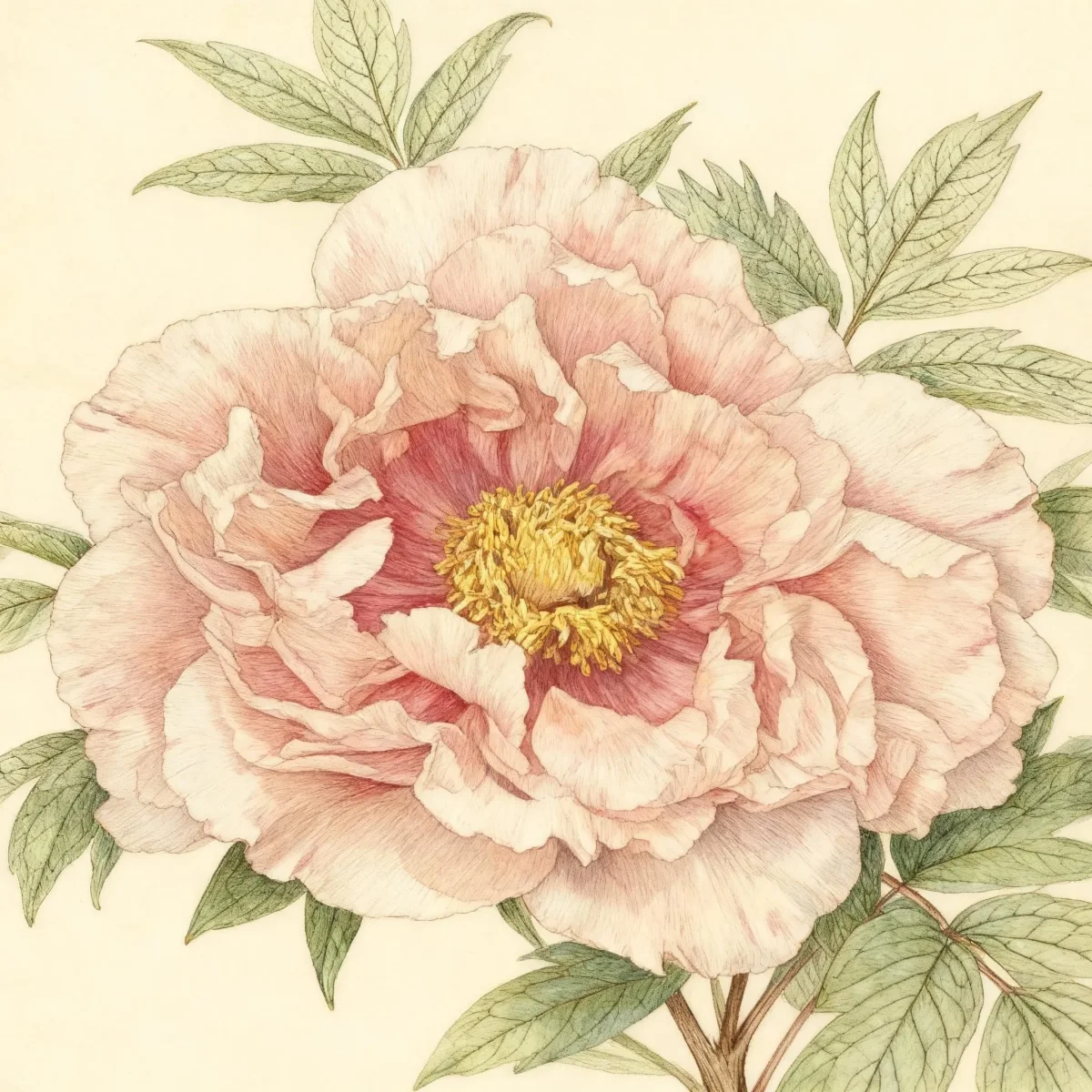
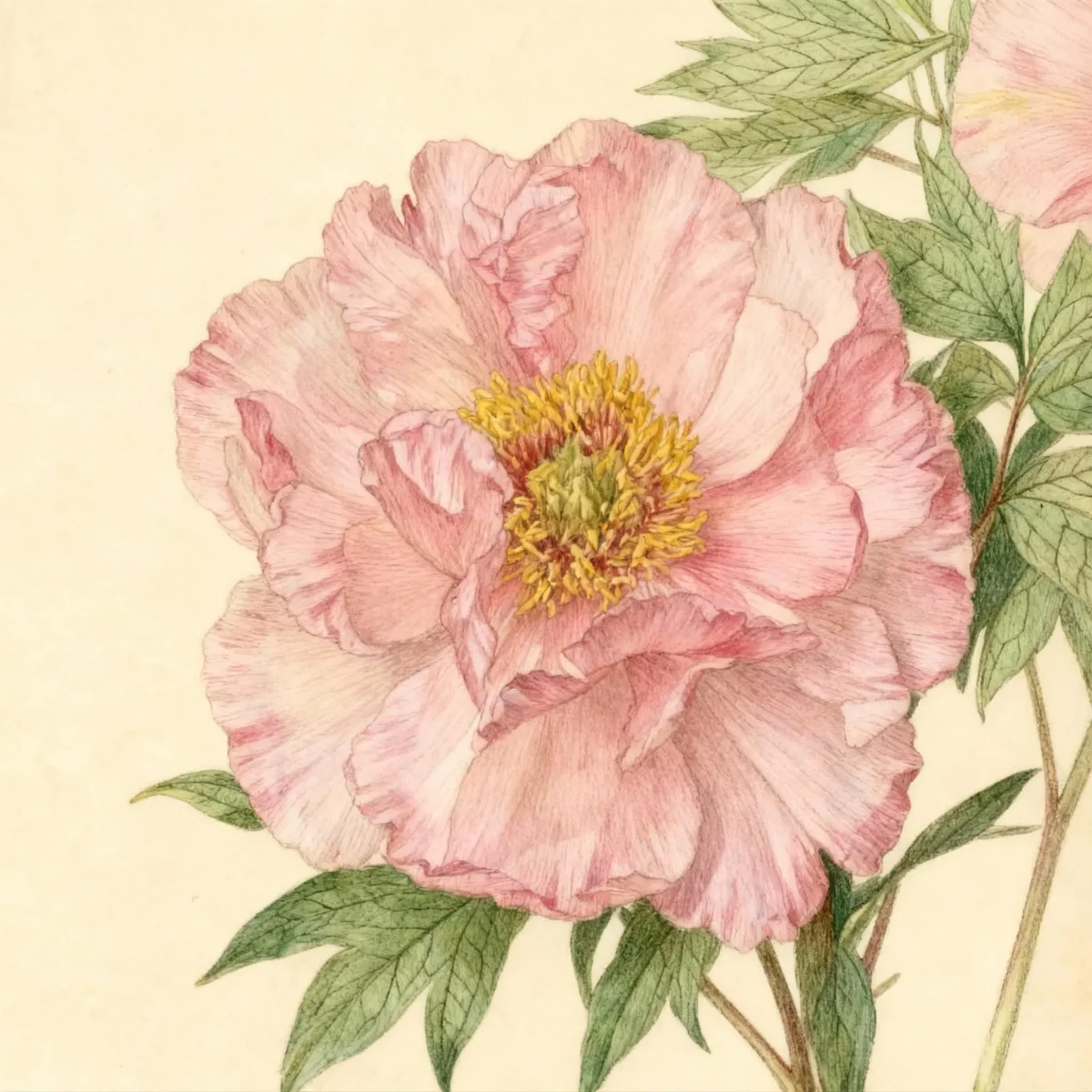
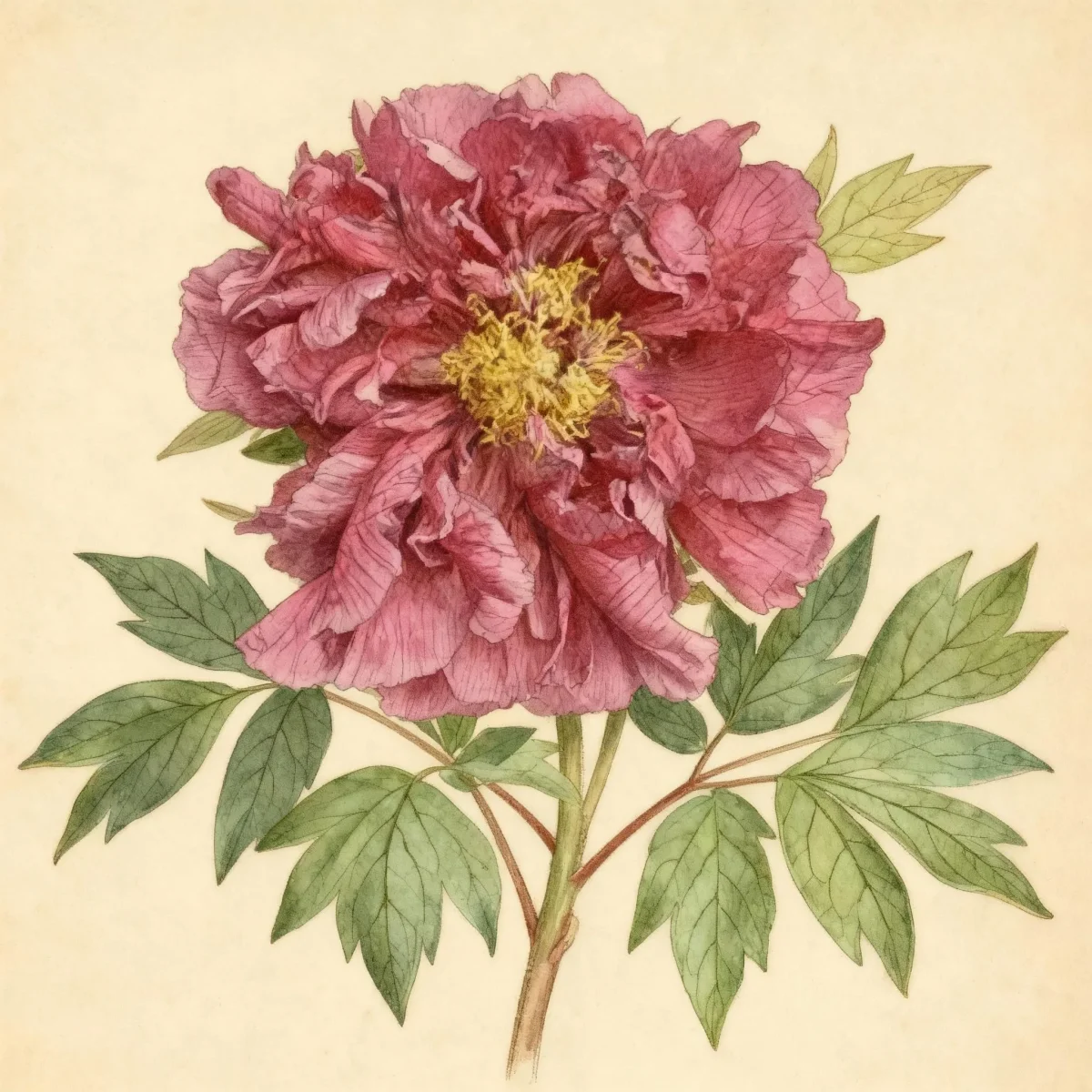
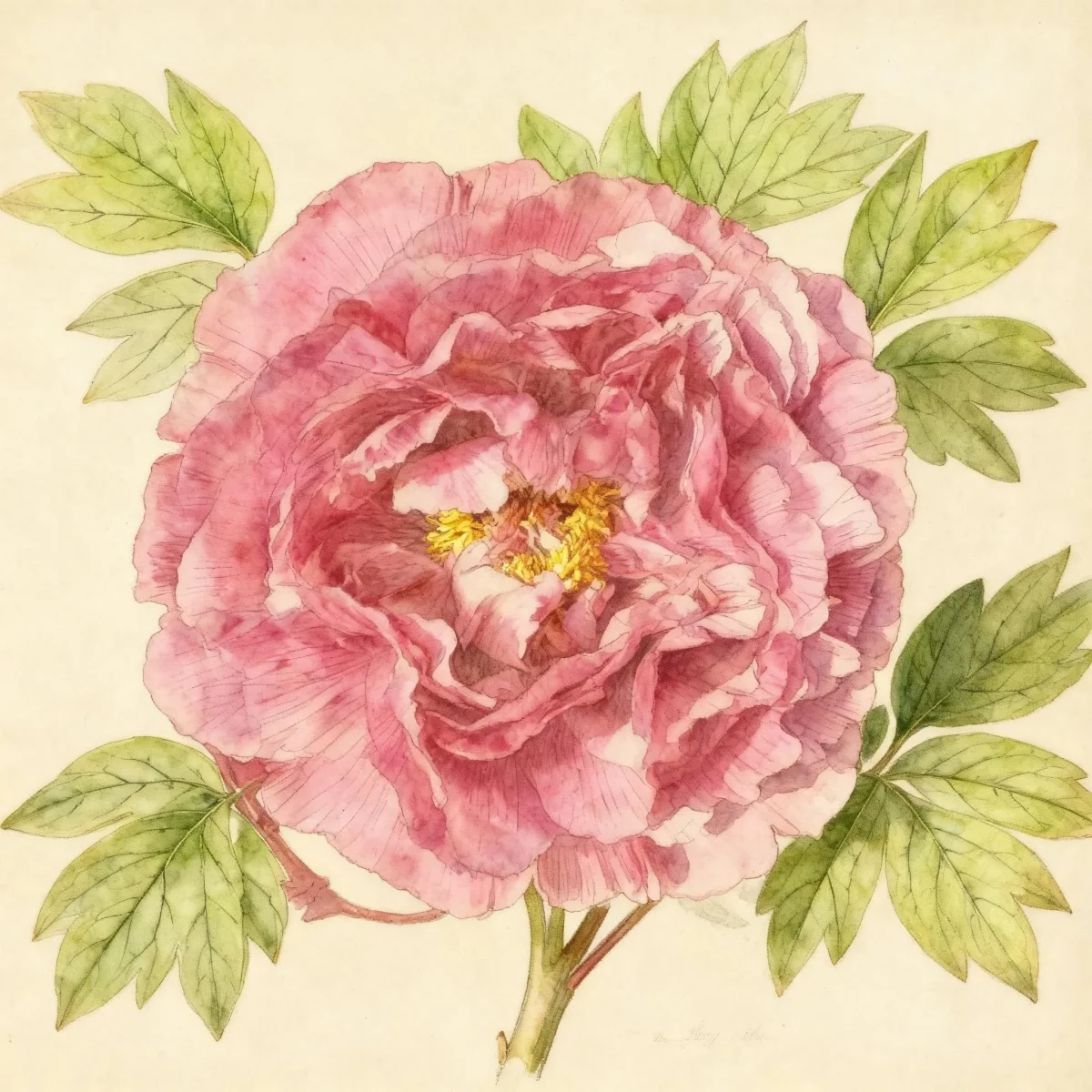
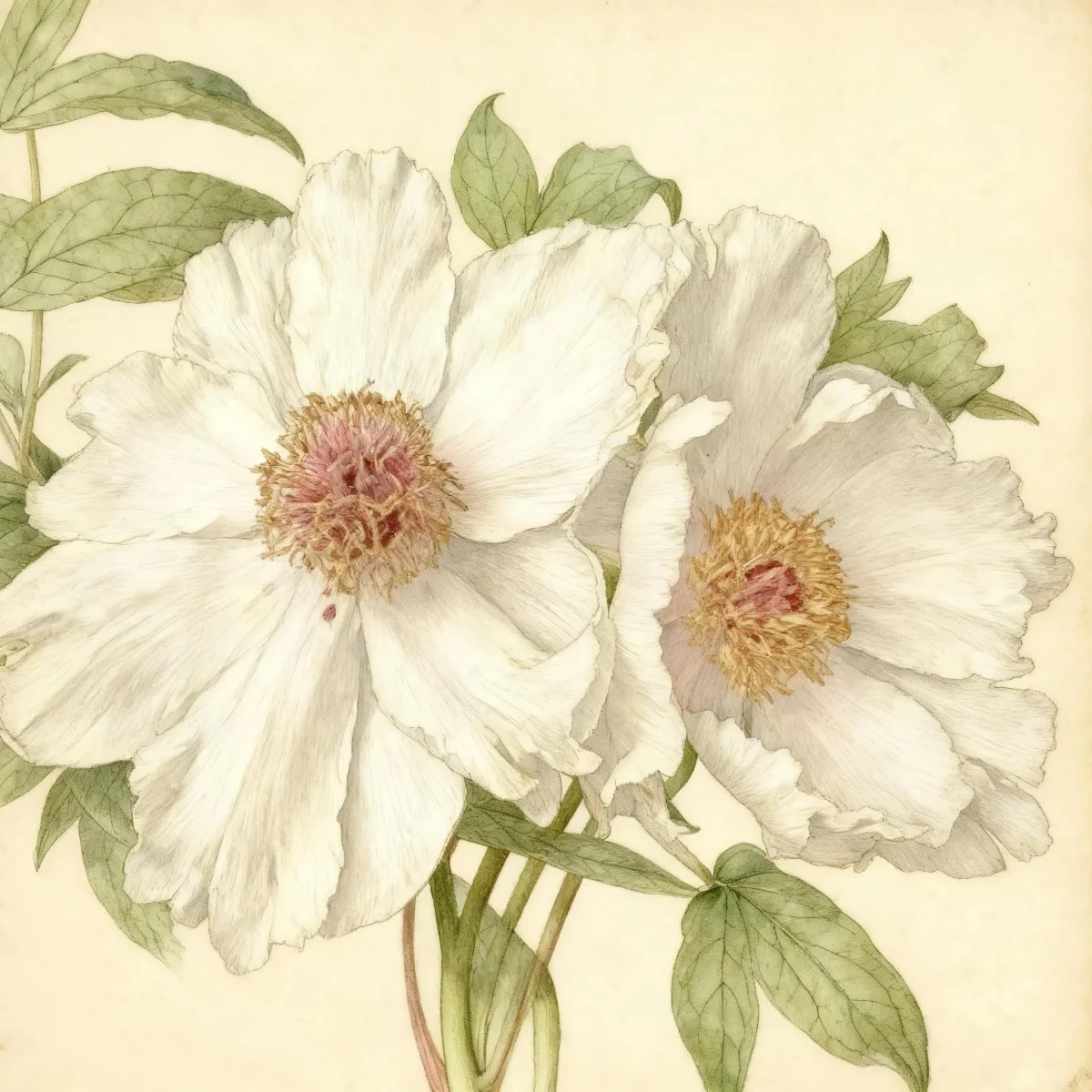
Tree peony (Paeonia suffruticosa)
Discover the long-lived beauty of Paeonia suffruticosa, the Tree peony. This deciduous shrub offers striking blooms from April to May.
Scroll down to discover growing tips, care requirements, companion plants, and more
Complete Plant Information
Overview
The Tree peony, scientifically known as Paeonia suffruticosa, stands out in the garden landscape as a stunning, long-lived woody shrub prized for its magnificent spring blossoms. Unlike its herbaceous cousins, the stems of the Tree peony persist through winter, providing structure and interest even when dormant. These shrubs typically reach 3 to 5 feet tall, offering substantial springtime color.
Valued for their dramatic presence, specimens of Paeonia suffruticosa serve beautifully as focal points or incorporated into mixed borders. They are exceptionally long-lived plants that, once established, demand little attention relative to their impressive display. Gardeners looking for enduring, high-impact flowering shrubs will find the Paeonia suffruticosa an indispensable addition to the perennial landscape.
Fast Facts
- Plant Family: Paeoniaceae
- Plant Type: Deciduous shrub
- Native Range: China, Tibet, Bhutan
- Hardiness Zones: USDA Zones 4-8
- Size at Maturity:
- Height: 3-5 ft
- Spread: 3-4 ft
- Bloom Time: April to May
- Bloom Description: Pink to white, with purple basal petal patches
- Sun Exposure: Full sun to part shade
- Water Needs: Medium
- Maintenance Level: Medium
How to Grow
Planting Tree peony should occur in deep, fertile, medium-moisture, well-drained soil. Ensure the location provides full sun to light afternoon shade for the best blooms. It is crucial to amend the soil with compost before planting to ensure richness. Larger shrubs particularly appreciate some physical shelter from strong, damaging winds.
Water needs are medium; maintain consistent moisture, especially during establishment. Fertilizer is generally unnecessary if the soil is rich, though compost top-dressing can be beneficial. Pruning is minimal: unlike herbaceous peonies, Paeonia suffruticosa stems are permanent. Only trim out dead wood or unwanted suckers in the early spring. If shaping is needed, a moderate fall pruning can encourage bushier lower growth.
These are notably long-lived plants that require several years to fully settle in, and they strongly dislike being moved once established due to deep roots. Gardeners in the colder fringes of Zone 5 and all of Zone 4 should provide some targeted winter protection. Remember to remove spent flowers immediately after blooming concludes.
Landscape Uses
The conspicuous elegance of the Tree peony makes it an excellent choice for specimen planting, drawing the eye throughout the season. They are wonderfully effective when used as dramatic accents along walkways, driveways, or positioned against foundation walls that offer structure. Their substantial size and attractive foliage also lend themselves well to use as informal hedges.
When planting in borders, consider pairing the spring flowers with later-blooming perennials that share similar cultural needs for sun and moisture. The foliage of Paeonia suffruticosa remains attractive deep into the growing season, providing a lush, deep green backdrop or frame for other flowering elements. Groupings of two or three shrubs create an even more impressive springtime vista.
Standout Features
Flower Qualities
- Showy
Noteworthy Characteristics
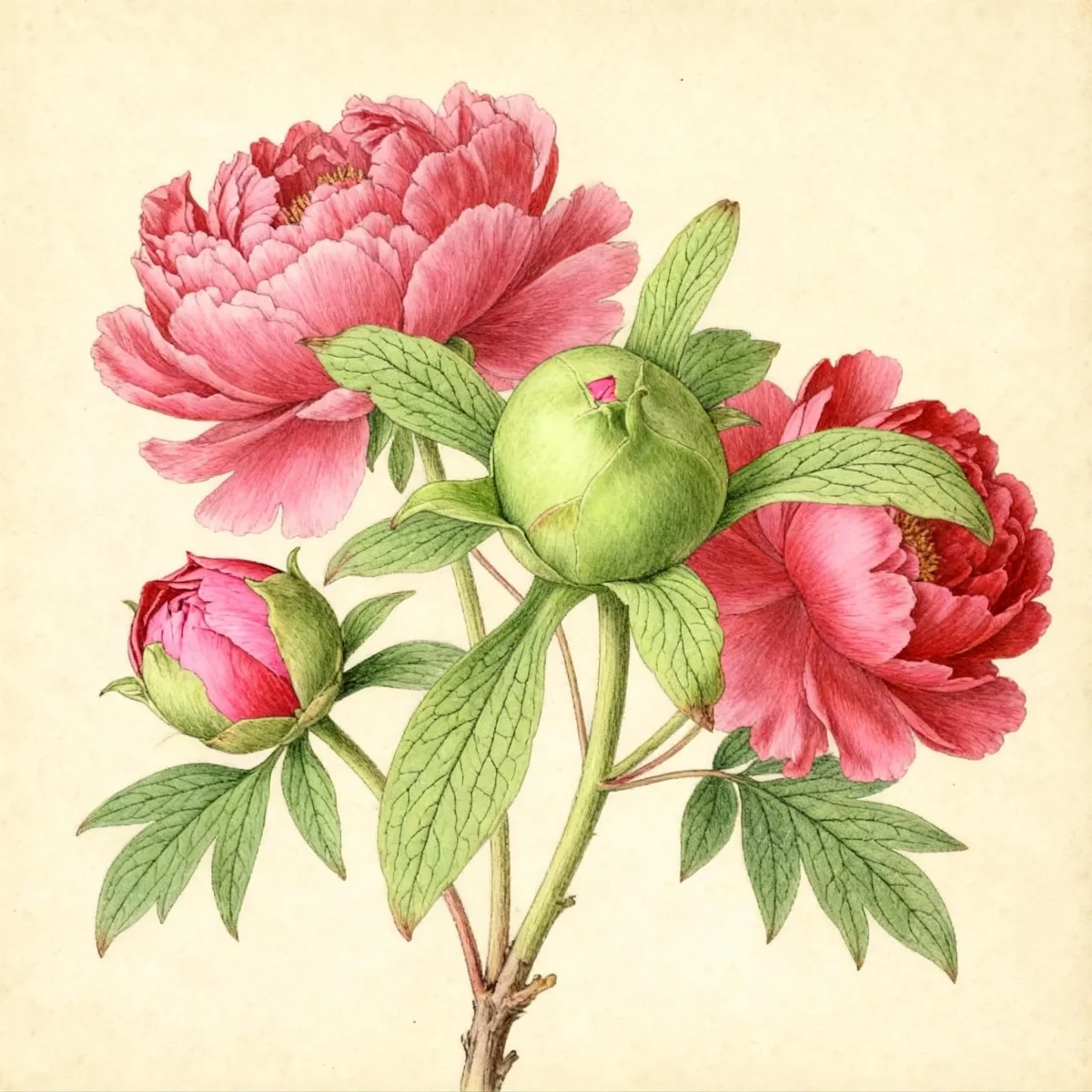
Paeonia suffruticosa, commonly called tree peony, is a deciduous, woody shrub that typically grows 3-5’ tall with a 4’ spread. The true species features large flowers (6-8” across) with pink to white petals, each petal having a purple basal patch. Many cultivars of this species have been developed, with a wide range of petal colors including red, pink, purple, white and yellow.
Tolerances
- Rabbit
- Deer
Potential Problems
Tree peonies are generally considered to be relatively pest-free specimens in the garden. However, keep an eye out for some susceptibility to fungal issues such as canker, leaf blight, and stem wilt, alongside occasional scale insects. Ants are frequently observed clustering around the developing buds; rest assured, these interactions are completely harmless to the plant itself and are usually just collecting nectar. Ensuring good air circulation during pruning helps mitigate fungal pressure.
Frequently Asked Questions
What hardiness zones is Tree peony suitable for?
The Tree peony (Paeonia suffruticosa) is adaptable to USDA Zones 4 through 8.
How large does Tree peony grow?
This shrub typically reaches a mature height between 3 and 5 feet and spreads to a width of 3 to 4 feet.
What sun exposure does Tree peony need?
Paeonia suffruticosa performs best when situated where it receives full sun or part shade, tolerating the summer heat well.
When does Tree peony bloom?
The spectacular bloom time for this shrub is typically from April into May, featuring flowers that are pink to white, often displaying purple basal petal patches.
Conclusion
The Tree peony (Paeonia suffruticosa) offers unmatched, long-term structural beauty and breathtaking spring flowers, making it a hallmark plant for any established garden. Its woody nature and impressive longevity mean this investment pays dividends for decades. Before planting, confirm your location falls within USDA Zones 4-8 and ensure well-drained soil is available to welcome your new Paeonia suffruticosa.
Companion Planting
When selecting neighbors for your Tree peony, prioritize plants that bloom after the peony finishes its spring display to ensure continuous garden interest. Shade-tolerant perennials like Hostas (planting shade-loving varieties near the shrub’s base) or late-summer blooming Astilbes thrive in similar conditions. Ensure companions do not compete too heavily for root space or water, especially in drier periods, as the Tree peony prefers not to be disturbed once situated.
Design Ideas
Utilize the robust structure of Paeonia suffruticosa to define the edges of garden rooms or frame permanent structures like pergolas or statuary. Their vertical presence makes them excellent screeners or hedges along less attractive boundary lines where medium height is desired. For a classic, formal look, plant them in symmetrical pairs flanking an entrance path to create a grand, welcoming statement in early spring.