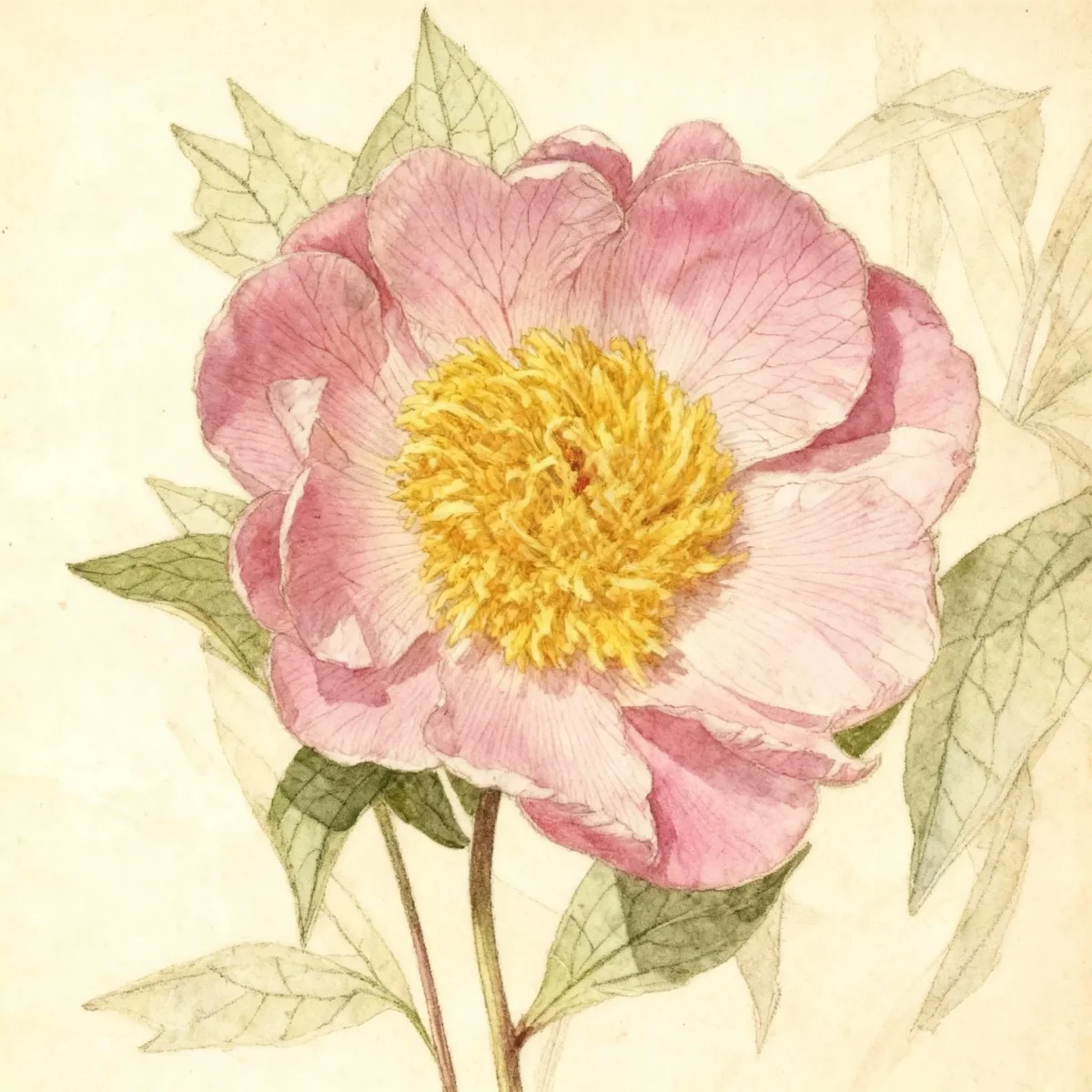
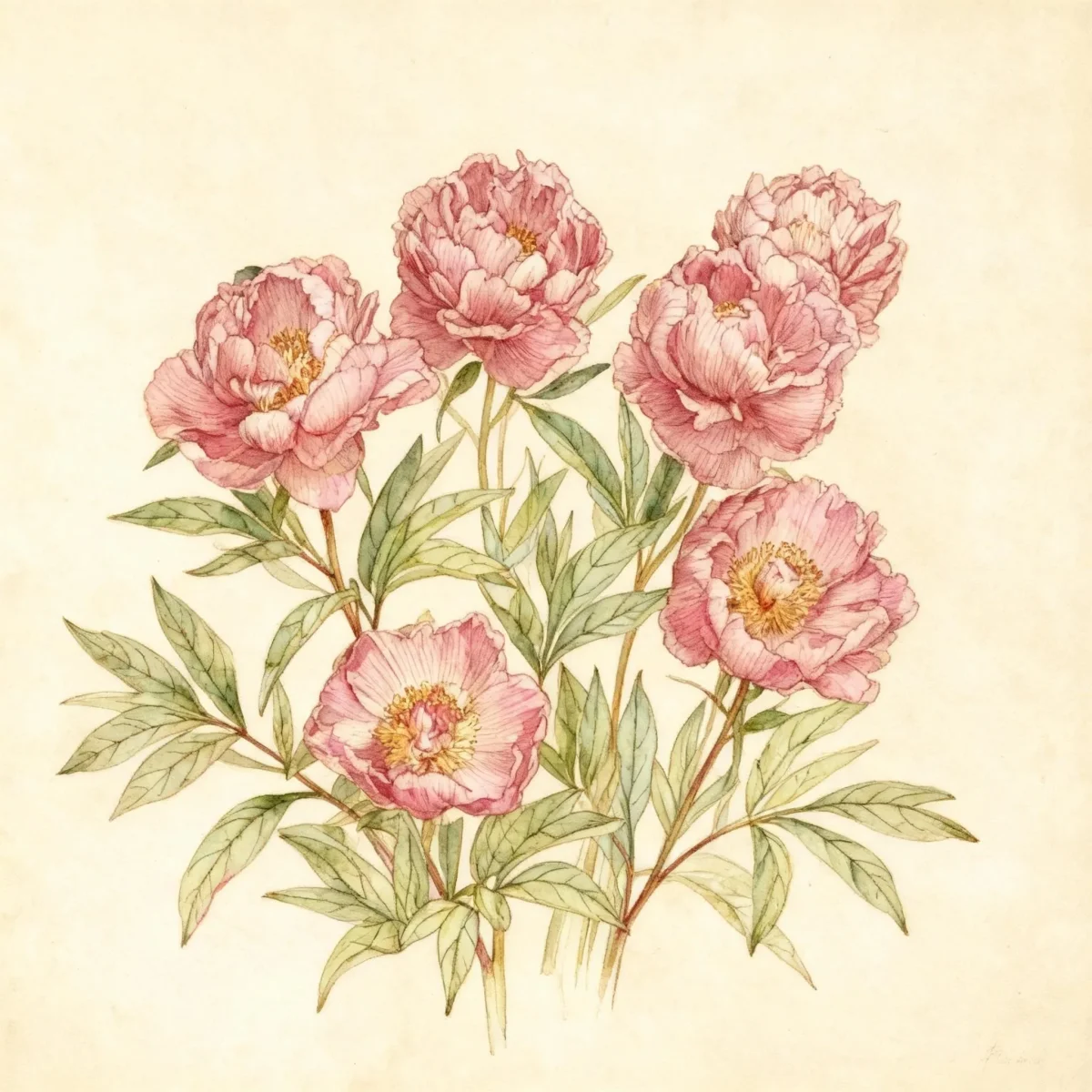
Peony (Paeonia tenuifolia)
Fernleaf peony pairs finely cut foliage with dark red May flowers. Learn why shallow planting, drainage, and a carefully chosen permanent site matter.
Complete Plant Information
Interactive Detour
Keep exploring with a quick garden quiz
Peony is easier to remember when you mix reading with a quick challenge. Try a related quiz, then jump back into the care guide.

Can You Identify These Common Garden Plants? Test Your Plant Knowledge
Think you know your roses from your peonies? Test your plant identification skills with our comprehensive garden plant quiz featuring 10 challenging questions.
Start quiz
USDA Garden Zone Map Quiz
Use this USDA garden zone map quiz to check whether you can read hardiness zones and choose plants with more confidence.
Start quizBrowse the full quizzes section
Explore plant identification, zone strategy, and seasonal gardening challenges.
View all quizzesField Guide Continues
Ready for care notes, companion picks, and planting tips?
The map is just the start. The full guide below covers growth habits, seasonal performance, and landscape uses.
A Peony Chosen as Much for Its Leaves as Its Flowers
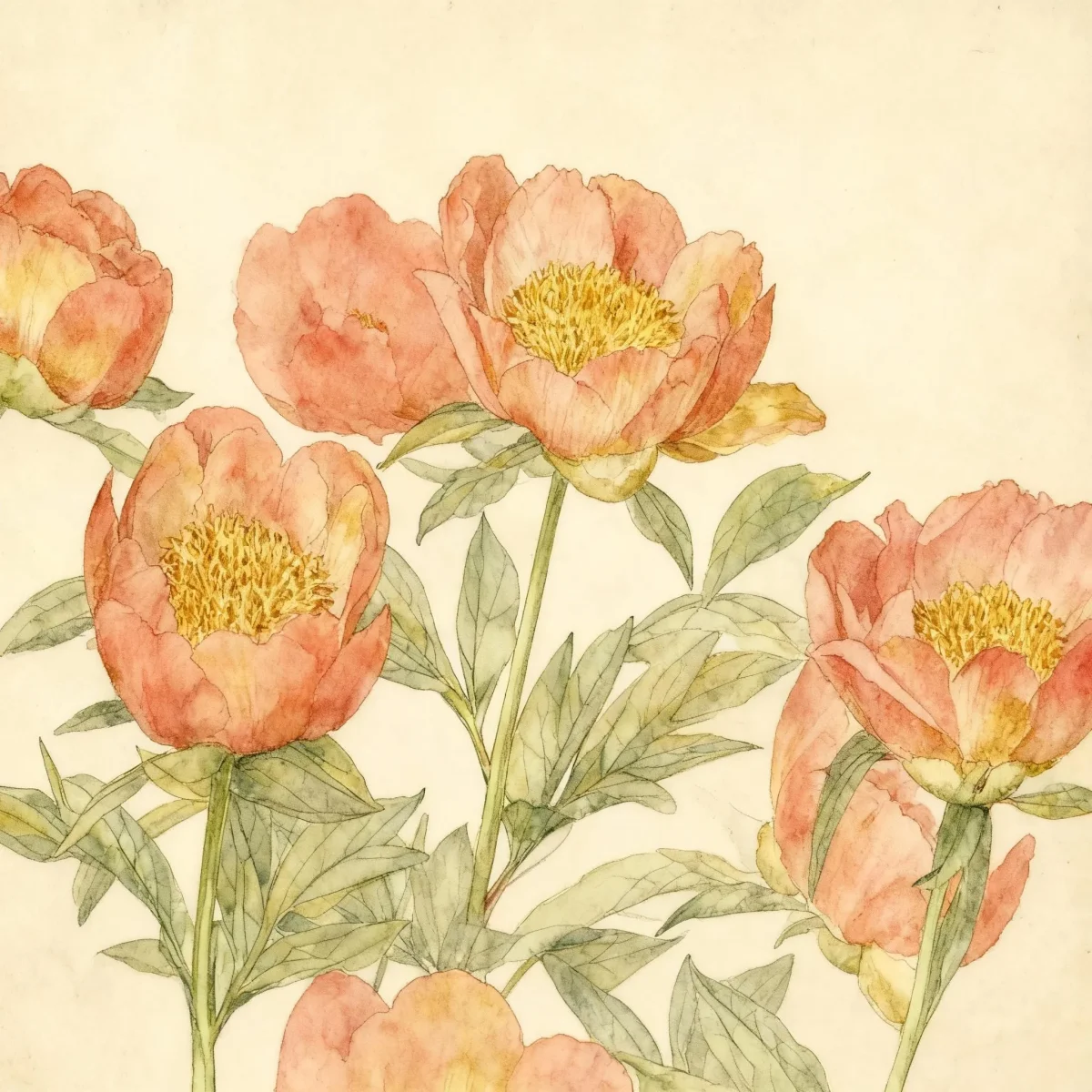
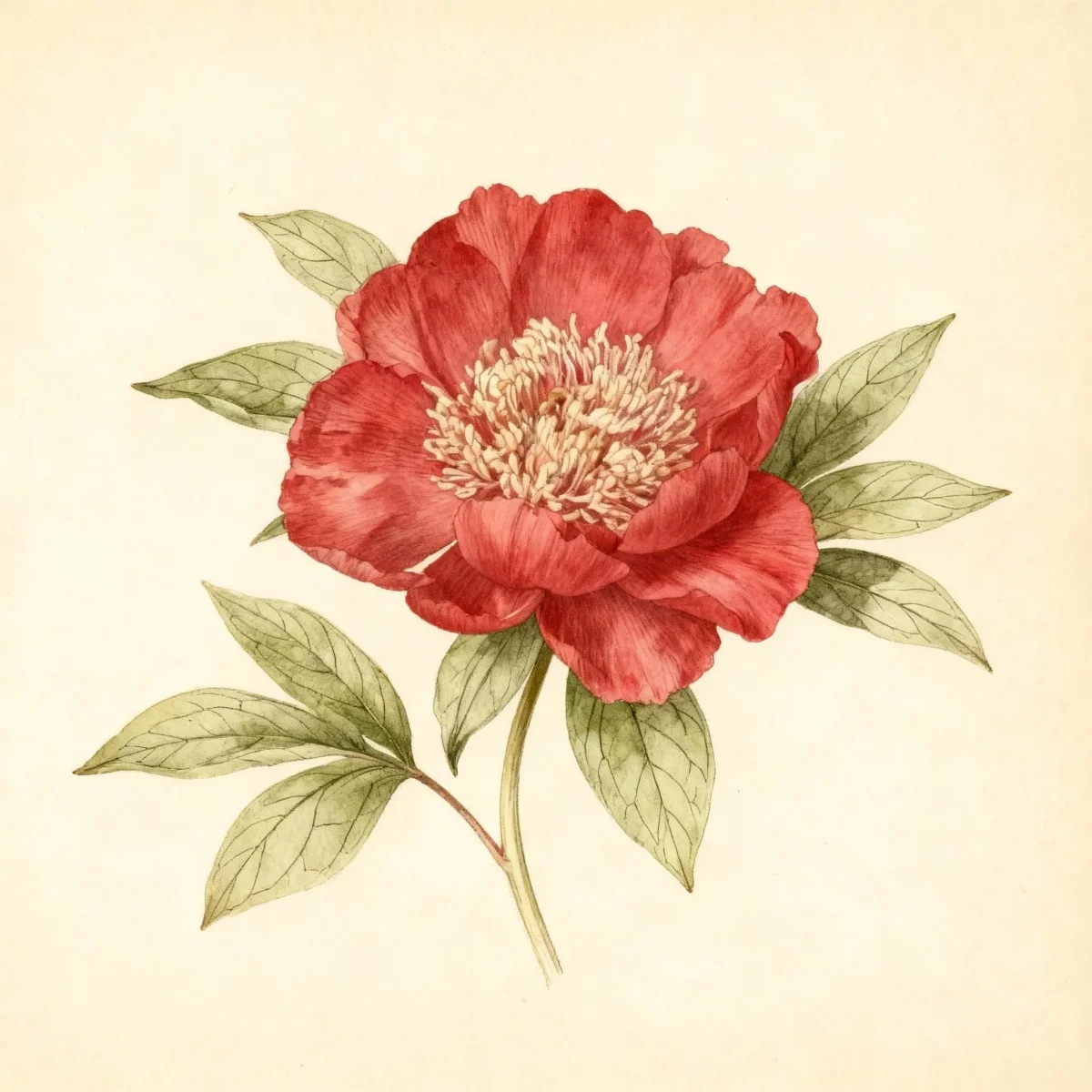
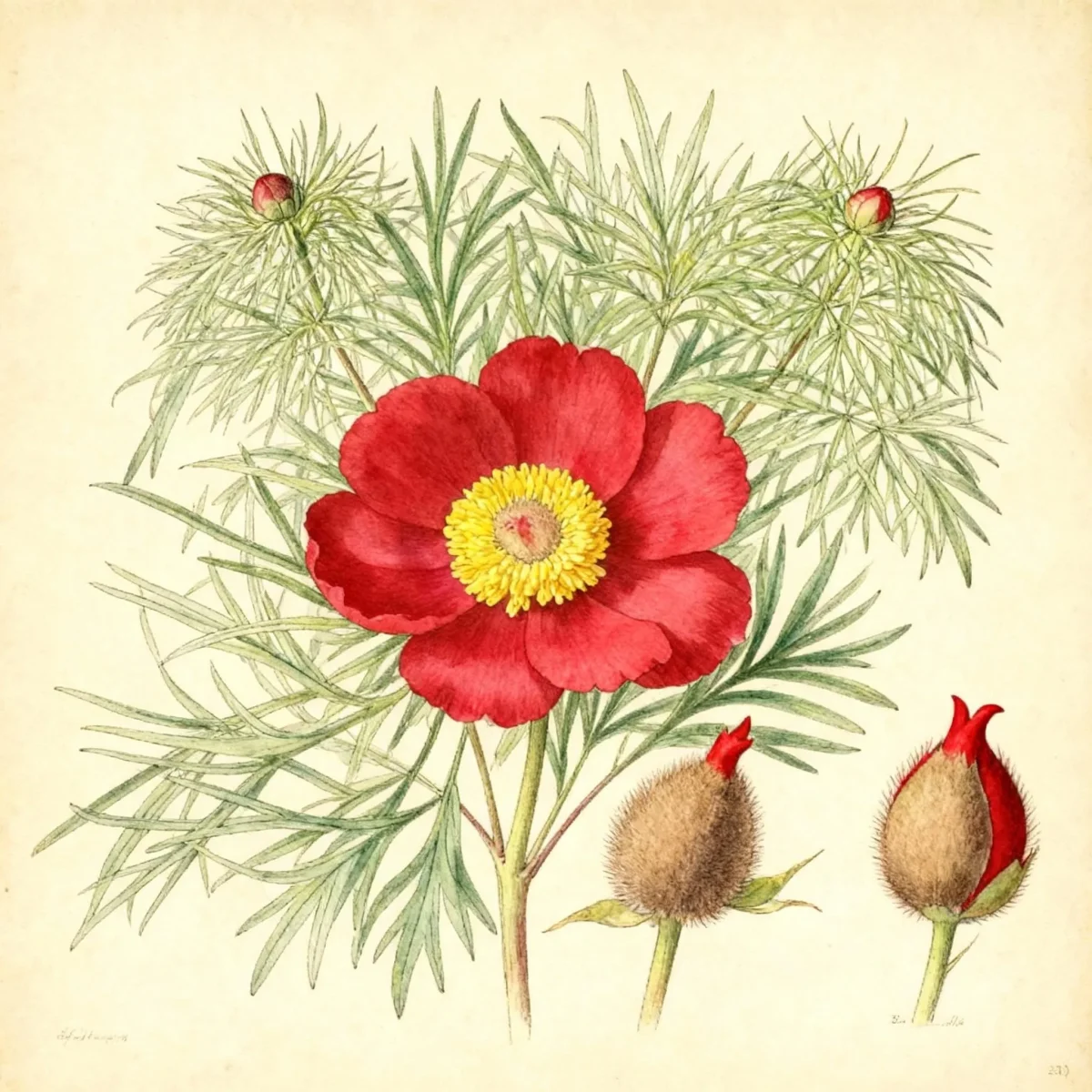
Fernleaf peony (Paeonia tenuifolia) looks unlike the broad-leaved peonies common in perennial borders. Its foliage is finely divided into narrow threads, forming a soft mound only 1 to 2 feet high. Dark red, bowl-shaped flowers appear in May above that delicate foliage.
The display is early and concentrated. After flowering, the leaves may decline sooner than those of garden peonies, especially in hot or dry conditions. Place it where neighboring plants can take over visually without smothering its crown. It suits a sunny rock garden, the front of a well-drained border, or a special collector’s bed better than a damp, heavily irrigated mixed planting.
For a fuller double-flowered version of the same species, compare double fernleaf peony. If your site has more woodland shade, woodland peony is a more relevant comparison than forcing fernleaf peony into too little light.
Give It a Permanent, Well-Drained Position
Choose full sun for the strongest flowering, with light afternoon shade useful where summers are hot. The plant prefers fertile soil that drains freely. Persistent winter wet is a bigger danger than ordinary cold, so avoid hollows, downspout outlets, and beds kept wet for moisture-loving companions.
Fall is a good planting time for bare roots. The pink or reddish buds, often called eyes, must sit close to the soil surface. Planting too deeply is a common reason a healthy peony makes leaves but few flowers. Set the crown so the eyes are only about one to two inches below finished soil level, accounting for any mulch that will be added.
Water after planting and during dry periods while roots establish. Once mature, water deeply rather than sprinkling the surface every day. Keep mulch away from the crown and avoid burying it with yearly top-dressing.
The listed range is USDA Zones 4–8. Use the hardiness zone map to confirm your zone, but remember that good drainage and enough winter chill also influence performance.
Care Through the Year
Shoots emerge early, so mark the location to avoid damaging them during spring cleanup. A light layer of compost around—not over—the crown is usually enough feeding. Excess nitrogen can produce soft foliage without improving bloom.
The compact stems generally need less support than tall double peonies. Remove spent flowers if you prefer a tidy plant, then leave healthy foliage to feed the roots. When leaves die back naturally, cut stems to the ground and remove the debris. Clean tools and open spacing help reduce fungal problems such as botrytis blight and leaf spotting.
Peonies resent frequent disturbance. Divide only when the clump needs moving or rejuvenating, usually in fall. Each division needs healthy roots and several eyes. It may take time to settle and resume strong flowering, so choose the original site with the mature spread in mind.
Designing Around an Early Finish
Pair fernleaf peony with plants that emerge later or keep a neat mound through summer. A low ornamental grass can cover the visual gap, while airy perennials behind it can extend the season without crowding the crown. Avoid aggressive ground covers that weave through the peony’s root area.
Its fine green foliage also provides a useful contrast to broad leaves and silver or blue-gray plants. One specimen can be appreciated up close, but a small repeated group gives the brief red flowers more presence.
Common Questions
Why did my fernleaf peony not bloom?
Deep planting, too much shade, recent division, excess nitrogen, or a young plant still establishing are common possibilities.
Is the foliage supposed to disappear early?
It can go dormant earlier than many border perennials. Sudden spotted or collapsed growth, however, deserves closer inspection for disease or root stress.
Is it deer-proof?
The plant is listed as deer and rabbit tolerant, but no plant is completely browse-proof when animals are hungry.
Explore the plant collection for later-blooming companions that share its sun and drainage needs.