Eastern pasqueflower (Pulsatilla patens)
Discover Eastern pasqueflower (Pulsatilla patens), an early spring wildflower with fuzzy foliage and blue-violet blooms. Low maintenance for Zones 3-7.
Scroll down to discover growing tips, care requirements, companion plants, and more
Complete Plant Information
Overview
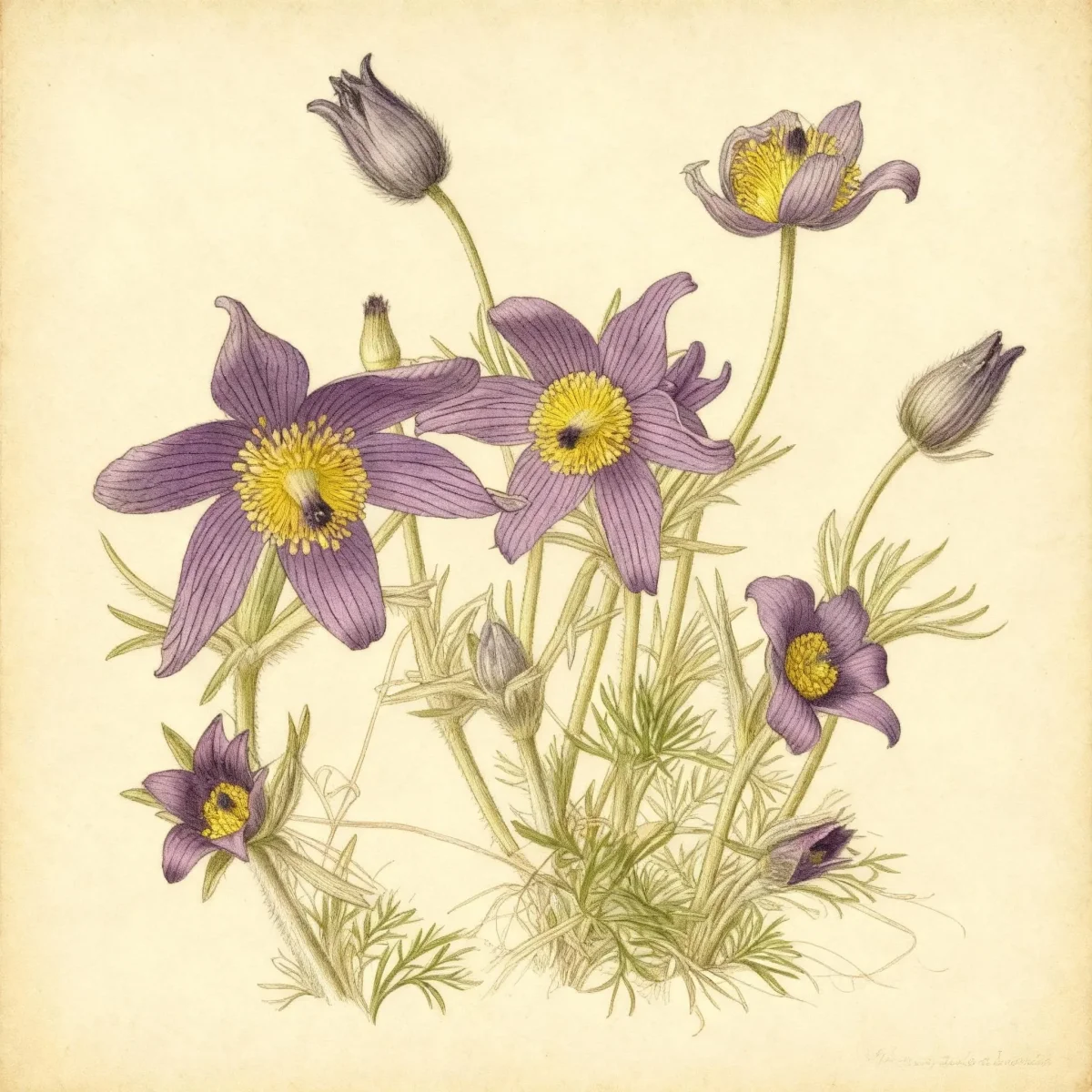
The Eastern pasqueflower, scientifically known as Pulsatilla patens, is a highly valued early-season bloomer perfect for bringing life back to the garden immediately following winter thaw. It is instantly recognizable by its basal whorl of deeply divided, silvery, fern-like foliage that appears alongside its solitary, nodding, bell-shaped flowers. This striking early arrival, often seen while snow patches linger, makes Pulsatilla patens a must-have for specialist spring displays.
This herbaceous perennial thrives in lean, well-drained environments typical of its native prairie and rocky meadow habitats. Its low stature ensures it blends seamlessly at the front of borders or within rock gardens. Beyond the initial arresting bloom, this plant provides ongoing interest through its distinctive, plume-like seed heads that follow the flowers, contributing texture long after the springtime show concludes.
Gardening with Eastern pasqueflower rewards patience, as it prefers to be left undisturbed once established in suitable conditions. Because it is native to northern regions, Pulsatilla patens performs optimally in cooler climates where its specialized needs for excellent drainage and sharp soil distinction can be met without intensive intervention.
Fast Facts
- Plant Family: Ranunculaceae
- Plant Type: Herbaceous perennial
- Native Range: Europe, Siberia
- Hardiness Zones: USDA Zones 3-7
- Size at Maturity:
- Height: 0.25-1 ft
- Spread: 0.25-0.5 ft
- Bloom Time: March to April
- Bloom Description: Blue-violet
- Sun Exposure: Full sun
- Water Needs: Dry to medium
- Maintenance Level: Low
How to Grow
Pulsatilla patens requires a location where drainage is impeccable; this is the single most crucial factor for success. Plant in early spring or fall in gritty, lean soils amended minimally, focusing primarily on improving drainage rather than fertility. Full sun exposure is preferred, though light shade in the hottest part of summer afternoons can be tolerated in warmer reaches of its range.
Watering should be sparse once the plant is established, reflecting its tolerance for dry spells. Only water thoroughly if the soil has become extremely dry, as consistently moist or wet feet will quickly lead to root rot. Fertilizing is generally unnecessary; rich soil can negatively impact the plant’s natural habit and may encourage leggy, weak growth.
After the foliage has died back in summer dormancy, minimal intervention is needed. As an early spring bloomer, cleanup should be gentle; avoid cutting back foliage until it yellows naturally, often late in the season, to allow the plant to store energy. Be aware that Pulsatilla patens can be somewhat difficult to establish or grow from seed, so handle established plants with care during disturbance.
Landscape Uses
The delicate yet durable nature of Eastern pasqueflower makes it an excellent anchor for xeriscaping and rock gardens. Its small stature (rarely exceeding one foot) is ideal for the front edge of perennial borders, where its early bloom can serve as a delightful surprise before larger summer perennials awaken. Consider planting groupings of Pulsatilla patens near pathways or seating areas where their intricate foliage and unique flowers can be easily observed.
For effective companion planting, pair this species with other sun-loving, drought-tolerant plants that appreciate sharp drainage. Good neighbors include certain varieties of Sedum, short ornamental grasses adapted to dry conditions, or spring bulbs like dwarf irises, which will offer succession interest as the Pasque flower finishes blooming. This plant shines in naturalistic prairie settings when integrated sparsely among low-growing native grasses.
Standout Features
Flower Qualities
- Showy
Noteworthy Characteristics
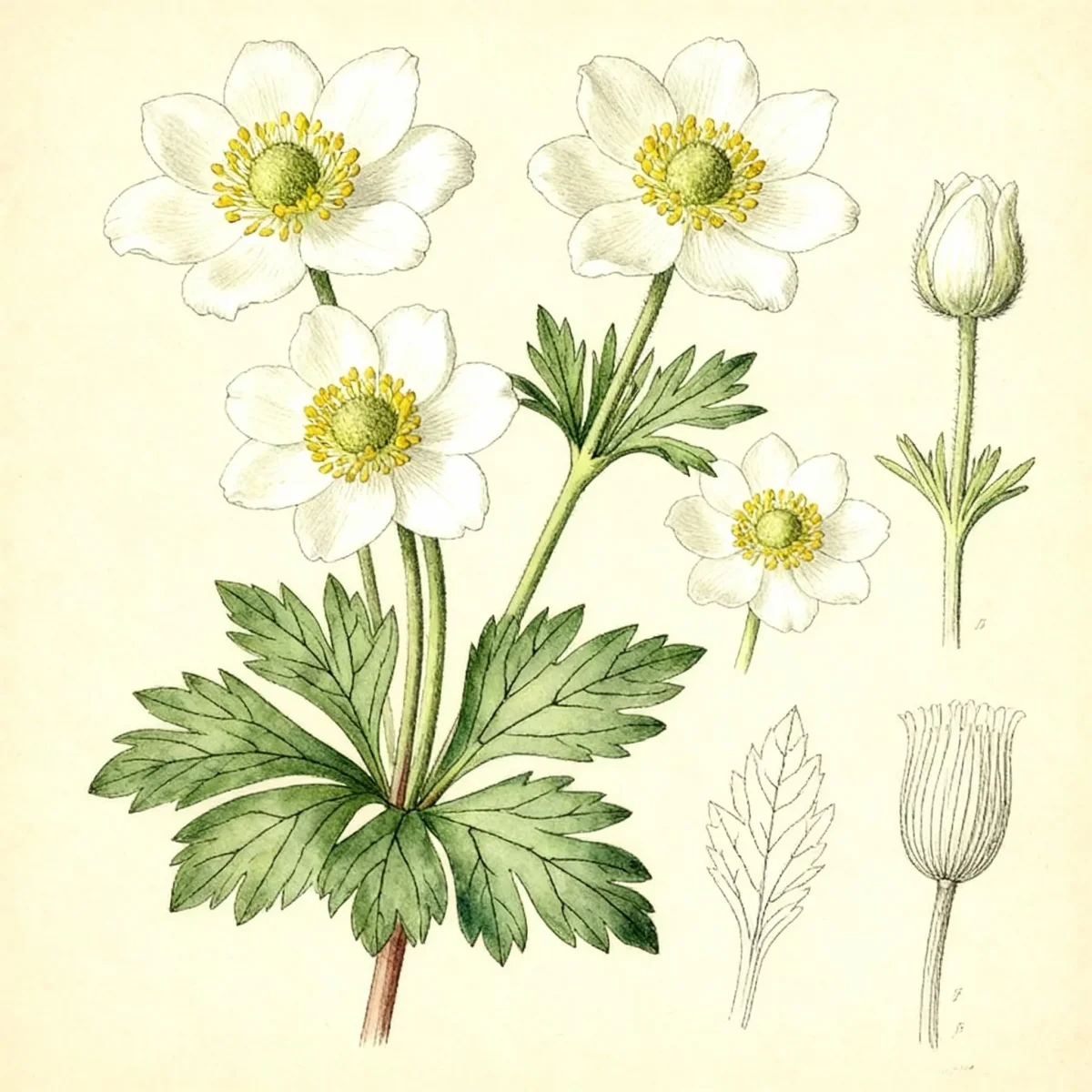
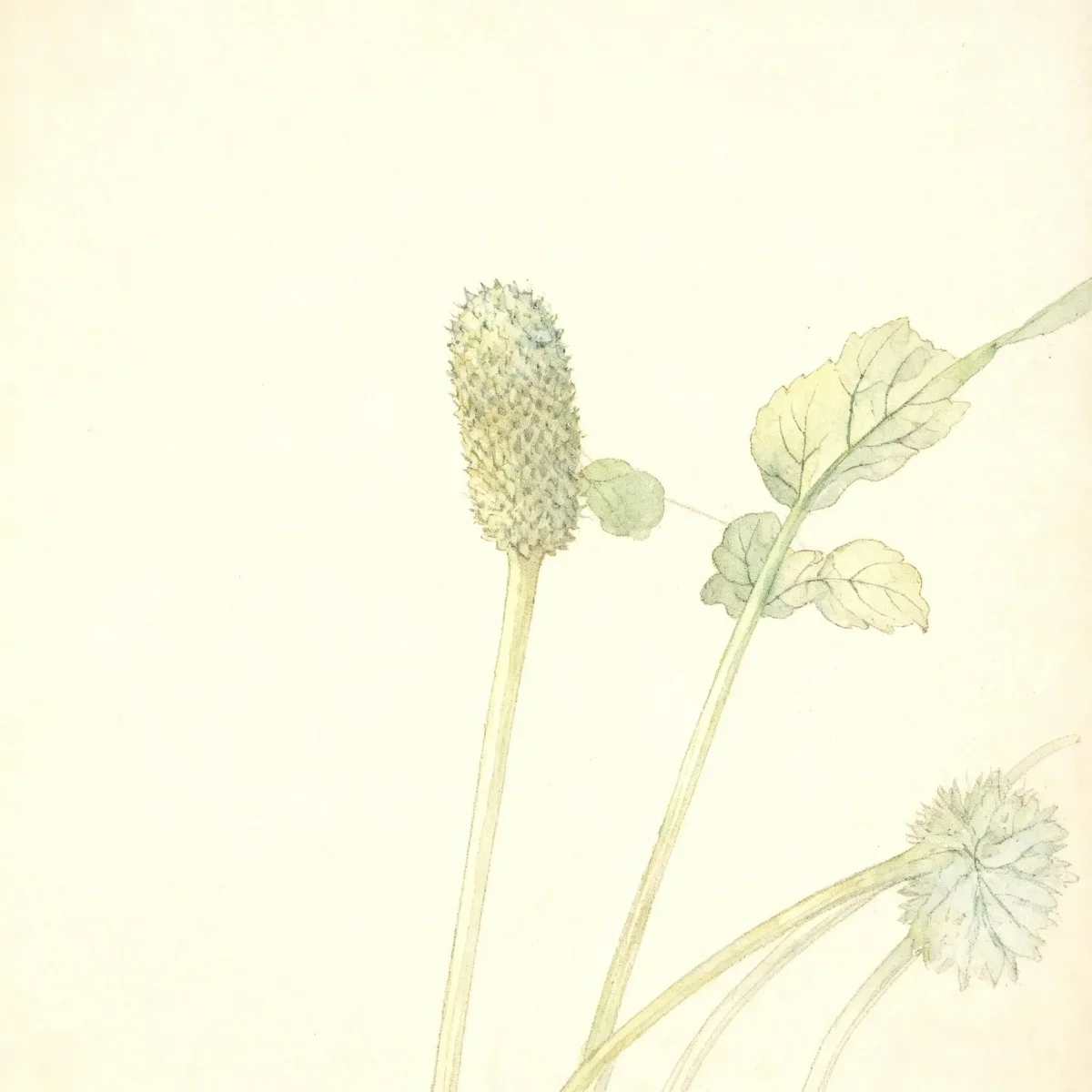
Pulsatilla patens, commonly called Pasque flower, is an early spring wildflower that features silky, hairy, fern-like foliage and erect, open bell-shaped, solitary, blue-violet (but occasionally yellow or white) flowers. Leafless, hairy flower stems emerge from the ground in spring (March-April in St. Louis), sometimes when patches of snow are still on the ground. Flowers bloom as the foliage begins to form. When the flowers appear, stems are typically only 4-5” tall. Stems elongate and foliage grows taller after bloom, with plants typically maturing to 8-12” tall. Deeply divided basal foliage is silvery-hairy. Flowers are followed by plume-like seedheads (reminiscent of some clematis and geum) that have good ornamental interest. This species and varieties thereof are native to prairies, sub-alpine meadows and dry rocky areas in northern Europe, Siberia and North America (Alaska south to Washington, New Mexico, Texas and Illinois). This is the one of the first spring flowers to bloom on the northern Great Plains and far northern tundra areas. Synonymous with Anemone patens.Genus name comes from Latin meaning sway as the flowers sway in the wind.Specific epithet means spreading.Pasque comes from Old French for Easter in reference to the spring bloom time. Other descriptive regional common names applied to this species include prairie smoke, windflower, gosling flower, anemone, sandflower and prairie crocus.
Tolerances
- Drought
- Dry Soil
- Shallow-Rocky Soil
Potential Problems
The Eastern pasqueflower generally boasts a clean bill of health in the garden. Fortunately, it is rarely bothered by serious insect pests or significant disease problems when sited correctly. The primary cause of failure or decline relates directly to cultural conditions, specifically insufficient soil drainage. If you observe plants declining rapidly after a wet spring, it is almost certainly due to overly heavy or waterlogged soil conditions.
Frequently Asked Questions
What hardiness zones is Eastern pasqueflower suitable for?
Pulsatilla patens is hardy across USDA Zones 3 through 7, making it versatile for many northern and central gardeners.
How large does Eastern pasqueflower grow?
This small perennial typically reaches heights between 0.25 and 1 foot, with a spread of about 0.25 to 0.5 feet.
When does Eastern pasqueflower bloom?
The distinct blue-violet blooms of Pulsatilla patens appear very early in the season, generally spanning from March to April.
What sun exposure does Eastern pasqueflower need?
This plant performs best when situated in full sun, although it can tolerate light shade during the hottest hours of the day.
Conclusion
The Eastern pasqueflower (Pulsatilla patens) offers exceptional early-season charm, superior drought tolerance once established, and virtually no pest pressure, making it a valuable low-maintenance addition. Integrate this spring ephemeral into your rock gardens or border fronts to celebrate the season’s start. Before planting, ensure your site offers the sharp drainage required to allow this beautiful wildflower to thrive for years to come.
Companion Planting
When selecting partners for Pulsatilla patens, focus on plants that share its preference for lean soil and abundant sunshine. Avoid heavy feeders or moisture-loving companions, as these conditions stress the Pasque flower. Low-profile, early-season bloomers like Crocus species or miniature Daffodils work well temporarily, fading as the Pulsatilla patens foliage matures.
For summer interest in the same dry spots, consider pairing it with plants that evoke a prairie or alpine feel. Creeping Thyme varieties, low-growing Lavender, or certain drought-tolerant ornamental grasses provide a textural contrast without competing for the same shallow soil nutrients. Success relies on maintaining sharp drainage throughout the growing season.
Propagation Tips
While often purchased as potted divisions, Pulsatilla patens can be propagated by seed, though germination requires patience. Seeds must be fresh, as viability drops quickly; attempt sowing them immediately upon collection in spring. Sow seeds thinly in a gritty, sterile propagation mix, keeping the medium consistently moist but never saturated, and provide bright, cool light.
Establishment from seed can be slow, as noted by its growth difficulty. It is vital that seedlings do not dry out entirely during their first year, requiring more consistent moisture than the mature plant. Transplanting seedlings to their final, dry, well-drained location should only occur once they have developed a robust root system, preferably in the following spring.