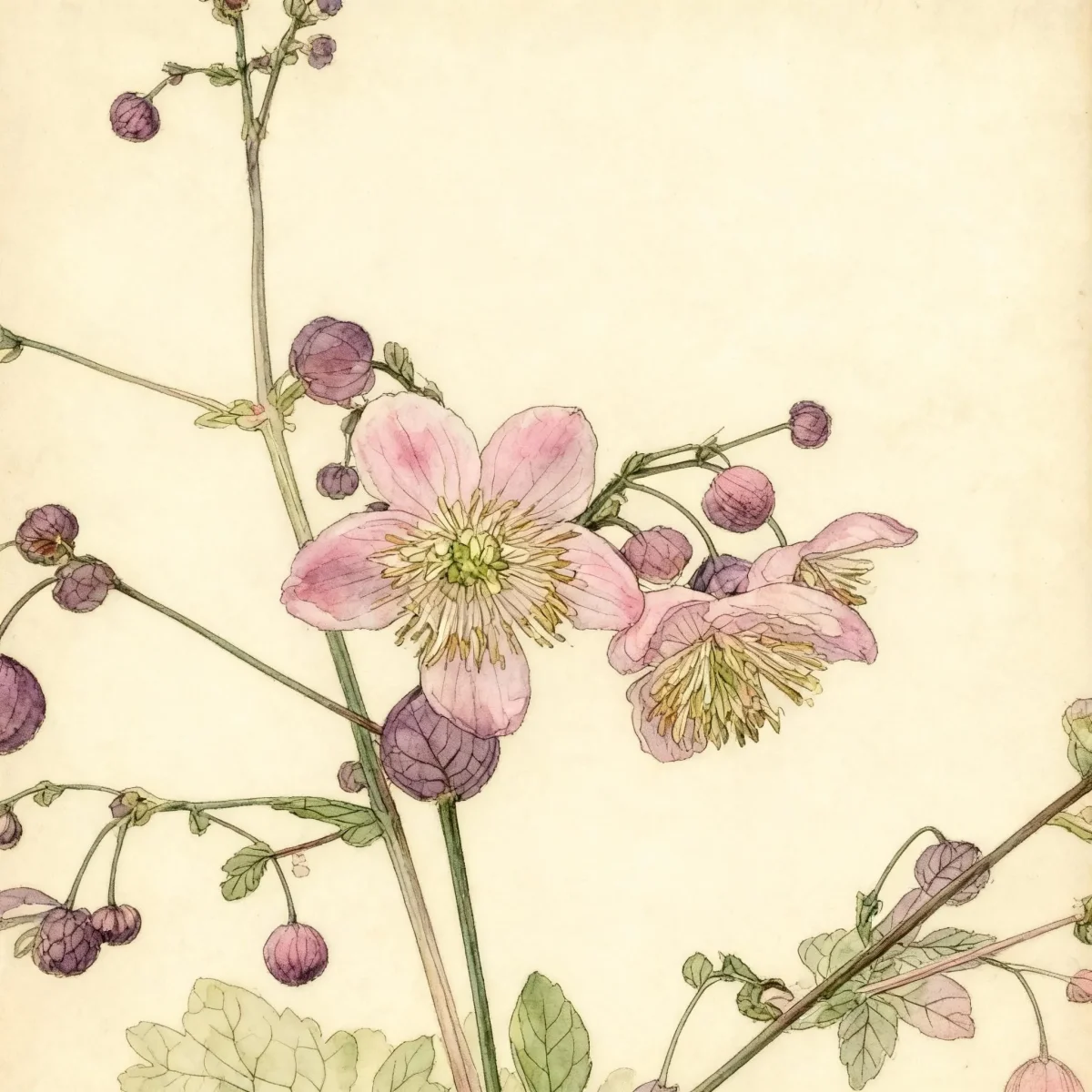
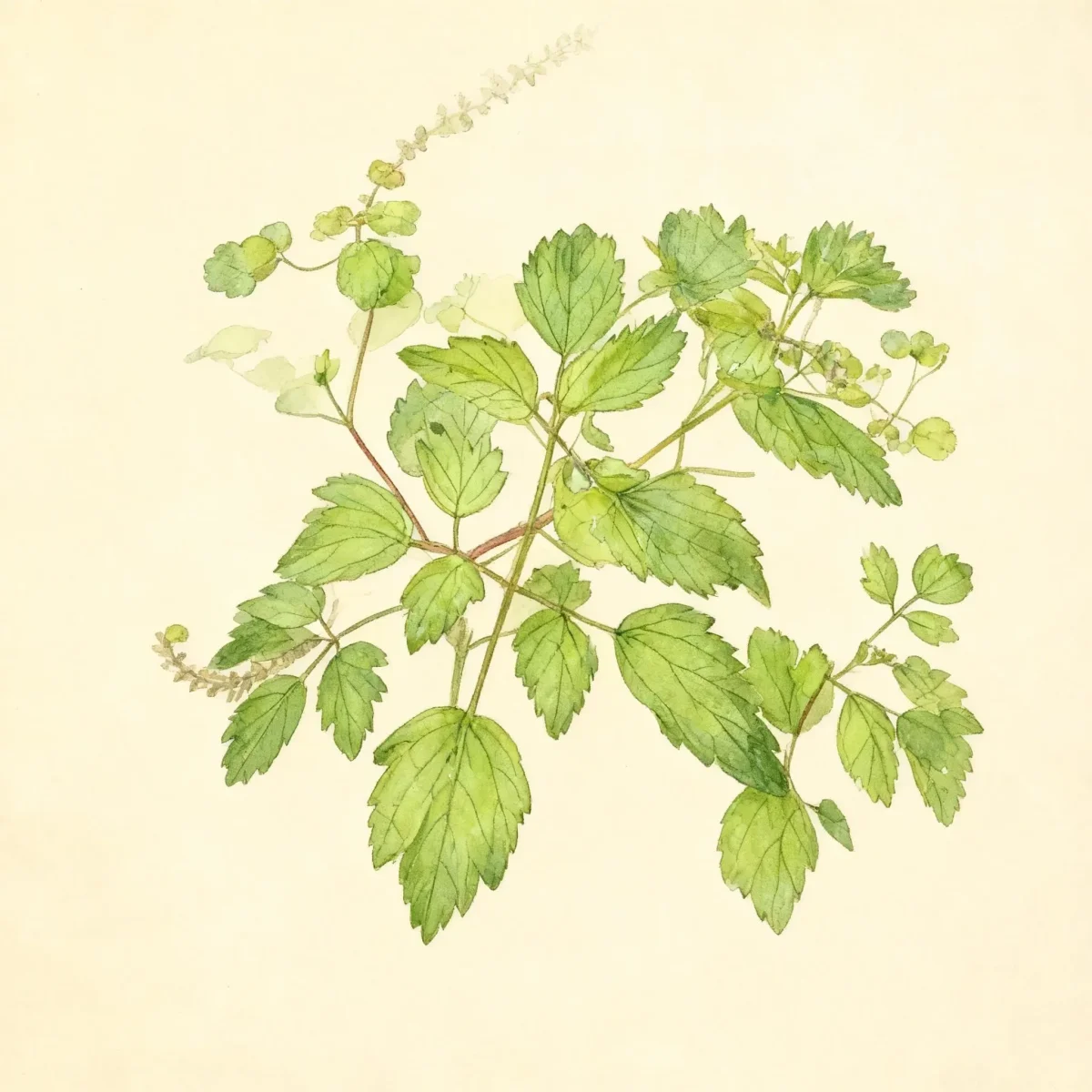
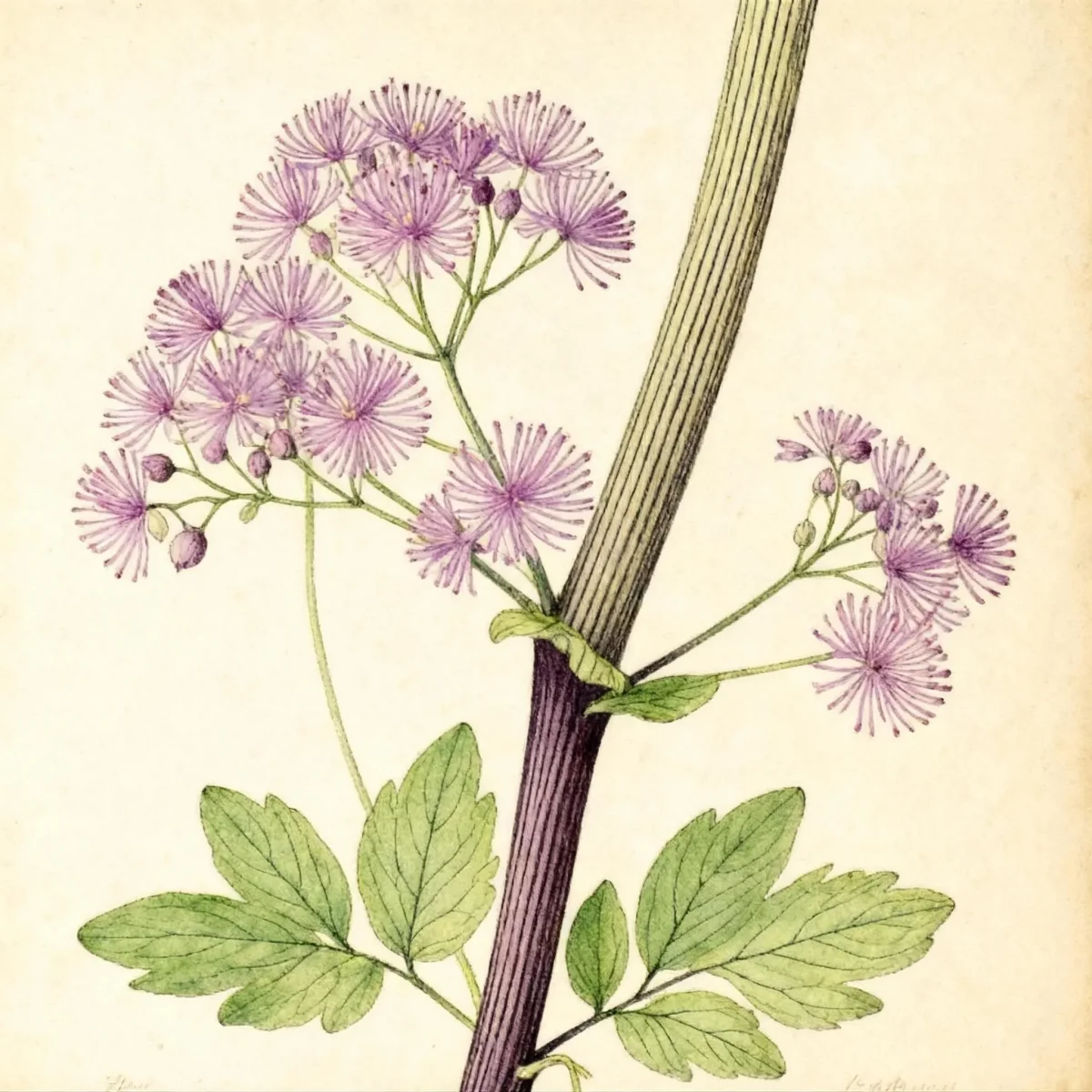
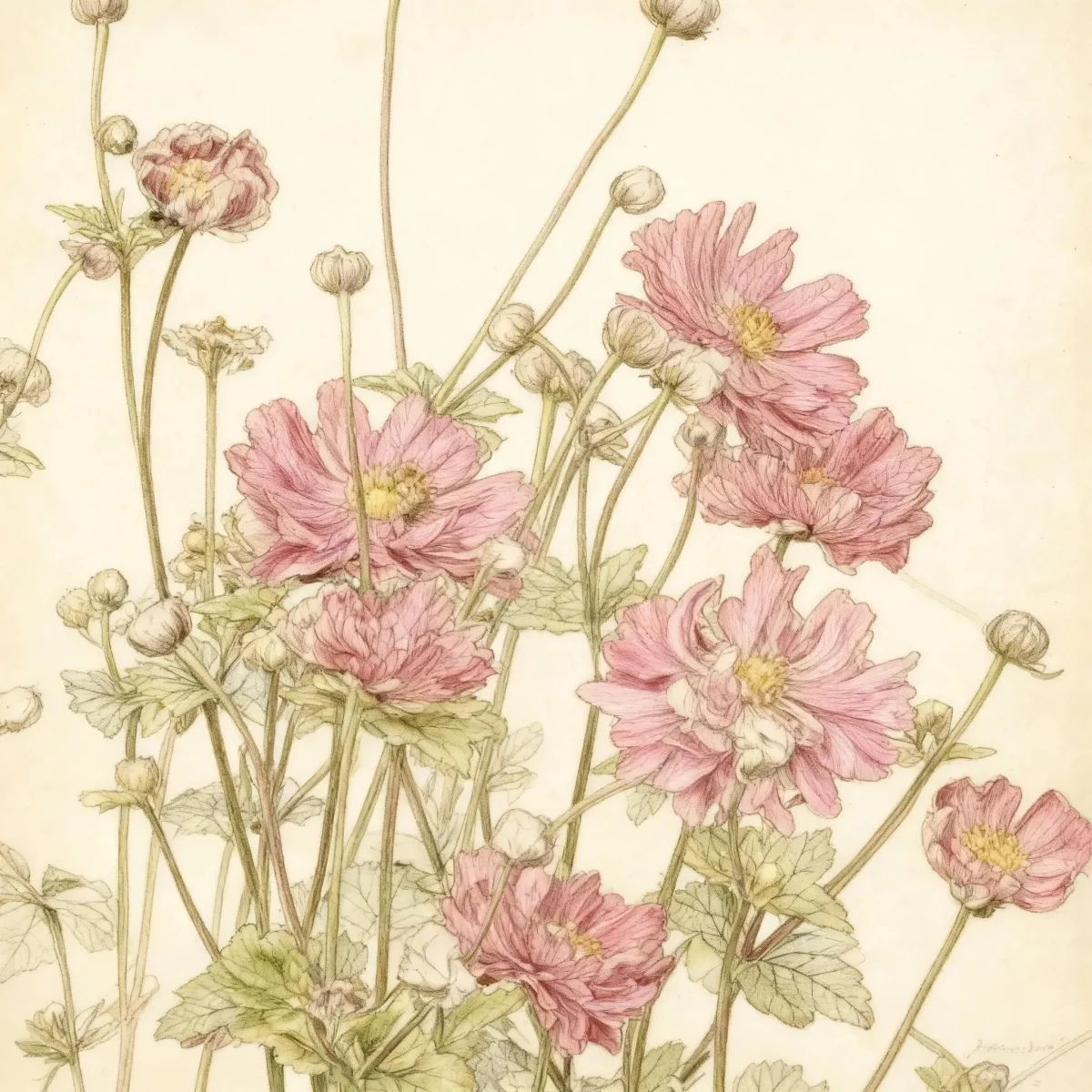
Meadow rue (Thalictrum aquilegiifolium)
Thalictrum aquilegiifolium, Meadow rue, offers lacy foliage and airy lilac-purple blooms for borders in Zones 5-8.
Scroll down to discover growing tips, care requirements, companion plants, and more
Complete Plant Information
Overview
The graceful Thalictrum aquilegiifolium, commonly known as Meadow rue, provides exquisite texture and airy color to the late spring garden. Gardeners value this herbaceous perennial for its delicate, fern-like foliage that contrasts beautifully with many heavier-leaved summer bloomers. Its structure remains elegant even outside of the bloom season, offering fine texture reminiscent of maidenhair fern.
Thalictrum aquilegiifolium typically reaches two to three feet in height, bearing airy panicles of fluffy, lilac-purple flowers from May through July. The subtle coloration and cloud-like habit make it an excellent vertical element in mixed plantings. This plant is recognized for its low maintenance requirements, thriving in the right conditions without demanding excessive intervention.
Native to parts of Asia and Europe, this Meadow rue is best suited for climates where summers are not intensely hot and humid. When successfully situated, Thalictrum aquilegiifolium delivers high visual impact with minimal effort, bringing sophisticated texture to perennial borders and informal settings across USDA Zones 5 through 8.
Fast Facts
- Plant Family: Ranunculaceae
- Plant Type: Herbaceous perennial
- Native Range: Asia, Europe
- Hardiness Zones: USDA Zones 5-8
- Size at Maturity:
- Height: 2-3 ft
- Spread: 2-3 ft
- Bloom Time: May to July
- Bloom Description: Lilac-purple
- Sun Exposure: Full sun to part shade
- Water Needs: Medium
- Maintenance Level: Low
How to Grow
For optimal establishment, plant Thalictrum aquilegiifolium during the cooler periods of spring or fall if possible. This species requires average, well-drained soil that is rich and humusy, mimicking its preferred woodland edge environment. Ensure the planting location receives full sun or light, dappled shade; intense afternoon sun in hot climates can cause stress.
Water requirements are medium. Aim to keep the soil consistently moist but never waterlogged, especially during establishment. Maintenance for Meadow rue is generally low; the plant rarely needs staking due to its tough, wiry stems. Deadheading spent blooms is generally unnecessary unless seed production is actively discouraged.
Be aware that Thalictrum aquilegiifolium performs poorly in hot and humid summer climates, meaning air circulation and appropriate sun protection (part shade) are crucial in the southern parts of its range. While easily grown from seed, established plants offer reliable performance year after year provided soil drainage is excellent.
Landscape Uses
Meadow rue shines where delicate, light-filled texture is desired, providing late spring flowers and delicate, blue-green foliage to perennial borders, wildflower gardens, or meadows. Its height of 2 to 3 feet allows it to function beautifully as a mid-border plant, adding airy structure without blocking shorter foreground specimens.
The fine, almost ethereal foliage makes Thalictrum aquilegiifolium an excellent contrast plant. Pair it alongside broad-leaved hostas, peonies, or irises to leverage textural differences. In wildflower settings, allow these plants the space to naturalize slightly—their light canopy blends perfectly with ornamental grasses and native woodland plants.
Consider using mass plantings of Meadow rue to create a shimmering effect when the lilac-purple stamens catch the afternoon light. Because of its elegance, it works well in cottage gardens or more refined naturalistic plantings, adding height and sophistication above groundcovers or edging plants.
Standout Features
Flower Qualities
- Showy
Noteworthy Characteristics
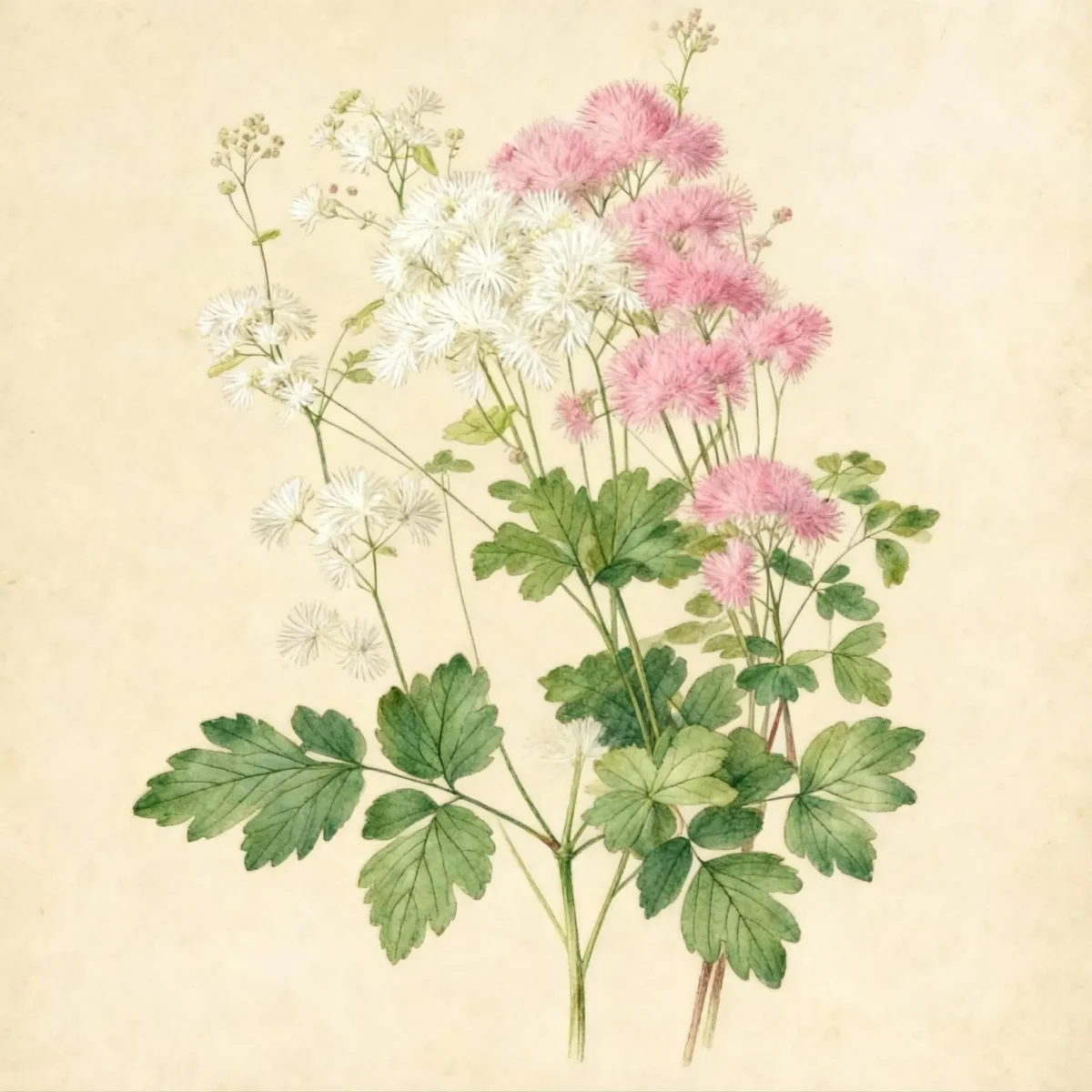
Thalictrum aquilegiifolium, commonly called meadow rue, typically grows 2-3’ tall and features a basal clump of lacy, fine-textured, compound, bluish-green foliage (resembling columbine or maidenhair fern). The lilac-purple male flowers (color is actually from the profuse, fluffy purple stamens) are much showier than the female ones. Flowers are borne in dense panicles on branched, wiry stems rising above the foliage in late spring to early summer.
Tolerances
- Deer
Potential Problems
This plant experiences virtually no serious insect or disease problems, making it highly appealing for organic gardeners. Generally, the sturdy stems of Thalictrum aquilegiifolium stand upright and do not require staking, which is a practical bonus in busy borders. Deer tend to avoid this plant, providing reliable, undamaged foliage throughout the season. If plants flop, it is usually due to insufficient light or overly rich, wet soil rather than pest pressure.
Frequently Asked Questions
What hardiness zones is Meadow rue suitable for?
Thalictrum aquilegiifolium is best suited for gardeners residing in USDA Hardiness Zones 5 through 8.
How large does Thalictrum aquilegiifolium grow?
This herbaceous perennial typically matures to a height between 2 and 3 feet, spreading to a similar width of 2 to 3 feet.
When does Meadow rue bloom?
Meadow rue displays its distinctive blooms from May through July, offering lilac-purple coloration in airy clusters.
What sun exposure does Thalictrum aquilegiifolium need?
For the best performance, ensure this plant receives sufficient light, ranging from full sun to partial shade conditions.
Conclusion
The distinctive, lacy foliage and vibrant, yet airy, lilac-purple blooms confirm Thalictrum aquilegiifolium as a valuable textural anchor in the perennial garden. This low-maintenance Meadow rue offers significant visual returns, provided its need for rich, well-drained soil and moderate climates is respected. Before planting, always check your USDA zone compatibility to ensure long-term success with this elegant perennial.
Companion Planting
Successful companion planting with Thalictrum aquilegiifolium relies on selecting partners that appreciate similar medium moisture levels and dappled light, while offering differing foliage structures. Plants with bold, coarse leaves create a stark, beautiful contrast against the delicate structure of the Meadow rue. Consider planting it near large-leaved Hosta varieties or groundcovers like Epimedium.
In areas receiving full sun exposure, pair this three-foot perennial with plants that tolerate slightly drier conditions as they mature. Native woodland phlox (Phlox divaricata) blooms earlier, providing color below the rising foliage of Thalictrum aquilegiifolium. Later in the season, ferns or fall bloomers like Astilbe (if humidity is low) will benefit from the lingering structure provided by this plant.
Seasonal Care Calendar
Spring preparation involves cutting back any remaining old, dead stems from the previous season as new growth emerges near the crown. This is also the best time to amend the soil lightly with compost to replenish the humus lacking during winter dormancy, feeding the Thalictrum aquilegiifolium for the coming year. Ensure debris is cleared but do not cultivate deeply near the base.
During summer, primary care revolves around consistent watering, especially during dry spells common in Zones 5 and 6. If blooms have finished by mid-summer, you may choose to cut the faded flower stalks down to the foliage clump for a cleaner appearance, though this is not required for plant health. Avoid heavy fertilization, as excessive richness can sometimes lead to weaker stems.
Winter care is minimal for this hardy perennial. Once the foliage dies back naturally in the fall, resist the urge to cut it down immediately; the dried stems can offer winter interest and protect the crown. Minimal protection is needed in Zones 5 through 8, provided the plant is situated in well-drained soil where winter moisture won’t accumulate around the roots.