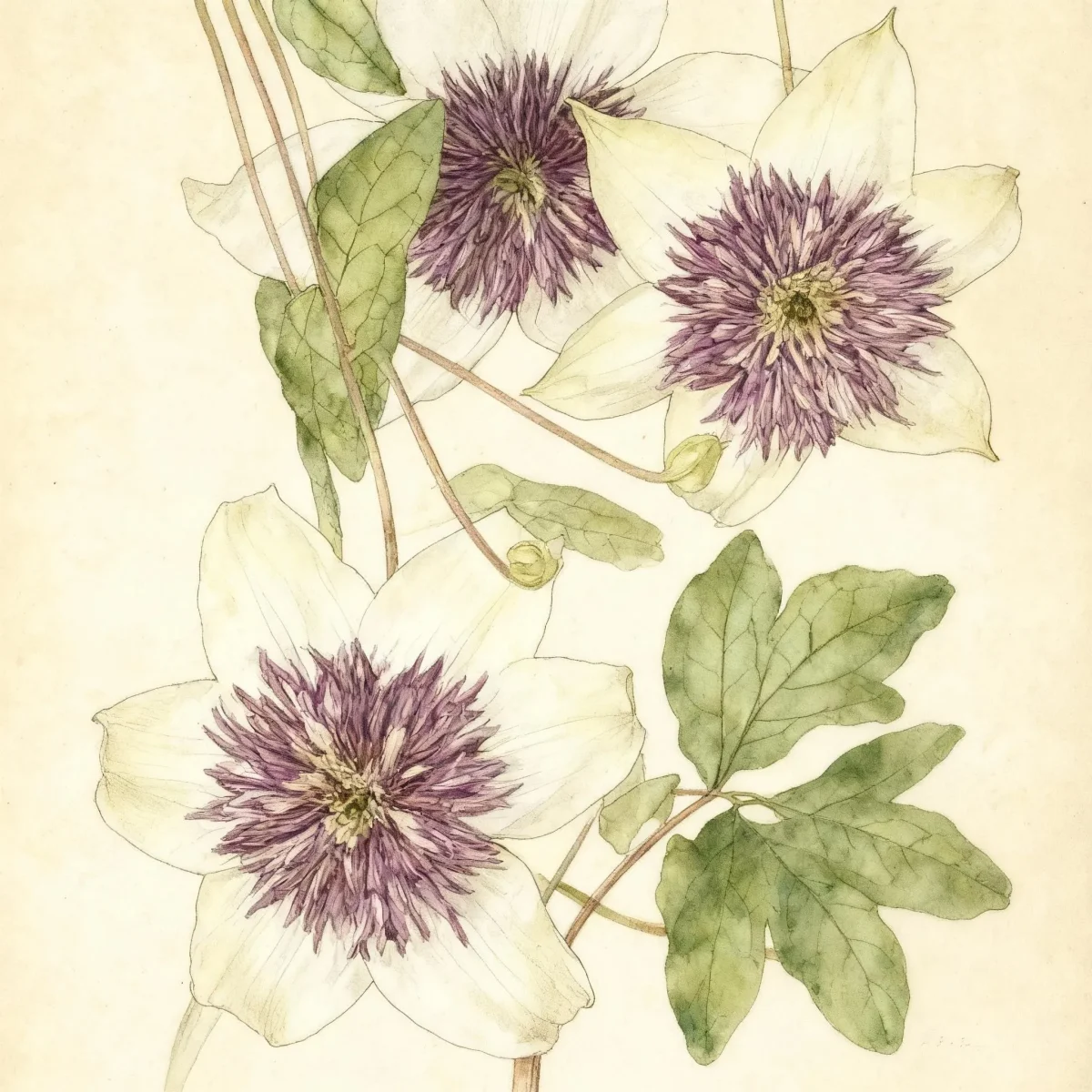
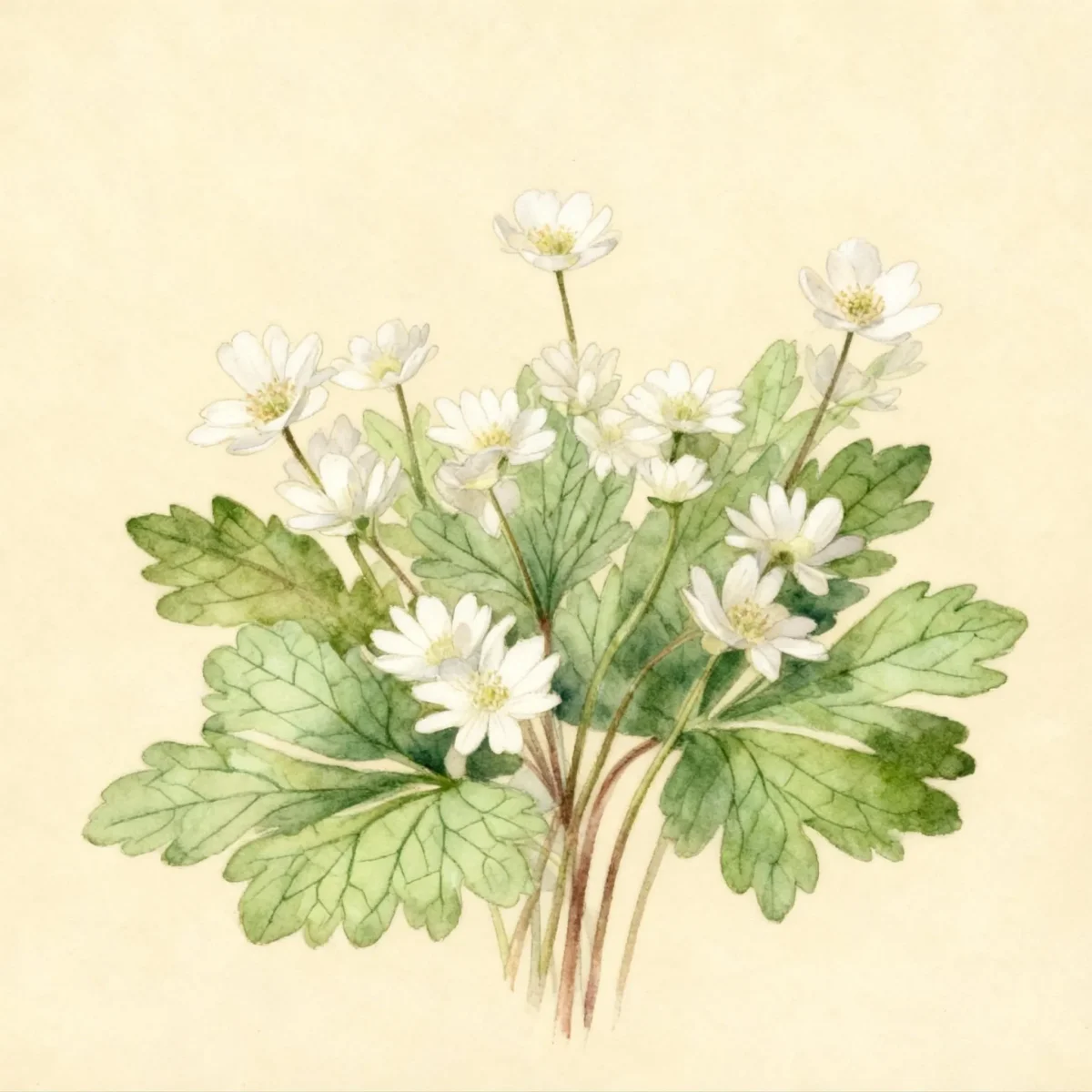
Windflower (Anemone coronaria)
Discover Windflower (Anemone coronaria), a low-maintenance bulb blooming spring through early summer with vibrant, poppy-like flowers.
Scroll down to discover growing tips, care requirements, companion plants, and more

Complete Plant Information
Overview
The Windflower, or Anemone coronaria, is a highly valued addition to spring gardens, renowned for its solitary, large, poppy-like flowers that burst forth from April to June. Often known by its common name, Windflower, this plant derives its genus name from the Greek word for wind, suggesting its delicate nature. It offers exceptional color, presenting flowers in brilliant shades of blue, red, or white, typically accented by a striking black center.
This beautiful bulb is relatively straightforward to cultivate, especially when matched with its preferred climate. Though it behaves as a short-lived perennial in its warmer range, many gardeners find it best grown as an annual for reliable rebloom. Its compact stature, rarely exceeding 1.5 feet, makes the Anemone coronaria perfect for smaller spaces or mass plantings.
With its low maintenance requirements and significant aesthetic impact, the Windflower ensures a burst of Mediterranean color in the late spring garden. Whether utilized in established beds or containers, this species provides excellent material for both visual appeal and floral arrangements.
Fast Facts
- Plant Family: Ranunculaceae
- Plant Type: Bulb
- Native Range: Northern Africa, western Asia, southern Europe
- Hardiness Zones: USDA Zones 7-10
- Size at Maturity:
- Height: 0.75-1.5 ft
- Spread: 0.5-0.75 ft
- Bloom Time: April to June
- Bloom Description: Blue, red or white with black center
- Sun Exposure: Full sun to part shade
- Water Needs: Medium
- Maintenance Level: Low
How to Grow
Planting Anemone coronaria tuberous rhizomes should ideally occur in the autumn in USDA Zones 7-10, burying them about 2 to 3 inches deep and spacing them 4 to 6 inches apart. They thrive in rich, sandy, well-drained soils that receive full sun to partial shade exposure. If overwintering is a concern, consider starting tubers in pots indoors during the fall for transfer outside in spring, or plant containers in early spring for a later May or June flowering display.
Once established, the Windflower requires medium water to sustain growth during its active spring period. Maintenance is generally low; however, coverage with mulch after fall planting is recommended, with the mulch being removed in late winter just before growth begins. Since plants can be short-lived, many gardeners choose the simplest route: treating them as annuals and replacing the rhizomes entirely each autumn.
If you choose to lift the rhizomes in the fall for storage, be aware that successful overwintering outside of mild winter areas is inconsistent. For the most dependable results, plan to purchase fresh tuberous rhizomes annually to ensure a brilliant show of these vibrant flowers.
Landscape Uses
The compact size (0.75 to 1.5 feet tall) combined with the vibrant colors makes the Windflower an excellent selection for borders where a low-growing splash of color is needed before summer perennials take over. They perform beautifully when nestled into rock gardens, allowing their foliage and flowers to spill slightly over stones.
Furthermore, due to their appealing structure and rich hues, Anemone coronaria is highly recommended as a good cut flower. Groupings of these bulbs can create dense drifts of color along pathways or tucked into mixed containers where they can be appreciated up close, providing reliable color alongside spring bulbs like tulips or daffodils.
Standout Features
Flower Qualities
- Showy
Noteworthy Characteristics
Anemone coronaria is native to the Mediterranean region, presenting as an upright perennial growing from rhizomatous tubers with deeply divided foliage. Solitary, showy, poppy-like flowers, reaching up to 2.5 inches in diameter with 6-8 sepals, bloom in spring on stems up to 12 inches tall, displaying striking blue, red, or white coloration with dark centers. Popular cultivars include the single-flowered De Caen group and the double-flowered St. Brigid group, offering gardeners diverse choices beyond the wild species.
Tolerances
- Deer
- Black Walnut
Potential Problems
Gardeners rarely encounter serious insect or disease issues when cultivating the Windflower. This inherent resilience contributes significantly to its low maintenance rating. Ensure conditions meet its needs—specifically well-drained soil—to prevent common fungal issues that occur in overly saturated ground. Proper planting depth and timely mulch removal in spring assist in maximizing plant health throughout the growing season.
Frequently Asked Questions
What hardiness zones is Windflower suitable for?
Anemone coronaria is winter hardy in USDA Zones 7 through 10.
How large does Windflower grow?
This plant typically achieves a height between 0.75 and 1.5 feet, with a spread of 0.5 to 0.75 feet.
When does Anemone coronaria bloom?
The Windflower blooms seasonally from April through June, featuring distinctive blue, red, or white flowers that possess notable black centers.
What sun exposure does Windflower need?
For optimal flowering, ensure your Anemone coronaria receives full sun to part shade exposure.
Conclusion
The inclusion of Anemone coronaria, the gorgeous Windflower, promises jewel-toned displays early in the season with minimal fuss. Its low maintenance and stunning poppy-like blooms make it an excellent choice for transitional spring color. Before planting, confirm your location falls within USDA Zones 7-10, or plan to treat these delightful bulbs as exciting annuals.
Companion Planting
When planning your spring display alongside the Windflower, select companions that appreciate similar soil conditions and bloom times. Low-growing bulbs such as Grape Hyacinth (Muscari) or early Daffodils (Narcissus) can complement the base of the Anemone coronaria as they finish flowering when the Windflower begins. Ensure that chosen companions also require well-drained soil, as soggy conditions are detrimental to the tuberous rhizomes.
Seasonal Care Calendar
During late winter or very early spring, gardeners should diligently remove the protective mulch applied after the fall planting of the Windflower rhizomes. This step signals the onset of the growing season and allows the soil to warm appropriately. As the plants fade and go dormant after their spring bloom finishes in June, resist the urge to cut back the fading foliage immediately; allow the leaves to yellow naturally to replenish the energy stored in the tubers for the following year, or prepare for planting new rhizomes next autumn.