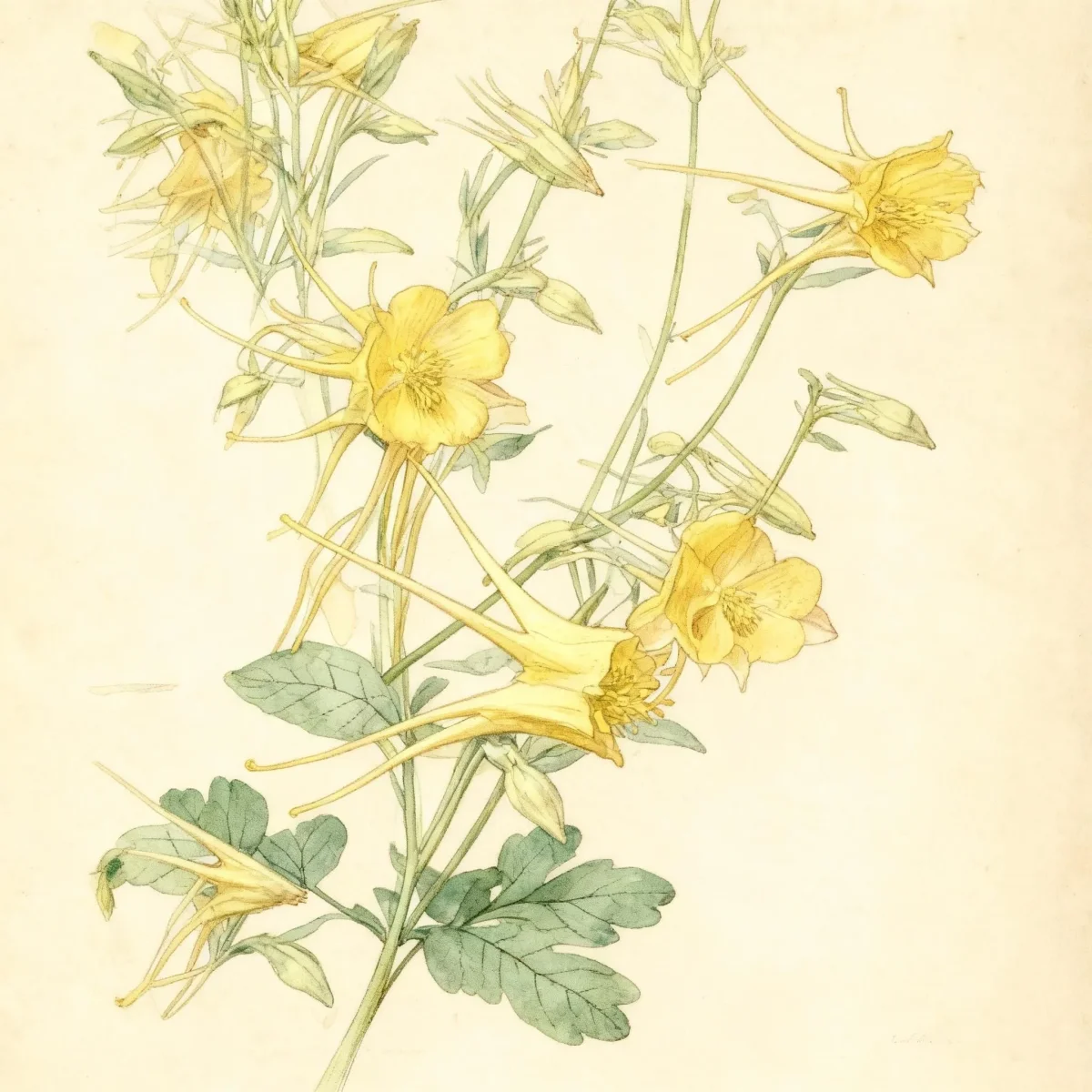
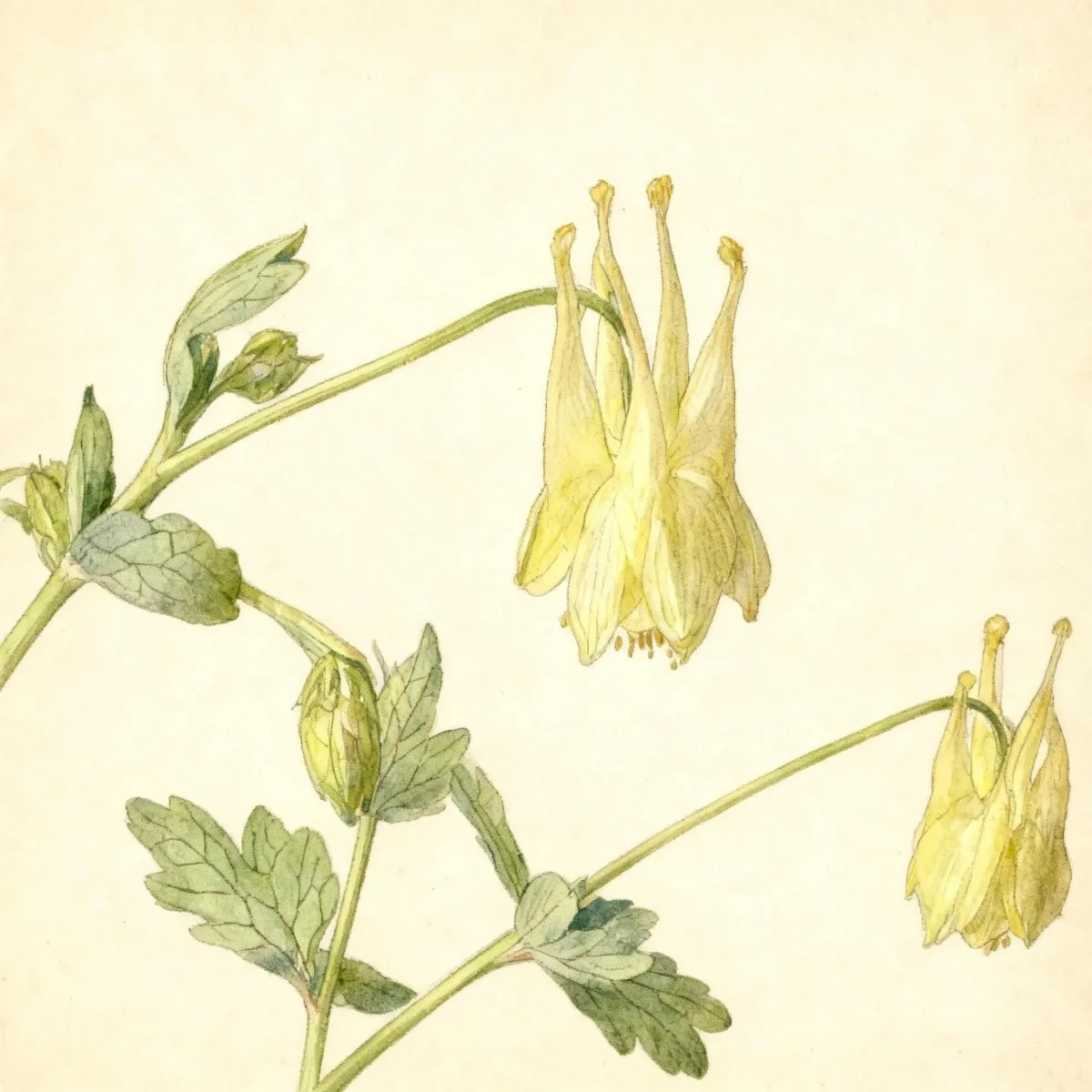
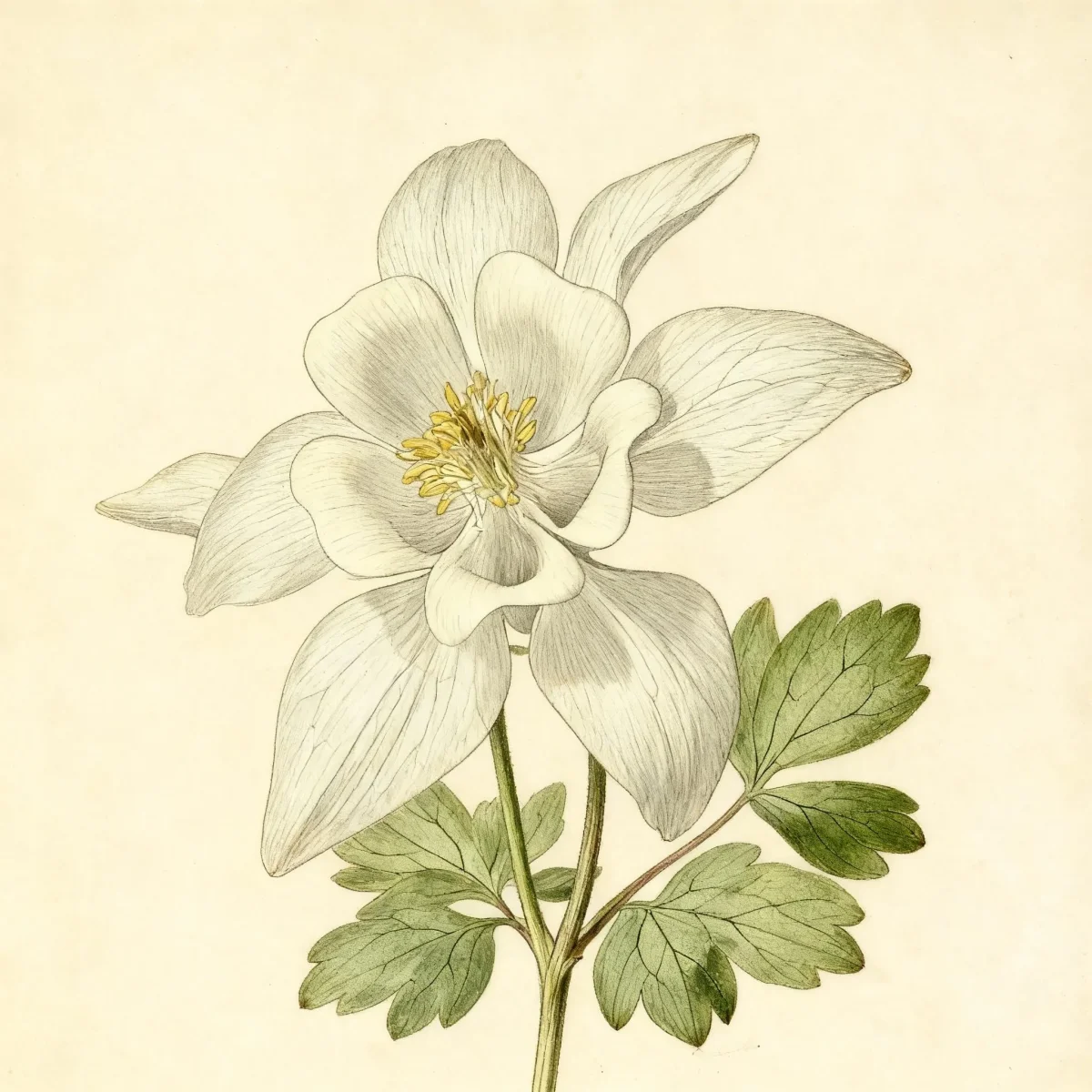
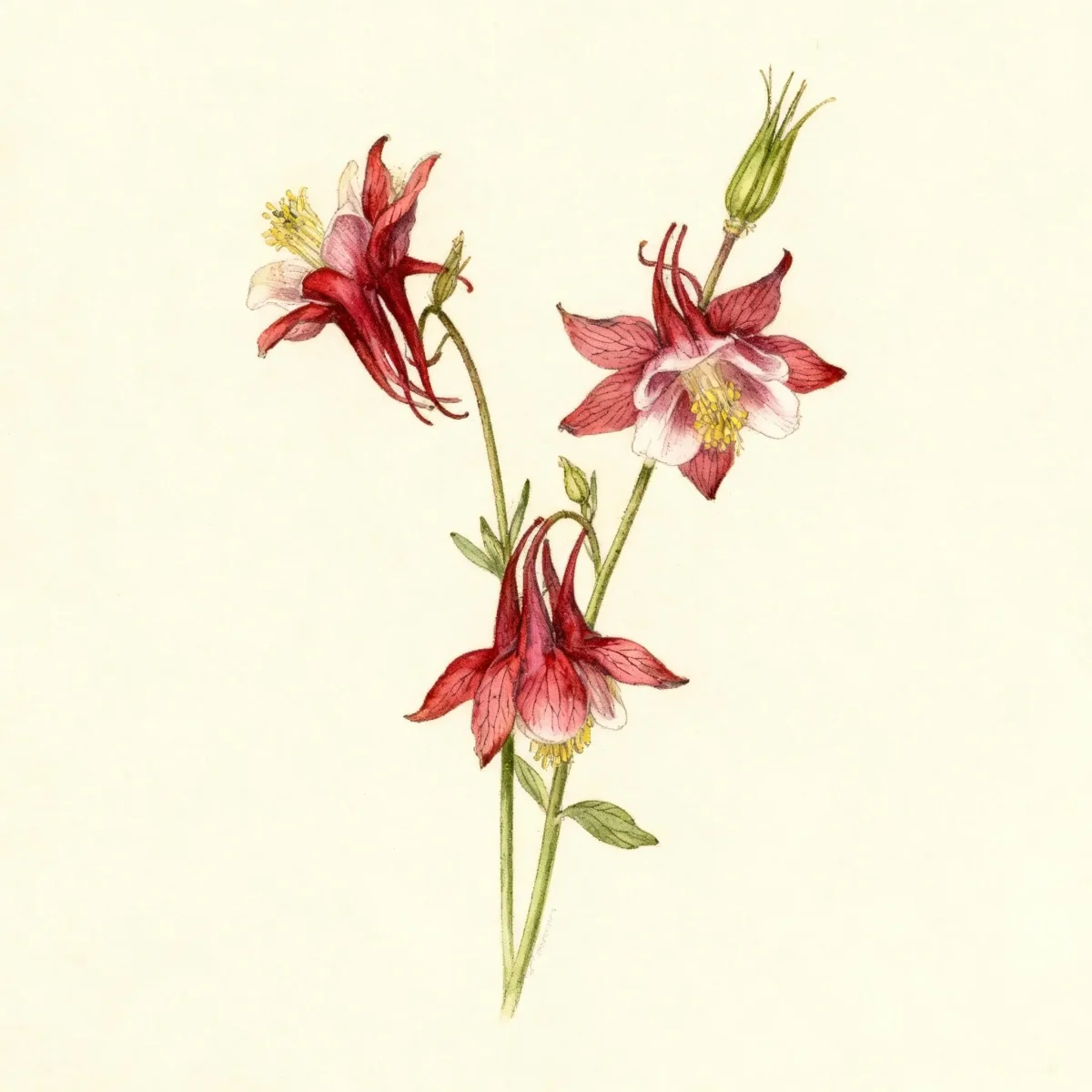
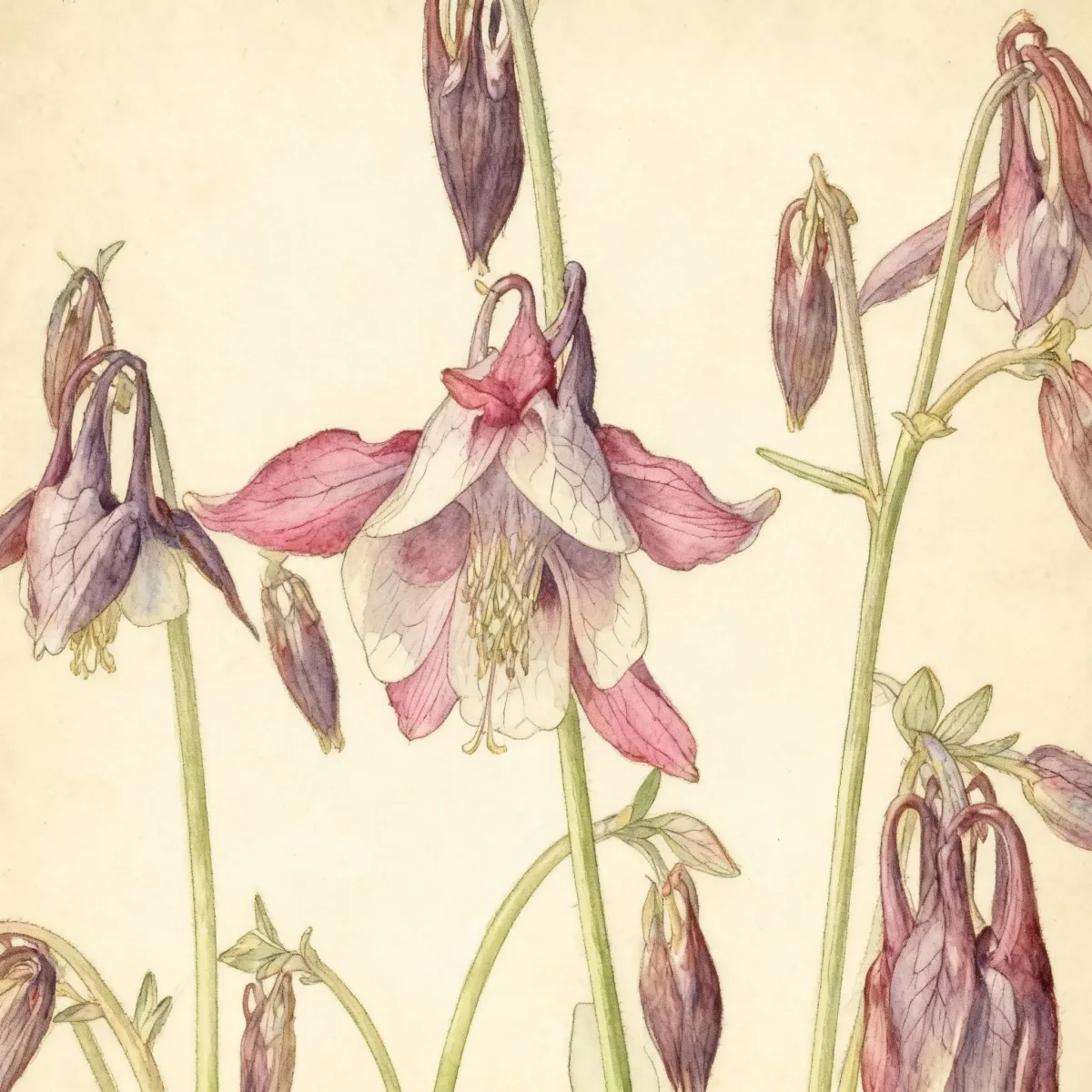
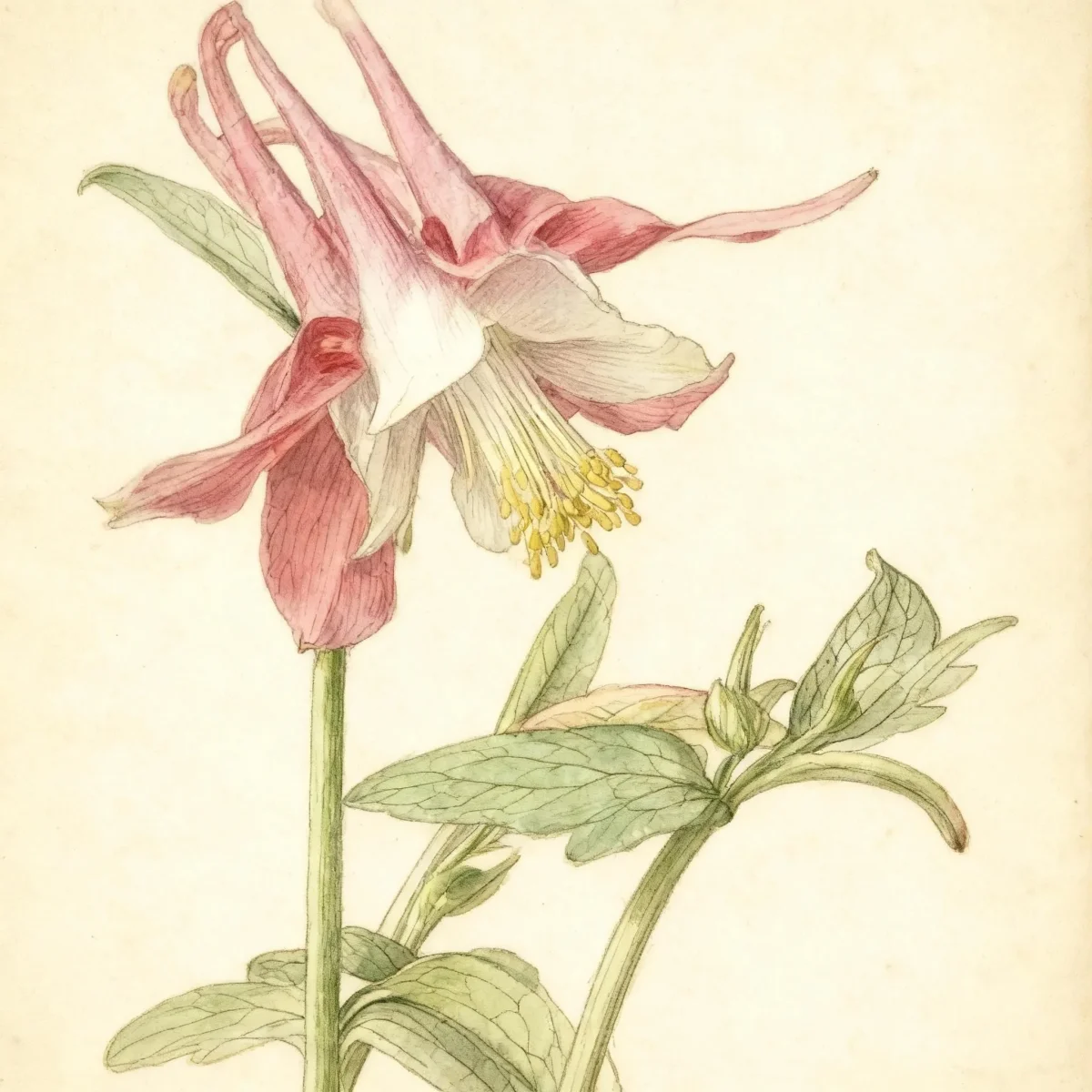
Columbine (Aquilegia glandulosa)
Aquilegia glandulosa, or Siberian Columbine, is a compact perennial featuring showy blue and white flowers in spring. Hardy zones 3-8.
Scroll down to discover growing tips, care requirements, companion plants, and more
Complete Plant Information
Overview
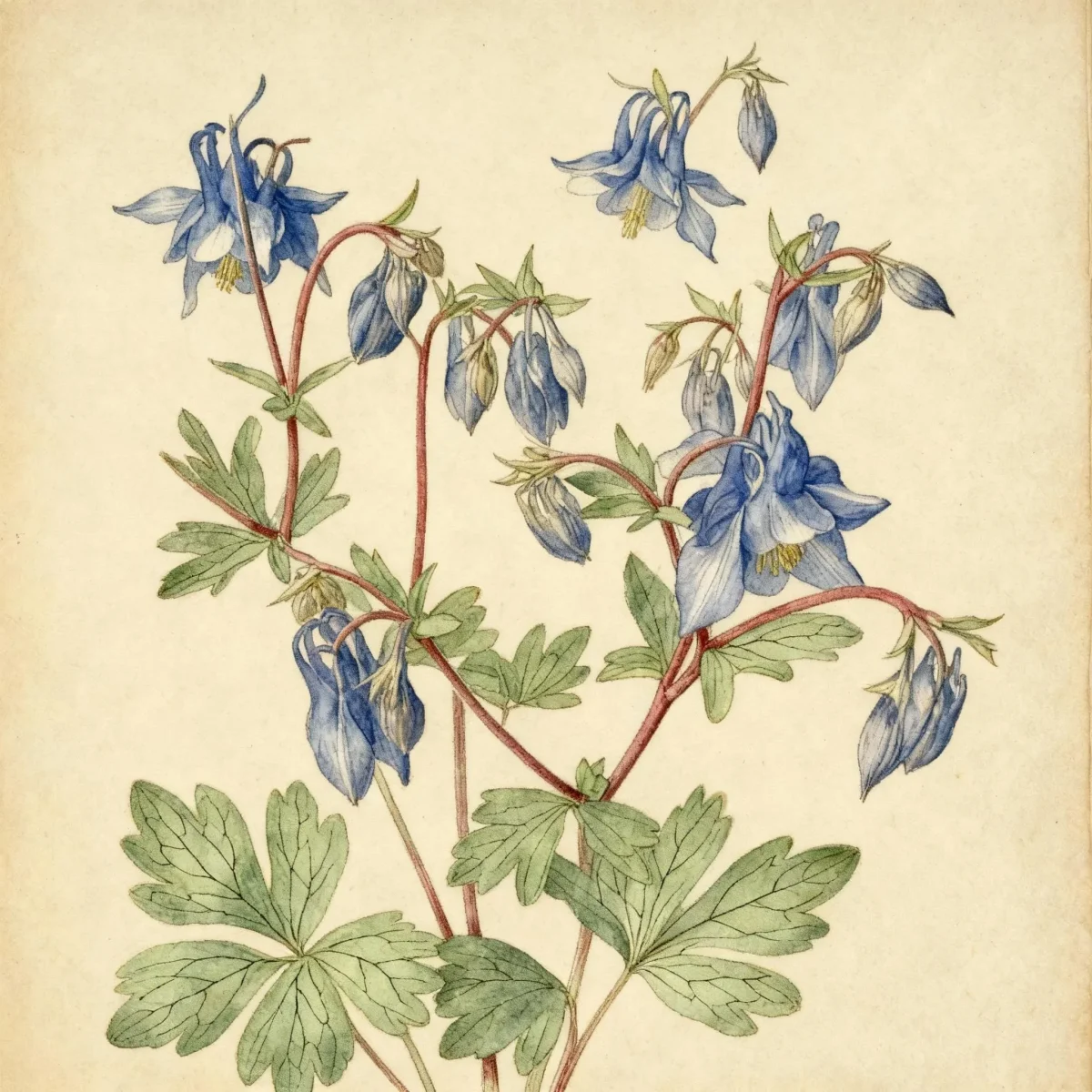
Aquilegia glandulosa, commonly known as Siberian columbine, offers exceptional spring interest for the garden. This compact herbaceous perennial rapidly creates a base of attractive foliage topped by nodding blue and white blossoms. Gardeners value this species for its tidy size and resilience in cooler climates.
Originating in Central Asia and Siberia, this specific Columbine variety thrives across a broad range from USDA Zone 3 through Zone 8. It typically reaches a modest height of 1 foot, making it an excellent choice where space is limited or for softening the edges of flower beds.
The nodding flowers of Aquilegia glandulosa are particularly striking, featuring spurs that resemble an eagle’s talon, giving the genus its common name. Successful cultivation relies on providing average to medium moisture and suitable light conditions, ensuring this beauty returns reliably each spring.
Fast Facts
- Plant Family: Ranunculaceae
- Plant Type: Herbaceous perennial
- Native Range: Central Asia to Siberia
- Hardiness Zones: USDA Zones 3-8
- Size at Maturity:
- Height: 0.75-1 ft
- Spread: 0.5-0.75 ft
- Bloom Time: April to May
- Bloom Description: Blue and white
- Sun Exposure: Full sun to part shade
- Water Needs: Medium
- Maintenance Level: Medium
How to Grow
Planting Aquilegia glandulosa is easiest in medium moisture, well-drained soil. While it tolerates a wide range of soil types, avoid heavy, poorly-drained compositions. Full sun is acceptable, especially in cooler seasons, but rich, moist soils paired with light to moderate shade ensure the best foliage presentation.
Watering should be consistent, maintaining medium moisture, particularly keeping the soil uniformly moist after the initial spring bloom to prolong the attractive foliage display. Fertilization is rarely necessary if the soil is rich, as the plant prefers moderate fertility.
Maintenance for this Columbine is relatively low. Once the flowering stems fade in late spring or early summer, remove them immediately to encourage any secondary potential bloom cycles. If the foliage browns or declines, which is common by mid-summer, the entire plant can be cut back to the ground cleanly.
As this plant may successfully self-seed under ideal conditions, enjoy the potential for naturalizing populations. Be aware that if planted near other columbine varieties, cross-pollination can occur, leading to offspring whose appearance varies from the parent stock of Aquilegia glandulosa.
Landscape Uses
The compact stature and delicate blooms make Columbine an outstanding addition to specialized garden areas. Its 1-foot height profile slots perfectly into rock gardens where taller perennials would look disproportionate. It functions beautifully as an accent plant within mixed perennial borders or cottage settings.
When placed near the edge of woodland areas, Aquilegia glandulosa appreciates the dappled light it receives, offering a burst of color before deciduous trees fully leaf out. Furthermore, maintaining soil moisture after flowering allows the foliage to act as agreeable ground cover, keeping the area tidy through summer heat.
Consider pairing this Siberian columbine with other early bloomers or shade-tolerant ground covers whose foliage remains attractive later in the season, creating complementary textures throughout the growing year.
Standout Features
Flower Qualities
- Showy
- Good Cut
Fruit Qualities
Noteworthy Characteristics
Aquilegia glandulosa, commonly known as Siberian columbine, is a compact perennial that grows to only 12” tall. It features narrow, 2-ternate, blue-green basal leaves and nodding blue and white flowers (each to 1 3/4” long) which bloom in spring (April-May). It is very similar in characteristics to A. Flabellate (fan columbine), primarily differing by having pubescent pistils and strongly hooked incurved spurs (to 1/2” long). Dull black seeds. Native from central Asia to Siberia.Genus name comes from the Latin word for eagle in reference to the flower’s five spurs which purportedly resemble an eagle’s talon.Specific epithet means glandular.
Tolerances
- Rabbit
- Deer
Potential Problems
Fortunately, Aquilegia glandulosa generally avoids serious insect or disease issues when sited correctly. Gardeners should remain vigilant for leaf miner activity, which targets the foliage. A more significant pest concern is the columbine borer, which can damage the crown.
Management involves proactive inspection, particularly in mid-summer as foliage begins to decline naturally. If pest issues arise, promptly cutting the depreciated foliage to the ground after flowering helps remove potential overwintering sites for pests and restores a neater appearance to the garden spot.
Frequently Asked Questions
What hardiness zones is Columbine suitable for?
This Aquilegia glandulosa is robustly winter hardy, suitable for USDA Zones 3 through 8.
How large does Columbine grow?
This perennial reaches a modest height between 0.75 and 1 foot tall, with a spread ranging from 0.5 to 0.75 feet wide.
What sun exposure does Columbine need?
Aquilegia glandulosa performs well in conditions ranging from full sun, especially in cooler climates, to light or part shade.
When does Columbine bloom?
The peak bloom time for this species is typically from April through May, presenting beautiful blue and white flowers.
Conclusion
The Siberian Columbine (Aquilegia glandulosa) is a highly valuable, low-maintenance perennial offering early color that resists common garden browsing animals. Its compact size and specific cultural needs—medium moisture and well-drained soil—make it adaptable to many partial sun locations. Check your local USDA zone, and plan to plant this lovely species either in fall or early spring for best establishment.
Companion Planting
When selecting partners for your Aquilegia glandulosa, focus on plants that appreciate similar moisture levels and can fill the space left by the Columbine foliage after mid-summer decline. Woodland phlox (Phlox divaricata) blooms slightly earlier and shares a similar appreciation for dappled light environments.
Consider ferns or hostas, particularly smaller cultivars, as excellent companions. They serve the functional purpose of masking the Columbine when its leaves start to look tired. These partners maintain visual interest throughout the summer while Aquilegia glandulosa rests after its spectacular, though brief, spring show.
Propagation Tips
Growing Columbine from seed is a straightforward process, though patience is required as it is grown as a perennial. While Aquilegia glandulosa may self-seed, controlled propagation is best done through seed collection after the dull black fruits mature.
Collect seeds immediately upon ripening in late spring or early summer, or allow them to drop naturally if you accept potential variation in offspring due to cross-pollination. For the most reliable results, sow seeds in autumn and stratify naturally outdoors, or cold stratify artificially, as many Columbines benefit from a cold period to break dormancy.