Solitary clematis (Clematis integrifolia)
Discover Solitary clematis (Clematis integrifolia), a non-climbing perennial with nodding blue flowers from May to September, perfect for borders.
Scroll down to discover growing tips, care requirements, companion plants, and more
Complete Plant Information
Overview
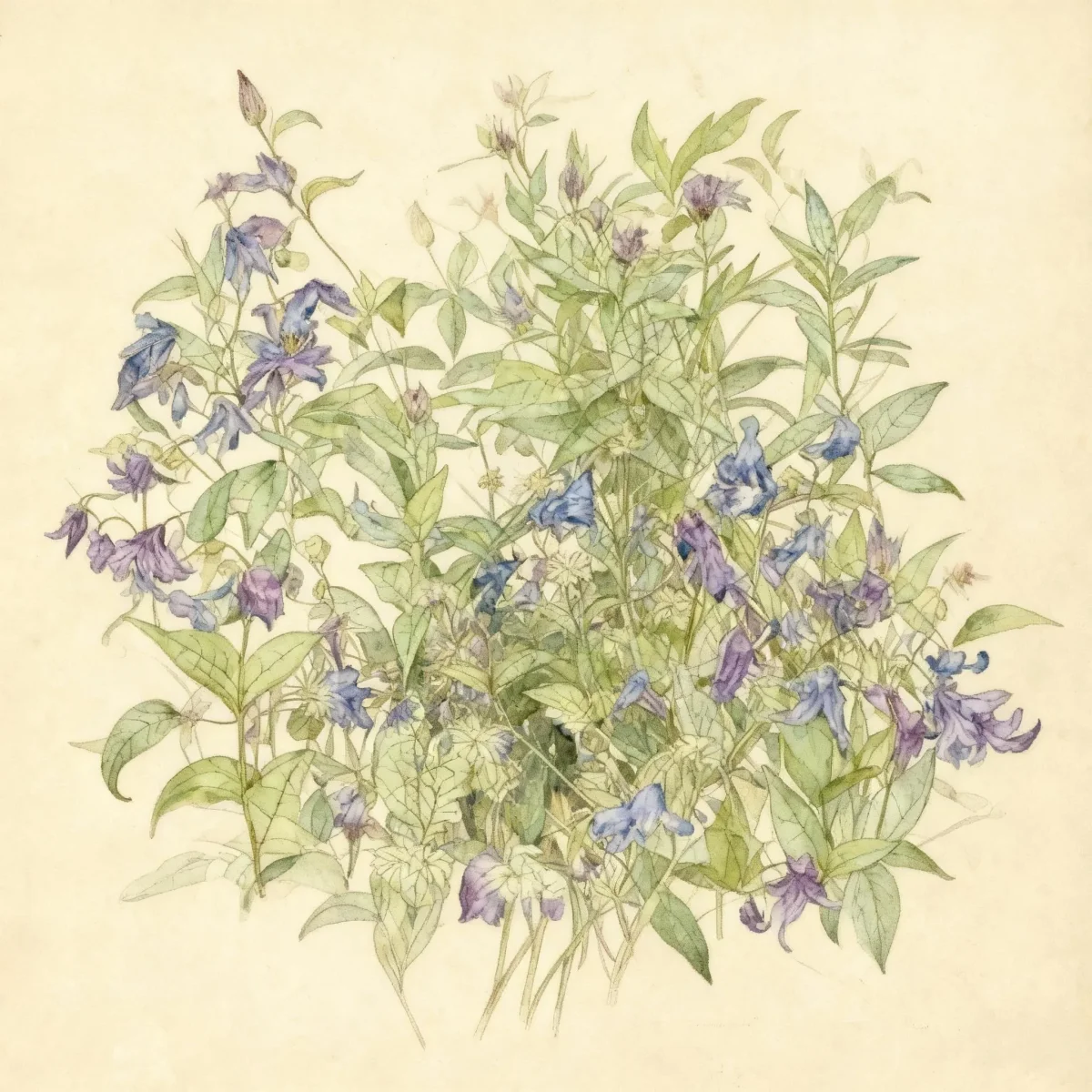
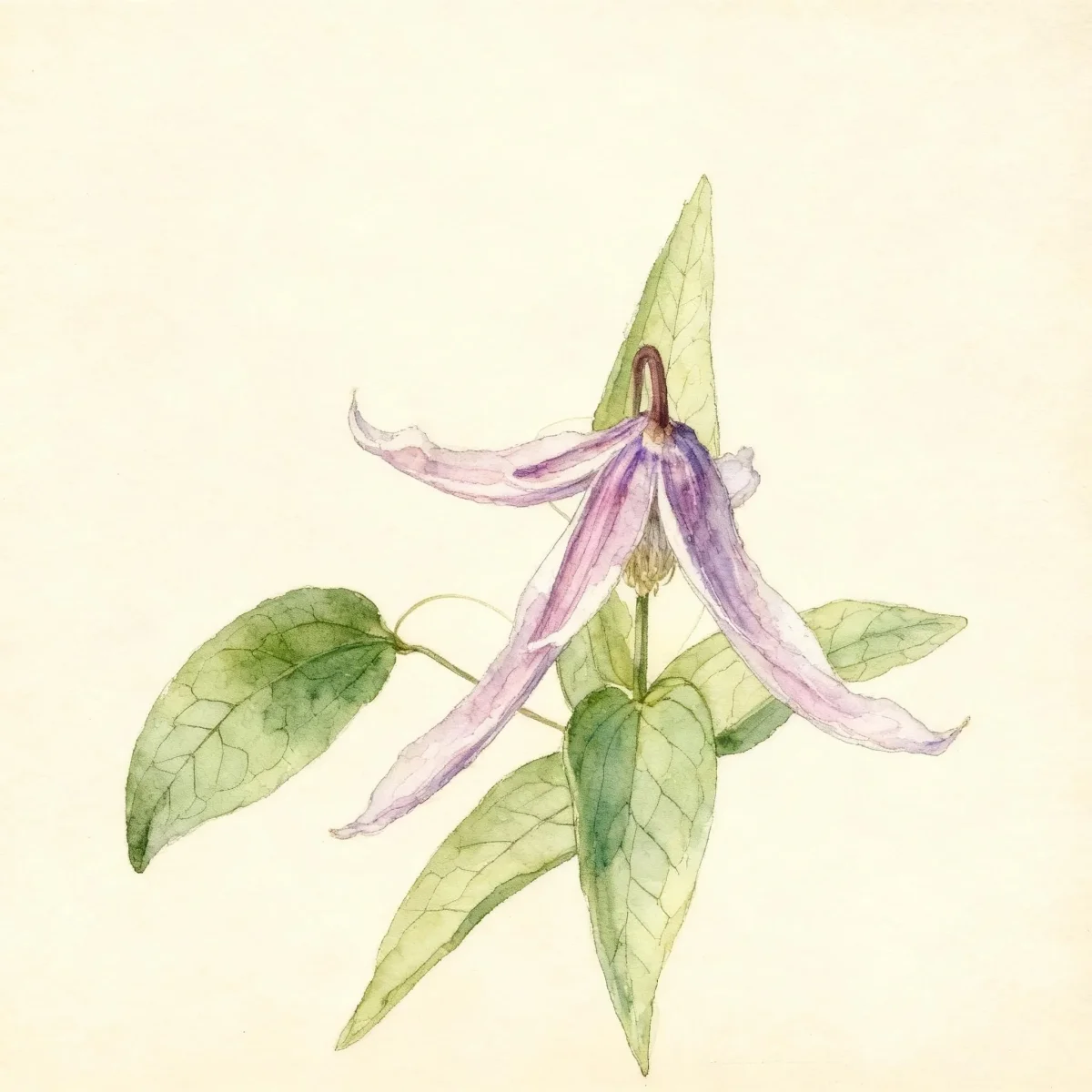
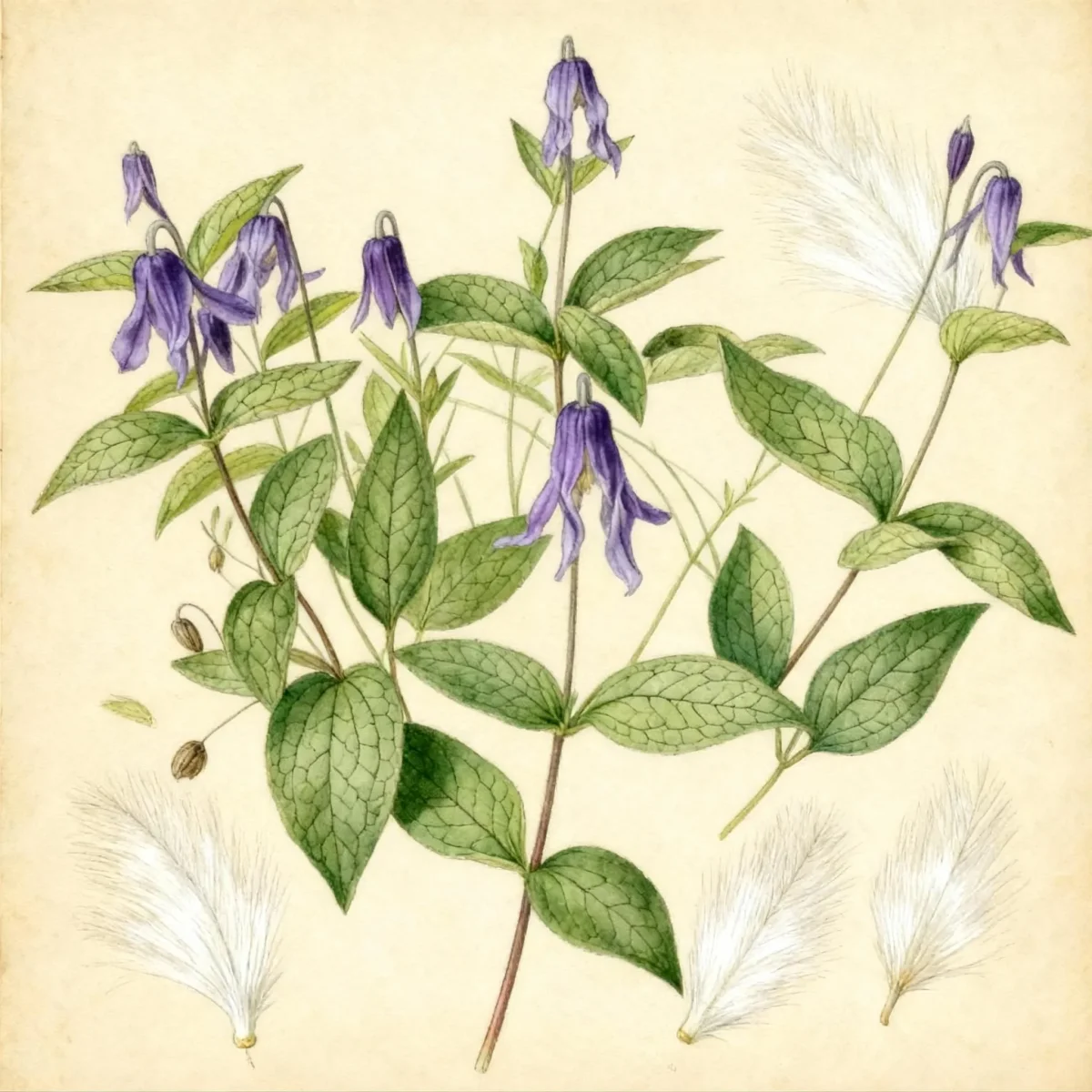
The Solitary clematis, Clematis integrifolia, offers a unique alternative to the climbing varieties usually associated with the genus. As a woody-based, herbaceous perennial, it forms a dense, shrubby mound that provides excellent structural interest in the garden without needing extensive trellising. Its distinguishing feature is the lovely, nodding, urn-shaped blue flowers borne singly atop slender stalks throughout the summer season.
Unlike its vining cousins, Clematis integrifolia provides reliable, medium-height interest, thriving particularly well when allowed to sprawl slightly in the front of a border or rock garden. Gardeners value it for its long bloom period, often extending from mid-spring well into September, bringing consistent blue color to the landscape.
This Asian and European native thrives across a wide range of climates, provided its cultural needs—fertile, moisture-retentive yet well-drained soil in full sun—are met. After blooming, the attractive, silvery, plumose seed heads extend the plant’s ornamental appeal well into the autumn.
Fast Facts
- Plant Family: Ranunculaceae
- Plant Type: Herbaceous perennial
- Native Range: Asia, Europe
- Hardiness Zones: USDA Zones 3-7
- Size at Maturity:
- Height: 1.5-3 ft
- Spread: 2-3 ft
- Bloom Time: May to September
- Bloom Description: Blue
- Sun Exposure: Full sun to part shade
- Water Needs: Medium
- Maintenance Level: Medium
How to Grow
Planting the Solitary clematis is best done in the spring, ensuring it settles in during its first growing season. Choose a location offering full sun for the best flowering performance, though part shade is tolerated. The soil must be fertile, well-drained, and rich in humus or peat, mimicking its native meadow and stream bank habitats. Moisture retention is crucial, but stagnant water will quickly lead to problems.
Ongoing care for Clematis integrifolia focuses on consistent moisture management and providing necessary support. Maintain medium moisture levels, especially during dry spells. Because the stems die back to the woody base each year after frost, light staking, such as using pea sticks, is recommended to prevent the foliage from sprawling excessively during its blooming period.
Roots are sensitive and must be kept cool, shaded, and uniformly moist throughout the growing season. Pruning is straightforward: cut the stems back to the woody base in late fall or early spring, as this species blooms on new wood produced in the current year. Avoid overly complex fertilization; focusing on amending the soil with organic matter annually usually suffices.
Landscape Uses
This non-climbing clematis shines when used for mass plantings, integrating beautifully into cottage gardens, meadow schemes, or border fronts where its upright habit can be appreciated. When planted in large groups or massed, the blue, nodding flowers create a rich tapestry of color that transforms a simple border. Its moderate height makes it excellent for filling the middle layer of a mixed perennial bed.
Consider pairing Clematis integrifolia with plants that also prefer rich, moist soil but offer contrasting textures, such as lower-growing ornamental grasses or plants with yellow or white blooms to highlight the deep blue of the solitary clematis. Its tolerance for Black Walnut roots (though shade tolerance is limited) also makes it a useful choice in specific woodland edge or understory plantings where other clematis varieties might falter.
Standout Features
Flower Qualities
- Showy
Noteworthy Characteristics
Clematis integrifolia, commonly known as solitary clematis, is a non-climbing, woody-based, herbaceous perennial that typically grows in a dense, upright to sprawling, shrubby mound of undivided leaves to 12-24” tall. Solitary, nodding, urn-shaped, blue flowers, each with four twisted sepals and creamy anthers, appear in a long summer bloom. Following flowering, each bloom is replaced by a plumose, ornamentally-attractive, silvery-green seed head, adding seasonal value to the garden design.
Tolerances
- Deer
- Black Walnut
Potential Problems
Clematis integrifolia shares some disease vulnerabilities with hybrid clematis, most notably Clematis wilt. While large-flowered hybrids are the primary targets, vigilance is still necessary. Prevention involves ensuring excellent drainage and avoiding overly wet soil conditions near the crown.
Common fungal issues include powdery mildew, leaf spots, and rust, which are often managed by ensuring good air circulation—a benefit of its shrubby, non-vining habit. Proper pruning back to the base each year also helps reduce overwintering sources of disease.
Watch for common pests such as aphids, slugs, snails, and scale insects. Regularly inspect the foliage, particularly the undersides of leaves, for early signs of infestation. Minor pest issues can usually be managed with horticultural oils or manual removal.
Frequently Asked Questions
What hardiness zones is Solitary clematis suitable for?
Clematis integrifolia is robustly hardy across USDA Zones 3 to 7.
How large does Solitary clematis grow?
This perennial typically reaches a mature height between 1.5 and 3 feet tall, with a spread of 2 to 3 feet wide.
When does Solitary clematis bloom?
The primary bloom time for this species is May through September, showcasing numerous nodding blue flowers.
What sun exposure does Solitary clematis need?
Optimal flowering for Clematis integrifolia occurs in full sun, though the plant will tolerate partial shade conditions.
Conclusion
The Solitary clematis (Clematis integrifolia) is a fantastic, low-maintenance choice for gardeners seeking the refined beauty of clematis without the commitment of vertical training. Its season-long blue performance and attractive seed heads ensure visual interest from spring through fall. Assess your site conditions now and ensure you can provide the fertile, well-drained soil this wonderful perennial requires before planting this season.
Companion Planting
When selecting neighbors for Clematis integrifolia, focus on plants that enjoy similar cultural conditions—full sun to light shade, medium water, and rich soil. Consider pairing it with plants that naturally fill in around its woody base to help keep the roots cool and shaded. Nepeta (Catmint) works wonderfully, as its silvery foliage contrasts the blue flowers, and its drought tolerance complements the medium water needs.
Alternatively, low-growing ornamental grasses like Japanese Forest Grass (if conditions skew toward partial shade) or fine-textured Geraniums are excellent structural partners. Avoid overly aggressive groundcovers that might smother the crown of the Solitary clematis, particularly while it is establishing its root system in the first year.
Design Ideas for Blue Blooms
The deep blue of the Clematis integrifolia flowers makes it an ideal anchor for cool-toned perennial beds. Plant in drifts of three or five for the greatest impact along a pathway edge. Due to its shrubby appearance, designers often use it as a transitional plant between taller shrubs and very low edging perennials.
In cottage garden settings, allow the Solitary clematis to mingle with flowering herbs like Lavender or Russian Sage; the muted greens and purples of these companions enhance the saturated blue color. For a more contemporary look, group it solely with bold, light-colored foliage plants, such as silver Brunnera or white Astilbe, ensuring the nodding blue flowers become the primary focal point.