Clematis (Clematis tubulosa)
Discover Clematis tubulosa, a low-maintenance, woody perennial Clematis from China reaching 3-4 ft with fragrant violet-blue, tubular flowers.
Scroll down to discover growing tips, care requirements, companion plants, and more
Complete Plant Information
Overview
The Clematis tubulosa, often simply called Clematis, offers a unique, slightly more shrub-like presence in the garden compared to its climbing cousins. This woody-based perennial is valued for providing late-season color when many other blooms are fading, typically flowering from August into September. Its upright stems and non-vining habit make it an excellent choice for structure within the perennial border.
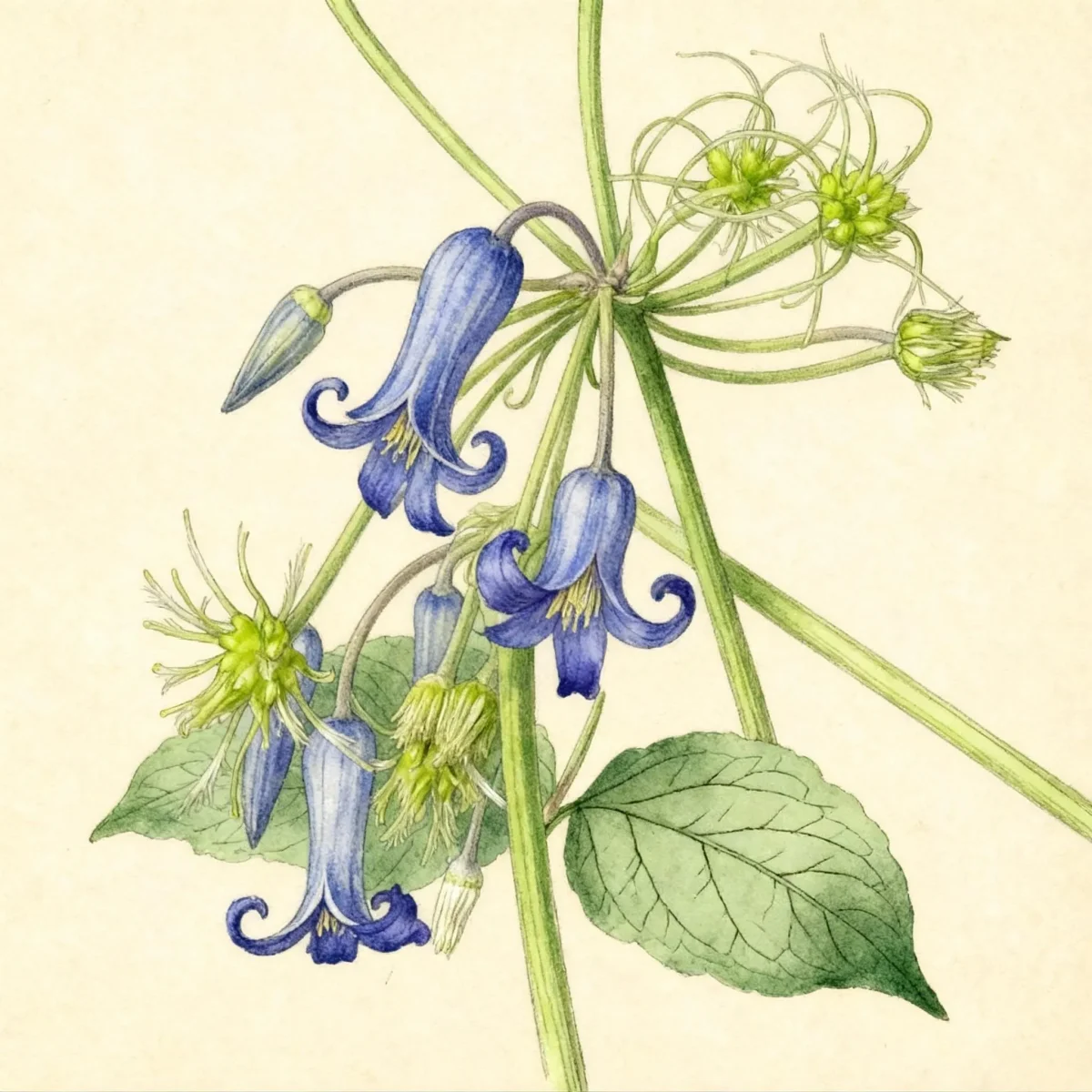
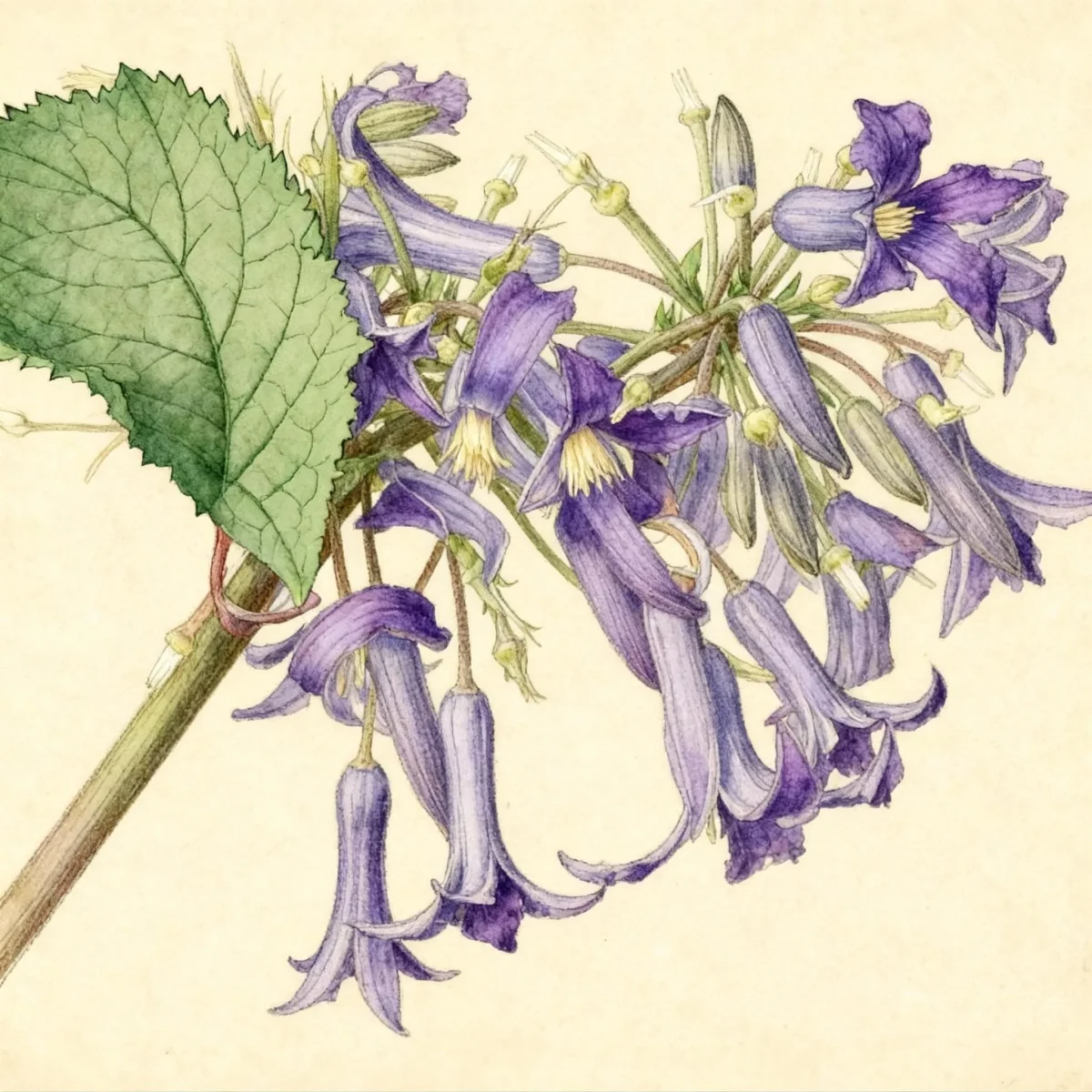
A highlight of growing Clematis tubulosa is the distinctive, fragrant, violet-blue, tube-shaped flowers that appear near the tips of the stems. Unlike many large-flowered hybrids, this variety is remarkably straightforward to care for, boasting a low maintenance requirement once established. Gardeners appreciate how this particular Clematis can offer structure and color where true climbers struggle or are unwanted.
Furthermore, after the blooms have faded, this Clematis offers attractive, fluffy seed heads, extending its visual interest well into the autumn. Its compound foliage is also pleasantly scented, adding yet another layer of sensory appeal to this sturdy, herbaceous perennial.
Fast Facts
- Plant Family: Ranunculaceae
- Plant Type: Herbaceous perennial
- Native Range: Central and northern China
- Hardiness Zones: USDA Zones 3-8
- Size at Maturity:
- Height: 3-4 ft
- Spread: 3-4 ft
- Bloom Time: August to September
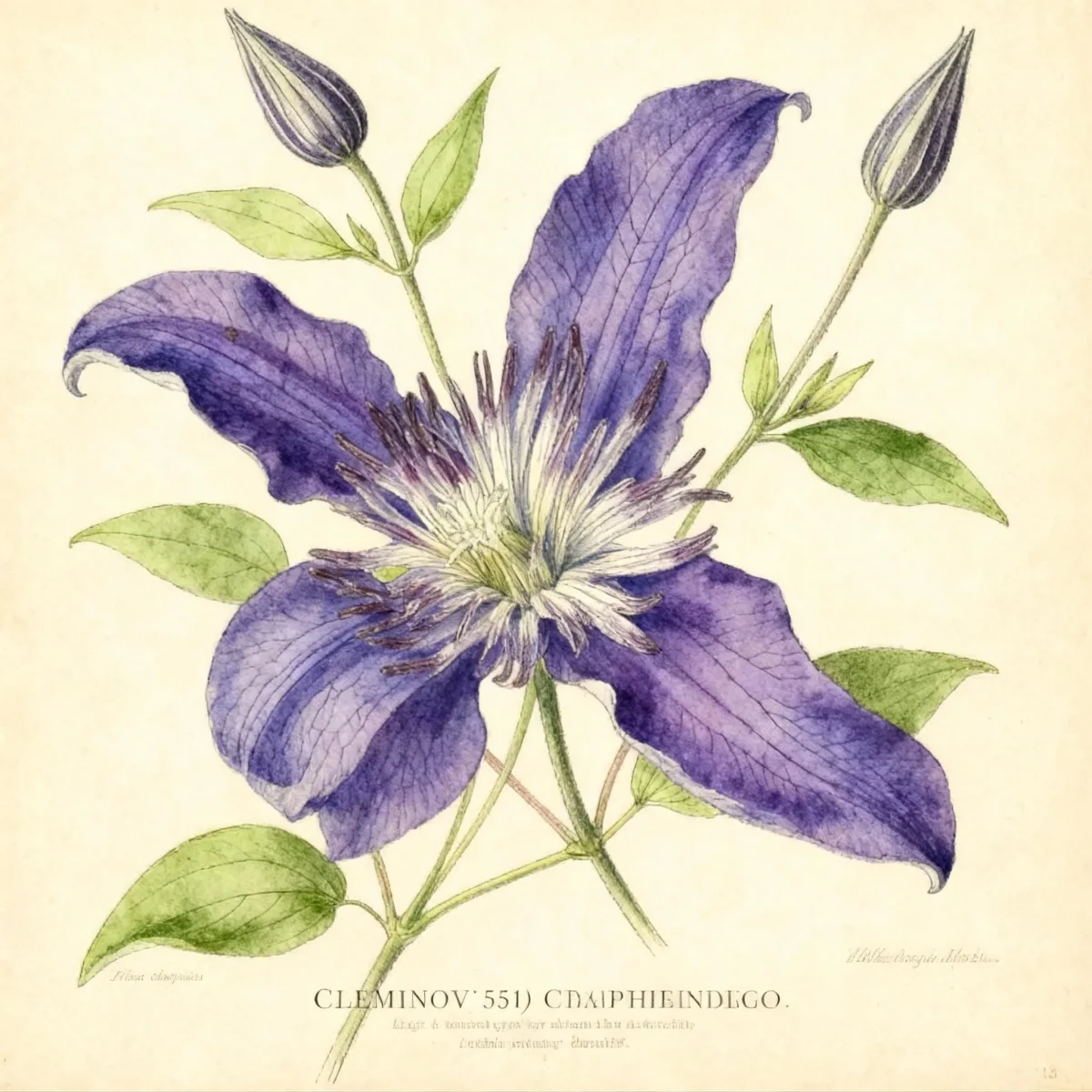
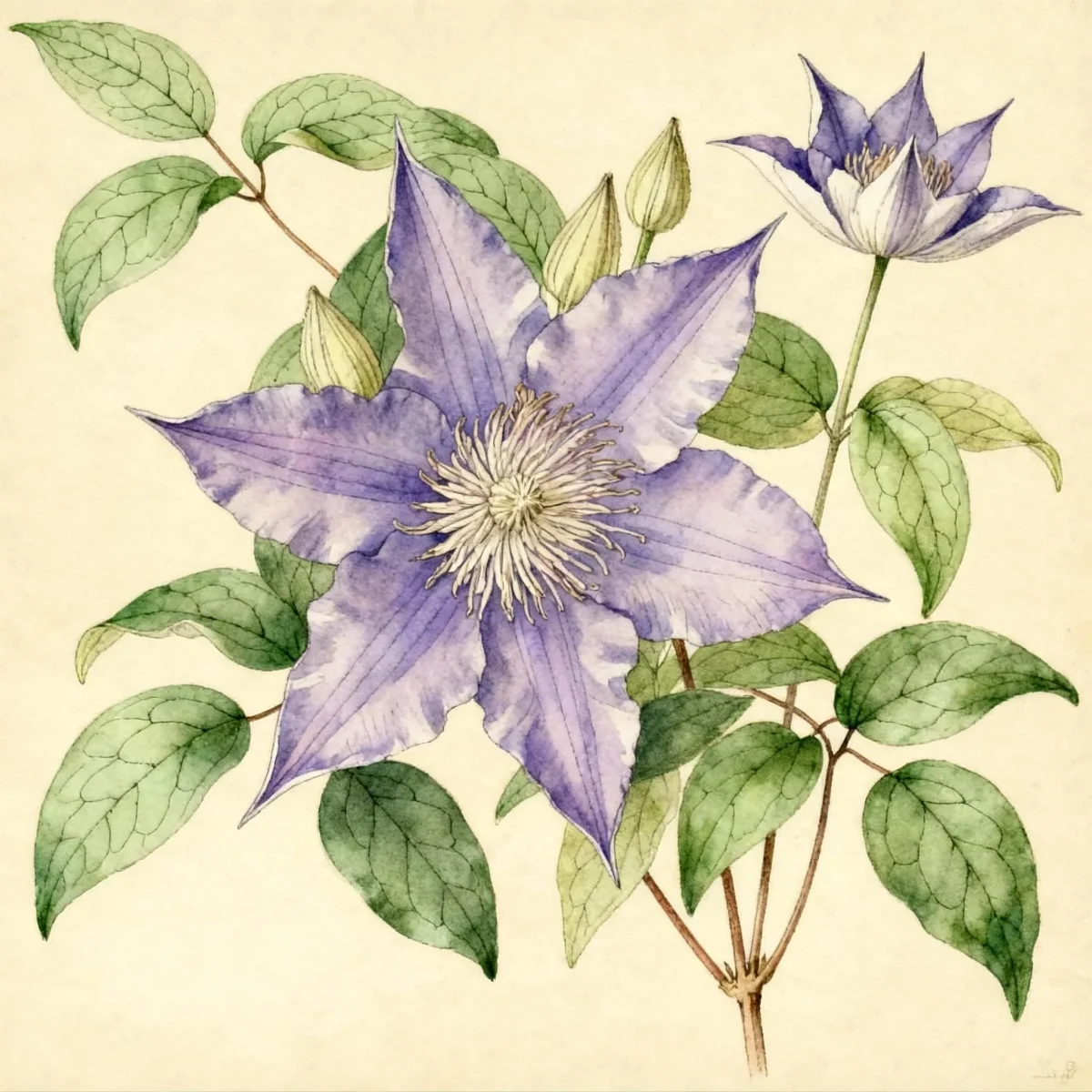
- Bloom Description: Violet blue
- Sun Exposure: Full sun to part shade
- Water Needs: Medium
- Maintenance Level: Low
How to Grow
Planting success for Clematis tubulosa begins with optimal location selection. Aim for fertile, medium-moisture, well-drained soil, ideally situated where the plant receives full sun, though it will tolerate partial shade. Because this Clematis prefers its roots to be kept cool, take immediate steps after planting to shade the root zone.
Effective cooling involves applying a two-inch layer of mulch or interplanting with sturdier perennials that will naturally shade the base during the heat of summer. Keeping the soil uniformly moist is crucial; water regularly, especially during establishment. Support is often necessary as this plant can sprawl slightly, so nestle it among similar-sized, sturdy perennials that can offer gentle physical support.
Maintenance for this variety is relatively low. Divide these plants in the spring if they become overly crowded. Since it is a woody-based perennial, pruning typically involves cutting back the previous season’s growth in early spring before new growth begins.
Landscape Uses
This specific Clematis excels when integrated into traditional perennial borders, providing vertical interest without the extensive training required by twining vines. Its mid-height stature (3 to 4 feet) makes it perfect for the middle ground, nestled between lower groundcovers and taller background plants like ornamental grasses or sturdier shrubs.
Because the Clematis tubulosa blooms so late in the season—August and September—use it strategically to bridge the gap between late summer perennials and fall bloomers. Companion plants that appreciate similar sun exposure and moisture regimes, such as Russian Sage (Perovskia) or certain Rudbeckia varieties, pair wonderfully.
The upright growth habit means that even when not in flower, it maintains attractive structure. Use lighter, airier plants nearby to contrast with its solid form and allow air circulation, which is important for discouraging fungal issues common to the Clematis genus.
Standout Features
Flower Qualities
- Showy
- Fragrant
Noteworthy Characteristics
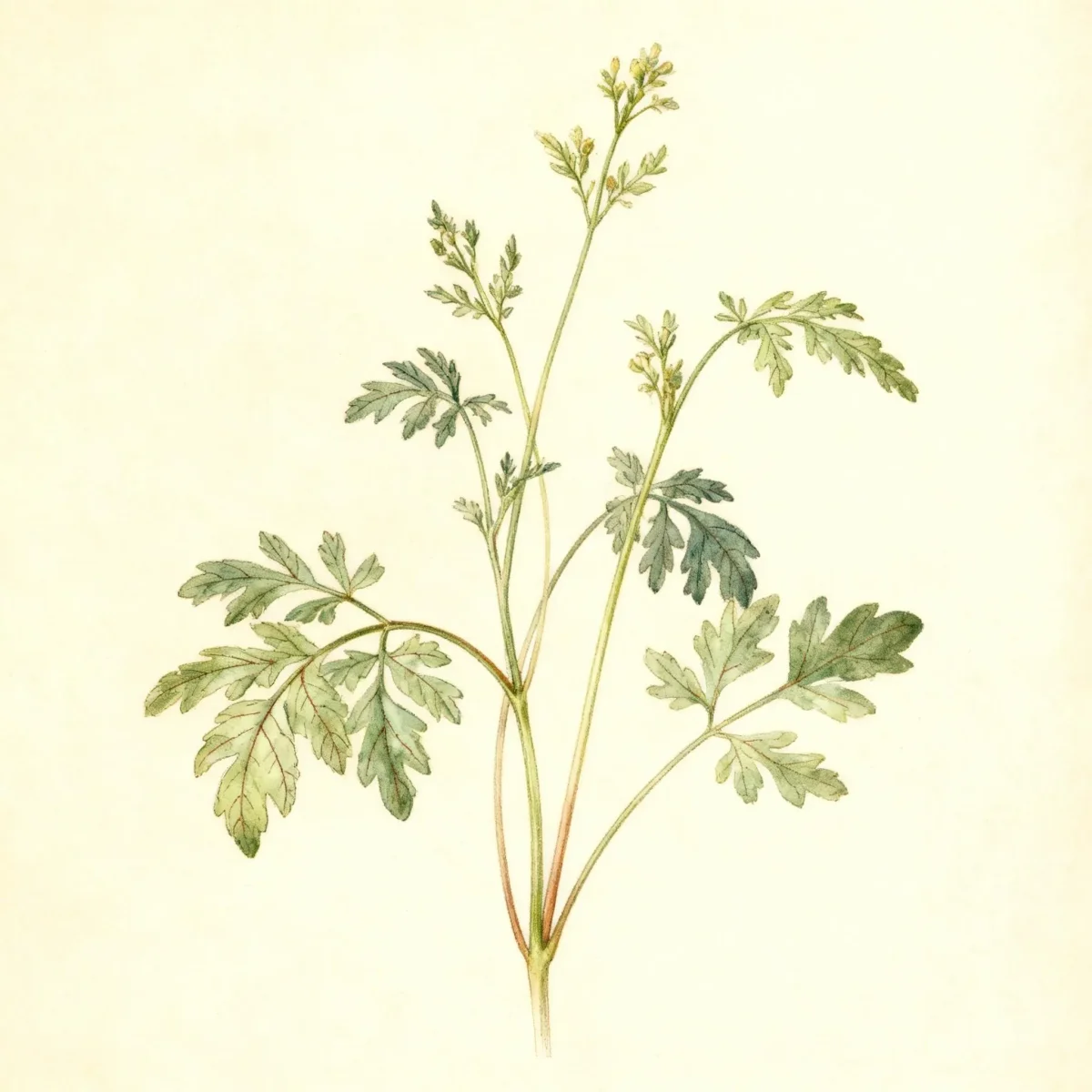
Clematis tubulosa is a woody based (subshrub), non-climbing tube clematis that features erect stems typically growing 3-4’ tall and bearing violet blue, tube-shaped (hyacinth-like) flowers one inch long in late summer. The flowers are notably fragrant, and following pollination, they transform into attractive, fluffy seed heads. Its compound, ternate foliage is also scented and can be incorporated into potpourri mixes.
Tolerances
- Deer
- Black Walnut
Potential Problems
While Clematis tubulosa is less susceptible than some large-flowered types, always be vigilant about Clematis wilt, a potentially fatal fungal disease. Good garden hygiene and avoiding overly wet, dense conditions help minimize this risk. Fungal issues like powdery mildew, leaf spots, and rust can also appear.
To manage pests, routinely inspect for aphids, slugs, snails, and scale insects. Blister beetles and tarnished plant bugs are less frequent problems but warrant monitoring. Because this plant tends to sprawl rather than aggressively climb, staking or grouping it tightly with sturdy neighbors is usually necessary to maintain a neat appearance.
Frequently Asked Questions
What hardiness zones is Clematis tubulosa suitable for?
This herbaceous perennial is rated hardy across USDA Zones 3 through 8, offering wide adaptability across many temperate regions.
How large does Clematis grow?
This species typically reaches a mature height and spread of 3 to 4 feet.
What sun exposure does Clematis need?
For best flowering and healthiest growth, Clematis tubulosa requires full sun, although it tolerates light partial shade.
When does Clematis bloom?
You can expect the fragrant, violet-blue flowers of the Clematis to appear from August to September.
Conclusion
The Clematis tubulosa remains a standout choice for gardeners seeking reliable, fragrant late-season color without the hassle associated with traditional climbing varieties. Its low maintenance needs and tolerance for deer make it a genuinely practical addition to mixed perennial beds. Before planting, ensure your site aligns with the full sun to part shade preference and that you are ready to provide root zone cooling for this unique non-climbing Clematis.
Companion Planting
Selecting appropriate partners for Clematis tubulosa is key to maintaining its desired cool, moist root conditions described in its culture requirements. Look for companions that share a need for medium water and full sun/part shade. Plants that spread slightly or have dense foliage, such as Geraniums (Cranesbill) or Hostas (especially smaller, tougher varieties), are excellent for shading the soil around the base of the Clematis.
Avoid aggressive spreaders that might compete heavily for moisture or crowd the upright stems of the Clematis tubulosa. Herbs like Thyme or small ornamental grasses provide textural contrast without suffocating the base of the plant, thereby supporting the roots while adding visual complexity to the border design.
Support Strategies
While Clematis tubulosa is described as having erect stems, gardeners often note it benefits significantly from staking or surrounding support as it matures or during heavy rain events. Instead of using tall, isolated tomato cages, integrate support into the planting scheme. Planting this species near established, sturdy perennials that bloom earlier in the season is recommended culture advice.
When the foliage of the earlier-blooming companion plants dies back, the stems of the Clematis will be exposed, so plan for structural support to take over. Using tall stakes set deeply behind the plant or weaving slender branches (like hazel) into neighboring perennials can offer the subtle, necessary near-support this woody-based Clematis appreciates.