Woodbine (Clematis virginiana)
Discover Woodbine (Clematis virginiana), a vigorous native vine blooming white August-October. Low maintenance and deer tolerant.
Scroll down to discover growing tips, care requirements, companion plants, and more
Complete Plant Information
Overview
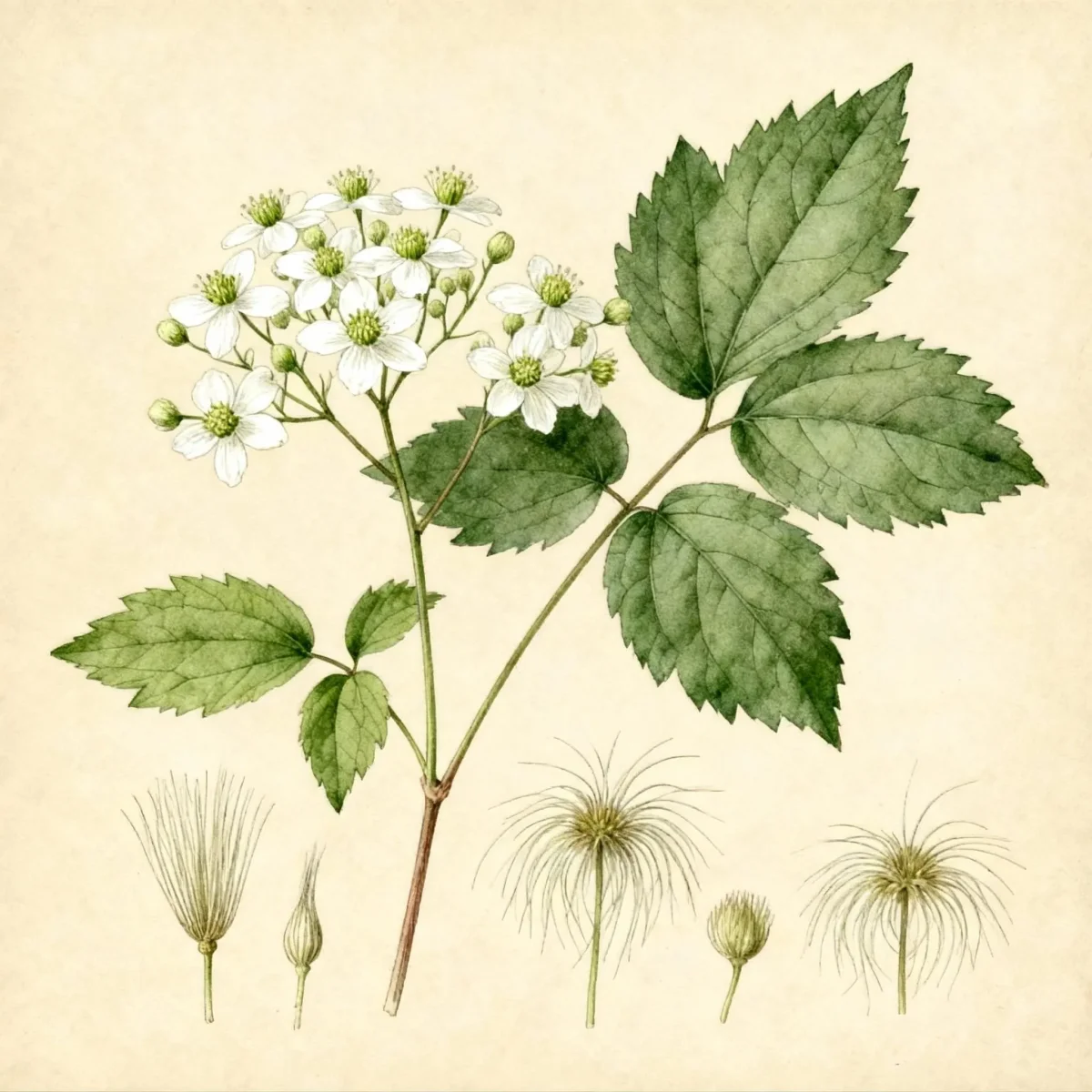
Clematis virginiana, widely known as Woodbine, is an invaluable native North American perennial vine celebrated for its late-summer and early-fall flower display. This vigorous grower produces masses of sweetly aromatic white flowers that effectively cover the foliage just as many summer bloomers begin to fade. It is a highly adaptable plant, thriving in locations ranging from full sun to considerable shade, making it a versatile choice for naturalized settings.
As a vigorous, deciduous twiner, Woodbine exhibits a rampant growth habit, quickly covering structures or sprawling robustly across the ground if left unsupported. Gardeners appreciate this species for its low maintenance demands and its natural appeal within woodland or native plant sections of the garden. The prolific blooms of Clematis virginiana offer excellent visual appeal before it transitions into attractive, feathery seed heads.
This vigorous native vine is an excellent alternative for gardeners seeking reliable, late-season color without the intensive care required by some hybrid clematis varieties. Rely on Woodbine to provide vertical interest or seasonal groundcover across USDA Zones 3 through 8.
Fast Facts
- Plant Family: Ranunculaceae
- Plant Type: Vine
- Native Range: Eastern North America
- Hardiness Zones: USDA Zones 3-8
- Size at Maturity:
- Height: 12-20 ft
- Spread: 3-6 ft
- Bloom Time: August to October
- Bloom Description: White
- Sun Exposure: Full sun to part shade
- Water Needs: Medium to wet
- Maintenance Level: Low
How to Grow
Plant Clematis virginiana in the spring or fall when conditions are cool, ensuring it receives average, medium to wet, well-drained soil. While this species tolerates shade well, positioning it in full sun encourages the most robust flowering, provided soil moisture is consistently adequate. This vine is a fast grower and needs sufficient space or a strong support structure immediately upon planting.
Watering should remain consistent, aiming for medium to wet soil conditions, especially during periods of rapid growth in summer. Because vigorous growth demands energy, provide an adequate supply of nutrients during the growing season to support this rush of development. Maintenance is generally low, but because Clematis virginiana can spread aggressively by self-seeding and suckering, monitoring its spread is crucial, especially in smaller gardens.
Pruning opportunities are flexible since Woodbine blooms on current year’s growth. You may prune it back hard (reducing it to 8-12 inches from the ground) either in the fall after flowering concludes or in late winter/early spring before new growth begins. This tough species handles hard pruning well, helping to manage its size and encourage fresh, clean growth for the next season.
Landscape Uses
Woodbine is perhaps best utilized in woodland gardens and native plant areas where its rampant growth can be channeled naturally. Allow the tendrilous leaf petioles to climb along fences, arbors, or over established, sturdy shrubs. When weaving Clematis virginiana through larger shrubs, consistently monitor its expansion to ensure the host shrub is not choked or overwhelmed by the vigorous vine.
This adaptable native excels in large-scale naturalizing projects or bank stabilization near moist areas, reflecting its preference for medium to wet soils. For formal settings, utilize sturdy trellises or posts, perhaps associating the white blooms of Woodbine with deep purple native phlox or asters that share similar moisture requirements. The cascading white display creates a cottage garden effect that is both beautiful and ecologically beneficial.
Standout Features
Flower Qualities
- Showy
- Fragrant
Noteworthy Characteristics
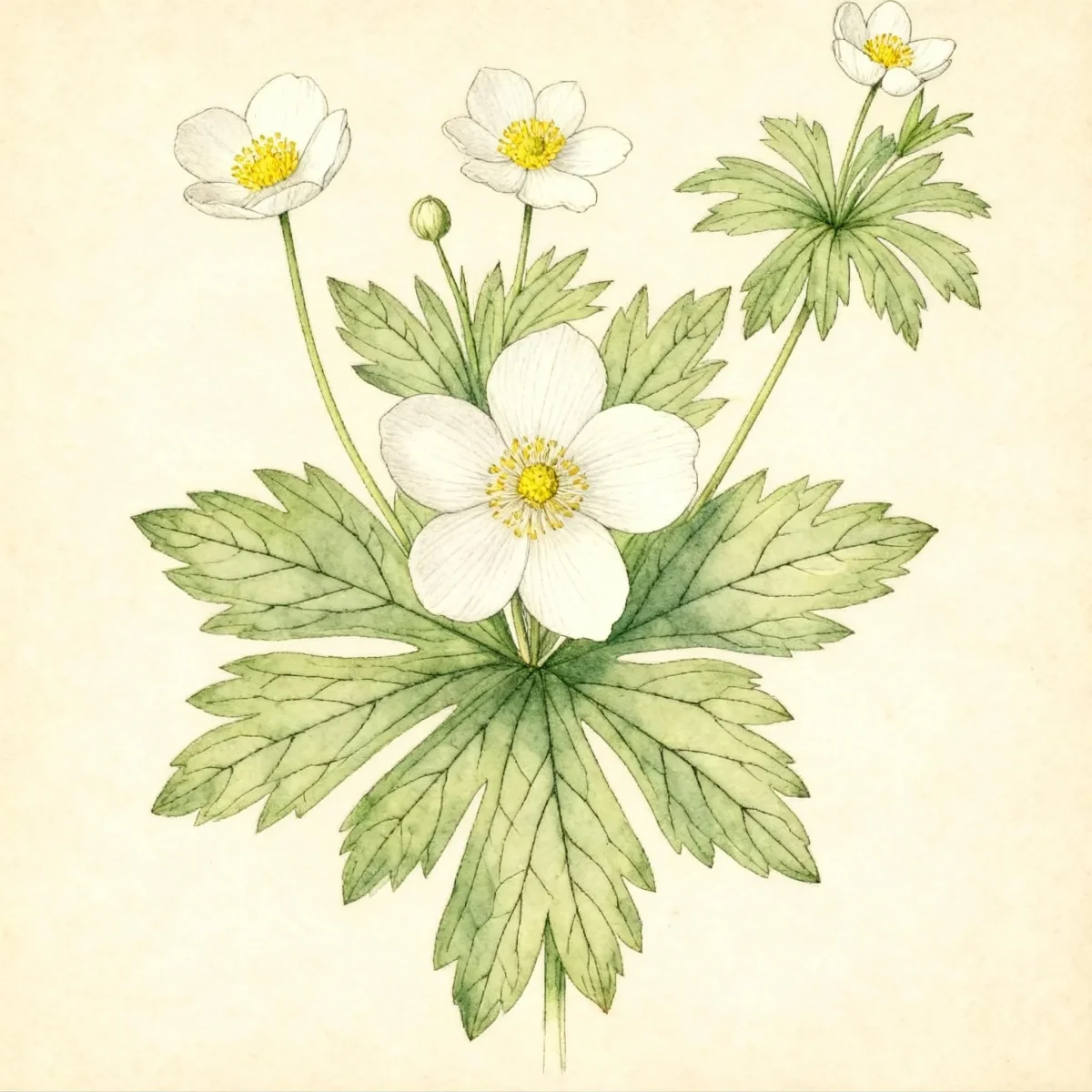
Clematis virginiana, commonly called woodbine, is a fragrant, fall-blooming clematis that is somewhat similar in flower to sweet autumn clematis (C. Terniflora), but lacks the tough, leathery leaves of the latter. It is native to eastern North America, where it typically occurs in moist low woodland areas and thickets bordering streams, ponds, and fence rows. Features sweetly aromatic, 1.25” diameter, pure white flowers (each with 4 narrow petal-like sepals) in axillary panicles from late August to October in a profuse bloom which typically covers the foliage.
Tolerances
- Deer
- Black Walnut
Potential Problems
Clematis wilt is a potentially fatal fungal disease that can affect any clematis, but fortunately, large-flowered hybrid varieties are the most susceptible, meaning Clematis virginiana generally fares better than its showy cousins. Watch for common issues like powdery mildew, leaf spots, rust, and viruses, which can sometimes appear, particularly in crowded or humid conditions. Potential insect pests include aphids, vine weevils, slugs/snails, scale, and earwigs; routine monitoring will help manage localized outbreaks effectively. Remember that Woodbine can be a somewhat aggressive spreader via suckering, which is a management concern rather than a disease issue.
Frequently Asked Questions
What hardiness zones is Woodbine suitable for?
Woodbine (Clematis virginiana) is reliably hardy across USDA Zones 3 through 8.
How large does Clematis virginiana grow?
This vigorous vine typically reaches mature heights between 12 and 20 feet, with a moderate spread of 3 to 6 feet.
When does Woodbine bloom?
Clematis virginiana provides late-season interest, blooming prolifically with white flowers from August through October.
What sun exposure does Woodbine need?
Although it thrives in full sun, Woodbine is tolerant and will bloom well even in partial shade conditions.
Conclusion
The vigorous, easy-care nature of Woodbine (Clematis virginiana) makes it a standout choice for late-season impact in native plantings. Its fragrant, showy white flowers and adaptability to both sun and shade ensure beauty with minimal intervention. Before planting, confirm your location falls within USDA Zones 3-8 and prepare support if you prefer vertical climbing rather than ground cover.
Companion Planting
For gardeners utilizing Clematis virginiana in moist, native settings, pairing it with other water-loving plants is ideal. Taller species of native Joe Pye Weed (Eutrochium species) or large native irises (Iris species) can anchor the base of the vine while providing complementary texture. Since Woodbine flowers in late summer, consider foreground plants that provide reliable earlier bloom, like Baptisia or native Geraniums, which share similar soil needs but won’t compete aggressively for light.
Wildlife Benefits
As a genuinely native structure, Woodbine provides excellent functional support for local ecosystems. The dense foliage offers cover for small birds and beneficial insects throughout the growing season. In late summer, the abundant white flowers are highly attractive to late-season pollinators, including various bees and butterflies needing fuel before migration or winter dormancy. Furthermore, the fluffy seed heads that follow flowering are often visited by seed-eating birds.