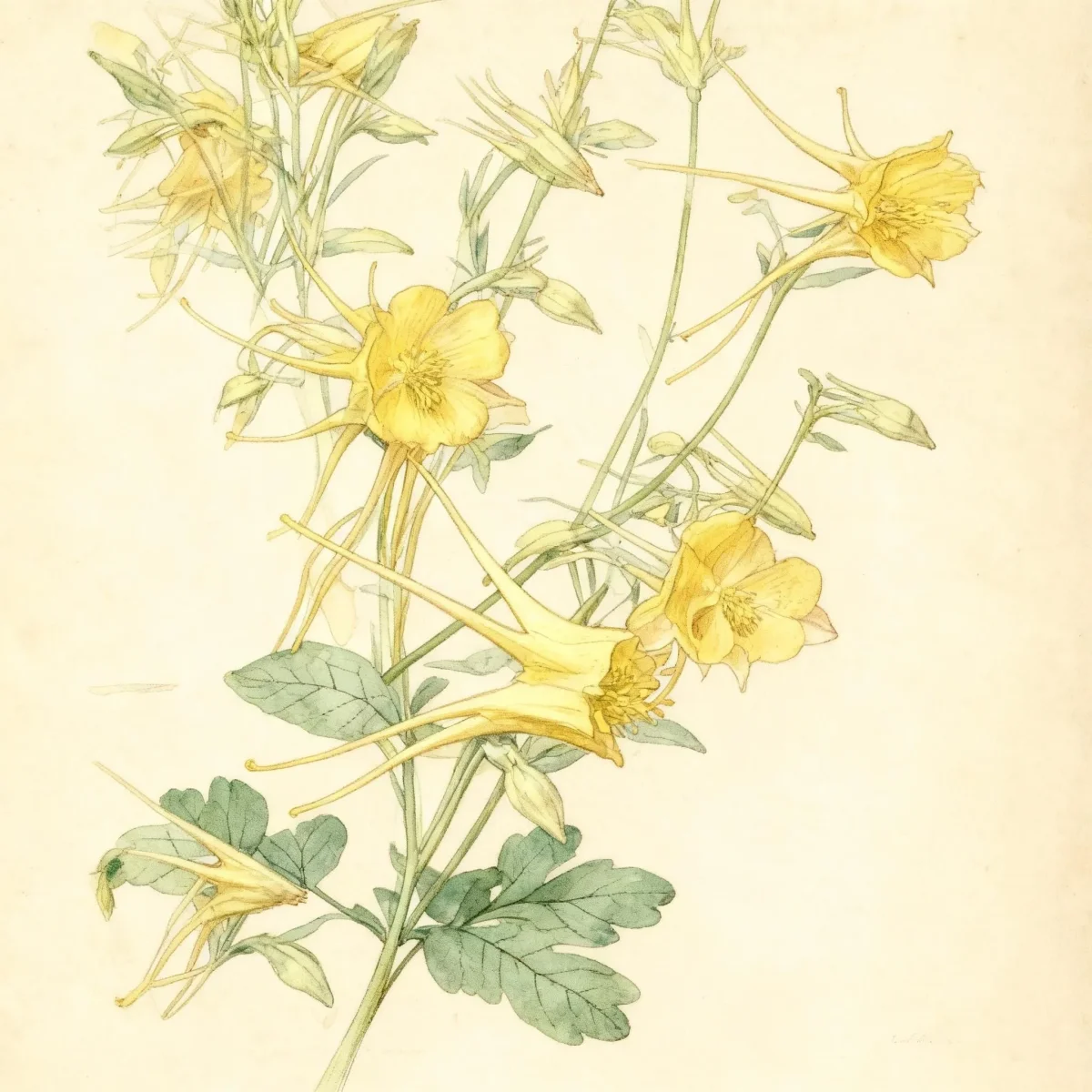
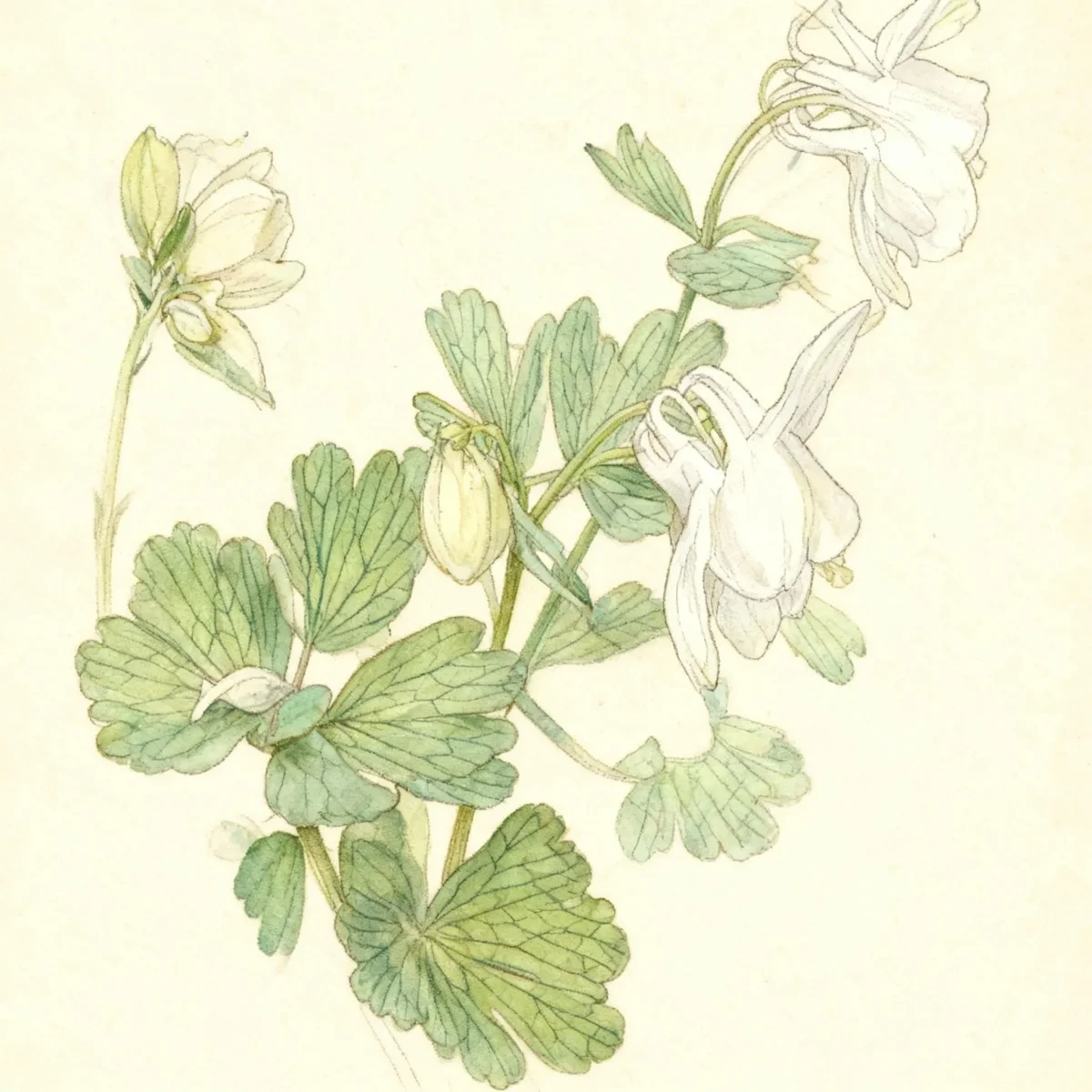
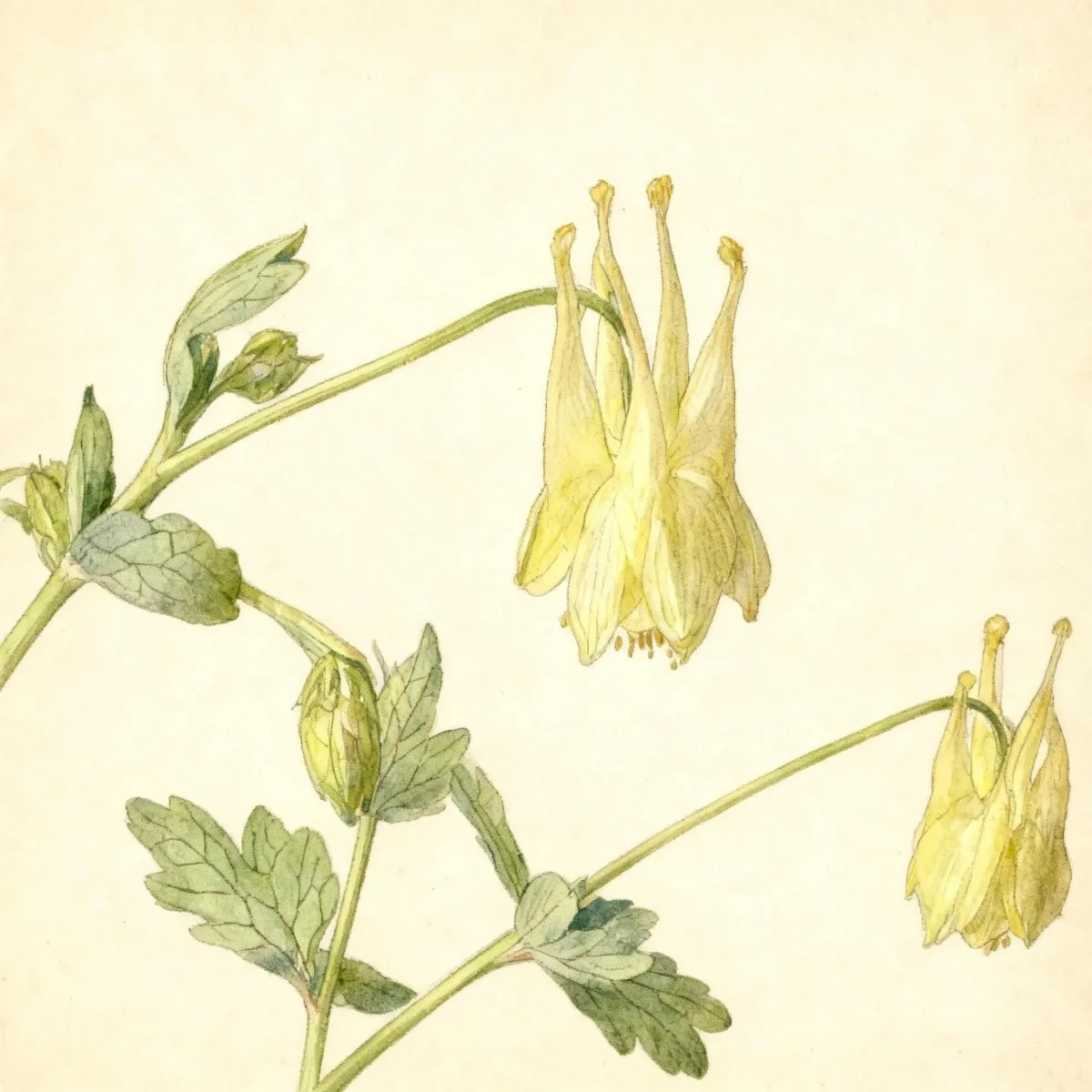
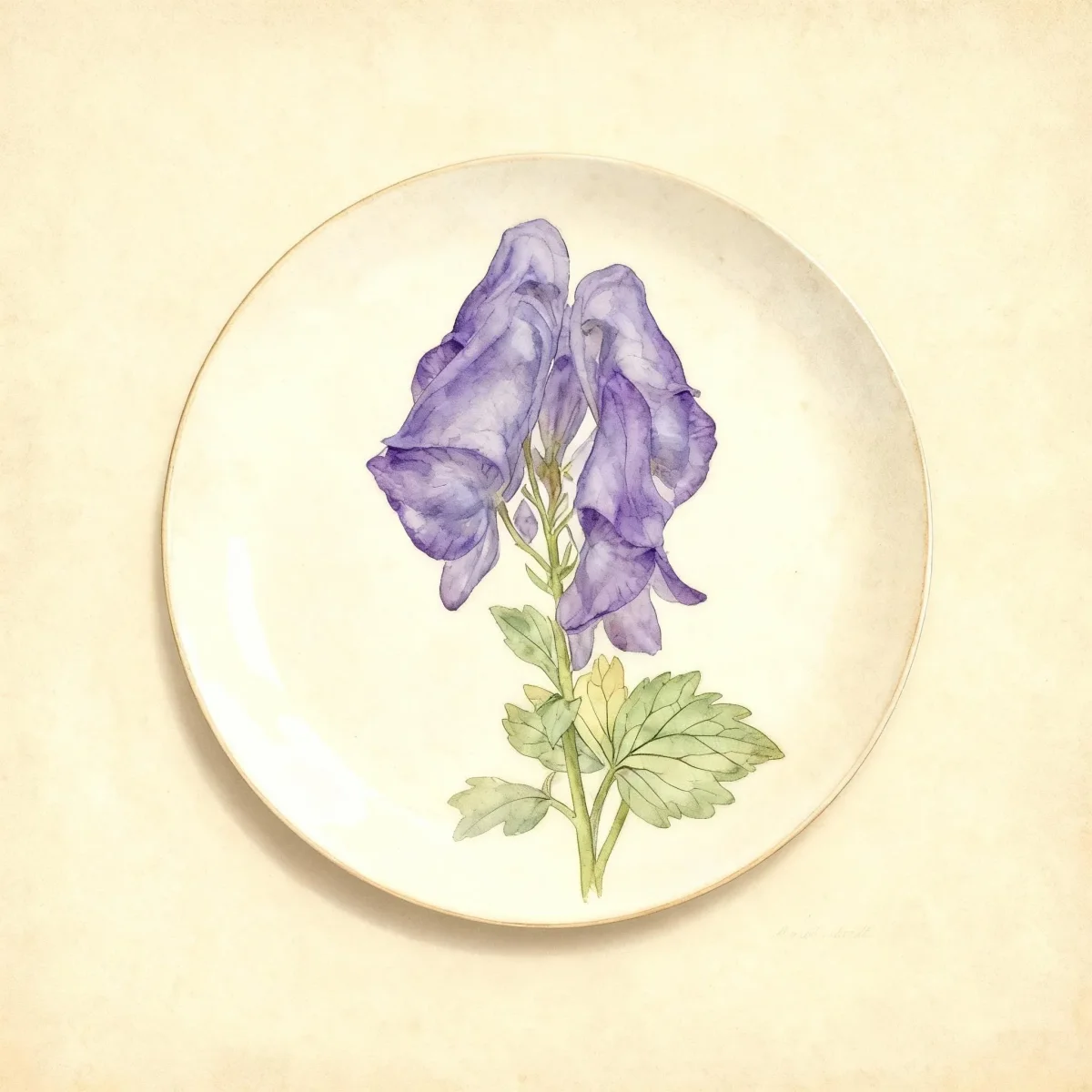
Carolina larkspur (Delphinium carolinianum)
Discover Delphinium carolinianum, the striking Carolina larkspur. Perennial beauty with blue-violet spires. Zones 4-7.
Scroll down to discover growing tips, care requirements, companion plants, and more
Complete Plant Information
Overview
The striking Delphinium carolinianum, known commonly as Carolina larkspur, is a celebrated herbaceous perennial native to North America, valued for its vibrant blue-violet flower spikes that appear early in the season. This species offers a stately vertical accent, perfect for adding height and cool color to traditional garden settings before many other perennials reach their peak. Its distinct spurred flowers draw the eye upward throughout the blooming period of April to June.
As a member of the buttercup family, Delphinium carolinianum thrives best where summers remain relatively cool, making it a star performer in Northern and transition zones. Proper cultural care is necessary, as this plant requires medium moisture and fertile ground to support its substantial spring growth. Gardeners seeking classic cottage garden charm will find the Carolina larkspur an indispensable addition.
While beautiful, gardeners must be aware that this native Delphinium carolinianum requires attention to soil drainage and wind protection to ensure success throughout its perennial life in zones 4 through 7. When sited correctly, this wild blue larkspur provides a spectacular display of intense blue color that is difficult to replicate with other spring-blooming perennials.
Fast Facts
- Plant Family: Ranunculaceae
- Plant Type: Herbaceous perennial
- Native Range: North America
- Hardiness Zones: USDA Zones 4-7
- Size at Maturity:
- Height: 1-2 ft
- Spread: 0.75-1.5 ft
- Bloom Time: April to June
- Bloom Description: Blue-violet
- Sun Exposure: Full sun to part shade
- Water Needs: Medium
- Maintenance Level: Medium
How to Grow
Planting your Carolina larkspur should ideally occur in the spring or fall in locations receiving full sun, although dappled afternoon shade is appreciated in hotter late-spring climates. This Delphinium carolinianum demands fertile, humus-rich, well-drained soil and performs surprisingly well even in alkaline conditions. Ensure the planting site is protected from strong winds and heavy rain storms, which can easily damage the developing flower stalks before maturity.
Maintain consistent medium moisture, especially as the plants establish and approach bloom time. Avoid overhead watering, as wetting the foliage can encourage fungal issues; instead, water deeply at the base of the plant. While little supplemental fertilizer is often needed in rich soil, consistent moisture is key to avoiding stress that invites pests or disease.
Maintenance for Delphinium carolinianum includes routine deadheading after the initial flush of blooms to potentially encourage a secondary, smaller bloom period. Tall stems may require staking early in the season before they gain height, especially for protection from wind and storms. Plants can be grown easily from seed and may naturally reseal in the garden if allowed to mature.
Specific cultural note: Be advised that plants may struggle when temperatures remain high, and they are generally not recommended for humid summer regions south of USDA Zone 7, owing to their preference for cooler summer environments.
Landscape Uses
The upright structure and brilliant blue-violet color make Carolina larkspur an excellent choice for adding vertical interest within mixed perennial beds and borders. They fit seamlessly into cottage gardens, where their height can be leveraged against fences or walls, providing structural support as noted in their care requirements. Planting these delphiniums in groupings or massed stands maximizes their visual impact when they flower intensely from April through June.
Consider planting Delphinium carolinianum alongside companions that share similar soil and sunlight needs, such as peonies, irises, or mid-season salvias, creating a layered tapestry of spring and early summer color. Their taller stems rising from basal foliage clusters make them superb candidates for the middle or back layer of a border design. The excellent quality of their blooms means they are also highly recommended as a superb cut flower, providing structure and vibrant color for indoor arrangements.
Standout Features
Flower Qualities
- Showy
Noteworthy Characteristics
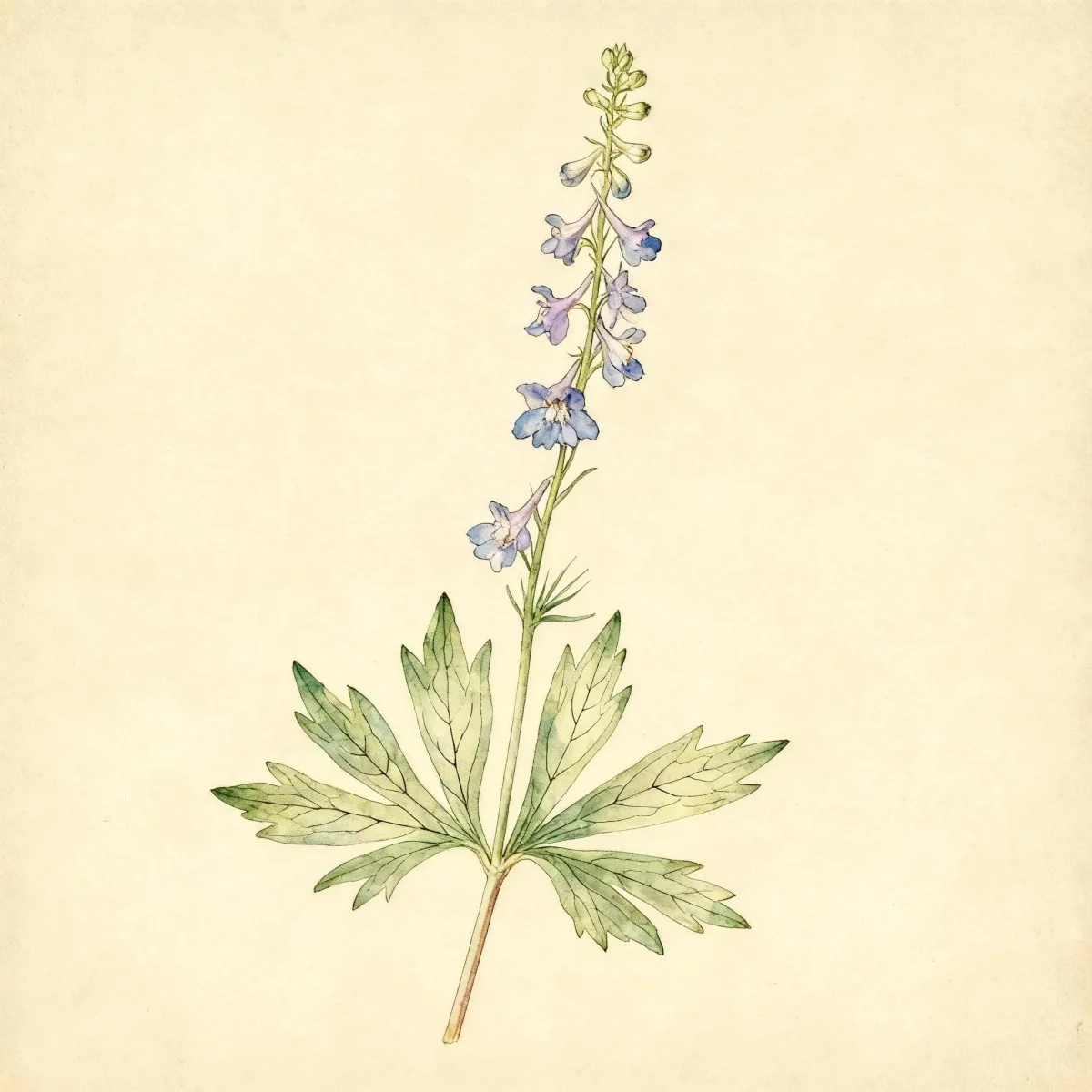
Delphinium carolinianum, commonly known as wild larkspur or Carolina larkspur, is an herbaceous perennial of the buttercup family that is native from Virginia to Missouri south to Florida and Texas. Each plant features a basal cluster of long-petioled, grayish-green leaves, topped by a stately terminal spire typically containing 6-14 blue-violet spurred flowers rising from the basal leaf cluster in an April-May bloom. The genus name refers to the flower bud shape resembling a dolphin, while the specific epithet means from Carolina in reference to its habitat.
Tolerances
- Rabbit
- Deer
Potential Problems
Delphiniums, including the Carolina larkspur, necessitate detailed maintenance, including necessary staking, pruning, and deadheading, to ensure optimal performance. The primary enemies are fungal diseases; they are generally susceptible to powdery mildew, botrytis blight, leaf spots, and crown rot. To combat mildew, ensure plants receive full sun exposure and always water directly at the base to keep foliage dry.
Crown rot is an inevitability if the soil does not drain well or if plants are situated too deeply in the ground upon planting. Garden pests such as slugs and snails can cause significant damage, requiring diligent monitoring. Larger infestations or management issues may involve vigilance against aphids, leaf miners, stem borers, and mites. Remember that Delphinium carolinianum is considered toxic if ingested by humans.
Frequently Asked Questions
What hardiness zones is Carolina larkspur suitable for?
Carolina larkspur (Delphinium carolinianum) is suitable for USDA Zones 4 through 7.
How large does Delphinium carolinianum grow?
This species typically reaches a height between 1 and 2 feet, with a spread of 0.75 to 1.5 feet at maturity.
What sun exposure does Delphinium carolinianum need?
It performs best in conditions ranging from full sun to light part shade, appreciating protection from intense summer heat.
When does Carolina larkspur bloom?
The bloom time for this perennial is generally from April to June, featuring striking blue-violet flowers.
Conclusion
The native Carolina larkspur offers gardeners a rewarding, vibrant blue perennial that heralds the beginning of summer color in the garden. Successful cultivation of Delphinium carolinianum relies on providing fertile, well-drained soil and protection from harsh winds and excessive summer heat. Check your USDA zone compatibility now, and plan to incorporate this exquisite native into your spring landscape designs.
Companion Planting
Choosing appropriate neighbors is vital for the success of Delphinium carolinianum, especially given its need for well-drained soil and its susceptibility to leaf-spotting diseases. Plant companions that enjoy similar medium moisture levels but that won’t crowd out the lower basal foliage should be prioritized. Good structural companions include Peonies, which bloom slightly earlier or concurrently near the ground level, and Siberian Iris, which provide vertical contrast without excessive competition.
Avoid placing this larkspur too closely to plants that require consistently wet feet, as this can exacerbate drainage issues near the crown, leading to rot. Similarly, plants that aggressively shade the base of the Carolina larkspur in mid-summer can inhibit air circulation, increasing the risk of powdery mildew on spent blooms.
Propagation Tips
While Delphinium carolinianum can be grown successfully from seed, remember that this species is variable in traits like flower color and vigor. Seed is best sown fresh, directly outdoors or cold-stratified indoors to mimic natural winter cycles. Plants may also self-seed reliably in the garden once established, requiring minimal intervention from the gardener.
Division is generally not recommended for mature delphiniums as they establish deep taproots, and disturbance often causes significant stress or plant mortality. Therefore, focusing on successful initial seedling establishment or allowing natural reseeding provides the most practical long-term approach for maintaining your colony of Carolina larkspur.