Love-in-a-mist (Nigella damascena)
Grow Love-in-a-mist (Nigella damascena) for unique blue flowers encased in lacy foliage. Low maintenance annual for borders.
Scroll down to discover growing tips, care requirements, companion plants, and more
Complete Plant Information
Overview
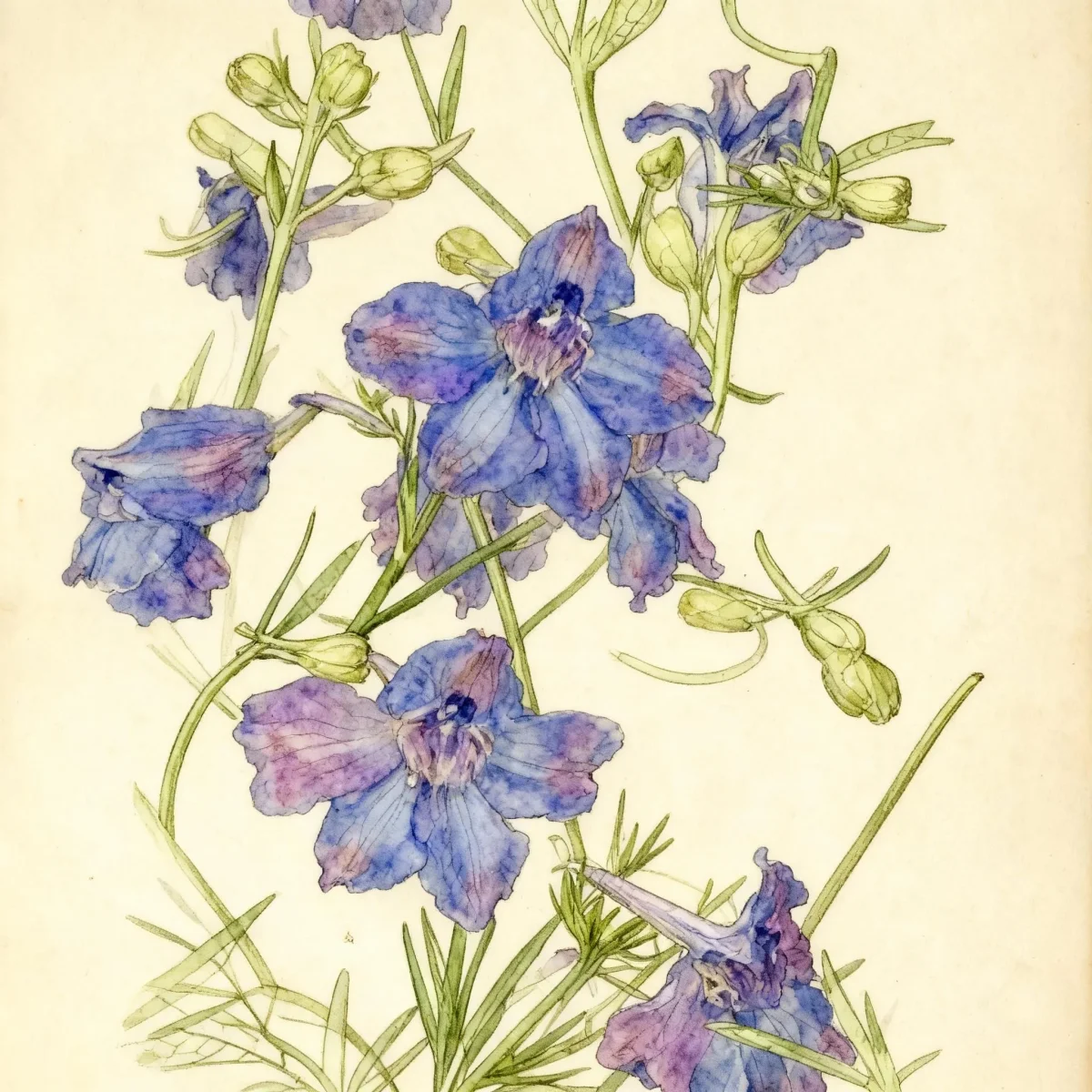
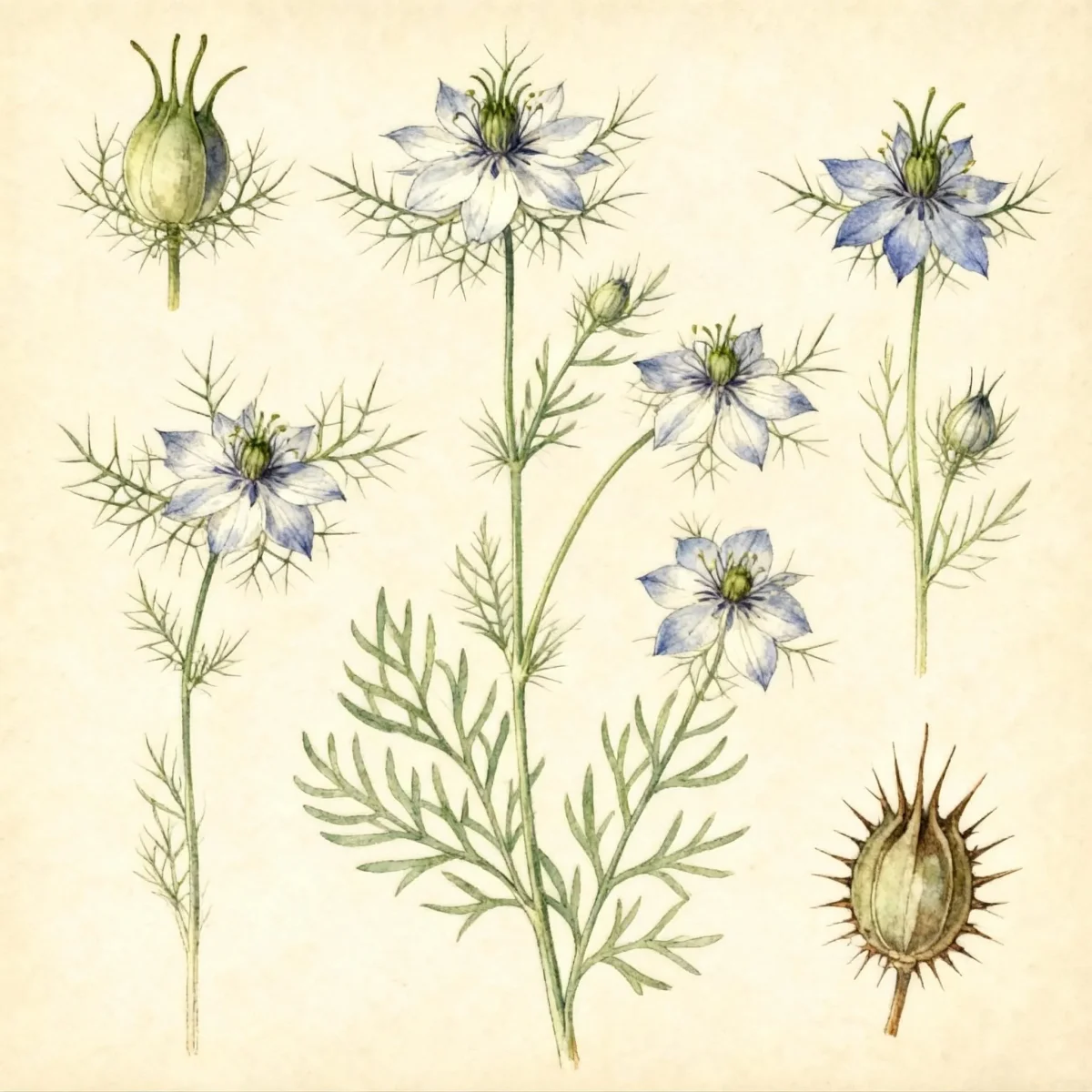
Love-in-a-mist, scientifically known as Nigella damascena, offers a uniquely whimsical display in the summer garden. Its finely-cut, thread-like foliage creates an airy, misty setting for its solitary blue flowers, providing visual texture unmatched by many common annuals. The structure of the bloom, appearing to sit atop a bed of lacy greenery, gives this plant its charming common name.
This cool-weather annual is valued not only for its mid-summer blooms but also for the intriguing, egg-shaped, horned seed capsules that follow flowering. These dried seed heads are highly sought after for everlasting arrangements, extending the plant’s appeal long after its petals fade. Nigella damascena thrives with minimal assistance, making it an excellent choice for gardeners seeking high visual impact with low input.
Native to Northern Africa and southern Europe, this species is remarkably adaptable, thriving in USDA Zones 2 through 11. While it prefers reliable moisture during the active growing season, its overall low maintenance level secures its spot as a favorite cottage garden staple. Plan your sowing times carefully to maximize the bloom period as high summer heat can cause flowering to wane.
Fast Facts
- Plant Family: Ranunculaceae
- Plant Type: Annual
- Native Range: Northern Africa, southern Europe
- Hardiness Zones: USDA Zones 2-11
- Size at Maturity:
- Height: 1.5-2 ft
- Spread: 1-1.5 ft
- Bloom Time: June to August
- Bloom Description: Blue with cultivars in white, pink, rose and purple
- Sun Exposure: Full sun
- Water Needs: Medium
- Maintenance Level: Low
How to Grow
For the best results with Nigella damascena, direct sow seeds into the garden as soon as the soil can be worked in spring. This plant strongly dislikes being transplanted, so starting indoors should only be considered 6–8 weeks before the last frost date if absolutely necessary, acknowledging results may be disappointing. Average, medium moisture, well-drained soil in a location receiving full sun is ideal for establishing the root system.
Once established, plants require medium watering, meaning consistent moisture is preferred, especially as temperatures rise. Fertilizing is generally not required; rich soils can sometimes lead to excessive foliage at the expense of flowers. Deadheading spent flowers will technically extend the blooming period through mid-summer, but many gardeners choose to skip this step.
Skipping deadheading is encouraged because the resulting seed pods are highly decorative and make excellent additions to dried flower crafts. Furthermore, plants have a tendency to readily self-seed, often ensuring their return the following season for a lovely, naturalized look in your beds. In cooler summer climates, you can extend your season by making successional sowings every three to four weeks until mid-summer.
Landscape Uses
Love-in-a-mist excels when integrated into mixed beds and traditional cottage gardens, where its delicate texture contrasts beautifully with bolder foliage plants. Its airy habit makes it perfect for softening the edges of borders, lending a naturalistic, slightly untamed feel to the landscape design. These graceful annuals also perform admirably in containers, particularly when paired with slightly taller, sun-loving companions.
The fine, feathery foliage of Nigella damascena pairs well with larger, coarse-leaved plants like cosmos or sunflowers, creating layered interest. Because they appreciate similar sun and water needs, consider grouping them near calibrachoa, zinnias, or calendula for a vibrant, cohesive display throughout the summer months. Use them as a filler between established perennials to provide season-long annual interest.
Standout Features
Flower Qualities
- Showy
- Good Cut
- Good Dried
Fruit Qualities
- Showy
Noteworthy Characteristics
Nigella damascena, commonly called love-in-a-mist, is a popular cool weather annual that features solitary blue flowers (to 1 1/2” wide) atop stems clad with finely-cut, thread-like leaves. The genus name comes from the Latin word niger meaning black in reference to the color of the seeds, while the specific epithet means of Damascus, Syria. Each solitary flower appears to sit on a bed of lacy (and misty) foliage, lending it its recognizable common name.
Tolerances
Potential Problems
This plant generally exhibits no serious insect or disease problems when grown according to its basic cultural needs. Its low maintenance level often means fewer opportunities for pests to gain a foothold. Ensure soil is well-drained, as consistently soggy conditions can lead to root issues which attract opportunistic pathogens. Vigilant placement and adherence to its preferred full sun exposure are usually sufficient management strategies.
Frequently Asked Questions
What hardiness zones is Love-in-a-mist suitable for?
Love-in-a-mist is quite resilient, suitable for growing in USDA Zones 2 through 11.
How large does Nigella damascena grow?
This annual typically reaches a height between 1.5 and 2 feet tall, with a spread generally reaching 1 to 1.5 feet wide.
What sun exposure does Love-in-a-mist need?
Nigella damascena requires full sun exposure to produce its best blooms and maintain compact growth.
When does Love-in-a-mist bloom?
You can expect the blue flowers of Love-in-a-mist to bloom reliably from June through August, though cultivars are also available in white, pink, rose, and purple shades.
Conclusion
The unique, airy texture and fascinating seed heads make Nigella damascena an indispensable annual for adding soft structure and late-season interest to the garden. Whether used for cutting or letting nature take its course to develop decorative pods, Love-in-a-mist delivers beauty with ease. Verify your local USDA Hardiness Zone and plan a spring direct sowing to enjoy this magical plant throughout the summer months.
Companion Planting
Because Nigella damascena prefers full sun and medium, consistent moisture, companion plants should share these requirements. Excellent partners include other airy annuals or plants that benefit from slight screening as the season progresses. Consider pairing it with tall, strong-stemmed flowers like sunflowers or cosmos, as the lacy foliage of the love-in-a-mist provides a beautiful textural contrast near the base.
Sow smaller, textural herbs like dill or cilantro alongside Nigella damascena, as they share similar soil and light needs and contribute to the overall cottage garden aesthetic. Avoid placing it directly against very dense, heavy foliage plants that might shade out the delicate stems or compete too aggressively for water and nutrients at the critical establishment stage.
Propagation Tips
The easiest and most rewarding way to grow more Nigella damascena is through natural self-seeding, which the plant happily facilitates if seed pods are left on the stalks past maturity. To save seed yourself, allow the distinctive, horned capsules to dry completely on the plant until they turn brown and brittle. Collect these capsules before they shatter and store them in a cool, dry place until the following spring.
If you choose to collect seeds, remember that the genus name refers to their color; the seeds of Nigella damascena are nearly black. For an early start, you can attempt indoor sowing 6 to 8 weeks before the last expected frost, but be prepared for transplant shock, which often stunts or kills young seedlings. Handle these transplants with extreme care, planting them out with their nursery soil intact.