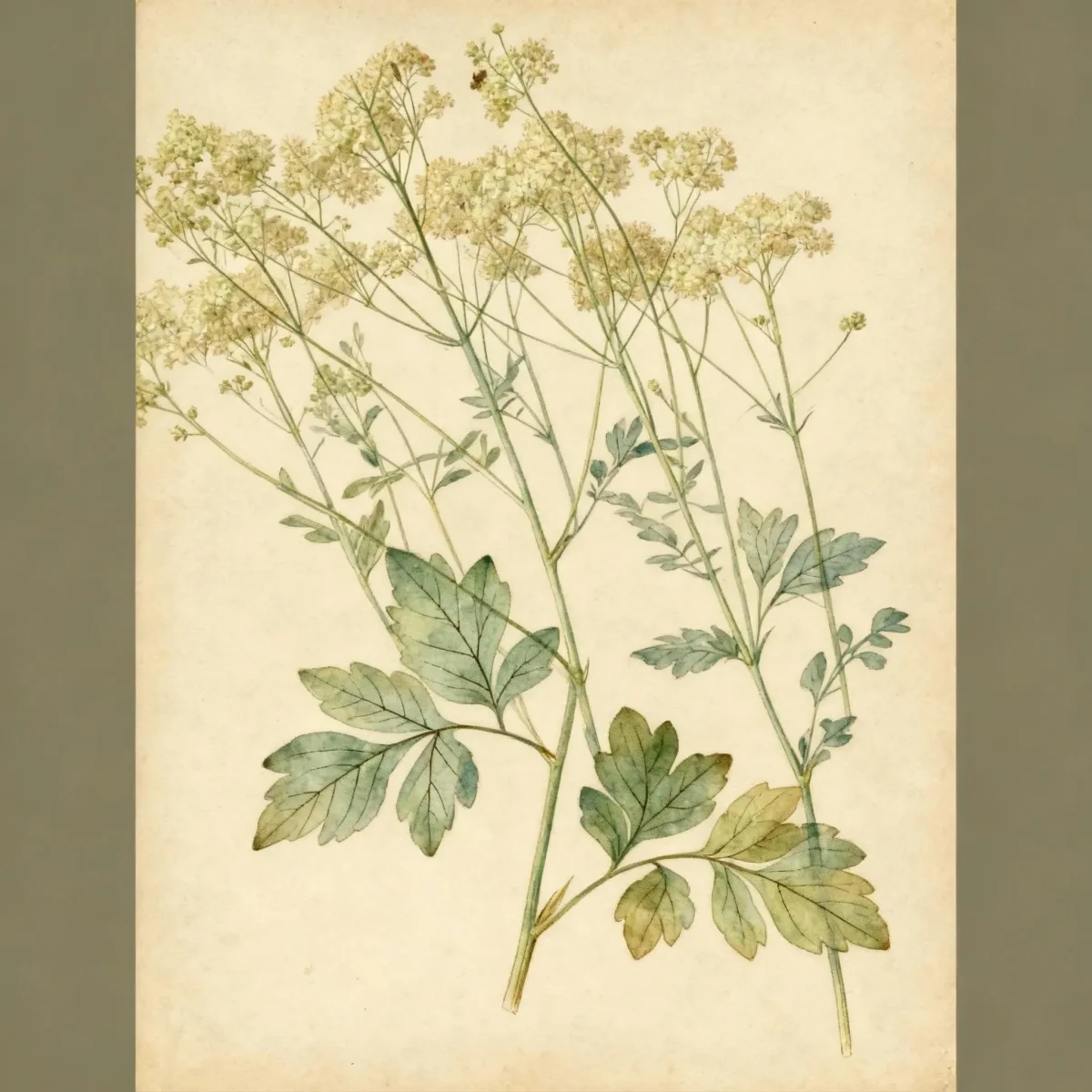
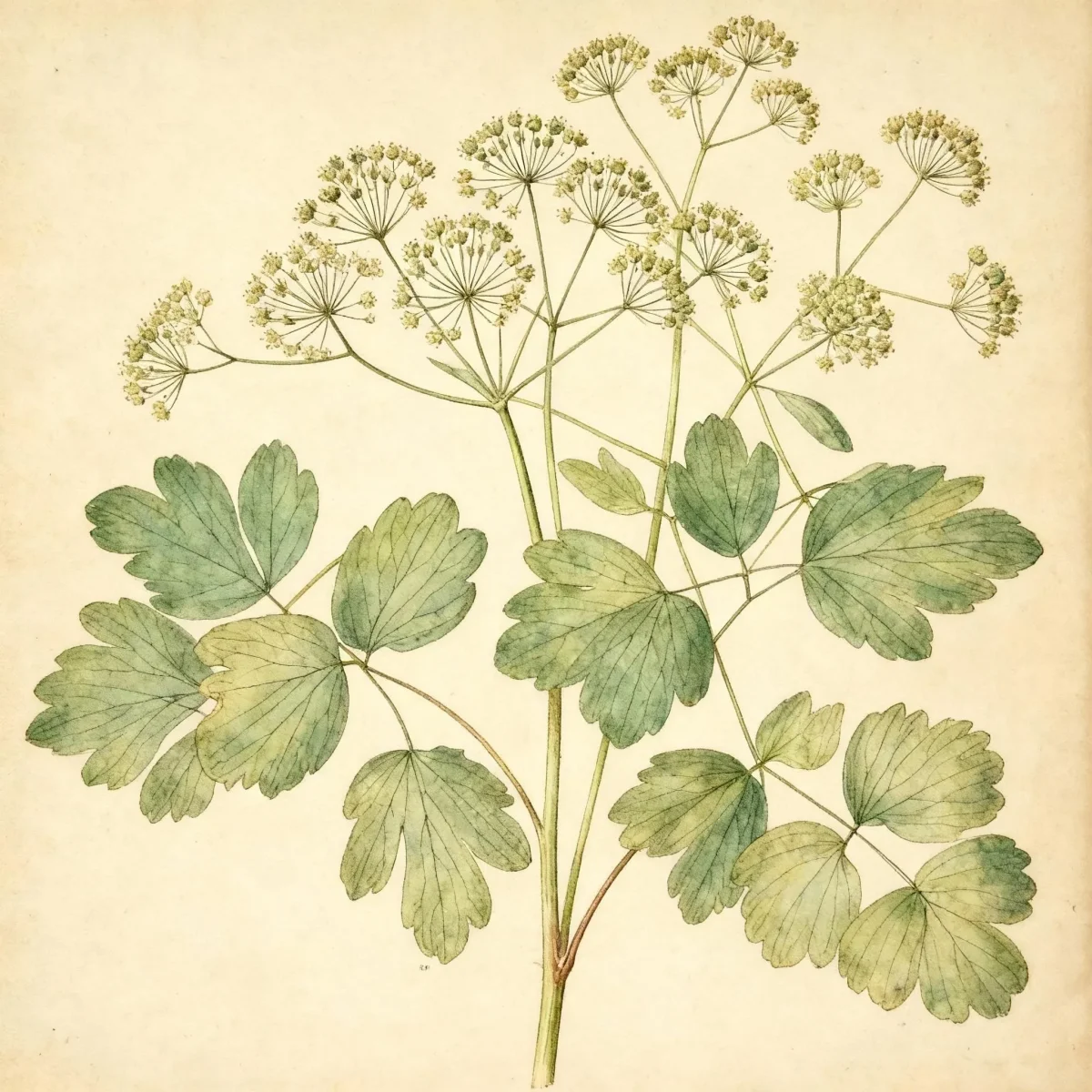
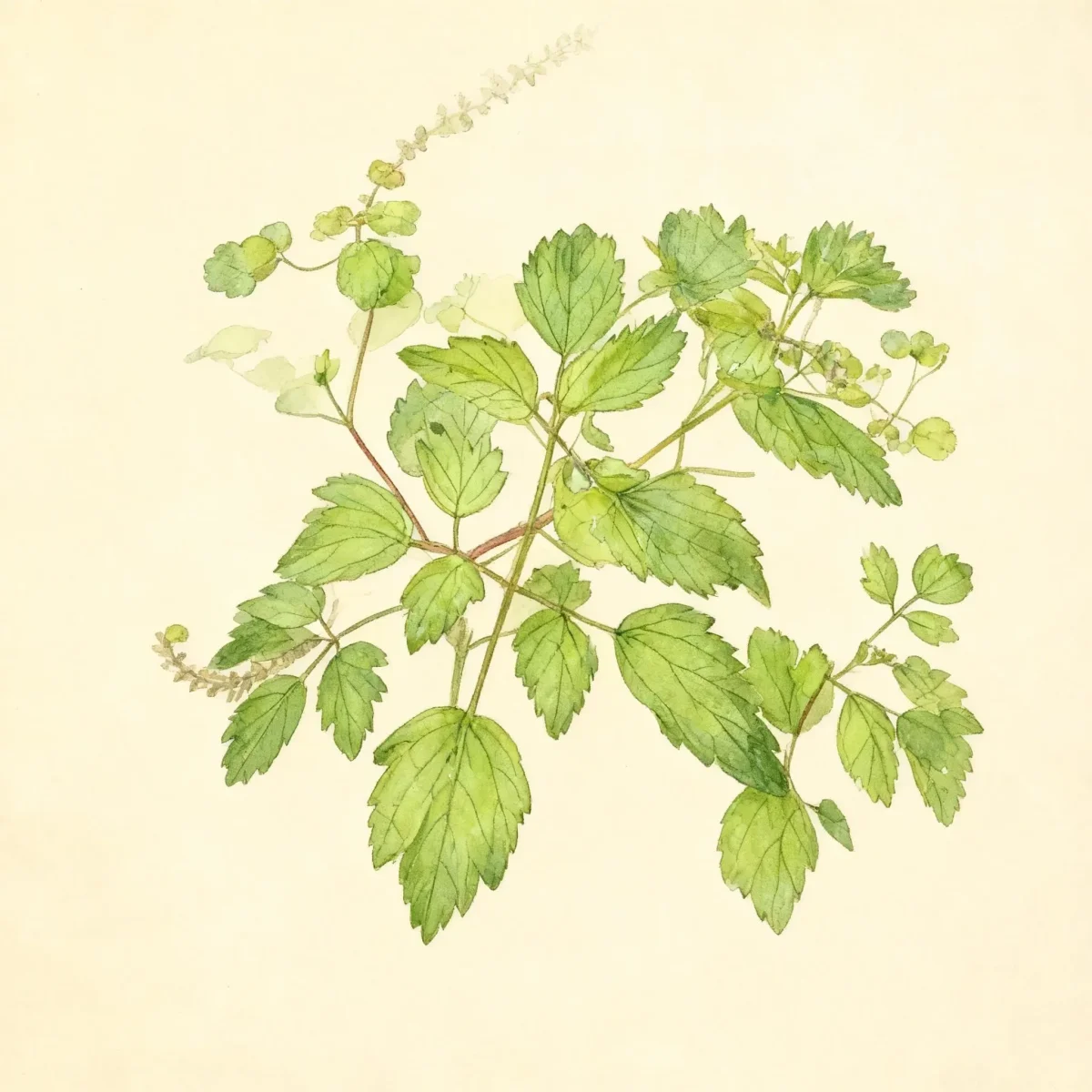
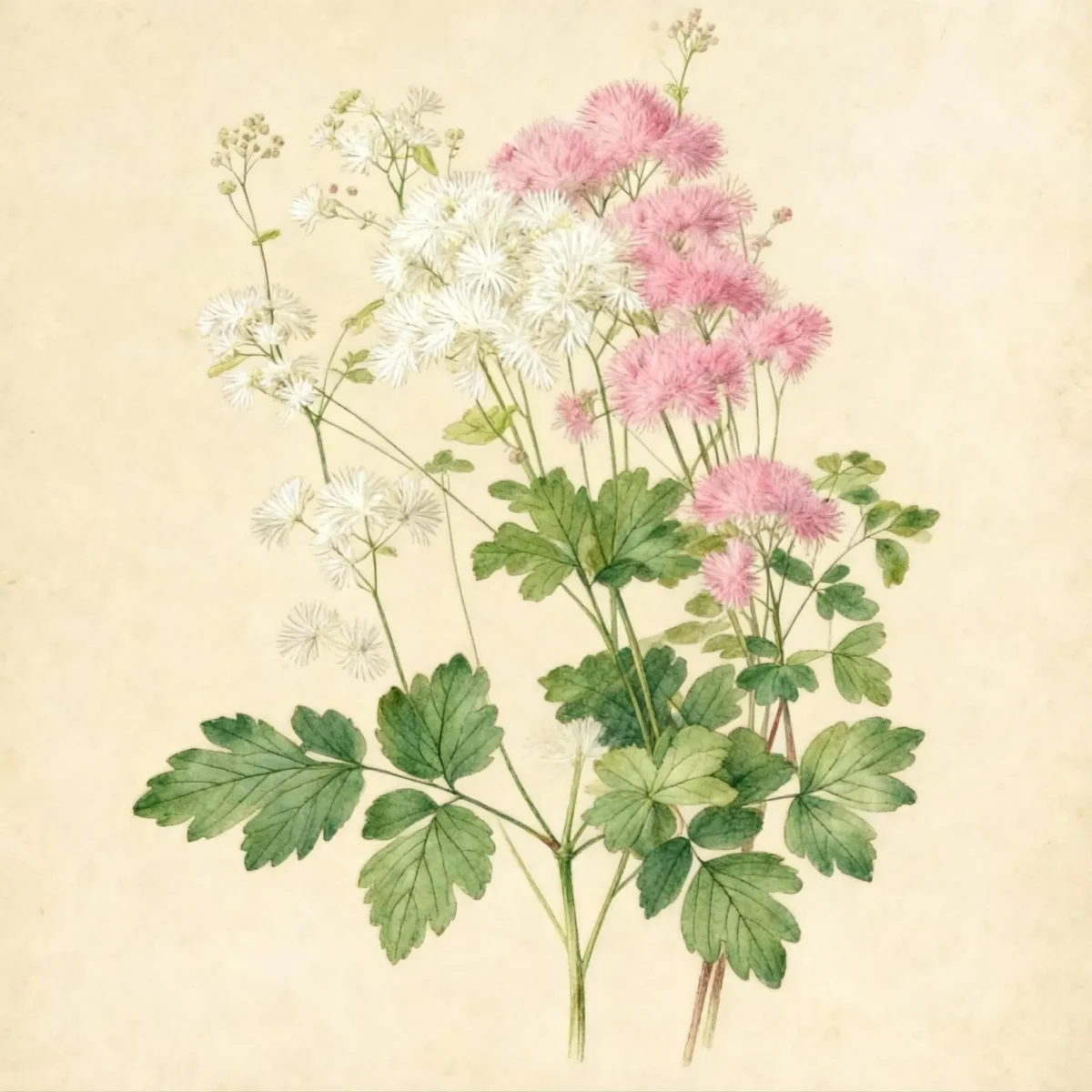
Meadow rue (Thalictrum buschianum)
Thalictrum buschianum, or Meadow rue, offers airy July-August blooms in dense yellow-green panicles. Hardy for zones 6-9.
Scroll down to discover growing tips, care requirements, companion plants, and more
Complete Plant Information
Overview
Thalictrum buschianum, commonly known as Meadow rue, is valued by gardeners for its airy, architectural presence and unique late-season bloom display. This rhizomatous perennial brings height and texture to mixed borders without overwhelming surrounding plantings. It develops dichotomously branched stems reaching three to five feet tall, topped with fluffy inflorescences.
This species offers resilience, thriving across USDA Zones 6 through 9 with moderate care requirements. Its visual appeal lies in the delicate, starry, apetalous flowers that mature to a distinctive yellow-green hue from July into August. While the foliage is an attractive green, ensuring consistent moisture is key to maintaining its aesthetic appeal throughout the summer heat.
The appeal of Thalictrum buschianum extends beyond its structure; it integrates well into naturalistic settings. Whether used for mass planting in meadows or as a vertical accent in defined borders, this Meadow rue provides excellent contrast against broader-leaved perennials. Planning its location correctly maximizes flower impact while ensuring cultural needs are met.
Fast Facts
- Plant Family: Ranunculaceae
- Plant Type: Herbaceous perennial
- Native Range: Asia, northern Africa, Caucasus
- Hardiness Zones: USDA Zones 6-9
- Size at Maturity:
- Height: 3-5 ft
- Spread: 2-4 ft
- Bloom Time: July to August
- Bloom Description: Yellow-green
- Sun Exposure: Full sun to part shade
- Water Needs: Medium
- Maintenance Level: Medium
How to Grow
The ideal time to establish Thalictrum buschianum is during the spring or fall. Select a location in part shade, which promotes the richest foliage color. However, this plant tolerates full sun provided the soil remains consistently moist, although growth may be slightly less vigorous in deep shade.
Soil preparation is crucial for this Meadow rue. Aim for moist, moderately fertile, organically rich soil that is well-drained. Incorporating ample compost before planting improves structure and moisture retention. Plant at the same depth the plant was growing in its container or nursery pot.
Regular, medium watering is necessary, especially during dry spells. If soils are allowed to dry out significantly during the summer, the foliage of Thalictrum buschianum may yellow, signaling stress. Fertilization usually isn’t necessary if the soil is organically rich; excessive fertility can lead to weak stems.
Maintenance is generally low once established, classifying this perennial as medium maintenance. Deadheading spent blooms is optional, as the seed heads contribute some winter structure. Be aware that this plant can self-seed readily in optimal garden conditions, allowing it to naturalize effectively over time.
Landscape Uses
One of the primary goals when placing Thalictrum buschianum is to utilize its height and airy texture effectively. Its suggested use as an element to naturalize works perfectly in large drifts within informal settings like meadows or open woodland edges, blending beautifully with native grasses and taller perennials.
For more structured settings, Meadow rue serves well toward the back of mixed borders, providing vertical interest without heavy visual weight. It acts as a beautiful screen or backdrop for shorter flowers in cottage gardens or areas designed for cottage garden aesthetics. Its upright growth minimizes visual obstruction for plants in front.
Consider companion planting with peonies or Siberian iris, which share similar moisture needs and provide strong structural contrast when the Thalictrum foliage emerges. Its airy nature complements chunky textures, creating dynamic contrast throughout the growing season.
Standout Features
Flower Qualities
- Showy
Noteworthy Characteristics
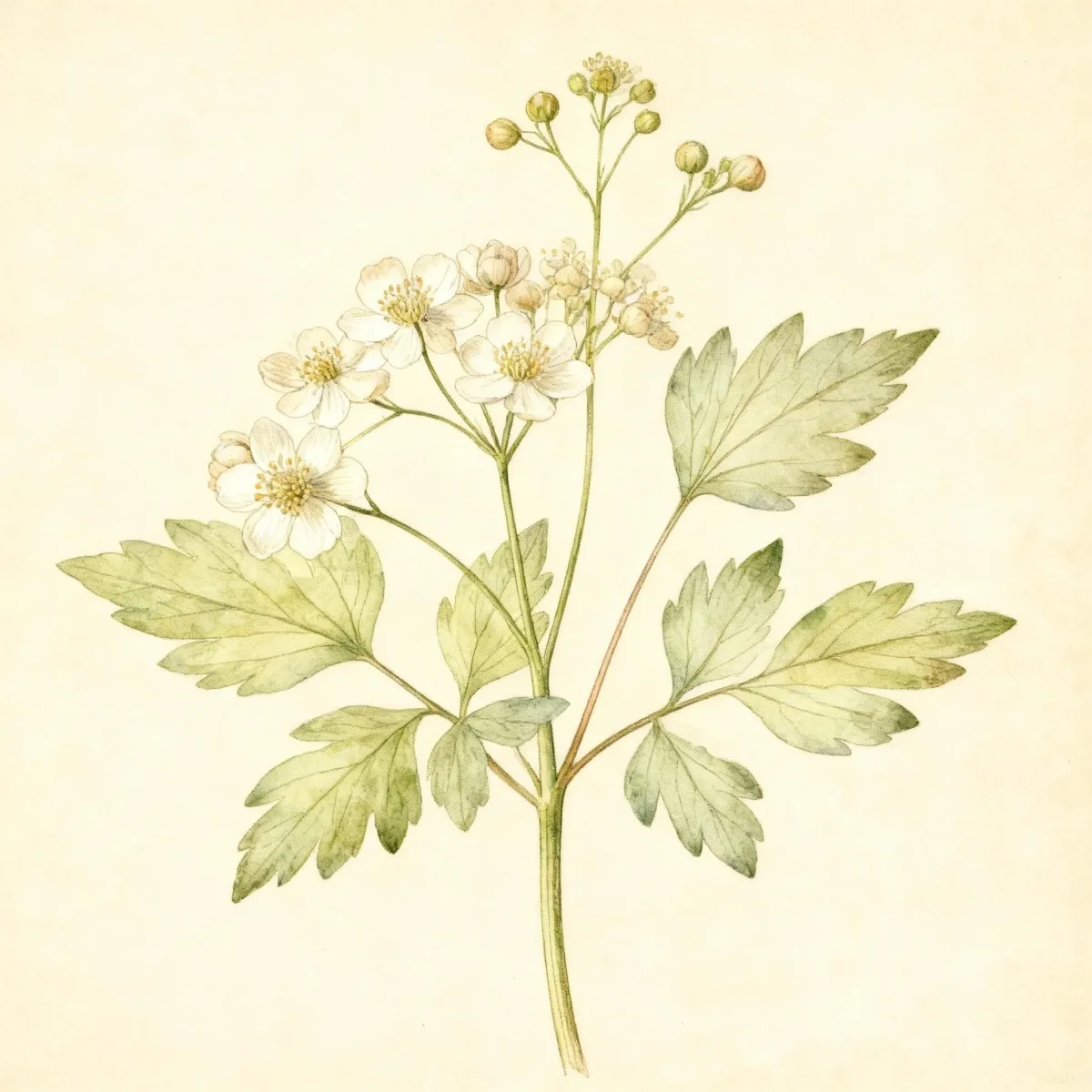
Thalictrum bushianum, commonly known as meadow rue, is a rhizomatous, clump-forming perennial of the buttercup family that typically grows on dichotomously branched stems to 3-5’ tall. It is native to forests, forest margins and alpine meadows in the Caucasus, Georgia, Azerbaijan and Armenia. Tiny, starry, apetalous, bisexual flowers (each to 1/3” across) with yellow-tinged-green sepals bloom July and August in fluffy, many-flowered inflorescences (panicles). The genus name comes from the Greek word thaliktron, used by Dioscorides to describe a plant in this genus, and the common name is derived from its leaf similarity to common rue.
Tolerances
Potential Problems
Thalictrum buschianum is relatively robust, generally exhibiting no serious insect or disease problems under proper cultural conditions. However, gardeners should monitor for fungal issues, particularly if air circulation is poor or if foliage remains wet long-term.
Powdery mildew, smut, and rust are the most commonly reported issues for Meadow rue. Prevention centers on proper spacing to ensure good airflow around the stems and leaves. If mildew appears, increase air circulation or treat with a targeted horticultural fungicide according to label directions.
Frequently Asked Questions
What hardiness zones is Thalictrum buschianum suitable for?
This resilient plant is suitable for cultivation across USDA Hardiness Zones 6 through 9.
How large does Meadow rue grow?
When mature, Thalictrum buschianum typically reaches a height between 3 and 5 feet, spreading to a width of 2 to 4 feet.
When does Thalictrum buschianum bloom?
This perennial produces its distinctive flowers from July to August, featuring a yellow-green coloration from the sepals and stamens.
What sun exposure does Thalictrum buschianum need?
It performs best in locations offering full sun to part shade, though consistent moisture is mandatory if maximizing sun exposure.
Conclusion
The airy stature and late-summer yellow-green blooms make Thalictrum buschianum a valuable asset for adding vertical interest and texture to perennial gardens. This reliable Meadow rue integrates beautifully into both formal borders and naturalized areas. Before planting, confirm your local USDA zone compatibility and ensure you can provide the medium water and rich soil it prefers.
Companion Planting
Selecting appropriate companions enhances the ornamental value and cultural harmony for Thalictrum buschianum. Since it requires consistent moisture and appreciates afternoon shade, pair it with other moisture-loving perennials that bloom earlier or later in the season. Hostas (particularly shade-tolerant varieties), Ligularia, and Astilbe thrive in the same moist, organically rich conditions.
For sunnier, drier spots where soil moisture is managed via irrigation, contrast the delicate texture of the Meadow rue with broad-leaved, structural plants like large ornamental grasses or certain cultivars of Joe Pye Weed (Eutrochium). The height difference—3 to 5 feet for this plant—means it works well behind medium-sized focal flowers.
Design Ideas for Texture Contrast
The fine, divided foliage of Thalictrum buschianum is a masterclass in textural contrast. Utilize this aspect by placing it beside plants with bold, coarse, or solid leaf structures. For example, placing it near Japanese Forest Grass (Hakonechloa) or large-leaved Hellebores creates dynamic visual separation, making both plants appear richer.
In meadow plantings, allow the Meadow rue to weave through clumps of native wildflowers like goldenrod or coneflower (Echinacea). Because its stems are thin and its blooms are ethereal, this plant softens hard lines and appears to float above its neighbors, adding depth to sun-dappled woodland margins.