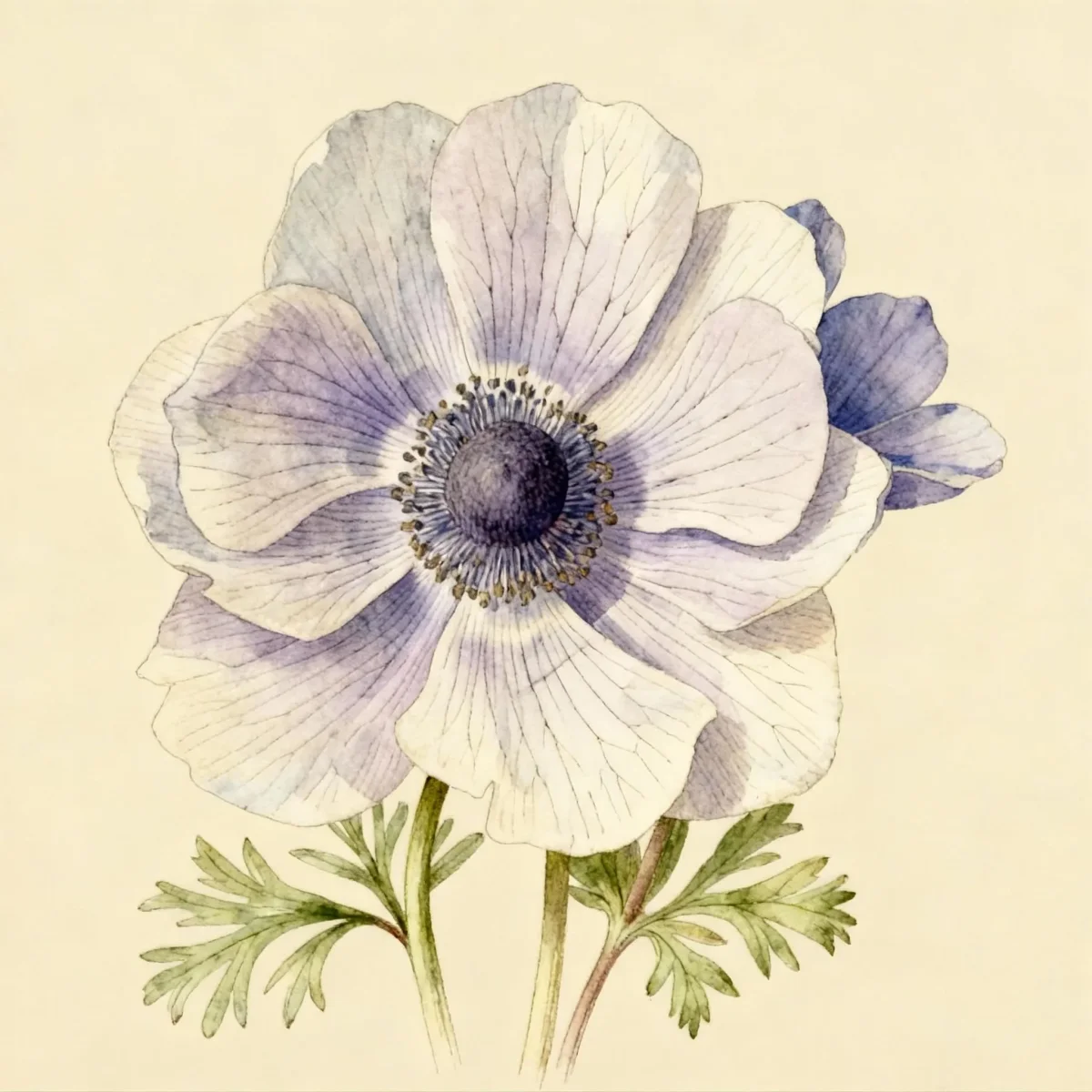
Meadow rue (Thalictrum simplex)
Thalictrum simplex offers airy texture with its simple stems and purple-tinged green flowers in early summer gardens.
Scroll down to discover growing tips, care requirements, companion plants, and more
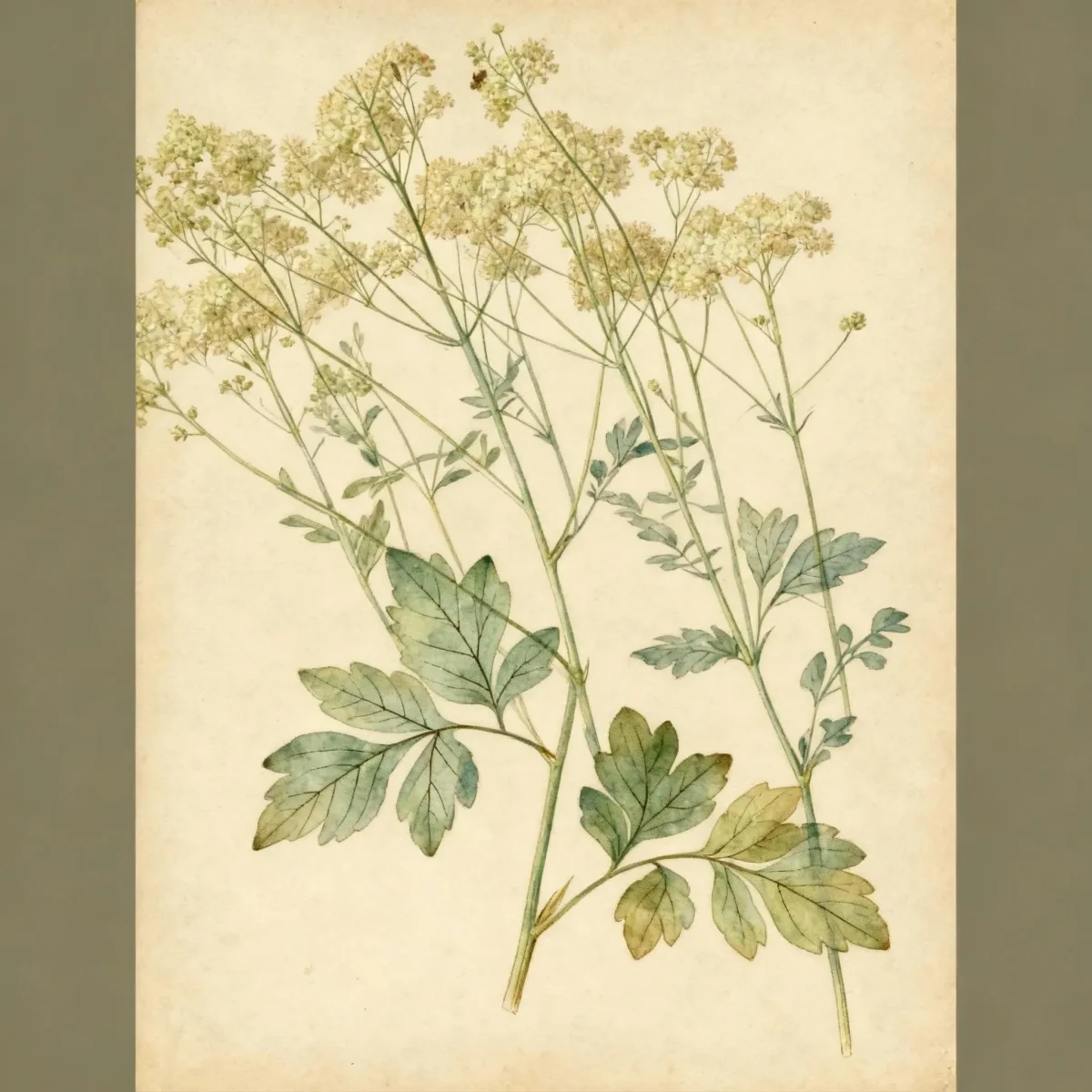
Complete Plant Information
Overview
Thalictrum simplex, commonly known as Meadow rue, is a valuable addition to any garden seeking fine texture and naturalistic appeal. This rhizomatous, clump-forming perennial stands out due to its simple, unbranched stems, lending an airy vertical accent without overwhelming surrounding plants. It thrives across various settings, providing light, delicate color during the early summer months.
Native to the wet meadows and grasslands of Europe and temperate Asia, this Meadow rue establishes reliably in USDA Zones 7 through 9. Gardeners appreciate its relatively contained size, reaching up to 2.5 feet tall while maintaining a spread under two feet, making it manageable even in smaller beds. Its unique combination of structure and delicacy ensures it integrates well into both formal and informal designs.
The appeal of Thalictrum simplex is rooted in its graceful bloom period from June to July. The flowers are subtle yet complex, featuring purple-tinged green sepals that create a soft, hazy effect. Whether used in borders or naturalized settings, this Thalictrum offers reliable performance provided its moderate cultural needs are met.
Fast Facts
- Plant Family: Ranunculaceae
- Plant Type: Herbaceous perennial
- Native Range: Temperate Asia, Europe
- Hardiness Zones: USDA Zones 7-9
- Size at Maturity:
- Height: 1.5-2.5 ft
- Spread: 1-2 ft
- Bloom Time: June to July
- Bloom Description: Purple-tinged green sepals
- Sun Exposure: Full sun to part shade
- Water Needs: Medium
- Maintenance Level: Medium
How to Grow
For optimal establishment, plant Thalictrum simplex in the spring or fall when conditions are cooler. The ideal location involves moist, moderately fertile, organically rich, and well-drained soil. While it appreciates part shade, this Meadow rue tolerates full sun very well, provided the soil remains consistently moist throughout the growing season. Avoid deep shade, as this typically results in less vigorous growth.
Watering is crucial for maintaining the appearance of this plant. Water regularly to keep the soil evenly moist, especially during dry spells. If the plant’s foliage begins to turn yellow during the summer, it is a strong indicator that the soils have become too dry. Fertilization is generally unnecessary if the soil is organically rich, as the plant prefers moderate fertility.
Maintenance for Thalictrum simplex is generally straightforward. Deadheading is usually not required as the fading flowers remain relatively attractive. If desired, the stems can be cleanly cut back once the foliage yellows significantly in late summer or fall. This perennial may be grown successfully from seed and will often self-seed, allowing it to naturalize naturally in suitable, undisturbed areas.
Landscape Uses
The wispy, ethereal nature of Thalictrum simplex makes it exceptional for blending seamlessly into larger garden schemes. Its suitability for naturalization means it excels when planted in drifts within meadows or open woodland areas, where it mingles easily with grasses and companion perennials. It provides vertical interest without the heaviness of dense shrubs.
For more structured environments, this Meadow rue is perfect situated toward the middle or back of cottage gardens or perennial borders. It serves as an excellent transitional plant, softening the hard edges between hardscaping or bolder foliage plants. Consider pairing the delicate blooms of Thalictrum simplex with plants that offer strong contrasts in leaf shape or color.
Standout Features
Flower Qualities
- Showy
Noteworthy Characteristics
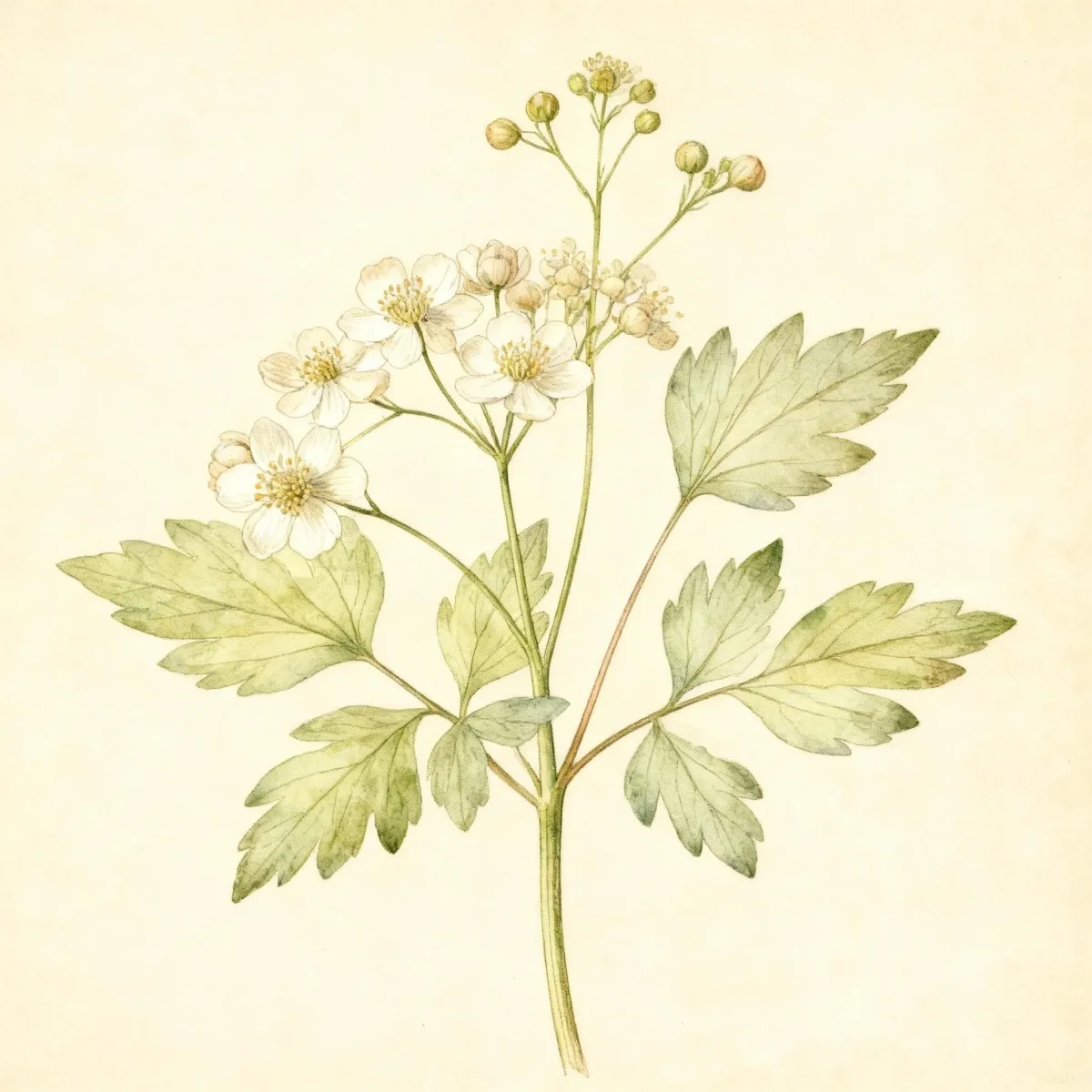
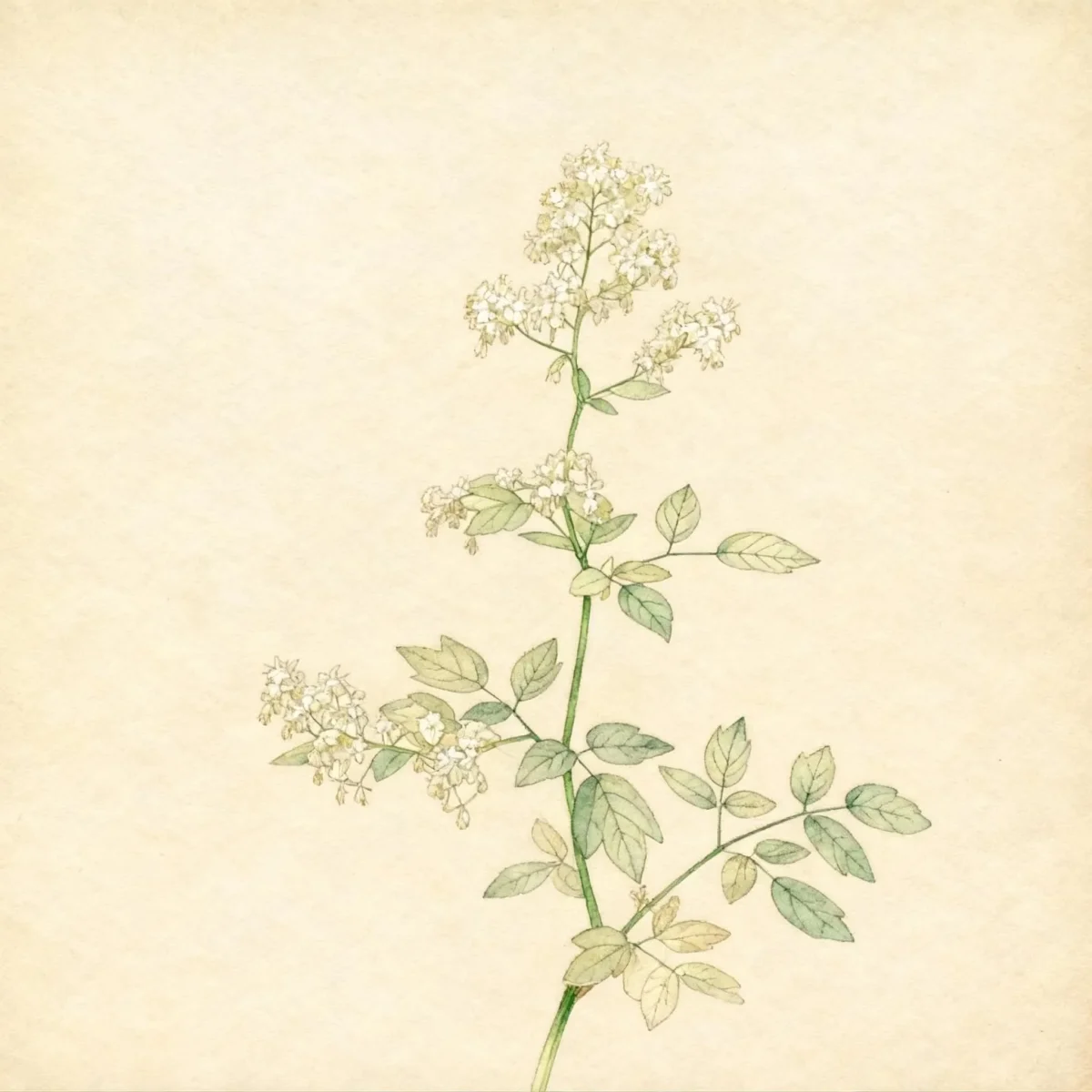
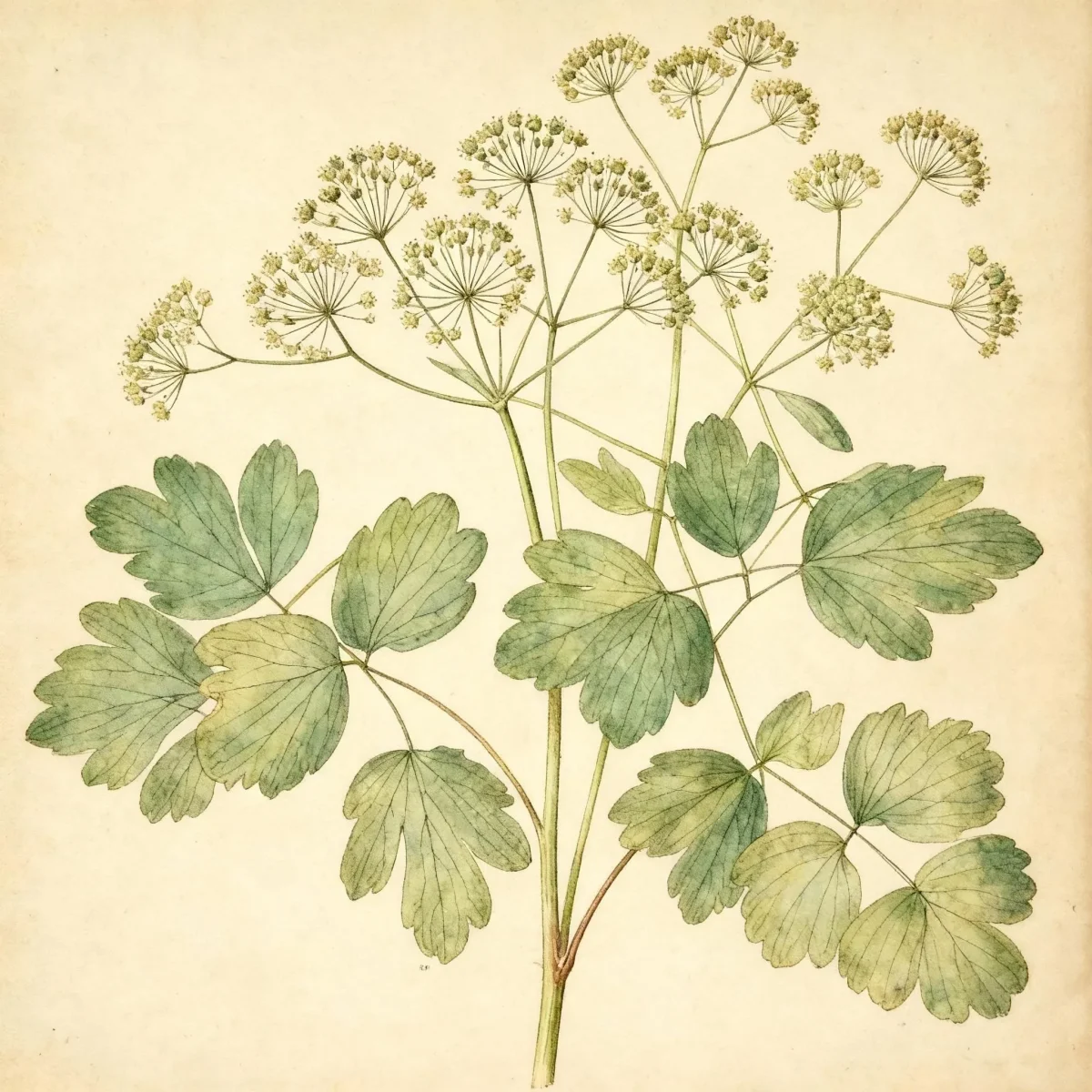
Thalictrum simplex, commonly known as meadow rue, is a rhizomatous, clump-forming perennial of the buttercup family that typically grows on simple unbranched stems to 18-30” tall. It is native to slopes, wet meadows, grasslands, forest margins and rocky ledges from Europe to southwestern Asia. Tiny starry apetalous bisexual flowers (each to 1/3” across) with purple-tinged green sepals bloom June to July in fluffy many-flowered inflorescences (loose panicles to 12” long). Flower color comes from the color of the sepals and stamens. Ternate leaves with pinnate divisions feature entire to 3-lobed, lanceolate, green leaflets.
Tolerances
No specific tolerances were provided.
Potential Problems
Thalictrum simplex is generally known for exhibiting no serious insect or disease issues in ideal conditions. However, like many plants in the Ranunculaceae family, management may occasionally be required for fungal issues. Be observant for the appearance of powdery mildew, smut, and rust, particularly if humidity is high or air circulation is poor. Ensuring excellent soil drainage and providing adequate spacing between plants helps mitigate these fungal risks.
Frequently Asked Questions
What hardiness zones is Meadow rue suitable for?
Thalictrum simplex is best suited for gardeners located in USDA Hardiness Zones 7 through 9.
How large does Thalictrum simplex grow?
This species typically reaches a height between 1.5 and 2.5 feet tall, spreading to occupy an area 1 to 2 feet wide.
When does Meadow rue bloom?
The delicate flowers of this Meadow rue appear from June through July, showcasing their distinctive purple-tinged green sepals.
What sun exposure does Thalictrum simplex need?
It performs well across a range, thriving in full sun provided moisture is consistent, but it also happily accepts partial shade conditions.
Conclusion
The airy structure and subtle, early-summer blooms make Thalictrum simplex a versatile and beautiful perennial for mid-border placement or naturalized settings. This specific variety of Meadow rue offers robust, manageable growth for gardeners in warmer zones who seek fine texture. Before planting, confirm your location falls within Zones 7-9 and plan to incorporate ample organic matter into the soil for best results.
Companion Planting
When designing beds around Thalictrum simplex, select companions that complement its airy texture while respecting its need for consistent moisture. Plants with coarse, bold foliage, such as Hostas in shadier spots, provide an excellent textural foil to the fine leaflets of the Meadow rue. In sunnier areas that meet its moisture requirements, consider pairing it with dark-leaved Geraniums or sturdy, upright Salvias whose vibrant flower spikes contrast nicely with the purple-tinged green blooms.
Design Ideas
This Thalictrum lends itself perfectly to the “New Perennial Movement” style of planting, where drifts of fine-textured plants move in the breeze. Plant in quantities of five or more to maximize the visual impact of its simple stems. For cottage gardens, position it near shorter structural plants like sturdy Peonies that have finished blooming, allowing the Thalictrum simplex to fill in the mid-ground space as summer progresses.