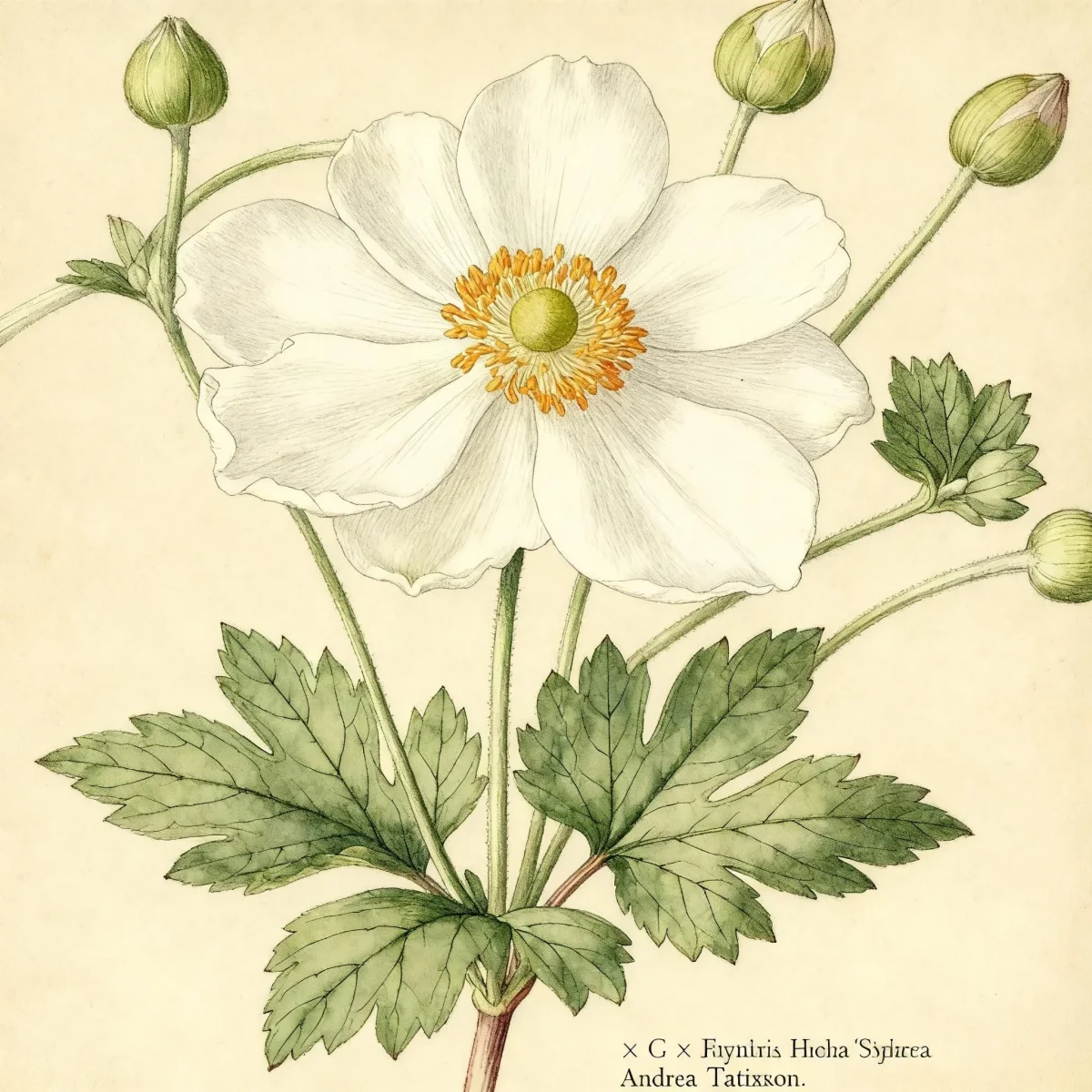
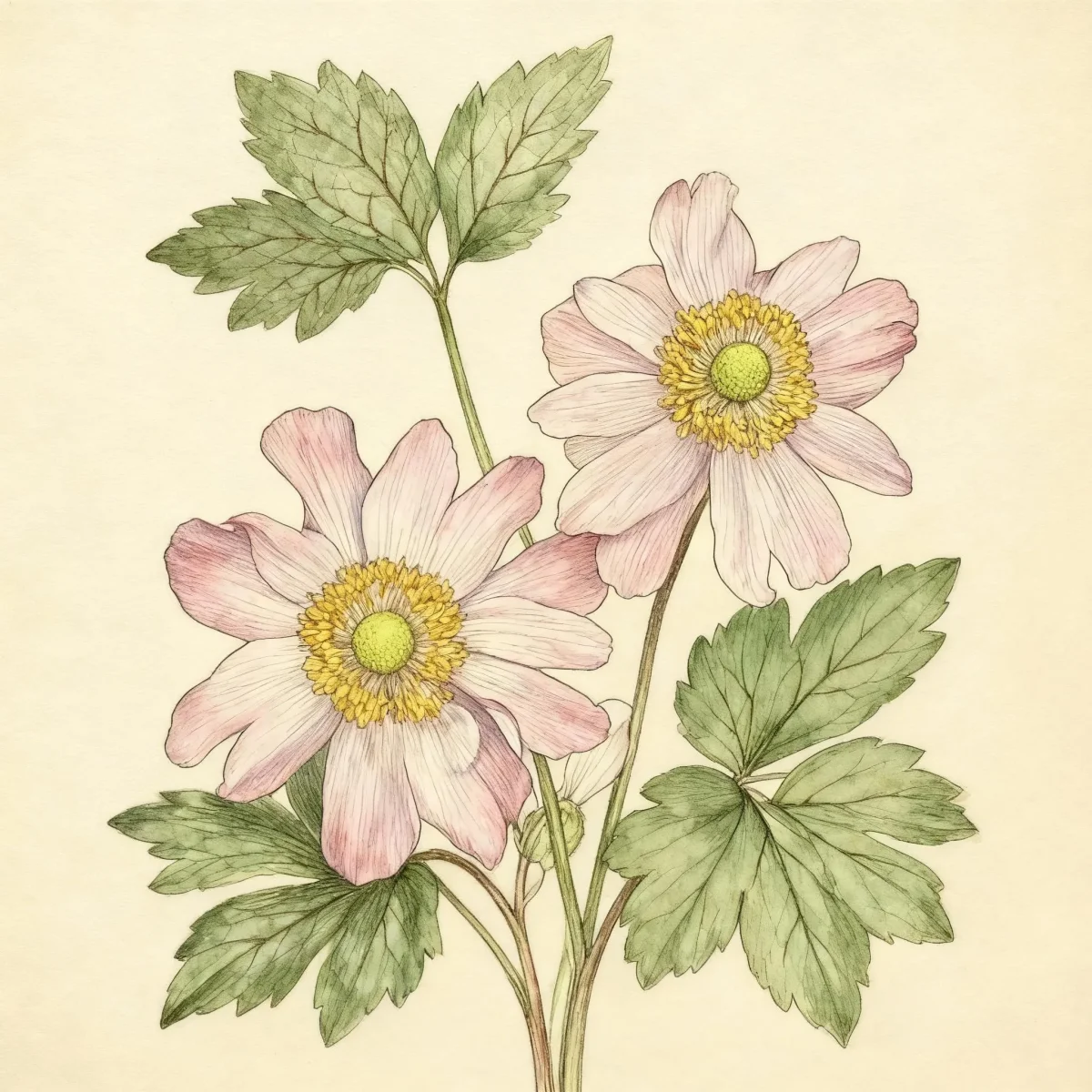
Windflower (Anemone canadensis)
Discover Anemone canadensis (Windflower), a showy native perennial blooming white flowers from April to June in moist sites.
Scroll down to discover growing tips, care requirements, companion plants, and more
Complete Plant Information
Overview
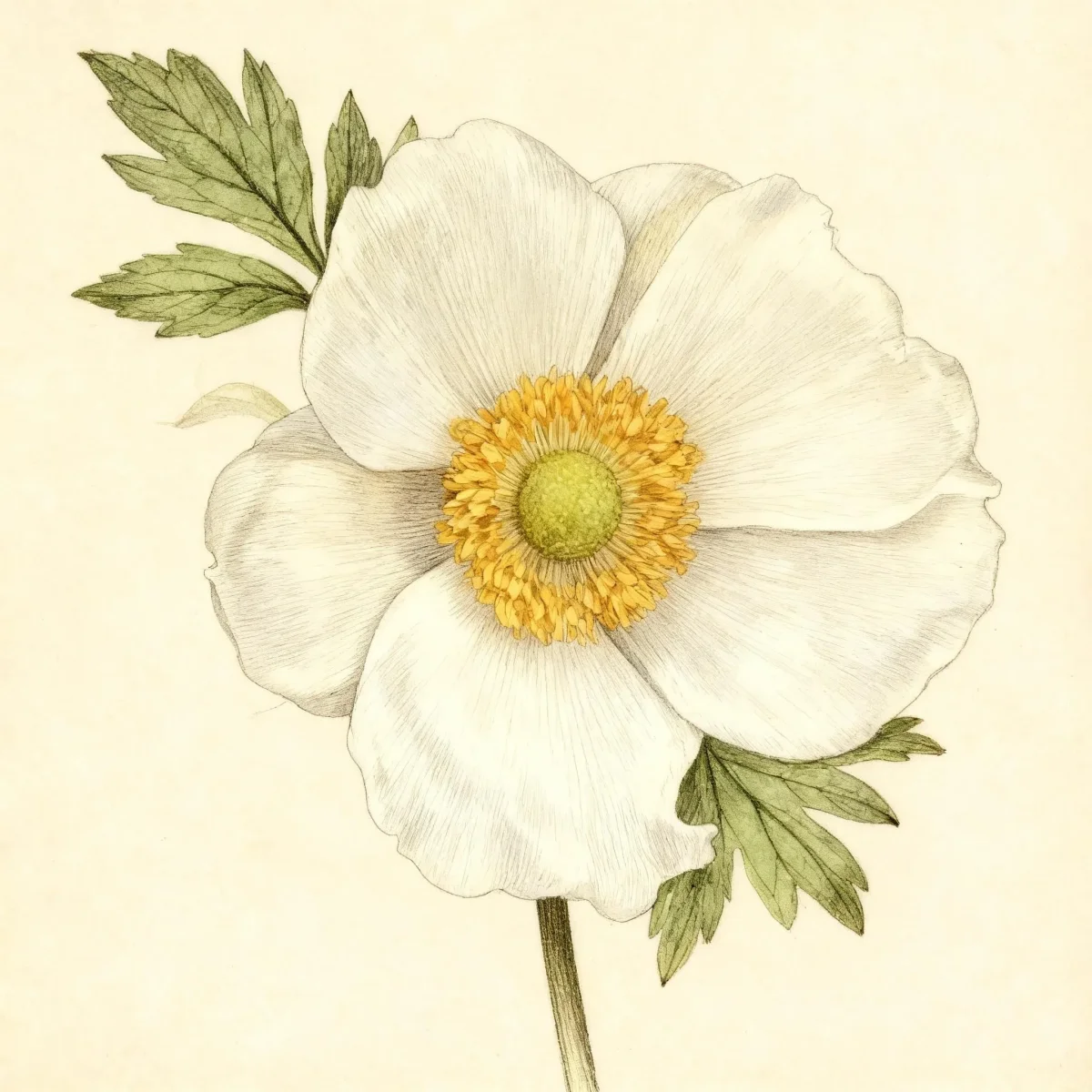
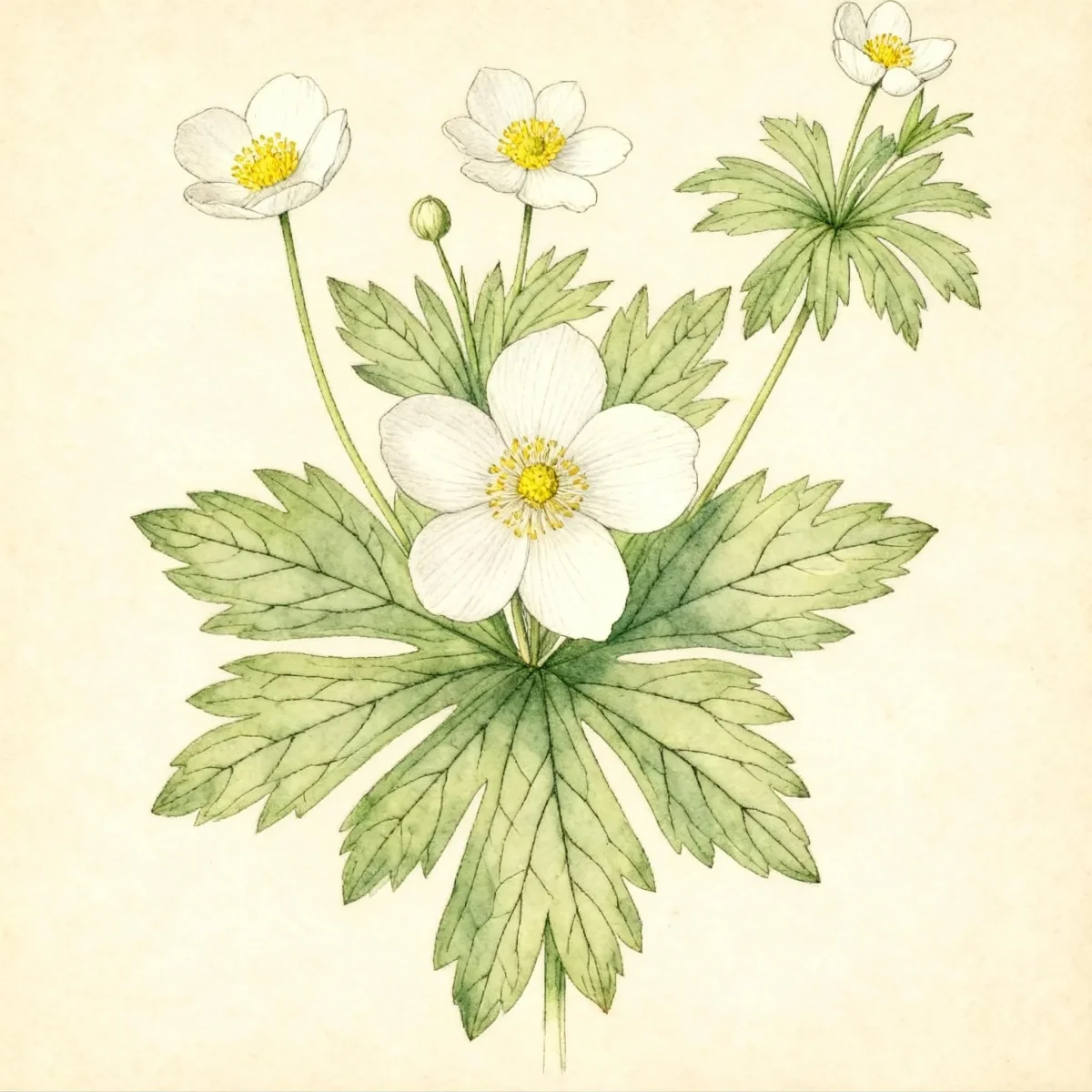
The Anemone canadensis, widely recognized as the Windflower, brings brilliant white spring color to native landscapes across North America. This herbaceous perennial is valued for its spectacular, upward-facing white blossoms featuring prominent yellow centers, making it a beautiful addition to moist garden areas. Anemone canadensis thrives naturally in riparian zones and meadows, indicating its preference for consistently moist soil conditions.
While commonly called Windflower, be aware that the delicate flower stems of Anemone canadensis can occasionally flop if sited in too much shade, which necessitates careful placement away from high winds if possible. Due to its rhizomatous nature, this plant spreads readily and is best employed where its colonization habit is desired, such as in mass plantings or naturalized drifts.
For gardeners seeking low-maintenance native plants that offer substantial foreground interest in spring, the Windflower provides an excellent, showy solution. Its adaptability to clay soil and wet conditions broadens the range of sites where this beautiful native can be successfully established.
Fast Facts
- Plant Family: Ranunculaceae
- Plant Type: Herbaceous perennial
- Native Range: North America
- Hardiness Zones: USDA Zones 3-8
- Size at Maturity:
- Height: 1-2 ft
- Spread: 2-2.5 ft
- Bloom Time: April to June
- Bloom Description: White
- Sun Exposure: Full sun to part shade
- Water Needs: Medium to wet
- Maintenance Level: Low
How to Grow
The best time to establish your Anemone canadensis is in the spring once the danger of hard frost has passed, though divisions can be made from May through September. This plant excels in average, medium to wet soils, preferring humus-rich environments, especially when sited in partial shade. While it tolerates full sun, ensure it receives adequate moisture if placed in hotter, sunnier spots, particularly in warm summer climates.
Maintenance for the Windflower is generally low, fitting well into naturalized settings. Consistent moisture is key; allow the soil to remain moist but ensure it is well-drained to prevent root issues. Fertilization is usually unnecessary in rich native soils. Taller flowering stems may benefit from support if planted in very shady areas where they tend to become leggy.
Propagate established clumps easily via division, which can be performed from late spring through early autumn. Because the rhizomes of this plant can spread somewhat aggressively, regular division may be necessary to keep it contained within a specific area of the garden, managing its natural tendency to naturalize.
Landscape Uses
The primary suggested use for Anemone canadensis is naturalizing, making it an ideal component for large-scale wildflower or native plant gardens where spreading is encouraged. The height and moisture needs of the Windflower pair perfectly with plants bordering streams, ponds, or water gardens, creating lush, green margins in the spring landscape.
As this plant forms colonies easily, use it to soften the transition between cultivated areas and wetter natural spaces. Its vigorous spring bloom provides early color before many summer perennials emerge. In a native border, consider pairing the Windflower with plants that tolerate similar damp conditions and flower later in the season to ensure continuous visual interest.
Standout Features
Flower Qualities
- Showy
- Good Cut
Noteworthy Characteristics
Anemone canadensis, commonly known as Canada anemone, meadow anemone or roundleaf anemone, is an herbaceous perennial of the buttercup family that produces an often spectacular bloom of apetalous, upward-facing, white flowers (to 2” diameter) which bloom in spring (April-June) atop erect hairy flowering stems (to 2’ tall) clad with broad, stalkless, deeply cut and sharply-toothed orbiculate leaves. Each flower features five showy petal-like white sepals and numerous contrasting yellow center stamens. Flower stems rise from a basal clump of deeply-dissected, long-stalked, 3-5 lobed basal leaves. Canada anemone is native to river margins, river flood plains, low moist meadows, ditches and moist thickets throughout southern Canada from Newfoundland to British Columbia and in the U.S from Maine to Montana south to West Virginia, Missouri, Kansas and scattered through the Rocky Mountains to New Mexico. It naturalizes easily (somewhat invasively in optimum growing conditions), and is often found growing in large colonies. In Missouri, concentrations are primarily found along the Missouri and Mississippi Rivers and their tributaries.Genus name is often said to be derived from the Greek word anemos meaning wind.Specific epithet is in obvious reference to the plant in part being native to Canada.Windflower is an often used common name for plants in the genus Anemone because the upright flower stems of most genus plants typically sway in the breeze. However, Canada anemone is a species that actually prefers a site protected from wind since strong winds can bend or break the thin flowerstalks
Tolerances
- Deer
- Clay Soil
Potential Problems
The Windflower generally presents no serious insect or disease issues, contributing to its low maintenance appeal. However, gardeners should remain vigilant for potential problems such as foliar nematodes that may feed within the leaves, potentially causing distortion. Fungal issues like leaf spot, downy mildew, rust, and powdery mildew can appear, especially where air circulation is poor or humidity remains high.
For pests, keep an eye out for caterpillars, flea beetles, and slugs, which may occasionally feed on the foliage. Management is often cultural; ensuring good air movement helps mitigate fungal outbreaks, and mechanical control or appropriate, targeted treatments can address heavy insect pressure. Taller plants, especially those leaning due to shade, may require simple staking or placement in a location naturally shielded from strong winds.
Frequently Asked Questions
What hardiness zones is Windflower suitable for?
Anemone canadensis is highly adaptable across USDA Zones 3 through 8.
When does Windflower bloom?
This plant offers its showy white blooms primarily from April to June.
How large does Anemone canadensis grow?
This perennial typically reaches a mature height between 1 and 2 feet, spreading outward 2 to 2.5 feet wide.
What sun exposure does Anemone canadensis need?
It performs best in full sun to part shade, thriving where it receives bright light but appreciates some protection from the harshest afternoon rays.
Conclusion
The Anemone canadensis, or Windflower, is an invaluable, easily grown native perennial that floods moist garden areas with brightness during the spring months. Its resilience in wet soils and clay soil makes it a practical choice for difficult sites, provided you appreciate its naturalizing habit. Always check your USDA hardiness zone compatibility before planning where to place your new colony of this showy native.
Propagation Tips
Propagation of Anemone canadensis is straightforward, relying primarily on its aggressive rhizomes. Division is the standard home gardening method, offering the quickest way to multiply your stock. Aim to divide clumps from May through September when the plants are actively growing but before severe cold sets in.
When dividing, carefully dig up the clump, separating the thick, creeping rhizomes into sections, ensuring each new piece has healthy roots and growth buds attached. Plant these divisions immediately into prepared, moist soil at the same depth they were previously growing, watering them in well to reduce transplant shock.
Because this species naturalizes so readily, it can quickly colonize a favorable area. Managing this spread through timely division not only controls its footprint but also provides free, healthy plants for expanding your native garden elsewhere or for sharing with fellow gardeners.
Companion Planting
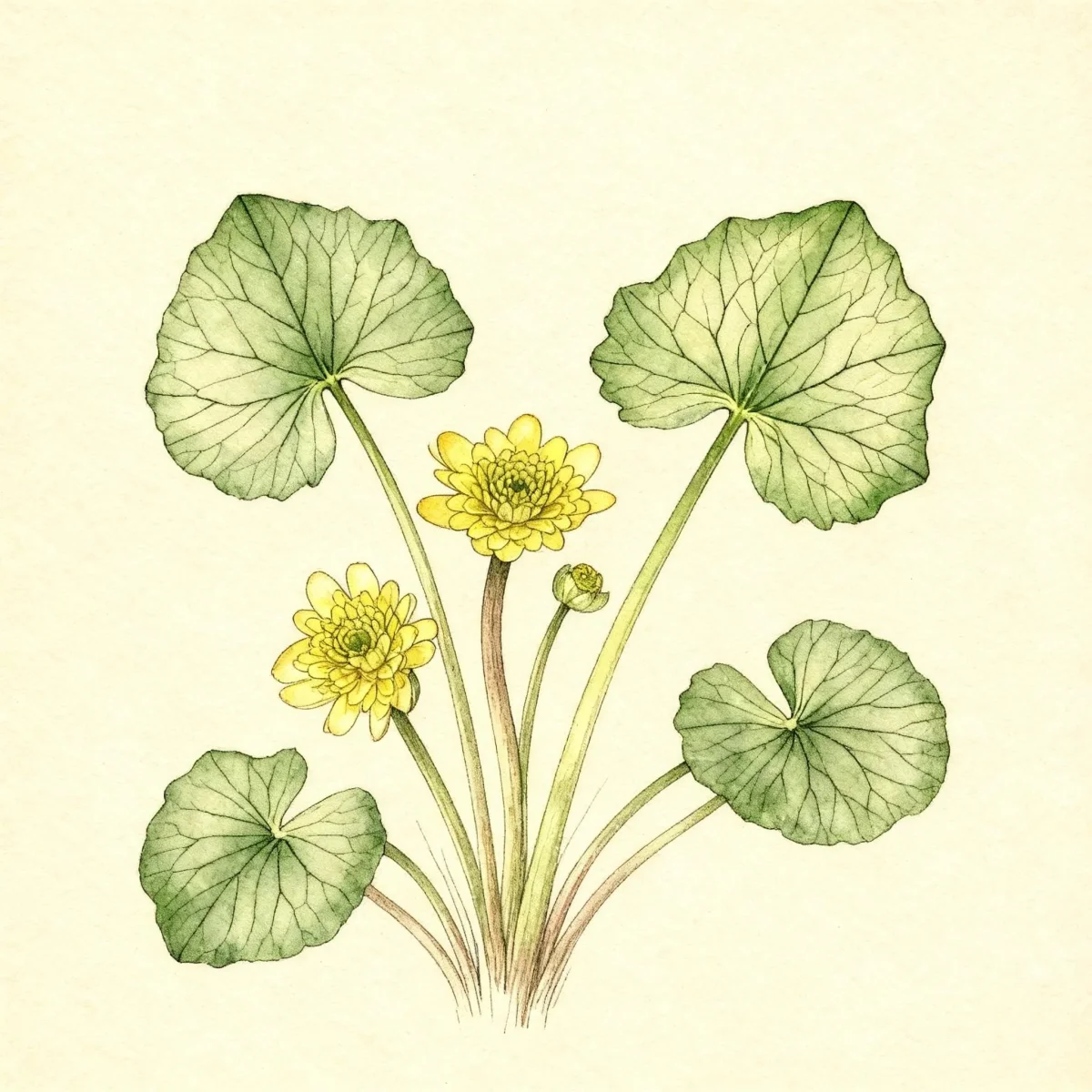
Given that the Windflower requires medium to wet soil and tolerates full sun only if kept consistently damp, companion plants should share these moisture-loving characteristics. Excellent partners for Anemone canadensis include native wetland edge species like Cardinal Flower (Lobelia cardinalis), various ferns that thrive in damp shade, or other moisture-loving woodland edge plants such as Marsh Marigold (Caltha palustris).
When selecting companions, consider plant height and bloom time to ensure visual harmony throughout the season. Since the Windflower finishes blooming relatively early (by June), pairing it with later-blooming native grasses or moisture-tolerant perennials will ensure the area remains interesting after the white flowers fade. Choosing plants with differing foliage textures also enhances visual appeal when the spring color display is past its peak.