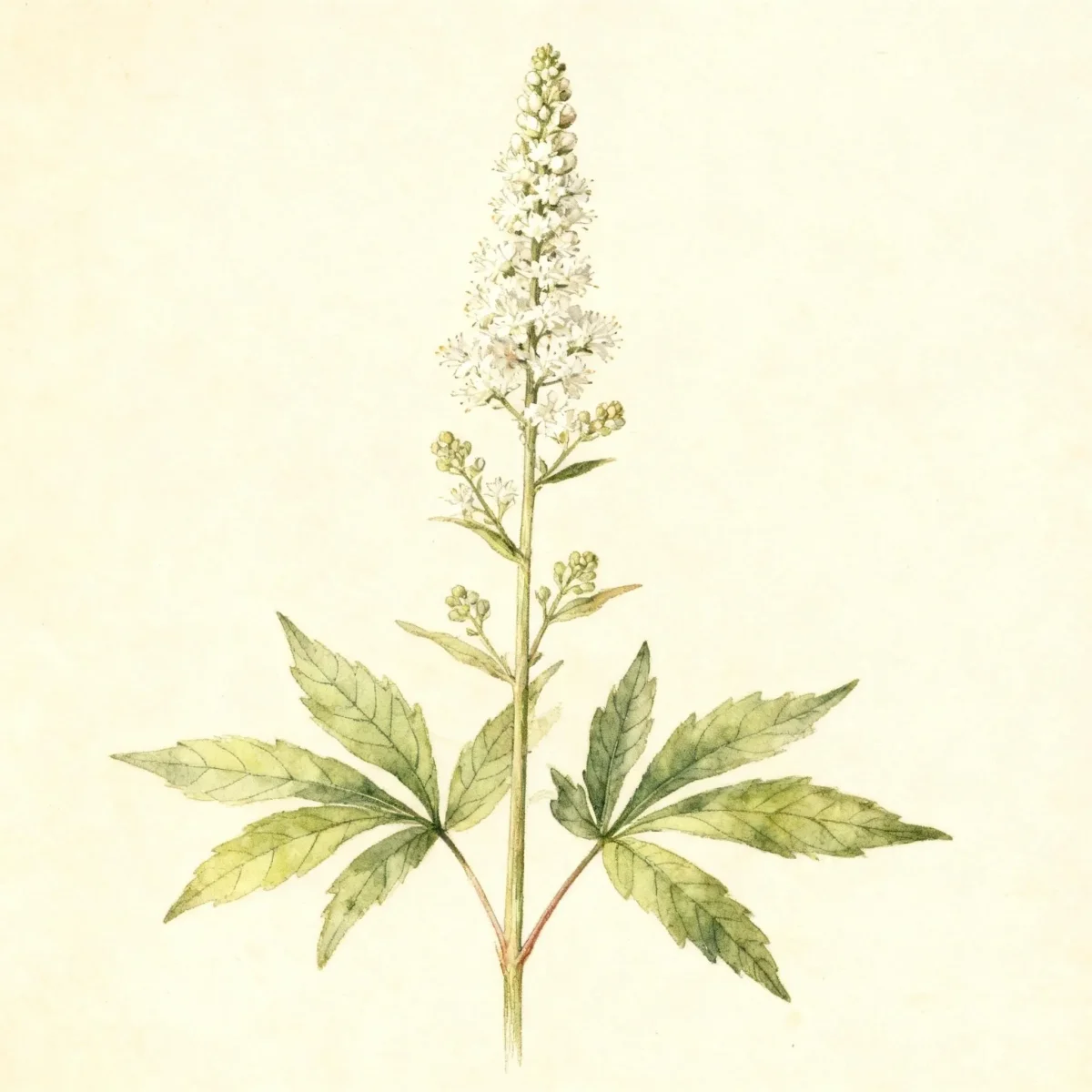
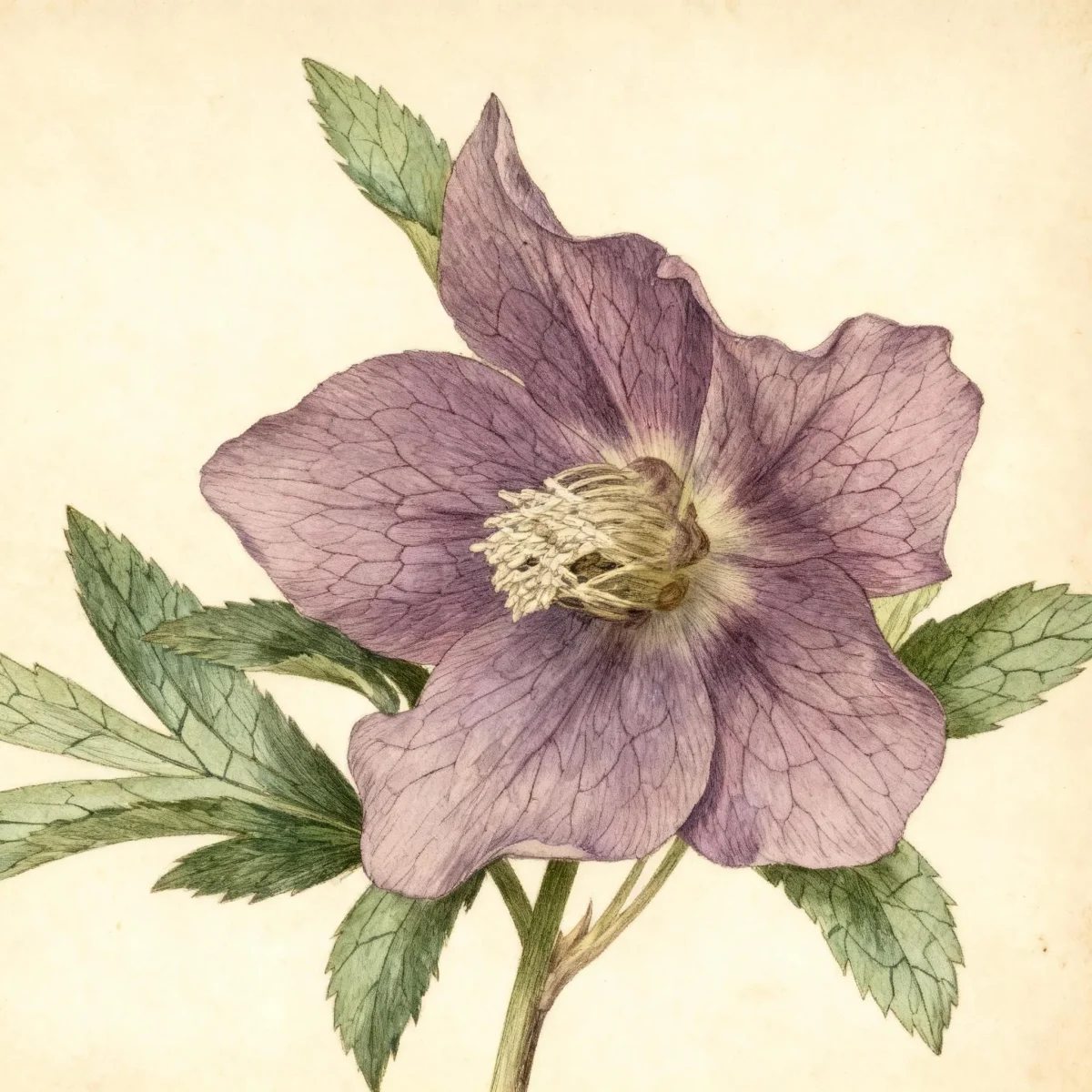
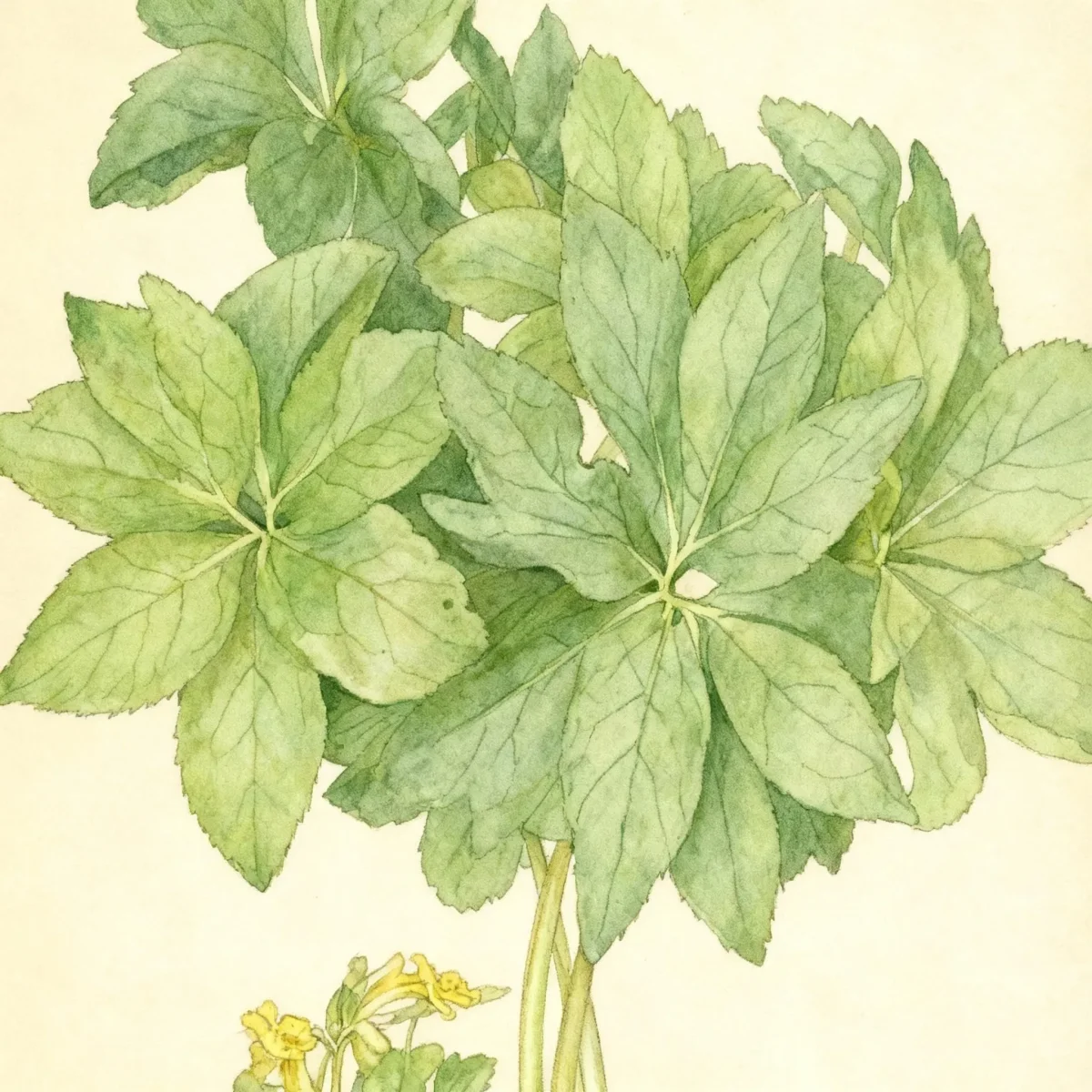
Thalictrum (Thalictrum pubescens)
Thalictrum pubescens, or tall meadow rue, offers airy white summer blooms. A low-maintenance perennial for moist, shaded woodland gardens.
Scroll down to discover growing tips, care requirements, companion plants, and more
Complete Plant Information
Overview
Thalictrum pubescens, known commonly as tall meadow rue, brings an elegant, airy texture to shaded garden spaces. This rhizomatous perennial distinguishes itself with masses of tiny, starry white flowers held high above complex blue-green foliage, reminiscent of columbine leaves. It is a valuable structural plant, often reaching impressive heights in ideal woodland settings.
As a low-maintenance choice, Thalictrum thrives in consistent moisture, making it perfect for pond peripheries or low spots where water tends to collect. Its delicate flowers contrast beautifully with bolder, deep-green foliage found elsewhere in the shade garden. The visual impact of a stand of Thalictrum pubescens in mid-summer is unmatched for textural interest in dappled light.
Gardeners value this native perennial for its resilience and the soft, cloud-like effect its blooms create. Successful cultivation of Thalictrum relies primarily on ensuring adequate water availability, particularly during hot summer months to prevent foliage yellowing.
Fast Facts
- Plant Family: Ranunculaceae
- Plant Type: Herbaceous perennial
- Native Range: Canada, United States
- Hardiness Zones: USDA Zones 3-8
- Size at Maturity:
- Height: 3-7 ft
- Spread: 2-3 ft
- Bloom Time: June to August
- Bloom Description: White
- Sun Exposure: Part shade to full shade
- Water Needs: Medium to wet
- Maintenance Level: Low
How to Grow
Plant Thalictrum pubescens in the spring or fall in average, well-drained soil that is kept consistently moist. This perennial prefers rich, humusy soil that mimics its native woodland environment, thriving best in part shade or dappled sunlight. While it can tolerate full sun, this exposure requires meticulous attention to moisture, as the foliage of Thalictrum quickly yellows if allowed to dry out during the summer heat.
Watering should be routine; maintain medium to wet soil conditions, especially for established clumps to ensure robust summer performance. Due to its potential height, taller stems of Thalictrum often benefit from staking before they reach their peak bloom period to prevent flopping. Little fertilization is generally needed if the native soil is organically rich.
Maintenance is minimal. If the foliage begins to look unsightly after the primary bloom flush, you may cut the plants back; they can also be allowed to stand, as they may self-seed gently in optimal conditions. Since this plant is low-maintenance, focus on site preparation rather than intensive feeding or pest control.
Landscape Uses
The impressive stature of Thalictrum pubescens makes it an excellent choice for the rear of deep borders, providing height and an airy screen. Its moisture requirements suggest ideal placement near pond peripheries, wet meadows, or in low areas of the garden where soil remains continuously moist. This tall meadow rue naturalizes well, blending beautifully into wildflower meadows or recreating the layered look of successful woodland gardens.
Consider using this species as a vertical accent in informal settings like cottage gardens, where its fine texture complements the bolder leaves of hostas or the vertical stalks of delphiniums (in slightly shadier spots). Because Thalictrum establishes itself readily, it is a fantastic selection for naturalizing large sections of the landscape where minimal intervention is desired after establishment.
Standout Features
Flower Qualities
- Showy
- Good Cut
Noteworthy Characteristics
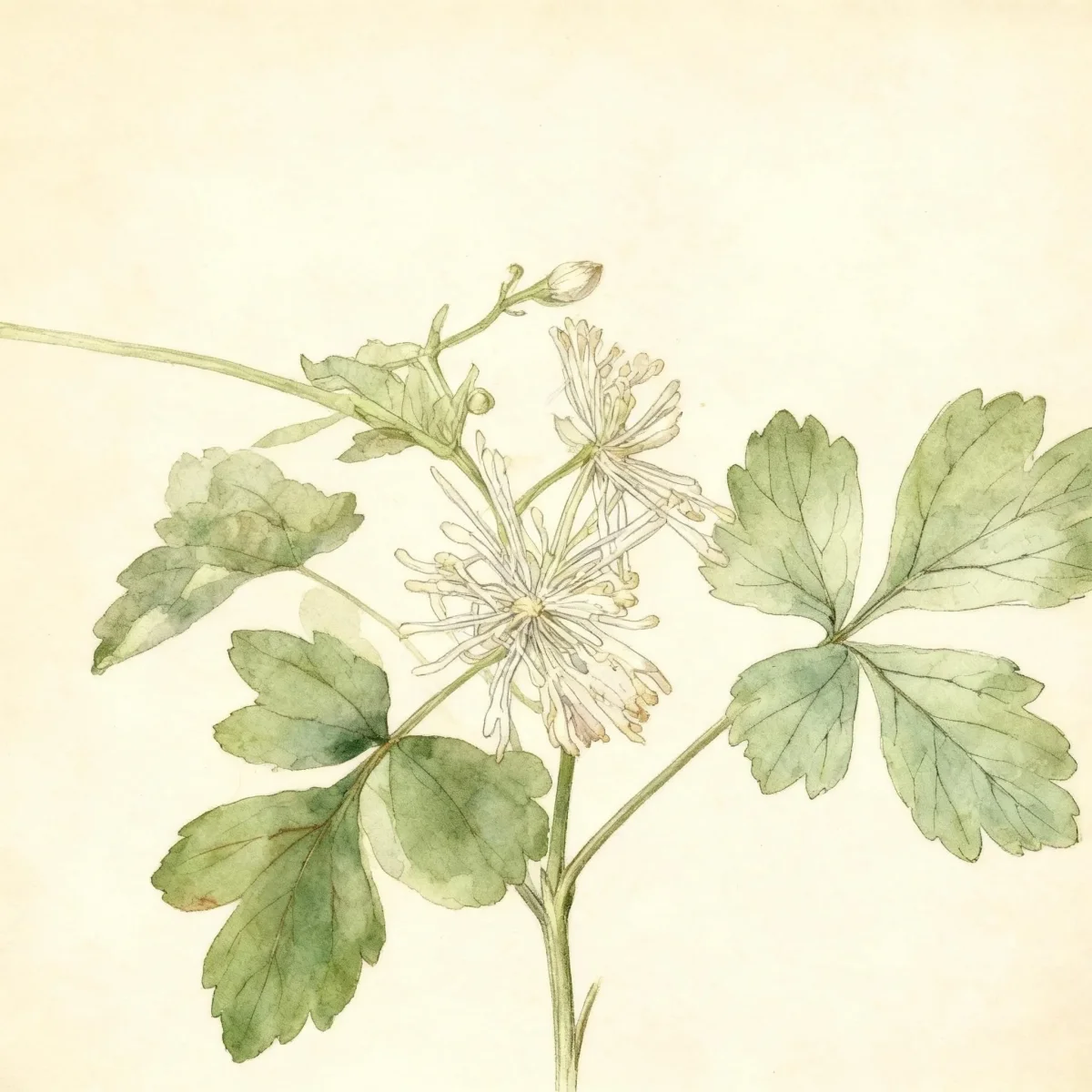
Thalictrum pubescens, commonly known as tall meadow rue, is a rhizomatous, clump-forming perennial that typically grows to 3-7’ tall and to 3’ wide. Tiny starry apetalous white flowers bloom from mid-June to August in fluffy many-flowered inflorescences, with the white color derived primarily from the showy, thread-like stamens extending outward in a starburst pattern. The leaves are ternately and pinnately decompound, reminiscent of columbine foliage, providing excellent backdrop texture throughout the season.
Tolerances
- Rabbit
- Deer
Potential Problems
Thalictrum pubescens is rarely bothered by serious insect pests or diseases, contributing to its low-maintenance profile. However, in humid conditions or poor airflow, fungal issues can occasionally surface. Watch for powdery mildew, smut, or rust, which may appear on the foliage later in the season. Good air circulation, achieved by proper spacing, helps mitigate the risk of these fungal developments.
Frequently Asked Questions
What hardiness zones is Thalictrum suitable for?
Thalictrum pubescens is highly adaptable across a broad range, thriving in USDA Zones 3 through 8.
How large does Thalictrum grow?
This tall meadow rue commonly reaches mature heights between 3 and 7 feet, spreading to about 2 to 3 feet wide.
What sun exposure does Thalictrum need?
Thalictrum generally prefers part shade to full shade; ensure soils are kept uniformly moist if attempting to grow it in areas that receive full sun.
When does Thalictrum bloom?
This plant displays its white, airy flowers consistently from June through August.
Conclusion
For gardeners seeking height, texture, and low-fuss performance in shaded, moist environments, Thalictrum pubescens stands out as an excellent native perennial. The ethereal white blooms of this Thalictrum provide essential mid-summer interest where many other woodland plants are finishing their show. Assess your soil moisture levels now to determine if this stunning tall meadow rue is the right textural element for your moist, shaded garden site this planting season.
Companion Planting
When designing a space for Thalictrum pubescens, select companions that appreciate similar moist, shady conditions and offer contrasting leaf habits. Ferns, such as Japanese Painted Ferns or Ostrich Ferns, share the woodland aesthetic and thrive in the same low-light, damp soils. Tall meadow rue also pairs well with larger-leaved shade lovers like Rodgersia or Astilbe, whose dense blooms contrast nicely with the light, airy structure of the Thalictrum flowers.
Propagation Tips
The most straightforward method for increasing your stock of Thalictrum is through seed or division. Plants grown from seed may self-seed readily if conditions are optimal, though this process can be slow. For quicker results, divide mature clumps in early spring before new growth emerges. Ensure each division has a healthy portion of the rhizomatous root structure to guarantee successful reestablishment in its preferred medium to wet soil.