False bugbane (Trautvetteria caroliniensis)
Discover False bugbane (Trautvetteria caroliniensis), a low-maintenance perennial for moist shade, known for its white, fragrant summer blooms.
Scroll down to discover growing tips, care requirements, companion plants, and more
Complete Plant Information
Overview
Trautvetteria caroliniensis, commonly recognized as false bugbane, is a distinctive herbaceous perennial highly valued for its ability to thrive in deep shade where many other plants struggle. This stout, rhizomatous plant brings vertical interest to woodland settings with its upright branching stems topped by lovely white flowers. Gardeners appreciate this native species for its low maintenance requirements and its tolerance for consistently damp conditions.
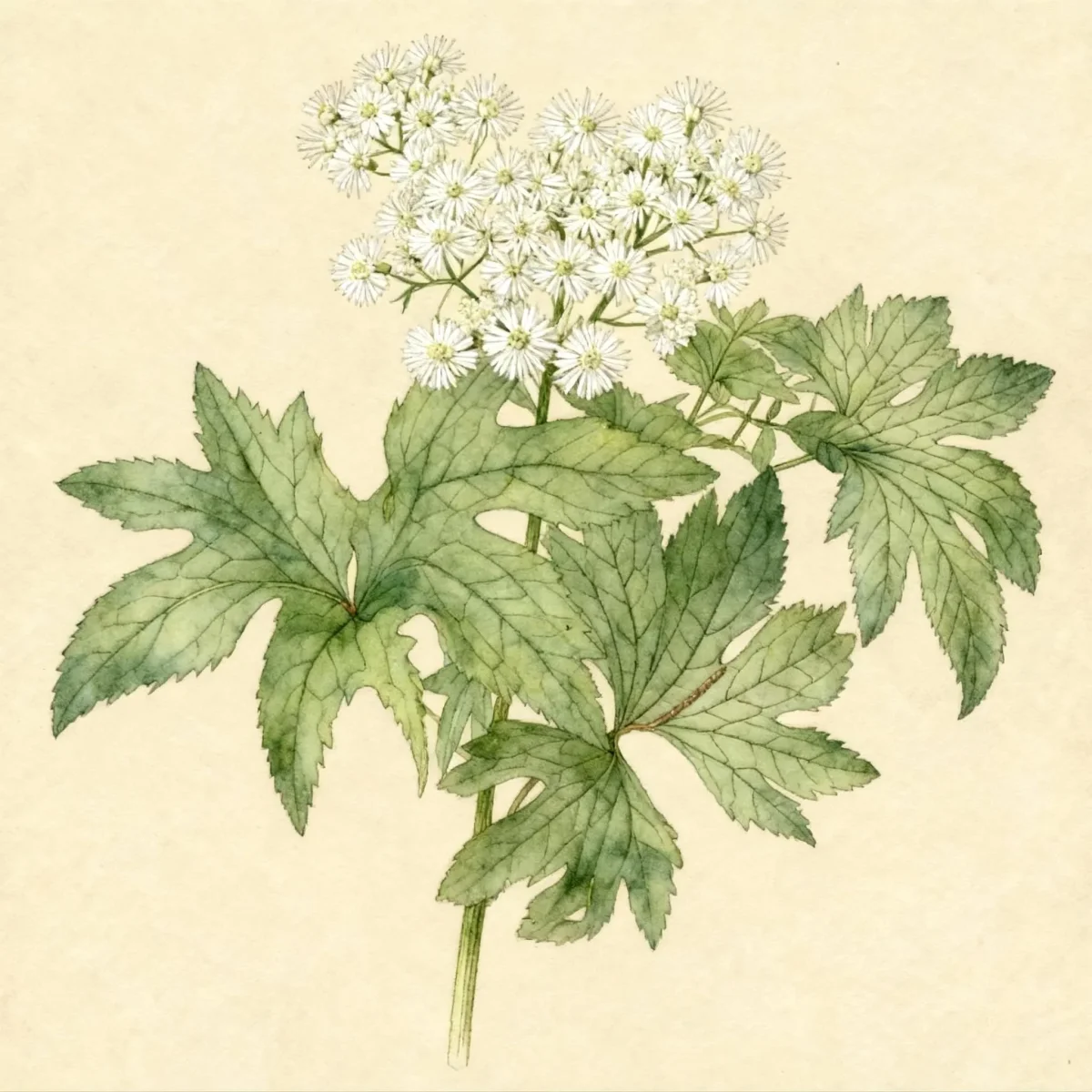
This member of the buttercup family is native to moist mountain woods and streambanks in the eastern United States. Trautvetteria caroliniensis spreads slowly to form attractive colonies, making it an excellent choice for naturalizing in suitable, rich, humusy soils. The leaves are deeply lobed and palmately divided, adding texture throughout the growing season until the summer bloom period.
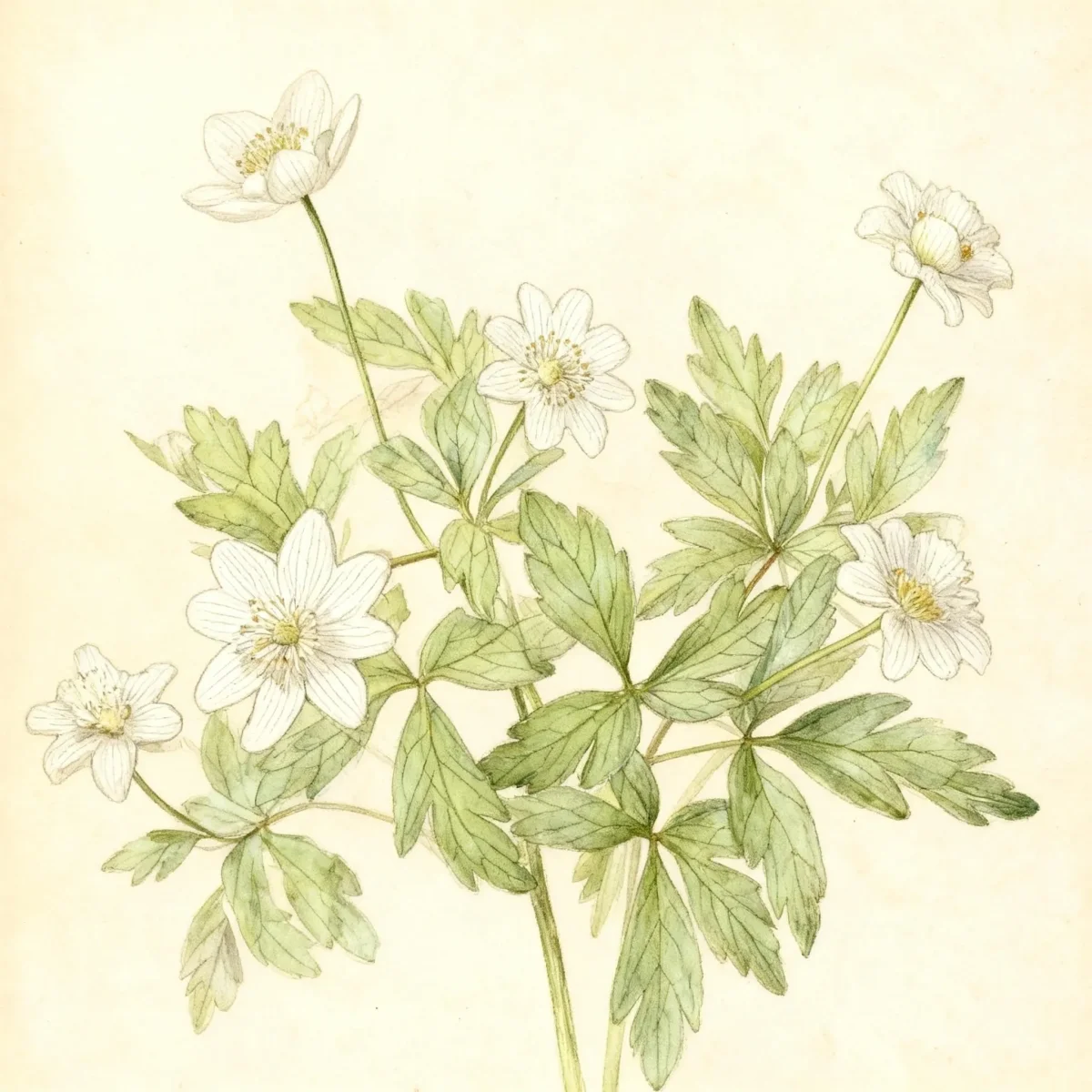
The flowers of false bugbane are subtly showy, featuring white filaments that resemble tassels due to early petal drop, and they release a pleasant fragrance. If you manage consistently moist or wet low spots in your landscape, implementing Trautvetteria caroliniensis offers a robust, native solution that requires minimal intervention once established.
Fast Facts
- Plant Family: Ranunculaceae
- Plant Type: Herbaceous perennial
- Native Range: Northeastern United States
- Hardiness Zones: USDA Zones 5-8
- Size at Maturity:
- Height: 2-4 ft
- Spread: 2-4 ft
- Bloom Time: June to August
- Bloom Description: White
- Sun Exposure: Part shade to full shade
- Water Needs: Medium to wet
- Maintenance Level: Low
How to Grow
For optimal establishment, plant Trautvetteria caroliniensis in locations that provide moist to wet, organically rich, fertile soil. While it tolerates full shade, the plant performs best when situated in sun-dappled part shade. Ensure the soil does not dry out, as this perennial requires consistent moisture throughout the growing season to thrive.
Maintenance for false bugbane is generally low. Avoid fertilizing unless the soil is notably deficient; focus instead on enriching the soil with compost yearly to maintain high organic matter levels. Pruning is usually unnecessary, allowing the plant to perform its natural self-seeding and spreading habits.
Propagation of Trautvetteria caroliniensis is straightforward. Divide the rhizomes in the spring to increase your existing clumps or allow it to self-seed naturally in favorable, moist spots. This gradual spreading helps the plant establish the colonies for which it is known, especially useful in large, naturalized plantings.
Landscape Uses
False bugbane excels in landscape designs that mimic its native woodland habitat. Its stature and moisture needs make it an ideal inclusion for borders along streams, raked shade gardens, or surrounding pond margins where the soil stays consistently saturated. Consider using Trautvetteria caroliniensis to naturalize large, low-lying sections of property that remain too damp for drier woodland perennials.
In native plant gardens, this species integrates well with other moisture-loving woodland natives such as wild ginger or ferns that appreciate similar shade and humidity. Its height allows it to serve as a mid-layer background element, contrasting nicely with lower-growing groundcovers. The overall effect is a lush, textured shade garden that requires minimal input once established.
Standout Features
Flower Qualities
- Showy
- Fragrant
Noteworthy Characteristics
Trautvetteria caroliniensis, commonly known as false bugbane, is a stout, branched, rhizomatous perennial of the buttercup family that typically grows to 2-4’ tall. It is native primarily to moist mountain woods, ravines, and streambanks in the eastern U. S. Leaves are deeply and palmately divided into 5-11 sharply toothed lobes. The corymbiform clusters of white flowers bloom in summer, featuring showy tassels of stamens that are pleasantly fragrant.
Tolerances
- Heavy Shade
- Erosion
- Wet Soil
Potential Problems
False bugbane generally exhibits exceptional disease and insect resistance, making it a very reliable choice for low-maintenance gardening. There are typically no serious, recurring pest or disease problems that require chemical intervention. Gardeners should remain aware that, like many members of the buttercup family, this plant contains the compound protoanemonin, which can cause skin irritation (redness or blistering) upon contact.
Handle the plant with gloves, especially when dividing the rhizomes or managing cut foliage, to prevent contact dermatitis. Otherwise, successful cultivation of Trautvetteria caroliniensis focuses entirely on meeting its cultural needs—specifically providing abundant moisture and rich soil in shaded areas—rather than managing pests.
Frequently Asked Questions
What hardiness zones is False bugbane suitable for?
Trautvetteria caroliniensis thrives across USDA Zones 5 through 8, offering reliable perennial performance across these regions.
How large does False bugbane grow?
This herbaceous perennial typically matures to a height between 2 and 4 feet, with a similar spread of 2 to 4 feet once established.
When does Trautvetteria caroliniensis bloom?
False bugbane produces its white, fragrant flower clusters during the summer months, generally running from June through August.
What sun exposure does Trautvetteria caroliniensis need?
This plant prefers part shade but is highly adaptable and can tolerate full shade, especially where summer heat is intense.
Conclusion
For gardeners seeking a robust, low-maintenance native perennial for perpetually damp, shaded environments, Trautvetteria caroliniensis is an outstanding choice. Its showy, fragrant summer blooms and high tolerance for wet soil make false bugbane an invaluable asset in woodland settings. Before planting, confirm that your garden sits within USDA Zones 5-8 and that you can replicate its natural need for moist, humus-rich earth.
Companion Planting
When selecting companions for Trautvetteria caroliniensis, prioritize other moisture-loving, shade-tolerant species that share its native range and cultural needs. Large ferns, such as Ostrich Fern (Matteuccia struthiopteris) or various Dryopteris species, are excellent partners, offering textural contrast to the deeply lobed leaves of false bugbane. Consider adding Astilbe or moisture-loving Hosta varieties for complementary foliage mass in the mid-level of the shade garden.
Roseroot (Sedum rosea) or native Trilliums can also work well if planted slightly higher on a slope adjacent to the wetter area where Trautvetteria caroliniensis resides, provided their soil doesn’t dry out too quickly. A planting scheme mixing these elements creates a rich, multi-layered native woodland aesthetic that remains vibrant throughout the growing season while supporting local ecology.
Propagation Tips
Trautvetteria caroliniensis is primarily propagated through division or by seed. Division is recommended for maintaining mature characteristics and is best performed in the spring as new growth begins to emerge. To divide, carefully lift the clump and gently separate the rhizomatous root sections, ensuring each division has several healthy buds attached.
For those wishing to propagate from seed, harvest seed heads promptly after maturation in late summer or fall. Sow seeds into a prepared, moist seed-starting mix. As this species often requires specific conditions to break dormancy, consider cold stratification or planting the seeds in an outdoor nursery bed to mimic natural overwintering cycles for the best germination rates of false bugbane.