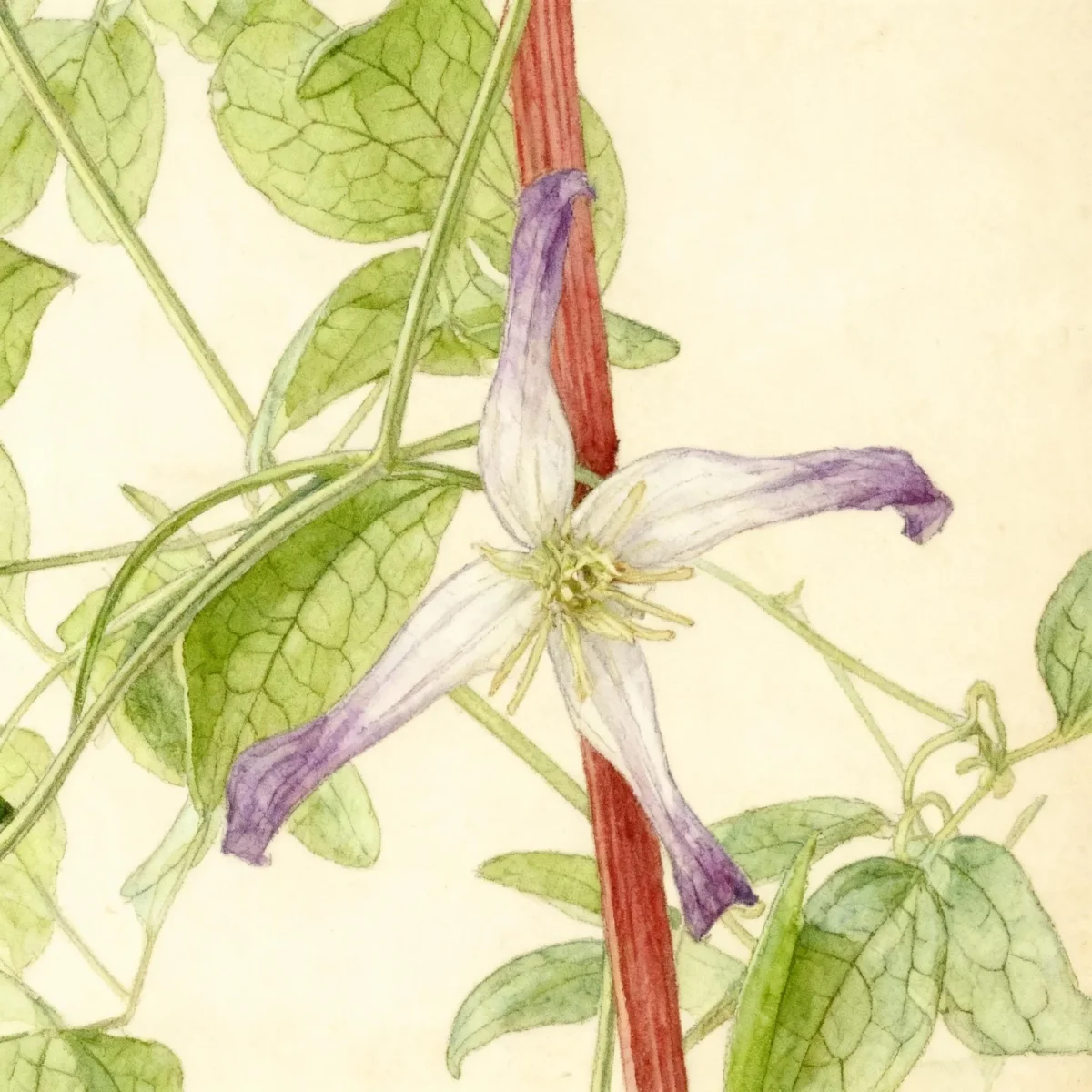
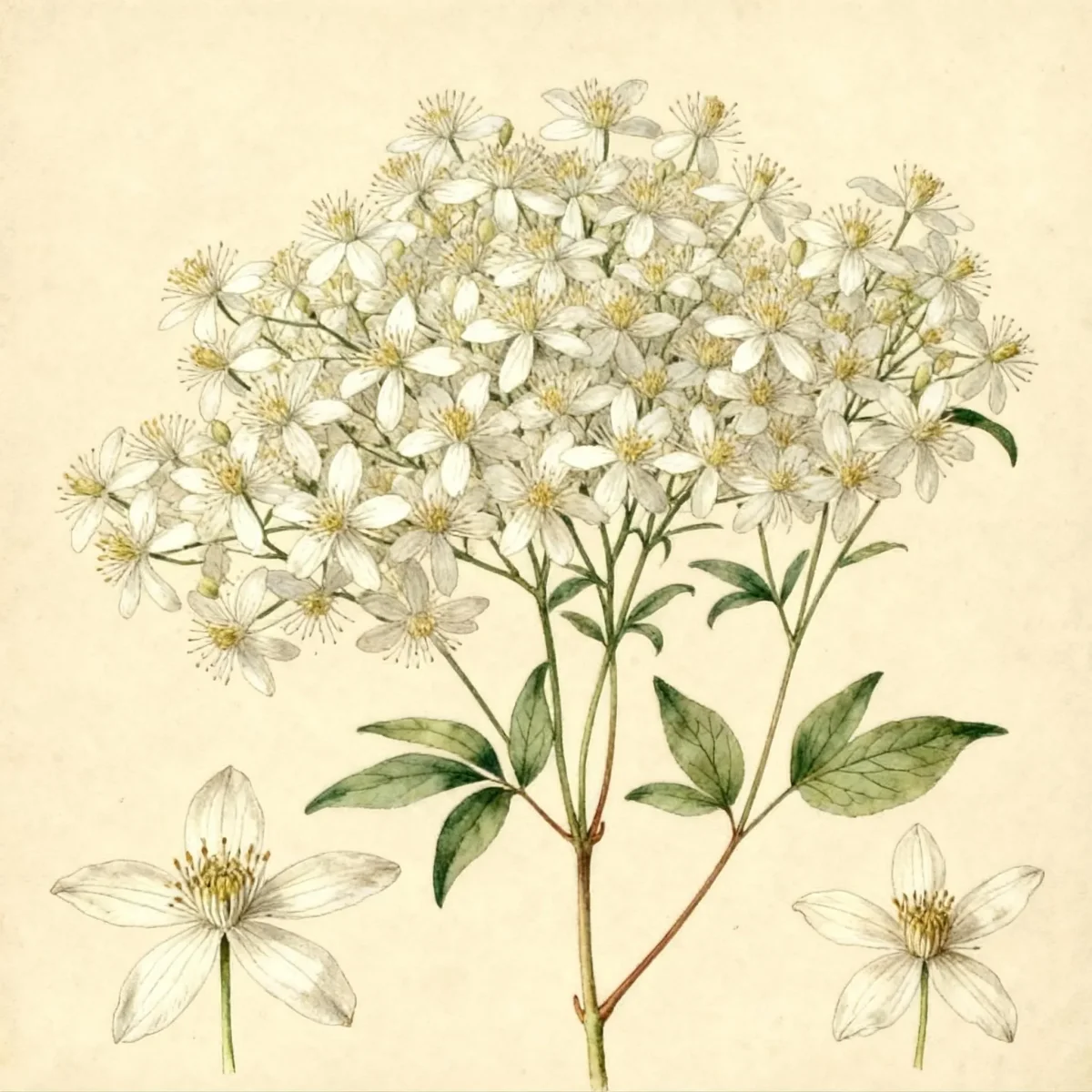
Blue jasmine (Clematis crispa)
Discover the unique curly clematis, Clematis crispa (Blue jasmine), native to the Southeast, perfect for wet soils.
Scroll down to discover growing tips, care requirements, companion plants, and more
Complete Plant Information
Overview
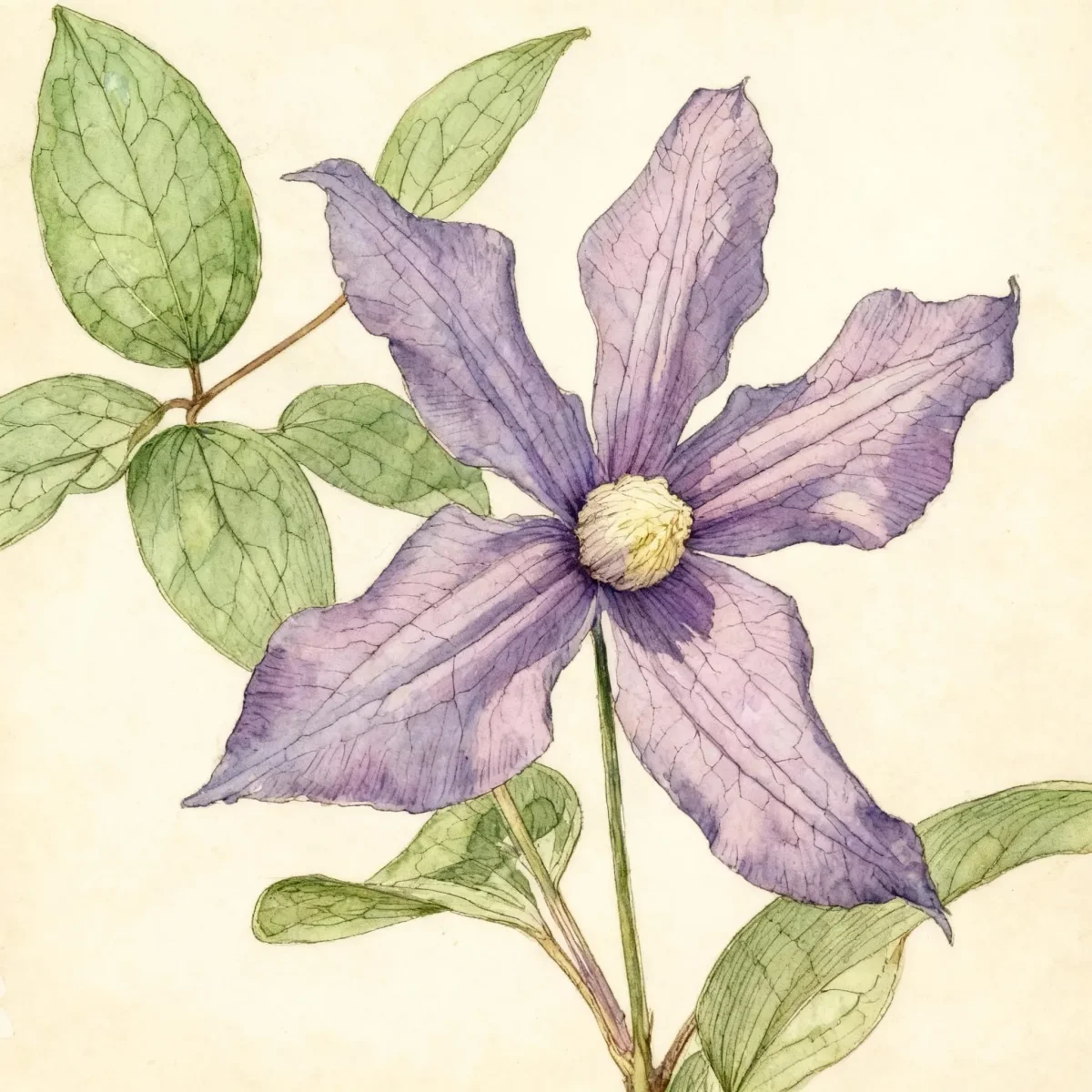
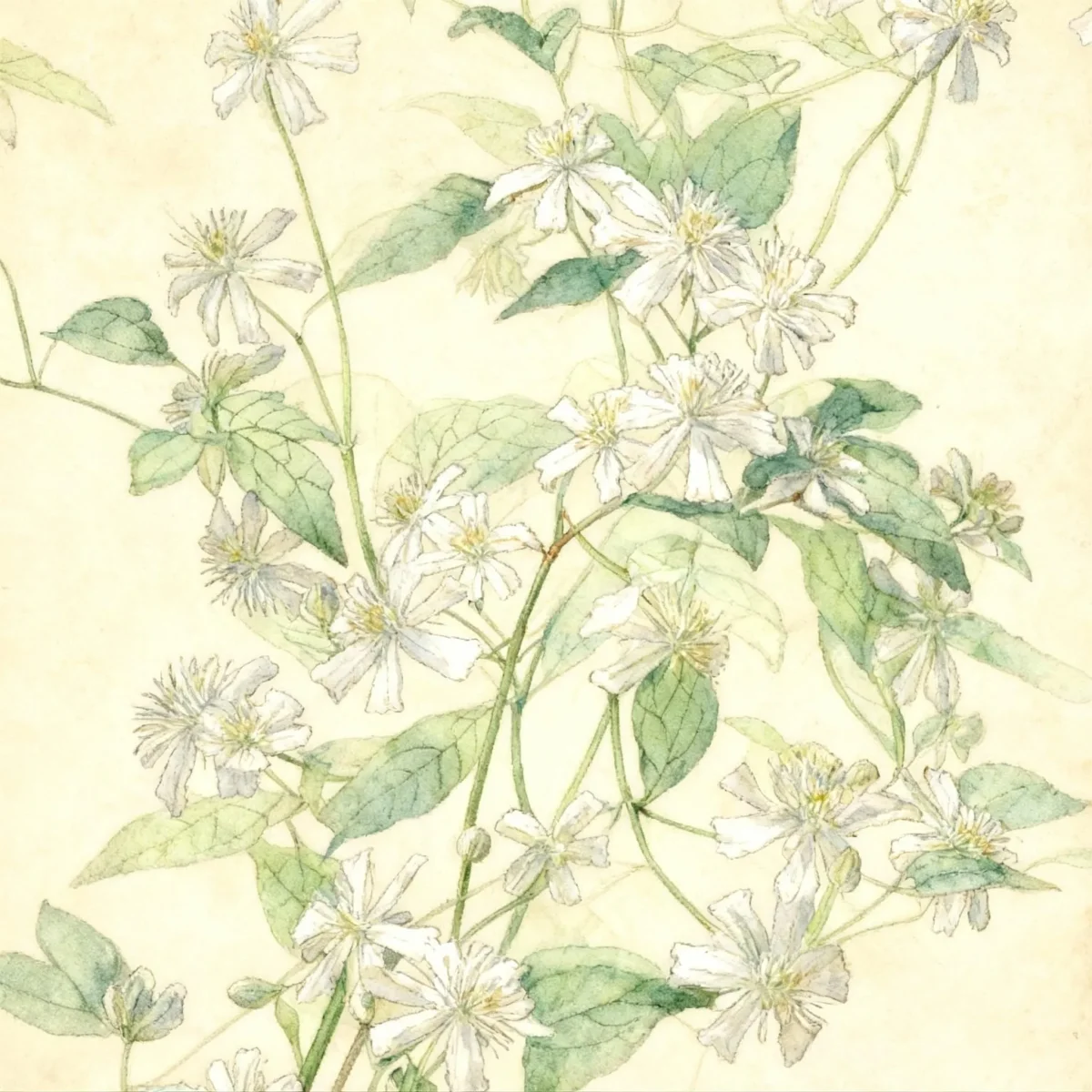
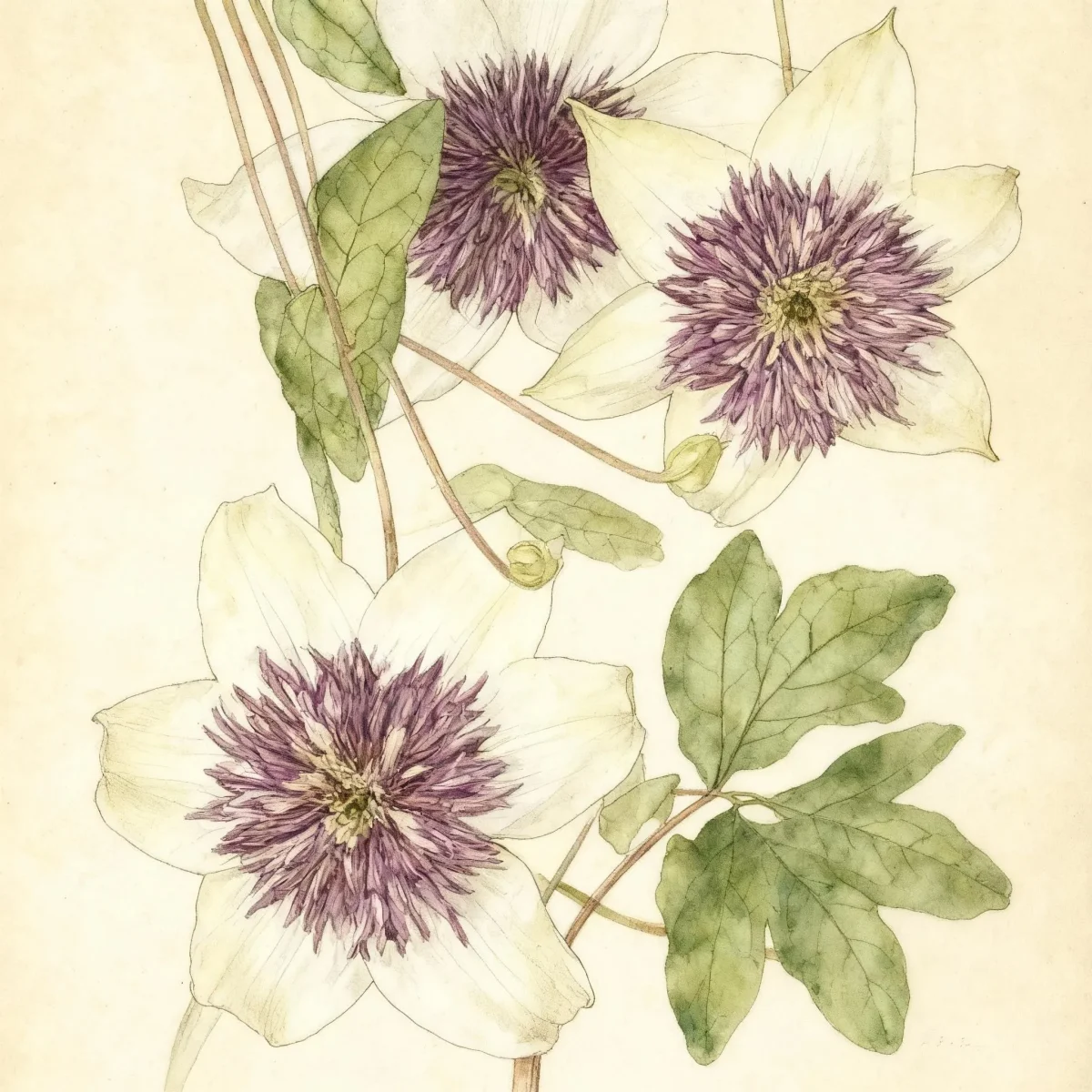
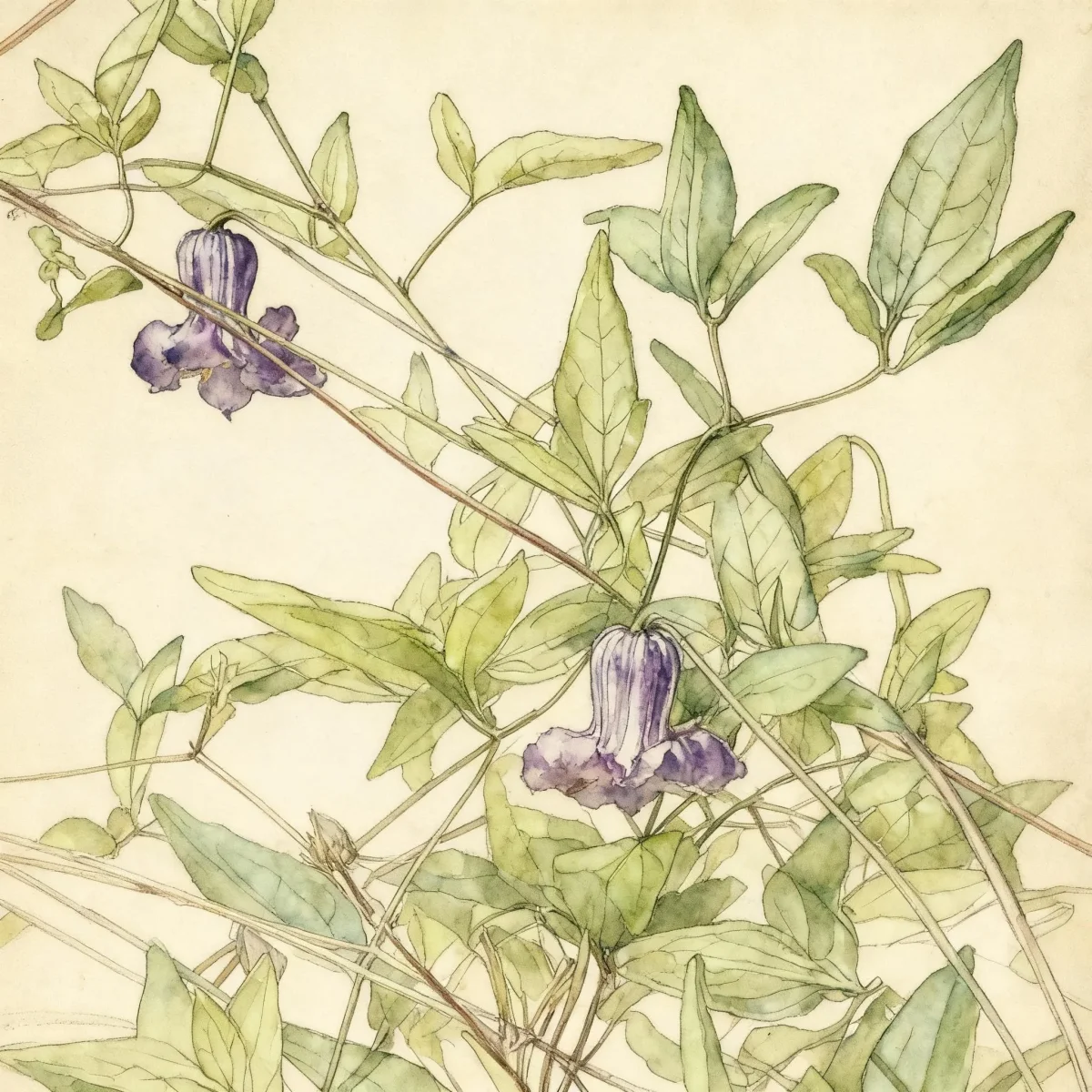
The Clematis crispa, commonly known as Blue jasmine, is a graceful, semi-woody twining vine highly valued for its distinctive, nodding, bell-shaped flowers. Its unique bloom color, ranging from pale blue to violet with a contrasting white interior, draws the eye in late spring and early summer. This native vine thrives in consistently moist environments, making it an excellent choice for specialized landscape niches.
This versatile plant offers both aesthetic appeal and functional height, reaching six to ten feet tall. Blue jasmine provides excellent architectural framework or acts as a naturalizing ground cover in the right conditions. Gardeners appreciate this species for its tolerance to wet feet and its resistance to deer browsing, traits not common among all clematis varieties.
Cultivars of the Clematis crispa offer a native solution for adding vertical interest to rain gardens or areas near water features. Successful cultivation relies on providing the consistent moisture this species demands and ensuring its root zone remains cool and shaded throughout the heat of summer.
Fast Facts
- Plant Family: Ranunculaceae
- Plant Type: Vine
- Native Range: Southeastern United States
- Hardiness Zones: USDA Zones 6-9
- Size at Maturity:
- Height: 6-10 ft
- Spread: 3-6 ft
- Bloom Time: May to July
- Bloom Description: Pale blue to violet with white interior
- Sun Exposure: Full sun to part shade
- Water Needs: Medium to wet
- Maintenance Level: Medium
How to Grow
The best time to plant Clematis crispa is during the cool, moist conditions of spring or fall. Site your vine where it receives full sun to partial shade, paying close attention to soil conditions; it demands fertile, consistently medium to wet soil. A critical requirement for this species is keeping its roots cool and shaded while the foliage enjoys the sun, often achieved by planting low-growing perennials around the base.
Watering needs are high, requiring consistently moist, even wet, soil, especially during establishment and the growing season. Because the heavy growth demands adequate nutrients, ensure plants have a steady supply during this period. Since bloom occurs on new, current-year growth, any necessary pruning should be timed appropriately for this late-flowering group.
A unique seasonal characteristic is that Clematis crispa plants often die back to the ground in winter. This implies that gardeners should anticipate spring cleanup of dead material. For gardeners located near the northern edge of its range, such as the St. Louis area, providing root protection like a thick layer of straw mulch is wise to ensure reliable winter survival.
Landscape Uses
Blue jasmine is perfectly suited for areas where consistently moist soil is a given, such as along the edges of ponds, bioswales, or in native plant gardens. Use its vining habit to cover structures like arbors, trellises, or fences, providing vertical interest up to ten feet. Its ability to sprawl means it can also beautifully soften older tree stumps or cascade over large, established shrubs.
This vine provides excellent architectural height, acting as a screen or backdrop in a layered border design. When planting, pair it with moisture-loving companions that can help shade its roots, such as ferns or moisture-retentive hostas, ensuring those companions don’t aggressively compete for space near the base of the Clematis crispa.
Standout Features
Flower Qualities
- Showy
- Fragrant
Noteworthy Characteristics
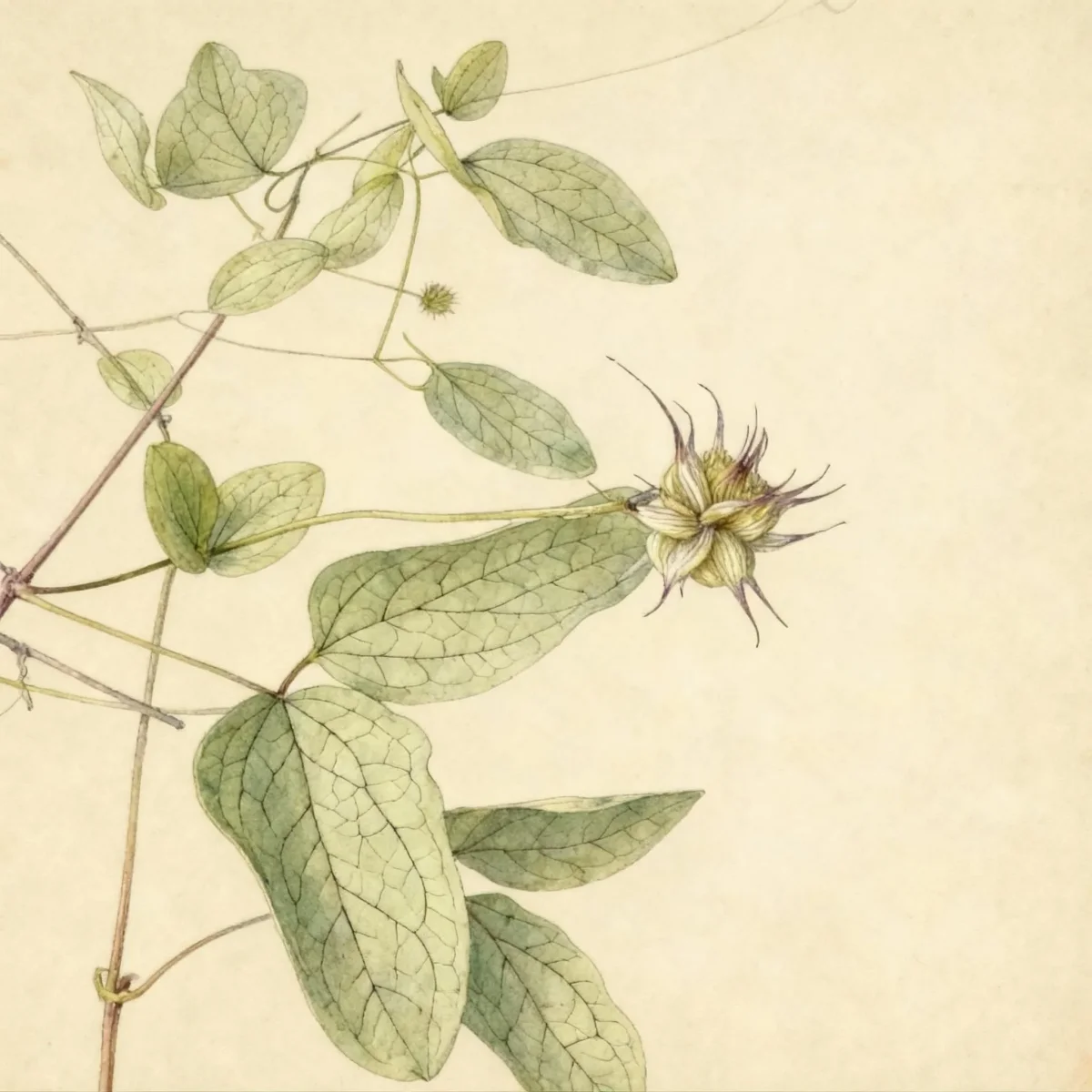
Clematis crispa, commonly called swamp leather flower, curly clematis or blue jasmine, is a semi-woody twining vine that is native to floodplain forests, marshes and swamps from Virginia to southern Illinois south to Florida and Texas. Its distinctive flowers feature flared, ridged, and frilled sepals with strongly recurving tips, followed by an attractive seedhead. The genus name Clematis relates to climbing plants, while the specific epithet crispa refers to its curled flower tips.
Tolerances
- Deer
- Clay Soil
- Black Walnut
Potential Problems
While less susceptible than the large-flowered hybrids, Clematis crispa can still be affected by Clematis wilt, a potentially fatal fungal disease; prevention involves proper site selection and soil aeration. Other common fungal issues include powdery mildew and leaf spots, which signal poor air circulation or overly wet foliage; water the soil, not the leaves, to mitigate these risks. Pests like aphids, slugs, snails, and spider mites may appear, especially on stressed plants; monitor vigilantly and use targeted, gentle treatments for control.
Frequently Asked Questions
What hardiness zones is Blue jasmine suitable for?
Clematis crispa is typically hardy in USDA Zones 6 through 9.
How large does Blue jasmine grow?
This climbing vine generally reaches a mature height between 6 to 10 feet, with a spread of 3 to 6 feet.
When does Blue jasmine bloom?
You can expect the distinctive flowers of Blue jasmine to appear from May through July.
What sun exposure does Clematis crispa need?
This species prefers a location receiving full sun to part shade.
Conclusion
The Clematis crispa, or Blue jasmine, brings unique texture and color to the garden, thriving where consistent moisture is available. Its native status, deer resistance, and fragrant blooms make it a highly rewarding, medium-maintenance choice for specialized wet areas. Before planting, confirm your local USDA zone compatibility and prepare a cool, shaded root zone for optimal performance.
Companion Planting
Selecting the right companions ensures the essential cultural needs of Clematis crispa—cool roots and moist soil—are met. Good choices are shade-tolerant, moisture-loving perennials such as large ferns, Astilbes, or certain types of Trollius (Globeflower). These companions cover the base of the vine, keeping the root zone protected from intense summer sun exposure, which directly supports the vine’s health through its long bloom cycle.
Seasonal Care Calendar
Spring preparation involves removing any winter mulch applied to protect the crown and checking for new growth emerging from the base, as the plant often dies back completely. During summer, focus heavily on consistent watering to maintain what the plant needs—medium to wet soil—especially if it is grown in full sun. In fall, allow spent foliage and attractive seedheads to remain until late winter or early spring, as they offer winter interest before the clean-up cutback.