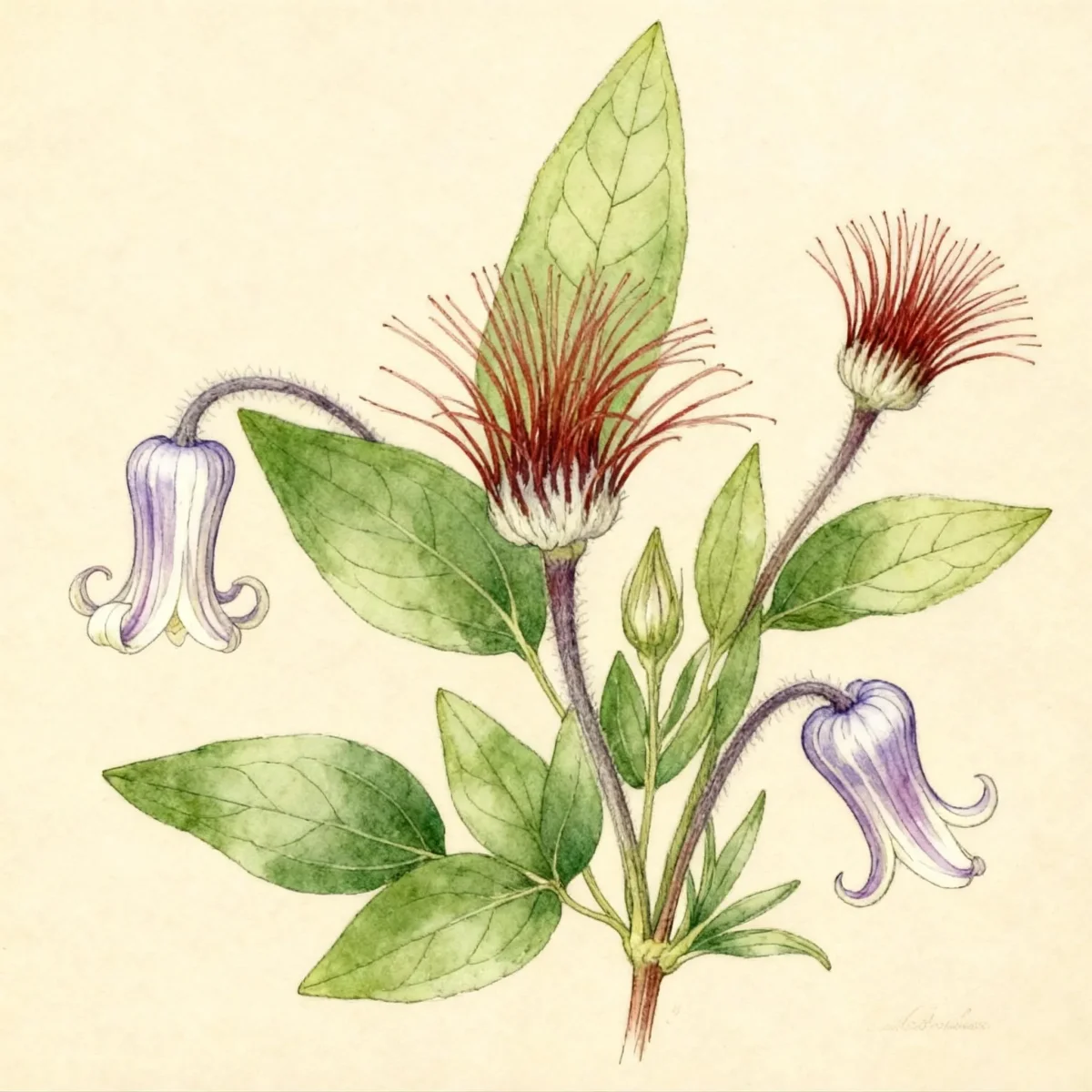
Fremont's leather flower (Clematis fremontii)
Discover Fremont's leather flower (Clematis fremontii), a non-climbing native perennial thriving in dry soils with striking purple to white blooms.
Scroll down to discover growing tips, care requirements, companion plants, and more
Complete Plant Information
Overview
The Clematis fremontii, commonly known as Fremont’s leather flower, offers a unique and structural presence in the garden, distinguishing itself as a rare, non-climbing Clematis species native to the Central United States. Gardeners highly value this plant for its drought tolerance and its upright, shrubby habit, which provides reliable structure without demanding vertical support structures, unlike many of its climbing relatives. It forms dense foliage clumps topped by solitary, nodding, bell-shaped flowers, most often displaying tones of purple to white in the spring.
This herbaceous perennial thrives in challenging conditions, preferring dry, well-drained soils, making Clematis fremontii an excellent choice for xeriscaping or naturalized meadows. Its low maintenance needs further cement its value as a robust native component in sustainable landscape design across USDA zones 4 through 7. Understanding the specific needs of Fremont’s leather flower ensures a healthy, long-lived plant that rewards the gardener with reliable seasonal color.
Fast Facts
- Plant Family: Ranunculaceae
- Plant Type: Herbaceous perennial
- Native Range: Central United States
- Hardiness Zones: USDA Zones 4-7
- Size at Maturity:
- Height: 1-1.5 ft
- Spread: 0.75-1 ft
- Bloom Time: April to May
- Bloom Description: Purple to white
- Sun Exposure: Full sun to part shade
- Water Needs: Dry to medium
- Maintenance Level: Low
How to Grow
For optimal establishment, plant Clematis fremontii during its dormant season, either early spring or fall, ensuring the location provides full sun to partial afternoon shade. This species thrives in lean, well-drained, rocky, or sandy loamy soils, mirroring its native limestone glade environment. Avoid heavy clay or areas where water pools, as excellent drainage is paramount for preventing root issues.
Maintenance for Fremont’s leather flower is refreshingly low once established. Due to its native habitat which tolerates occasional drought, supplemental watering is only necessary during prolonged dry spells, especially when the plant is young. Fertilizing is generally unnecessary; over-fertilization can lead to lush, weak foliage at the expense of blooms. Pruning should be minimal, mainly involving removing any spent flower stalks if unsightly seed heads are not desired.
As an early-season bloomer, Clematis fremontii emerges reliably. In late winter or very early spring, inspect established clumps for any winter damage, though its robust nature means little protective care is usually required, even in the colder end of its range (Zone 4). Focus on ensuring the root zone remains clear of heavy mulch that might retain excessive surface moisture.
Landscape Uses
Clematis fremontii shines when utilized where a short, clumping perennial structure is needed, particularly in native plant gardens or rock gardens, blending seamlessly with prairie plantings. Because it is a non-climbing variety, it works perfectly along border fronts where taller vines might overwhelm smaller neighbors, or when massed in large groups to create a field-like effect. Planting ten or more Fremont’s leather flower together offers significant visual impact when the solitary, pendulous flowers appear.
This tough native pairs effectively with other sun-loving, dry-tolerant perennials common to its native range. Consider using it alongside native sedges, Baptisia (false indigo), or hardy Irises for varied texture and successive bloom times. The leathery foliage provides a sturdy green base throughout the growing season, long after the April to May bloom period concludes.
Standout Features
Flower Qualities
- Showy
Noteworthy Characteristics
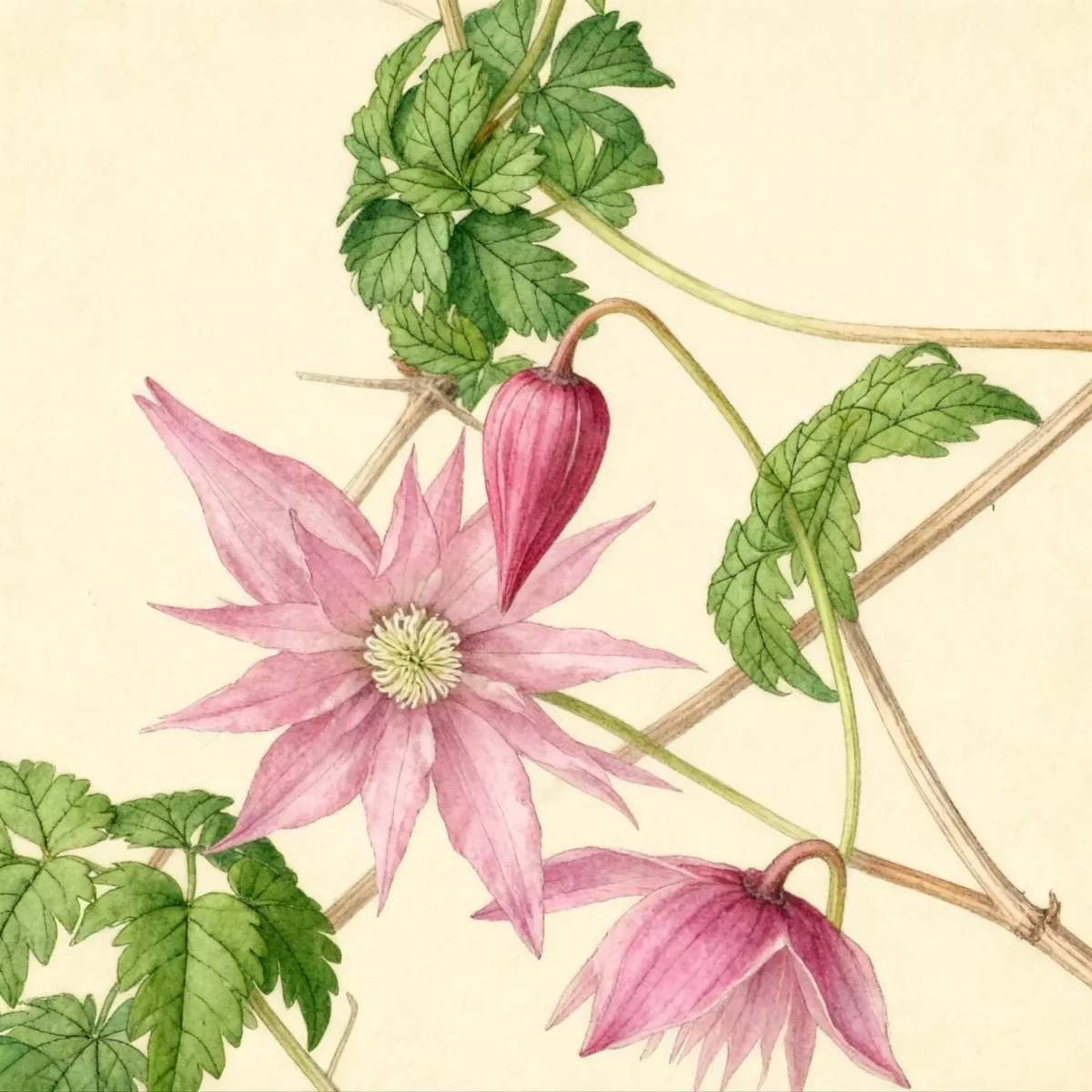
Clematis fremontii is a non-climbing, Missouri native clematis which occurs on limestone glades in the eastern Ozark region of the state. It is also native to limestone prairies in Kansas and Nebraska, marking it as one of the few shrubby-type clematis native to that area. This erect-stemmed plant features leathery green leaves and is topped with solitary, narrow, purple to white, bell-shaped flowers often with recurved sepals, nodding at the terminal end of slender stalks.
Tolerances
- Deer
- Drought
- Dry Soil
- Black Walnut
Potential Problems
While generally robust, gardeners should be aware of diseases common to the Ranunculaceae family. Clematis wilt is a potentially fatal fungal issue, though large-flowered hybrids are most susceptible, vigilance is still warranted for Clematis fremontii. Monitor foliage closely for signs of powdery mildew or leaf spots.
Managing pests involves keeping an eye out for common garden nuisances such as aphids, slugs, and spider mites, particularly early in the growing season. Since Fremont’s leather flower prefers drier soil, avoiding excessive overhead watering helps mitigate fungal risks. Healthy cultural practices, especially ensuring sharp drainage, are the best defense against serious problems.
Frequently Asked Questions
What hardiness zones is Fremont’s leather flower suitable for?
Clematis fremontii is suitable for USDA Zones 4 through 7.
How large does Clematis fremontii grow?
This species typically reaches a height between 1 and 1.5 feet, with a spread of 0.75 to 1 foot at maturity.
What sun exposure does Fremont’s leather flower need?
It performs best in locations receiving full sun to part shade.
When does Clematis fremontii bloom?
Fremont’s leather flower blooms relatively early, generally from April to May, displaying distinctive purple to white flowers.
Conclusion
The Fremont’s leather flower is a highly valuable landscape asset, offering structure, notable drought tolerance, and beautiful early spring flowers without demanding vertical support. For gardeners seeking a tough, low-maintenance native perennial, Clematis fremontii is an excellent choice. Confirm your region falls within USDA Zones 4–7 and plan to site this plant in sharp, well-drained soil for the best results.
Companion Planting
Selecting companions carefully for Clematis fremontii should focus on other plants that share its love for lean, dry conditions and full sun exposure. Plants native to limestone glades or prairies make ideal neighbors, as they will not compete aggressively in rich, moist conditions. Consider pairing it with tough, upright prairie species like Liatris (Blazing Star) or Rudbeckia (Black-eyed Susan), which offer contrasting vertical lines and bright yellow blooms later in the season.
The compact height of Fremont’s leather flower (under 1.5 feet) makes it perfect for the middle ground in mass plantings where taller ornamental grasses or milkweeds can act as a backdrop. When planting in rock gardens, ensure companion plants have equally gritty soil requirements so that no single spot receives too much water.
Design Ideas for Native Beds
Utilizing Clematis fremontii in native beds allows you to capitalize on its unique clump-forming habit. Instead of scattering individual plants, massing 5 to 9 plants together near the front of a mixed border provides a stronger visual anchor. In these situations, the dark green, leathery leaves create an excellent, textural contrast against softer, finer-textured prairie grasses.
Don’t overlook utilizing Fremont’s leather flower in specialized drainage areas, such as slopes or near gravel pathways where water runoff naturally occurs. Its tolerance for dry soil means it will establish quickly and look healthy without intervention. This plant serves as an excellent foundation piece for mixed, low-water perennial groupings.