Clematis (Clematis heracleifolia)
Discover Clematis heracleifolia, a non-climbing herbaceous perennial offering showy, fragrant blue blooms in late summer. Low maintenance and deer resistant.
Scroll down to discover growing tips, care requirements, companion plants, and more
Complete Plant Information
Overview
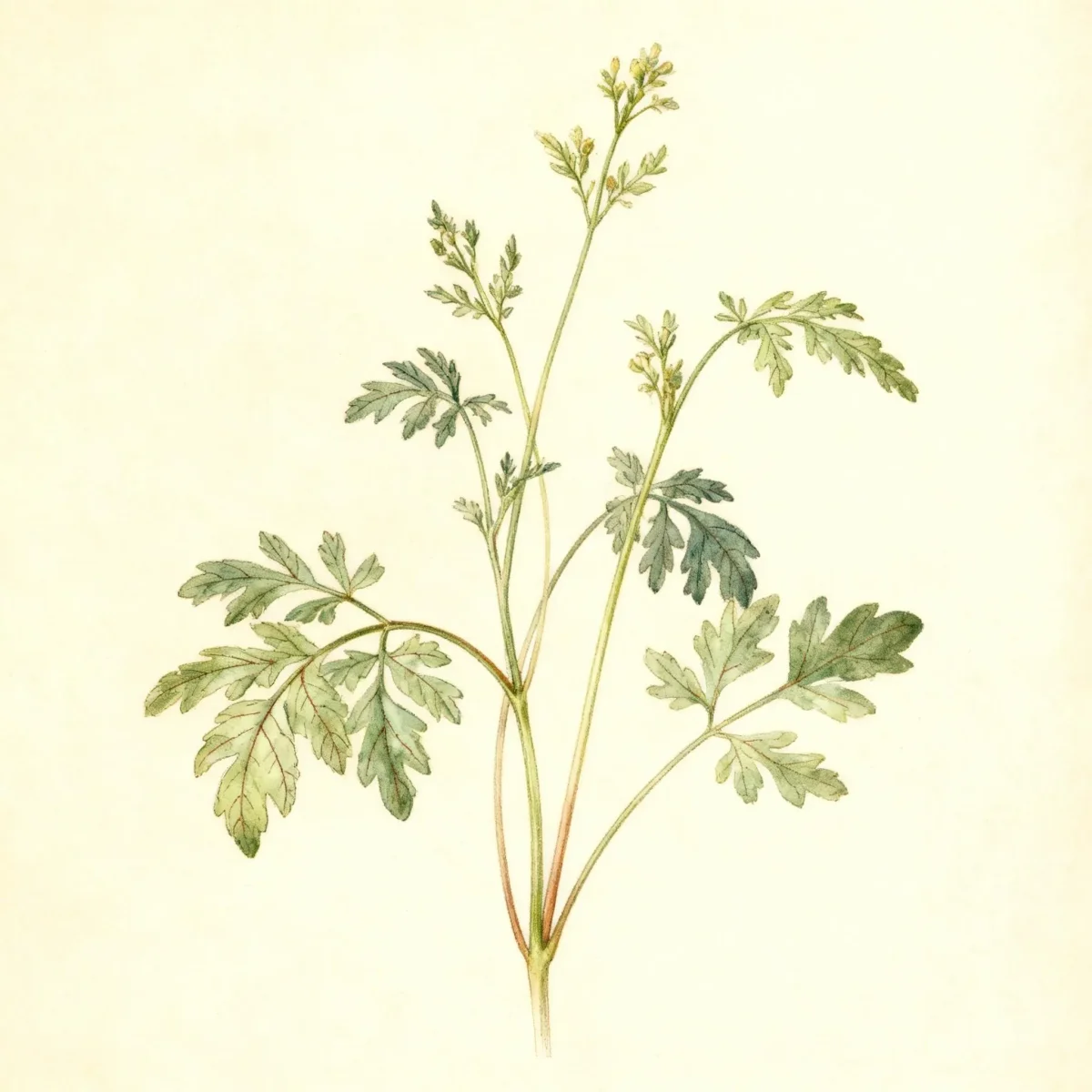
The Clematis heracleifolia, often simply called Clematis, stands out in the garden as a distinctive, non-climbing variety. Unlike its vining cousins, this herbaceous perennial forms attractive, leafy mounds, bringing vertical interest without heavy climbing structures. Gardeners value it for its late-season color, which brightens the perennial border precisely when many other flowers begin to fade.
This robust Clematis heracleifolia thrives in a variety of conditions across USDA zones 3 through 8, provided its root zone stays cool and consistently moist. Its bushy habit makes it an excellent structural plant, offering a medium height of 2 to 3 feet combined with a spread of up to 4 feet.
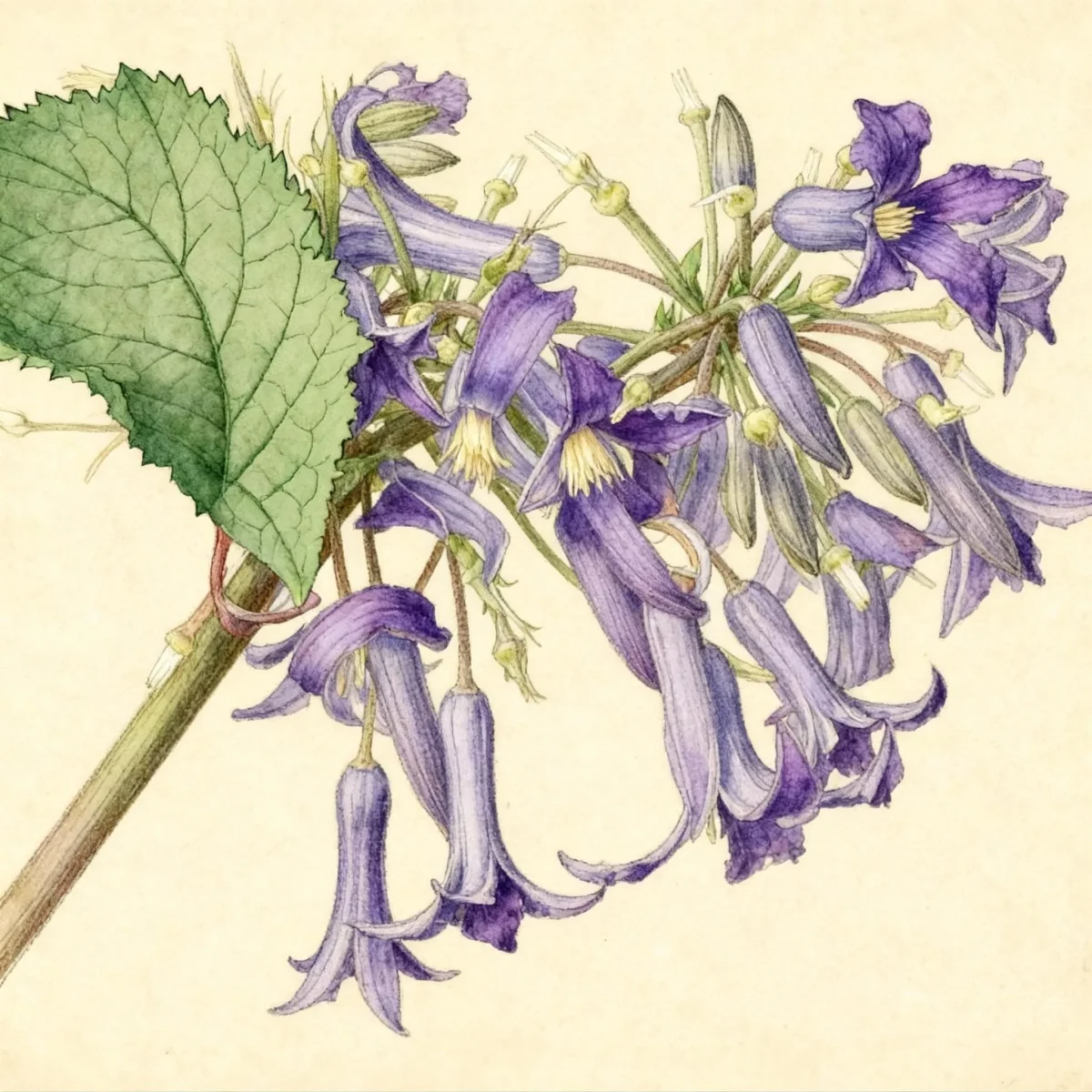
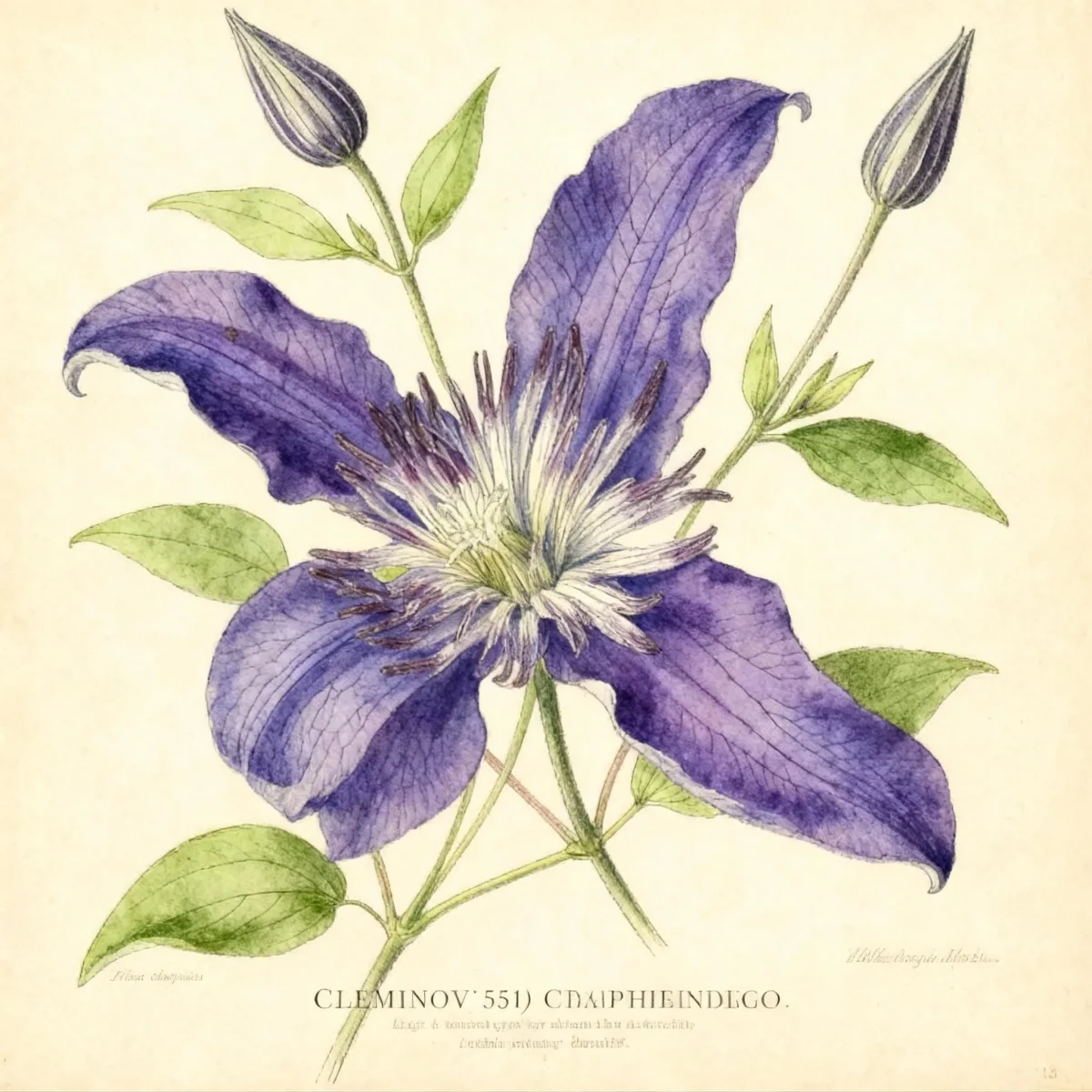
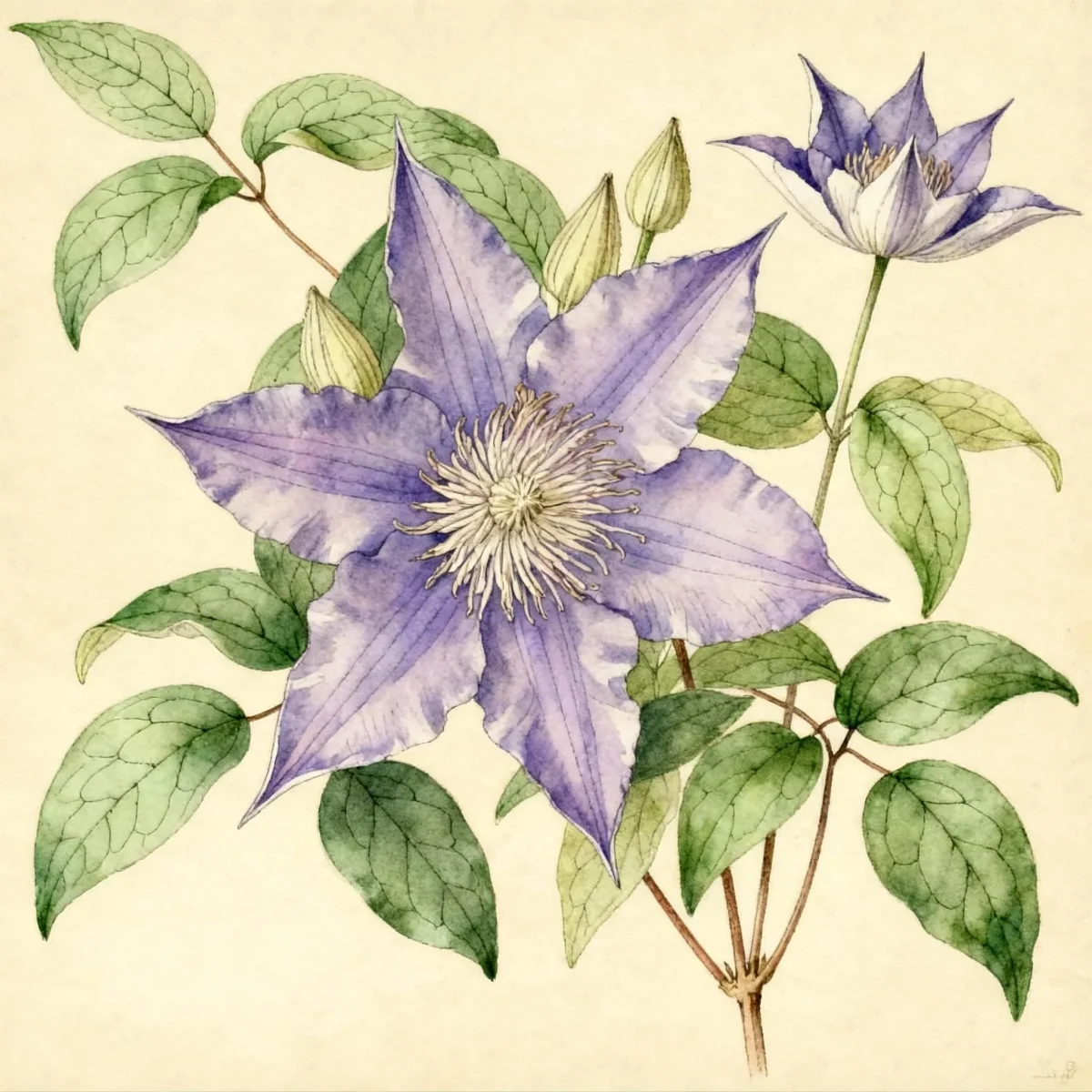
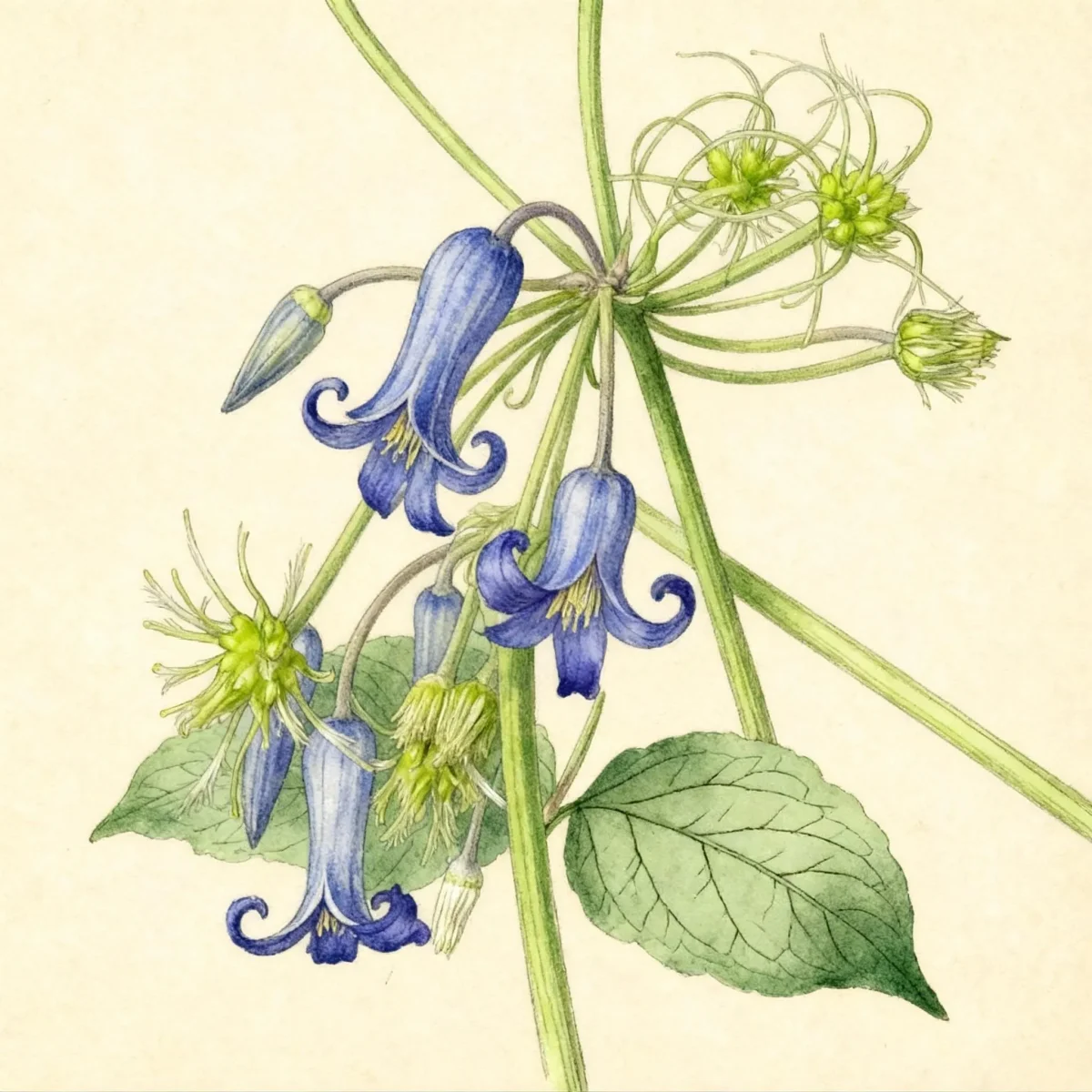
The primary aesthetic draw of Clematis heracleifolia is its display of small, fragrant, blue, tubular flowers that appear in late summer. Following the bloom, attractive fluffy seedheads provide continued visual interest, cementing its place as a reliable, low-maintenance specimen plant in the landscape.
Fast Facts
- Plant Family: Ranunculaceae
- Plant Type: Herbaceous perennial
- Native Range: China, Korea
- Hardiness Zones: USDA Zones 3-8
- Size at Maturity:
- Height: 2-3 ft
- Spread: 2-4 ft
- Bloom Time: August to September
- Bloom Description: Blue
- Sun Exposure: Full sun to part shade
- Water Needs: Medium
- Maintenance Level: Low
How to Grow
For optimal establishment, plant your Clematis heracleifolia in the spring or early fall when conditions are favorable. Select a location that receives full sun or light afternoon shade. The most critical element for success is the soil: it must be cool, moist, and never allowed to dry out completely.
To maintain ideal root temperature, especially during hot summer months, apply a thick layer of mulch in the spring. This practice helps conserve moisture and keeps the soil consistently cool, which is vital for this specific Clematis. Watering should be consistent; aim for medium moisture levels rather than letting the soil become soggy or parched.
Maintenance for this variety is generally considered low. Since this Clematis is not a vigorous climber, structural support may still be necessary as the stems can sprawl under the weight of the foliage and flowers. Pruning is minimal; focus on trimming back dead stems in late winter or early spring before new growth emerges.
Landscape Uses
This unique herbaceous perennial excels when used as a specimen plant right in the middle of a sunny perennial border. The Clematis heracleifolia provides mid-height structure and late-season color, bridging the gap between early summer bloomers and fall-interest plants. Its bushy form avoids the sprawling issues sometimes seen in groundcover Clematis types.
Consider planting this variety near taller structural elements that might provide subtle support, or pair it with plants that appreciate similar cultural conditions—namely, consistently cool, moist roots. While it works beautifully as a focal point in mixed borders, its structure also works well in informal cottage garden settings where mid-height texture is desired.
Standout Features
Flower Qualities
- Showy
- Fragrant
Noteworthy Characteristics
The small, blue, fragrant, tubular flowers appear in late summer and grow in clusters at the tips of the stems. The fluffy seedheads follow the flowers and are an added attraction. These late blooms ensure color interest continues well into September.
Tolerances
- Deer
- Black Walnut
Potential Problems
This plant is noted for its tendency to sprawl, meaning structural assistance is often required to keep the stems neat and upright. Be prepared to stake the plant or use surrounding perennials to provide support, especially as the flowering load increases. Additionally, keep an eye out for leaf-eating insects, as severe infestations can quickly disfigure the attractive foliage of your Clematis. Early detection and use of appropriate horticultural oils or insecticidal soaps can mitigate cosmetic damage.
Frequently Asked Questions
What hardiness zones is Clematis suitable for?
This specific Clematis heracleifolia variety is generally hardy across USDA Zones 3 through 8, offering wide adaptability across many regions.
How large does Clematis grow?
At maturity, the Leather flower typically reaches a manageable height between 2 and 3 feet tall and spreads out to cover an area between 2 and 4 feet wide.
When does Clematis bloom?
This late-flowering Clematis provides garden color from August through September, showcasing striking blue flowers.
What sun exposure does Clematis need?
For the best performance and most abundant flowering, plant your Clematis heracleifolia where it receives full sun to part shade.
Conclusion
The Clematis heracleifolia offers a wonderful, low-maintenance solution for gardeners seeking late-season spectacle from a non-climbing perennial. Its fragrant blue flowers and appealing seedheads make it a standout feature, especially in standard mixed borders. Before planting, confirm your site offers consistently cool, moist soil; then, enjoy this beautiful Western Asian native through the end of summer.
Companion Planting
Choosing companions for Clematis heracleifolia should focus on plants that share its preference for full sun to partial shade and, critically, enjoy medium water needs coupled with cool roots. Plants that naturally form dense groundcovers or offer contrasting textural foliage are ideal beneath the mound of the clematis. Consider pairing it with hostas or ferns in dappled shade locations, which will help shade the roots.
For sunny borders, pair the mid-height structure of this Clematis with robust, moisture-loving companions like Astilbe (in slightly shadier spots) or certain varieties of Joe Pye Weed that won’t shade the lower foliage too heavily during bloom time. The deep blue color of the flowers contrasts beautifully against silvery foliage plants or bright yellow cultivars of Rudbeckia.
Seasonal Care Calendar
Spring is the primary time for preparation; ensure a fresh layer of mulch is applied around the base of the Clematis heracleifolia to lock in the cool, moist soil conditions it loves. This is also the best time to prune back any dead stems from the previous season.
Summer requires diligence in watering. Since this Clematis demands consistent moisture, check soil conditions weekly, especially during dry spells, to prevent the roots from drying out. Monitor for pests during this period when the foliage is dense and most attractive.
In the fall, after the noticeable fluffy seedheads have matured, you can cut the dead stems back to the ground, preparing the plant for winter dormancy. Since this specific Clematis is quite cold-hardy (down to Zone 3), significant winter protection is usually unnecessary in its favored zones.