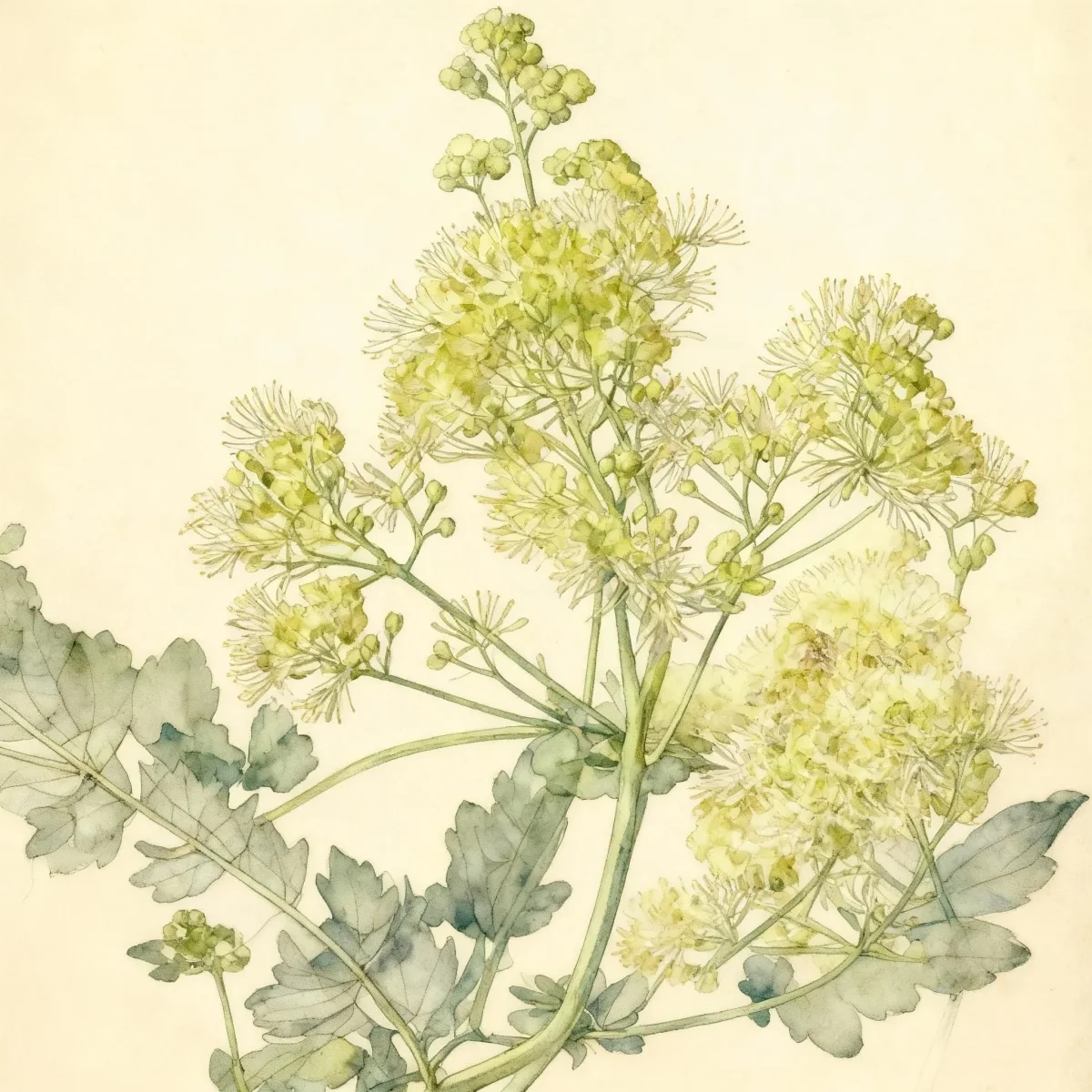
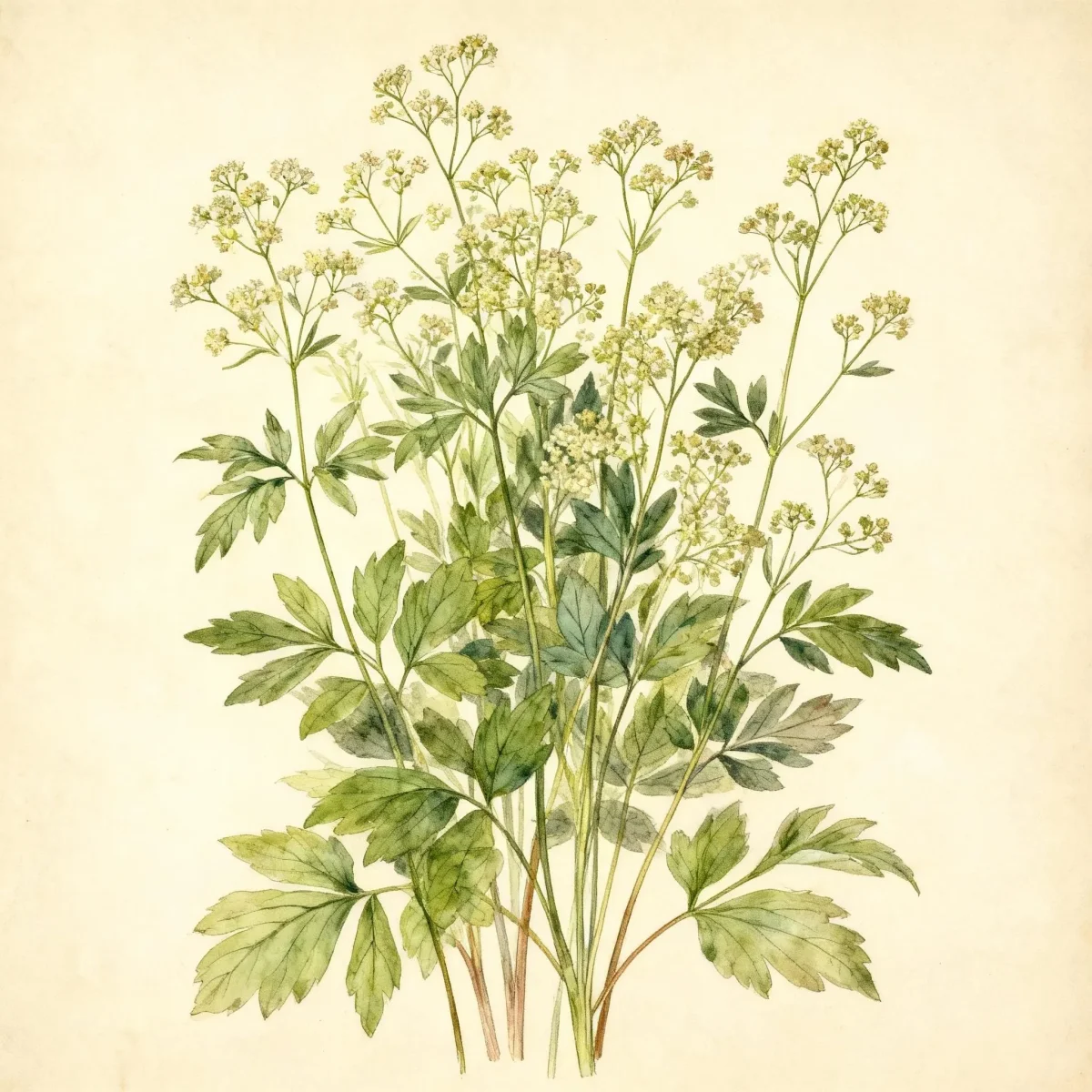
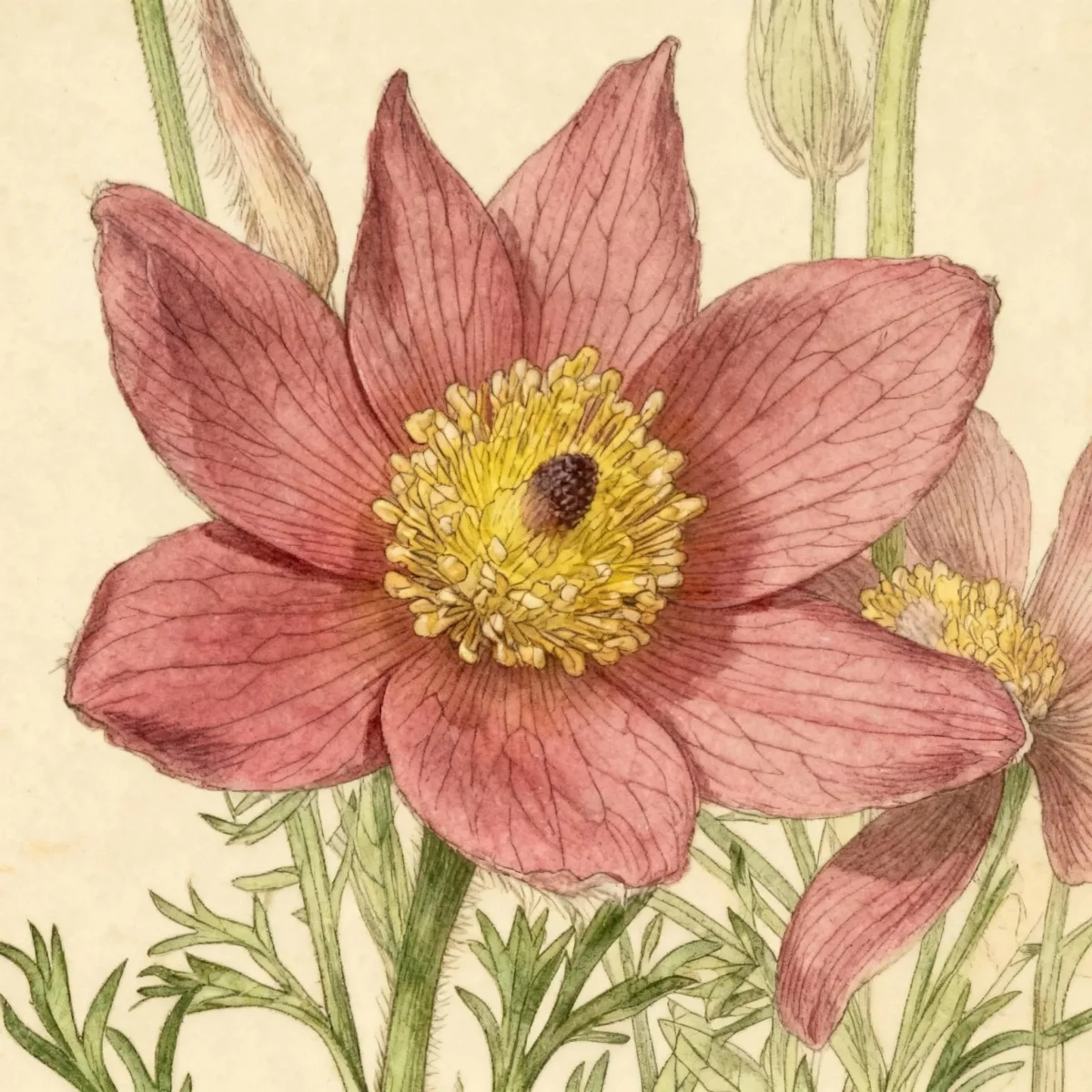
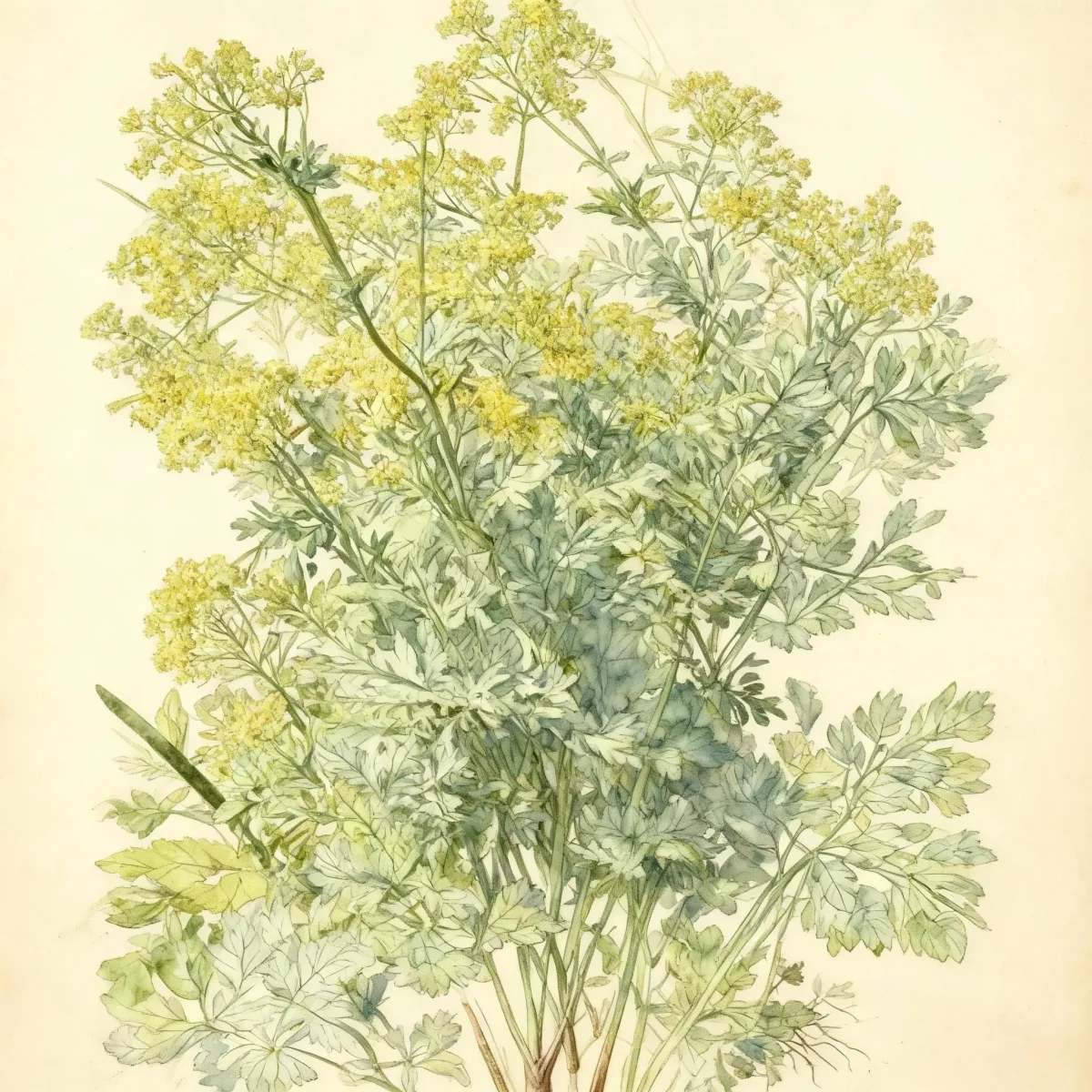
Yellow meadow rue (Thalictrum flavum subsp. Glaucum)
Yellow meadow rue combines blue-green foliage with airy yellow summer flowers. Learn how moisture, light, staking, and companions affect its garden habit.
Complete Plant Information
Interactive Detour
Keep exploring with a quick garden quiz
Yellow meadow rue is easier to remember when you mix reading with a quick challenge. Try a related quiz, then jump back into the care guide.
Can You Identify These Common Garden Plants? Test Your Plant Knowledge
Think you know your roses from your peonies? Test your plant identification skills with our comprehensive garden plant quiz featuring 10 challenging questions.
Start quiz
USDA Garden Zone Map Quiz
Use this USDA garden zone map quiz to check whether you can read hardiness zones and choose plants with more confidence.
Start quizBrowse the full quizzes section
Explore plant identification, zone strategy, and seasonal gardening challenges.
View all quizzesField Guide Continues
Ready for care notes, companion picks, and planting tips?
The map is just the start. The full guide below covers growth habits, seasonal performance, and landscape uses.
Airy Flowers With Foliage That Earns Its Place
Yellow meadow rue (Thalictrum flavum subsp. glaucum) makes a loose mound of finely divided, blue-green leaves, then sends up branched clouds of small yellow flowers in June and July. The visible yellow comes largely from the many stamens rather than broad petals, giving the plant a soft, hazy look instead of a solid block of color.
At 2 to 4 feet high and potentially as wide, it belongs in the middle or back of a perennial border. It is tall enough to add a transparent layer without hiding every plant behind it. The foliage also provides a cool color contrast before bloom, which makes this meadow rue useful even in a garden that does not need more yellow flowers.
For a darker vertical accent, compare ‘Black Stockings’ meadow rue. Gardeners who want golden foliage as well as yellow flowers can examine ‘Illuminator’ yellow meadow rue.
Moisture Determines the Best Light
Plant in full sun to part shade in soil that holds moderate moisture but drains. In a cool climate with reliably moist soil, full sun can produce sturdy growth and abundant flowers. In a hotter or drier garden, afternoon shade reduces stress. Deep shade may lead to weaker stems and fewer blooms.
Set the crown at soil level and allow 2 to 4 feet for the clump to mature. Water regularly during the first season. Established plants still need moisture during extended dry weather; wilting and scorched leaf edges are signs that a sunny site may be too dry. Mulch helps, but keep it off the crown.
The plant is listed for USDA Zones 5–8. Check the hardiness zone map, then assess heat and available soil moisture. A zone match alone will not compensate for a dry site.
Support Without Making a Cage
In rich soil or an exposed position, stems may lean after heavy rain. Place a low ring support early in spring so foliage grows through and hides it, or let neighboring perennials provide gentle support. Staking after the plant has collapsed usually leaves an obvious bundle.
Deadheading is optional. Remove faded flower stems for a tidier border, or leave them briefly for texture. If the foliage becomes shabby after bloom, cut the plant back; fresh growth may follow if moisture is available. In fall or early spring, clear old stems before new shoots lengthen.
Divide an overgrown clump in early spring or fall. Keep divisions moist while replanting and do not make them unnecessarily small. Seed propagation is slower and seedlings may vary, so division is the direct way to reproduce a plant you already value.
Combinations That Use Its Fine Texture
Place yellow meadow rue near broad leaves, upright grass blades, or rounded flower heads. Hostas can work in a part-shade, moist bed; peonies provide bold foliage in brighter sites. Purple, blue, and deep red flowers make the yellow stamens more distinct, while silver foliage echoes the glaucous leaves.
Allow nearby plants to overlap lightly, but avoid aggressive spreaders that invade the crown. The meadow rue’s rhizomatous growth can widen into a clump, yet it is best treated as a border perennial rather than an unattended ground cover.
Slugs and snails may chew young shoots. Powdery mildew, rust, leaf spots, and other fungal problems are more likely where foliage stays wet and air cannot move. Water the soil rather than the leaves when possible and give the mature plant enough room.
Quick Answers
Is yellow meadow rue fragrant?
The flowers are described as mildly fragrant, but scent is subtle and should not be the main reason to plant it.
Will deer leave it alone?
It is listed as deer tolerant, not deer-proof. Browsing varies with local pressure and available food.
Does it need full sun to flower?
No. Part shade is suitable and may be preferable where afternoons are hot, provided the plant receives enough light for firm stems.
Use the plant collection to find companions with the same moisture and light needs.