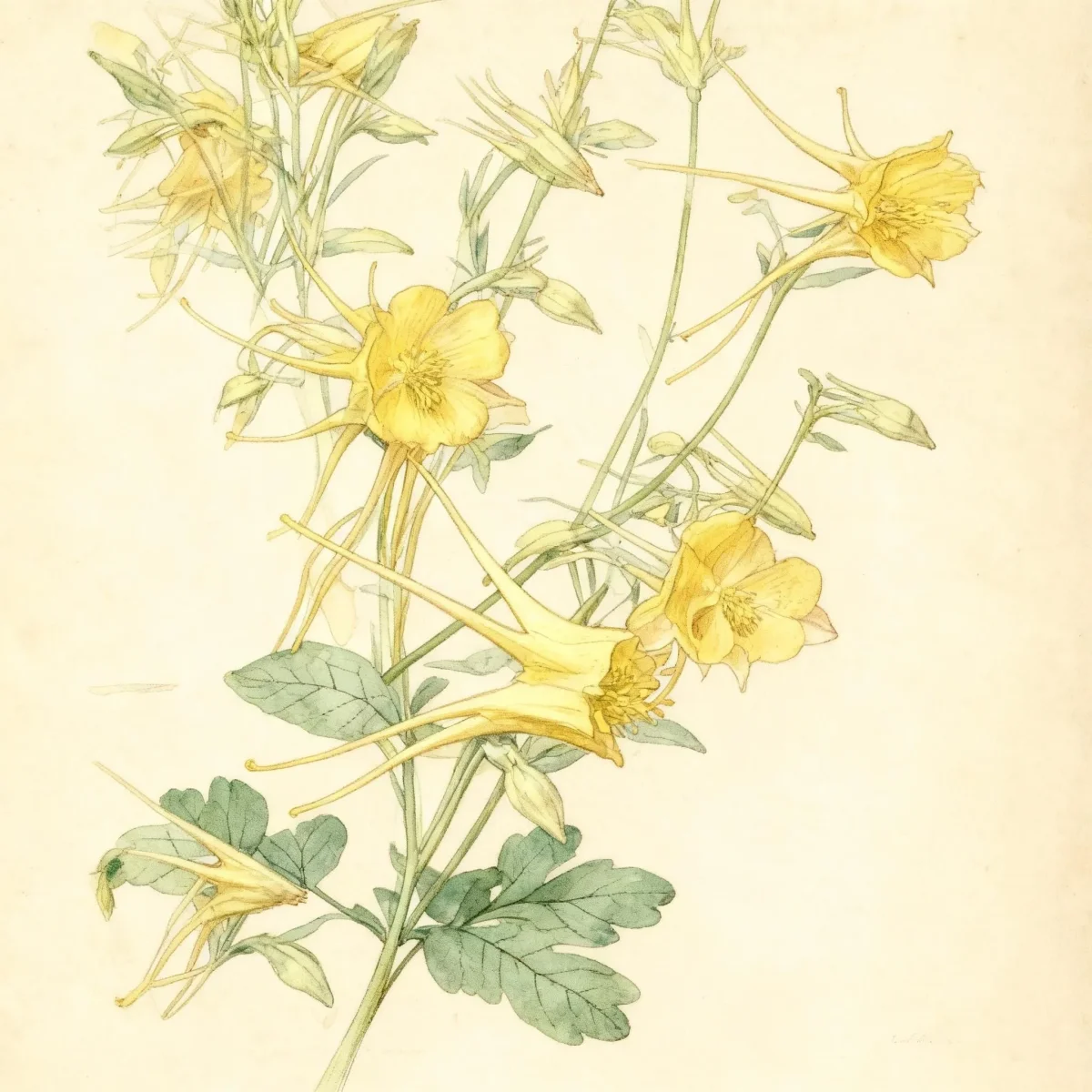
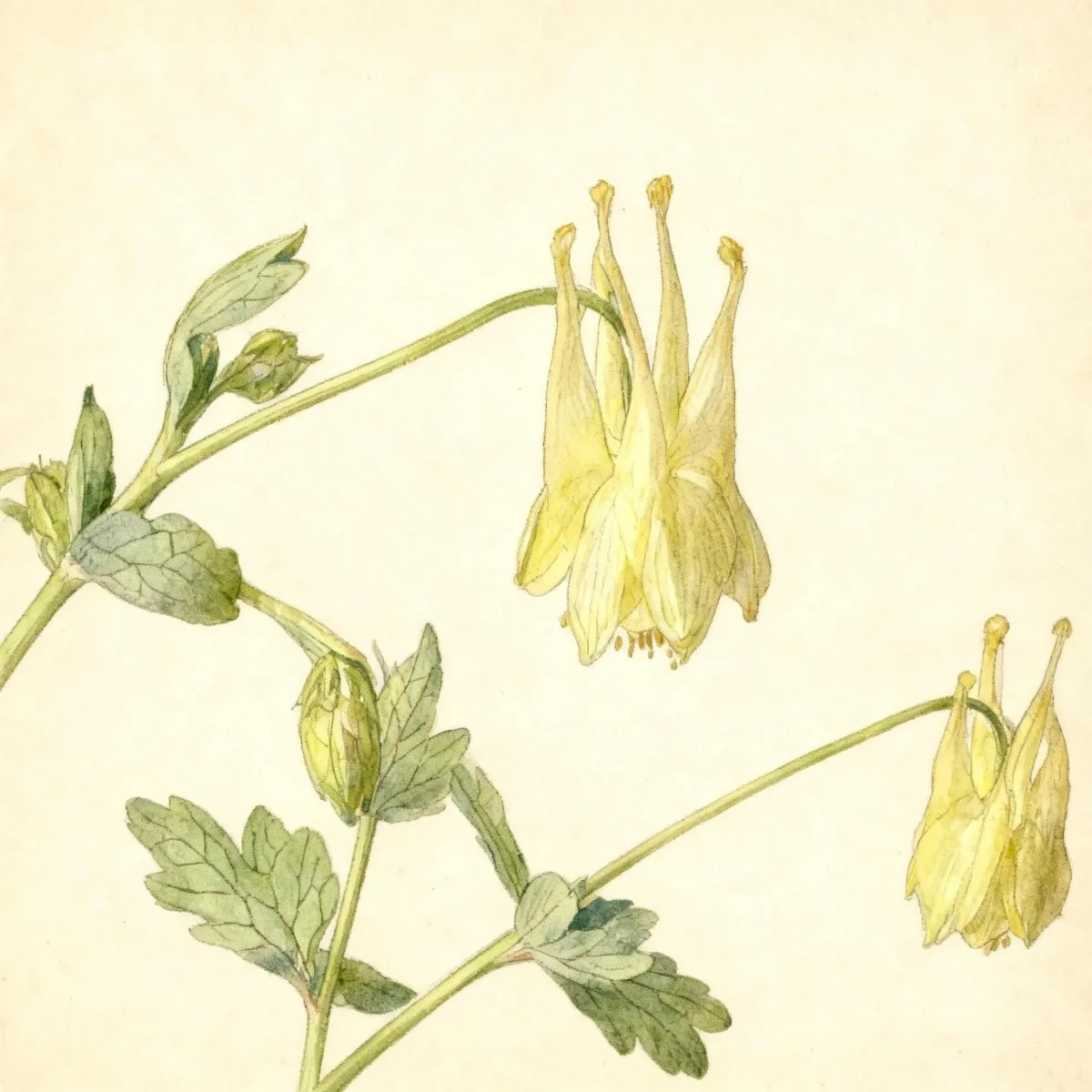
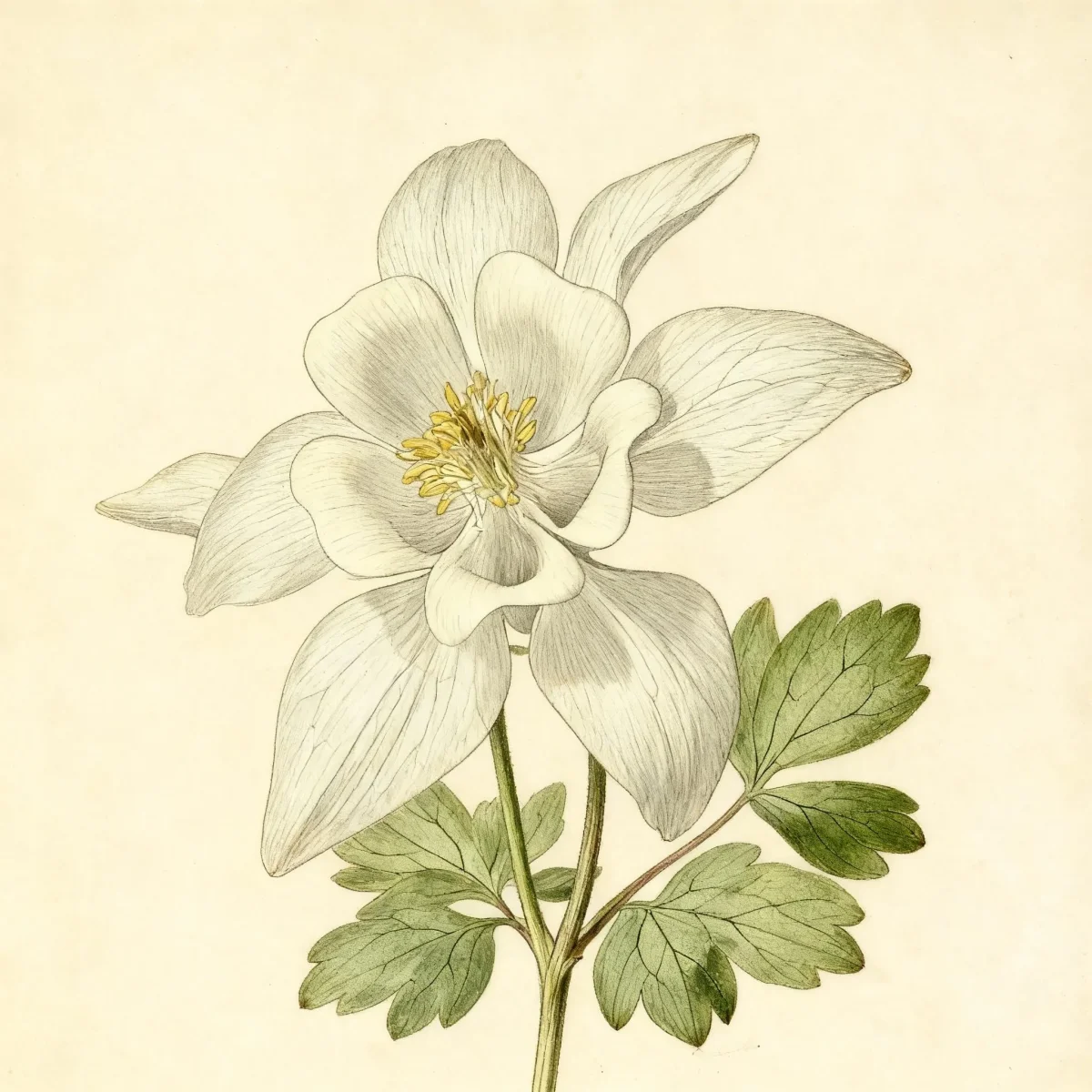
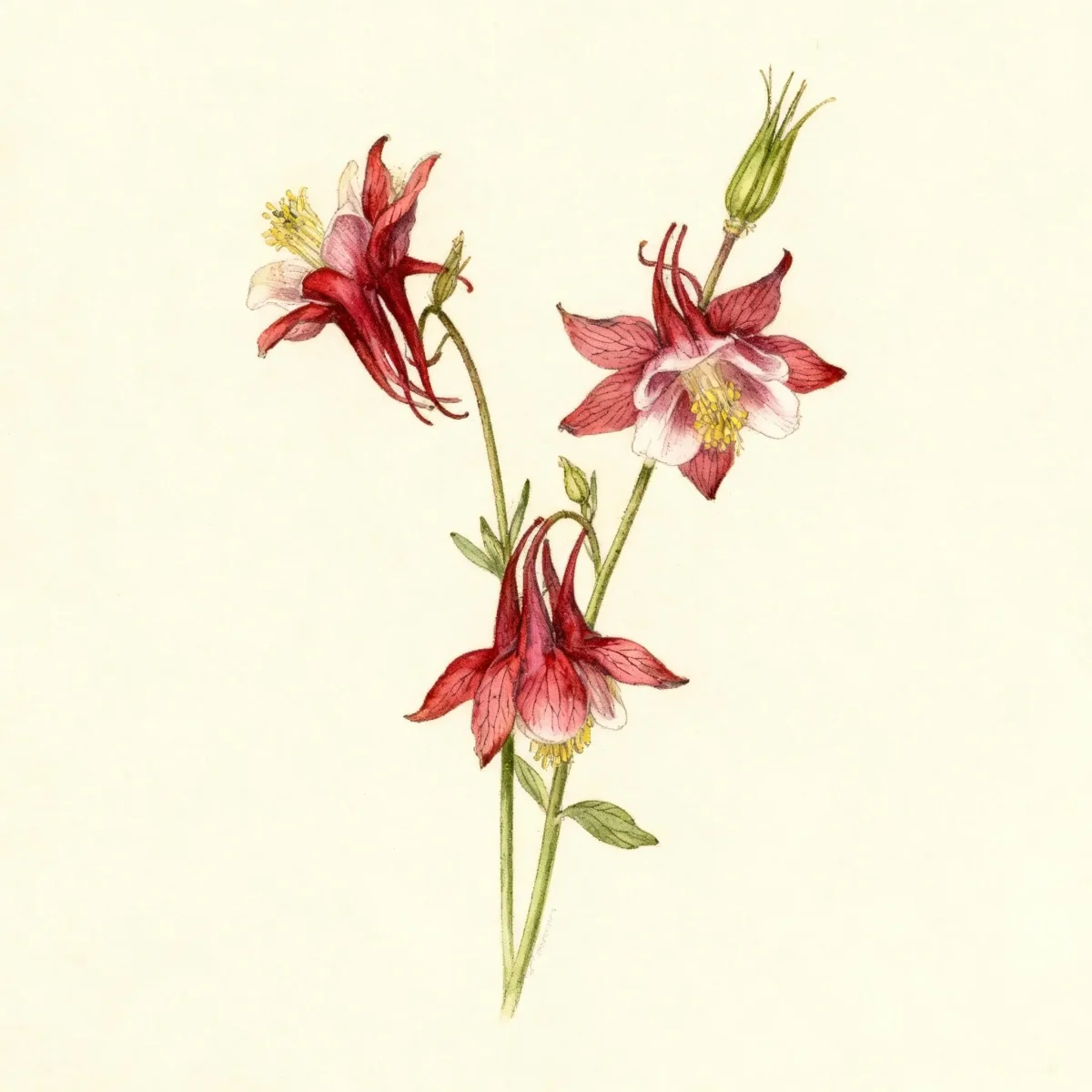
Columbine (Aquilegia chrysantha var. hinckleyana)
Discover Aquilegia chrysantha var. hinckleyana, a compact, fragrant yellow Columbine perfect for Texas gardens in zones 4-8.
Scroll down to discover growing tips, care requirements, companion plants, and more
Complete Plant Information
Overview
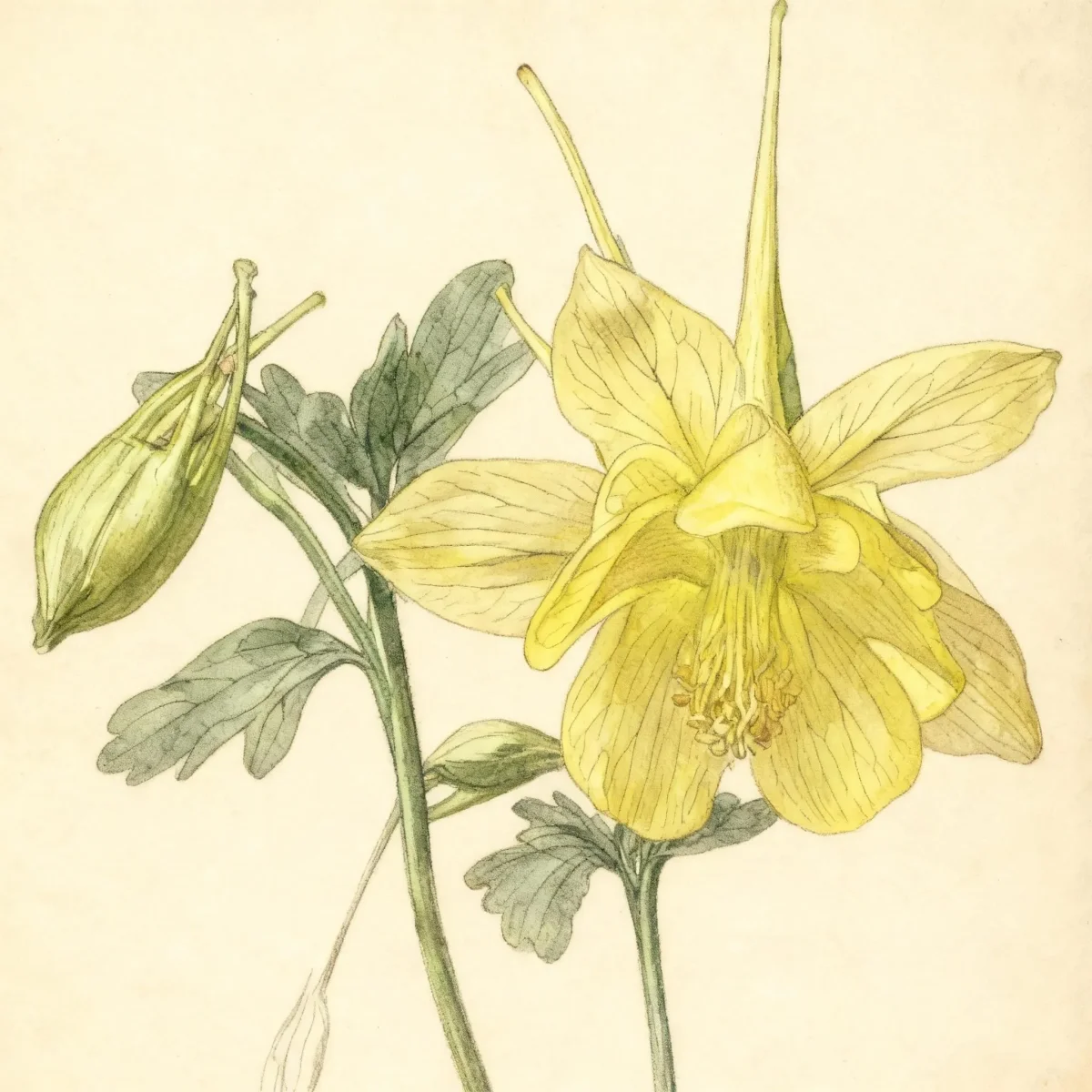
Aquilegia chrysantha var. hinckleyana, commonly known as Columbine, is a highly valued endemic variety prized for its bright yellow flowers and compact habit. Unlike many of its relatives, this Texas native thrives where summers are warmer, offering reliable spring color in areas where other columbines might struggle. Its distinctive flower structure contributes significantly to its ornamental value.
This herbaceous perennial forms attractive clumps of foliage that provide texture in the garden until mid-summer when they may naturally decline. Growing to a manageable size, the Aquilegia chrysantha var. Hinckleyana is perfect for naturalizing in dappled shade or incorporating into perennial borders. Gardeners appreciate the showy, fragrant blooms that appear from April into May.
The robust, yet refined, nature of this Columbine makes it an excellent addition to native plant gardens or cottage designs. It offers good resilience against browsing wildlife while rewarding attentive gardeners with reliable seasonal interest. Ensure proper drainage to encourage long-term health for your Aquilegia chrysantha var. hinckleyana planting.
Fast Facts
- Plant Family: Ranunculaceae
- Plant Type: Herbaceous perennial
- Native Range: Texas
- Hardiness Zones: USDA Zones 4-8
- Size at Maturity:
- Height: 1.5-2.5 ft
- Spread: 1.5-2.5 ft
- Bloom Time: April to May
- Bloom Description: Yellow
- Sun Exposure: Full sun to part shade
- Water Needs: Medium
- Maintenance Level: Medium
How to Grow
Establish your Columbine promptly in the spring or fall when conditions are mildest for best establishment. These plants prefer organically rich, moist, sandy loams. If your native soil is heavy clay, incorporating sand is essential to achieve the necessary well-drained conditions. While they prefer light to moderate shade, this particular species, Aquilegia chrysantha var. hinckleyana, tolerates more sun exposure than many other columbines, provided consistent moisture is maintained.
Watering should be thoughtful, aiming for uniformly moist soils, especially after the initial bloom period to keep the foliage attractive for longer. Fertilization is rarely required if the soil is rich, but a light application of compost in spring can be beneficial. The most important cultural task is removing spent flowering stems after bloom to encourage a longer blooming period.
As the heat of summer peaks, the foliage of this columbine may begin to look tired or depreciate in appearance. When this occurs, do not hesitate to cut the entire plant back to the ground. This pruning measure revitalizes the plant for the following season. Under optimum conditions, Aquilegia chrysantha var. hinckleyana will happily reseed itself in the garden area.
Landscape Uses
The delicate structure and bright yellow flowers of Aquilegia chrysantha var. hinckleyana make it supremely versatile in landscape design. Its natural tendency to naturalize makes it an easy entry point for low-maintenance gardening, allowing it to spread gently through woodland margins or open, informal plantings. It is an excellent selection for establishing drifts of color under deciduous trees where it receives morning sun and afternoon relief.
For structured settings, this Columbine works beautifully tucked into the front of perennial borders or placed in cottage gardens where its airy form contrasts nicely with bolder foliage plants. Given its designation as a good selection for a hummingbird garden, pair it with other nectar-rich spring bloomers to create a dynamic habitat. Its tolerance for sun also allows it to be used effectively in rock gardens where soil pockets provide the necessary drainage.
Standout Features
Flower Qualities
- Showy
- Fragrant
Noteworthy Characteristics
Aquilegia chrysantha, commonly known as golden columbine, canary columbine or southwestern yellow columbine, is a bushy, clump-forming perennial that typically grows to 1-3’ (less frequently to 4’) tall. It is native to canyons in damp places from western Texas, southern New Mexico, southern Utah, and Arizona south into northern Mexico (Sonora, Chihuahua, Coahuila, and Nuevo Leon), with a disjunct population in southern Colorado (Colorado plants have shorter spurs and are sometimes called Aquilegia chrysantha var. Rydbergii). Large bright yellow flowers (each to 3” long) bloom in early spring (March-early May). Each flower (to 3” long) has (a) five petals, with each petal having a short tube in front and a very distinctive, slender, tapered, downward-pointing, backward-projecting, straight to outward-curving spur, and (b) five pointed petaloid sepals which are longer than the blades of the petals but are lighter yellow in color. Flowers have a slight fragrance. Because of its unusually long spurs (to 3”), this species is frequently used as a parent in the hybridization of long-spurred hybrid columbines. Compound palmate basal leaves are mostly 3-ternate. Golden columbine is a loose grower, but usually does not need support if given regular moisture during the growing season. Var. Hinckleyana is endemic only to Capote Falls, Sierra Vieja Mountains, Presidio County, Texas. It differs from the species by being a more compact plant (to 18-30” tall) whose flowers have much shorter spurs (to only 1 1/4” long). Basal green foliage with a bluish tinge is somewhat suggestive of meadow rue (Thalictrum). Unlike the species, this variety typically has 2-ternate leaves. It is synonymous with and sometimes sold by nurseries as Aquiligia hinckleyana.Genus name comes from the Latin word for eagle in reference to the flower’s five spurs which purportedly resemble an eagle’s talon.Specific epithet means with golden flowers.
Tolerances
- Rabbit
- Deer
Potential Problems
The most significant cultural issue for Columbine is crown rot, which develops rapidly if plants are placed in poorly drained soils. Prevention centers entirely on soil amendment; always incorporate sharp sand or grit if you suspect your soil holds excess moisture. While generally robust, spider mites and aphids can sometimes colonize plants, usually during periods of hot, dry weather. Treat infestations early with horticultural soap or a strong jet of water.
A common aesthetic issue is foliage decline by mid-summer, especially if the plant is subjected to too much intense, dry sun, causing stress. Remember that the foliage of Aquilegia chrysantha var. hinckleyana is not as heat-persistent as some other perennials. Cutting the foliage back to the ground once it yellows or deteriorates signals the plant to rest, ensuring it returns healthy and compact the following spring. Unlike many other species in the genus, this Columbine is less susceptible to leaf miner damage.
Frequently Asked Questions
What hardiness zones is Columbine suitable for?
This variety, Aquilegia chrysantha var. hinckleyana, is suitable for USDA Hardiness Zones 4 through 8.
How large does Columbine grow?
This species typically reaches a height between 1.5 and 2.5 feet tall, with a similar spread of 1.5 to 2.5 feet at maturity.
What sun exposure does Columbine need?
It performs best in an area receiving full sun to part shade, though consistent moisture is key if planting in the sunnier locations.
When does Columbine bloom?
This beautiful yellow Columbine blooms reliably from April to May.
Conclusion
The endemic Texas Columbine, Aquilegia chrysantha var. hinckleyana, offers gardeners vibrant yellow flowers and better heat tolerance than many related species, making it a reliable spring star. Its compact size and fragrant nature add texture and appeal to mixed borders and naturalized areas. Before planting this unique Columbine, verify your location falls within its appropriate hardiness envelope and amend your soil to ensure excellent drainage.
Companion Planting
When selecting companions for Aquilegia chrysantha var. hinckleyana, focus on plants that appreciate similar medium moisture levels but can fill in once the Columbine foliage begins to fade in the summer heat. Early-blooming bulbs like daffodils or tulips provide excellent foreground interest before the columbine reaches its peak. For later season structure, consider pairing it with Hostas or Astilbes that thrive in similar dappled light conditions and will mask the summer decline of the basal leaves.
For drought tolerance once established, try pairing this species with hardy woodland edge plants like Jack-in-the-pulpit or native ferns, as long as they don’t completely choke out the lower-growing Columbine seedlings. Since it appreciates rich soil, incorporating low-growing groundcovers that don’t compete aggressively for nutrients can also help maintain even soil moisture throughout the growing season.
Wildlife Benefits
The striking blooms of Aquilegia chrysantha var. hinckleyana are a major draw for long-tongued pollinators, particularly hummingbirds. Their long, slender spurs are perfectly structured to deliver nectar to these hovering visitors. The fragrant nature of the flowers also attracts various native bees searching for pollen and nectar early in the spring season.
Planting a cluster of this native Columbine serves as an excellent anchor for a wildlife-friendly garden space. Its relative non-palatability to browsing mammals, as noted by its deer and rabbit tolerances, ensures that the valuable flowers and foliage remain intact for beneficial insects and hummingbirds throughout the spring display period.