Columbine (Aquilegia viridiflora)
Aquilegia viridiflora (Columbine) is a compact, low-maintenance perennial offering subtly fragrant, yellowish-green spring blooms.
Scroll down to discover growing tips, care requirements, companion plants, and more
Complete Plant Information
Overview
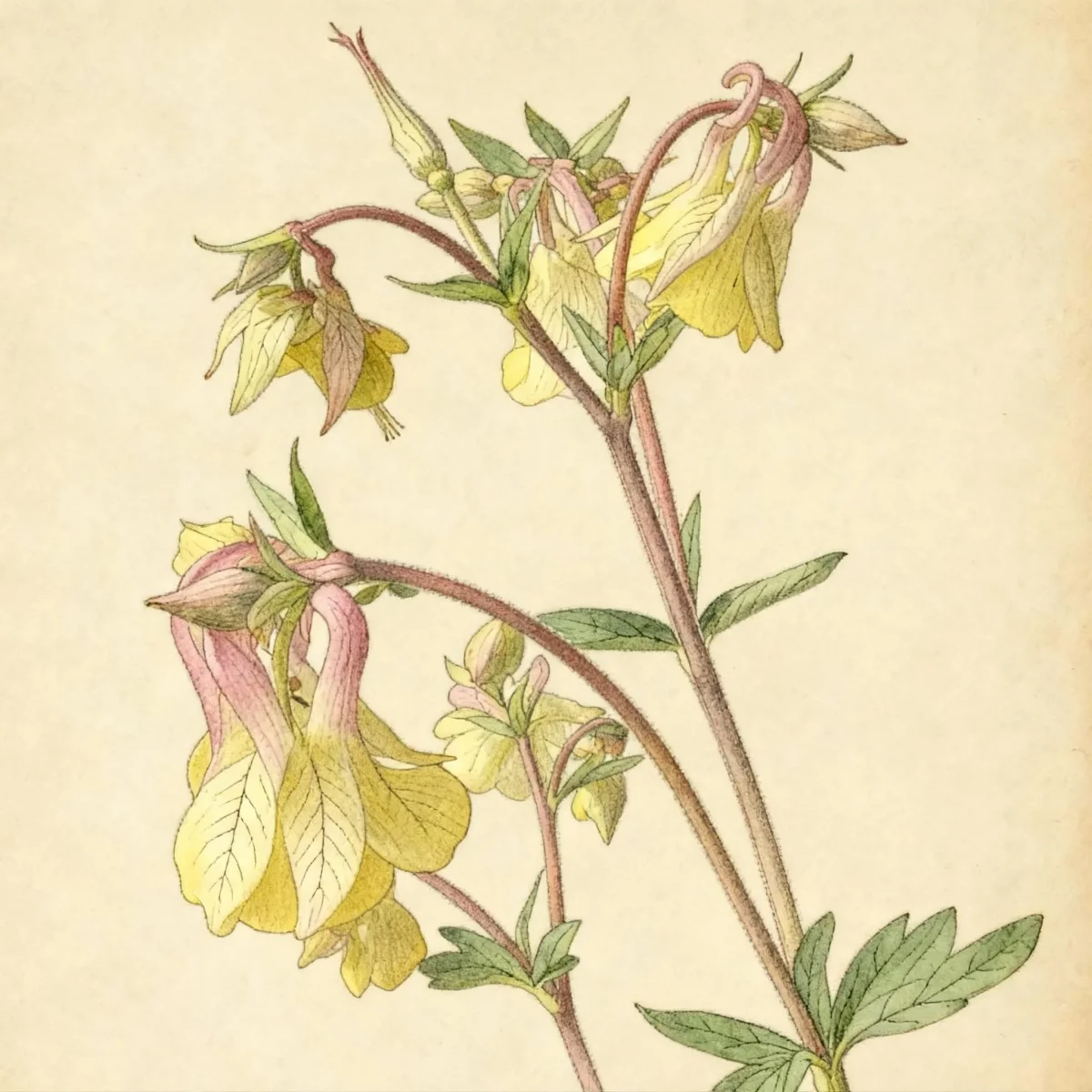
Aquilegia viridiflora, commonly known as green columbine, is a charming, compact perennial perfect for adding structure to shaded areas of the garden. It stands out due to its nodding, sweetly fragrant flowers that emerge in early spring, often displaying subtle yellowish-green hues. This species provides reliable color and texture when many other spring bloomers are finishing.
Unlike some of its flashier relatives, this Columbine is relatively unassuming yet highly valuable for its low maintenance needs and adaptability. It thrives in consistent moisture, making it a reliable choice for woodland borders or beneath high canopy trees where summer heat can be mitigated by shade. Gardeners appreciate the fine texture of its blue-green foliage, even when flowers are past their peak.
Native to parts of Eastern Asia, Aquilegia viridiflora fits well in rock gardens or border fronts due to its smaller stature, typically reaching only about one foot tall. Its resilience against common pests and its tolerance for mixed light conditions confirm its status as a dependable, low-fuss perennial.
Fast Facts
- Plant Family: Ranunculaceae
- Plant Type: Herbaceous perennial
- Native Range: Eastern Asia
- Hardiness Zones: USDA Zones 3-8
- Size at Maturity:
- Height: 0.5-1 ft
- Spread: 0.5-1 ft
- Bloom Time: April to May
- Bloom Description: Yellowish green
- Sun Exposure: Full sun to part shade
- Water Needs: Medium
- Maintenance Level: Low
How to Grow
The best time to establish new plantings of Aquilegia viridiflora is in the spring or fall when moisture is more readily available. This Columbine is easily grown in average, medium moisture, well-drained soil. While it tolerates full sun, it truly shines when given light to moderate shade, especially in hotter climates. Avoid heavy, poorly drained soils entirely, as this can lead to root issues.
Ongoing care for this perennial is straightforward. Maintain medium soil moisture levels, ensuring you keep soils uniformly moist, particularly after the spring bloom period concludes to encourage the best possible foliage display. Fertilization is rarely necessary if the soil is rich and well-amended to begin with.
Pruning is beneficial for appearance and flower production. Always remove the spent flowering stems immediately after the bloom fades to encourage secondary repeat blooming. Furthermore, the foliage of Aquilegia viridiflora often depreciates or yellows by mid-summer; if this occurs, you can cut the entire plant back to the ground at that time.
This plant may be grown successfully from seed and has the potential to self-seed gently throughout the garden under ideal, consistent growing conditions. Its compact nature makes cleanup and tidying uncomplicated at the end of the season.
Landscape Uses
The manageable size of this particular Columbine makes Aquilegia viridiflora an excellent candidate for the front edges of garden borders where its delicate spring display can be easily viewed. It performs beautifully in cottage gardens, adding a slightly wild, native texture mixed with traditional favorites. Consider using it in rock gardens where its drainage needs can be perfectly met while providing height contrast among low-growing succulents.
For woodland settings, this species is effective in sun-dappled areas, blending naturally along stream banks or in moist, shaded groves. Its ability to handle part shade ensures it integrates well beneath deciduous trees, providing early spring interest before the tree canopy fully closes.
Due to its dependable foliage, which acts nicely as ground cover through the summer if kept watered, plant it near spring bulbs that will fade quickly. You can also naturalize clumps of this species for a screen of fine blue-green foliage once the initial bloom of the Aquilegia viridiflora has passed.
Standout Features
Flower Qualities
- Showy
- Fragrant
Noteworthy Characteristics
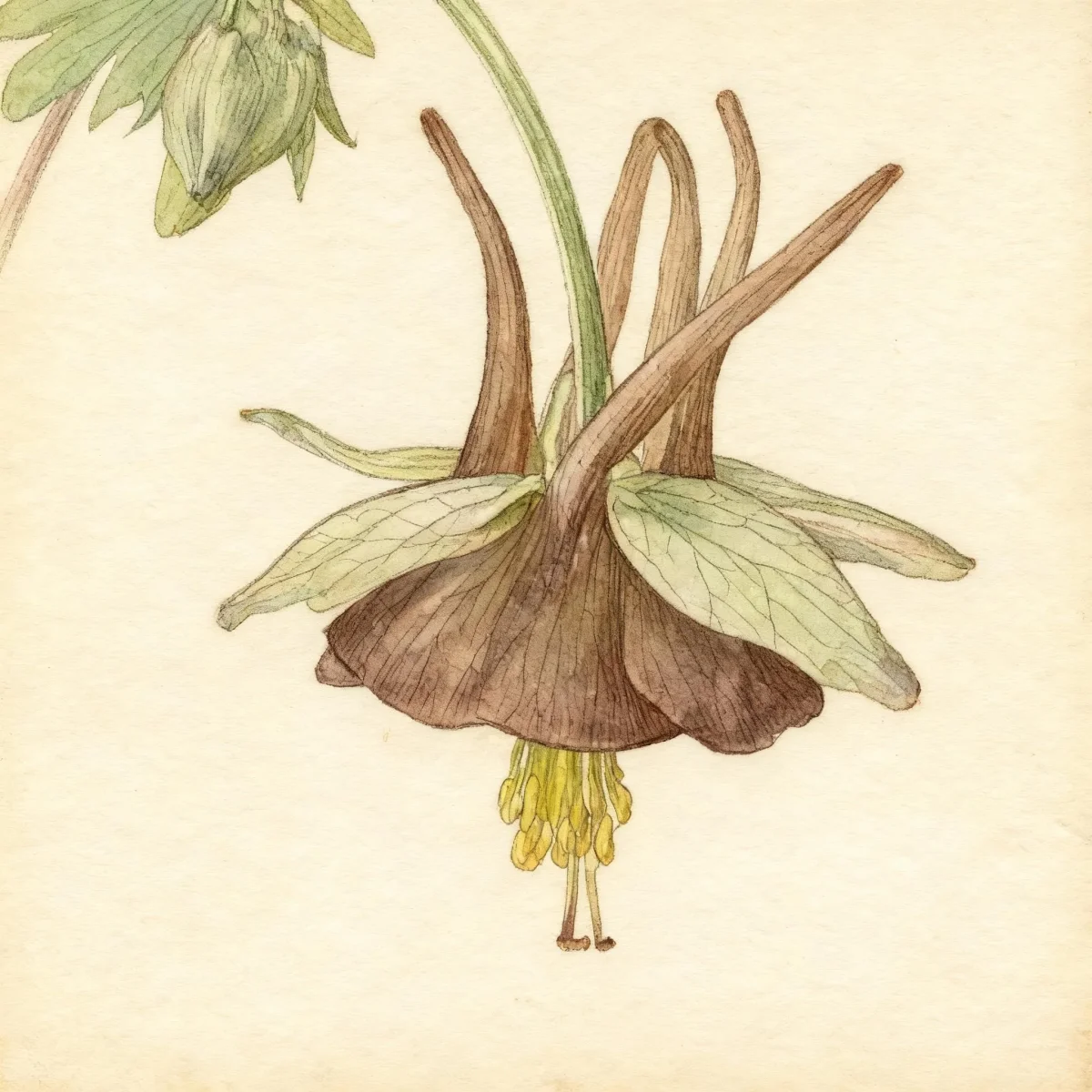
Aquilegia viridiflora, commonly known as green columbine, is a compact perennial that typically grows in a mound to only 12” tall. It is native to forests, grassy slopes, valleys, stream banks and wet places in China, Japan and Russia (Siberia). Nodding, sweetly fragrant flowers (each to 3/4” long) feature (a) yellowish-green sepals and petals, (b) yellowish-green to brownish-red petal limbs, and (c) short straight spurs. The genus name is derived from the Latin word for eagle, referencing the shape of the flower’s spurs.
Tolerances
- Rabbit
- Deer
Potential Problems
Gardeners will be pleased to know that this variety generally avoids serious insect or disease issues, contributing to its low maintenance rating. However, you should still remain vigilant for specific local threats. Susceptibility to leaf miner is noted, which can leave unsightly trails on the leaves in summer.
The most common issue is not a pest, but the natural aging of the foliage. If the leaves deteriorate substantially by mid-summer, which is typical for many Columbines, cut the entire plant back to the ground. Providing adequate, consistent moisture after bloom helps tremendously in prolonging the attractiveness of the foliage into the hotter months.
Frequently Asked Questions
What hardiness zones is Columbine suitable for?
This variety of Columbine, Aquilegia viridiflora, is well-suited for USDA Zones 3 through 8.
How large does Aquilegia viridiflora grow?
This is a compact variety, generally reaching a mature height between 0.5 and 1 foot tall with a similar spread of 0.5 to 1 foot wide.
When does Columbine bloom?
The blooming period for this species is typically during April to May, producing flowers described as yellowish green.
What sun exposure does Columbine need?
Aquilegia viridiflora performs best when grown in conditions ranging from full sun to part shade, though it appreciates protection from the harshest afternoon heat.
Conclusion
The compact structure and sweetly fragrant, unusual yellowish-green blooms make Aquilegia viridiflora a vital addition for early spring interest, especially in shaded garden borders. Its low maintenance ranking and charm ensure that this Columbine remains a favorite for discerning gardeners. Before planting, ensure your location provides well-drained soil and medium moisture to give this East Asian native the best possible start.
Companion Planting
When planning beds around Aquilegia viridiflora, select plants that share similar requirements for medium moisture and part to full sun exposure. Hostas and ferns thrive in similar light conditions and offer excellent contrasting foliage texture throughout the summer months once the Columbine bloom fades. Digitalis (Foxglove) is another classic cottage garden partner that shares a similar bloom season, creating vertical interest near the shorter Aquilegia viridiflora.
For areas receiving more sun, pair this perennial with Nepeta (Catmint) or Geraniums; these companions often tolerate slightly drier conditions later in the summer but will benefit from the initial consistent moisture provided to the Columbine. Since this plant is deer and rabbit tolerant, you can intersperse it with less palatable but equally rewarding perennials.
Propagation Tips
While you can certainly purchase established plants, Aquilegia viridiflora can be readily propagated by seed. Sow seeds indoors about 8-10 weeks before your last expected frost date, or directly outdoors in the fall for natural stratification. If grown under optimum conditions, this species may naturally self-seed, creating lovely, informal drifts of green columbine in successive seasons.
Division is less commonly recommended for Columbine than for many other perennials, as they often resent root disturbance. However, if specimens become overcrowded or you wish to move an established plant, perform division carefully in early spring before new growth aggressively emerges. Ensure any new divisions retain a substantial root ball along with adequate surrounding soil mass.