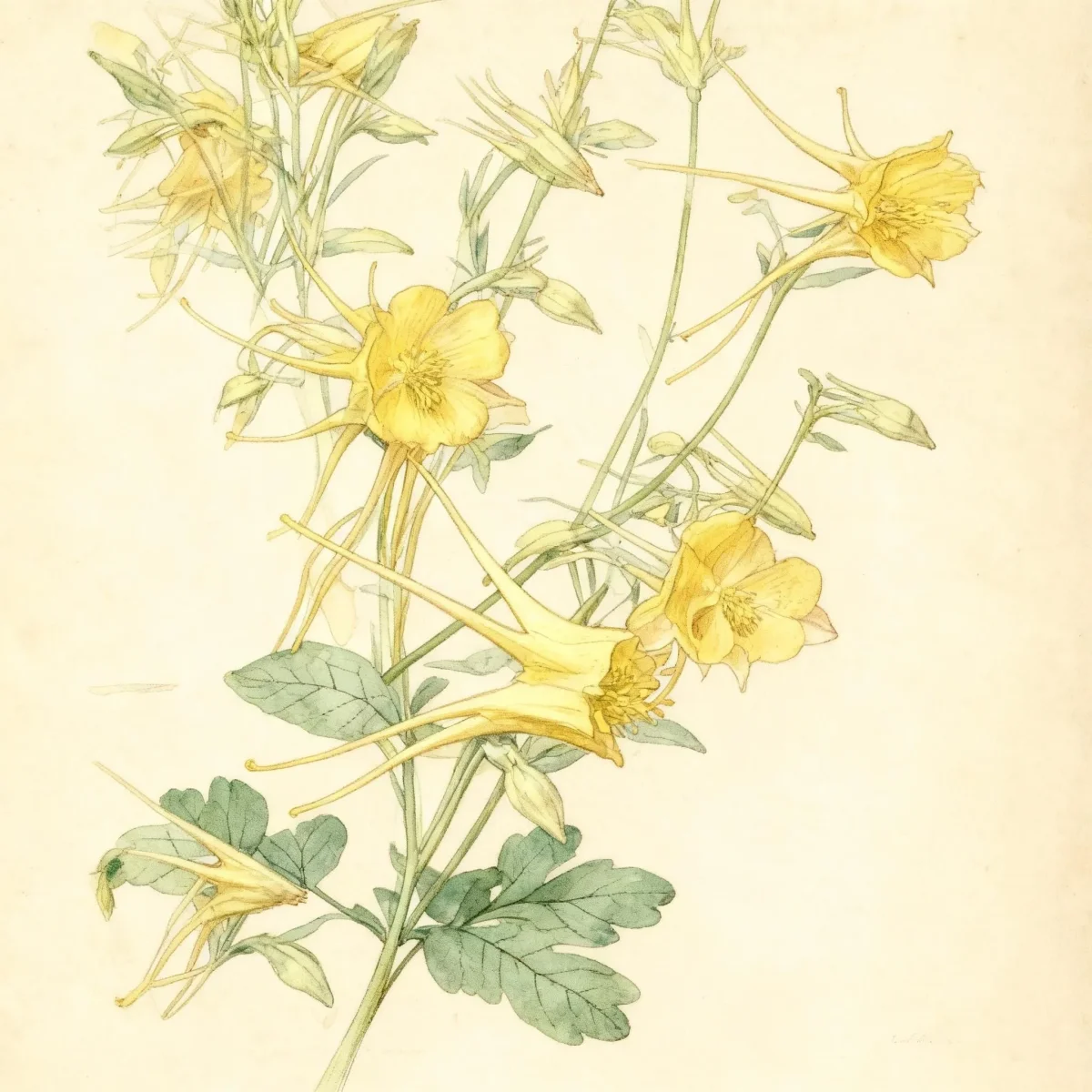
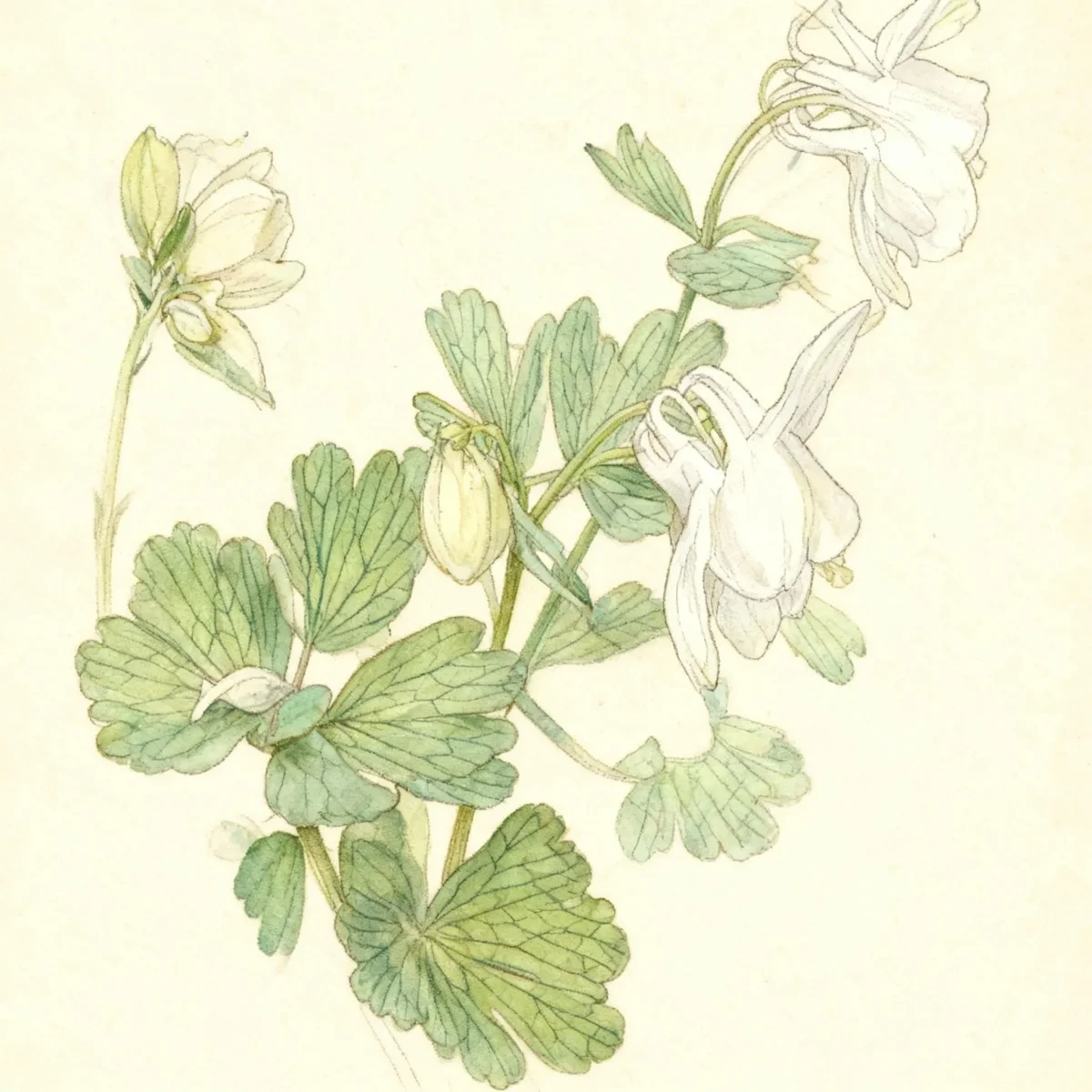
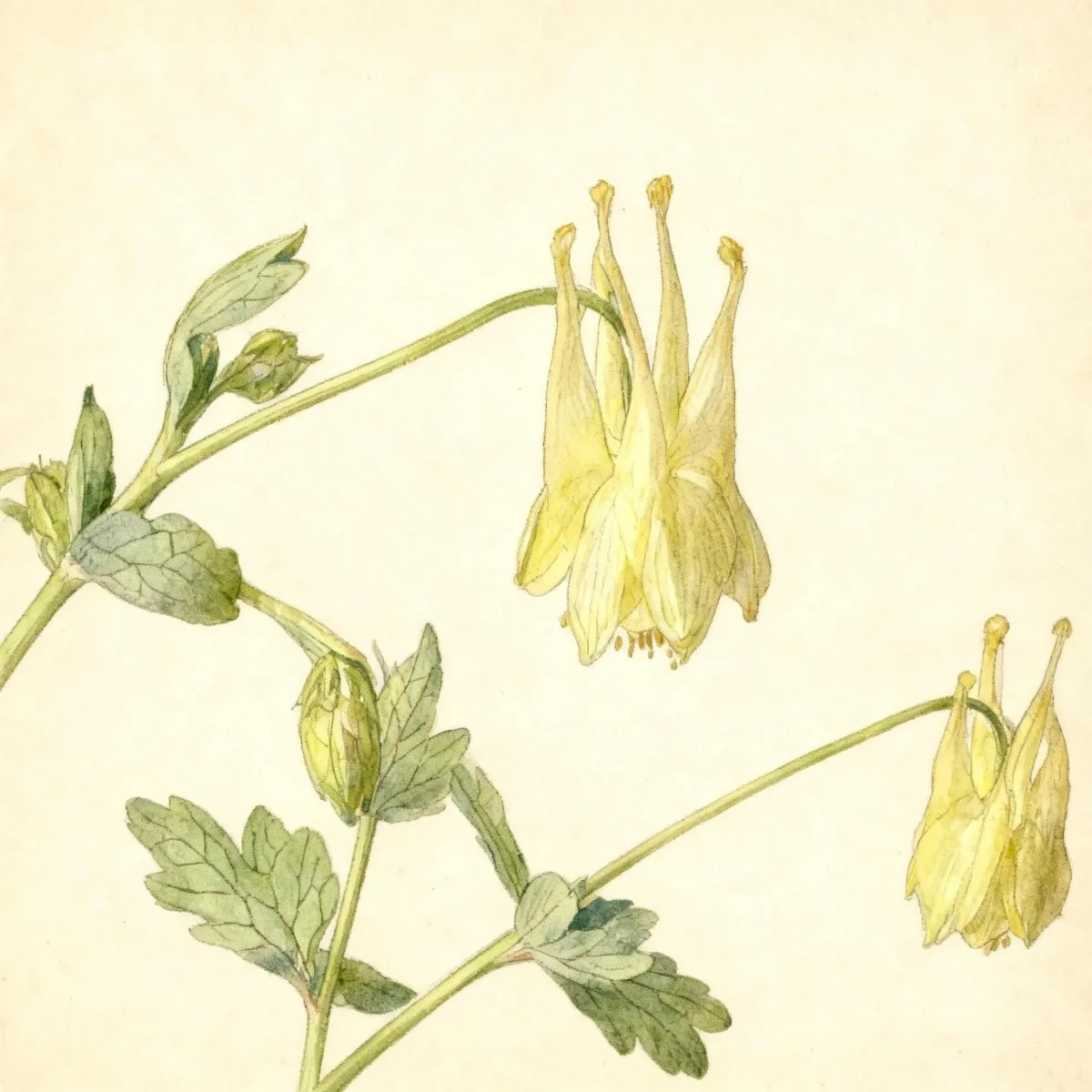
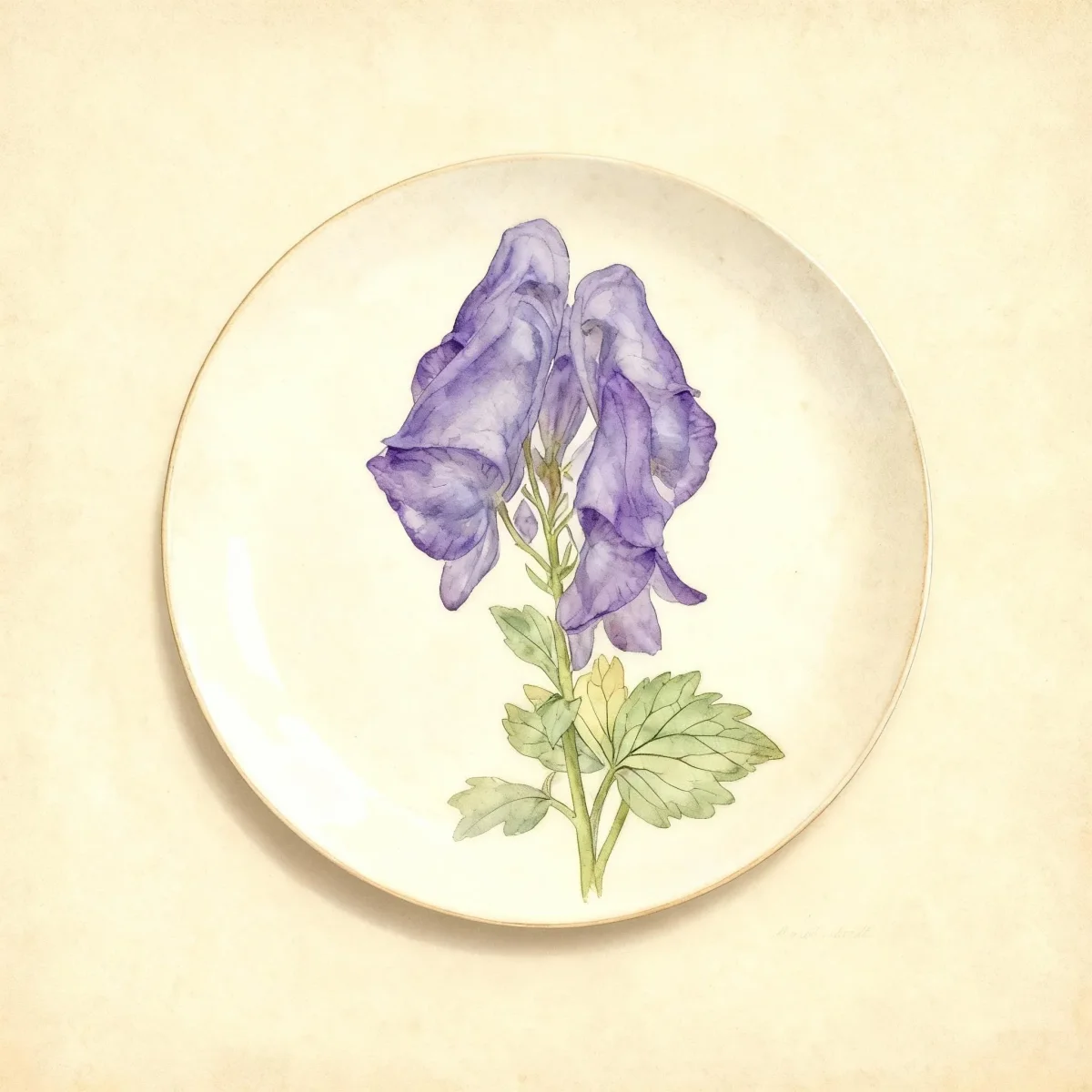
Scott's clematis (Clematis scottii)
Discover Scott's clematis (Clematis scottii), a non-vining herbaceous perennial featuring deep blue, nodding urn-shaped flowers and drought tolerance.
Scroll down to discover growing tips, care requirements, companion plants, and more
Complete Plant Information
Overview
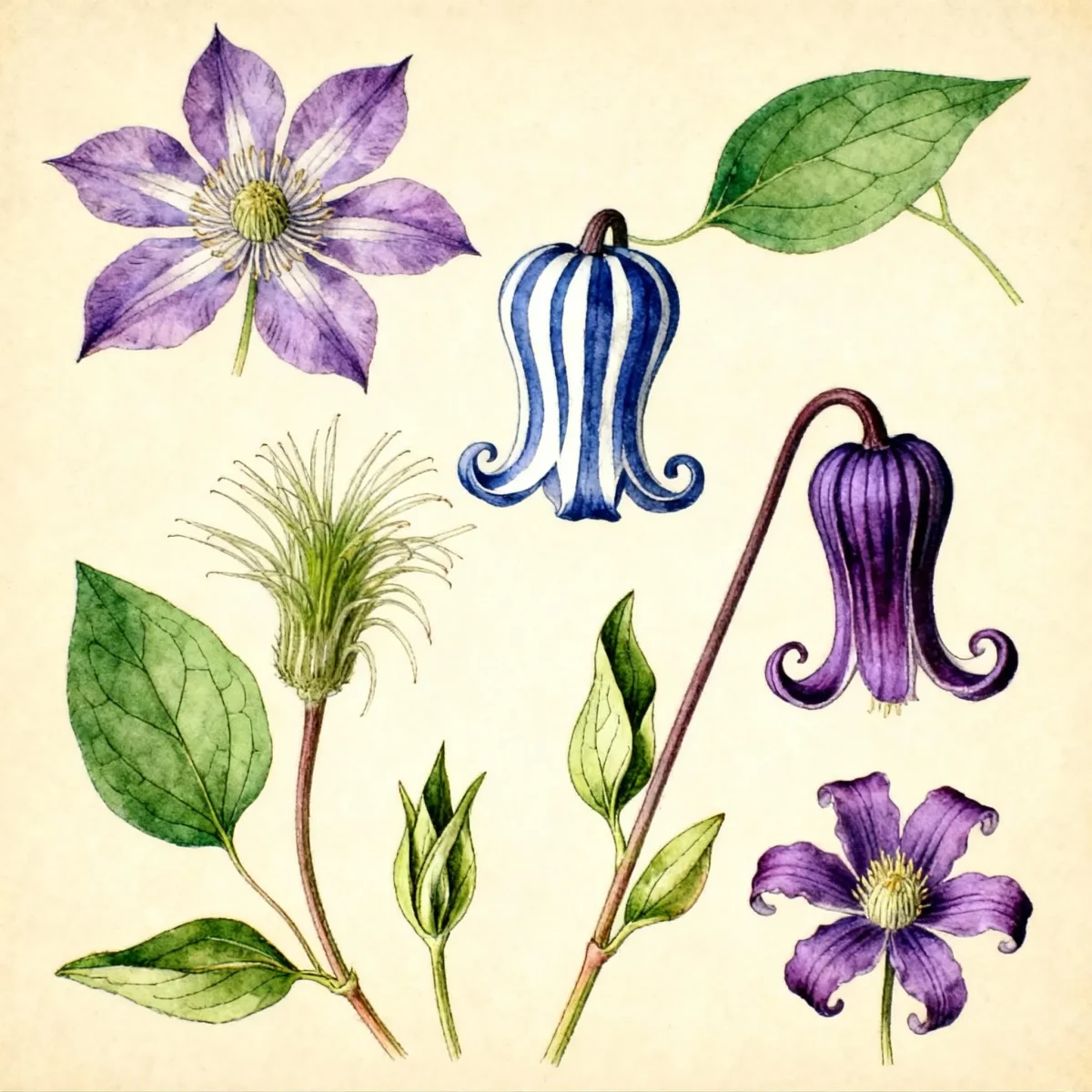
Scott’s clematis, scientifically known as Clematis scottii, offers a unique, sturdy presence among clematis varieties, distinguishing itself as a non-vining, upright perennial rather than a rampant climber. This native plant is highly valued for its deep blue, nodding, urn-shaped flowers that provide excellent late-spring and early-summer color in the garden. Gardeners appreciate Clematis scottii for its rugged reliability and status as a native species in the Great Plains region.
This herbaceous perennial generally forms a manageable clump, reaching heights between one and one and a half feet, making it perfect for front-of-border placement where traditional vines might overwhelm neighboring plants. While it requires medium maintenance and patience as it establishes, its adaptability to drought once mature makes it a practical and beautiful addition to many landscapes.
The aesthetic appeal of Clematis scottii extends beyond the blooms; it develops attractive, silky-fuzzy seed heads in the late summer and fall that offer continued visual interest. Incorporating Scott’s clematis into your garden plan introduces texture, unique flower form, and proven resilience across USDA Zones 4 through 7.
Fast Facts
- Plant Family: Ranunculaceae
- Plant Type: Herbaceous perennial
- Native Range: Great Plains States
- Hardiness Zones: USDA Zones 4-7
- Size at Maturity:
- Height: 0.75-1 ft
- Spread: 1-1.5 ft
- Bloom Time: May to July
- Bloom Description: Deep blue
- Sun Exposure: Full sun to part shade
- Water Needs: Medium
- Maintenance Level: Medium
How to Grow
Prepare the site for Clematis scottii by ensuring the soil is rich, fertile, moist, but crucially, well-drained. While this plant is generally hardy, be aware that it is slow to establish and may require several growing seasons before reaching its full potential. In hot, humid summers, providing some afternoon shade, typical of advice for the St. Louis area, can prevent stress.
Water needs are medium; ensure consistent moisture, especially during the establishment phase, but avoid soggy conditions which can damage the root system. Although Clematis scottii possesses some drought tolerance once established, never allow the soil to completely dry out, particularly during peak heat. Pruning for this non-vining type is generally minimal, focusing on removing dead or damaged stems in early spring.
When placing your Scott’s clematis, remember its eventual size: a compact clump only about 12 inches tall and 18 inches wide. Incorporate plenty of organic matter into the planting hole to support its need for rich soil structure as it develops its root system over those crucial first few years.
Landscape Uses
The compact, upright habit of Clematis scottii makes it incredibly versatile for structured garden designs. It is highly recommended for massing or planting in large groups where its deep blue flowers can create a striking, unified color block. This plant excels utilized at the front of borders, allowing taller specimens to emerge behind it without obscuring its urn-shaped blooms.
For a naturalized, low-maintenance look, consider integrating Scott’s clematis into native plant gardens, meadows, or prairie simulations where it complements other regionally appropriate flora. Its specific structure also makes it an excellent choice for rock gardens, where its relatively low stature and tolerance for well-drained sites are advantageous. It pairs well aesthetically and culturally with sturdy ornamental grasses or smaller, sun-loving perennials that thrive in similar soil conditions.
Standout Features
Flower Qualities
- Showy
Noteworthy Characteristics
Clematis scottii, commonly known as sugar bowl clematis, is a non-vining bush clematis which typically grows in an upright clump to 12” tall and 18” wide. It is native to South Dakota, Wyoming, western Nebraska, Utah, Colorado, Oklahoma and New Mexico, but is particularly noted for its showy presence in open mountain woodlands, mountain meadows, thickets and rocky slopes along the foothills of the Front Range of the Rocky Mountains in southern Wyoming and Colorado. This perennial features (a) compound leaves (upper ones pinnate to 2-pinnate and 3-6” long) with lanceolate to ovate leaflets, (b) solitary, nodding, showy, urceolate, urn- or bell-shaped, deep blue flowers (resembling sugar bowls) which droop singly from the top of a naked flowering stem in a late spring to early summer (May-July) bloom, and (c) showy, silky-fuzzy seed heads (plumed achenes) which develop late summer to fall. Synonymous with Clematis hirsutissima var. Scottii and Clematis douglasii var. Scottii.
Tolerances
- Rabbit
- Deer
- Drought
Potential Problems
Clematis scottii must be monitored for common fungal issues, though it is generally less susceptible than its large-flowered hybrid cousins. Clematis wilt is the most serious concern, a potentially fatal fungal disease; ensure excellent soil drainage to mitigate risk. Powdery mildew, leaf spots, and rust can also appear, often exacerbated by high humidity or poor air circulation.
Potential insect pests are manageable but remain a threat; inspect foliage for aphids, scale, and slugs or snails, especially when the plant is establishing. Earwigs and vine weevils may also cause minor damage periodically. Watch carefully for spider mites, particularly during dry, hot spells, and address infestations promptly with appropriate controls.
Frequently Asked Questions
What hardiness zones is Scott’s clematis suitable for?
Clematis scottii is hardy in USDA Zones 4 through 7, making it adaptable to a wide range of northern and central garden climates.
How large does Clematis scottii grow?
This perennial typically achieves a compact size, growing between 0.75 and 1 foot in height, with a spread of 1 to 1.5 feet wide.
When does Scott’s clematis bloom?
Scott’s clematis blooms reliably from May into July, presenting its distinctively deep blue, nodding flowers.
What sun exposure does Clematis scottii need?
This species performs best with full sun exposure, though it appreciates some afternoon shade, especially in the hottest parts of its hardiness range.
Conclusion
The Clematis scottii specimen provides low-growing structure and reliably charming, deep blue flowers, making it an excellent choice for native plantings or rock gardens. Its moderate maintenance and tolerance for drought once established confirm its standing as a rewarding perennial for gardeners in Zones 4-7. Plan to place your Scott’s clematis this spring in a spot with fertile, well-drained soil to encourage strong root development.
Companion Planting
Selecting suitable neighbors is key to ensuring the health and aesthetics of your Clematis scottii. Because this species prefers rich, moist but well-drained soil and appreciates protection from intense afternoon heat common in the front range of its native habitat, pair it with other mid-sized or low-growing perennials that share similar cultural needs. Consider blending it with plants known for good drainage tolerance once established, such as various sedums or ornamental grasses that mimic the meadow environment where it thrives.
When using Scott’s clematis in a border, plant companions whose blooming times overlap or follow, ensuring continuous visual interest. Plants that fill in the space around the base without casting excessive shade on the clump itself are ideal. Think silvery foliage plants or those with contrasting fine textures to highlight the coarse structure of the clematis leaves and the unique urn shape of the flowers.
Wildlife Benefits
Though not a major nectar source for hummingbirds, the native range of Clematis scottii suggests its flowers are beneficial to generalist native bees foraging in the Great Plains ecosystem during late spring and early summer. The nodding, bell-like flowers evolved to protect pollen and nectar from weather while remaining accessible to appropriate pollinators.
Furthermore, the structure of the plant itself can offer small cover benefits for low-growing wildlife. The developing seeds, which turn into showy, silky-fuzzy achenes late in the season, add valuable textural interest and may provide light forage or nesting material elements for smaller garden visitors as they move into the fall.