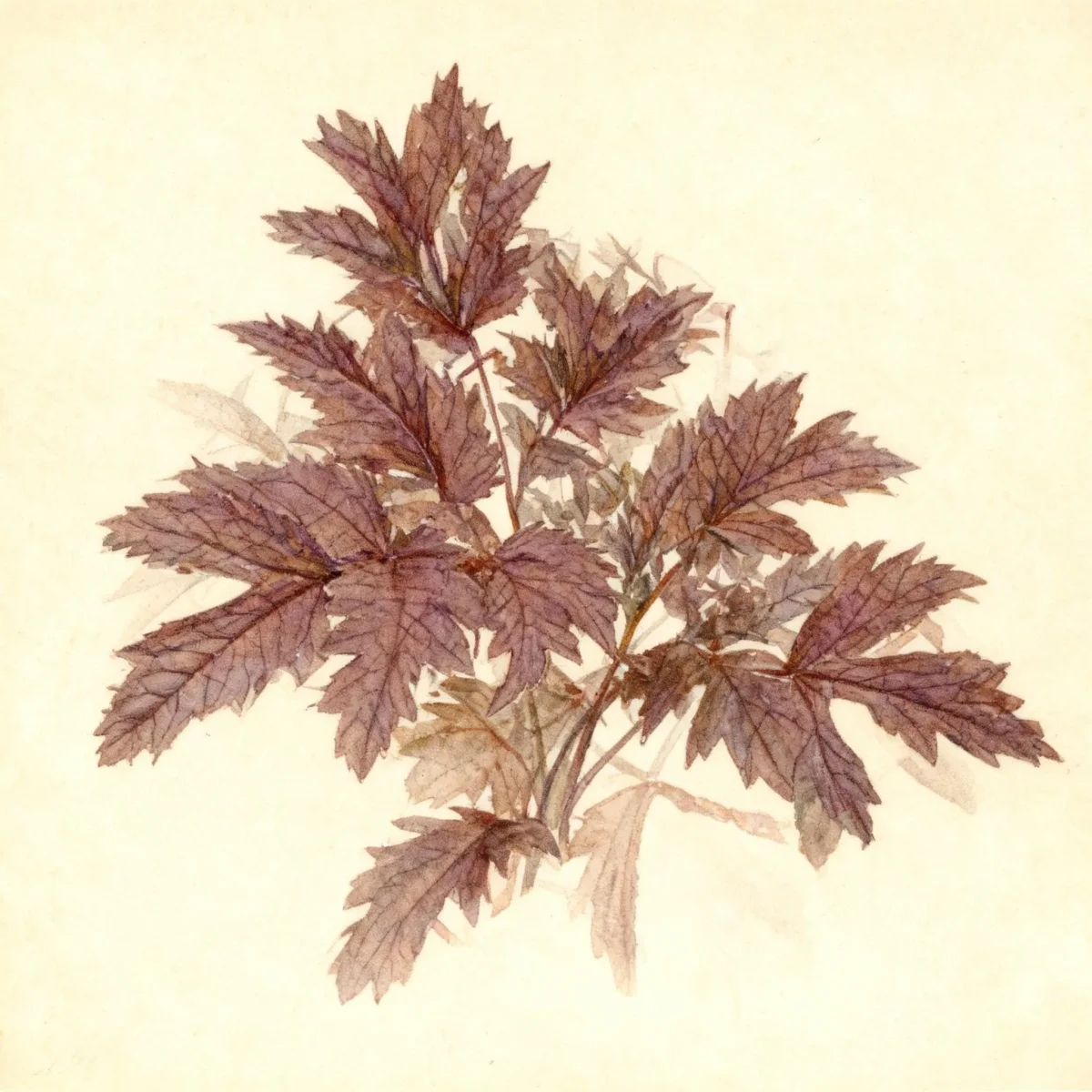
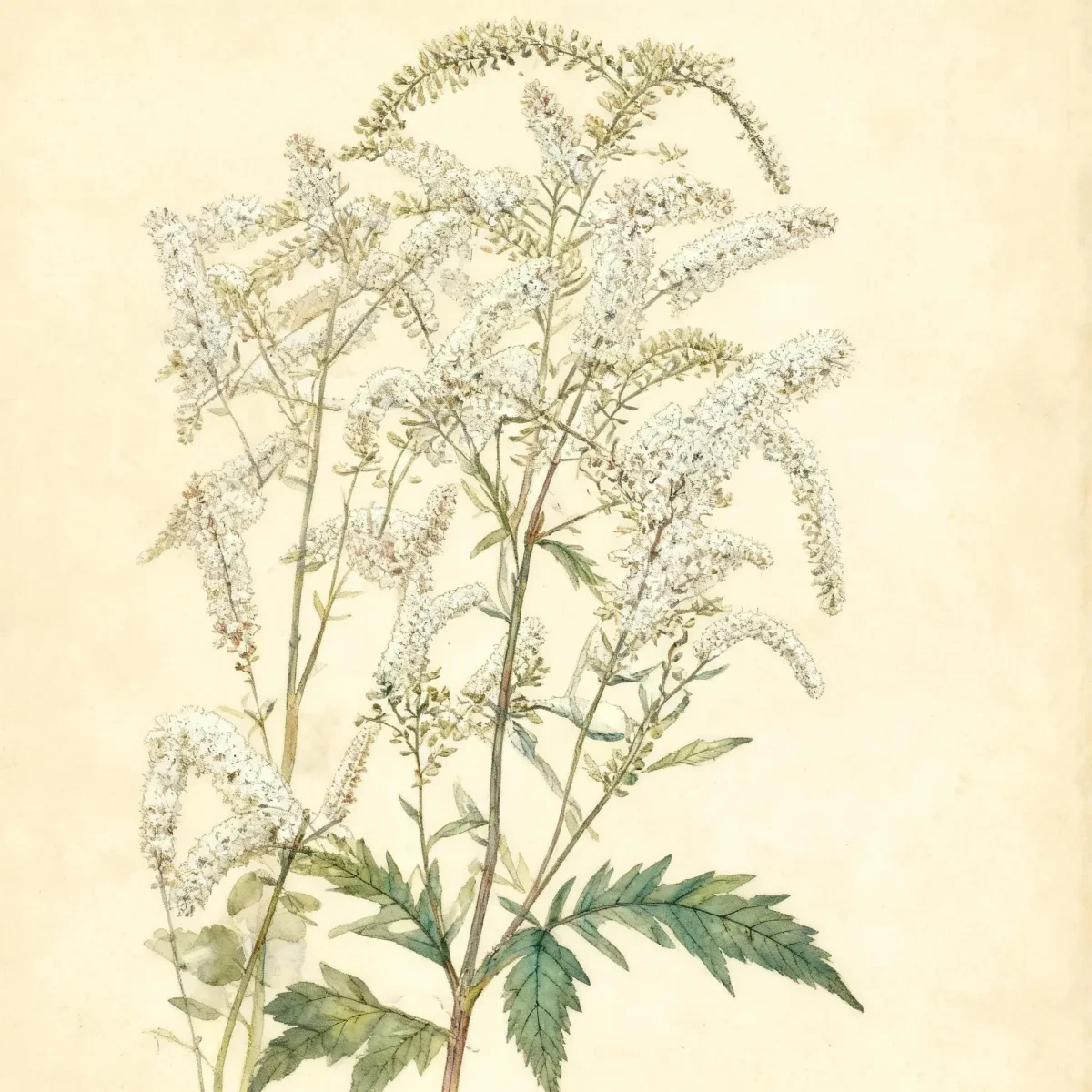
Bugbane (Actaea dahurica)
Actaea dahurica, or Bugbane, is an upright perennial offering fragrant, creamy white spikes of bloom in late summer for shady borders.
Scroll down to discover growing tips, care requirements, companion plants, and more
Complete Plant Information
Overview
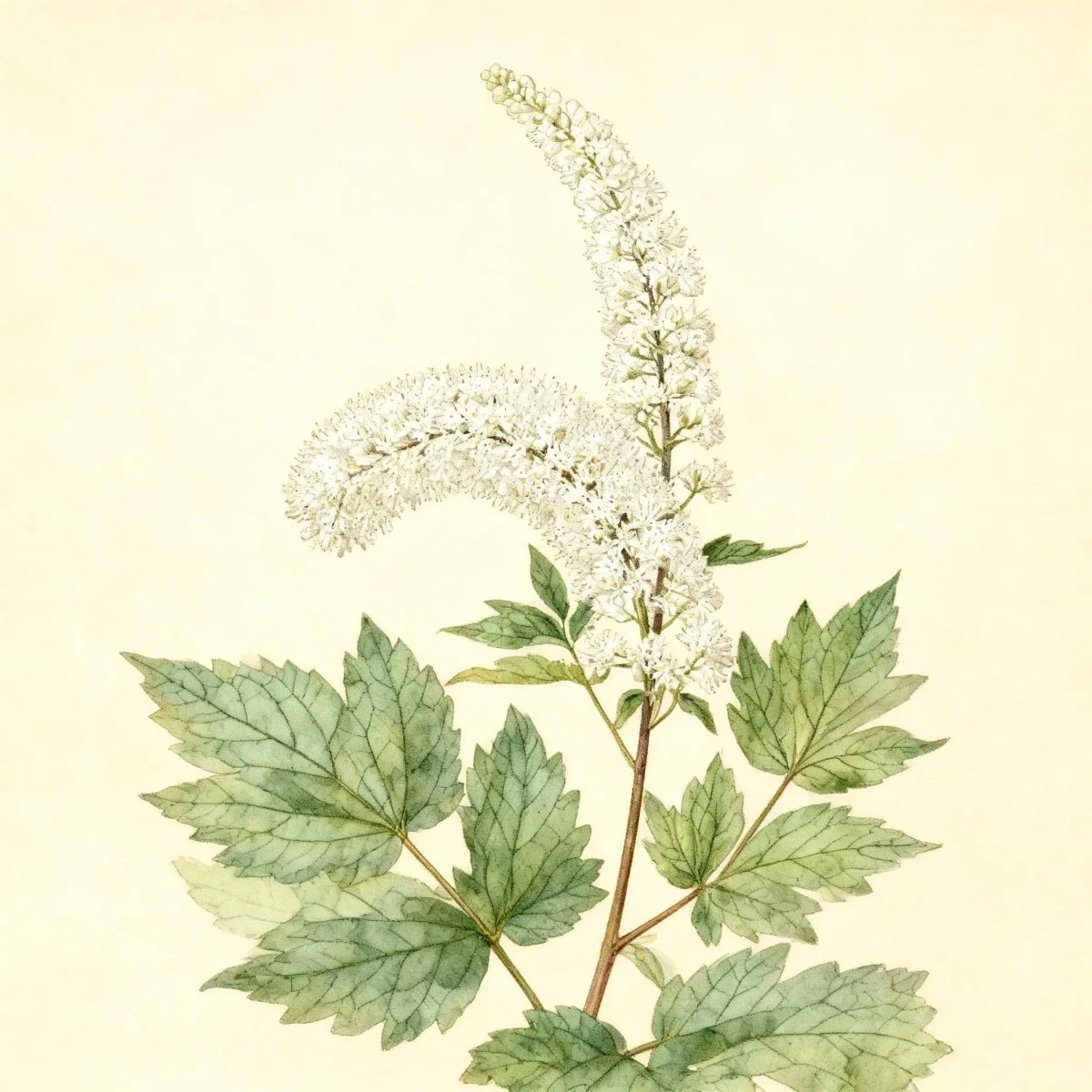
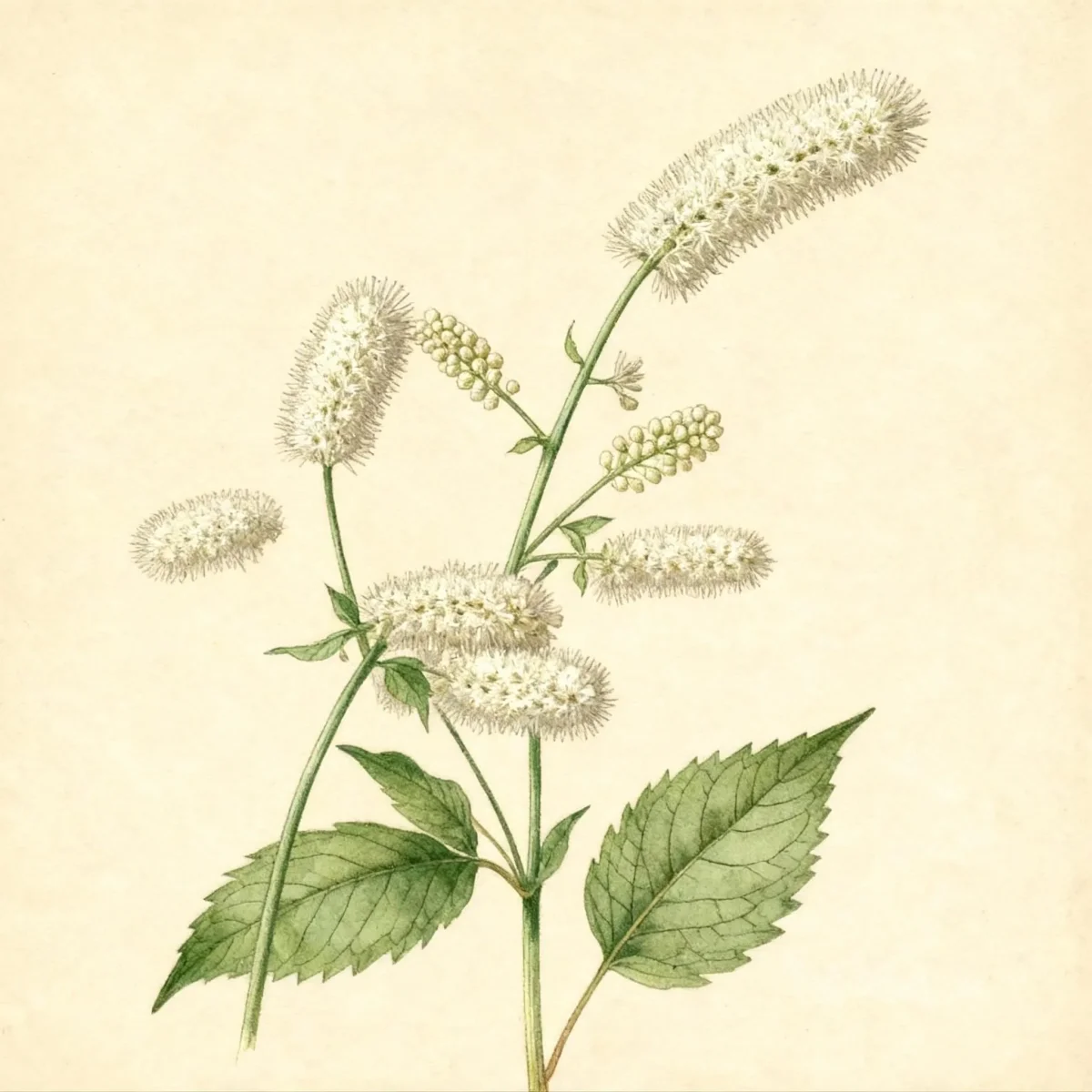
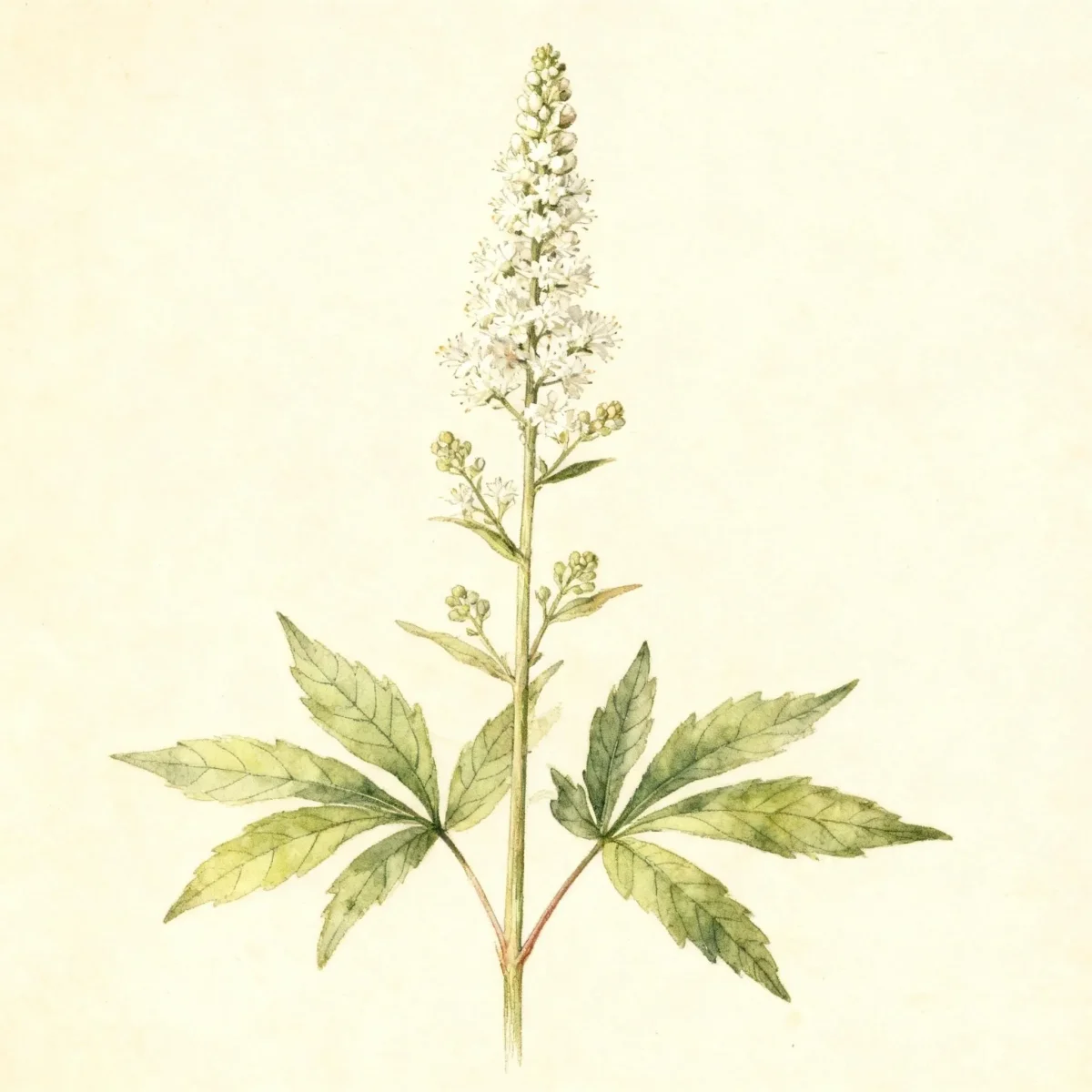
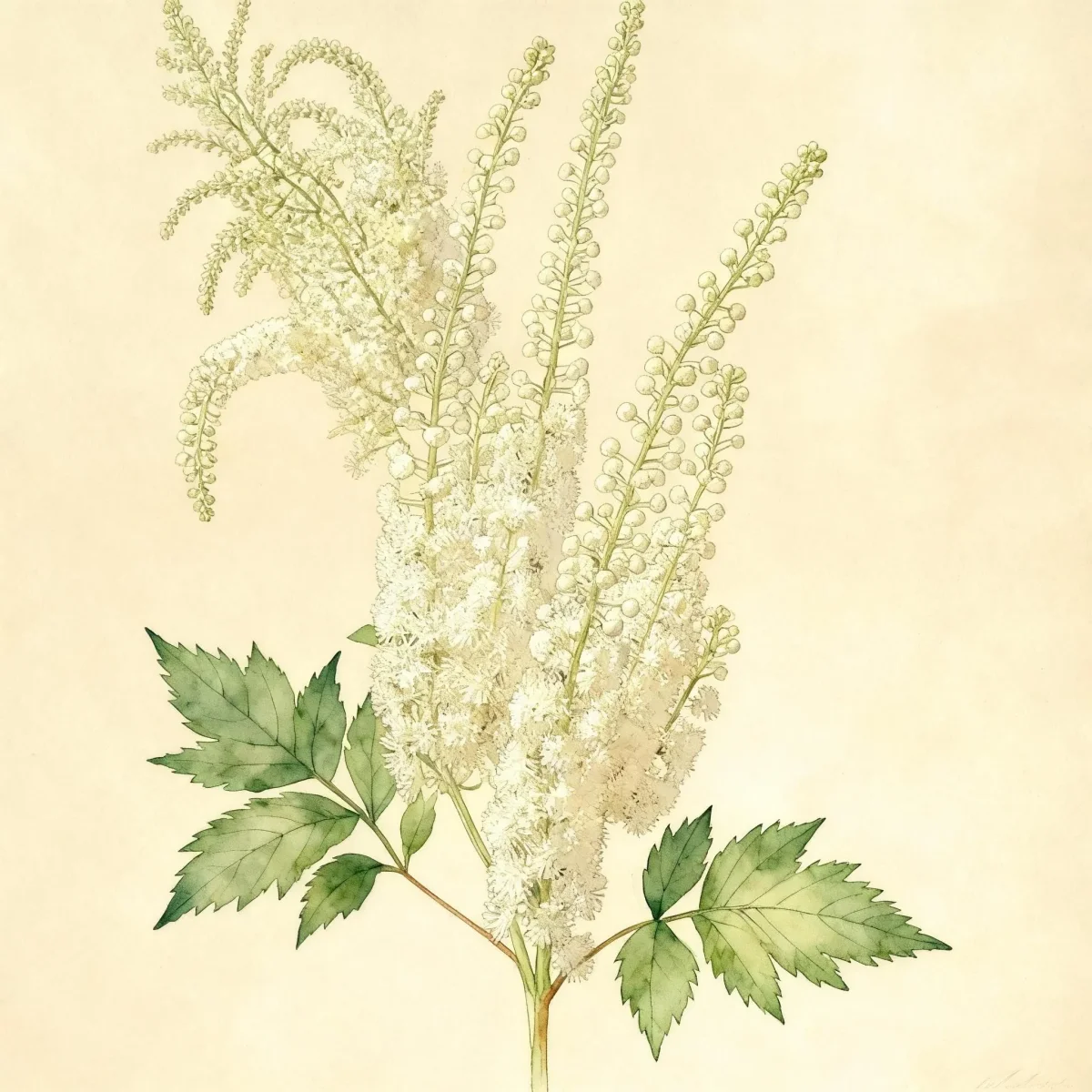
Actaea dahurica, commonly known as Bugbane, provides striking architectural structure and late-season interest for the shaded garden. This herbaceous perennial is valued for its deeply-cut, ferny foliage clump topped by dramatic, bottlebrush-like racemes of creamy white flowers late in the season. As a slow-to-establish plant, patience is required, but the reward is significant vertical accenting in areas where vibrant summer color is scarce.
The impressive flower stalks of Actaea dahurica rise well above the foliage mass, carrying mildly fragrant blooms in late summer and early autumn. While visually similar to some cousins, the leaflets of this specific Actaea species feature distinctive heart-shaped bases, aiding in identification. Gardeners appreciate Bugbane for its resilience in shade and its preference for rich, moisture-retentive soils, making it an excellent choice for woodland settings.
Historically known as Cimicifuga dahurica, this plant has been reclassified into the genus Actaea. The common name, bugbane, points to its historical use as an insect repellent, though its primary modern appeal lies in reliable late-season performance and elegant texture beneath the tree canopy.
Fast Facts
- Plant Family: Ranunculaceae
- Plant Type: Herbaceous perennial
- Native Range: Asia
- Hardiness Zones: USDA Zones 4-9
- Size at Maturity:
- Height: 3-6 ft
- Spread: 2.5-3 ft
- Bloom Time: August to September
- Bloom Description: Cream white
- Sun Exposure: Part shade to full shade
- Water Needs: Medium
- Maintenance Level: Medium
How to Grow
The best time to plant Actaea dahurica is typically in spring or early fall, ensuring it has time to establish roots before extreme weather hits. This Bugbane thrives in average, medium moisture soils, provided they are humusy, organically rich, and consistently moisture-retentive. Site your selected plants in partial to full shade, and ensure the location is sheltered from harsh, strong winds which can damage the tall bloom spires.
Consistent moisture is crucial for maintaining healthy foliage; soils must not be allowed to dry out, as dryness causes the leaf margins to scorch and growth to slow down significantly. While general fertilizing is usually unnecessary if the soil is organically rich, deeper mulch applications help retain this required soil moisture throughout the season. This plant is inherently slow to establish, so be patient during its first year or two before expecting robust growth.
Because the tall flower spires can occasionally bend toward brighter light, even in deep shade, support may be needed for the tallest specimens. In late winter or early spring, remove any dead foliage left over from the previous season before new growth emerges. Good air circulation is recommended for reducing the slight risk of rust or leaf spot diseases.
Landscape Uses
Actaea dahurica excels at adding crucial architectural height and late-season flowering to shaded borders where many other perennials have finished. The tall, creamy white flower spires provide a fantastic contrast when placed against darker green or purple foliage companions in the shade garden. This Bugbane is highly effective when integrated into woodland gardens, cottage environments, or naturalized settings where its upright habit can mimic surrounding understory shrubs.
While single specimens offer good specimen value once well-established, planting them in groups of three or more maximizes the visual impact of their dramatic plumes. Using the white flower spires in the foreground of dark backgrounds, such as evergreen shrubs or dark bark, makes the blooms appear even more demonstrative and bright. The deeply-cut, deep green foliage provides excellent texture and color contrast across the entire growing season.
Standout Features
Flower Qualities
- Showy
- Fragrant
- Good Cut
Noteworthy Characteristics
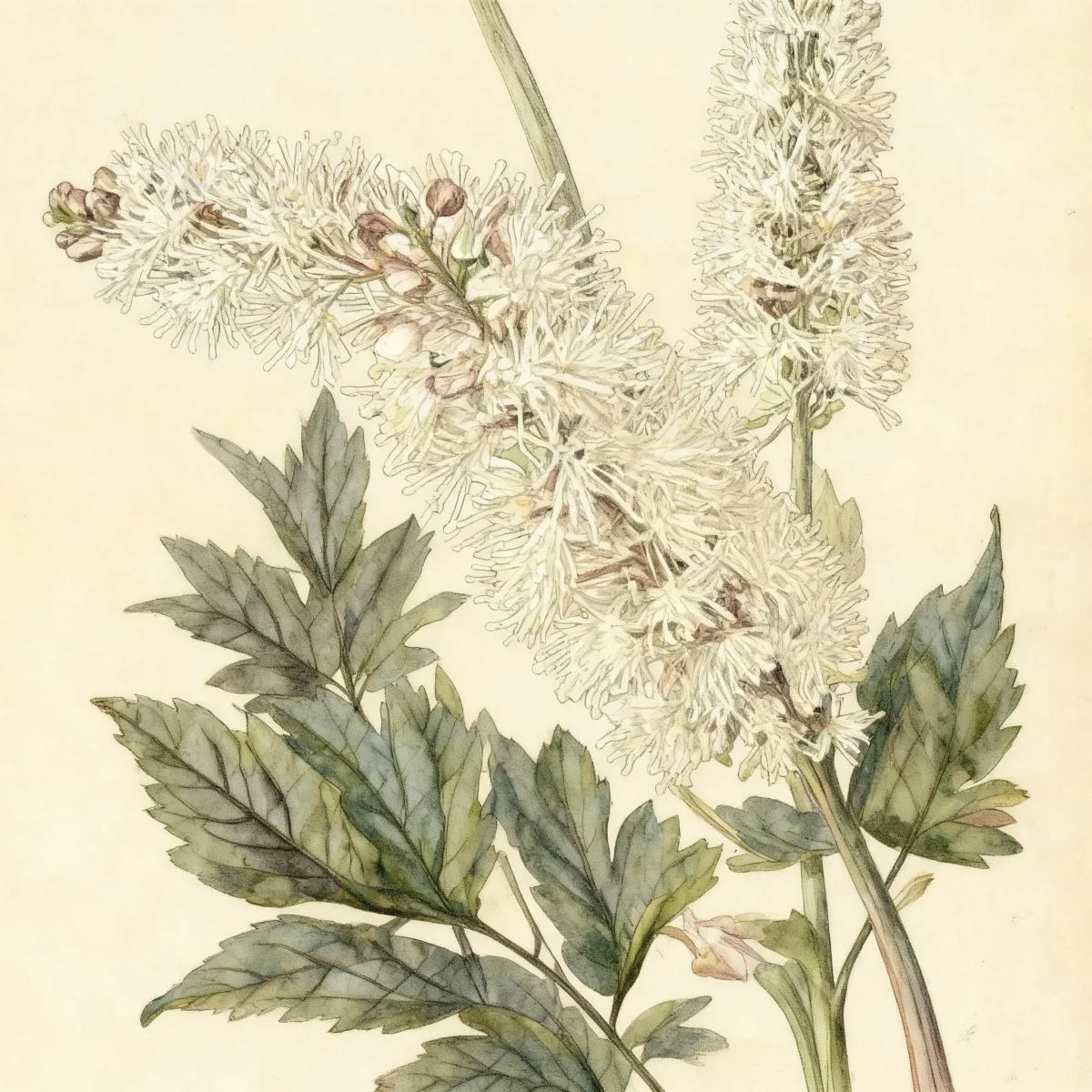
The formal name Actaea dahurica introduces an upright perennial featuring delicate, ferny foliage, deeply-cut and dark green, borne on branched stems that form a clump usually reaching 3-4 feet tall. Dramatic flower stems then rise up to 5-6 feet, displaying terminal, bottlebrush-like racemes of fluffy, mildly fragrant, creamy white flowers that bloom profusely in late summer to early autumn. The common name bugbane refers to the plant’s historical association with insect-repellant properties.
Tolerances
Given the cultural preferences detailed above, no specific list of tolerances was provided in the source data.
Potential Problems
Actaea dahurica is generally known for being resistant to serious insect pests and diseases, offering relatively low-hassle performance in the garden. However, occasional issues such as rust or leaf spot can occur, particularly in overly damp or crowded conditions; ensure adequate air circulation to minimize these fungal risks. Taller flower stalks may occasionally require staking, as they sometimes bend noticeably toward any available light source, especially if the plant is situated in deep shade. The most common maintenance issue revolves around moisture management; insufficient water will lead to browning leaf margins (scorch) and stunted growth, underscoring the plant’s requirement for consistently moist rooting zones.
Frequently Asked Questions
What hardiness zones is Bugbane suitable for?
Actaea dahurica is suitable for gardeners located in USDA Hardiness Zones 4 through 9.
How large does Bugbane grow?
This perennial typically reaches a height between 3 and 6 feet, with a spread of 2.5 to 3 feet once mature.
When does Bugbane bloom?
Bugbane blooms in the late part of the growing season, typically throughout August and September, offering cream white flower spikes.
What sun exposure does Bugbane need?
Actaea dahurica performs best when planted in locations receiving part shade to full shade throughout the day.
Conclusion
The reliability of Actaea dahurica in providing elegant structure and late-season, fragrant blooms makes it an indispensable component of the shade garden design. By ensuring rich, consistently moist soil conditions, gardeners can successfully cultivate this stunning Bugbane variety. Before planting, confirm your site falls within USDA Zones 4-9 and plan for its slow establishment period to ensure long-term success with this architectural perennial.
Companion Planting
When planning your shade garden structure, consider companions that complement the texture and timing of Actaea dahurica. Plants that provide strong, solid-leaf textures contrast beautifully with the fine, ferny foliage of Bugbane. Hostas with variegated or blue leaves, or large-leaved Rodgersia species, thrive in similar moist, shaded conditions and offer excellent visual balance to the upright, airy flowers of Actaea dahurica. Ferns like Japanese Painted Fern or Athyrium varieties also share similar cultural needs and create a lush, woodland feel around your established clumps.
Propagation Tips
Propagating Bugbane is most successfully achieved through patience and division, as seed germination can be slow and unreliable for home gardeners. The best time to divide established clumps of Actaea dahurica is in early spring just as new growth is initiating, or alternatively in early fall. Carefully lift the entire clump, ensuring you have healthy sections containing both roots and basal buds. Make clean cuts using a sharp, sterilized spade or knife to separate the divisions, ensuring each new piece is large enough to support itself. Replant divisions immediately into amended, moist soil at the same depth they were previously growing, and water deeply to settle the root system.