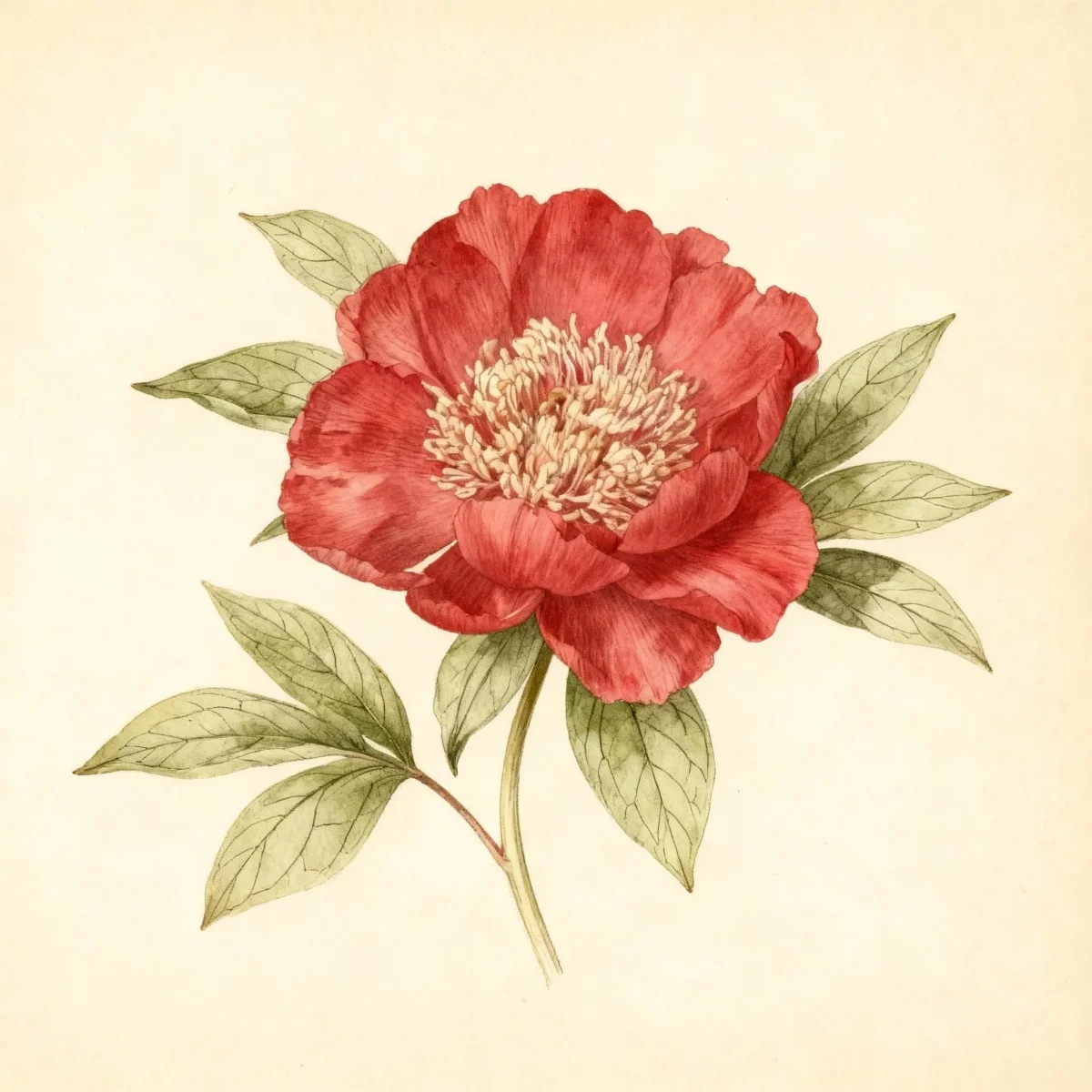
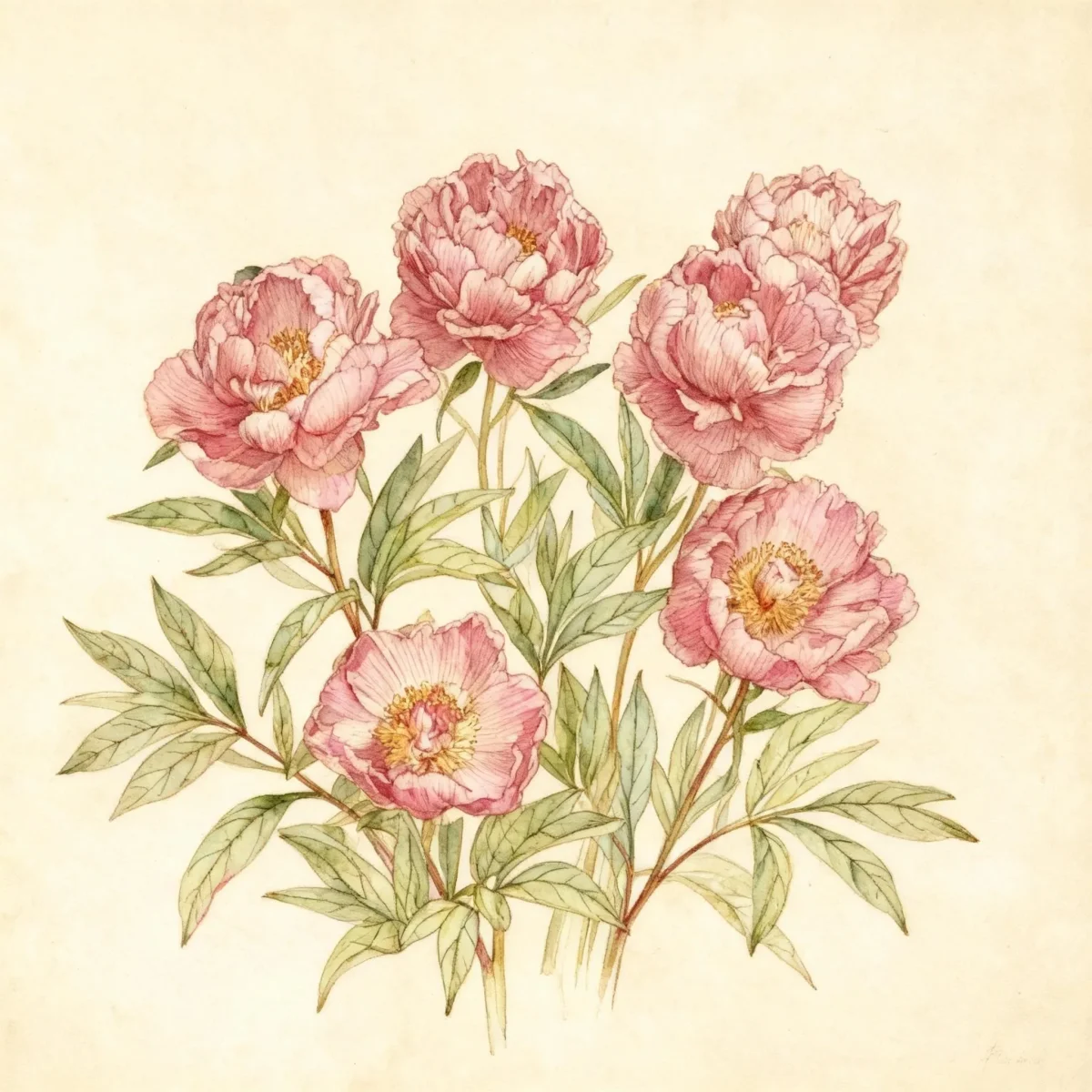
Peony (Paeonia veitchii var. woodwardii)
Discover Paeonia veitchii var. woodwardii, a compact, charming Peony perfect for borders, blooming pink to magenta in late spring.
Scroll down to discover growing tips, care requirements, companion plants, and more
Complete Plant Information
Overview
Paeonia veitchii var. woodwardii, a delightful variety of Peony, offers gardeners a compact and attractive herbaceous perennial suited for perennial borders and rock gardens. Native to the mountainous regions of Western China, this variety thrives in temperate climates, generally across USDA Zones 6 through 8. It distinguishes itself by maintaining an attractive, dome-shaped habit even outside of its stunning bloom period.
This specific cultivar, Paeonia veitchii var. Woodwardii, often remains more compact than the parent species, typically reaching only about 12 inches tall, making it an excellent choice where space is a consideration. Its resilience, combined with its relatively low ongoing maintenance needs once established, makes it a reliable perennial fixture.
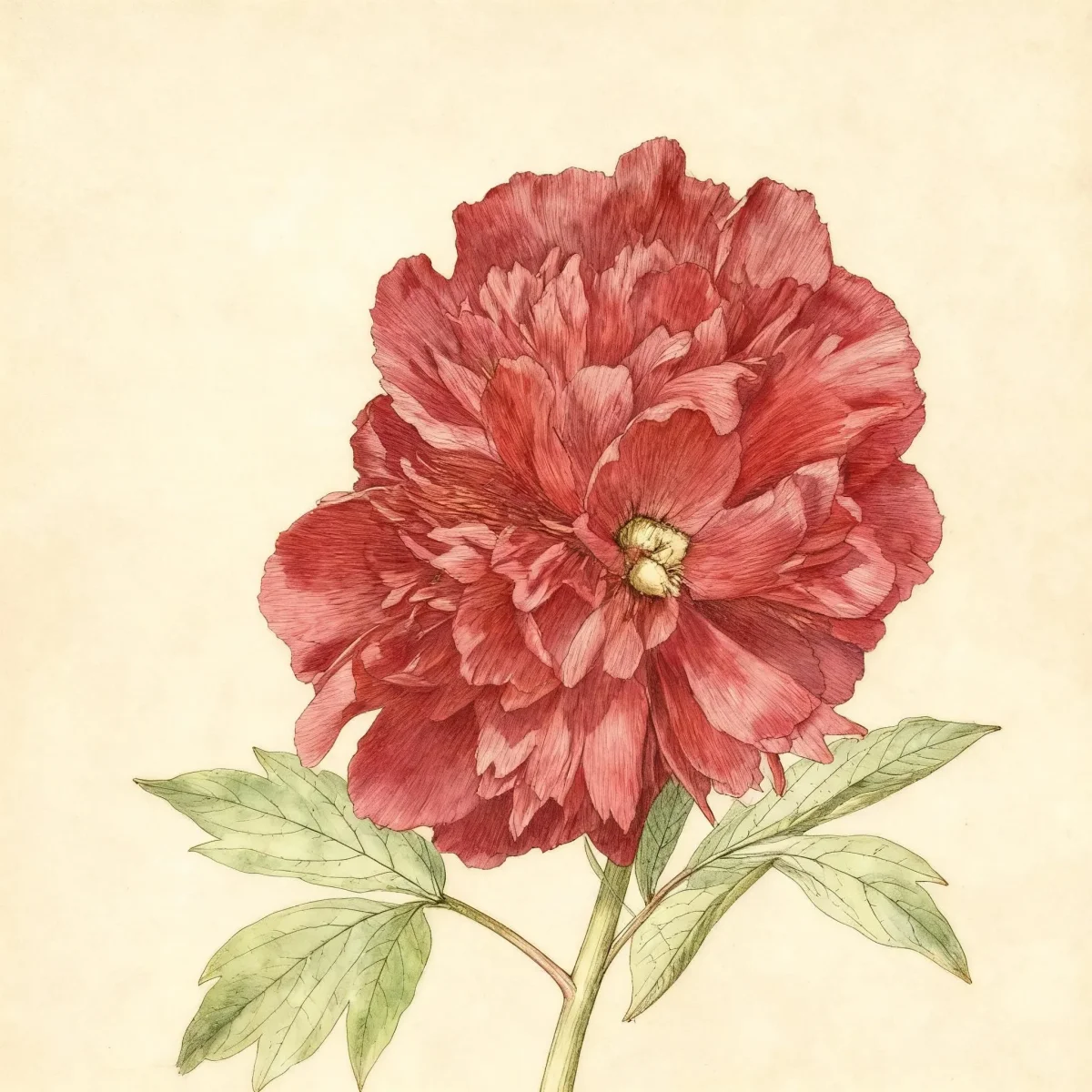
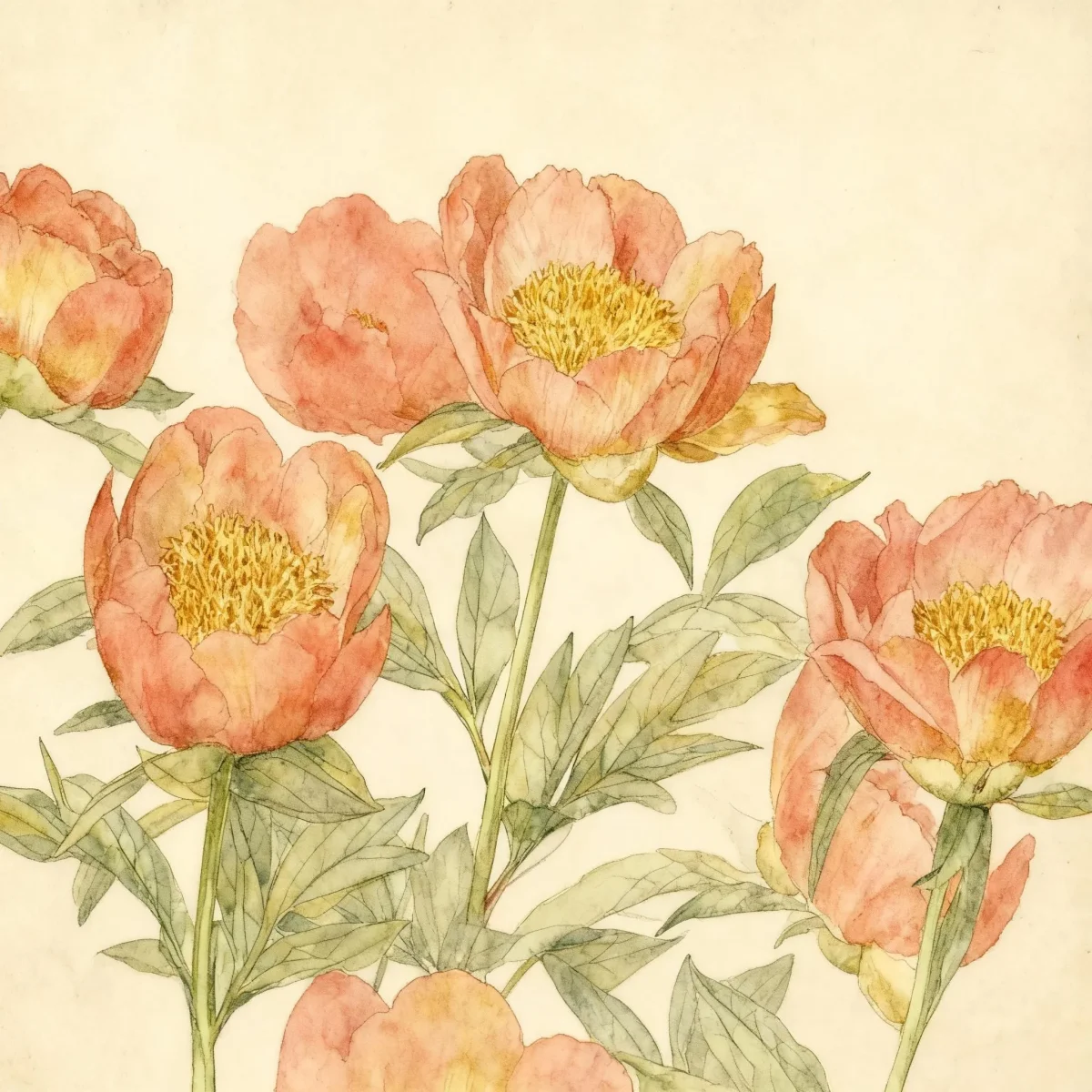
The value of this Peony lies in its early to mid-season floral display of shades ranging from pale pink to rose-pink, adding vibrant color contrast in late spring gardens. Furthermore, this plant develops deep root systems, becoming exceptionally long-lived and rewarding patient gardeners with decades of performance.
Fast Facts
- Plant Family: Paeoniaceae
- Plant Type: Herbaceous perennial
- Native Range: Western China
- Hardiness Zones: USDA Zones 6-8
- Size at Maturity:
- Height: 1-2 ft
- Spread: 1-3 ft
- Bloom Time: May to June
- Bloom Description: Pink to magenta
- Sun Exposure: Full sun to part shade
- Water Needs: Medium
- Maintenance Level: Medium
How to Grow
Planting your Paeonia veitchii var. woodwardii should occur in the fall whenever possible, or early spring if necessary, ensuring the “eyes” (the pink growth buds) are no more than 1 to 2 inches below the soil surface. This Peony thrives in rich, fertile, medium-moisture, well-drained soil, and it strongly prefers moist humusy conditions, being intolerant of wet or dry spells. Incorporate compost before planting to enhance soil fertility and structure.
Ongoing care for this Peony requires moderate attention. Ensure consistent medium watering, especially during dry periods, though established plants are relatively drought-tolerant. While it prefers full sun, it can tolerate light afternoon shade, though too much shade may impede flowering. No fertilization is strictly necessary if the soil is rich initially.
Deadheading spent flowers immediately after their relatively brief 7-10 day bloom period helps keep the plant tidy. A crucial step for long-term health and appearance: cut all foliage to the ground in the fall after the first hard frost and remove the debris from the garden. This practice prevents the overwintering of fungal diseases.
These plants are exceptionally long-lived and should not be disturbed or divided unless absolutely necessary; they perform best when left undisturbed for many years. If you desire a longer color display, planting other cultivars nearby with staggered bloom times can extend the overall Peony season through May and June.
Landscape Uses
As a standard in the perennial border, Paeonia veitchii var. woodwardii offers structural interest with its clean foliage, providing an excellent frame or backdrop for later-blooming perennials. Due to its compact, dome-like form, it functions well both as a specimen plant to anchor a small area or planted in groups for mass effect.
Smaller, more compact forms like this particular Peony are excellent additions to rock gardens where their semi-woody base and mounding habit contrast nicely with fine-textured alpine plants. They can also serve effectively as low, herbaceous hedges bordering walkways, driveways, or foundational plantings near walls.
While beautiful alone, consider pairing this variety with spring bulbs that emerge before it, or with foliage plants like Hostas or ornamental grasses that will take over the space once the Peony foliage dies back in the autumn. The showy flowers are a major drawing point, warranting a viewing location near seating areas.
Standout Features
Flower Qualities
- Showy
Noteworthy Characteristics
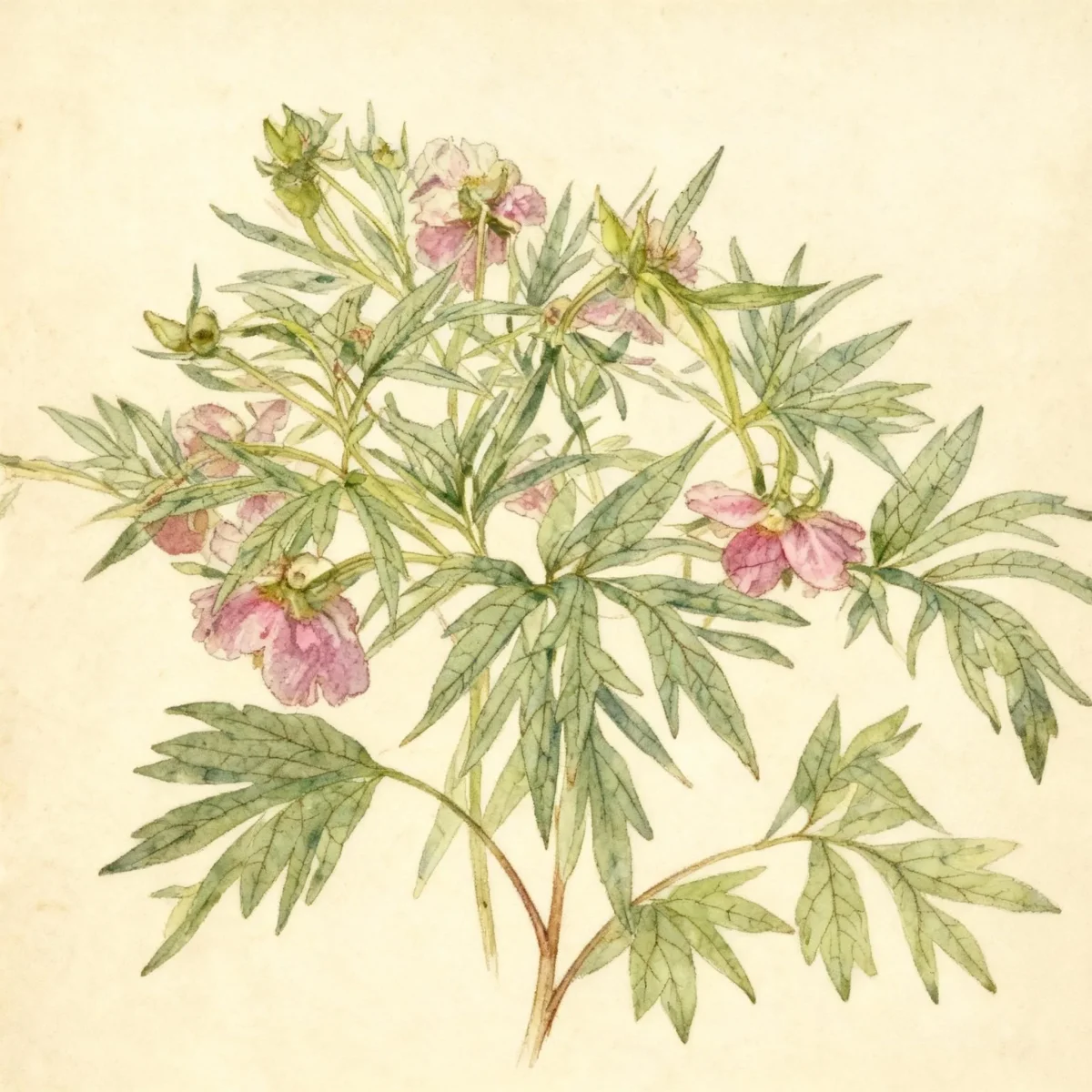
Paeonia veitchii, commonly known as Veitch’s peony, is a compact, shrubby, dome-shaped, tuberous-rooted, herbaceous perennial that grows to 8-20” tall spreading over time by creeping rootstock to 36” wide. Var. Woodwardia is native to open alpine areas from 9,000 to 11,000’ in Ganzu Province in China and is more compact, featuring pink to rose-pink flowers that are often slightly paler than the species. Its bristly leaf veins are also larger than those on the main species, providing subtle textural differences in the garden.
Tolerances
- Rabbit
- Deer
Potential Problems
Peonies, including Paeonia veitchii var. woodwardii, are generally considered pest-free, though gardeners should watch for fungal issues like Botrytis blight and Phytophthora blight, especially in overly damp or poorly ventilated sites. Ants visiting the developing buds are common but are completely harmless, often benefiting from the nectar produced there.
A frequent frustration for new Peony owners is a failure to bloom. This can often be traced back to planting depth—ensure the eyes are not buried too deeply or left too shallow—or environmental stress such as excessive shade or the plant being too young. Large, heavy blooms also require physical support like staking, as heavy rain can easily flatten the stems.
To manage potential blights, ensure good air circulation, avoid overhead watering late in the day, and strictly adhere to the fall cleanup routine by removing all cut foliage from the area. Healthy cultural practices are the best preventative measure for maintaining this long-lived Peony.
Frequently Asked Questions
What hardiness zones is Peony suitable for?
This Peony variety is hardy and reliably grows in USDA Zones 6 through 8.
How large does Paeonia veitchii var. woodwardii grow?
This herbaceous perennial typically achieves a height between 1 and 2 feet, spreading to a width of 1 to 3 feet.
When does Peony bloom?
You can expect the flowers of Paeonia veitchii var. woodwardii to appear from May into June, displaying lovely pink to magenta hues.
What sun exposure does Peony need?
To maximize bloom production, this plant requires full sun, though it tolerates light partial shade conditions.
Conclusion
The Paeonia veitchii var. woodwardii offers gardeners a cherished, long-lived specimen known for its tidy growth habit and beautiful May-to-June floral show. Ensuring proper planting depth and diligent fall cleanup are key factors in successfully growing this stunning Peony. Always confirm local USDA zone compatibility before incorporating this classic perennial into your landscape plan this upcoming season.
Companion Planting
Selecting companions for this Peony should focus on plants that share similar light and moisture needs while providing interest after the Peony season ends. Plants that thrive in full sun to partial shade and medium moisture are ideal partners. Consider low-mounding Ajuga or various ornamental grasses that can visually fill the area once the Peony foliage is removed in the fall.
For textural contrast, pairing the broad leaves of the Peony with the fine, airy foliage of plants like Amsonia (Blue Star) or certain types of Sedum works well throughout the summer. The key is ensuring that companions do not crowd the base of the Paeonia veitchii var. woodwardii, as good air circulation is vital for preventing fungal issues.
Seasonal Care Calendar
Early Spring (Just as leaves emerge): Apply a light layer of compost around the base if desired, ensuring that you do not cover the crown (the planting area where the eyes emerge). Check for any frost warnings, as late frosts can damage emerging growth tips.
After Bloom (Late June/July): This is the crucial deadheading time. Remove spent flowers promptly to conserve the plant’s energy. Avoid pruning the foliage at this time, as the leaves are necessary for photosynthesis to feed the roots for next year’s display.
Fall (Post-Frost): Once foliage has turned brown or been killed by frost, cut all stalks back to the ground level and remove all plant debris from the surrounding soil surface. This sanitary practice is essential for protecting your long-lived Paeonia veitchii var. Woodwardii from overwintering fungal spores.