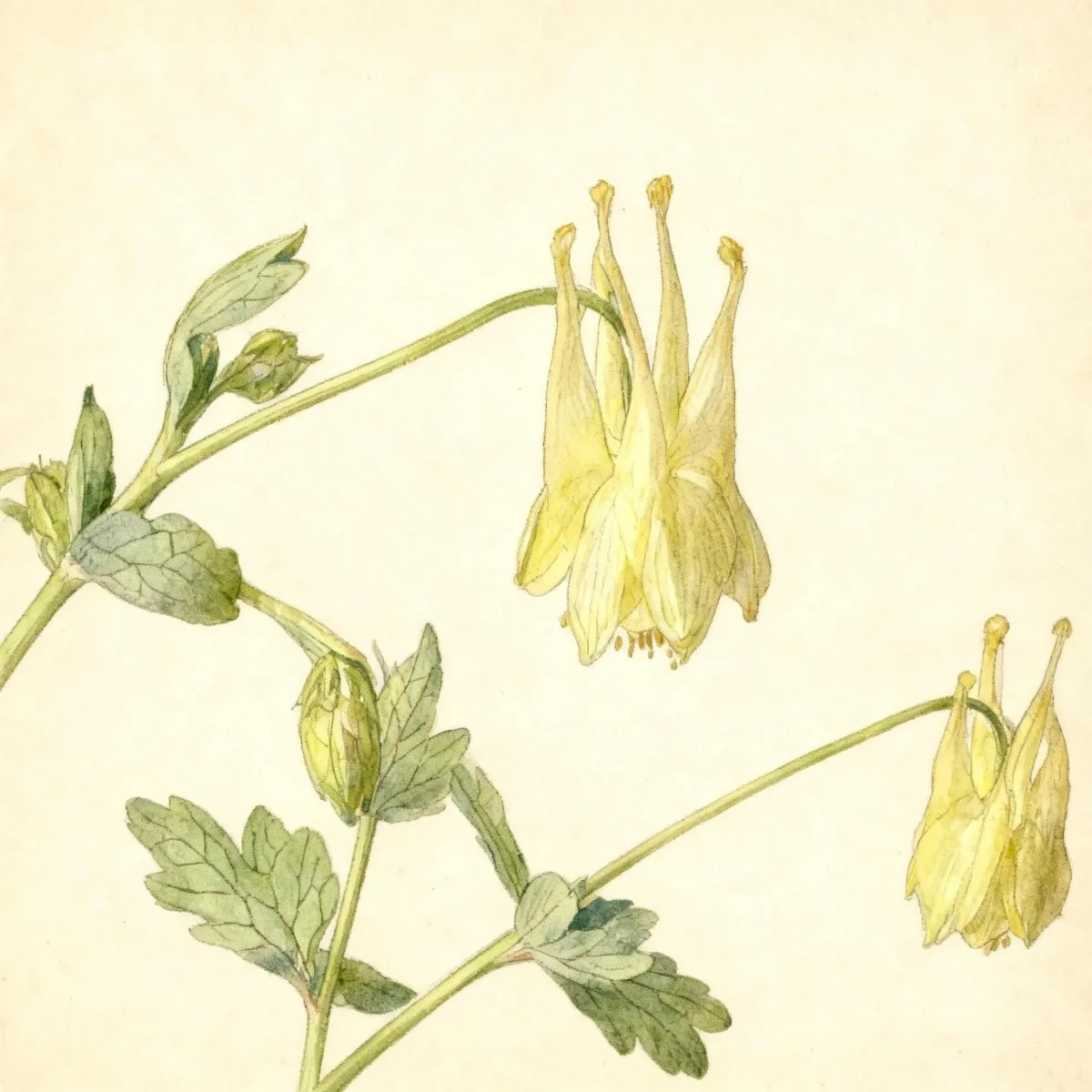
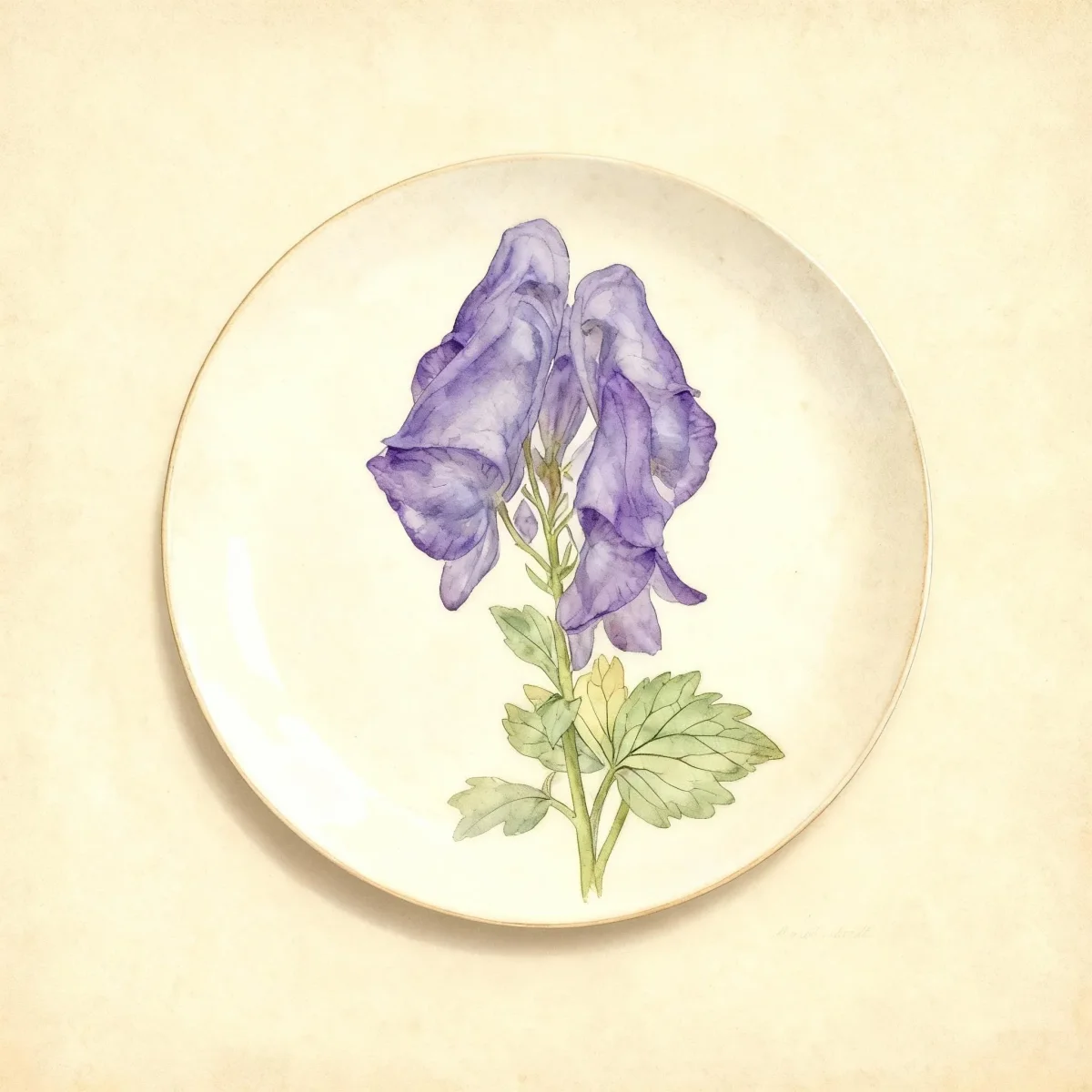
Meadow rue (Thalictrum delavayi)
Thalictrum delavayi, or Meadow rue, offers airy lilac blooms and lacy foliage in USDA Zones 4-7. A medium-maintenance perennial for vertical interest.
Scroll down to discover growing tips, care requirements, companion plants, and more

Complete Plant Information
Overview
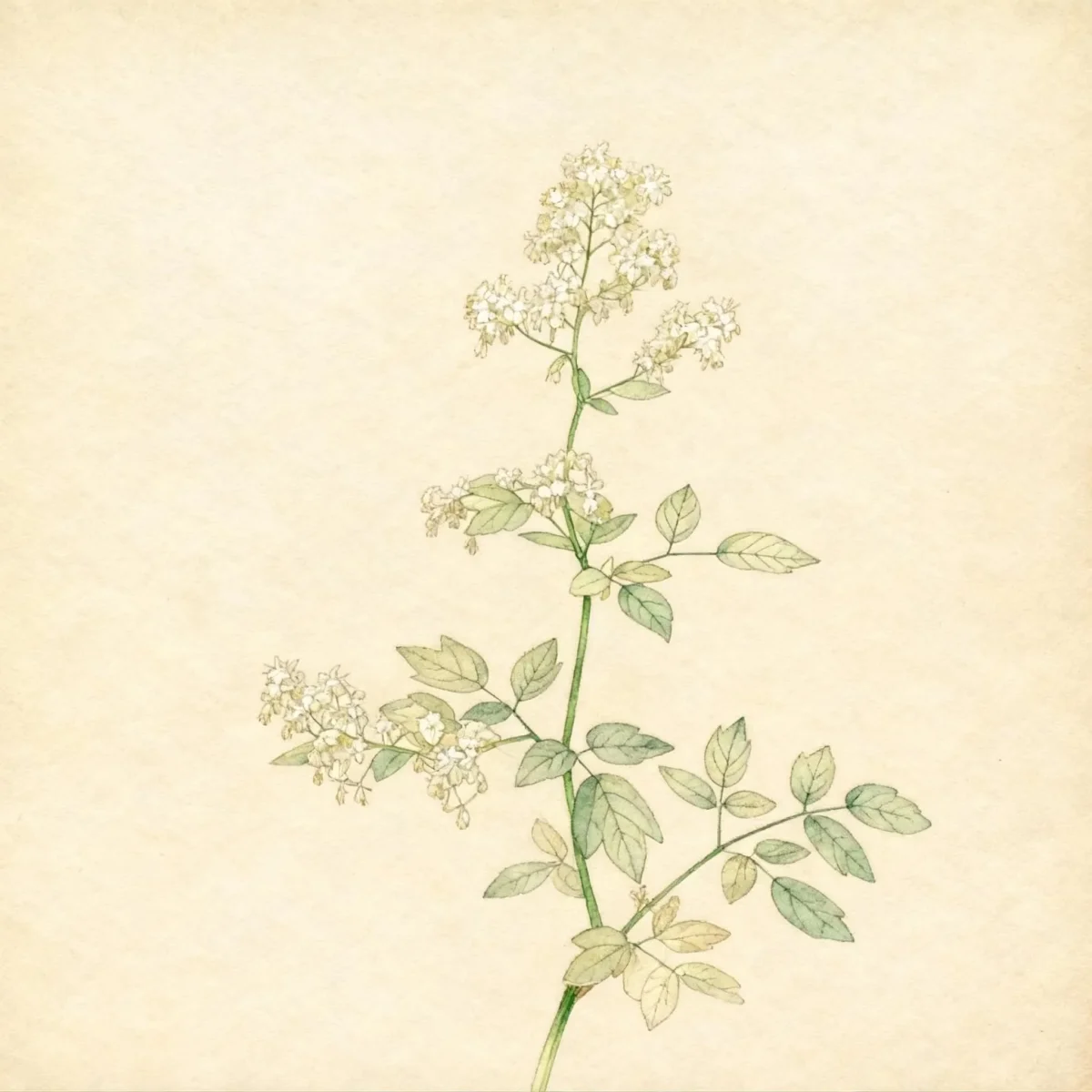
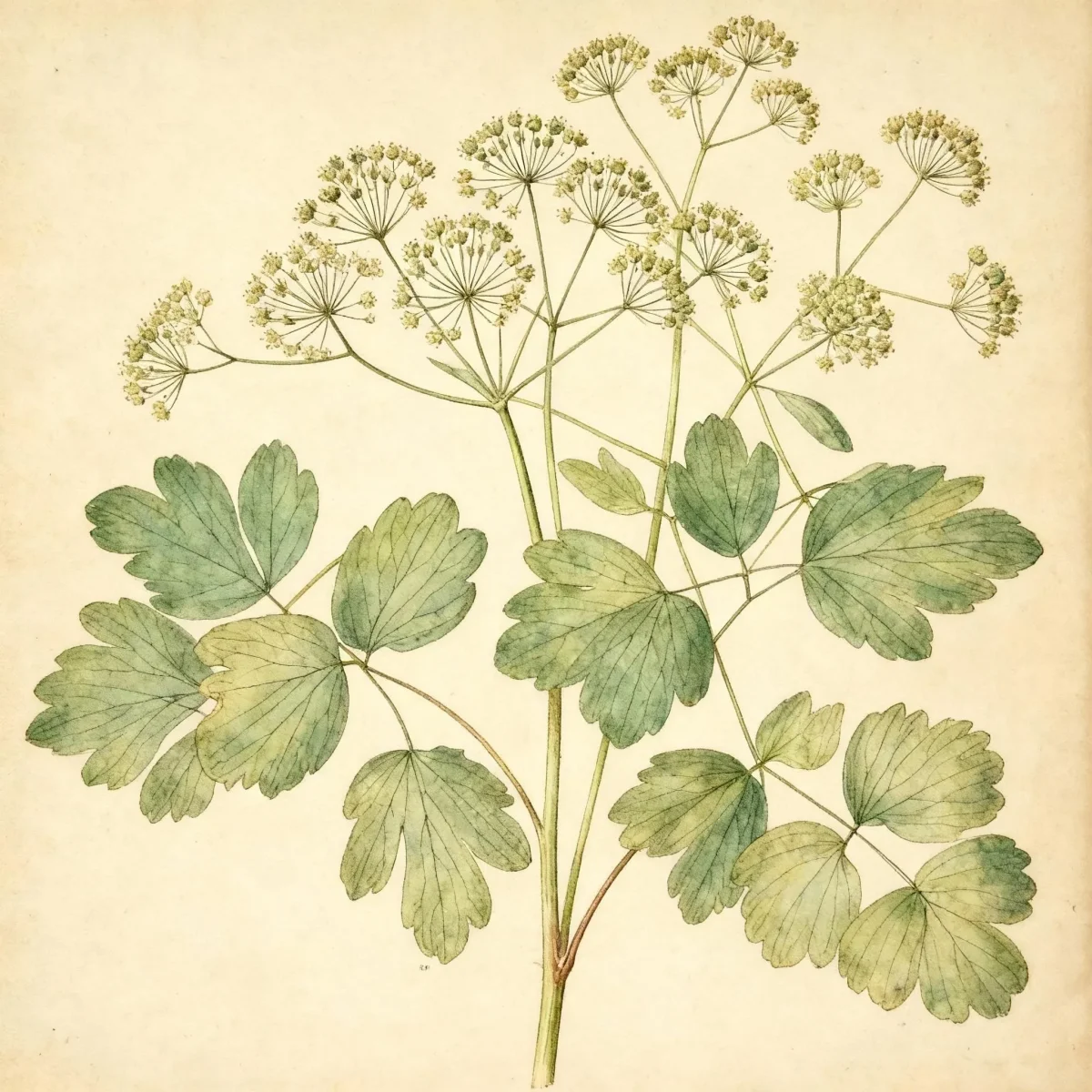
Thalictrum delavayi stands out in the border with its distinctly airy, architectural presence, often serving as a delicate counterpoint to heavier foliage plants. This Chinese meadow rue features a mass of fine-textured, compound leaves that bear a striking resemblance to columbine or maidenhair fern, providing year-round visual interest even before its bloom. The distinctive lavender blooms, accented by bright yellow stamens, are held aloft on wiry, purplish stems, creating a cloud-like effect above the basal foliage.
As a dense, clump-forming herbaceous perennial, Thalictrum delavayi reaches impressive heights, making it perfect for the middle to back of mixed plantings. Gardeners value this species for its unique texture and the ethereal quality of its spring bloom period. While beautiful, gardeners should note that this plant is intolerant of hot and humid conditions, preferring cooler summers found in its suitable hardiness range.
The genus name, derived from the Greek word thaliktron, speaks to the long history of observing this plant’s delicate beauty. Successfully growing Thalictrum delavayi allows the gardener to introduce significant vertical contrast and light, wispy color into the perennial landscape.
Fast Facts
- Plant Family: Ranunculaceae
- Plant Type: Herbaceous perennial
- Native Range: China, Myanmar, Tibet
- Hardiness Zones: USDA Zones 4-7
- Size at Maturity:
- Height: 3-5 ft
- Spread: 1.5-2 ft
- Bloom Time: May
- Bloom Description: Lilac
- Sun Exposure: Full sun to part shade
- Water Needs: Medium
- Maintenance Level: Medium
How to Grow
For optimal performance, establish Thalictrum delavayi in a location that receives full sun to partial shade, though it particularly appreciates light, dappled sun protection during the hottest parts of the day. Planting should occur when the soil is workable in spring or fall. This perennial thrives in average, medium-moisture, well-drained soil, benefiting greatly from soil amended with rich humus or organic matter to support its height.
Water needs are medium; the soil should remain consistently moist but never waterlogged, especially during dry spells. While not demanding regarding fertilization, incorporating compost annually helps maintain the rich soil conditions it prefers. Maintenance is moderate, primarily focusing on structural support.
Due to its height and the relative fragility of the flowering stems, staking is often necessary to prevent collapse, especially if the plant is exposed to wind or grown in deep shade where stems become weaker. Planting stems of Thalictrum delavayi close together can help provide mutual support and mitigate entanglement issues, offering a fuller visual mass effect. In late fall or early spring, cut back the old foliage once it begins to decline or before new growth emerges.
Landscape Uses
The height and airy nature of Thalictrum delavayi make it an outstanding architectural element in garden design. This tall, airy plant provides color and contrast to the perennial border, wildflower garden, meadow, or naturalized area. It excels as a good background plant, positioned behind shorter, denser perennials that can mask the developing basal foliage or provide structure near the base.
Consider using Meadow rue where you need vertical lift without the visual heaviness of solid shrubs. Its ability to thrive in light shade makes it a wonderful addition to woodland edges or under high, open tree canopies, especially when paired with shade-loving ferns or hostas whose broad leaves contrast beautifully with its lacy texture. In naturalized settings, allow it room to mingle, as its airy bloom style works well floating above low grasses.
Standout Features
Flower Qualities
- Showy
Noteworthy Characteristics
Thalictrum delavayi is a dense, clump-forming meadow rue that grows 3-5’ tall. It features lacy, fine-textured, medium green, compound foliage (superficially resembling columbine or maidenhair fern) and tiny, lavender flowers with contrasting yellow stamens borne in large, wiry-branched, airy, terminal sprays rising above the foliage. The mass effect of bloom can be quite showy, with purplish plant stems adding subtle color interest.
Tolerances
- Deer
Potential Problems
Thalictrum delavayi generally enjoys robust health, presenting few serious insect or disease problems under ideal cultural conditions. Occasional issues may include powdery mildew or rust, particularly if air circulation is poor or humidity levels are high. Ensure proper spacing during planting to promote airflow and minimize these fungal risks.
The primary cultural challenge involves physical support. The slender stems of this Meadow rue often benefit from staking or using traditional peony rings early in the season before the plant reaches its full height. If plants are crowded, the stems can become entangled, making maintenance and winter cleanup more difficult; thin plant stems usually require staking or other support.
Frequently Asked Questions
What hardiness zones is Thalictrum delavayi suitable for?
This plant is reliable in USDA Hardiness Zones 4 through 7.
How large does Meadow rue grow?
Thalictrum delavayi typically matures to a height between 3 and 5 feet, with a spread ranging from 1.5 to 2 feet wide.
When does Thalictrum delavayi bloom?
The bloom time is May, featuring delicate lilac flowers with contrasting bright yellow stamens.
What sun exposure does Meadow rue need?
It prefers a position receiving full sun to part shade, often performing best with some protection from intense afternoon sun.
Conclusion
The airy texture and striking vertical form provided by Thalictrum delavayi make it an indispensable plant for adding lightness to the perennial border. Its unique foliage combined with ephemeral lilac flowers ensures that this Meadow rue remains a focal point throughout the spring season. Before planting, confirm your garden environment meets its need for well-drained soil and cooler growing conditions, and be prepared to offer modest support for its graceful stems.
Companion Planting for Texture
When planning a border around your Thalictrum delavayi, focus on plants that offer contrasting leaf shape and height to emphasize the fine texture of the Meadow rue. Plants with large, bold leaves, such as Hostas or Rodgersia, create excellent juxtaposition beneath the airy blooms. Consider pairing it with peonies during early summer; although the peony fades as the Thalictrum delavayi peaks, their similar cultural needs make the pairing straightforward. Darker foliage companions, like deep purple Baptisia or Heuchera, can help make the lavender flowers truly pop.
Designing with Air and Light
The placement of Thalictrum delavayi in a design should maximize its translucent quality, allowing light to filter through the flowers. Avoid crowding this tall perennial, as air circulation is key to preventing fungal leaf spots. If using it in a meadow setting, allow native grasses to grow nearby; the movement of the grasses accentuates the airy sprays of bloom on the Chinese meadow rue. These plants function wonderfully as semi-transparent screens, offering filtered views into the next section of the garden rather than creating solid barriers.