Downy cherry (Prunus tomentosa)
Discover the compact, highly cold-hardy Downy cherry (Prunus tomentosa), offering edible fruit and lovely spring blooms, ideal for Zones 2-7.
Scroll down to discover growing tips, care requirements, companion plants, and more
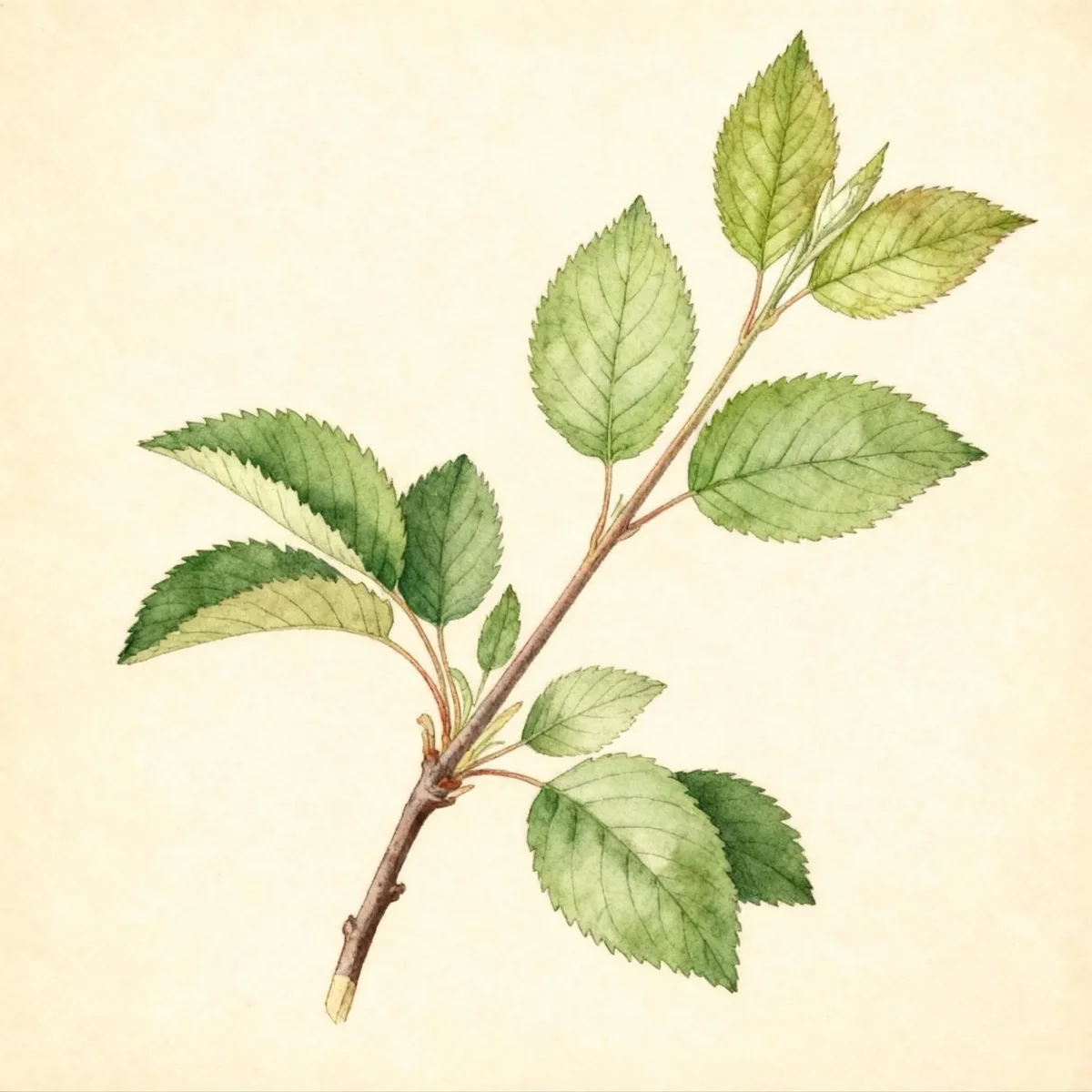
Complete Plant Information
Overview
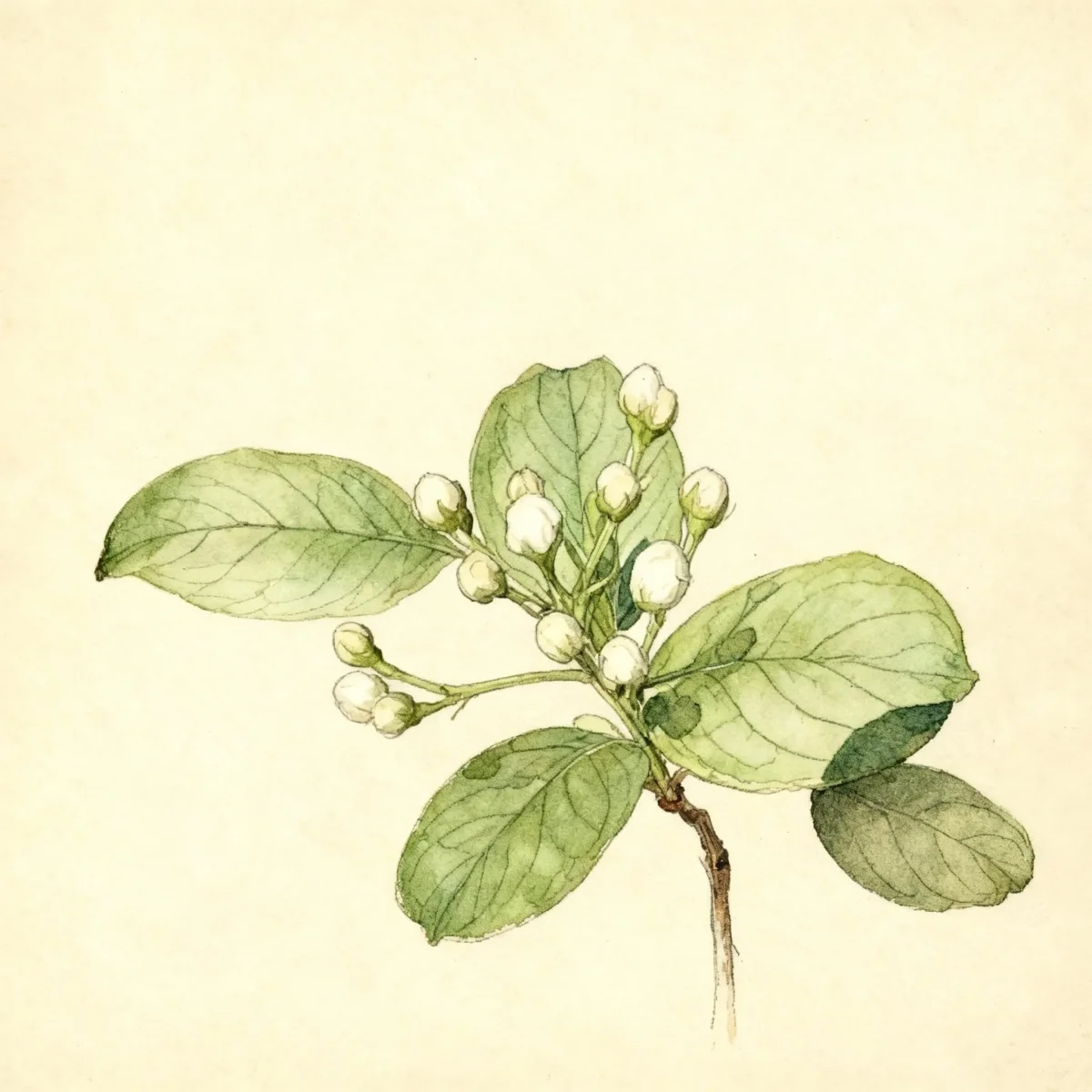
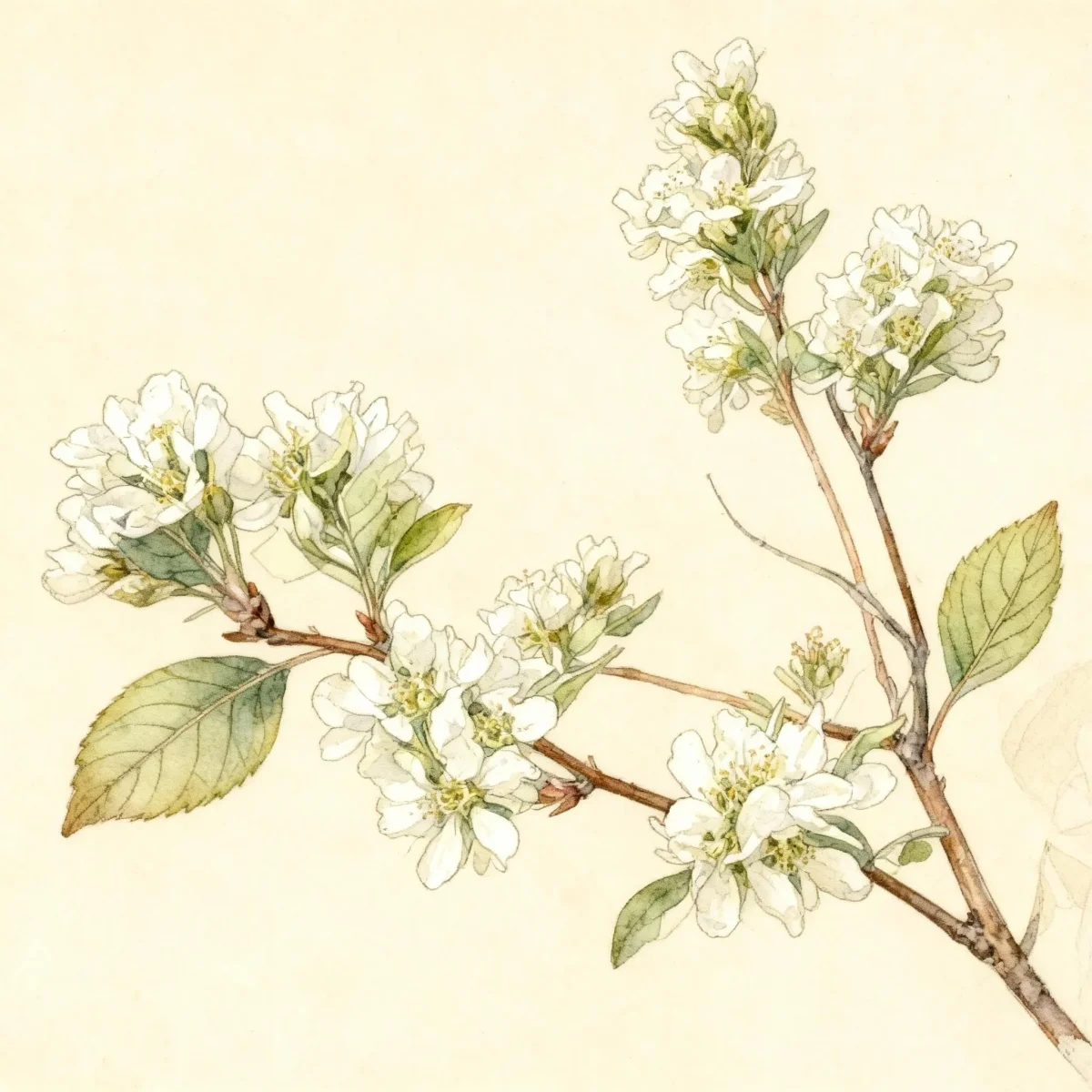
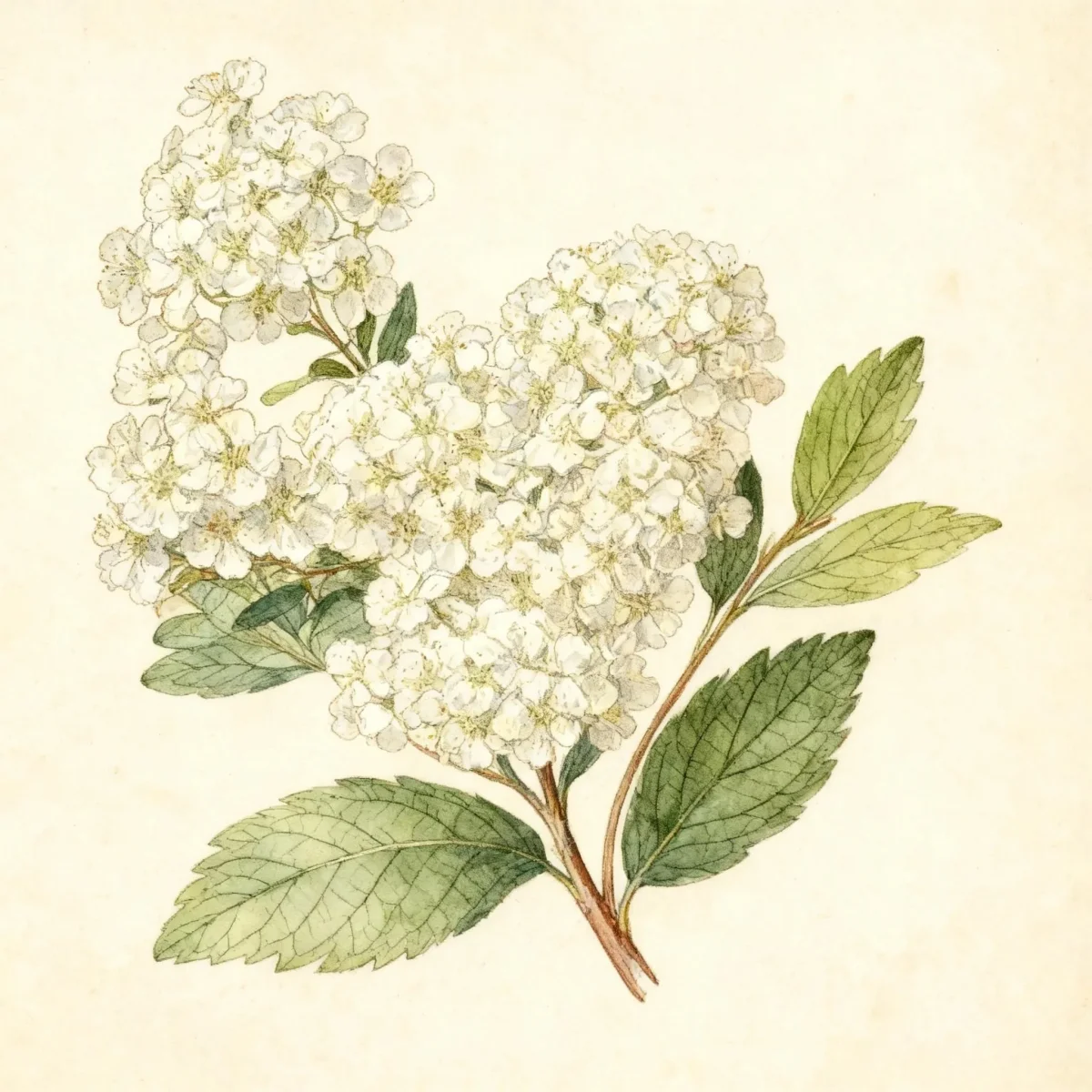
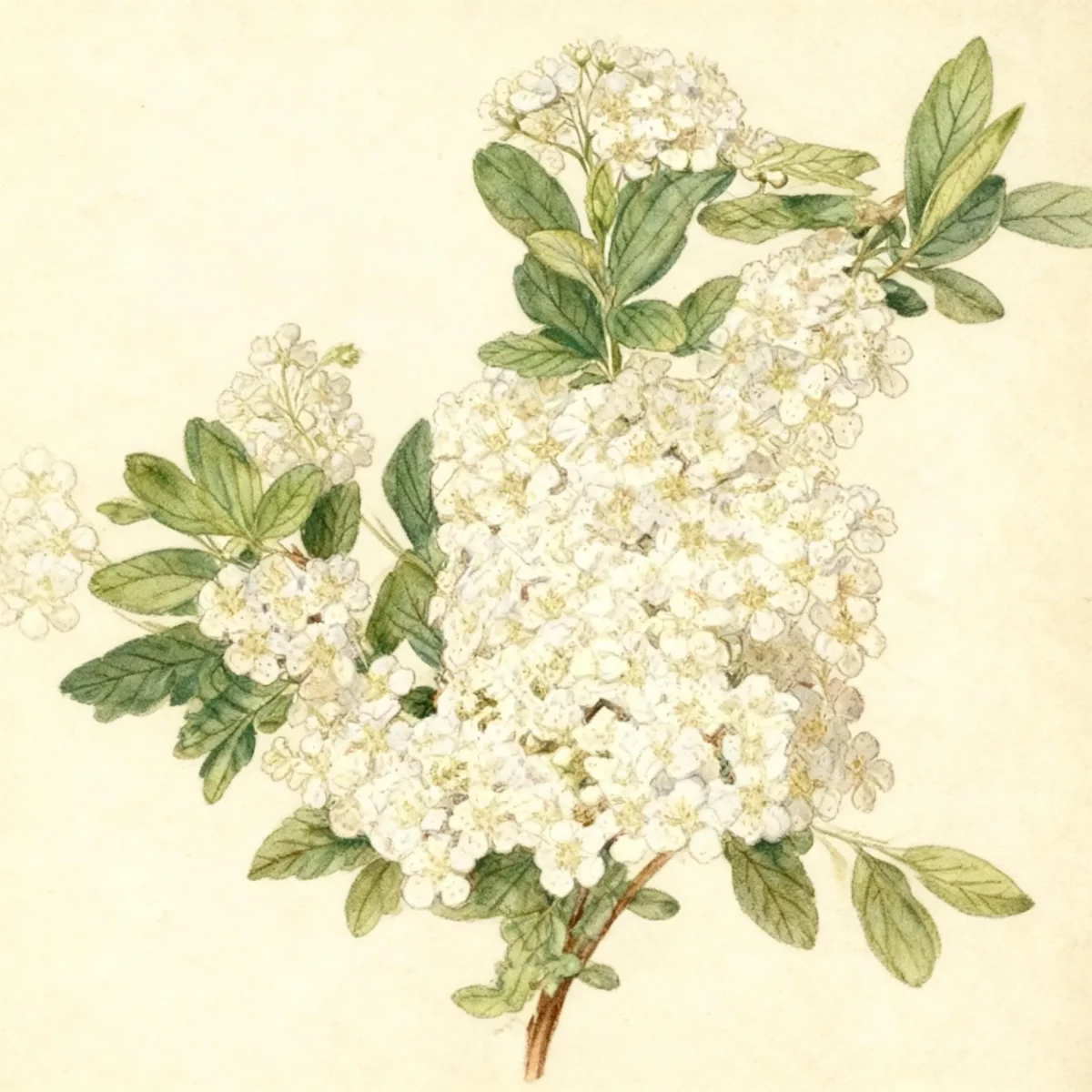
The Downy cherry, scientifically known as Prunus tomentosa, is a remarkably adaptable and ornamental deciduous shrub highly valued for its tolerance to extreme cold. Its common moniker, derived from its downy leaves, stems, and fuzzy fruits, highlights its unique texture that distinguishes it within the cherry genus. Gardeners prize this species for its early spring display of white to light pink flowers, followed by edible red fruit.
This dense, twiggy shrub typically reaches 6 to 10 feet in height and spread, making it an excellent choice for structure in the landscape where larger trees might overwhelm the space. While it can occasionally take on a small tree form, its shrub habit lends itself well to hedging and mass plantings.
Established plants exhibit practical benefits, including good drought resistance, while the fruit provides a sweet-to-tart flavor suitable for pies and jams, making the Prunus tomentosa as functional as it is beautiful. With low maintenance needs and excellent winter hardiness down to Zone 2, the Downy cherry is a reliable performer across many northern climates.
Fast Facts
- Plant Family: Rosaceae
- Plant Type: Deciduous shrub
- Native Range: Caucasus, China, Japan, Russian Far East, West Himalaya
- Hardiness Zones: USDA Zones 2-7
- Size at Maturity:
- Height: 6-10 ft
- Spread: 6-10 ft
- Bloom Time: April
- Bloom Description: White to light pink
- Sun Exposure: Full sun to part shade
- Water Needs: Medium
- Maintenance Level: Low
How to Grow
The best time to establish Prunus tomentosa is during the dormant season, ensuring planting in a location that receives full sun to partial shade for optimal flowering and fruiting. This shrub thrives best in moist yet well-drained soils, though once established, the Downy cherry demonstrates surprising drought tolerance. Proper site selection is vital, as these plants generally struggle in the high heat and humidity found south of USDA Zone 7.
Watering should be consistent while the plant is young to encourage establishment. Established plants require only medium water input; supplemental watering may be needed during prolonged dry spells, especially when fruits are forming. Fertilization is rarely necessary if planted in good soil, aligning with its low maintenance rating.
Propagation of the Downy cherry can be successfully achieved through cuttings, root suckers, or by planting seeds, though the latter may lead to variation. This shrub has a tendency to naturalize gently via self-seeding, adding to its charm without becoming aggressively invasive. Due to its outstanding winter hardiness, minimal winter preparation is required even in the coldest reaches of its range.
Landscape Uses
The versatile growth habit of the Downy cherry makes it suitable for numerous landscape applications, from functional barriers to ornamental accents. It excels when used in mass plantings to create an informal screen or windbreak, offering seasonal color and structure. Furthermore, its ability to naturalize makes it a great choice for softening edges or banks where erosion control might be beneficial.
Consider using Prunus tomentosa in a shrub border where its early spring bloom can signal the end of winter. When planted alongside later-flowering native shrubs, it ensures continuous visual interest throughout the growing season. Its dense structure also lends itself well to creating informal hedges, providing an attractive alternative to formal, high-maintenance evergreen screens.
Standout Features
Flower Qualities
- Showy
Fruit Qualities
- Showy
- Edible
Noteworthy Characteristics
Prunus tomentosa, commonly known as downy cherry, originates from regions including northern China, Japan, Korea, and the Himalayas. It is characterized by its dense, twiggy structure and its pubescent (hairy) foliage, stems, and fruit, which give it a soft, fuzzy appearance. The small, bright red fruits ripen in mid-summer, offering an edible crop that varies from tart to sweet, perfect for processing into jams or pies.
Tolerances
- Drought
- Erosion
Potential Problems
While generally low-maintenance, the Downy cherry can occasionally attract pests or suffer from fungal issues, primarily when the plant is stressed by poor cultural conditions. Borers pose a threat, particularly to trees or shrubs weakened by drought or inadequate soil, so ensuring consistent, deep watering is a primary preventative measure. Gardeners should also scout for brown rot fungus, especially following bloom time, and monitor leaf surfaces for signs of mite infestation.
Management involves promptly removing affected branches to stop disease spread and maintaining overall plant vigor via proper siting and watering. Avoiding planting in overly hot, humid areas, as recommended for areas south of Zone 7, significantly reduces stress-related susceptibility.
Frequently Asked Questions
What hardiness zones is Downy cherry suitable for?
The Prunus tomentosa is exceptionally cold-tolerant, suitable for USDA Hardiness Zones 2 through 7.
How large does Prunus tomentosa grow?
This deciduous shrub typically matures to a height between 6 and 10 feet, with a similar spread ranging from 6 to 10 feet wide.
What sun exposure does Downy cherry need?
For the best display of flowers and fruit, Prunus tomentosa should receive full sun, although it can tolerate light afternoon shade (part shade).
When does Downy cherry bloom?
The Downy cherry blooms relatively early in the season, usually in April, presenting masses of attractive white to light pink flowers.
Conclusion
The Downy cherry (Prunus tomentosa) offers exceptional value to the northern gardener, combining extreme cold hardiness with attractive, fuzzy foliage and a reliable crop of edible summer fruit. This low-maintenance shrub is excellent for hedges or naturalizing large areas. Plan your planting now, ensuring you select a site that offers full sun and well-drained soil to fully exploit the tough resilience of the Downy cherry.
Wildlife Benefits
The early blooming period of Prunus tomentosa makes it a crucial early food source. When the white to light pink flowers emerge in April, they attract early-season pollinators, including emerging bees, which rely heavily on these first floral resources before summer blooms are abundant. This early forage ensures necessary pollination for fruit set later in the season.
The resulting red fruits, which ripen in June and July, are highly relished by local bird populations. Because the fruit quality is variable—ranging from tart to sweet—birds often consume them readily, providing a valuable mid-summer energy boost for migration or nesting. Planting a group of Prunus tomentosa thus supports both early pollinators and local avian wildlife.
Propagation Tips
Successful propagation of the Downy cherry can be achieved through three primary methods, reflecting its hardy nature. One effective avenue is utilizing root suckers; these can be carefully separated from the parent plant in late winter or early spring when dormant and transplanted immediately. Alternatively, hardwood cuttings taken in winter and rooted in a cool, moist environment often yield good results for cloning desirable traits.
While the plant will readily self-seed if allowed, this may lead to less desirable fruit quality due to genetic variation. For desired results, gardeners should focus on vegetative methods like cuttings or leveraging the natural root suckers to maintain true-to-type characteristics of the Prunus tomentosa.