Chokecherry (Prunus virginiana)
Discover Chokecherry (Prunus virginiana), a hardy North American native tree with fragrant white flowers and dark edible fruit for wildlife.
Scroll down to discover growing tips, care requirements, companion plants, and more
Complete Plant Information
Overview
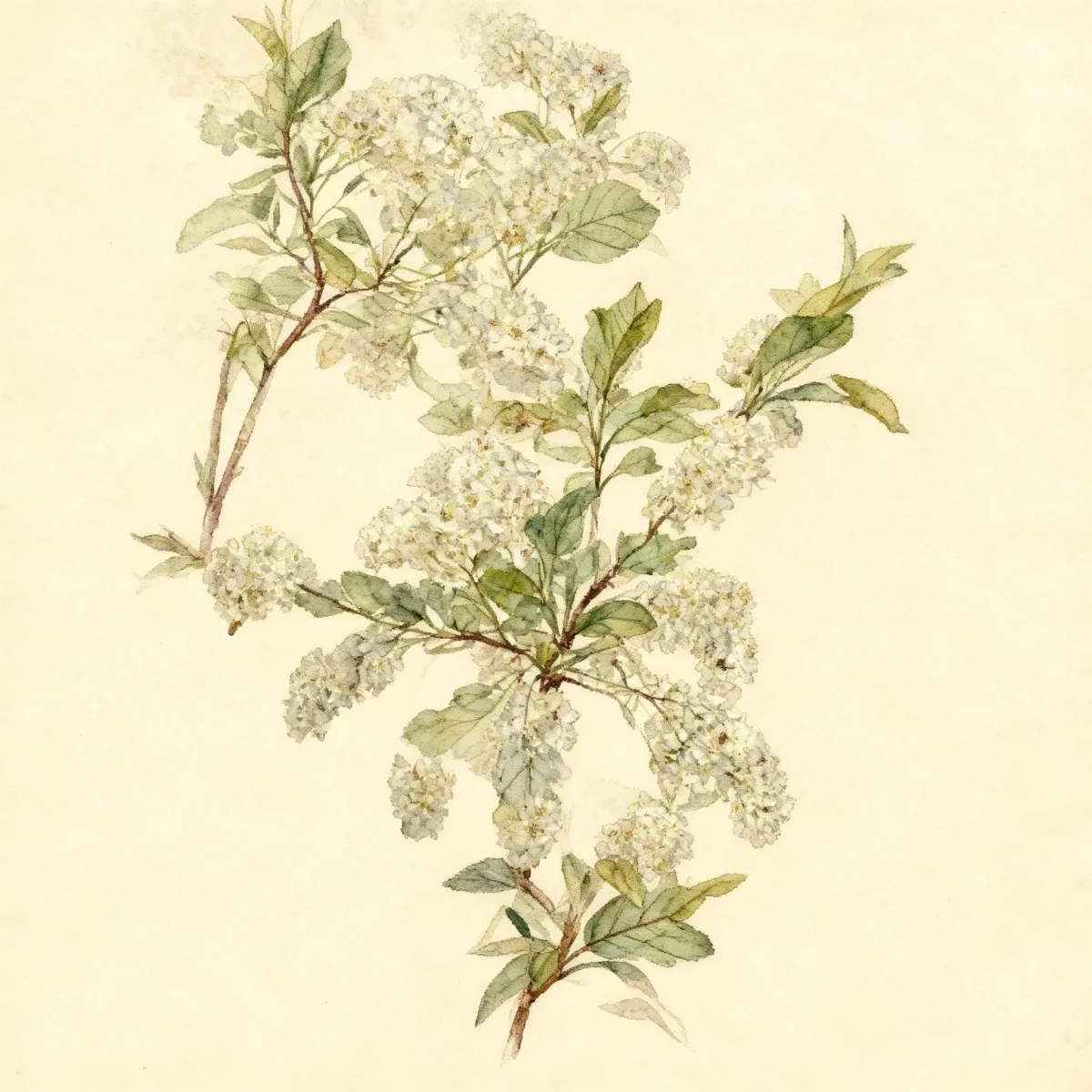
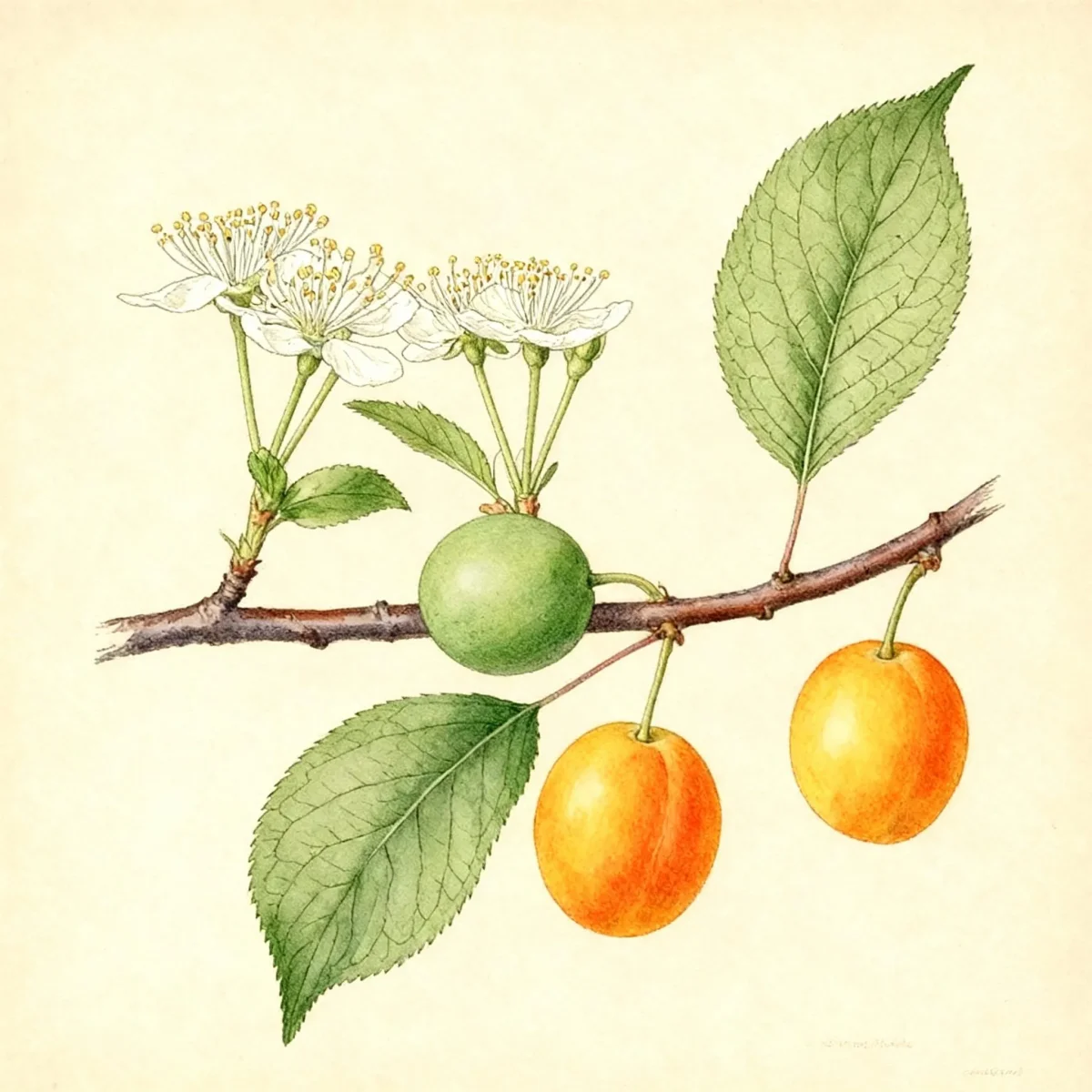
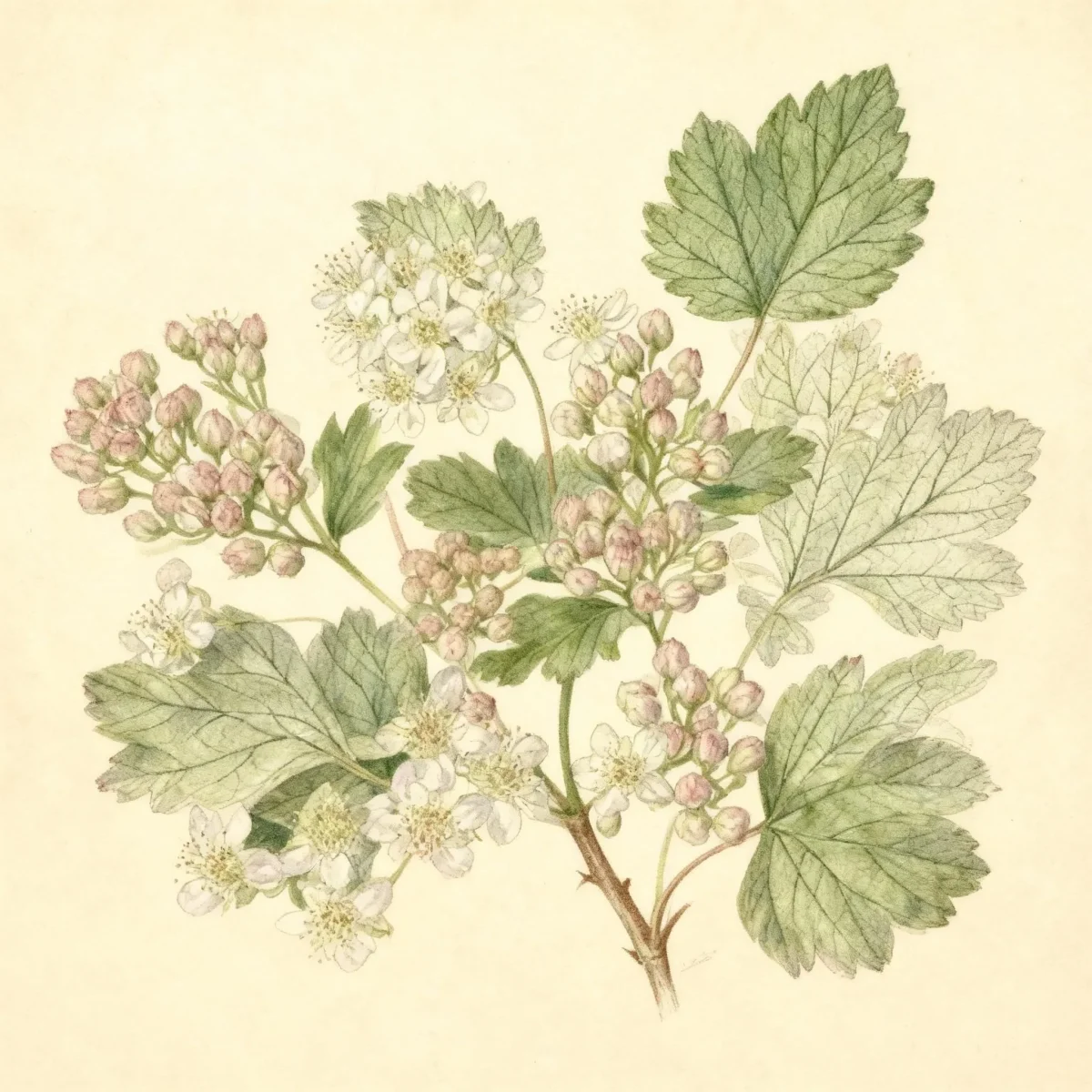
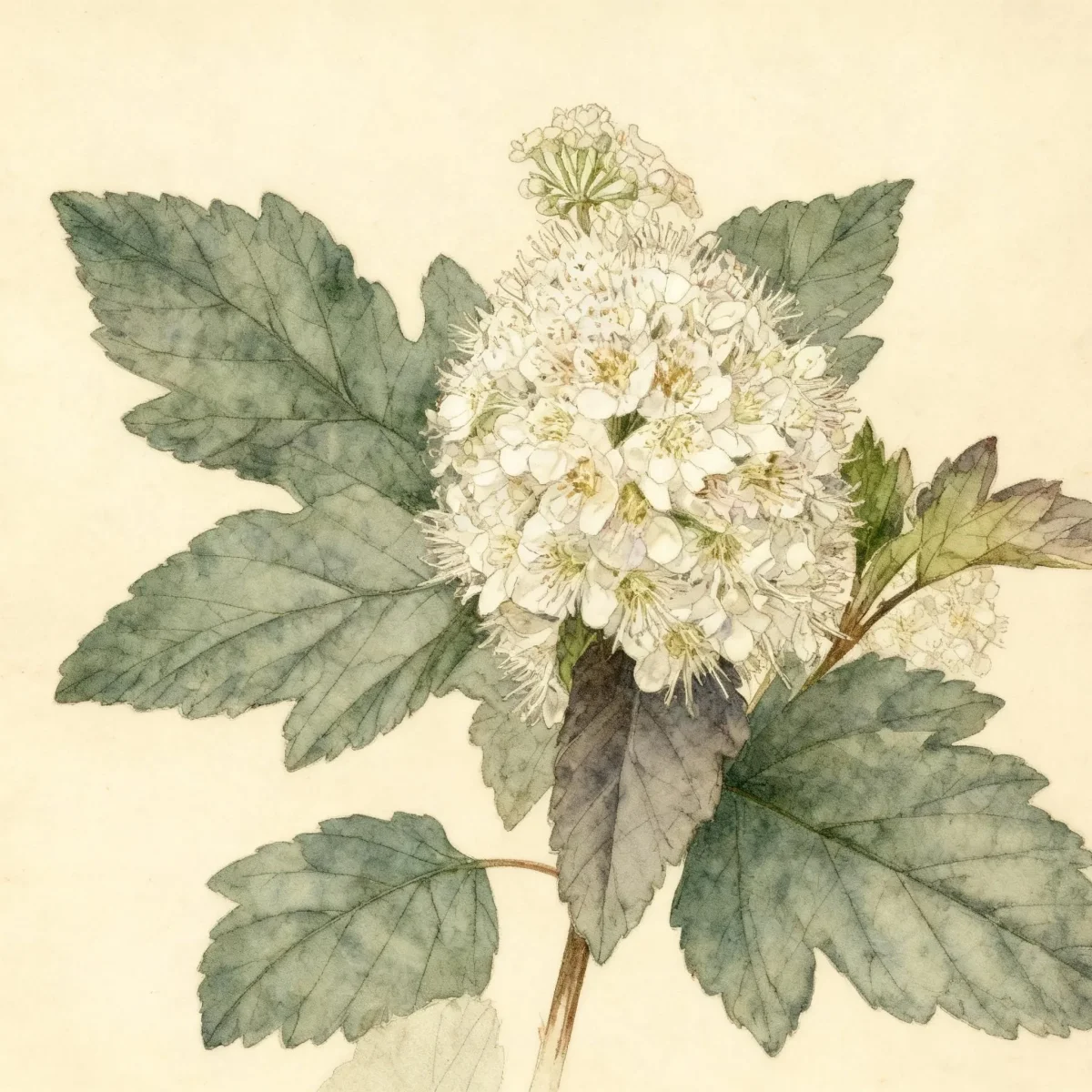
The Chokecherry, scientifically known as Prunus virginiana, is a robust deciduous tree celebrated for its adaptability across tough North American climates. This native species offers significant aesthetic value, transitioning from fragrant white blossoms in spring to clusters of dark purple fruit sought after by wildlife. Although its natural range is vast, realizing the full potential of Prunus virginiana requires understanding its preference for well-drained soils.
A key characteristic for gardeners is its colonial tendency; the Chokecherry readily suckers, forming dense thickets in the wild. While this makes it excellent for natural areas, landscape management requires prompt removal of these suckers if a singular, tree-like form is desired. It serves well as a durable flowering screen or a woodland edge specimen.
Despite the astringent nature of its raw berries—hence the common name Chokecherry—the fruit is valuable for processed goods like jams and jellies. Its golden-yellow fall color provides a final seasonal highlight, securing its place as a multi-season asset in native and functional landscapes.
Fast Facts
- Plant Family: Rosaceae
- Plant Type: Tree
- Native Range: North America
- Hardiness Zones: USDA Zones 2-7
- Size at Maturity:
- Height: 20-30 ft
- Spread: 15-20 ft
- Bloom Time: April to May
- Bloom Description: White
- Sun Exposure: Full sun to part shade
- Water Needs: Dry to medium
- Maintenance Level: Medium
How to Grow
Planting Prunus virginiana is best accomplished in spring or fall, ensuring the site offers average, dry to medium conditions with well-drained loam. Full sun maximizes flowering performance, though the Chokecherry tolerates part shade. Good drainage is critical, as poor soil structure increases the risk of root issues later on.
Ongoing care for this medium-maintenance tree centers on form control. Be vigilant about removing suckers that emerge from the base or roots, as ignoring them allows the Chokecherry to quickly spread into an unwanted colony. Minimal fertilization is usually required, especially if planted in its native habitat.
Watering should be consistent until the tree is established. Once mature, its tolerance for drought significantly reduces routine watering needs, aligning with its “Dry to medium” water requirement. Pruning should focus primarily on removing deadwood or managing stray suckers rather than heavy structural cuts.
Landscape Uses
The Chokecherry offers versatile functionality in landscape design, particularly where resilience is paramount. It excels when utilized as a naturalized planting in open woodland gardens or native prairie restoration areas, where it can be allowed to spread via suckering into low-maintenance colonies. For structured settings, Prunus virginiana functions effectively as screening material when planted closely together to form a dense hedge.
When used as a flowering tree along borders or in shrub masses, the spring display of fragrant white flowers attracts early pollinators. Its robust structure makes it a good anchor plant in areas where durability against weather or poor soil is needed. Consider pairing with other hardy natives that appreciate similar dry conditions.
For gardeners seeking wildlife corridors, maintaining the fruit of the Chokecherry provides essential late-summer forage for birds and mammals, linking the native habitat features within the broader landscape design.
Standout Features
Flower Qualities
- Showy
- Fragrant
Fruit Qualities
- Showy
- Edible
Noteworthy Characteristics
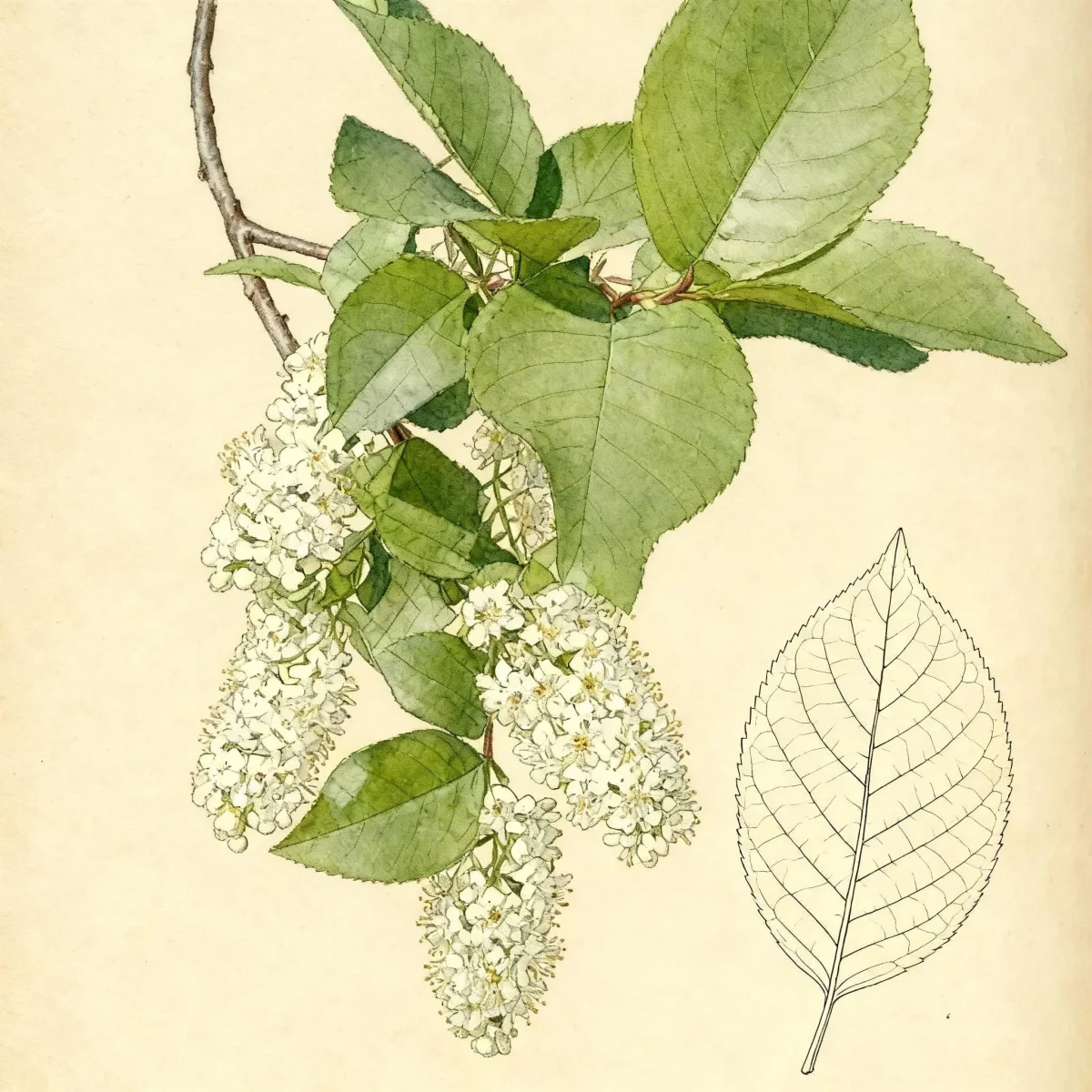
Prunus virginiana, commonly called chokecherry, is primarily native from Newfoundland to Saskatchewan south to North Carolina, Tennessee, Missouri and Kansas. In Missouri, it most frequently occurs on wooded slopes, bluffs and ravines in areas north of the Missouri River (Steyermark). Chokecherry is a small deciduous tree typically growing to 20-30’ tall with an irregular, oval-rounded crown, offering fragrant white flowers followed by dark, bird-attractive berries.
Tolerances
- Drought
- Dry Soil
- Shallow-Rocky Soil
Potential Problems
The Chokecherry is susceptible to a large number of insect and disease pests, which contributes to its medium maintenance rating. Potential diseases include black knot, powdery mildew, and fireblight, requiring vigilance, especially in humid growing conditions. Homeowners should monitor for common pests such as borers, aphids, scale insects, and tent caterpillars.
Management often involves cultural adjustments; ensuring adequate spacing and sunlight helps mitigate fungal issues like leaf spot and powdery mildew. Pruning out infected branches promptly, particularly during dry periods, can prevent the spread of serious issues like fireblight. Due to its somewhat weak wood structure, the tree may sustain branch damage during heavy ice or snow events.
Frequently Asked Questions
What hardiness zones is Chokecherry suitable for?
This versatile tree is suitable for a wide range, thriving best in USDA Hardiness Zones 2 through 7.
How large does Chokecherry grow?
At maturity, Prunus virginiana typically reaches a height between 20 and 30 feet, with a spread ranging from 15 to 20 feet wide.
When does Chokecherry bloom?
The Chokecherry produces its showy, white flowers primarily from April to May.
What sun exposure does Prunus virginiana need?
It prefers full sun for the best flowering effect but is adaptable enough to tolerate conditions ranging from full sun to partial shade.
Conclusion
The Prunus virginiana, or Chokecherry, stands out as an exceptionally resilient and multi-functional native North American tree offering spring blooms, wildlife sustenance, and autumn color. Its ability to handle poor, dry soils makes it a uniquely valuable choice for challenging landscape sites. Check your local hardiness zone compatibility and plan to plant this robust Chokecherry during appropriate seasons for minimal establishment stress.
Wildlife Benefits
As an important food source, the fruit of Prunus virginiana is highly attractive to numerous bird species and various animals seeking late-summer forage. Planting this species near bird feeding stations or viewing areas can significantly increase local wildlife activity. The clusters of dark purple berries are essential for fall and early winter sustenance.
Furthermore, the dense shrub or thicket habit that the Chokecherry often adopts provides excellent protective cover and nesting opportunities for smaller songbirds. Its presence contributes significantly to ecological diversity within any native or naturalized planting area.
Seasonal Care Calendar
Spring is the critical time for monitoring Chokecherry, focusing on removing any debris or weak branches left over from winter ice damage before active growth begins. This is also the optimal time to clean up suckers emerging around the base of the established tree. As temperatures rise, inspect foliage for early signs of leaf spot or aphid activity.
Summer care should focus on monitoring moisture levels only during extreme drought, due to the plant’s dry tolerance. Control suckering aggressively during the growing season to maintain the desired shape. If fruits are being harvested for processing, late summer is when the dark purple berries will be ripe for collection.
Fall color, typically golden or orange, requires no special care, though cleaning up fallen leaves can reduce overwintering sites for certain fungal spores. Winter preparation is minimal; ensure the tree is securely established, which helps it withstand ice and snow loading better than newly planted specimens.