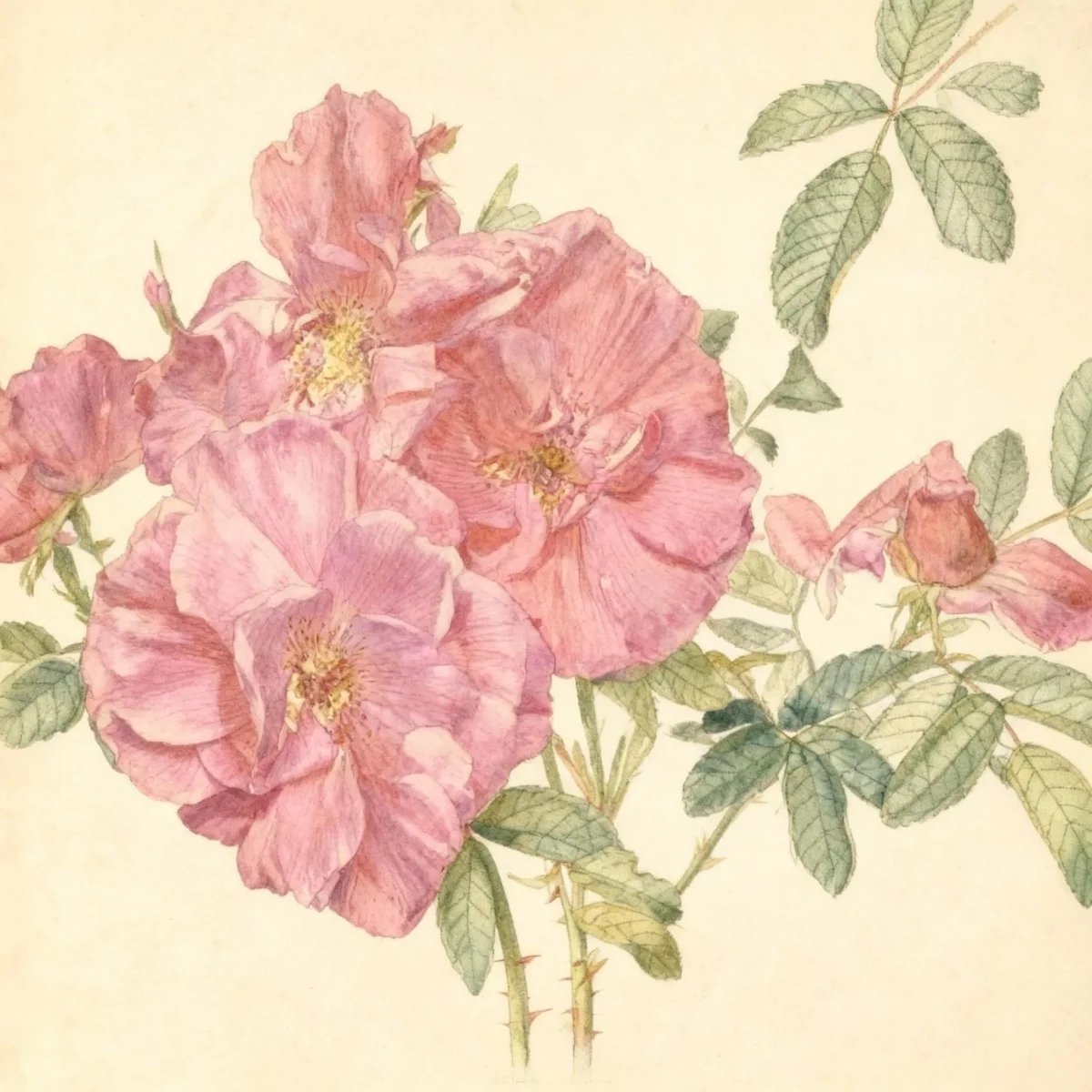
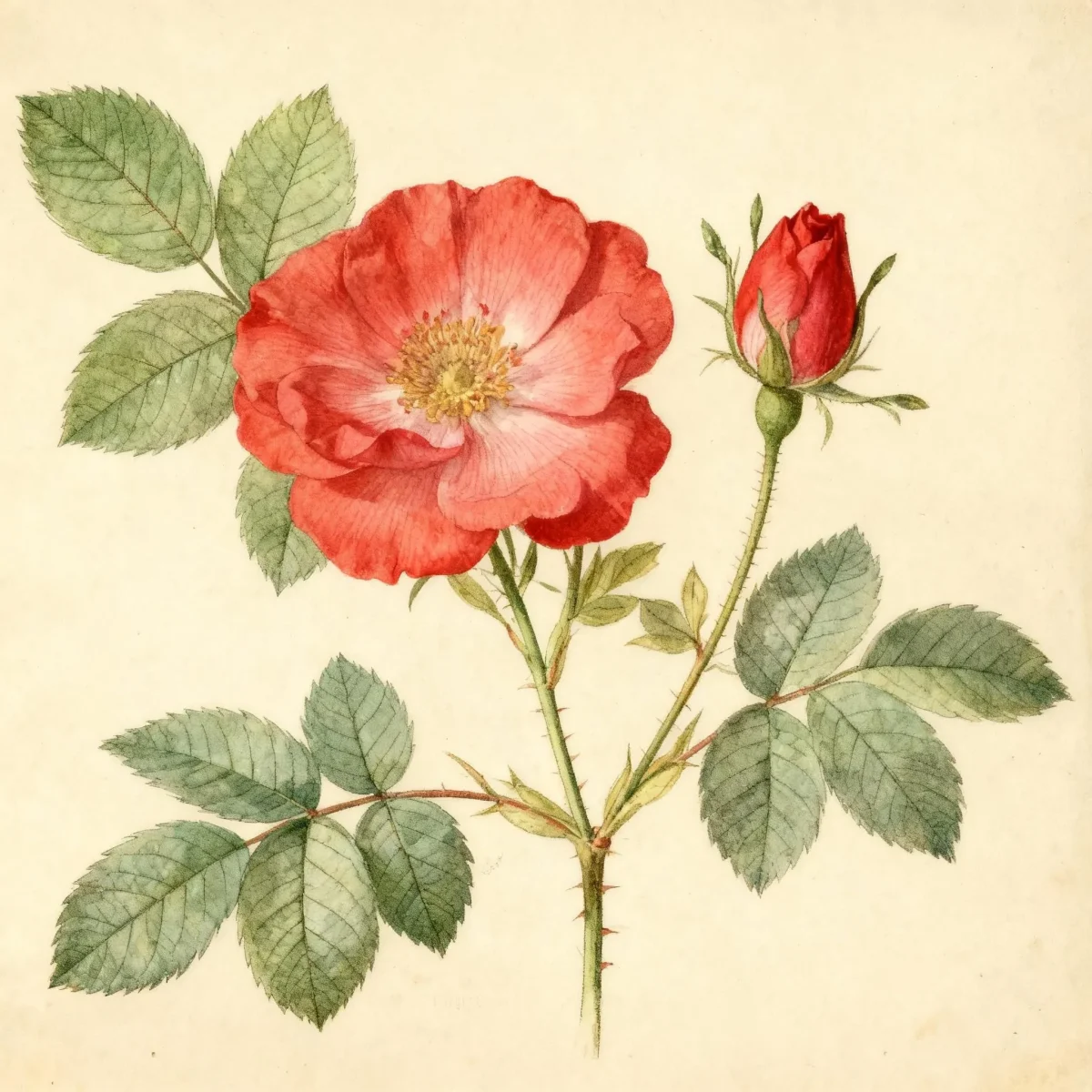
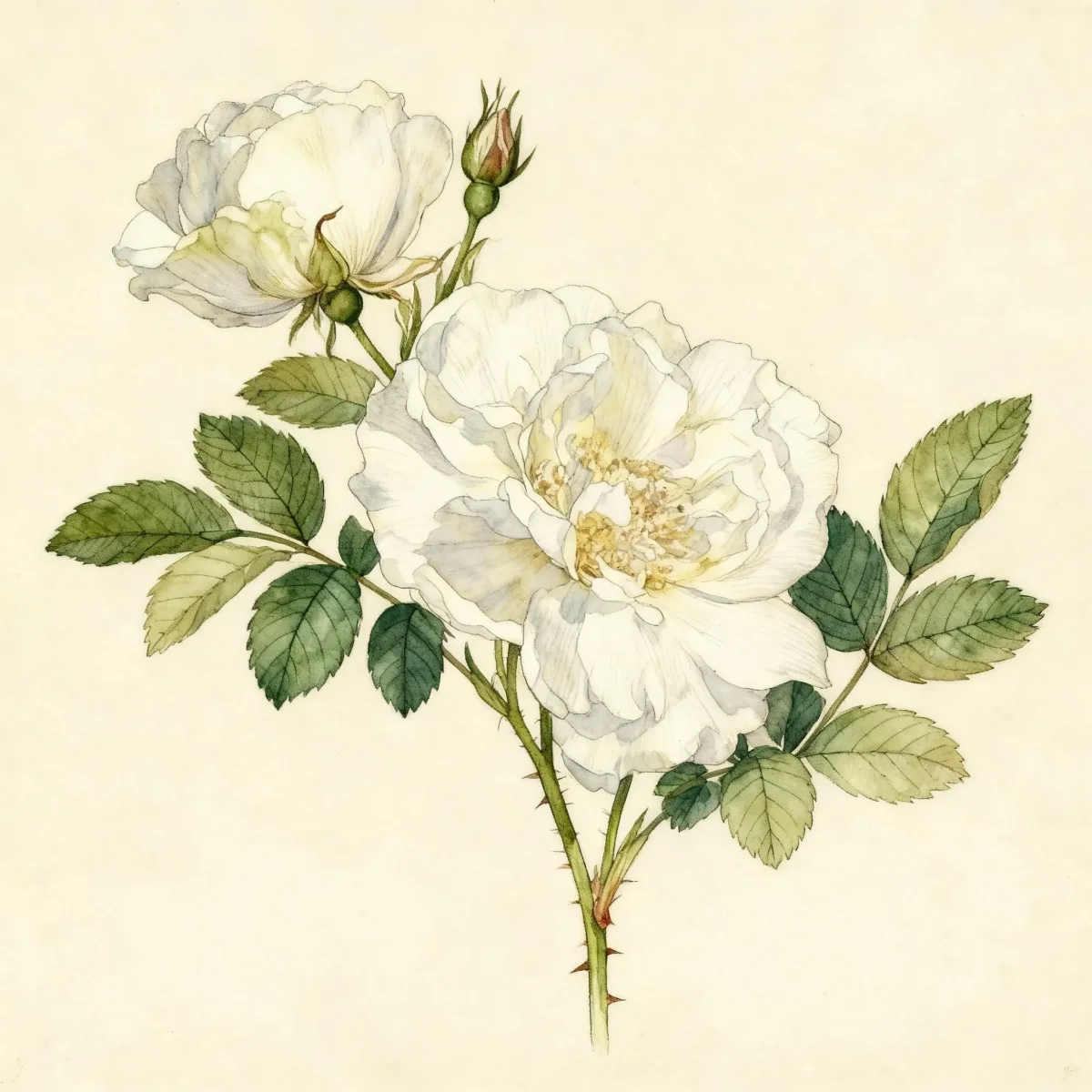
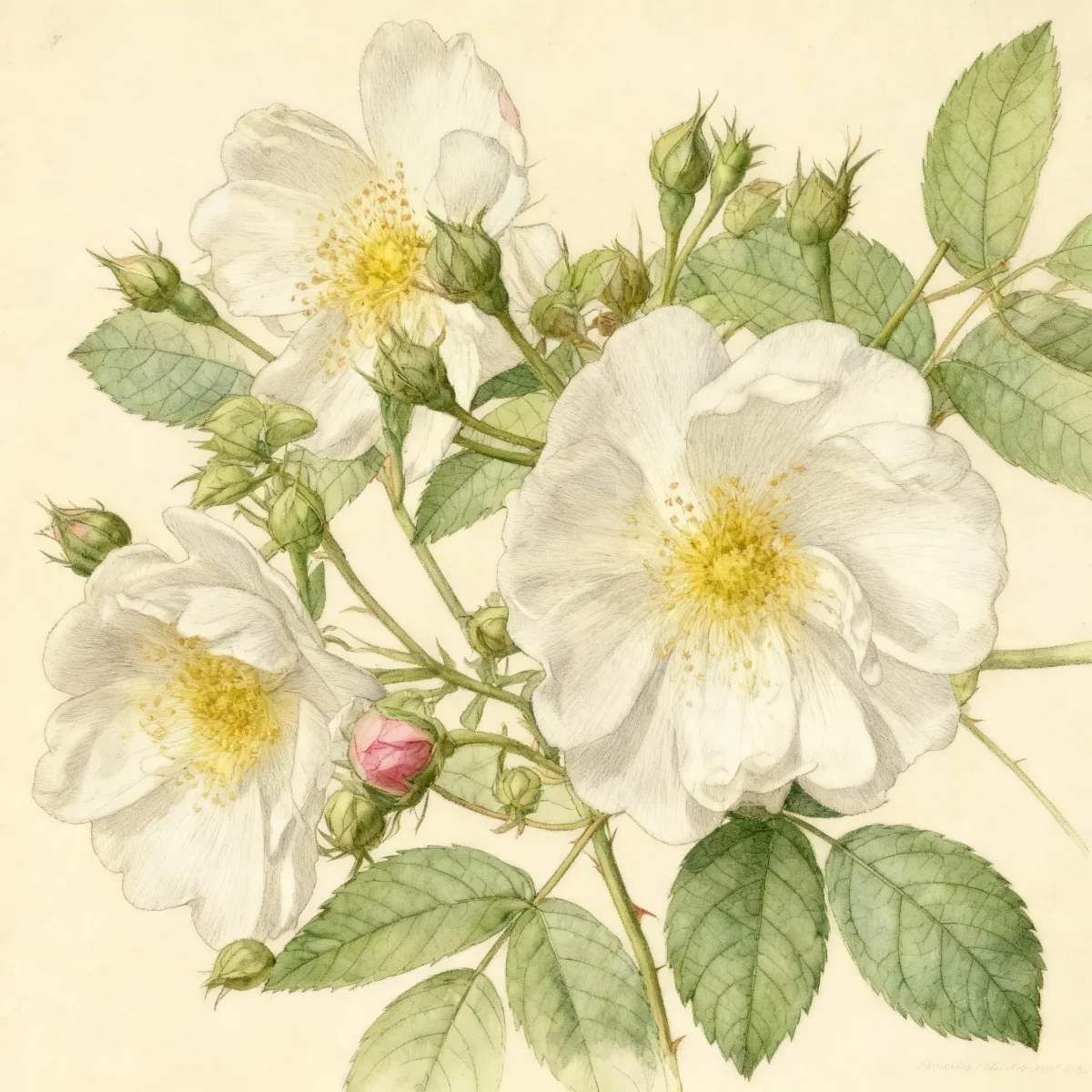
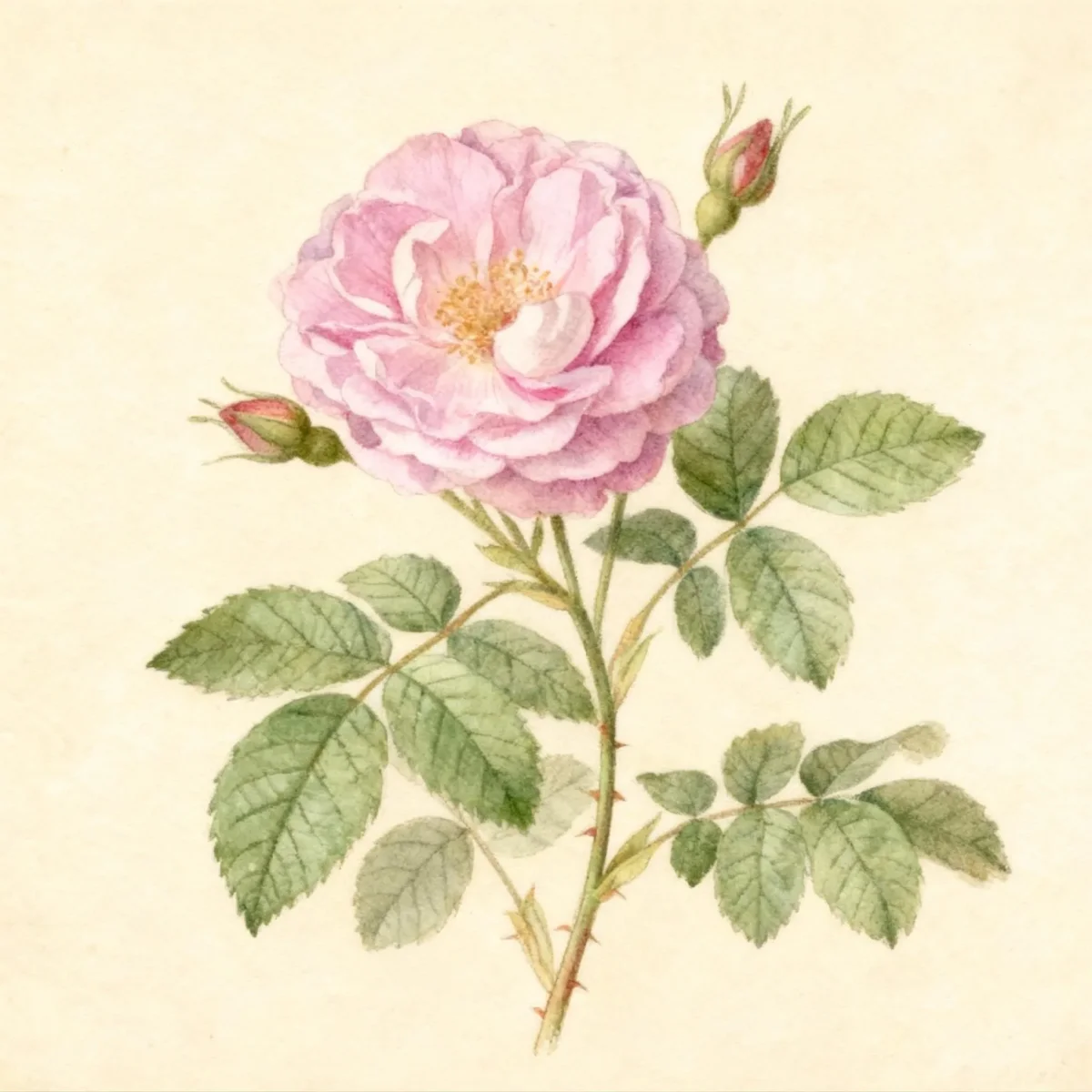
Shrub rose (Rosa glauca)
The Shrub rose, Rosa glauca, stands out with its unique glaucous purple foliage, early summer soft pink flowers, and excellent hardiness.
Scroll down to discover growing tips, care requirements, companion plants, and more
Complete Plant Information
Overview
The Shrub rose, or Rosa glauca, separates itself from common garden roses primarily through its striking foliage, which matures to a distinct glaucous purple hue. For gardeners seeking year-round interest, this species rose provides texture and color that often eclipses the small, single flowers it produces in late spring. Its adaptability and hardiness make it a resilient choice for various landscape applications.
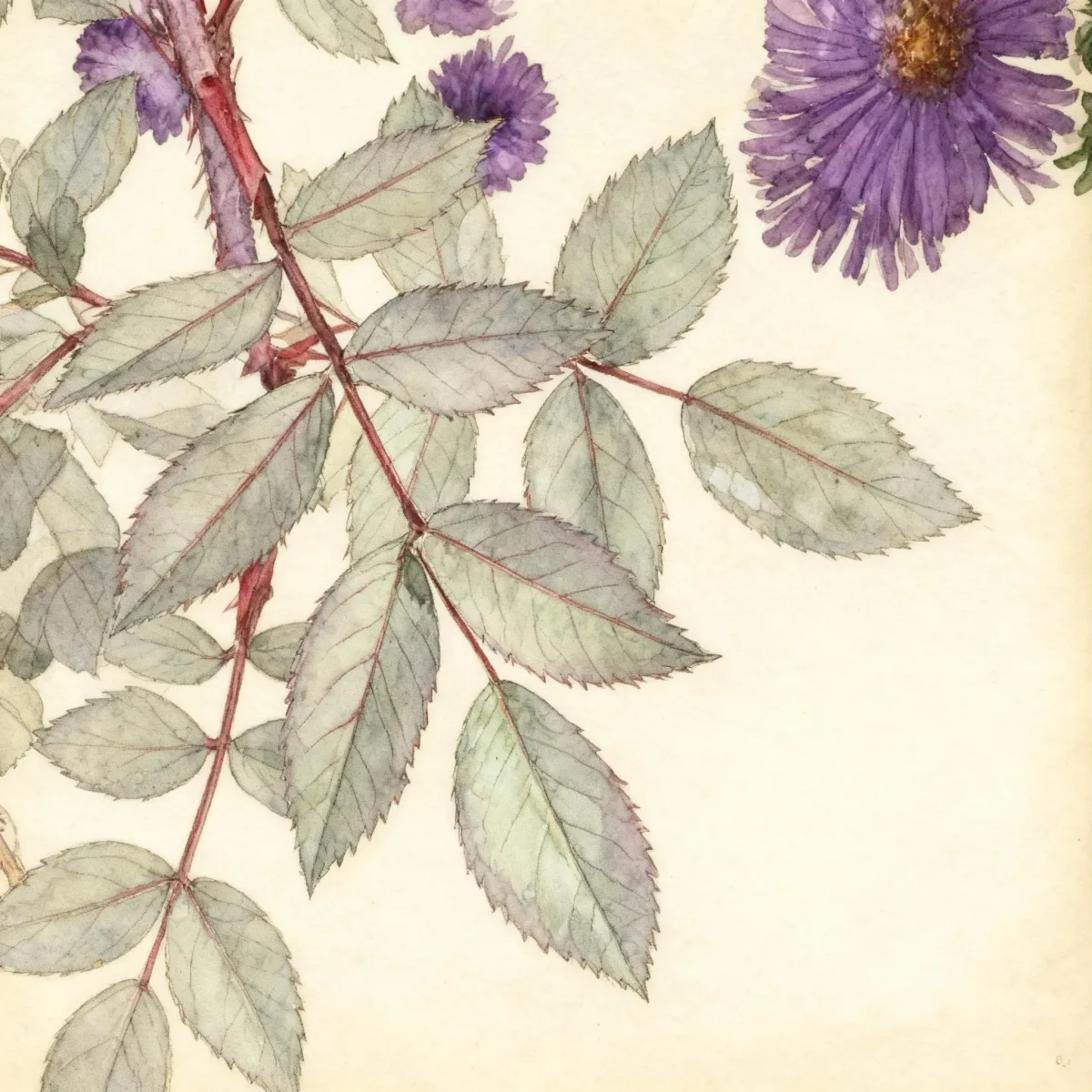
Native to mountain regions of Europe, Rosa glauca is a vigorous, vase-shaped shrub that offers much more than just bloom time appeal. The foliage, a beautiful blend of plum purple and gray-green, is complemented by reddish-violet canes and persistent orange-red hips, ensuring structural interest well into the winter months. This reliable nature enhances its value as a foundational planting.
As a species rose, Rosa glauca requires somewhat less intensive care than many modern hybrids, though it still benefits from proper conditions. These shrubs are valuable for screens, robust borders, and as specimens where their unique coloration can be appreciated against green backdrops. Expect soft pink flowers followed by colorful fruit, contributing ecologically to the garden habitat.
Fast Facts
- Plant Family: Rosaceae
- Plant Type: Deciduous shrub
- Native Range: Europe
- Hardiness Zones: USDA Zones 2-8
- Size at Maturity:
- Height: 6-8 ft
- Spread: 5-7 ft
- Bloom Time: May to June
- Bloom Description: Soft pink
- Sun Exposure: Full sun
- Water Needs: Medium
- Maintenance Level: Medium
How to Grow
Plant Rosa glauca in the late fall or early spring for best establishment, though container-grown specimens can be planted throughout the growing season. This Shrub rose performs best when located in full sun, which maximizes flowering and helps ensure strong disease resistance, despite the foliage potentially showing better color in partial shade. It thrives in organically rich, medium-moisture, well-drained loams.
Watering should be deep and regular, focusing on early morning applications, and it is crucial to avoid overhead watering techniques which can encourage fungal growth. Summer applications of mulch will aid in retaining consistent soil moisture and keeping the roots cool while suppressing weeds. Good air circulation is vital for healthy growth and defense against foliar diseases that can plague roses.
Pruning for Rosa glauca should be done as needed in the late winter dormancy period to shape the shrub or remove any crossing branches. Follow up cultural practices diligently: destroy any diseased leaves during the growing season, and perform a thorough winter cleanup to remove any dead foliage from the ground. This species rose demonstrates good natural resistance to common rose foliage diseases, but vigilance is still recommended.
Landscape Uses
The robust structure and attractive foliage of this Shrub rose make it an outstanding choice for hedges where you desire texture along with seasonal color. Place Rosa glauca at the rear of perennial borders, using its height (6 to 8 feet) to anchor the composition. It excels when planted in small groups or as a distinct specimen where its purple leaves can contrast with lighter greens. Furthermore, it is suitable for naturalizing in open woodland settings, provided the area receives adequate light.
Standout Features
Flower Qualities
- Showy
- Fragrant
Fruit Qualities
- Showy
Noteworthy Characteristics
Rosa glauca, native to mountain areas in central and southern Europe, is a species rose grown for its attractive glaucous purple foliage and tiny, soft pink flowers. Many gardeners consider the foliage to be the best ornamental feature, noted for its interesting plum purple and gray-green blend. Flowers are followed by abundant orange-red hips that often persist well into winter, providing significant seasonal interest alongside the nearly thornless, reddish violet canes.
Tolerances
This information was not provided.
Potential Problems
While Rosa glauca possesses good natural resistance to the most common foliar diseases affecting many roses, gardeners should still be prepared for potential issues. Susceptibility exists for black spot, powdery mildew, and rust, particularly in humid conditions. Good cultural practices are the primary defense; ensure deep watering in the mornings and maintain excellent air movement around the shrub. If disease pressure is severe, preventative fungicide applications may be necessary throughout the growing season.
Insect pests such as aphids, scale, and mites are potential threats that require monitoring. If natural predators do not suffice, targeted insecticide applications may be needed to manage outbreaks. Gardeners should also learn to identify and aggressively respond to serious systemic issues like rose rosette and viruses, which necessitate immediate and stringent removal actions to protect surrounding plants.
Frequently Asked Questions
What hardiness zones is Shrub rose suitable for?
The Shrub rose (Rosa glauca) is highly cold-tolerant, suitable for USDA Hardiness Zones 2 through 8.
How large does Rosa glauca grow?
This deciduous shrub typically reaches a mature height of 6 to 8 feet, with a corresponding spread of 5 to 7 feet, forming an upright, vase-like shape.
What sun exposure does Rosa glauca need?
For the best overall performance, including disease resistance and abundant flowering, Rosa glauca requires full sun exposure.
When does Shrub rose bloom?
This rose blooms relatively early, typically from May into June, presenting masses of small, soft pink flowers.
Conclusion
The longevity and unique aesthetics offered by Rosa glauca cement its place as a superior specimen or hedge plant, especially for gardeners prioritizing foliage over dense bloom. The persistent architectural interest provided by the leaves and hips makes this Shrub rose a valuable, low-fuss addition to the landscape. Before planting, verify that your site conditions match its requirements for full sun and medium soil moisture for decades of enjoyment.
Companion Planting
Selecting companions for Rosa glauca should focus on plants that thrive under similar full-sun exposure and medium water regimes, while offering complementary textures to highlight its glaucous foliage. Good choices include silver-leaved perennials like Lamb’s Ears (Stachys byzantina) to emphasize the gray tones, or deep purple-flowering perennials such as Salvia or Catmint (Nepeta) to provide contrast during the summer months. Avoid planting right under the drip line of large trees, as this can inhibit the air circulation this shrub needs to stay healthy.
Seasonal Care Calendar
Spring cleanup is vital for preparing this Shrub rose for the growing season. Once the threat of severe frost has passed in late winter, perform necessary pruning to remove dead or damaged wood and shape the bush. Begin a consistent deep watering schedule as temperatures rise, ensuring the water penetrates the soil deeply rather than just wetting the surface. During the summer, focus on checking for insect activity and promptly removing any fallen or diseased leaves to minimize overwintering fungal spores.
In late summer and early fall, allow the plant to begin hardening off naturally; cease heavy fertilization to encourage dormancy preparation. The reddish canes and persistent orange-red hips provide excellent color as other perennials fade in the autumn and winter. Ensure a thorough cleanup during the dormant season, removing all spent foliage from the base of the plant to reduce disease reservoirs before new growth begins.