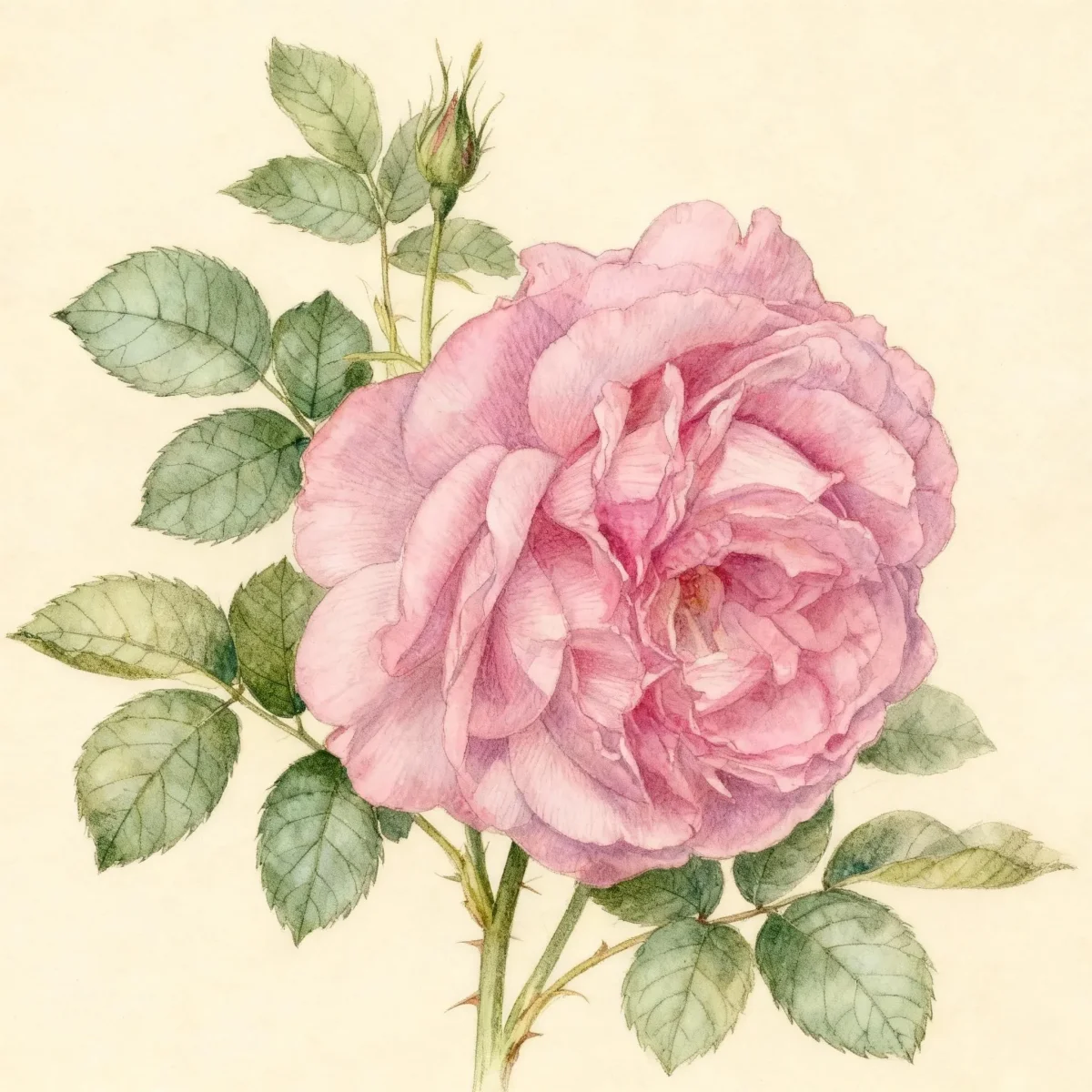
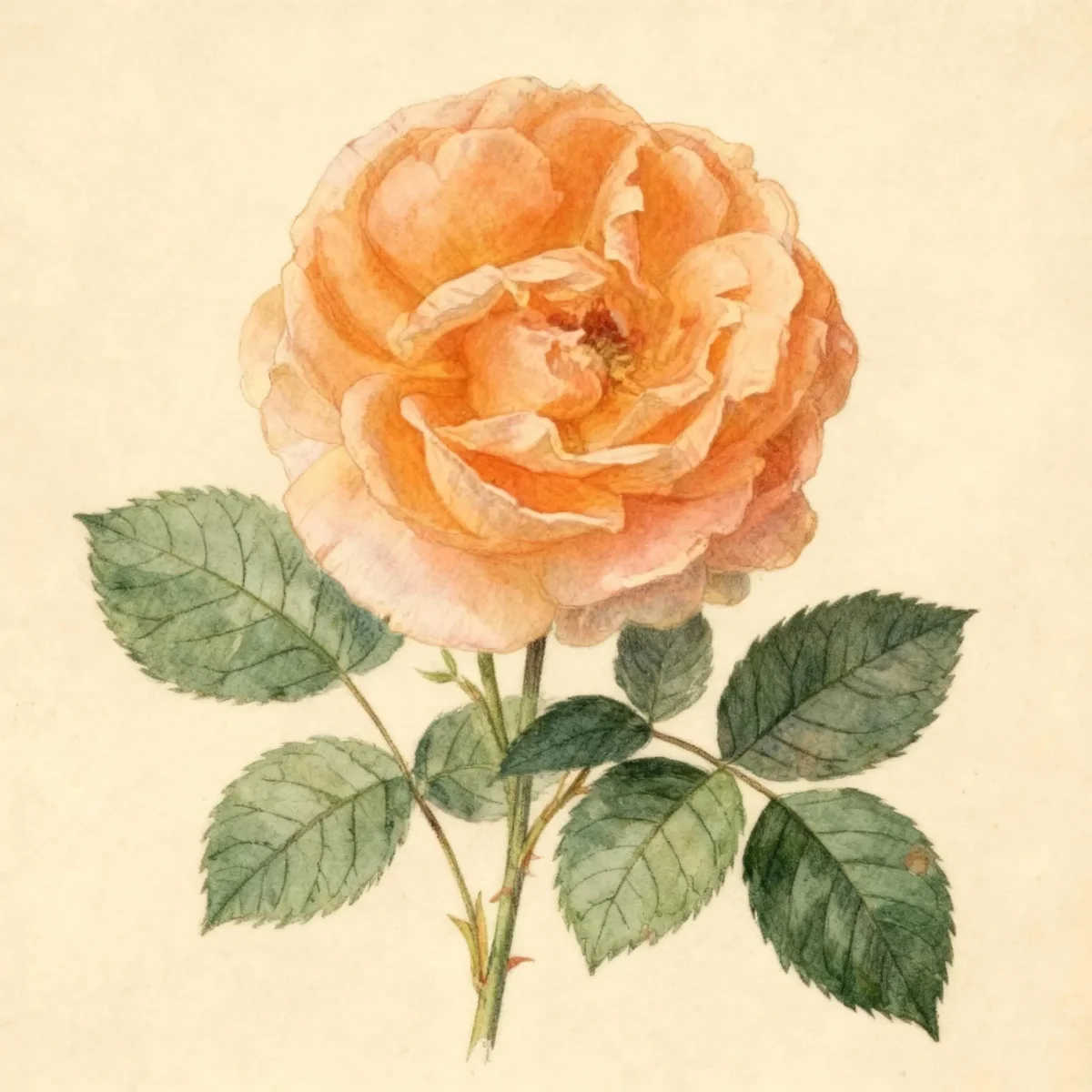
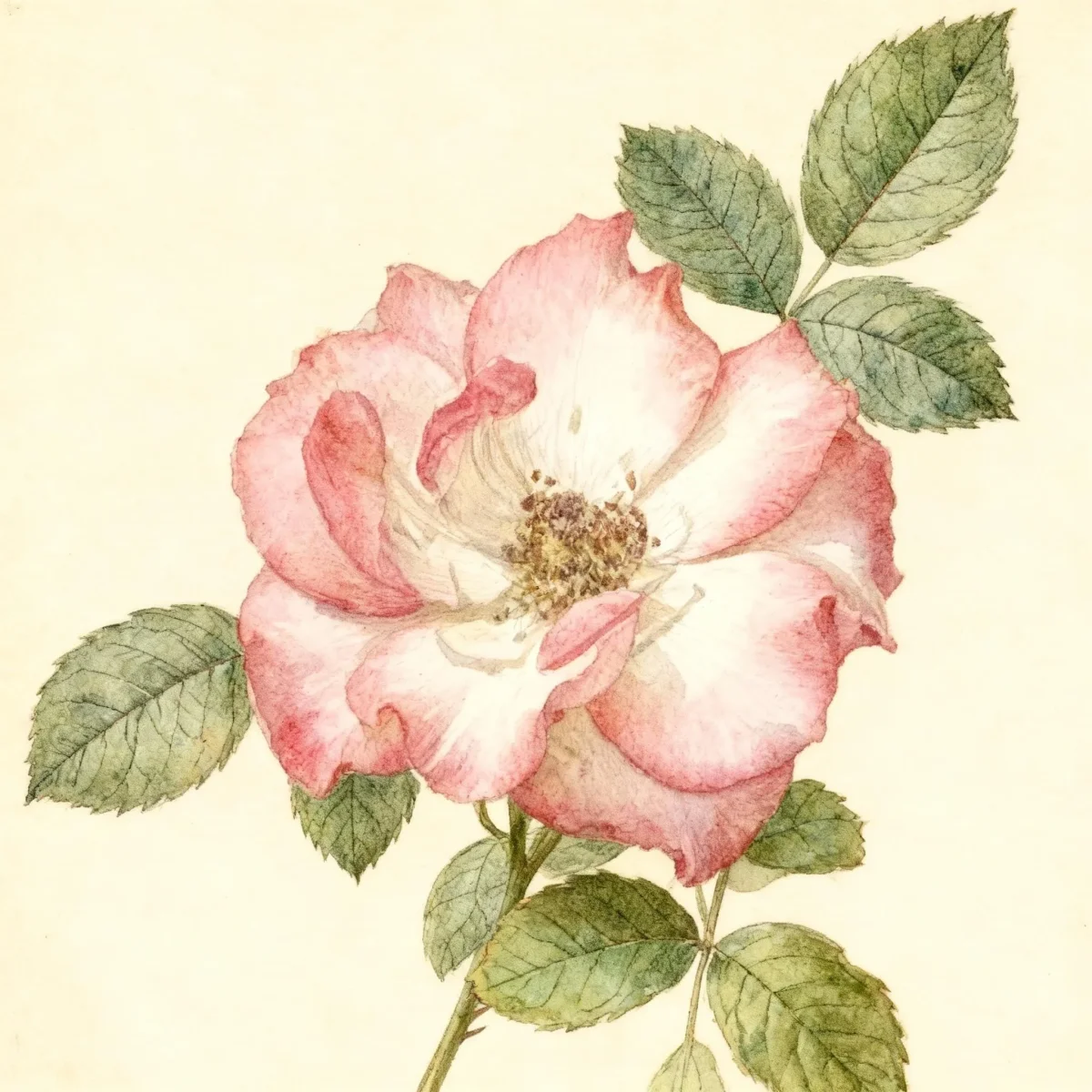
Sweet briar rose (Rosa rubiginosa)
Discover the fragrant Sweet briar rose (Rosa rubiginosa), a medium-sized shrub known for apple-scented foliage and pink blooms.
Scroll down to discover growing tips, care requirements, companion plants, and more
Complete Plant Information
Overview
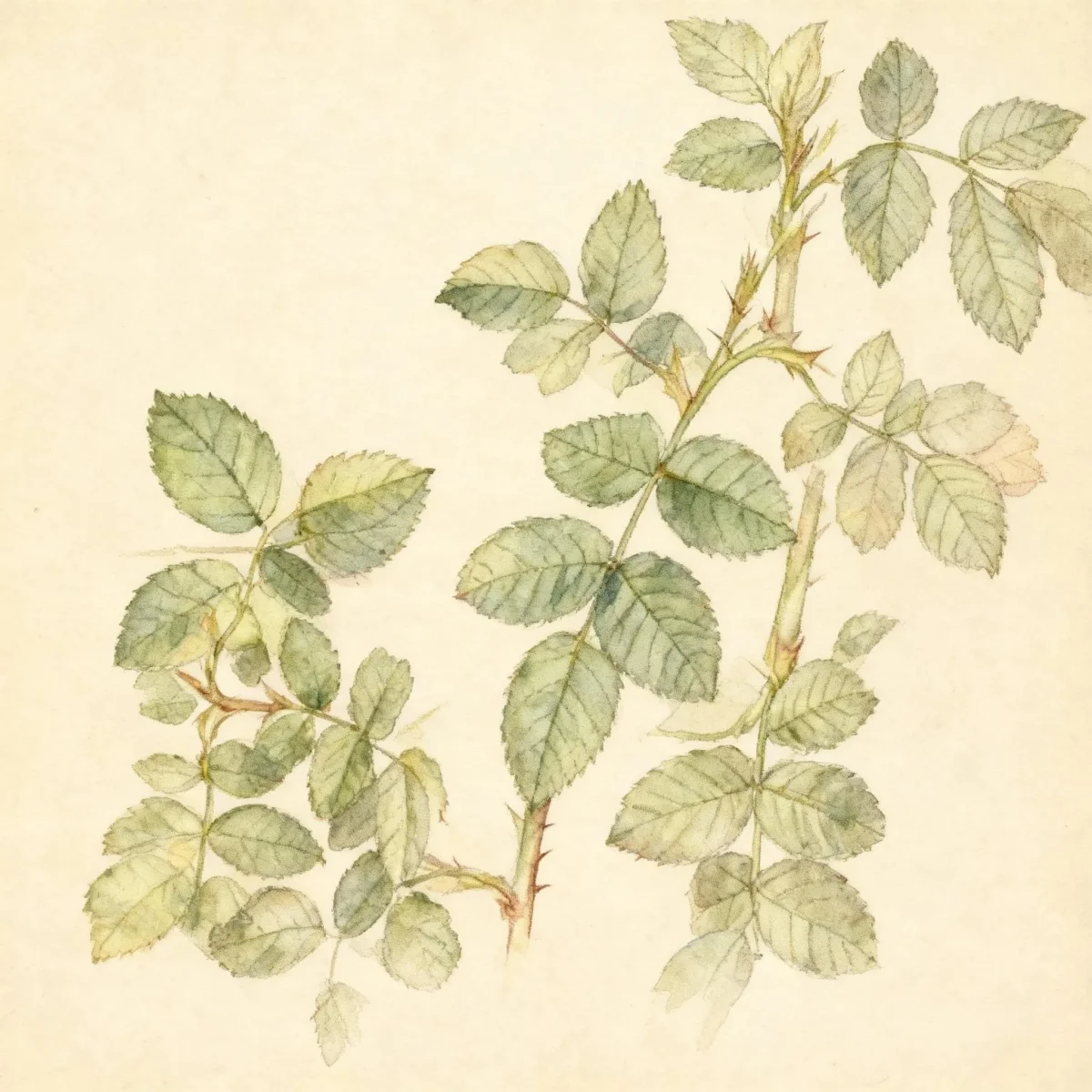
The Sweet briar rose, botanically known as Rosa rubiginosa, is a vigorous European species rose prized by gardeners for its wonderfully aromatic foliage. When brushed or after a rain, the dark green leaves release a distinctive, sweet perfume reminiscent of apples, earning it the common name Eglantine rose. This plant matures into a dense, suckering, vase-shaped shrub boasting heavily thorned arching canes.
Though it is not native to North America, Rosa rubiginosa naturalizes well in open areas, offering both aesthetic beauty and functional screening due to its dense growth habit. Its showy pink flowers appear reliably in late spring, followed by persistent orange-red hips that provide winter interest. Gardeners appreciate the Sweet briar rose for its robust nature, provided cultural needs for full sun and good air circulation are met.
For excellent flowering and disease resistance, ensure this deciduous shrub receives ample sunlight. The plant offers a unique multisensory experience, combining fragrant foliage, attractive blooms, and lasting fruit structure, making Rosa rubiginosa a rewarding addition to larger landscapes.
Fast Facts
- Plant Family: Rosaceae
- Plant Type: Deciduous shrub
- Native Range: Europe
- Hardiness Zones: USDA Zones 4-9
- Size at Maturity:
- Height: 6-10 ft
- Spread: 6-10 ft
- Bloom Time: May to June
- Bloom Description: Pink
- Sun Exposure: Full sun
- Water Needs: Medium
- Maintenance Level: Medium
How to Grow
The ideal time to establish Rosa rubiginosa is typically in spring or fall after the danger of hard frost has passed. Select a location that receives full sun, as this exposure maximizes both flowering potential and disease resistance. This species thrives best when planted in organically rich, medium-moisture, well-drained loams.
Culture requires consistent hydration; water deeply and regularly, focusing irrigation in the mornings to minimize foliar wetness overnight. Good air circulation is vital for promoting healthy growth and helping to mitigate common fungal issues. Applying a summer mulch will help keep the root zone cool, retain necessary moisture, and suppress weed competition.
Maintenance for the Sweet briar rose involves routine pruning in late winter to shape the shrub and remove any undesirable growth. Crucially, good sanitation practices are necessary: promptly remove and destroy any diseased leaves visible during the growing season, and perform a thorough cleanup of dead leaves from the ground during the winter dormant season.
Landscape Uses
The robust structure of Rosa rubiginosa makes it exceptionally valuable as an impenetrable hedge, providing excellent screening along property lines. Its dense, suckering nature ensures that, once established, this shrub creates a formidable barrier. Plant it strategically where its height (6 to 10 feet) can be utilized for privacy or defining boundaries.
Beyond its functional use as a hedge, the Sweet briar rose excels when used as a specimen plant to highlight its aromatic foliage. Place smaller groups near patios or walkways where its fragrance can be easily enjoyed, especially after a summer shower. For a more naturalized look, incorporate it into informal shrub borders or open woodland garden settings where its tough nature can shine.
This species can serve as a bold structural element in the landscape, contrasting well with finer-textured evergreen shrubs. While its fragrance draws attention, the abundance of hips ensures seasonal structure, making it a year-round feature plant when sited correctly.
Standout Features
Flower Qualities
- Showy
- Fragrant
Fruit Qualities
- Showy
Noteworthy Characteristics
Rosa rubiginosa, commonly called sweet briar or eglantine rose, is a European species rose that has escaped gardens and naturalized along roadsides, in pastures and in open areas in many parts of North America including Missouri. It is perhaps most noted for its aromatic dark green foliage that releases a sweetly fragrant perfume (suggestive of apples) after a rainstorm or when brushed with the hand. This species synonymous with Rosa eglanteria, offering five-petaled, clear pink flowers followed by abundant orange-red hips that persist well into winter.
Tolerances
Potential Problems
Roses, in general, are susceptible to several prevalent issues, most notably black spot, rust, and powdery mildew. While following good cultural practices, such as ensuring full sun and avoiding overhead watering, forms the first line of defense against these diseases, gardeners in humid climates may still need to apply preventative fungicides throughout the growing season. Be vigilant for virus problems or rose rosette, which require aggressive management.
Insect pests such as aphids, scale, borers, and mites can also target Rosa rubiginosa. If natural predator populations are insufficient for control, targeted insecticide applications may become necessary. Fortunately, the Sweet briar rose possesses better natural resistance to the common foliar diseases compared to many cultivated hybrid roses, making its maintenance slightly simpler.
Proper sanitation is key to prevention. Always clean up and destroy fallen, diseased leaves from the ground during both the active growing period and during the winter cleanup to reduce overwintering fungal spores.
Frequently Asked Questions
What hardiness zones is Sweet briar rose suitable for?
The Sweet briar rose (Rosa rubiginosa) is hardy across USDA Zones 4 through 9, offering a wide range of adaptability across many climates.
How large does Sweet briar rose grow?
This deciduous shrub typically reaches mature heights between 6 and 10 feet, with a comparable spread, forming a dense, upright presence in the garden.
What sun exposure does Sweet briar rose need?
For the best flowering performance and greatest resistance to disease, Rosa rubiginosa requires full sun exposure throughout the day.
When does Sweet briar rose bloom?
The showy, fragrant pink flowers of the Sweet briar rose usually appear from May to June.
Conclusion
The Rosa rubiginosa offers gardeners a tough, fragrant specimen, distinguished by its apple-scented foliage and attractive supply of persistent hips. This robust plant thrives when positioned in full sun, making it ideal for use as a natural screen or an informal border feature. Before planting your Sweet briar rose, confirm that your site falls within USDA Zones 4-9 and plan for its medium water and maintenance needs.
Companion Planting
Selecting effective companion plants for Rosa rubiginosa involves prioritizing species that share its need for full sun and well-drained soil while also benefiting from its structural presence. Consider planting lower-growing, sun-loving perennials around the base to soften the hedgeline and mask the lower thorns. Good companions include Catmint (Nepeta) for its silvery foliage and long bloom period, or hardy Salvia varieties, which attract pollinators without competing heavily for root space.
It is vital to avoid planting companions that struggle in drier soil or those that are highly susceptible to the same fungal issues (like black spot) that can plague roses. By choosing companions that thrive in similar conditions—high light, relatively quick drainage—you ensure that all plants in the grouping benefit from regular, deep morning watering rather than suffering from poor air circulation induced by densely packed, moisture-loving groundcovers.
Wildlife Benefits
The presence of Rosa rubiginosa offers significant value to local ecosystems, particularly through its fruit production. The orange-red hips that follow the late spring blooms are a vital late-season food source for numerous bird species once other summer berries have diminished. These hips often persist well into the winter months, providing necessary calories when natural food is scarce.
Furthermore, the dense, thorny nature of the established Sweet briar rose acts as superb protective cover for nesting birds. Small songbirds can seek refuge within its thicket of arching canes, safe from aerial predators. Gardeners focused on creating layered, wildlife-friendly habitats should integrate hardy, native or well-adapted species like this robust rose.