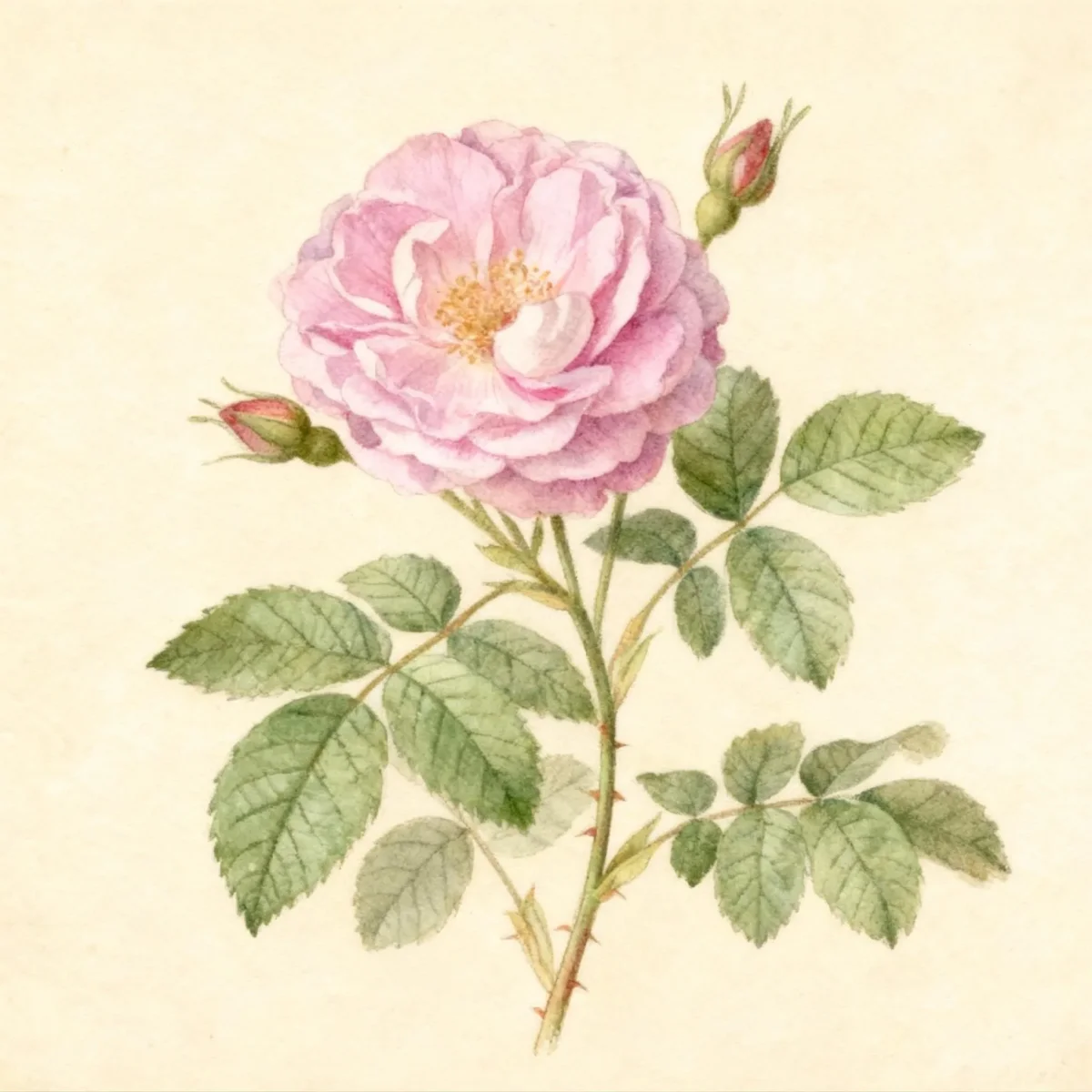
Rugosa rose (Rosa rugosa)
The Rugosa rose (Rosa rugosa) thrives in tough locations, offering fragrant, showy blooms and edible hips. Extremely adaptable and durable.
Scroll down to discover growing tips, care requirements, companion plants, and more
Complete Plant Information
Overview
The Rugosa rose (Rosa rugosa) is prized by gardeners for its exceptional resilience and vigorous growth habit. This bristly, prickly shrub readily handles challenging sites where many other roses fail, establishing itself as a reliable performer across a wide range of USDA Zones. Its wrinkled, dark green foliage provides excellent texture throughout the growing season.
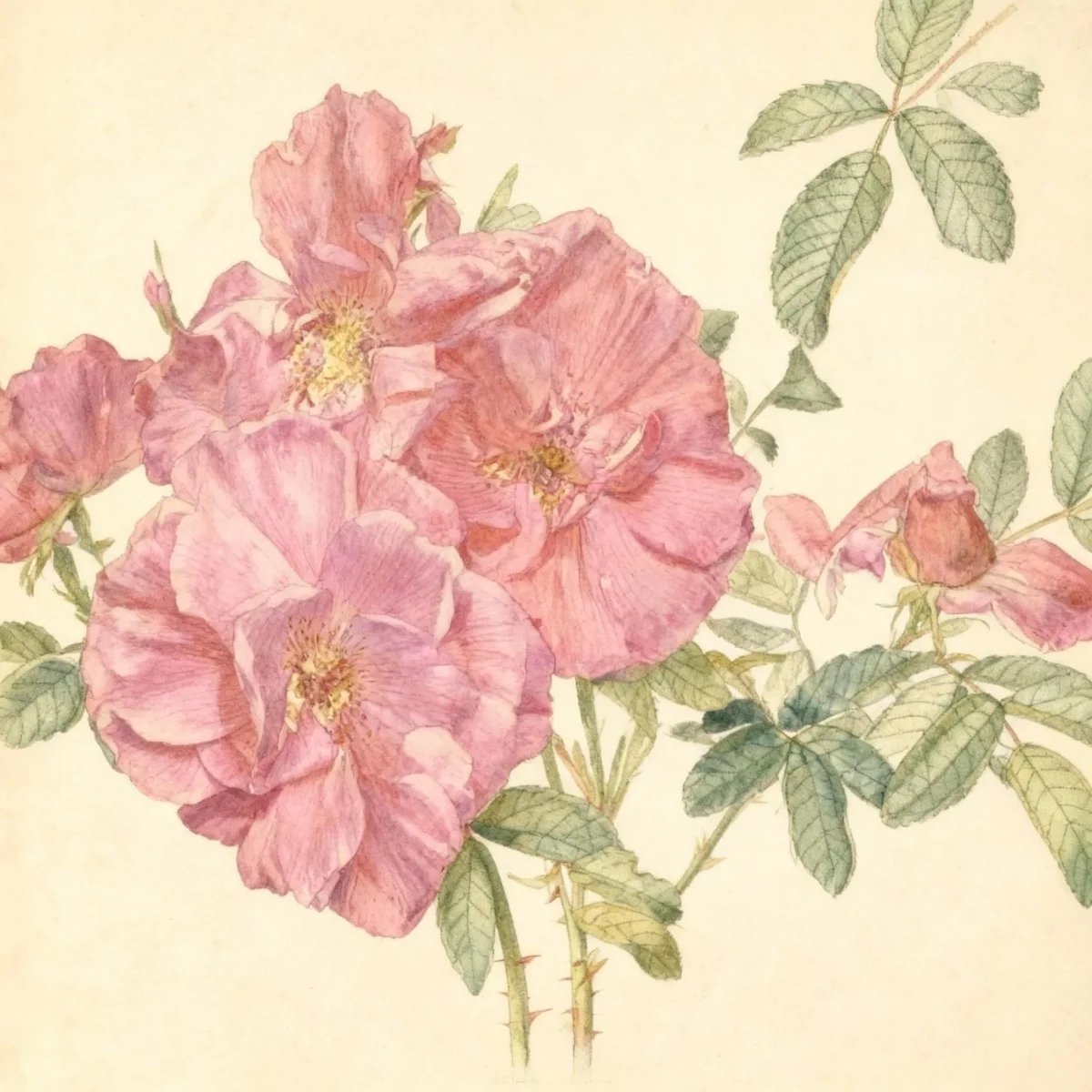
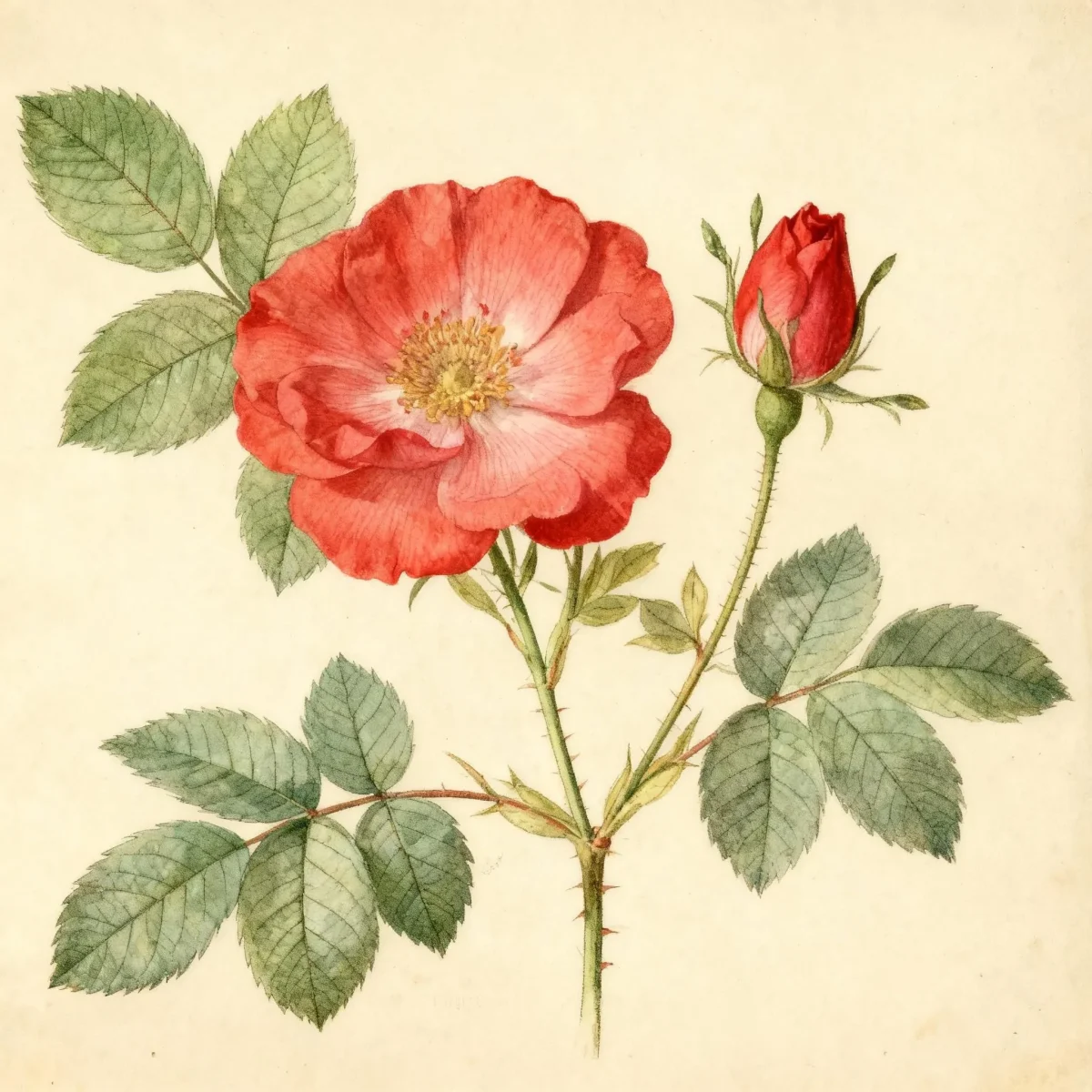
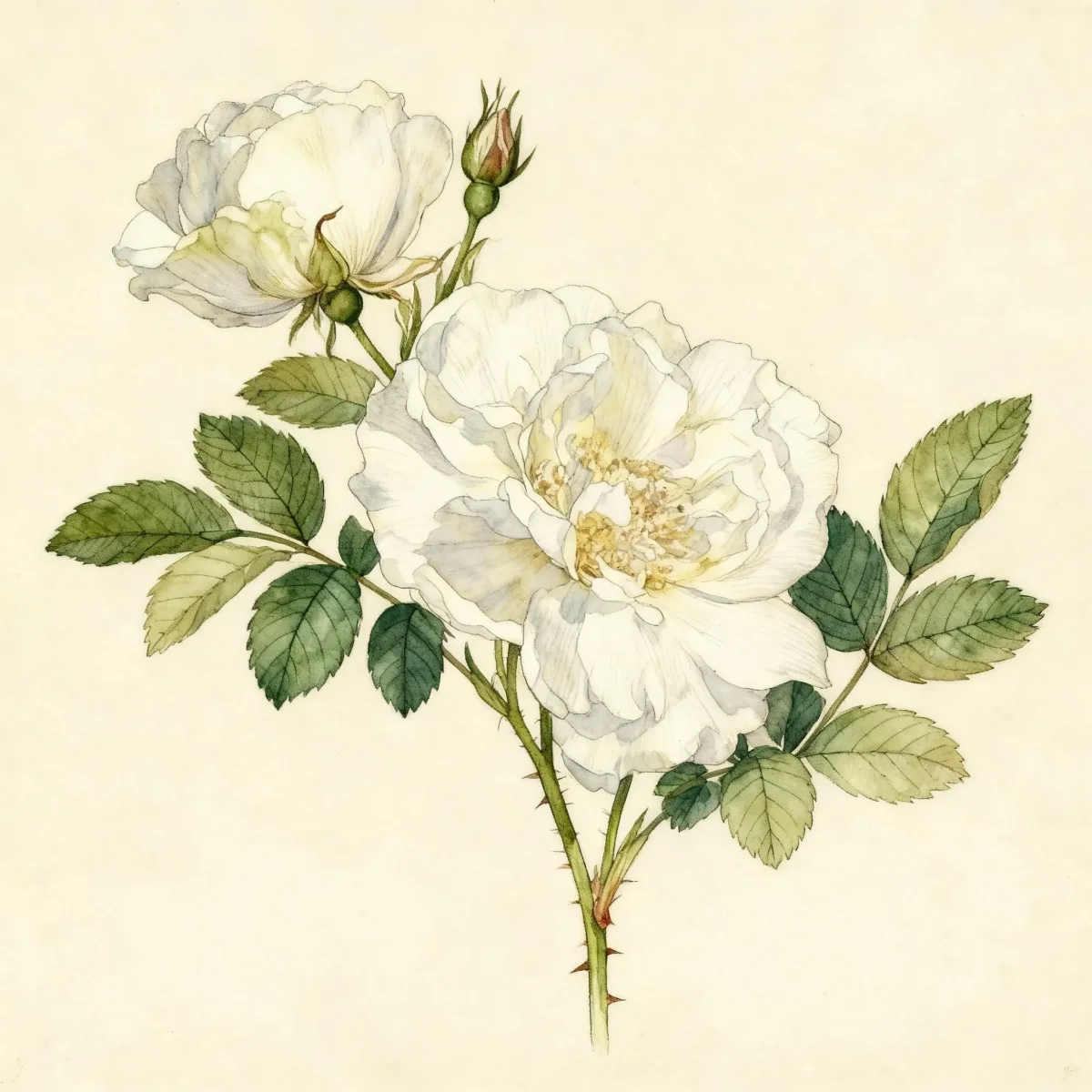
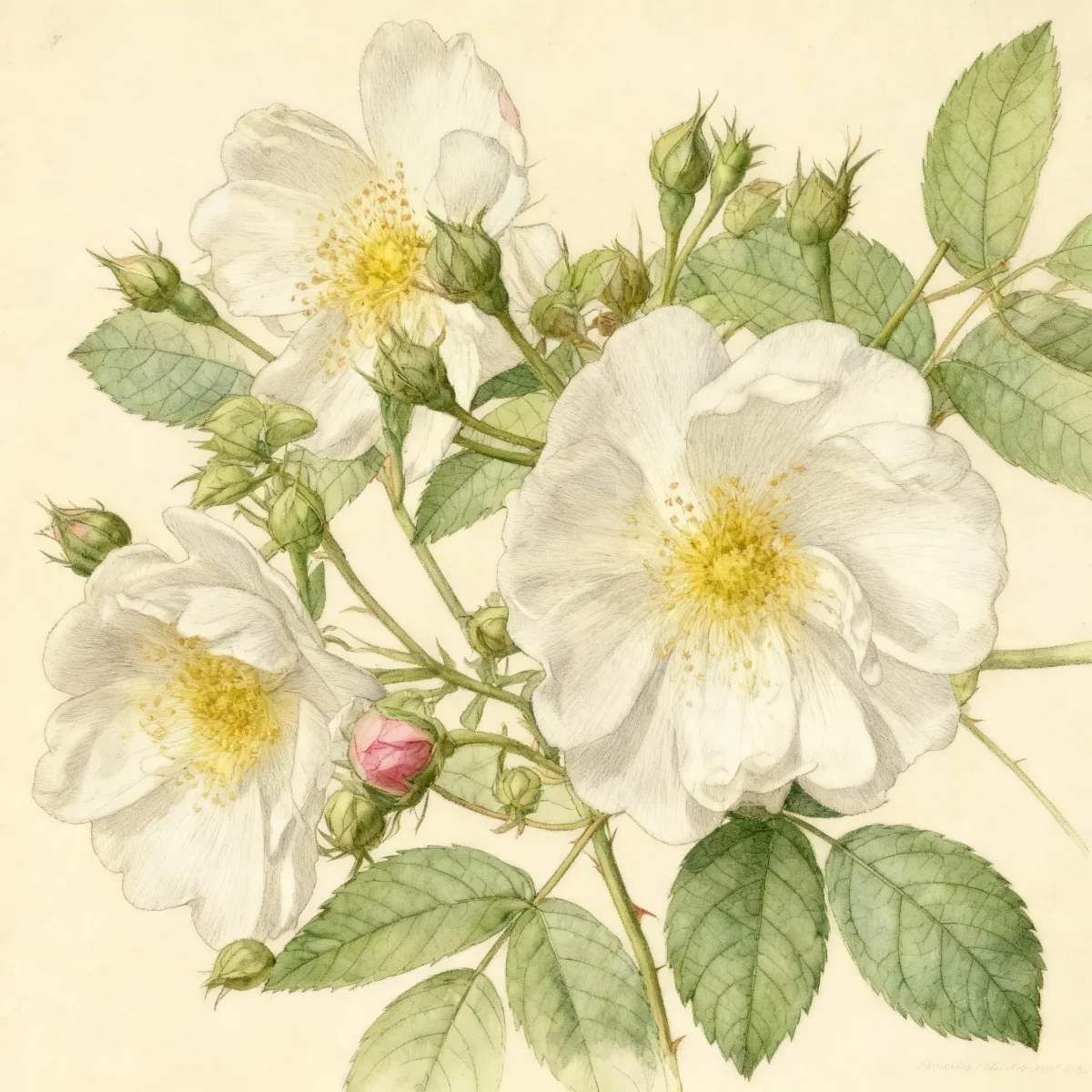
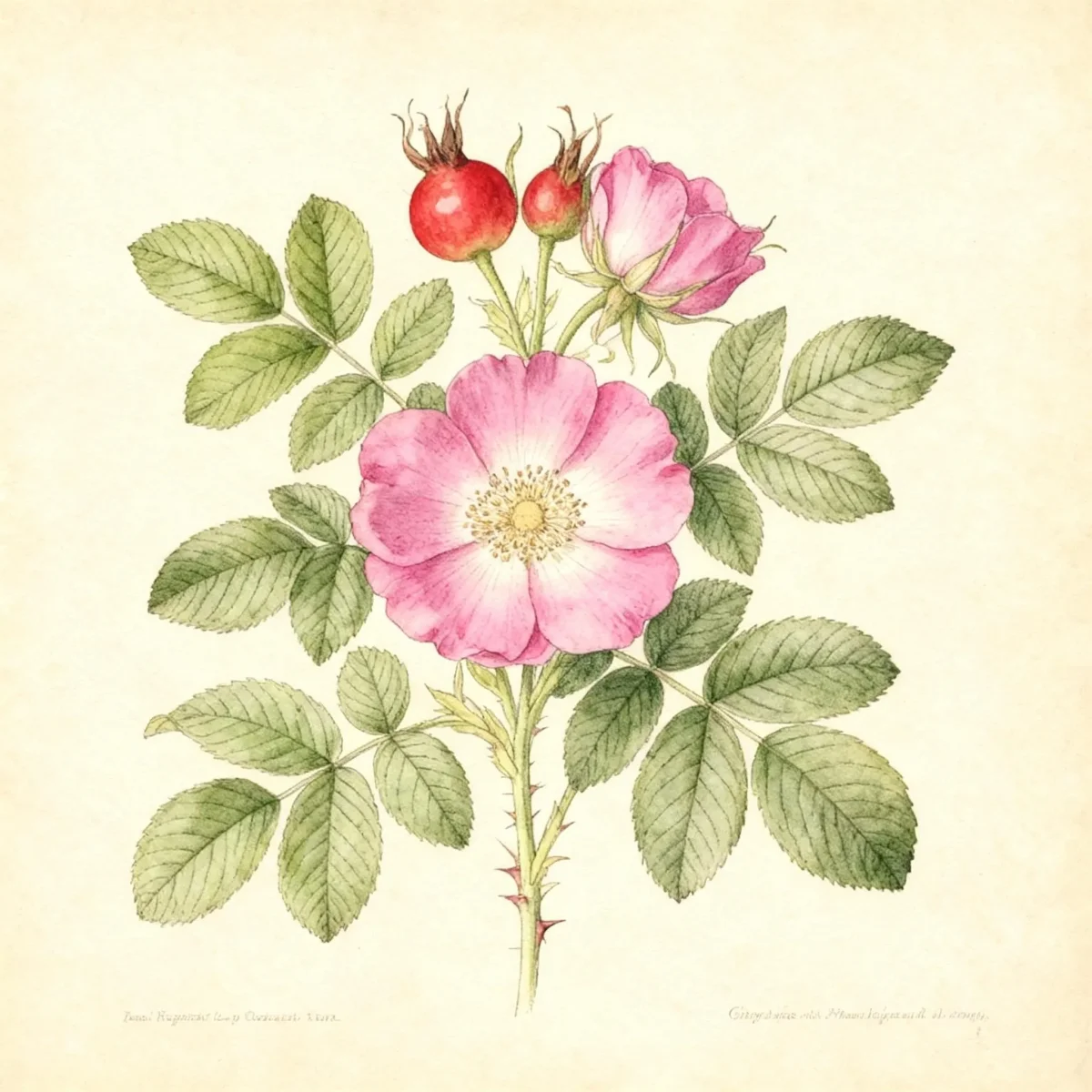
Aesthetically, the plant offers deep fragrance from its single or semi-double flowers, typically appearing rose pink to white from late spring into midsummer. Beyond the blooms, the Rosa rugosa produces striking, tomato-shaped red hips that are both showy and edible, adding late-season interest and potential culinary use.
Its ability to grow well in poor, sandy, or salty soils makes the Rugosa rose invaluable for coastal plantings or mass plantings where true toughness is required. Gardeners must manage its aggressive suckering habit if planting in confined spaces.
Fast Facts
- Plant Family: Rosaceae
- Plant Type: Deciduous shrub
- Native Range: Eastern Russia, Korea, Japan, northern China
- Hardiness Zones: USDA Zones 2-7
- Size at Maturity:
- Height: 4-6 ft
- Spread: 4-6 ft
- Bloom Time: May to July
- Bloom Description: Rose pink to white
- Sun Exposure: Full sun
- Water Needs: Medium
- Maintenance Level: Medium
How to Grow
Plant Rosa rugosa during the dormant season (late winter or early spring) for best establishment. While it prefers slightly acidic, moist, well-drained loams, this species is incredibly adaptable and will thrive in sandy, clay, or gravelly soils. Full sun exposure encourages the best flowering and disease resistance, though it tolerates part shade.
Maintain medium water needs by watering deeply and regularly, ideally in the mornings, while strictly avoiding overhead watering. Excellent drainage is paramount; avoid consistently wet soil conditions. Apply summer mulch to conserve root moisture and suppress weeds.
Pruning should be performed in late winter or early spring as needed. Maintenance involves removing spent flowers to encourage rebloom, though this prevents the development of flavorful hips. Keep the area clean by removing and destroying diseased or dead foliage, especially during the late season cleanup. This shrub exhibits superb cold hardiness down to Zone 2 temperatures.
Landscape Uses
The inherent toughness and dense shrub structure make the Rugosa rose perfect for functional landscape roles. Plant it as an impenetrable screen or hedge due to its abundant, sharp thorns, providing excellent security alongside ornamental value. It naturalizes well, making it suitable for stabilizing banks or controlling erosion on sandy soils, dunes, and beaches due to its high salt tolerance.
While it works well in large, informal areas, avoid placing it in small or formal garden beds where its suckering nature would result in unwanted spread. It serves as a strong specimen plant or blends effectively into robust cottage garden designs that embrace its wilder character.
Standout Features
Flower Qualities
- Showy
- Fragrant
Fruit Qualities
- Showy
- Edible
Noteworthy Characteristics
Rosa rugosa is characterized by a bristly, prickly, sprawling form that can spread via suckers to create dense thickets unless actively managed. Its odd-pinnate leaves are dark green with pronounced veins, giving them a distinct wrinkled appearance. The shrub produces tomato-shaped, fleshy hips that ripen to bright red and persist into winter, often used for jams and jellies.
Tolerances
- Clay Soil
- Air Pollution
Potential Problems
Although renowned for its overall disease resistance compared to many hybrid roses, gardeners should still manage cultural practices to minimize potential issues. Common fungal issues include black spot and powdery mildew, especially in humid climates. Good air circulation is key to healthy growth and disease prevention.
If disease pressure is high, preventative fungicide applications may be necessary throughout the humid growing season. Watch for common rose pests like aphids, scale, or spider mites. Local horticultural extensions can offer region-specific advice on chemical controls, but beginning with proper site selection and cultural care is the most effective first defense for growing the Rosa rugosa.
Frequently Asked Questions
What hardiness zones is Rugosa rose suitable for?
The Rugosa rose is extremely hardy, suitable for USDA Zones 2 through 7.
How large does this resilient shrub grow?
This plant typically matures to a height and spread between 4 and 6 feet tall and wide.
What sun exposure does Rosa rugosa need?
For optimal flowering and disease resistance, Rosa rugosa performs best in full sun.
When does the Rugosa rose bloom?
Blooms typically appear from May through July, noted for their rose pink to white coloration.
Conclusion
The Rugosa rose offers a winning combination of rugged durability, fragrant summer blooms, and interesting late-season hips, making it a top choice for challenging locations. Ensure you have the space for its moderate spread, or utilize it purposely for hedging or bank stabilization. Before planting, always confirm that the hardiness zone aligns with your region to ensure success with this adaptable shrub.
Companion Planting
Consider pairing Rosa rugosa with robust, drought-tolerant perennials that thrive in similar full-sun, low-maintenance conditions. Lavender (Lavandula spp.) provides contrasting silvery foliage and complements the rose’s fragrance while requiring similar drainage. Catmint (Nepeta spp.) works well as a low border plant, requiring little water once established, mirroring the needs of the Rugosa rose.
For ground cover beneath the shrub where light permits, consider creeping thyme or sedum varieties known for toughness. Avoid planting high-maintenance roses or highly sensitive perennials nearby, as the Rosa rugosa can aggressively compete for resources and establish a dense understory.
Wildlife Benefits
The strong presence of the Rosa rugosa in the landscape offers significant benefits to local wildlife populations. Its dense structure provides excellent nesting and protective cover for small birds, especially when used as an impenetrable hedge. Furthermore, the nectar and pollen attract numerous pollinators during its spring and summer bloom period.
By late summer, the bright red rose hips offer a crucial late-season and winter food source for birds such as cedar waxwings and robins. Since the hips often persist well into the colder months, they provide extended foraging opportunities, contributing positively to local biodiversity.