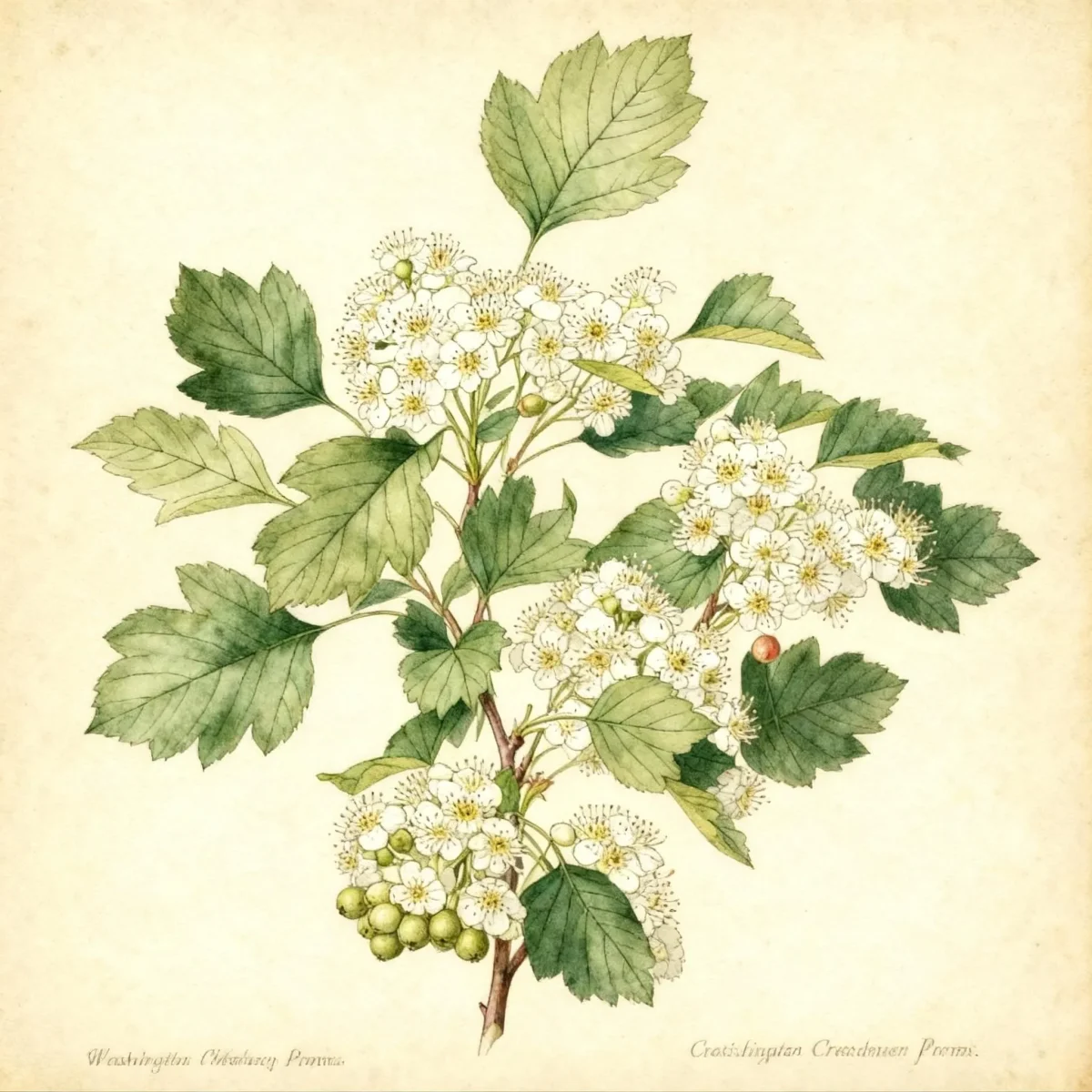
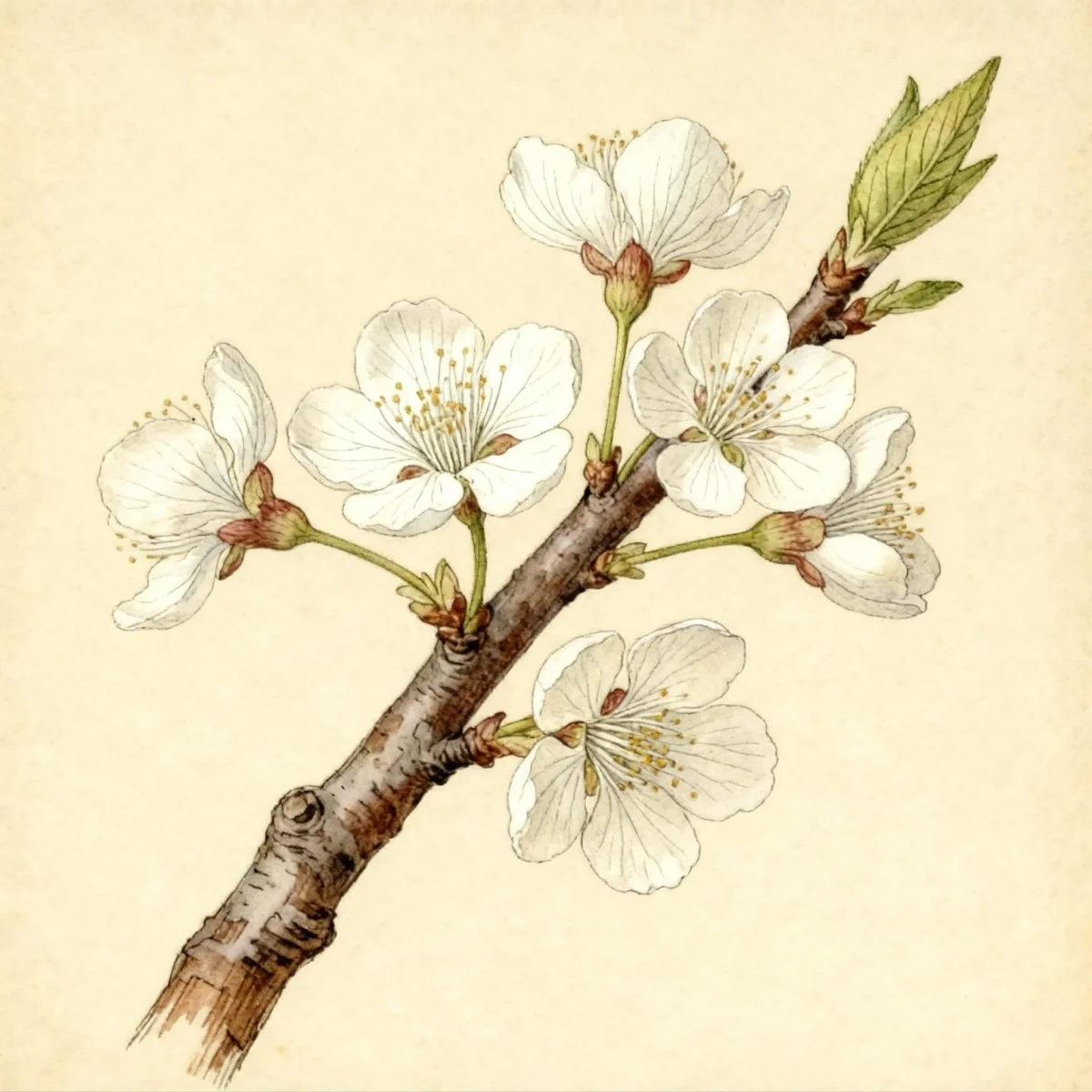
Mountain ash (Sorbus decora)
Sorbus decora, the Mountain ash, offers showy white spring flowers and persistent red fruit, ideal for cool northern climates.
Scroll down to discover growing tips, care requirements, companion plants, and more
Complete Plant Information
Overview
The Sorbus decora, commonly known as Mountain ash, is a prized small deciduous tree native to the cool climates of Northeastern North America. Its primary appeal lies in its multi-seasonal interest, featuring showy white flowers in spring followed by clusters of vibrant red fruits persisting into winter. This tree provides significant visual structure against the landscape.
This species thrives best in cool mountain environments and demands consistent moisture and rich, well-drained soil. While highly decorative, it is important to note that the Sorbus decora is somewhat intolerant of hot, humid summers and urban pollution, severely limiting its northward success, especially below USDA Zone 6.
Gardeners value the Mountain ash for its attractive foliage—pinnate leaves turning yellow to red in the fall—and the wildlife attraction provided by its persistent fruit. Properly sited, this tree requires relatively little attention regarding pruning, making it a solid backbone plant for northern landscapes.
Fast Facts
- Plant Family: Rosaceae
- Plant Type: Tree
- Native Range: Northeastern North America
- Hardiness Zones: USDA Zones 2-6
- Size at Maturity:
- Height: 20-30 ft
- Spread: 15-20 ft
- Bloom Time: May
- Bloom Description: White
- Sun Exposure: Full sun
- Water Needs: Medium
- Maintenance Level: Medium
How to Grow
Plant the Mountain ash during the dormant season—late fall to early spring—to minimize transplant shock. Location is critical; ensure the spot receives full sun exposure for best flowering and fruiting. The soil must be acidic, humusy, and consistently moist, with excellent drainage being paramount, mimicking its native cool mountain habitat.
Water requirements are generally medium; establish deep roots initially, and maintain consistent moisture, especially during dry spells. Avoid locations prone to drought or high heat, as the tree dislikes dry soil conditions characteristic of hot southern summers. Fertilizing is rarely necessary if the soil is appropriately rich.
Pruning for the Sorbus decora should be minimal, generally only required to remove crossing or damaged limbs. If pruning is necessary, time this task for the dormant season, specifically from late fall through early spring, avoiding harsh winter freezes. Be aware that this species is somewhat intolerant of urban pollution compared to other ornamental trees.
Landscape Uses
The Mountain ash functions exceptionally well as a specimen tree or a small shade provider throughout the cooler reaches of its hardiness range. Its moderate size (20-30 ft tall) allows it to be positioned near homes or patios where its seasonal displays can be fully appreciated without overwhelming the space. Consider using the Sorbus decora where a vertical accent with year-round interest is desired.
Due to its preference for acidic soil, pair this tree with other acid-loving plants like rhododendrons, azaleas, or blue hydrangeas to create cohesive bed plantings. As a flowering tree, it serves as an excellent focal point near entrances or lawns that receive full, unobstructed sunlight. Avoid planting in areas known for extreme summer heat, as its performance will diminish significantly outside USDA Zones 2-6.
Standout Features
Flower Qualities
- Showy
Fruit Qualities
- Showy
- Edible
Noteworthy Characteristics
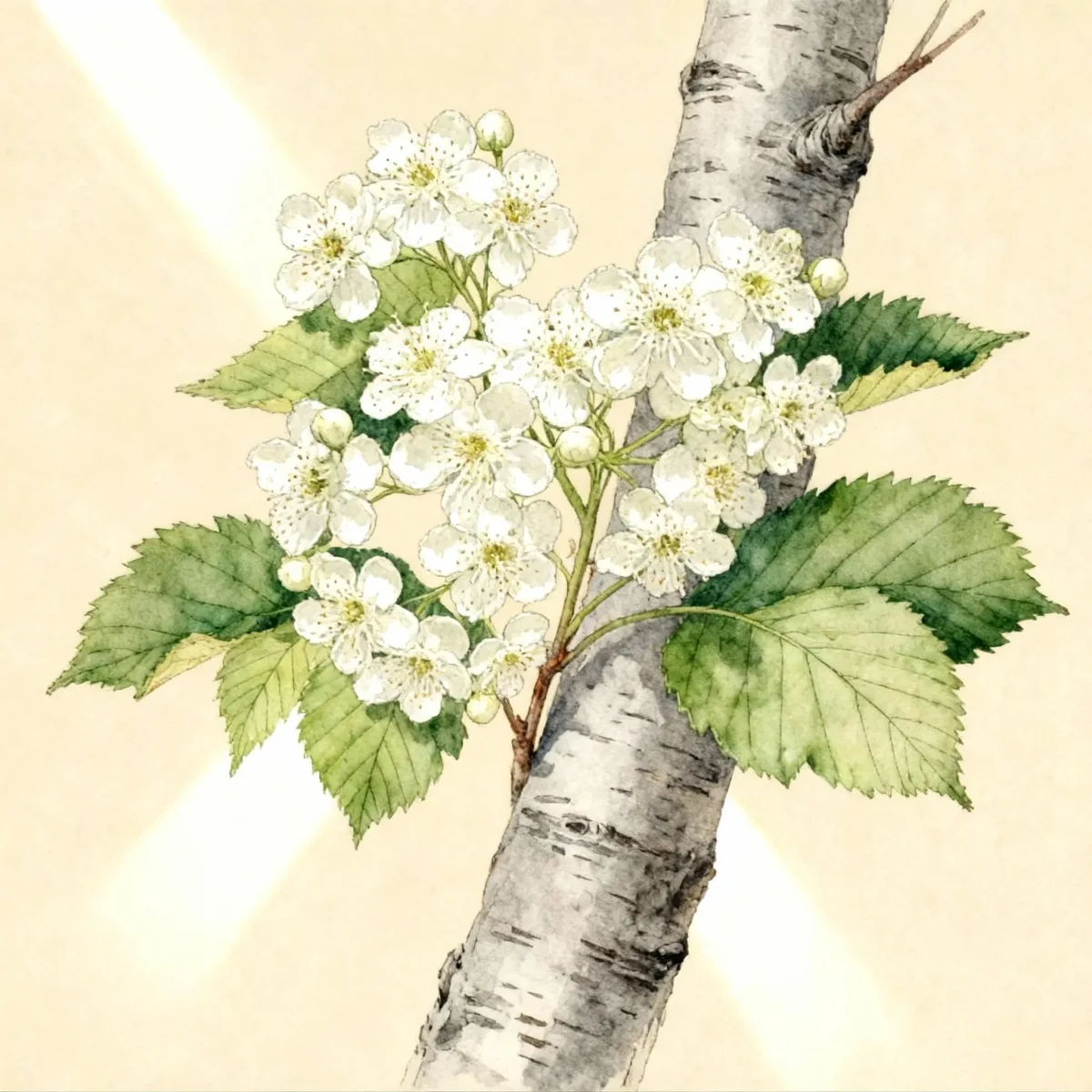
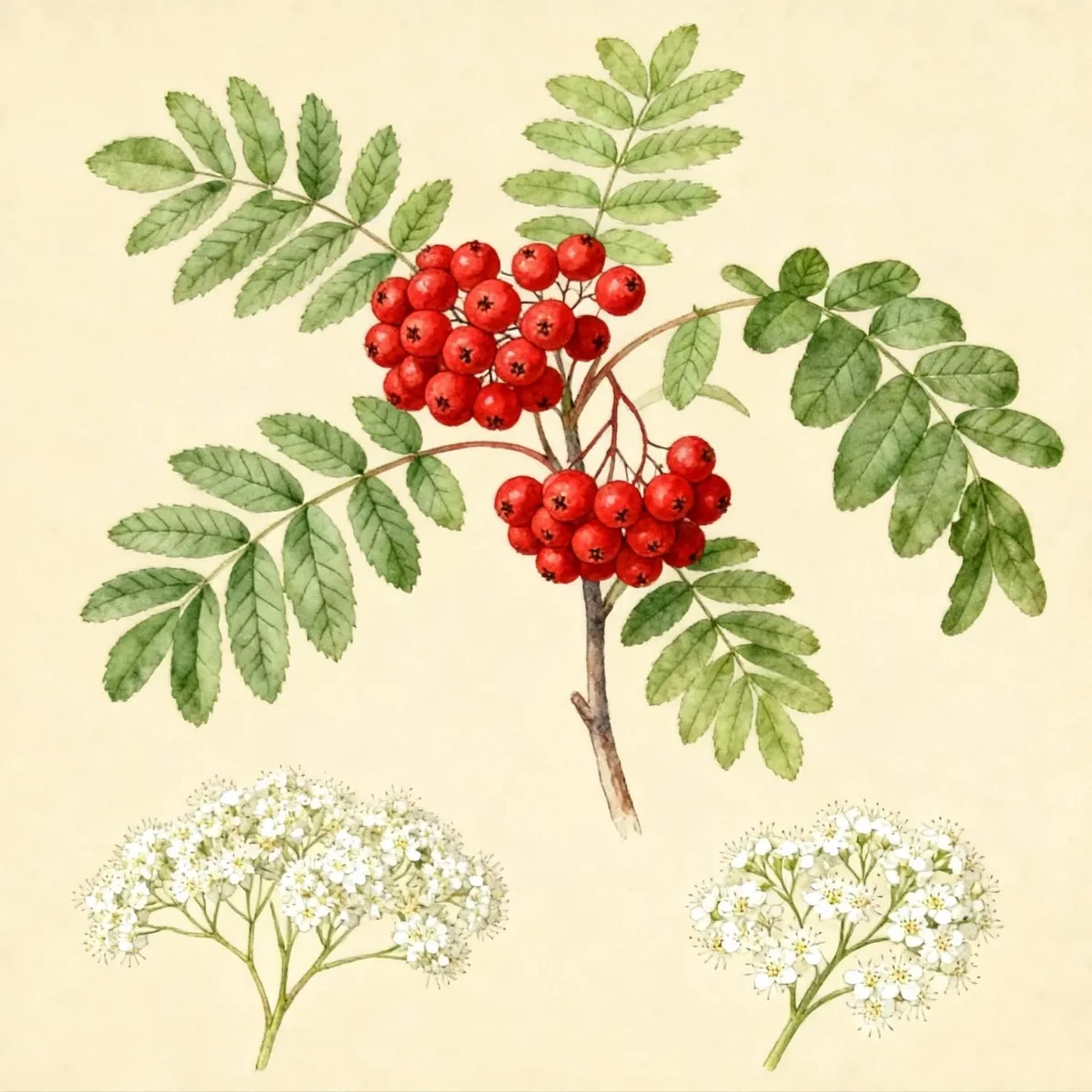
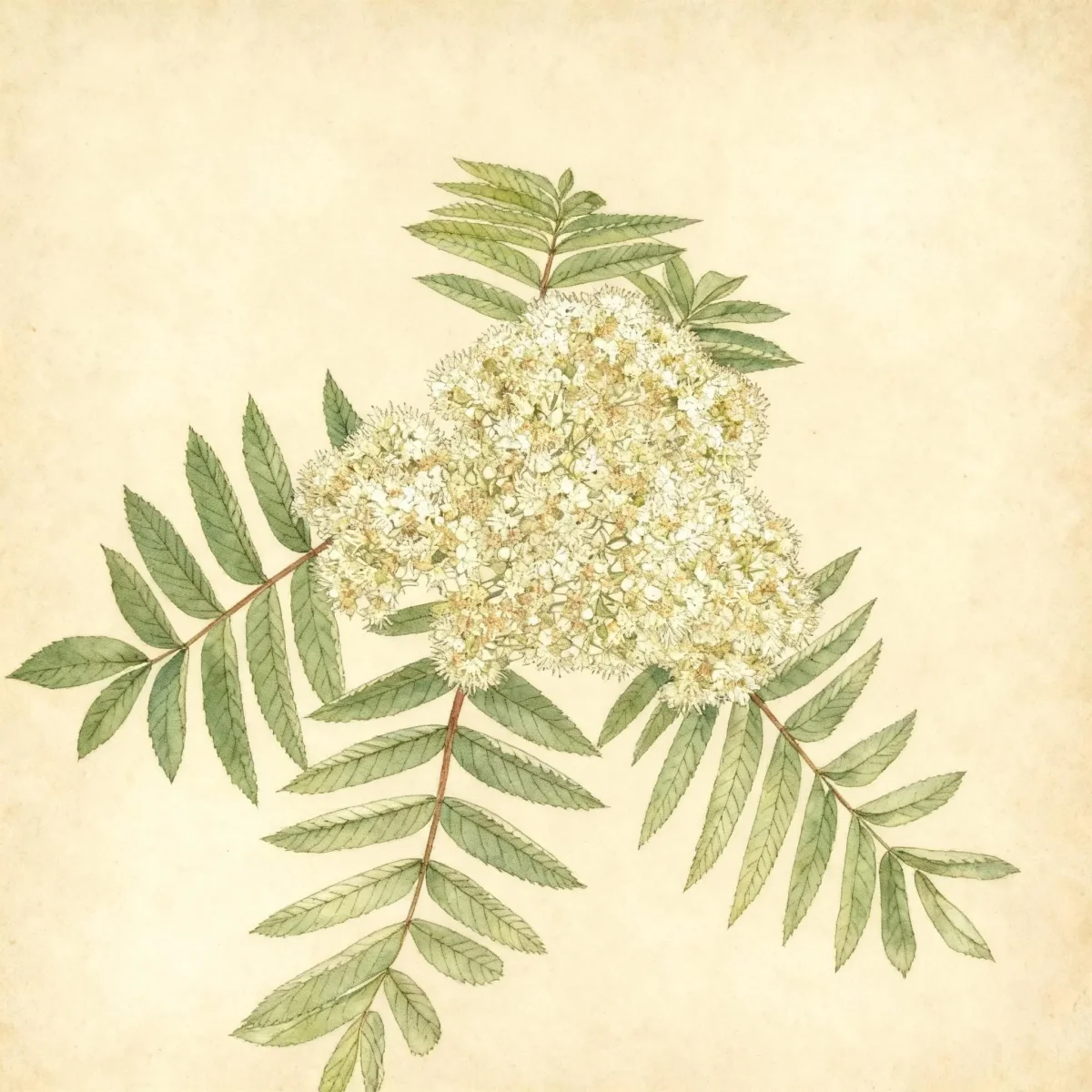
The Sorbus decora, also known as the showy mountain ash or northern mountain ash, is a small, picturesque deciduous tree typically reaching 20 to 30 feet tall, featuring prominent white spring flowers and clusters of bright red fruit that remain after leaf drop. Its 10-inch pinnate leaves have 11 to 15 bluish-green leaflets, which transition to yellow and red hues in autumn. This native species is very similar to the American mountain ash and prefers cooler, moist northern climates.
Tolerances
(No actionable data provided for tolerances)
Potential Problems
Bacterial fireblight represents a significant threat, manifesting as scorched leaves appearing at branch ends, mimicking fire damage. Scab is another common issue that can lead to substantial defoliation throughout the growing season. Management often involves selecting disease-resistant cultivars where possible, and ensuring good air circulation through proper pruning.
Other issues may include cankers and crown gall, often targeting trees that are stressed by environmental factors like drought or poor soil structure. Furthermore, watch for insect pests such as borers, aphids, sawflies, and scale. Maintaining optimal growing conditions—especially moisture and soil acidity—is the best preventative measure against many of these disorders and pest infestations.
Frequently Asked Questions
What hardiness zones is Mountain ash suitable for?
The Sorbus decora is highly adaptable to cold climates, suitable for USDA Zones 2 through 6.
How large does Mountain ash grow?
This species typically matures to a height between 20 and 30 feet, with a spread ranging from 15 to 20 feet wide.
What sun exposure does Sorbus decora need?
The Sorbus decora requires full sun exposure to develop optimally and produce abundant flowers and fruit.
When does Mountain ash bloom?
The blooming period for this plant is in May, displaying attractive white blossoms.
Conclusion
The Mountain ash offers superb aesthetic value through its cool-climate tolerance, delicate white spring flowers, and persistent, colorful fruit drawing winter interest. For gardeners in USDA Zones 2-6 seeking a medium-sized, decorative specimen tree, the Sorbus decora is an excellent choice. Ensure you match its requirement for moist, acidic soil before planting to guarantee success.
Companion Planting
When selecting companions for the Sorbus decora, prioritize plants that share its cultural preferences for cool summers and acidic, moist soil. Underplanting with shade-tolerant, acid-loving shrubs such as Japanese azaleas or rhododendrons works beautifully, as these plants create a layered woodland aesthetic reminiscent of its native habitat.
Consider groundcovers that appreciate consistent moisture but do not compete aggressively for surface nutrients. Plants like certain native ferns or Vinca minor can effectively blanket the soil, helping to retain the crucial moisture the Mountain ash requires while suppressing weeds. Avoid drought-tolerant or high-pH loving perennials near the base of the tree.
Wildlife Benefits
The persistent red fruits of the Sorbus decora offer a vital late-season food source for numerous bird species when other berries have been depleted. While the fruits are too bitter for direct human consumption off the branch, they are highly attractive to wildlife inhabiting the cool northern regions where this tree thrives.
Beyond the fruits, the dense foliage of the Mountain ash provides valuable nesting cover throughout the spring and summer months. The flowers, though small, are attractive to early-season pollinators seeking nectar before the summer heat sets in. Planting this species supports local avian populations well into the winter season.