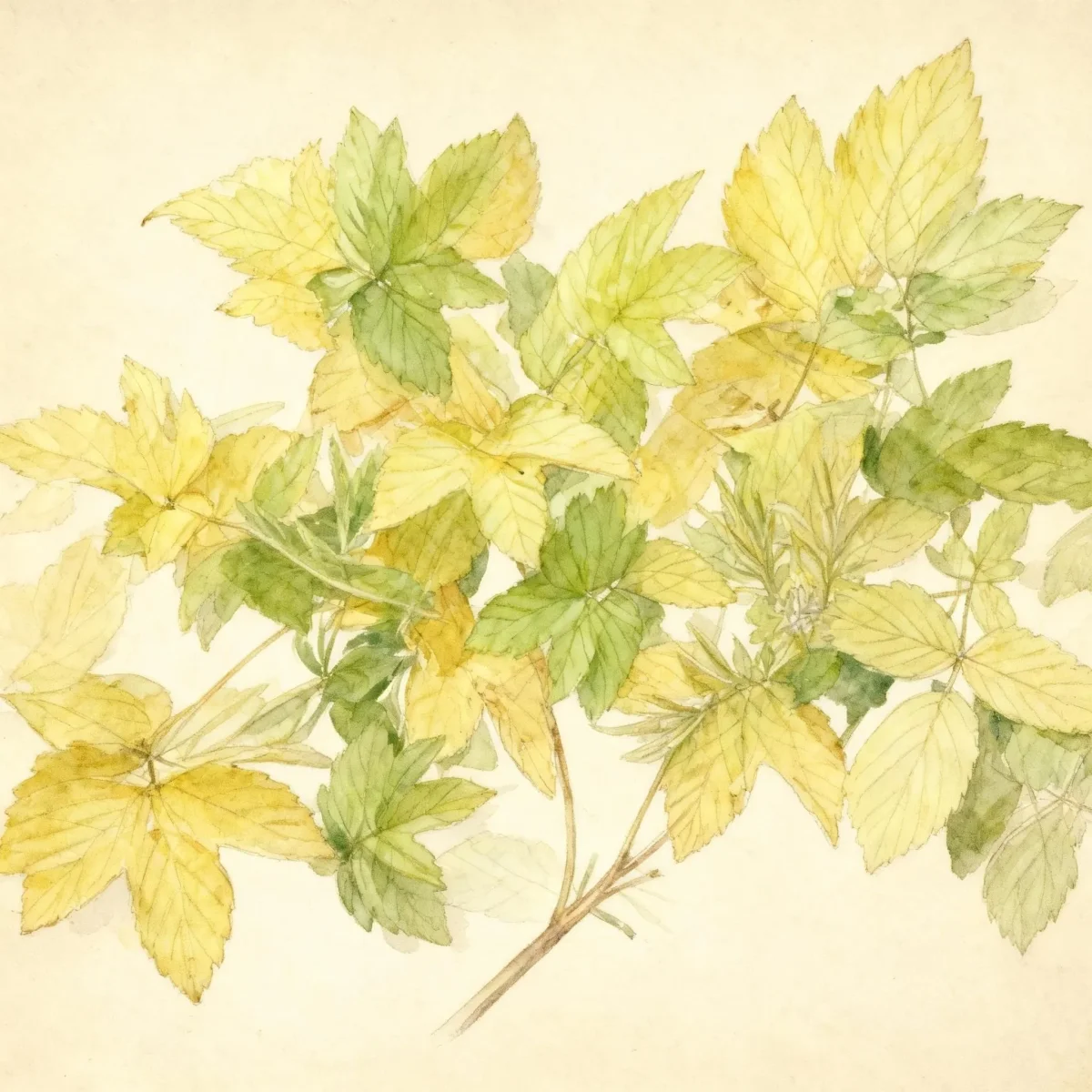
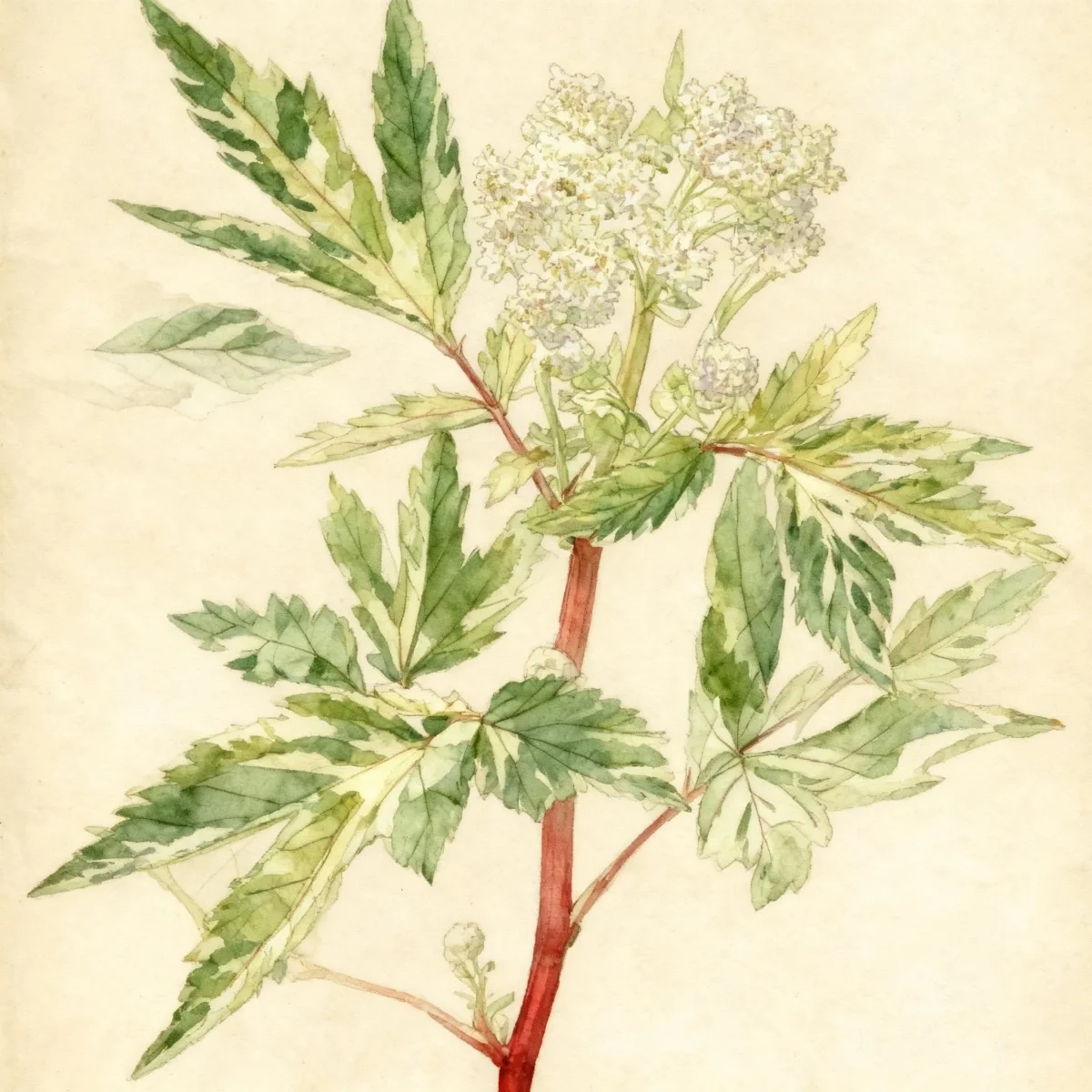
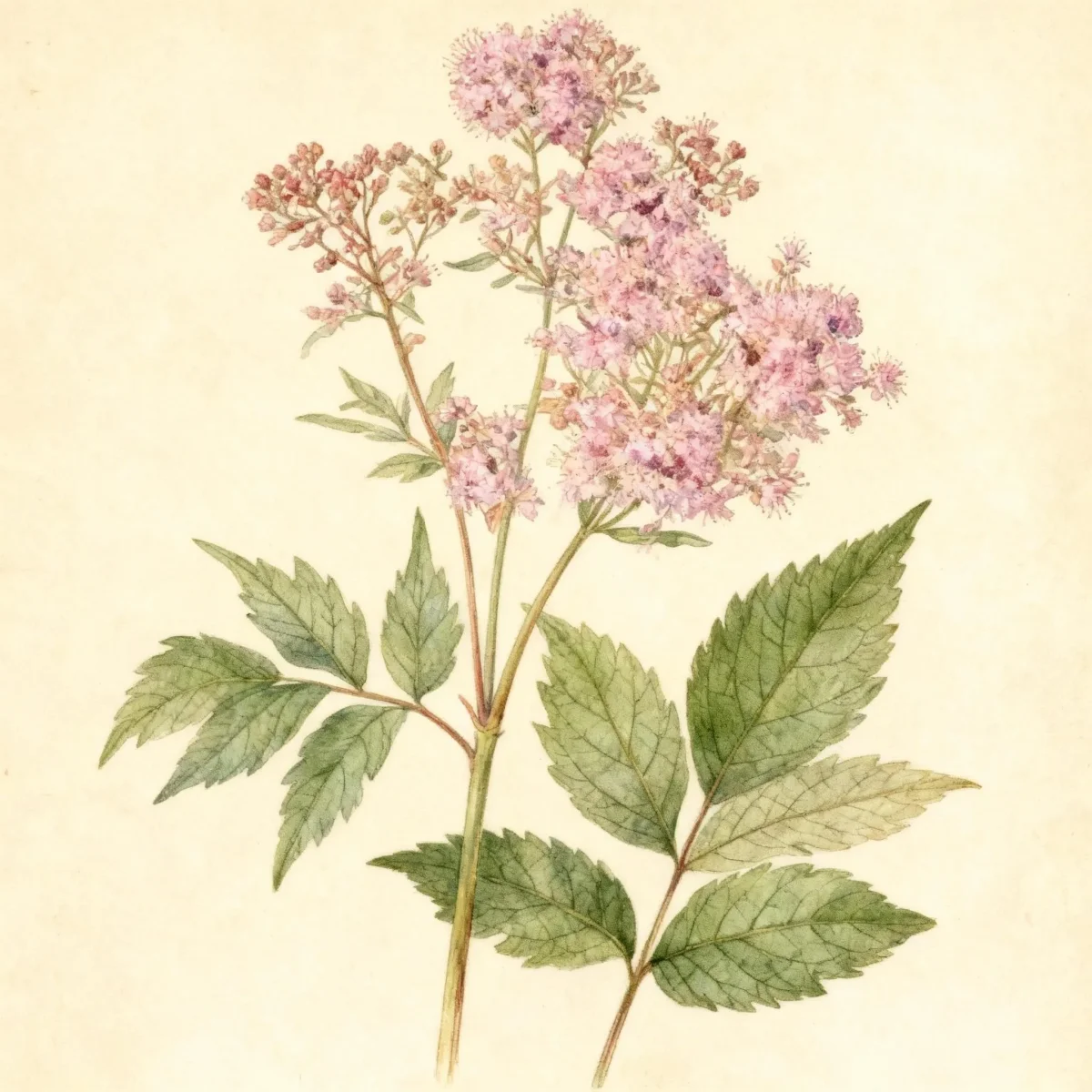
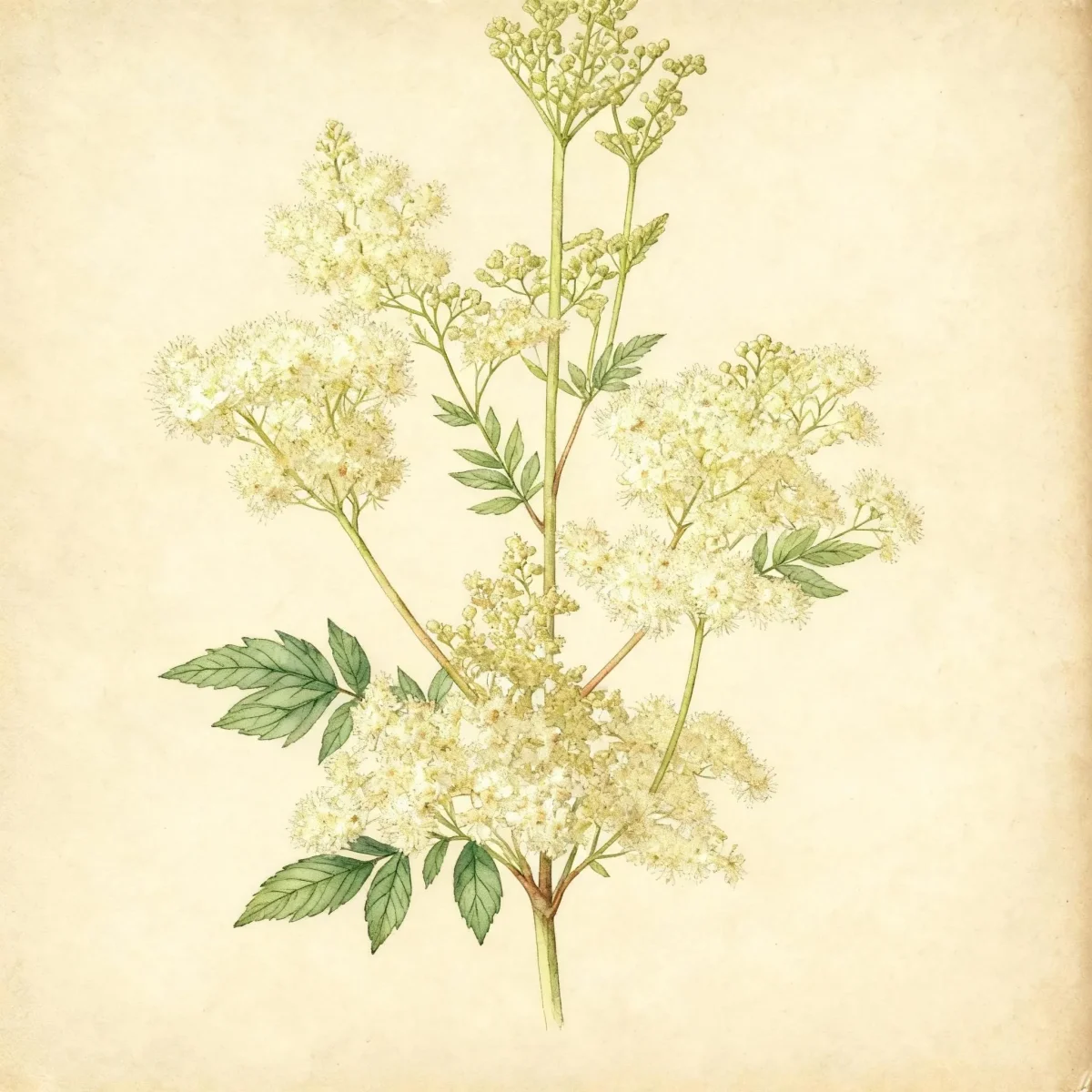
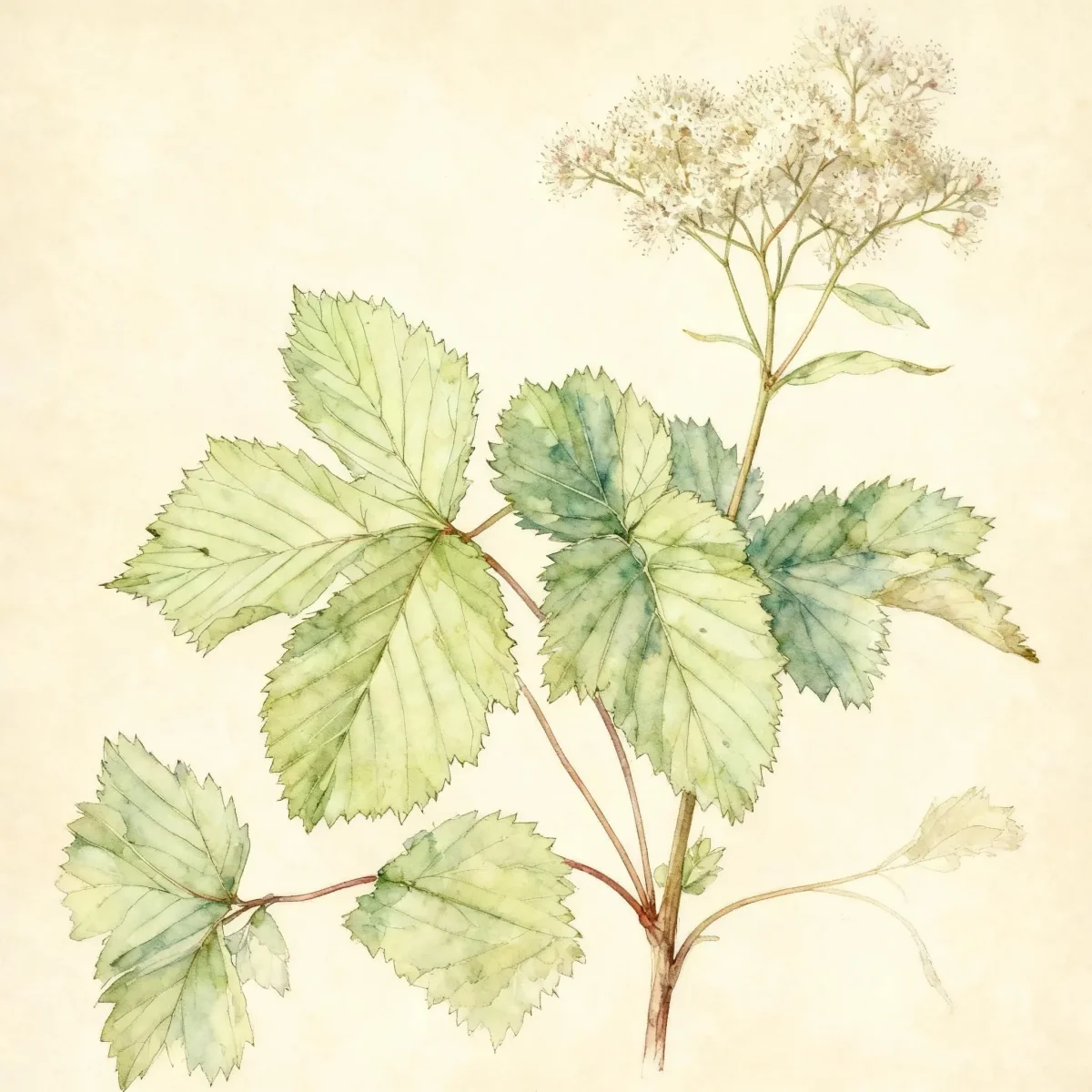
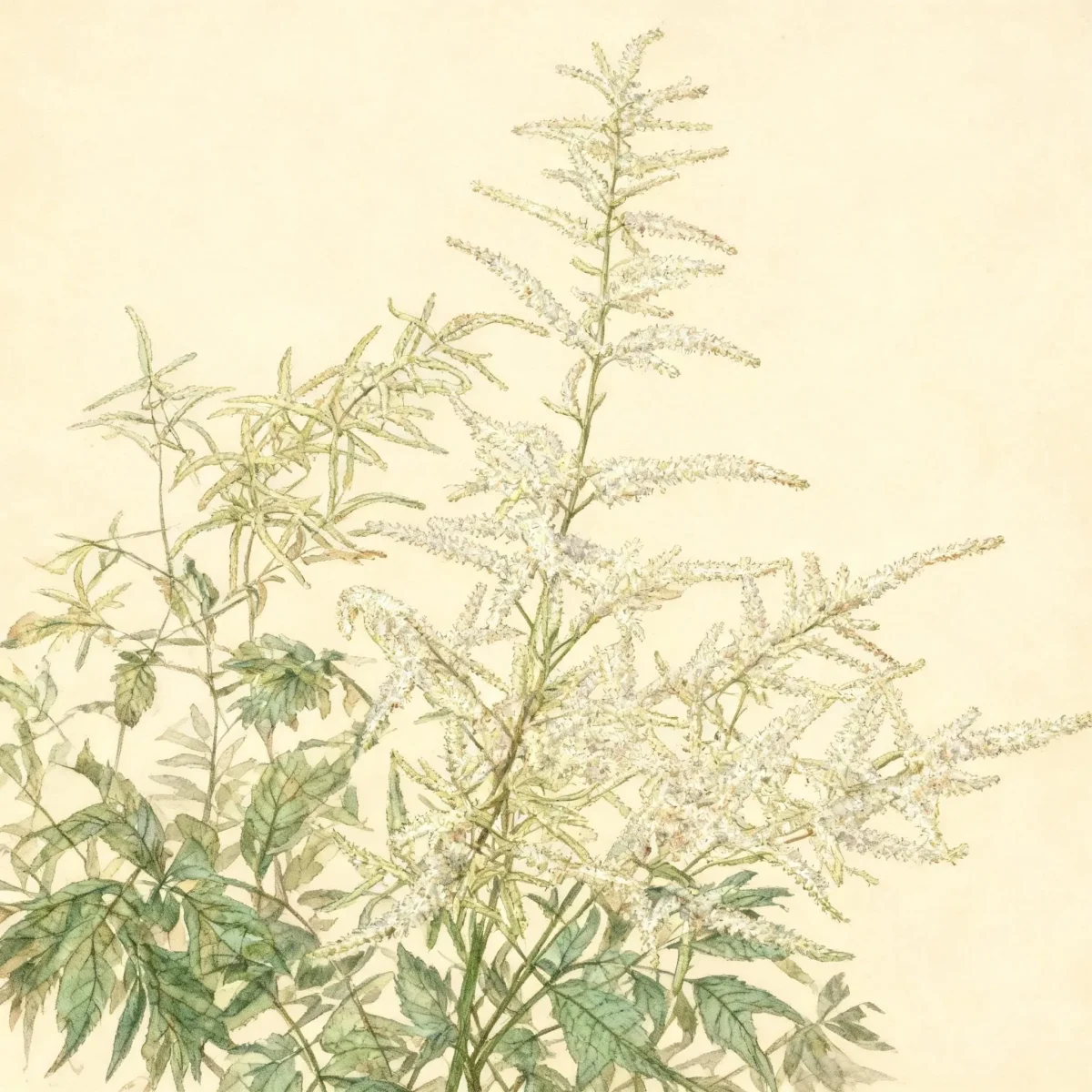
Meadowsweet (Spiraea alba)
Spiraea alba, Meadowsweet, is a low-maintenance deciduous shrub featuring showy white summer flowers perfect for wet conditions.
Scroll down to discover growing tips, care requirements, companion plants, and more
Complete Plant Information
Overview
Spiraea alba, commonly known as Meadowsweet, is a valuable, upright deciduous shrub native to Eastern North America, noted for its reliable summer blooms. This species brings structure and texture to the landscape, thriving in moist environments where many other shrubs often struggle. Gardeners appreciate the low maintenance requirements of this native plant.
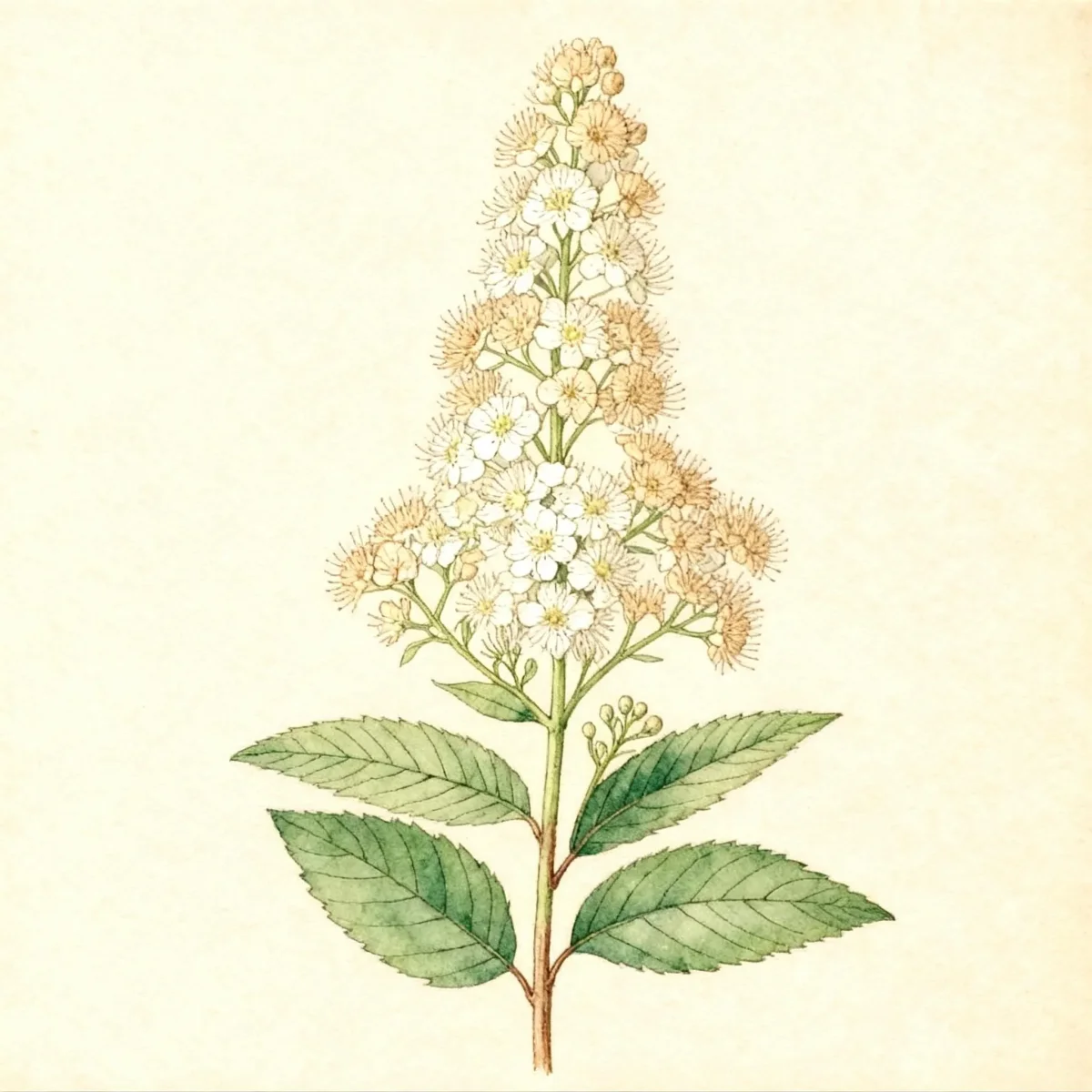
The characteristic feature of Spiraea alba is its terminal, cone-shaped clusters of tiny, pure white flowers that appear reliably from June through August. These blooms provide essential late-season color, making it a strong choice for areas requiring consistent moisture, such as rain gardens or pond peripheries.
As a robust shrub capable of reaching four feet tall and wide, Meadowsweet lends itself well to foundational planting, informal hedging, or mass plantings that mimic its native wet prairie habitat. Its tolerance for wet soil also makes it an eco-friendly option for managing drainage in lower sections of the yard.
Fast Facts
- Plant Family: Rosaceae
- Plant Type: Deciduous shrub
- Native Range: Eastern North America
- Hardiness Zones: USDA Zones 3-7
- Size at Maturity:
- Height: 3-4 ft
- Spread: 3-4 ft
- Bloom Time: June to August
- Bloom Description: White
- Sun Exposure: Full sun to part shade
- Water Needs: Medium to wet
- Maintenance Level: Low
How to Grow
The ideal time to establish Spiraea alba is during the dormant season, either in early spring or late fall. Plant this shrub where it can receive full sun for the best flowering, although it will tolerate part shade. Success largely depends on soil consistency; this plant requires average soil that is consistently moist to wet. It is crucial that the soil is well-drained enough to prevent standing water for extended periods, even though it loves moisture.
Ongoing care for Meadowsweet is minimal. Provide constant moisture, especially during dry spells; the soil must not be allowed to dry out completely. No routine fertilization is usually necessary if the plant is situated in its preferred moist environment. Pruning is primarily aesthetic or aimed at rejuvenation; remove spent flower clusters promptly to encourage any potential repeat blooming.
To keep the plant tidy, perform light pruning immediately after flowering concludes. If you are growing Spiraea alba as a hedge, you may shear lightly after the first bloom flush, but avoid heavy shaping, as this can reduce flower production the following year. Being tough and adaptable, winter preparation is generally not required in its native hardiness range.
Landscape Uses
Spiraea alba excels in utilitarian planting designs focused on moisture management. It is highly effective when planted along the edges of streams, ponds, or in low-lying boggy areas where soil remains saturated. For gardeners looking to manage runoff, this species is a prime candidate for use in rain gardens, absorbing significant amounts of water while providing structure.
Beyond wet sites, this tough shrub can anchor borders or be used to create informal hedges. If sited in drier areas, supplementary regular watering will be necessary to meet the moisture demands of this Meadowsweet variety. Consider grouping Spiraea alba with moisture-loving perennials like astilbes or irises for textured contrast when the spirea is not in bloom.
Its native status and ability to handle damp conditions make it an excellent choice for naturalistic landscape designs seeking an authentic Eastern North American feel. The vertical accent provided by the shrub pairs well with fine-textured grasses that also enjoy wet feet.
Standout Features
Flower Qualities
- Showy
- Good Cut
Noteworthy Characteristics
Spiraea alba, commonly called meadowsweet, is an upright, deciduous shrub which grows up to 4’ tall and features alternate, narrow, toothed, green leaves and terminal, cone-shaped clusters (3-4” long) of tiny, white flowers that bloom in the summer. Fruits mature in September; this species is native to wet prairies and is currently endangered in Missouri. Genus name derives from the Greek word speira, referencing the showy flower clusters characteristic of the genus.
Tolerances
- Deer
- Wet Soil
Potential Problems
This plant generally presents no serious cultural problems when sited correctly in moist conditions. Like many members of the Rosaceae family, Spiraea alba can occasionally be targeted by common pests and diseases. Susceptibility includes issues like leaf spots, powdery mildew, and, less commonly, fireblight. Insect issues can include aphids, leaf roller, and scale.
Prevention is the best defense. Ensure good air circulation when planting to reduce fungal risks like powdery mildew. Good cultural practices, such as maintaining consistent moisture without oversaturating the crown, generally keep the shrub hardy enough to resist most complications. Inspect plants regularly, especially new growth, to catch infestations early.
Frequently Asked Questions
What hardiness zones is Meadowsweet suitable for?
Spiraea alba is robustly suited for USDA Hardiness Zones 3 through 7.
How large does Meadowsweet grow?
This shrub typically reaches a mature height between 3 and 4 ft, with a similar spread of 3 to 4 ft wide.
When does Spiraea alba bloom?
Meadowsweet produces its characteristic white flowers throughout the summer season, generally blooming from June into August.
What sun exposure does Spiraea alba need?
For optimal flowering and health, aim to plant Spiraea alba in full sun, though it will tolerate light afternoon shade.
Conclusion
Spiraea alba, or Meadowsweet, is an exceptionally low-maintenance native shrub prized for its adaptability to wet soils and its reliable display of white summer flowers. Its tolerance for moisture and deer resistance make the Spiraea alba a foundational choice for ecological and functional landscape designs. Before planting, confirm your location falls within Zones 3-7 and ensure you can meet its needs for consistent moisture.
Companion Planting
When designing features around Spiraea alba, focus on other plants that share a preference for medium to wet soil conditions. Good companions include ornamental grasses like Switchgrass (Panicum virgatum) or wetland-loving perennials such as Blue Flag Iris (Iris versicolor) or Cardinal Flower (Lobelia cardinalis). These selections create beautiful textural and color harmonies while all sharing similar cultural requirements along streamsides or in rain gardens.
Design Ideas
The upright, clumping habit of Meadowsweet makes it ideal for softening the transition between a lawn or dry border and a water feature. Use masses of Spiraea alba to create an informal, naturalistic screen or hedge that provides habitat value. Its white blooms blend seamlessly with almost any color palette, making it versatile for both cottage gardens and contemporary, low-water-use native plantings, provided the moisture level is maintained.