Allegheny serviceberry (Amelanchier laevis)
Discover Allegheny serviceberry (Amelanchier laevis), a low-maintenance native tree offering showy spring blooms and edible fruit.
Scroll down to discover growing tips, care requirements, companion plants, and more
Complete Plant Information
Overview
The Allegheny serviceberry, scientifically known as Amelanchier laevis, is a celebrated native addition to North American landscapes, valued for its delicate, multi-season interest. This small, deciduous tree transitions smoothly from early spring blossoms to summer edible fruit and vibrant fall color. Gardeners prize Amelanchier laevis for its adaptability and naturally appealing structure, often developing into a graceful, multi-trunked specimen.
This species provides significant ecological value, acting as an excellent food source for local wildlife, especially birds, who eagerly consume the ripening berries. While it is low maintenance once established, understanding its preference for moist, well-drained soil is key to maximizing its health. The smooth, hairless foliage of Amelanchier laevis helps distinguish it from other serviceberry varieties.
Ultimately, the Allegheny serviceberry offers an outstanding four-season display, making it a functional and beautiful choice for woodland margins, specimen planting, or even along streets where tolerated. Its moderate size ensures it provides impact without overwhelming smaller yards.
Fast Facts
- Plant Family: Rosaceae
- Plant Type: Tree
- Native Range: North America
- Hardiness Zones: USDA Zones 4-8
- Size at Maturity:
- Height: 15-40 ft
- Spread: 15-40 ft
- Bloom Time: April
- Bloom Description: White
- Sun Exposure: Full sun to part shade
- Water Needs: Medium
- Maintenance Level: Low
How to Grow
Planting the Allegheny serviceberry is best done in the early spring or fall when temperatures are moderate, allowing the root system ample time to establish before summer heat hits. Choose a location providing full sun exposure for the best flowering and fruiting, although Amelanchier laevis tolerates partial shade well. It thrives in average, medium, well-drained soils, preferring loamy conditions that remain consistently moist but never waterlogged.
Water needs are medium; while established trees are somewhat drought-tolerant, consistent moisture is vital during the first few growing seasons. Avoid heavy fertilization, as this overly vigorous growth can sometimes compromise structure. Pruning should focus on removing crossing or damaged branches, best performed in the dormant season to maintain its natural, upright form.
Because this species is tolerant of a wide range of soil types, it adjusts easily to many garden settings. Remember that although it tolerates some soil variances, consistently moist, well-drained loams are ideal for optimal performance of your Amelanchier laevis.
Landscape Uses
The Allegheny serviceberry is incredibly versatile in landscape design, functioning beautifully as an attractive understory tree beneath taller, established deciduous trees where filtered light prevails. Its early spring flowers make it a star feature in shrub borders or native plant groupings, providing interest before many other species begin to wake up. Shrub forms of Amelanchier laevis can be closely planted to create tall, informal hedges or natural screens offering year-round structure.
For ecological landscaping, it is an essential choice for bird gardens; migrating and resident birds extensively utilize the mid-summer fruit crop. Consider placing specimens where the small white blooms can be appreciated up close, such as near patios or walkways. Pair it with shade-tolerant perennials below or utilize its brilliant fall color contrast against evergreen backgrounds.
Standout Features
Flower Qualities
- Showy
- Fragrant
Fruit Qualities
- Showy
- Edible
Noteworthy Characteristics
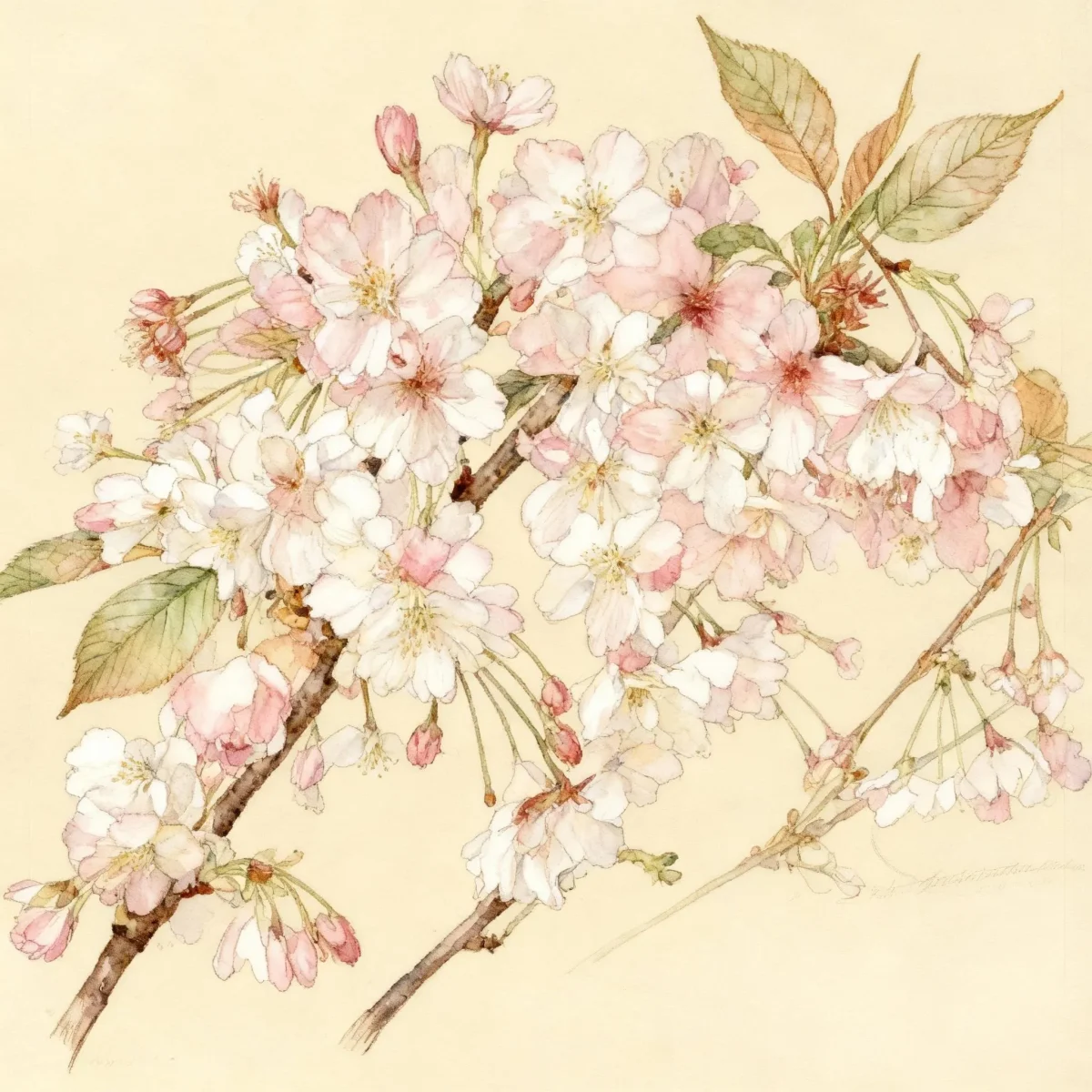
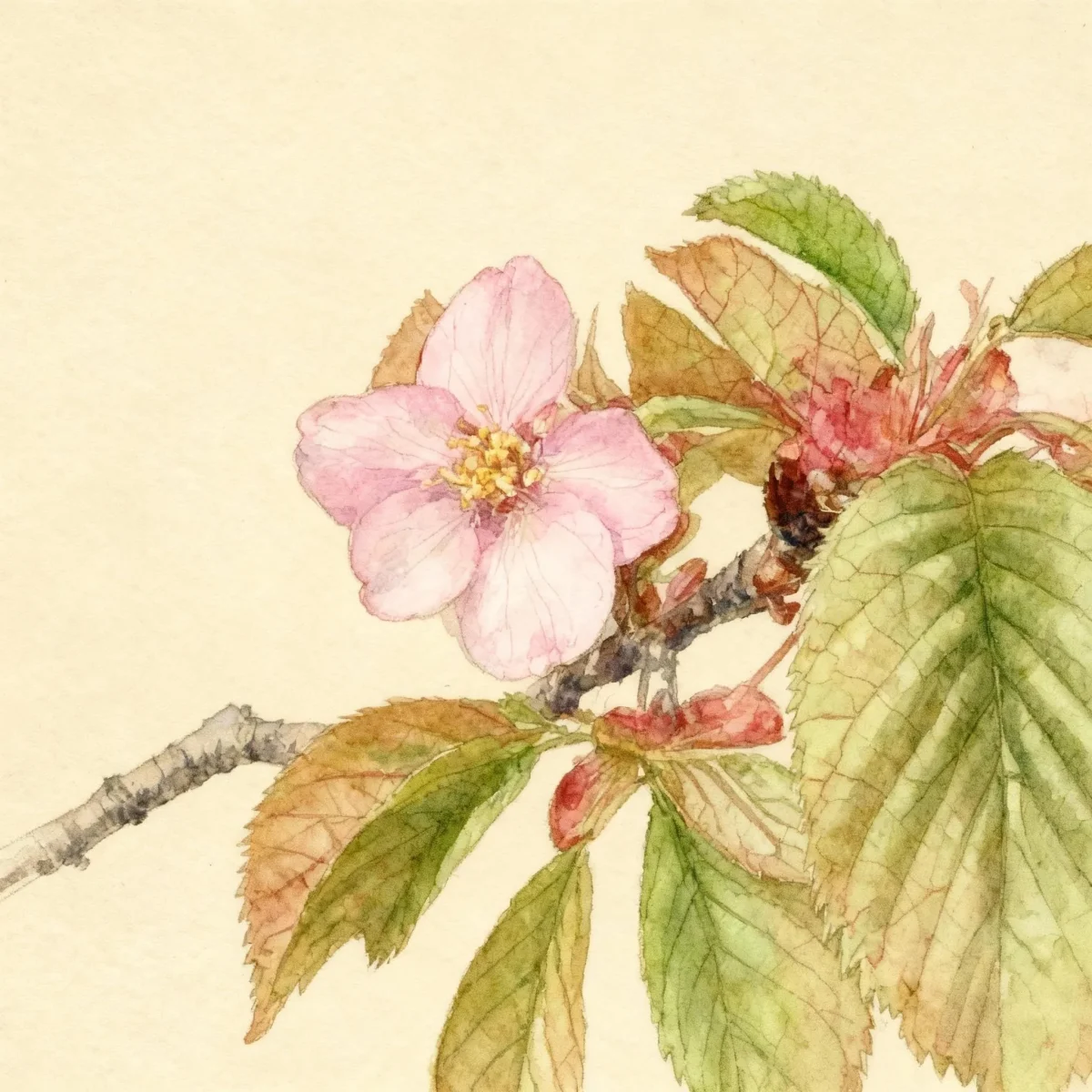
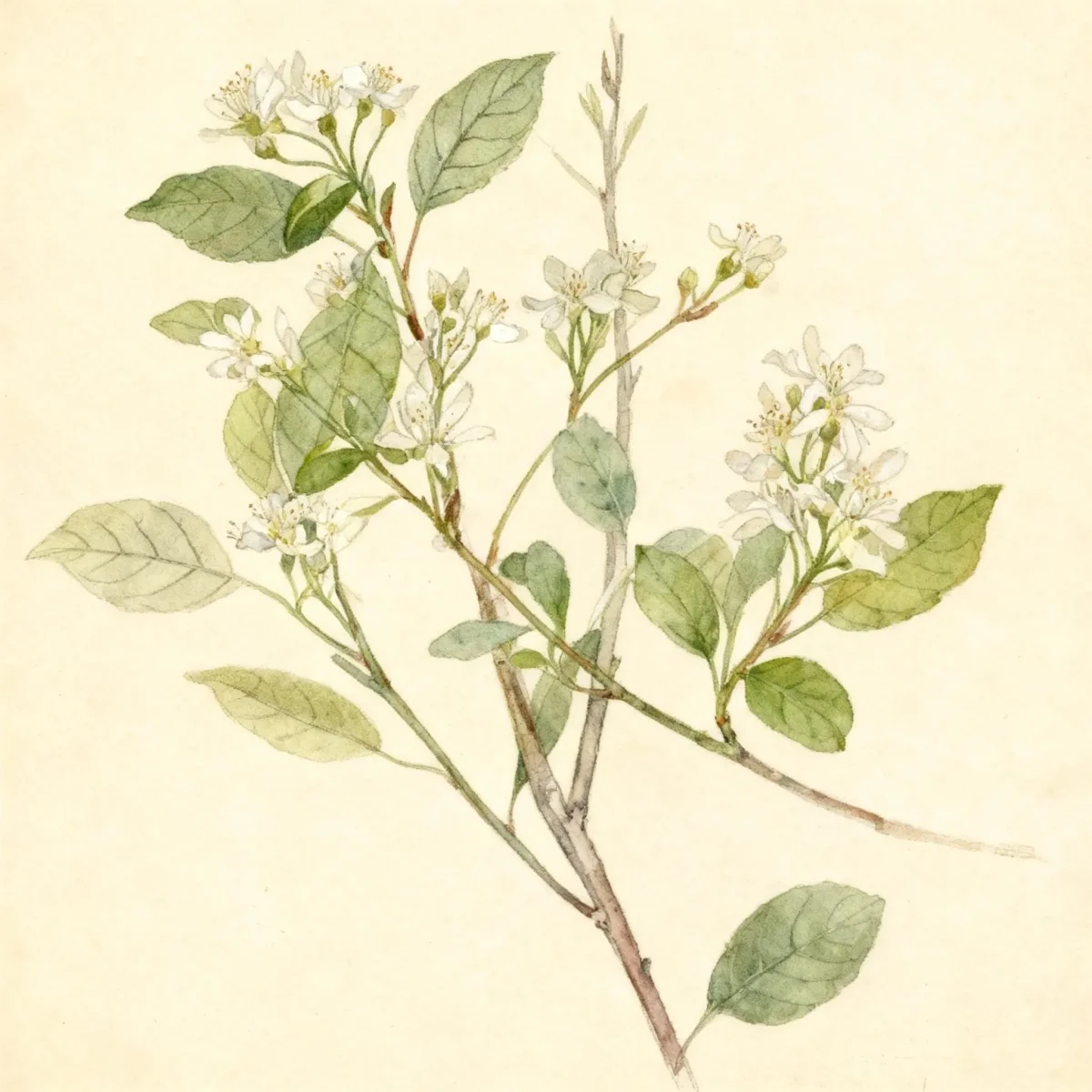
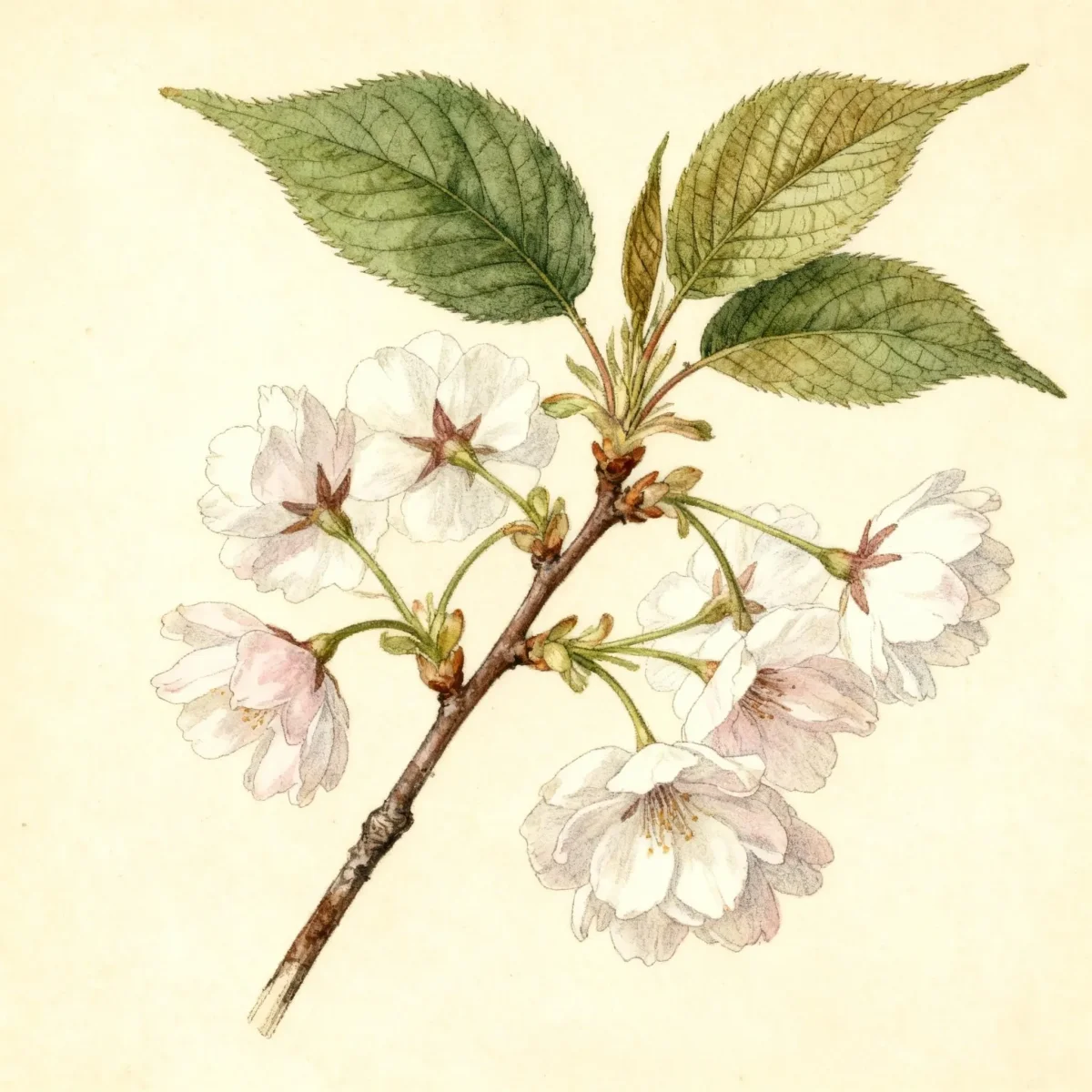
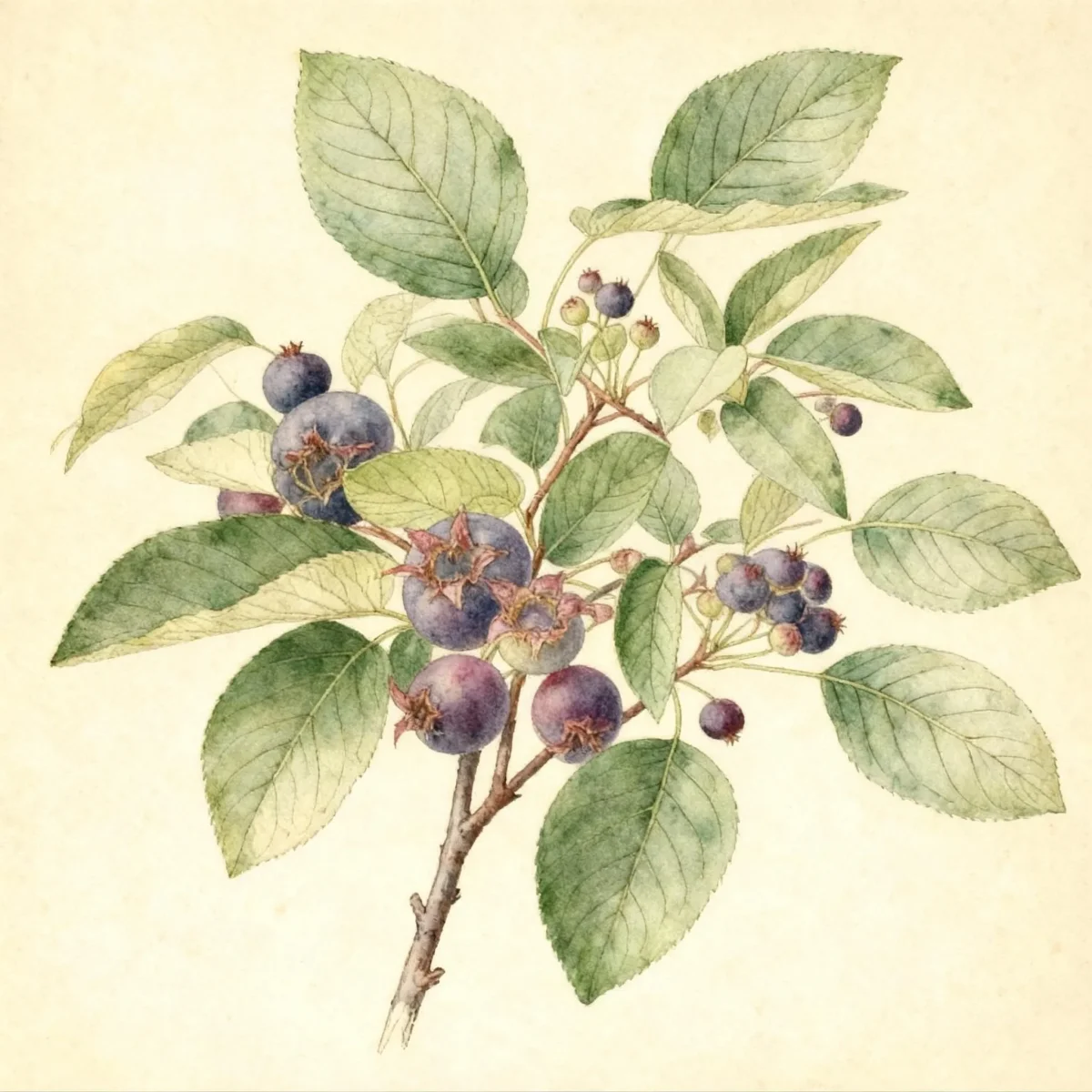
Amelanchier laevis, commonly called Allegheny serviceberry, is a small, deciduous, usually multi-trunked understory tree or tall shrub which is native to thickets, open woods, sheltered slopes and wood margins in Eastern North America. Features include showy, 5-petaled, slightly fragrant, white flowers in drooping clusters appearing in early spring before the leaves emerge. The resulting small, dark purplish-black berries ripen in June, resembling blueberries in size and often used for jams and pies.
Tolerances
- Air Pollution
Potential Problems
Amelanchier laevis generally experiences no serious insect or disease problems, contributing to its low maintenance rating. However, vigilance against common issues like rust, leaf spot, powdery mildew, and canker is warranted, particularly if air circulation is poor or humidity is high. Fire blight, though less common, can occasionally affect serviceberries. Ensure good air flow through proper pruning to mitigate fungal risks, and promptly remove any blighted shoots during the growing season to prevent spread.
Frequently Asked Questions
What hardiness zones is Allegheny serviceberry suitable for?
The Allegheny serviceberry (Amelanchier laevis) is highly adaptable and suitable for USDA Hardiness Zones 4 through 8.
How large does Allegheny serviceberry grow?
Mature Allegheny serviceberry trees typically range from 15 to 40 feet in height, with a corresponding spread between 15 and 40 feet.
When does Allegheny serviceberry bloom?
This tree initiates its bloom cycle early in the season, typically in April, showcasing clusters of white flowers.
What sun exposure does Amelanchier laevis need?
Amelanchier laevis performs best to excellent in locations receiving full sun, but it adapts well to areas with partial shade.
Conclusion
The Allegheny serviceberry (Amelanchier laevis) remains a premier selection for gardeners seeking year-round visual appeal, celebrated for its beautiful white spring flowers and delicious fruit. As a native, low-maintenance specimen, it benefits both the landscape and local wildlife. Before planting, confirm that your local site conditions align with USDA Zones 4-8 and that you can provide medium, consistent moisture.
Wildlife Benefits
The primary wildlife draw of the Allegheny serviceberry is its crop of dark, edible berries that ripen in early summer, often confusingly leading to the nickname Juneberry. Birds, including robins, catbirds, and cedar waxwings, enthusiastically consume these fruits, making Amelanchier laevis indispensable for bird-focused gardens. Planting this species near natural areas or homes encourages increased local avian activity throughout the summer months.
Companion Planting
Because Amelanchier laevis prefers moist, well-drained loams and generally prefers the filtered light of an understory setting, companion planting should focus on species with similar soil and light requirements. Excellent companions include ferns (Dryopteris species), Hosta varieties for lower-level shade tolerance, and native woodland edge plants like Wild Ginger (Asarum canadense). Avoid placing it near plants that compete aggressively for surface water or require extremely dry soil conditions.