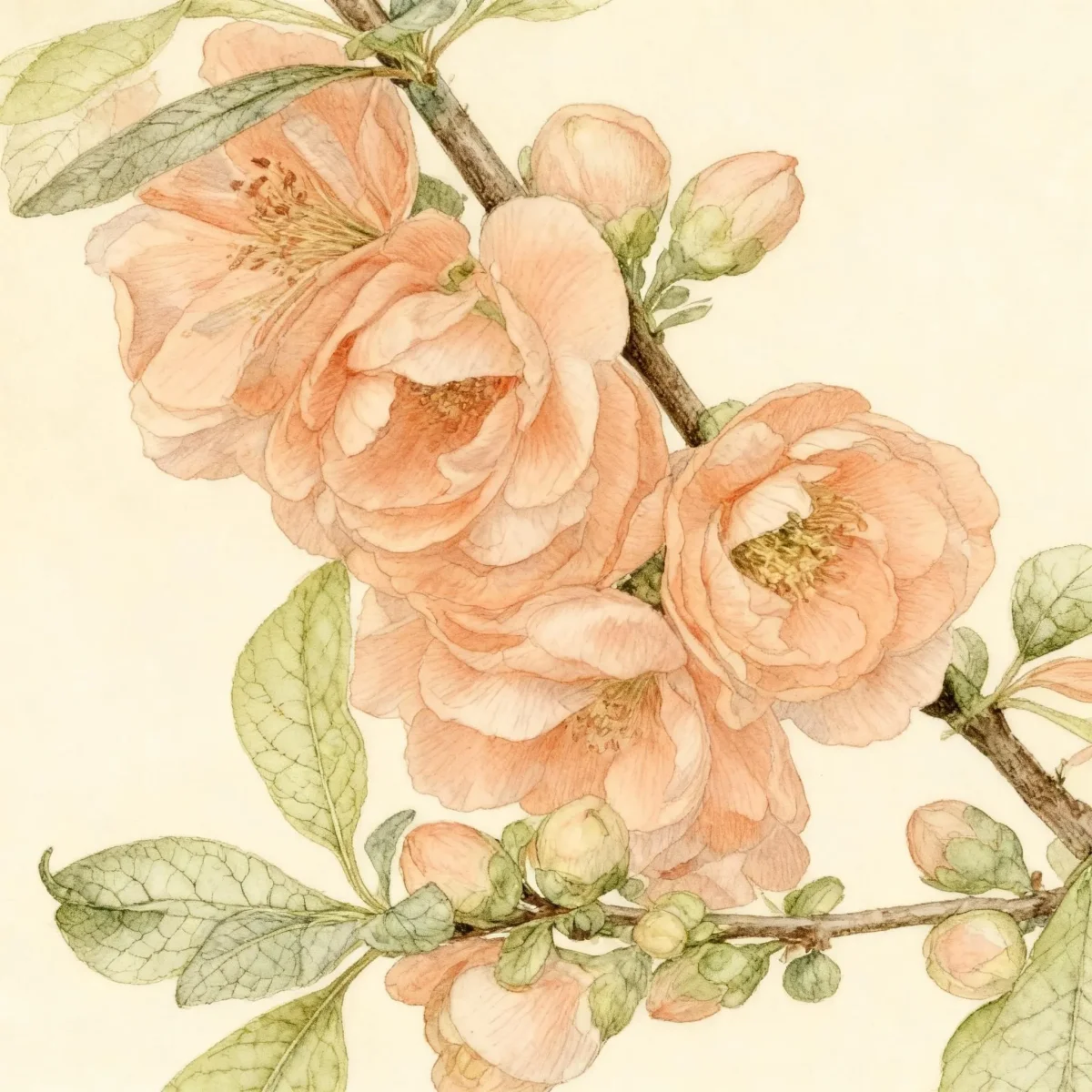
Running serviceberry (Amelanchier stolonifera)
Amelanchier stolonifera, the Running serviceberry, is a low-maintenance deciduous shrub prized for white spring blooms and edible summer fruit.
Scroll down to discover growing tips, care requirements, companion plants, and more
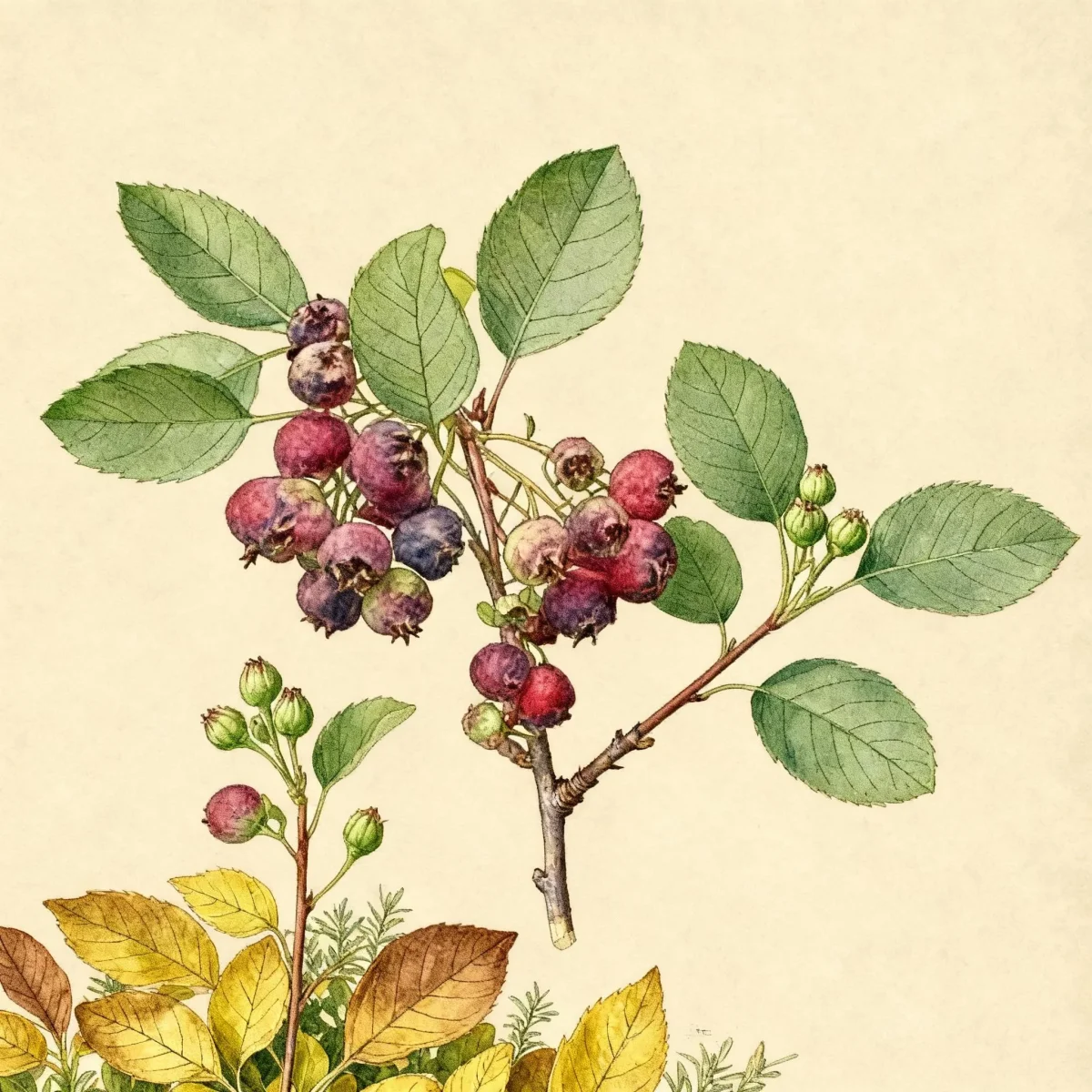
Complete Plant Information
Overview
The Running serviceberry (Amelanchier stolonifera) is a valuable addition to native landscapes, celebrated for its multi-season interest and ease of cultivation. As a deciduous shrub native to Northeastern America, it establishes quickly, often spreading via suckers to form attractive, dense thickets ideal for naturalistic settings. Gardeners appreciate its low maintenance requirements coupled with significant aesthetic rewards throughout the growing season.
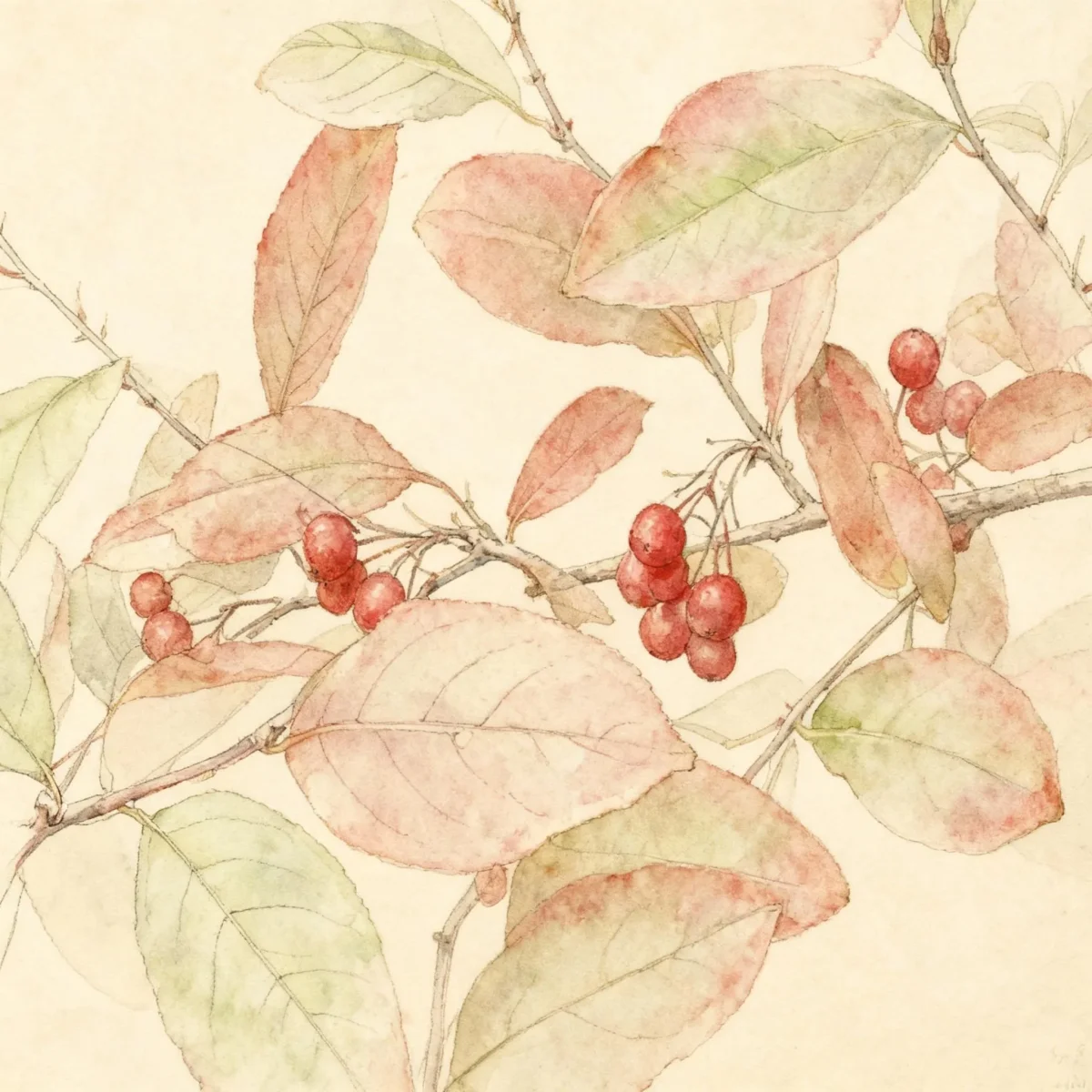
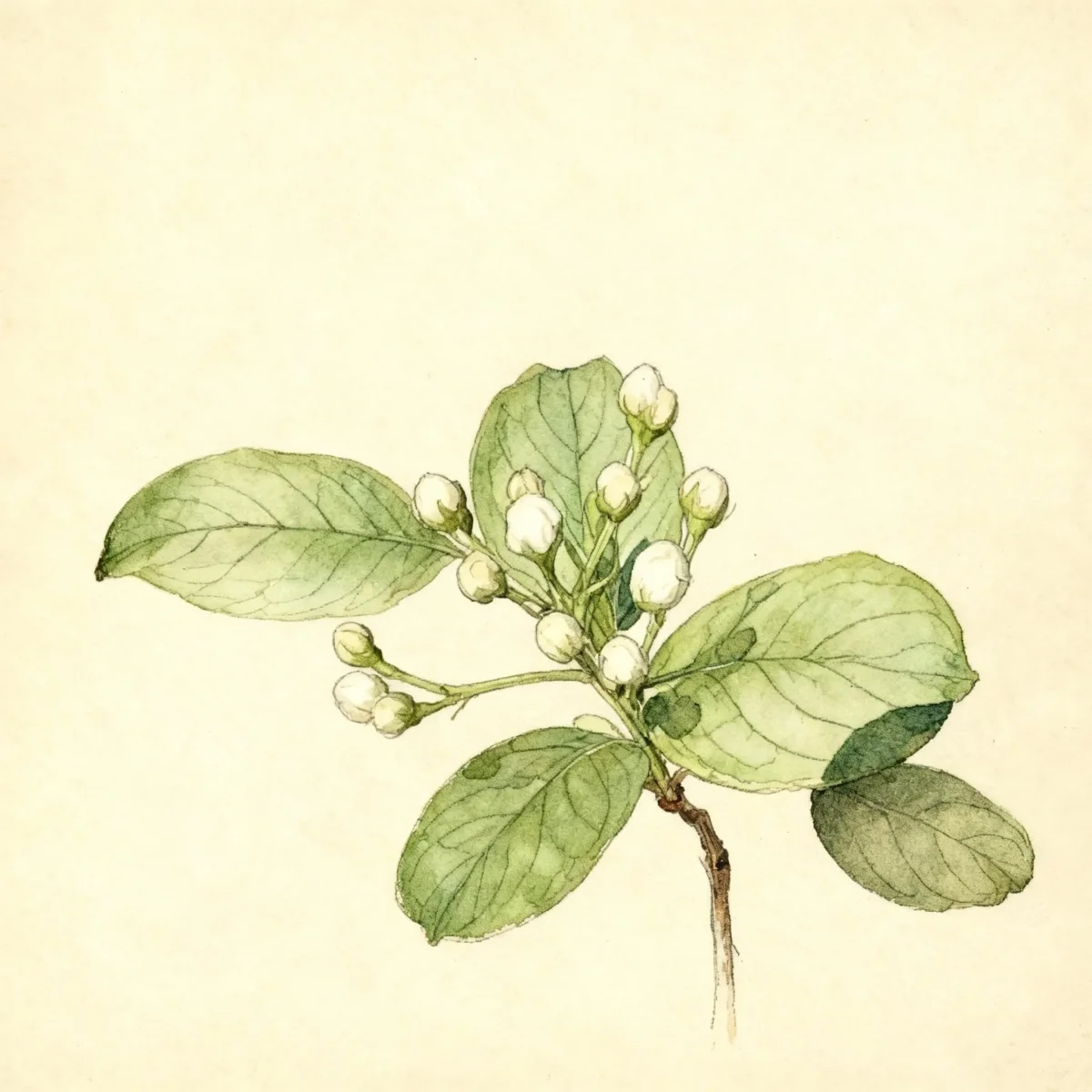
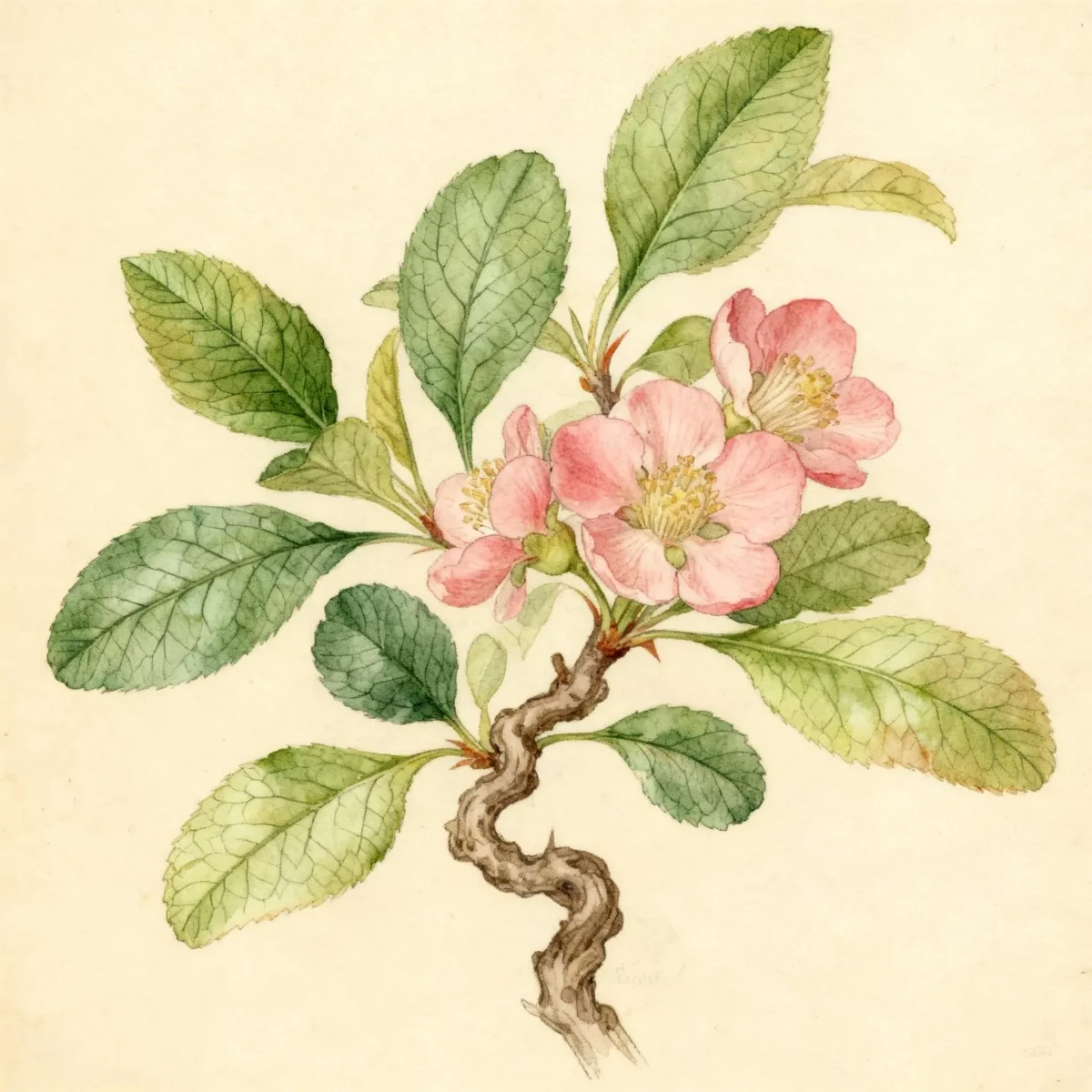
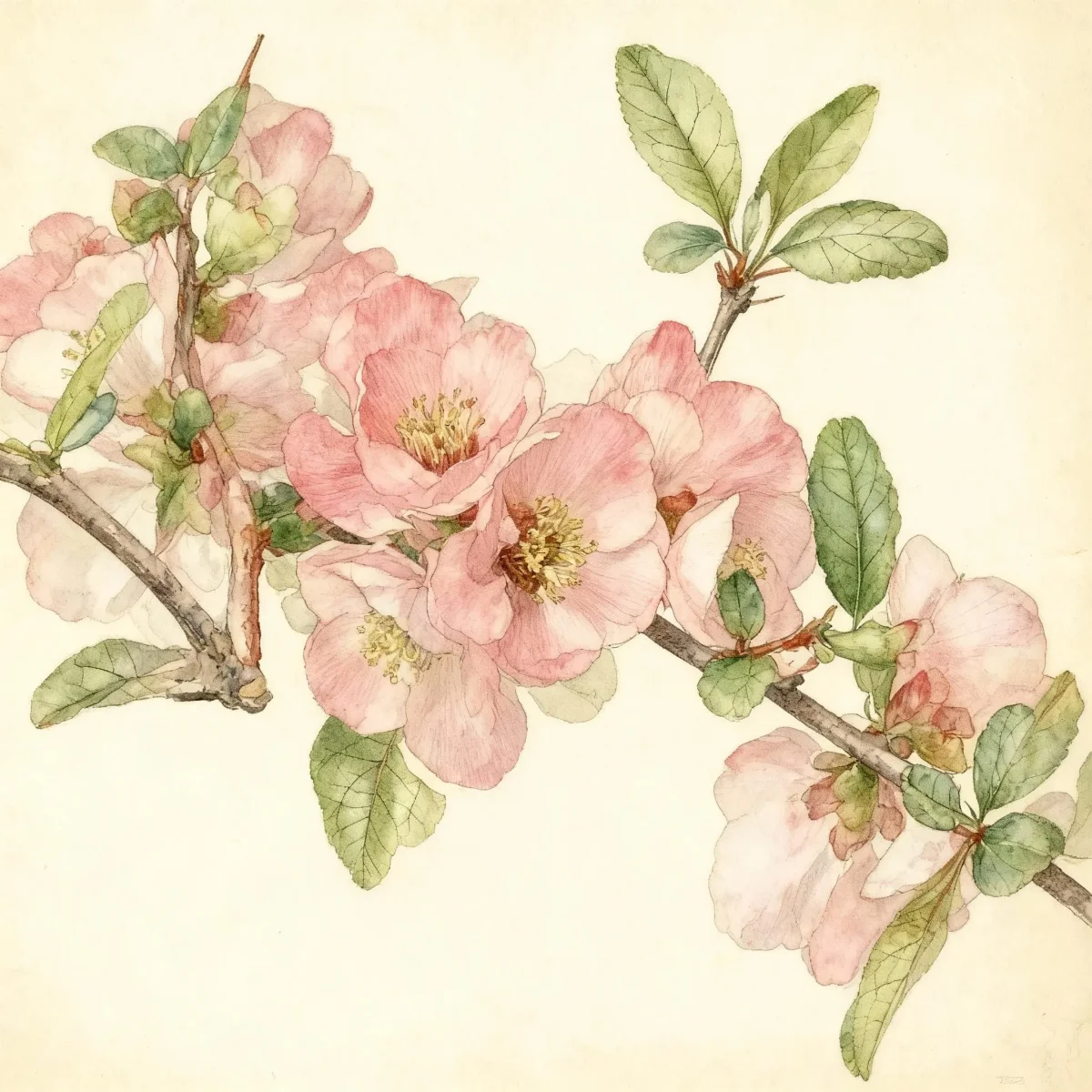
This Amelanchier stolonifera typically reaches a compact height and spread of 4 to 5 feet, making it manageable where larger shrubs might overwhelm the space. Its value begins in early spring when it produces clusters of showy white flowers before the foliage emerges, followed by edible, blueberry-like fruit later in the summer. The foliage also provides interest, transitioning through warm yellow, orange, and red hues in the autumn, adding seasonal depth.
Due to its stoloniferous habit, the Running serviceberry is excellent for stabilizing slopes or creating informal hedges in native plant gardens. It offers functional beauty, supporting local wildlife while requiring minimal intervention once established in suitable conditions. Incorporating Amelanchier stolonifera ensures year-round structure and ecological benefit.
Fast Facts
- Plant Family: Rosaceae
- Plant Type: Deciduous shrub
- Native Range: Northeastern America
- Hardiness Zones: USDA Zones 4-8
- Size at Maturity:
- Height: 4-5 ft
- Spread: 4-5 ft
- Bloom Time: May
- Bloom Description: White
- Sun Exposure: Full sun to part shade
- Water Needs: Medium
- Maintenance Level: Low
How to Grow
Planting Running serviceberry performs best when established in early spring or fall, allowing the roots time to settle before the stress of summer heat or deep winter cold. It thrives in average, medium, well-drained soil but shows significant tolerance to a variety of soil types, which contributes to its low maintenance rating. Ensure the planting location receives at least partial sun exposure to optimize flower and fruit production.
Water needs for Amelanchier stolonifera are moderate. While establishing, consistent moisture is crucial, applying deep watering when the top few inches of soil feel dry. Once mature, this shrub handles average garden moisture levels well, though prolonged drought should be avoided, especially during fruit development. Fertilization is rarely necessary; rich soil or an annual light application of compost near the root zone is generally sufficient.
Pruning is minimal. If you desire a more formal shape or need to manage its spreading nature, light pruning can be done in late winter before new growth begins. Focus on removing any crossing or damaged branches. Because Amelanchier stolonifera reliably forms thickets via suckers, gardeners can selectively remove unwanted sprouts at the base to control its spread or encourage division for new plants.
Landscape Uses
The adaptability of Running serviceberry makes it a prime candidate for diverse landscape applications across USDA Zones 4 through 8. Its tendency to spread via stolons makes it inherently functional for use in naturalized areas where groundcover stability is beneficial, such as along stream banks or ponds, utilizing its full potential for naturalizing. Conversely, its moderate height allows it to serve effectively as informal foundational plantings or a screen in a mixed shrub border.
For a structured look, a row of Amelanchier stolonifera can form a simple, effective hedge, offering spring blooms that precede many common hedge materials. In woodland or native plant gardens, allow it to intermingle with other early spring bloomers like native ferns or woodland phlox, creating a layered effect. Its small stature also permits its inclusion in larger rock gardens where its form can provide textural contrast.
This shrub pairs well with plants sharing similar moisture and sun requirements. Consider pairing the white spring flowers of the Running serviceberry alongside early spring bulbs or plants that highlight its autumn color, such as native groundcovers that turn brilliant scarlet. Use its compact, multi-stemmed form to frame taller specimens in a border design.
Standout Features
Flower Qualities
- Showy
Fruit Qualities
- Showy
- Edible
Noteworthy Characteristics
Amelanchier stolonifera, commonly called running serviceberry, is a deciduous, early-flowering, stoloniferous shrub which typically suckers and spreads to form thickets. It usually grows to only 3-5’ tall and features 5-petaled, showy, white flowers in drooping clusters which appear before the leaves emerge in early spring. The finely toothed, oval to almost circular, medium to dark green leaves change to variable shades of yellow, orange and red in autumn.
Tolerances
Potential Problems
Potential problems for Amelanchier stolonifera are generally minor and infrequently encountered when the plant is sited correctly. Occasional disease issues can include rust, leaf spot, fire blight, and powdery mildew; proper air circulation through thoughtful spacing can help mitigate fungal concerns like mildew. Insect pests, though not always severe, may include sawfly, leaf miner, borers, and scale. Regular inspection, especially during the growing season, allows for early intervention with appropriate horticultural oils or insecticides if pest pressure becomes noticeable.
Frequently Asked Questions
What hardiness zones is Running serviceberry suitable for?
The Running serviceberry (Amelanchier stolonifera) is reliably hardy in USDA Zones 4 through 8.
How large does Amelanchier stolonifera grow?
This shrub typically achieves a mature size between 4 and 5 feet in height, with almost the same spread, making it relatively compact.
When does Running serviceberry bloom?
Amelanchier stolonifera blooms in May, featuring showy white flowers before the leaves fully emerge in the spring.
What sun exposure does Amelanchier stolonifera need?
This plant prefers locations that provide full sun to part shade conditions for optimal performance.
Conclusion
Amelanchier stolonifera offers a phenomenal combination of seasonal beauty and minimal upkeep, making the Running serviceberry an exceptional choice for native and low-maintenance gardens. From its delicate white spring flower qualities to its edible summer fruit, this shrub delivers substantial value in a compact form. Before planting, confirm your site falls within USDA Zones 4-8 and plan for the best location based on its sun needs.
Wildlife Benefits
The bloom period of Amelanchier stolonifera is critical for early-season pollinators emerging from dormancy. While the flowers are not specifically noted for heavy nectar or pollen production here, like many early-flowering shrubs, they offer a necessary first source of resources when other options are scarce. Songbirds and other native fauna are often attracted to the small, dark purplish-black berries that mature in the summer months, providing a natural food source.
The spreading nature of the Amelanchier stolonifera also creates dense, protective cover. This thicket-forming habit provides excellent shelter and nesting sites for small birds trying to escape predators. By allowing the shrub to naturalize slightly, gardeners enhance the habitat structure in their yard, supporting local biodiversity throughout the year.
Propagation Tips
Propagation of the Running serviceberry is straightforward, largely utilizing its natural tendency to spread. The plant is stoloniferous, meaning it sends out underground runners that produce new rooted shoots (suckers). Gardeners can easily propagate new plants by division, typically performed in early spring or fall when the plant is dormant. Carefully dig around a rooted sucker, ensuring it has an established root system, and sever the connection to the mother plant before transplanting it to its final location.
While seeds are viable, they require stratification, making division the far simpler and faster method for reproducing Amelanchier stolonifera clones. If you wish to try from seed, collect the berries after they have fully darkened, clean the seeds from the pulp, and plant them in pots buried outdoors over winter to receive the necessary cold period for germination in the spring.