Goat's beard (Aruncus aethusifolius)
Discover Aruncus aethusifolius, a compact Goat's beard perennial ideal for borders with its lacy white plumes and rich, dark green foliage.
Scroll down to discover growing tips, care requirements, companion plants, and more
Complete Plant Information
Overview
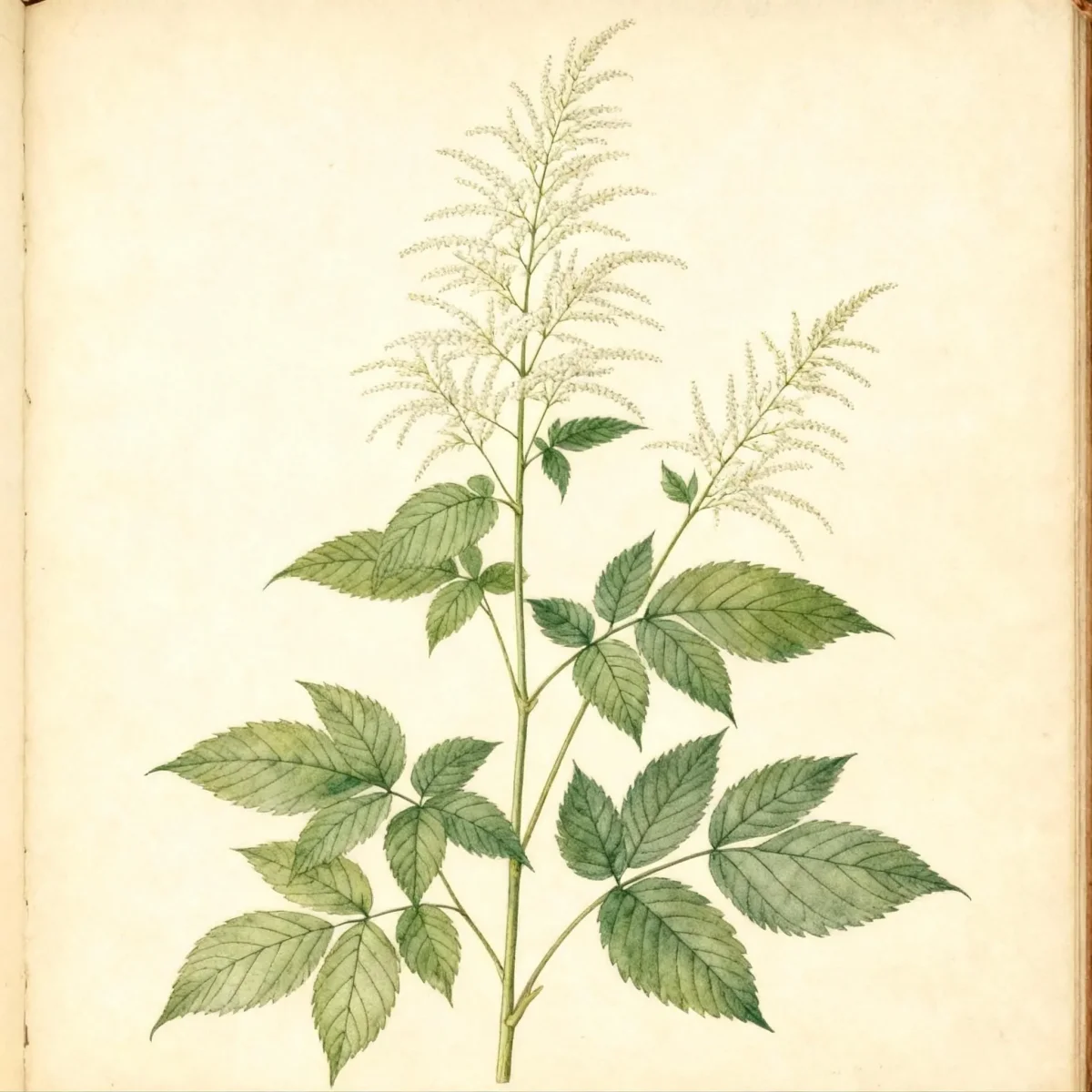
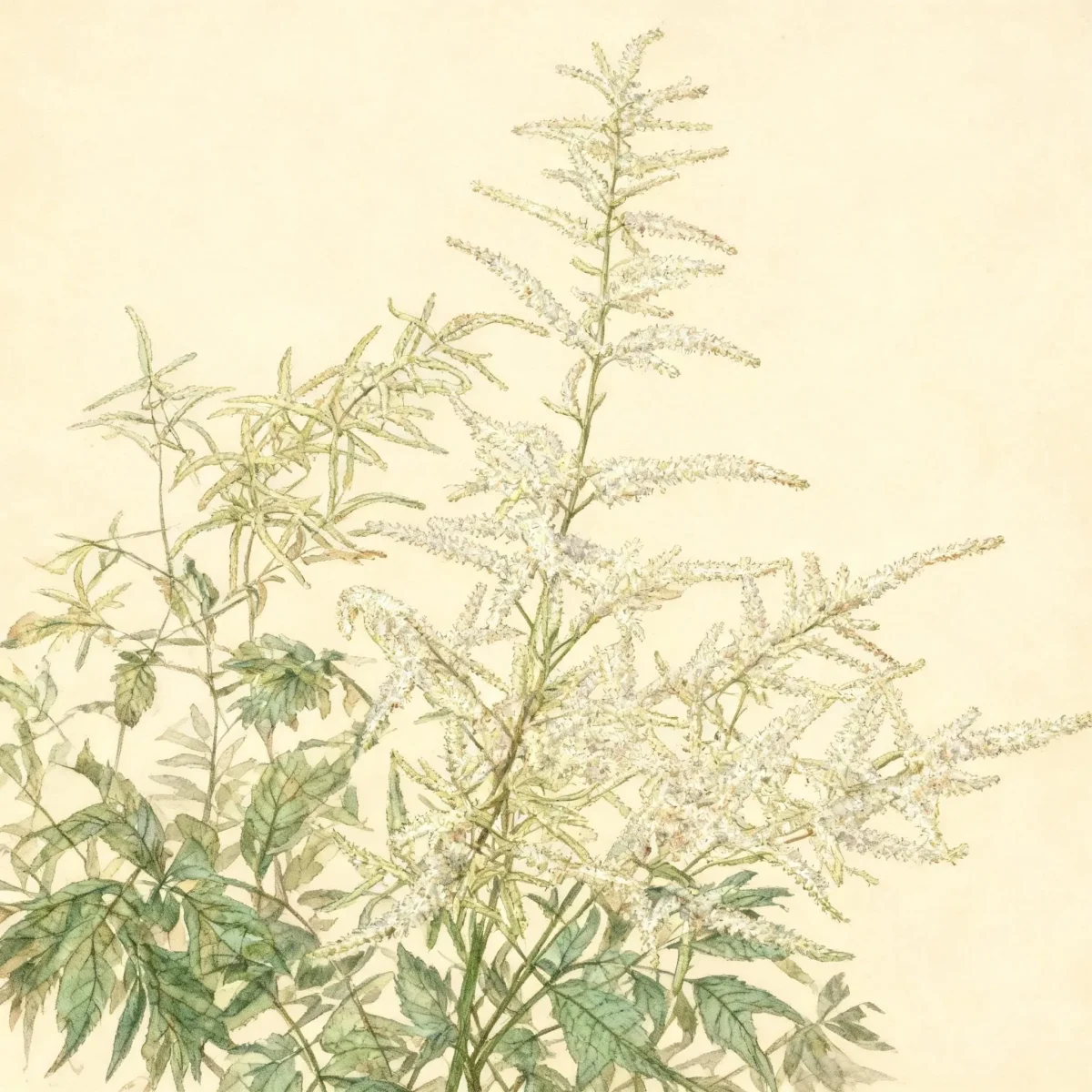
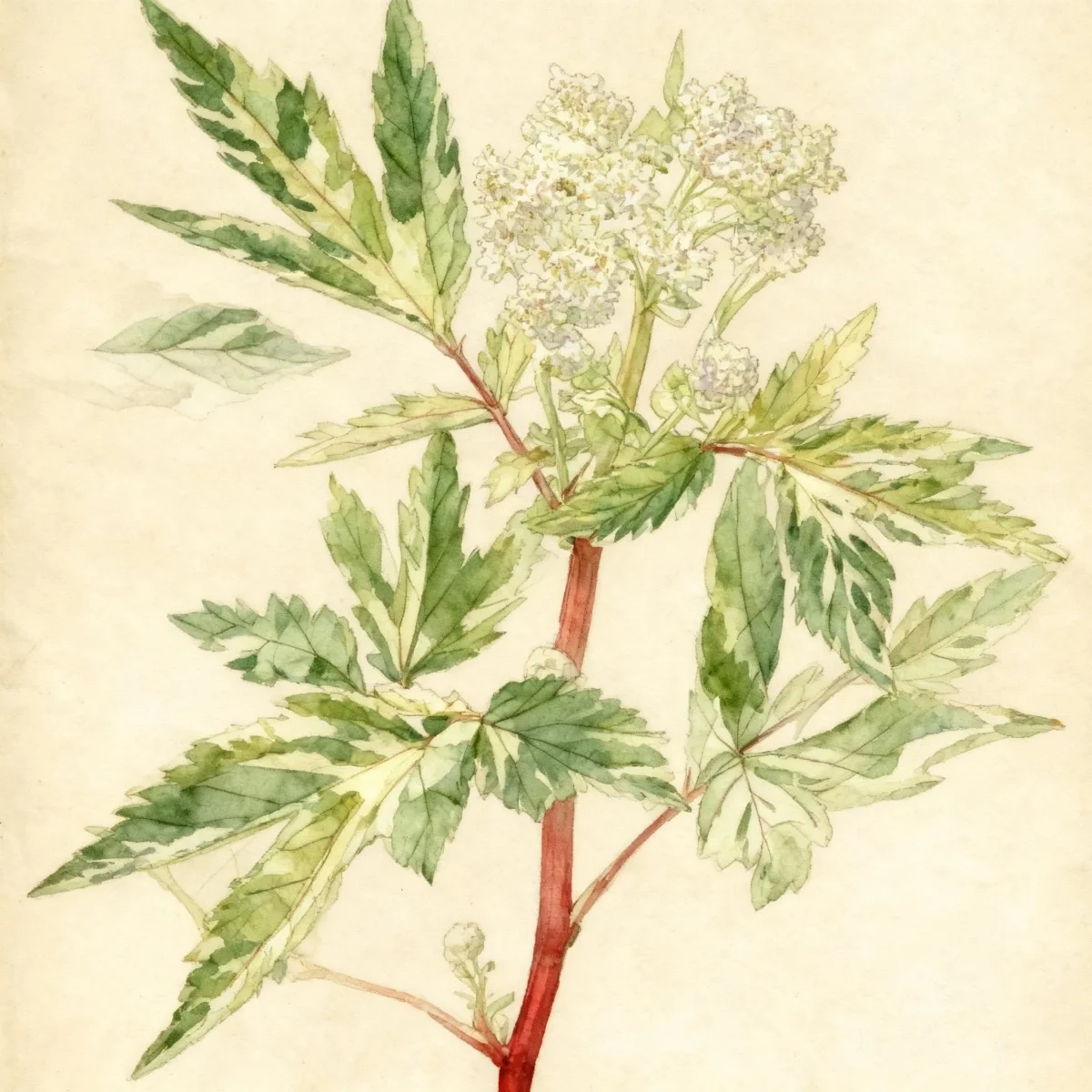
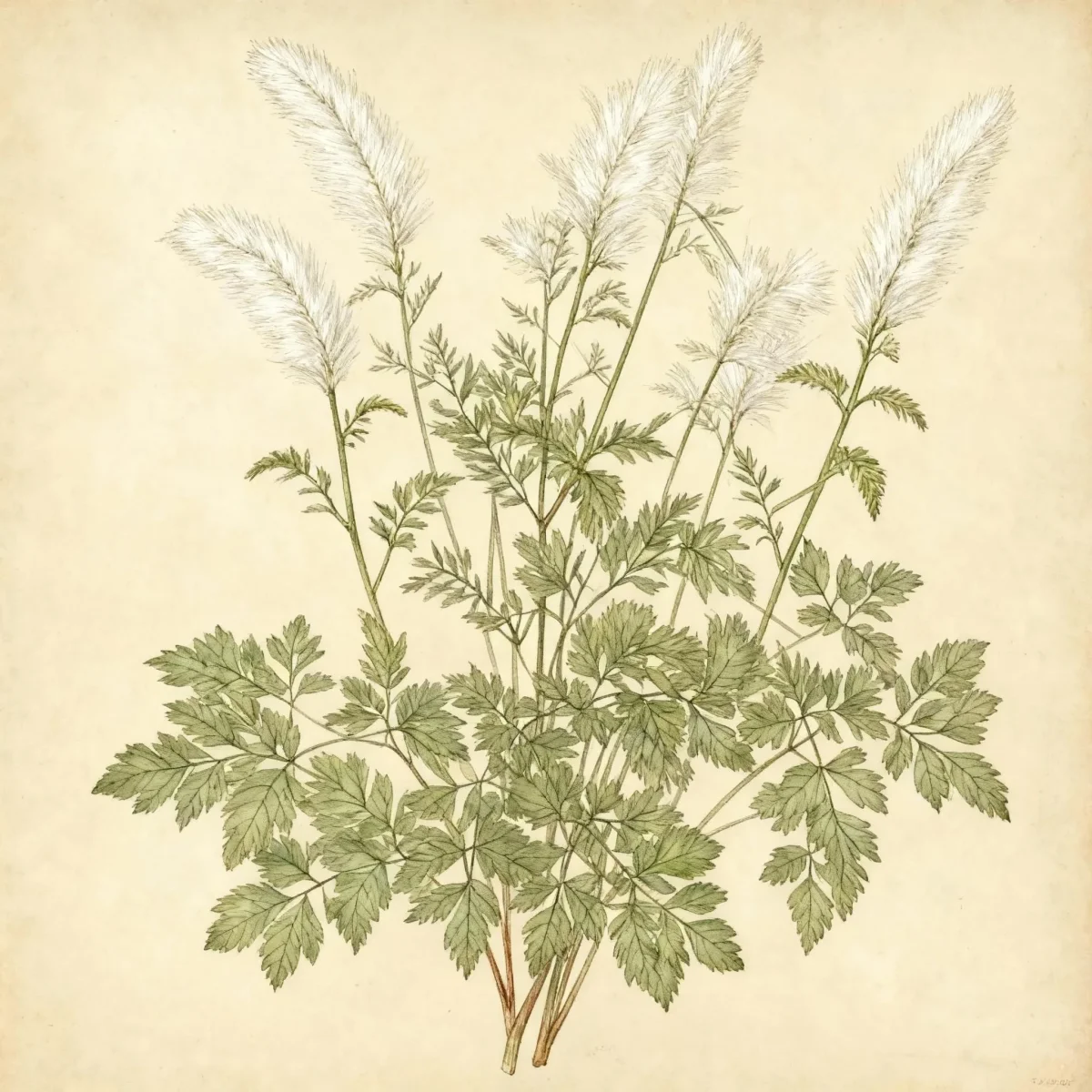
Aruncus aethusifolius, commonly known as dwarf Goat’s beard, offers textural appeal perfect for refining the edges of garden beds. This clump-forming perennial provides substantial visual interest through its finely divided, dark green fern-like foliage that mounds neatly throughout the season. When compared to its larger cousins, choosing Aruncus aethusifolius allows gardeners to introduce the classic airy flower structure in smaller, more manageable spaces.
Its peak ornamental display is the emergence of delicate, Astilbe-like plumes of creamy white flowers in late spring, rising just above the dark leaves. While the genus name Aruncus originates from ancient Greek terminology for these plants, modern gardeners appreciate this Korean native for thriving in moisture-retentive sites where many other perennials might struggle. Proper attention to soil moisture is key to maintaining the vigor of this charming perennial.
This particular variety of Goat’s beard is valued for creating elegant foreground texture in shaded or partially shaded borders. Its relatively compact size ensures it provides year-round structure without overwhelming smaller garden compositions, making Aruncus aethusifolius a versatile understory or woodland garden plant.
Fast Facts
- Plant Family: Rosaceae
- Plant Type: Herbaceous perennial
- Native Range: Korea
- Hardiness Zones: USDA Zones 3-9
- Size at Maturity:
- Height: 0.75-1 ft
- Spread: 1-1.5 ft
- Bloom Time: May to June
- Bloom Description: Ivory
- Sun Exposure: Full sun to part shade
- Water Needs: Medium to wet
- Maintenance Level: Medium
How to Grow
The best approach for establishing Aruncus aethusifolius involves planting in spring or early fall once establishment soil temperatures are favorable. This species thrives best in moist, fertile, organically rich soils. Ensure the location offers full sun exposure only if you can guarantee consistently ample moisture; otherwise, part shade is preferable, especially in the hotter southern reaches of its growing range (USDA Zones 8-10).
Watering is crucial for the optimal performance of Goat’s beard. Foliage decline occurs quickly if soils are allowed to dry out, requiring a medium to wet watering schedule, particularly during hot or dry spells. While considered medium maintenance, feeding is generally unnecessary if the soil is rich in organic matter upon planting.
Pruning mostly concerns aesthetics. Removing faded flower stalks immediately after bloom can improve the overall plant appearance, which is beneficial if you are cultivating the plant primarily for its ground cover effect. Alternatively, leaving the flower stalks allows you to enjoy the dried ornamental seed plumes through the autumn and winter months. Be aware that plants can be slow to establish, so patience is necessary during the first year.
Landscape Uses
The compact stature of Aruncus aethusifolius makes it an exceptional choice for edging applications along pathways or defining the front line of a mixed border. Its rich, dark green, lacy foliage offers a beautiful contrast against broad-leafed hostas or the brighter greens of spring ephemerals typically found in woodland settings. Consider using this variety in partly shaded areas of rock gardens where consistent moisture can be provided.
As a dwarf Goat’s beard, it integrates seamlessly into shade gardens, lending cottage garden charm without the imposing height of larger perennials. It works well blended with ferns or emerging Heucheras, providing dependable texture from spring until frost. Its preference for moist conditions also makes it suitable for planting near water features where humidity levels are naturally elevated.
Standout Features
Flower Qualities
- Showy
Noteworthy Characteristics
Aruncus aethusifolius, a dwarf goat’s beard, is a clump-forming perennial which typically grows to only 12” tall. Features fern-like, compound, 3-4 pinnate, dark green leaves which form a foliage mound to 4-6” tall. Astilbe-like plumes of tiny, creamy white flowers rise above the foliage to 12” tall in late spring. Genus name is the classical Greek name for these plants.
Tolerances
No data available for specific tolerances beyond environmental requirements.
Potential Problems
Overall, this perennial exhibits resilience, showing no serious insect or disease problems under ideal cultural conditions. Gardeners should remain aware of some susceptibility to leaf spot, which often develops when air circulation is poor or foliage remains wet for extended periods, especially in humid environments. Prophylactic care involves ensuring adequate spacing between plants to allow for good airflow and watering the soil directly rather than wetting the leaves.
Frequently Asked Questions
What hardiness zones is Goat’s beard suitable for?
This variety of Goat’s beard, Aruncus aethusifolius, is reliably hardy in USDA Zones 3 through 9, offering wide adaptability across much of the continent.
How large does Aruncus aethusifolius grow?
This dwarf perennial typically reaches a compact height between 0.75 to 1 foot tall, spreading between 1 to 1.5 feet wide, forming a neat mound of foliage.
What sun exposure does Goat’s beard need?
Aruncus aethusifolius prefers a location receiving full sun to part shade, though afternoon shade is highly recommended in warmer climates to prevent leaf scorch and moisture stress.
When does Aruncus aethusifolius bloom?
This plant produces its characteristic blooms from May through June, presenting lovely ivory-colored, upright plumes.
Conclusion
The compact size and rich, dark foliage establish Aruncus aethusifolius as a superior choice for texture and structure in smaller or shaded garden areas. By providing consistent moisture, this lovely Goat’s beard will reward you with its airy, showy blooms year after year. Before planting, confirm that your native USDA Hardiness Zone falls between 3 and 9 and that you can meet its medium water requirements to ensure a thriving planting.
Companion Planting
When selecting companions for Aruncus aethusifolius, focus on plants that share its preference for moist soil and dappled light. Hostas with variegated or blue foliage create a stunning contrast against the dark green, deeply cut leaves of the Goat’s beard. Epimediums (Barrenwort) also make excellent neighbors, as they tolerate similar shade levels and offer early spring color before the Aruncus fully develops its flower spikes.
Consider placing these plants near woodland natives like Astilboides or Tiarella (Foamflower), which share the same reliance on rich, humus-laden soil. Planting these shade-loving perennials together ensures that seasonal care—watering and occasional amending—remains consistent across that section of the garden, leading to a cohesive, lush display.
Seasonal Care Calendar
Spring cleanup should involve removing any tattered winter foliage, though this dwarf Goat’s beard generally maintains itself well. Perform most pruning by cutting back spent flower stalks if a tidier look is preferred immediately after flowering ends in June. Focus heavily on consistent watering from late spring through summer, as drying soil is the primary cause of foliage distress for Aruncus aethusifolius in summer heat.
In autumn, you may choose to leave the dried plumes on the plant for winter interest, acting as textural markers in the dormant garden. Apply a fresh layer of organic mulch around the base in late fall, which helps insulate the roots and slowly adds fertility to the soil bed, supporting the plant’s preference for organically rich conditions as it prepares for spring growth.