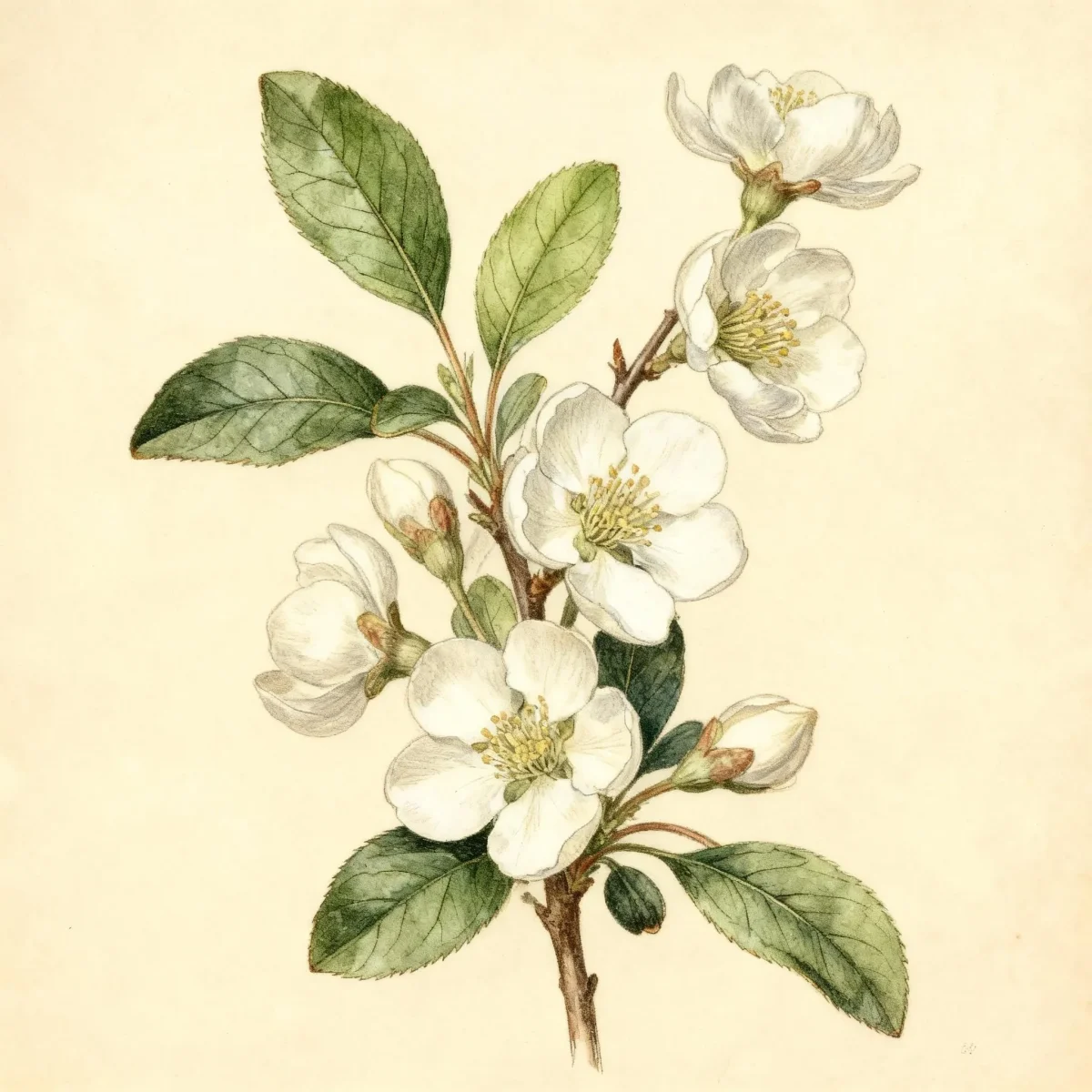
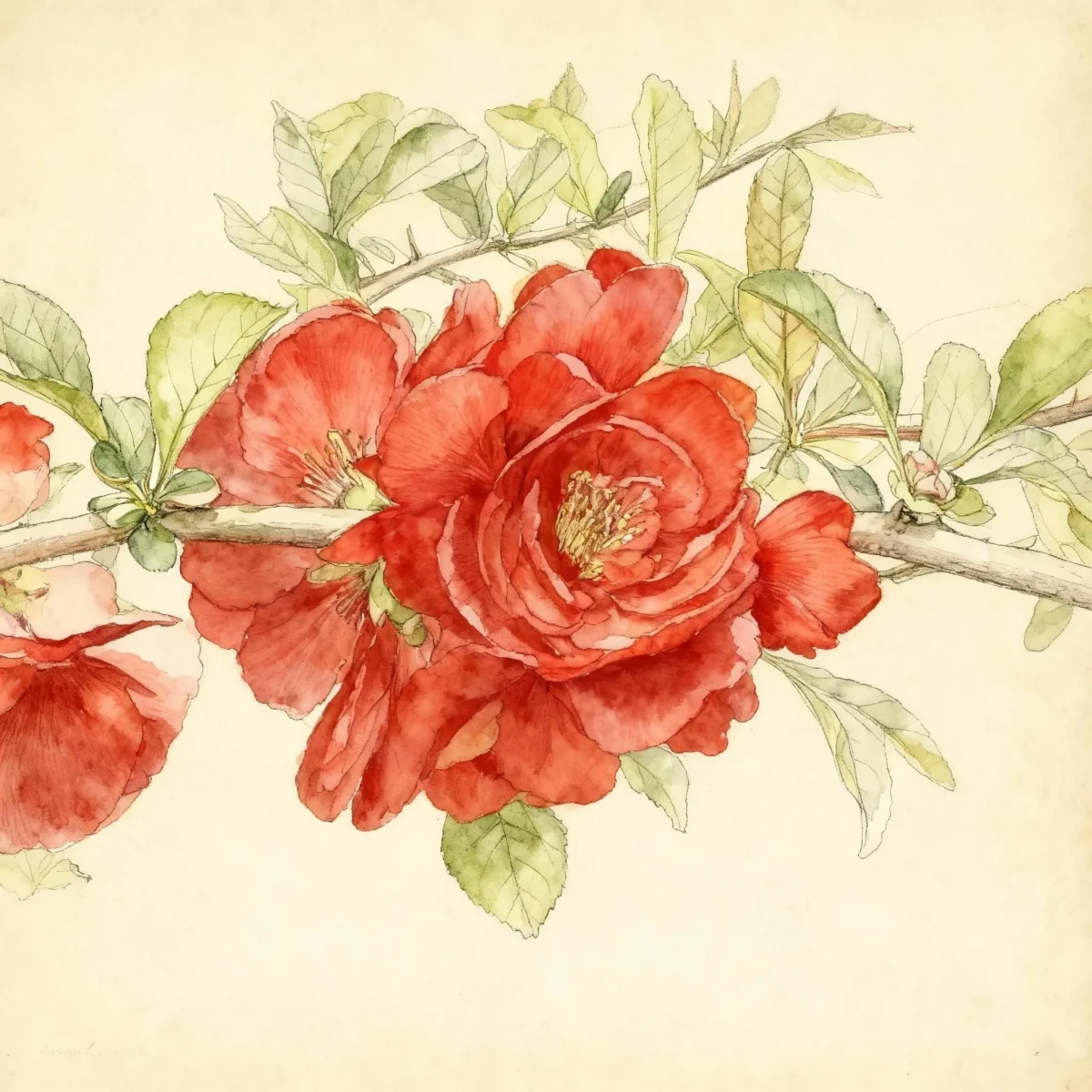
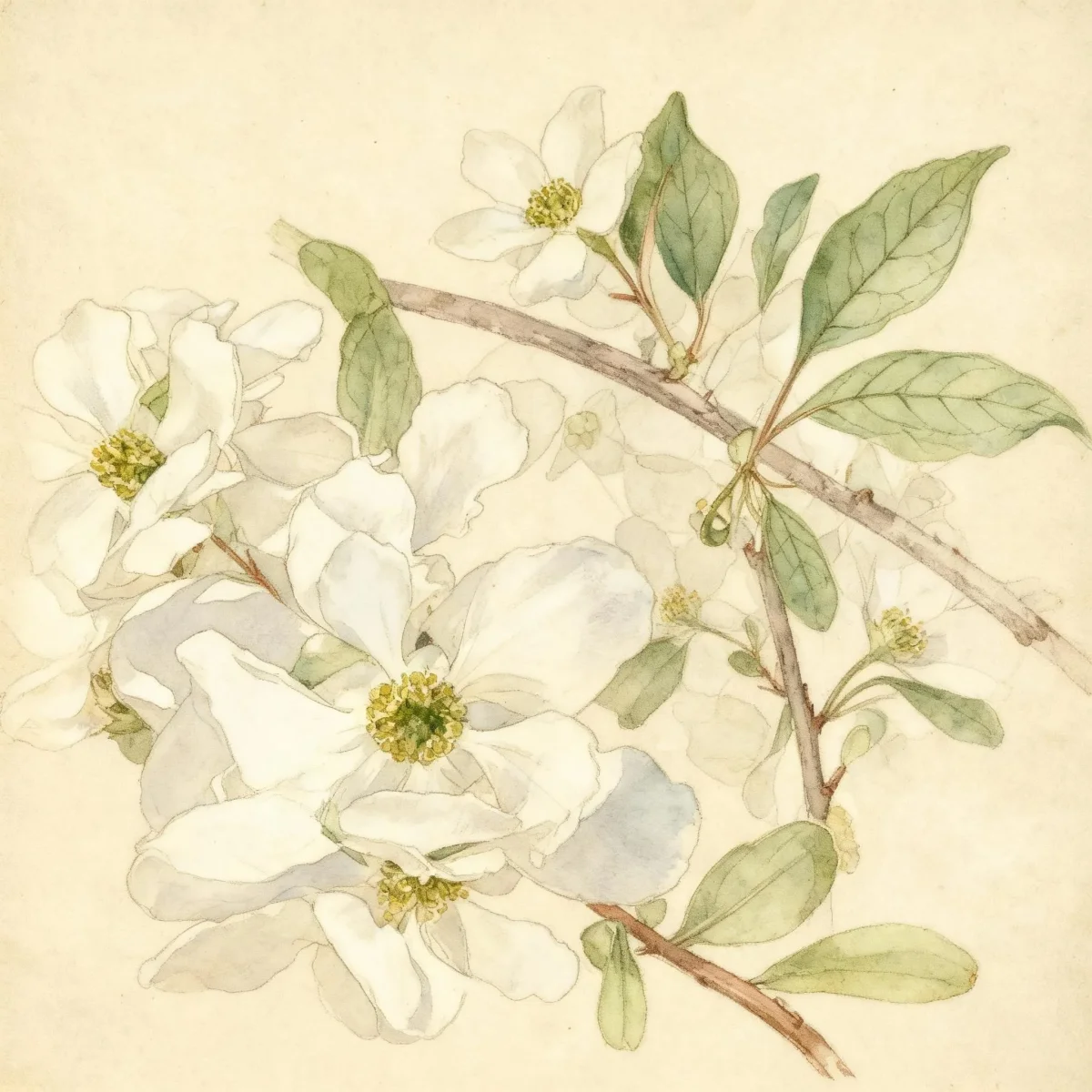
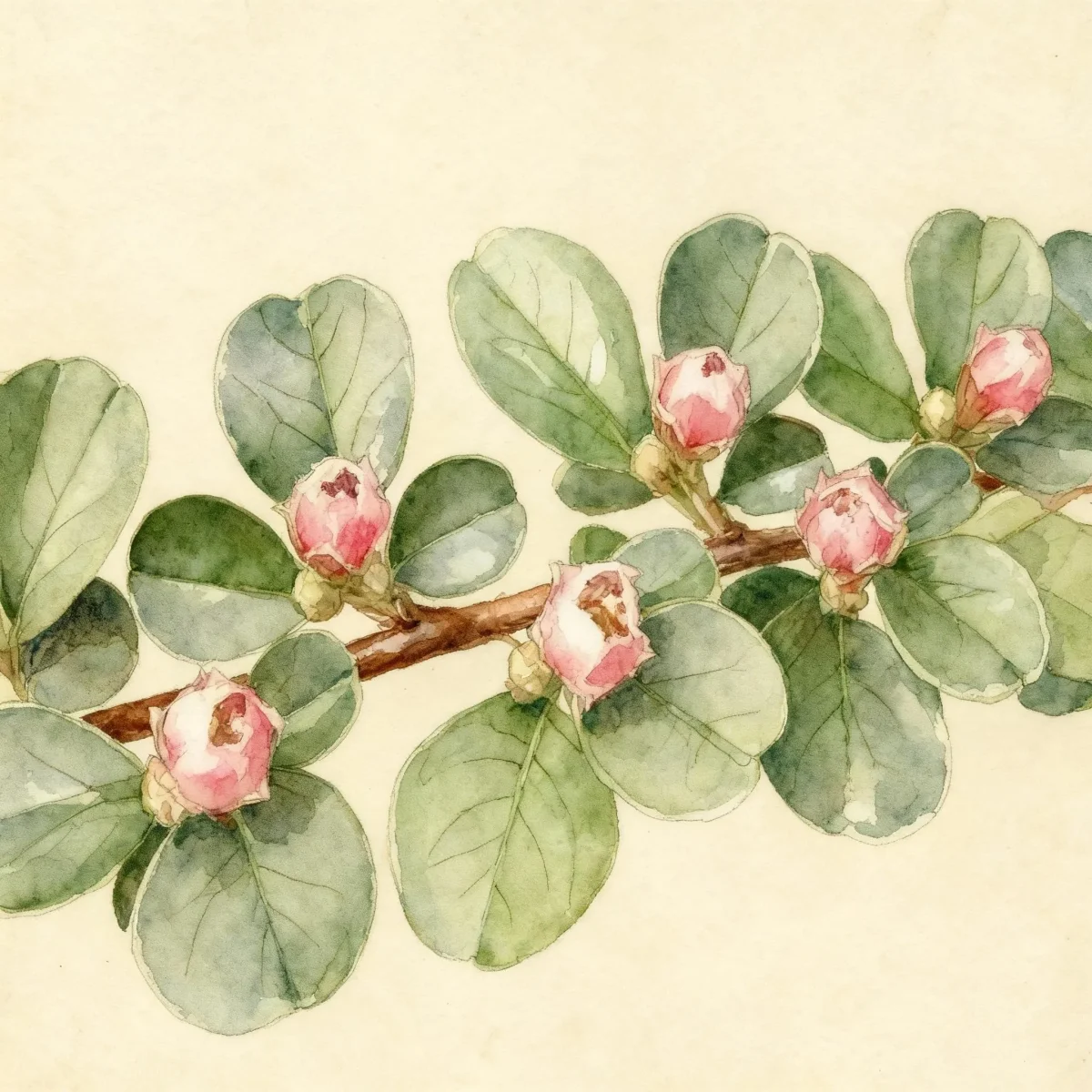
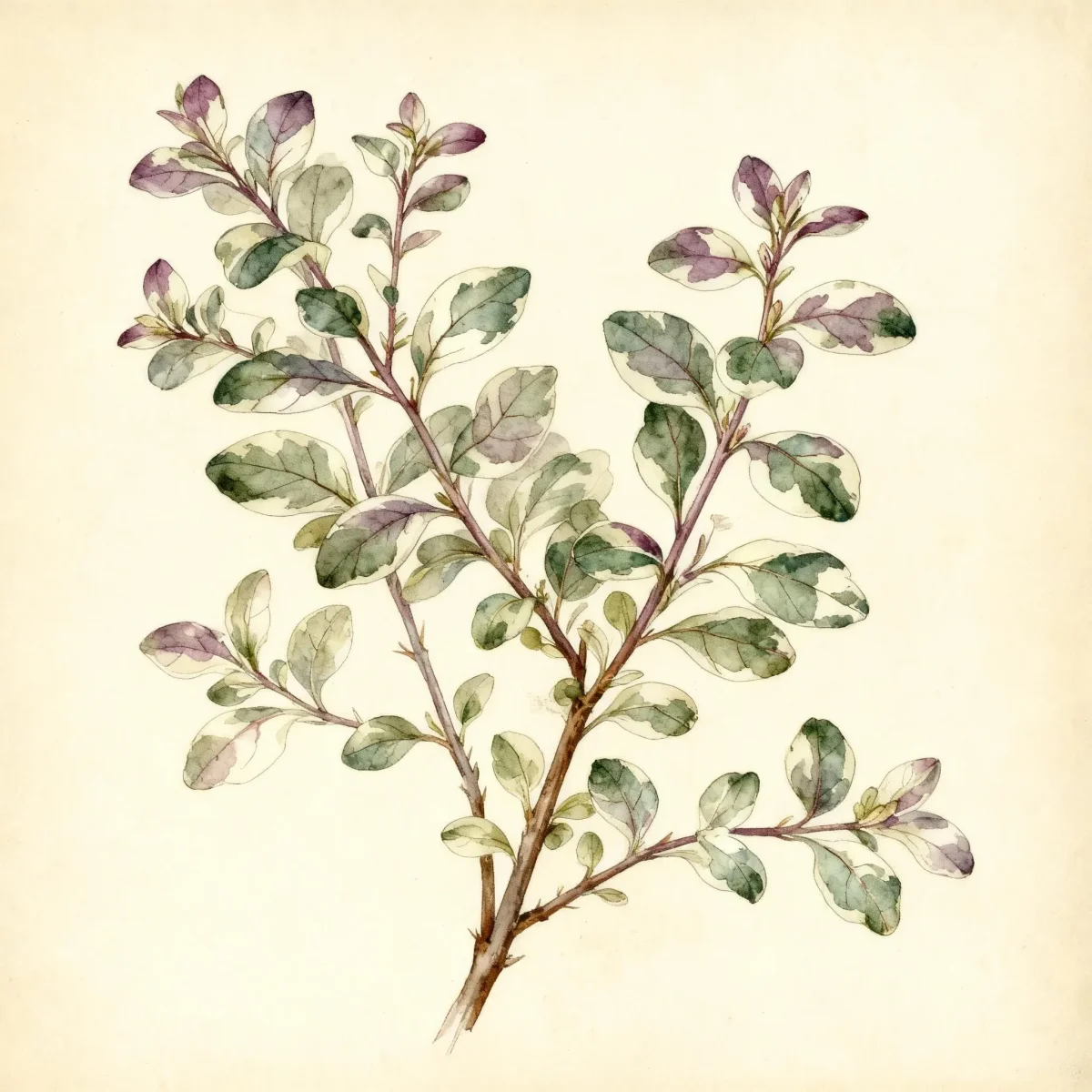
Scarlet firethorn (Pyracantha coccinea)
Pyracantha coccinea, or Scarlet firethorn, offers impenetrable hedges with showy white spring flowers and brilliant orange-red fall berries.
Scroll down to discover growing tips, care requirements, companion plants, and more

Complete Plant Information
Overview
The Scarlet firethorn, Pyracantha coccinea, is a highly valued, versatile shrub prized for its dramatic seasonal displays. Gardeners rely on it for its dense, thorny structure that provides excellent year-round security and screening when used as a hedge. It offers a striking contrast with glossy green leaves punctuated by clusters of white blossoms in spring, leading to persistent, vibrant orange-red berries throughout fall and winter.
This evergreen to semi-evergreen shrub is relatively low maintenance once established, making it an excellent choice for large-scale screening or property line definition. Native to parts of Europe and southwestern Asia, Pyracantha coccinea thrives in sunny locations but can tolerate partial shade, providing reliable structure across USDA Zones 6 through 9.
Functionally, the dense, sharp thorns of Scarlet firethorn make it an unparalleled choice for creating impenetrable barriers. Aesthetically, the masses of brilliant crimson fruit following flowering ensure season-long interest, cementing its role as a bold focal point or a rugged background element in the landscape design.
Fast Facts
- Plant Family: Rosaceae
- Plant Type: Deciduous shrub
- Native Range: Europe, southwestern Asia
- Hardiness Zones: USDA Zones 6-9
- Size at Maturity:
- Height: 6-18 ft
- Spread: 6-18 ft
- Bloom Time: May
- Bloom Description: White
- Sun Exposure: Full sun to part shade
- Water Needs: Medium
- Maintenance Level: Low
How to Grow
Plant Pyracantha coccinea during the dormant season, either early spring or fall, to encourage strong root establishment before summer heat. This shrub performs best in fertile soils that provide sharp drainage, though it demonstrates good tolerance for clay soils as well. Ensure the planting location receives full sun for the best flowering and fruiting display, though it can tolerate partial shade.
Once established, this plant requires medium water amounts, benefiting from deep, infrequent irrigation rather than shallow daily watering. Fertilization is generally not required unless the soil is extremely poor; excessive feeding can promote lush, soft foliage susceptible to disease. Maintenance is low, fitting well into busy garden schedules, but remember that heavy shearing post-flowering will eliminate the coming season’s fruit set.
Gardeners in colder end of its range (Zone 6) must take precautions. The Pyracantha coccinea is not reliably winter hardy throughout colder regions, so site shrubs in protected areas sheltered from harsh, cold winds. Mulching well around the base can help insulate the roots during winter months.
Landscape Uses
The primary application for Scarlet firethorn is its unmatched ability to form an impenetrable screen or informal barrier. Use it unpruned for dense screens along property lines where security is desired, or shear it precisely if a formal hedge is needed, remembering to sacrifice some fruit production for perfect lines. The natural vigor of Pyracantha coccinea also makes it effective when massed to cover slopes effectively, preventing erosion with its robust root system.
When used in borders, group several specimens together to emphasize the fall berry display near contrasting evergreen textures. Due to its inherent thorns, avoid planting Scarlet firethorn near pathways or areas frequently accessed by pets or children unless it is being utilized strictly as a wall espalier or trained flat against a structure. When espaliered on a wall or fence, the thorns provide excellent gripping points, transforming an otherwise blank vertical surface into a dynamic horticultural feature.
Standout Features
Flower Qualities
- Showy
Fruit Qualities
- Showy
Noteworthy Characteristics
Pyracantha coccinea, commonly known as scarlet firethorn, is native from southeastern Europe to the Caucasus. It is an evergreen to semi-evergreen shrub that typically grows to 8-10’ tall and to 12’ wide. It is noted for spring white flowers in drooping clusters, glossy green leaves, needle-like spines, and orange-red berries in fall. The genus name comes from the Greek pyr meaning fire and akantha meaning a thorn in reference to the thorny branches and the showy crimson fruit.
Tolerances
- Clay Soil
Potential Problems
The primary concern for Pyracantha coccinea is susceptibility to scab, which can spot the foliage and impact the aesthetic appeal of the berries. To manage scab, ensure adequate air circulation through proper spacing and avoid overhead watering late in the day. Additional disease issues that may arise include fireblight and wilt; promptly removing infected wood is crucial for containment.
Potential insect pests include aphids, lacebug, and scale, all of which can be managed with horticultural oils or insecticidal soaps, applied when pests are first observed. A significant advantage for many gardeners is that deer tend to completely avoid this thorny plant, making it an excellent protective screen against browsing wildlife.
Frequently Asked Questions
What hardiness zones is Scarlet firethorn suitable for?
Pyracantha coccinea is generally suitable for USDA Hardiness Zones 6 through 9.
How large does Scarlet firethorn grow?
This shrub typically reaches a height between 6 and 18 feet, with a similar spread ranging from 6 to 18 feet wide.
What sun exposure does Pyracantha coccinea need?
For optimal performance, Scarlet firethorn requires full sun to part shade conditions.
When does Scarlet firethorn bloom?
The blooming time for this species is typically in May, producing masses of white flowers.
Conclusion
The Pyracantha coccinea, or Scarlet firethorn, is an indispensable plant for structural impact, delivering visual interest from spring flowers through persistent autumn fruit. Its low maintenance needs and excellent tolerance for lean or clay soils make it practical for challenging landscape spots. Before planting, confirm that your local climate falls within USDA Zones 6-9 and plan for its proximity to pedestrian areas due to its thorny nature.
Companion Planting
When incorporating Pyracantha coccinea into a mixed border, consider pairing it with lower-growing, non-thorny shrubs that complement its texture or bloom time. Plants that thrive in full sun and well-drained soil, such as Russian Sage (Perovskia atriplicifolia) or certain ornamental grasses, offer airy contrast to the dense foliage of the firethorn. For year-round structure near the firethorn, anchoring the area with broadleaf evergreens or perhaps deciduous flowering species like late-blooming Hydrangeas positioned slightly further out can balance the scene.
Wildlife Benefits
While the thorns deter browsing animals like deer, the berries of the Scarlet firethorn are a crucial late-season food source for many bird species, significantly boosting winter food supplies. Planting Pyracantha coccinea near a protected area provides birds both sustenance and excellent cover from predators, especially when the shrub structure is dense. Although the flowers are not the primary focus, they do attract various pollinators earlier in the season, ensuring that this dense barrier also contributes moderately to local insect biodiversity.