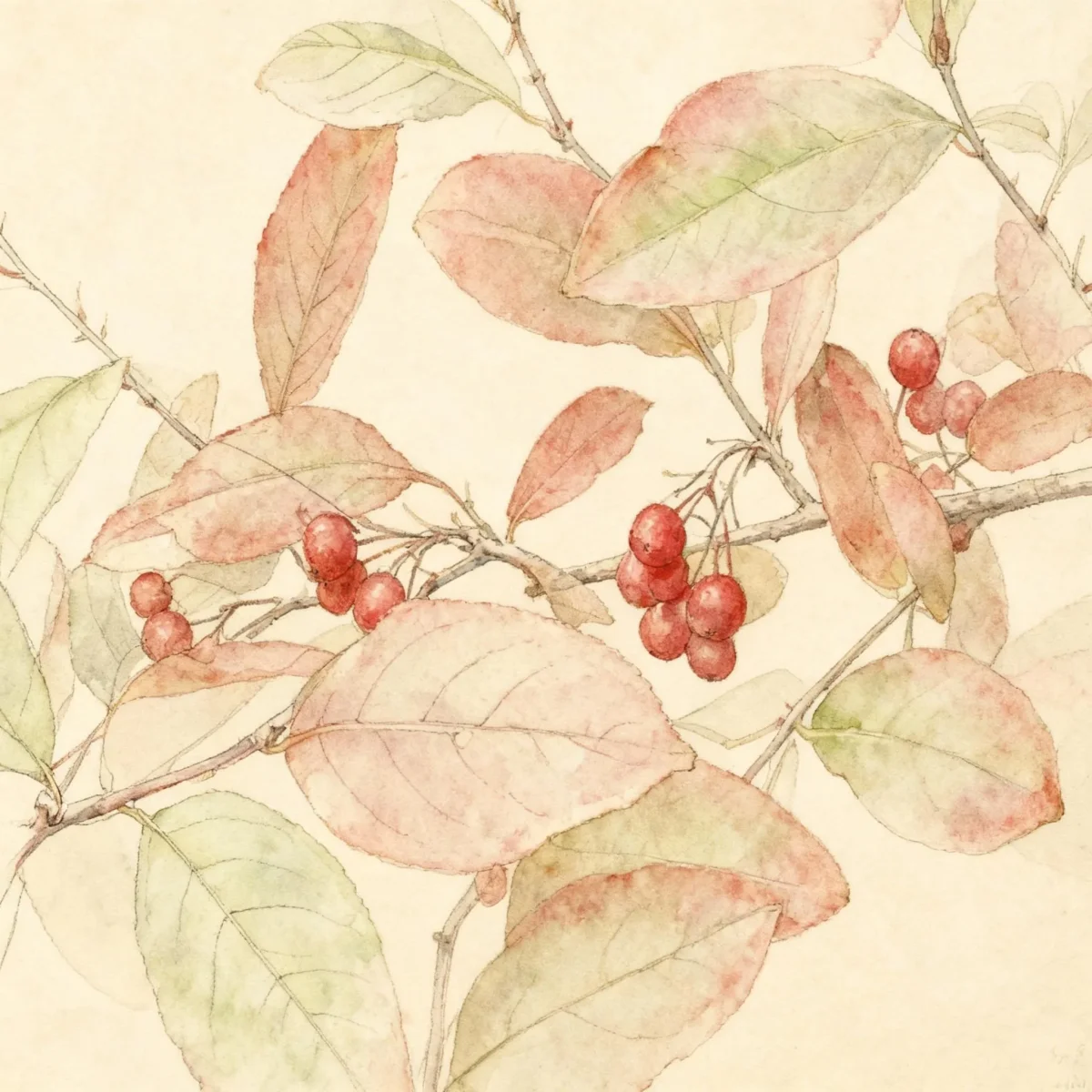
Pearlbush (Exochorda racemosa)
The Pearlbush (Exochorda racemosa) offers spectacular spring white blooms. This low-maintenance deciduous shrub thrives in zones 4-8.
Scroll down to discover growing tips, care requirements, companion plants, and more
Complete Plant Information
Overview
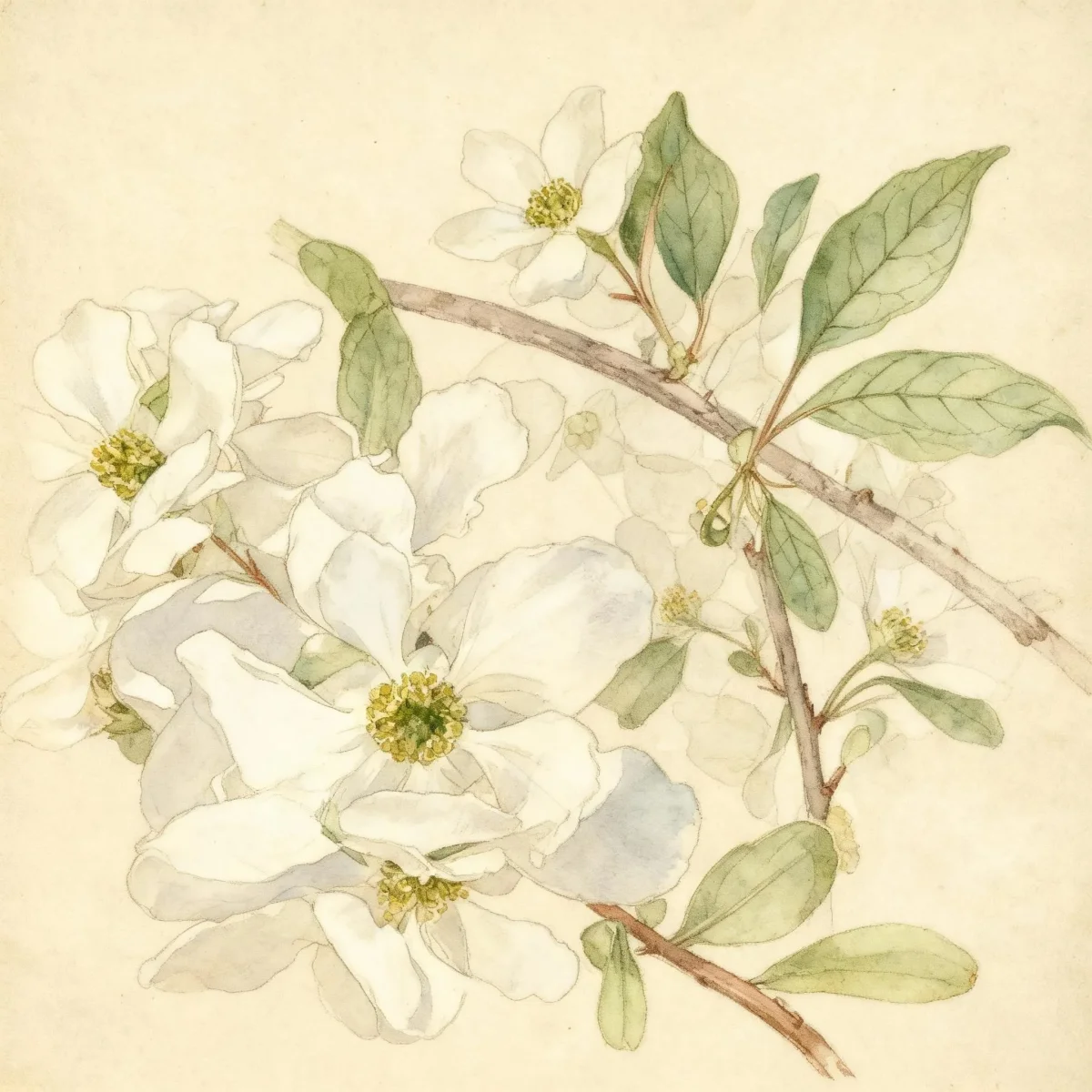
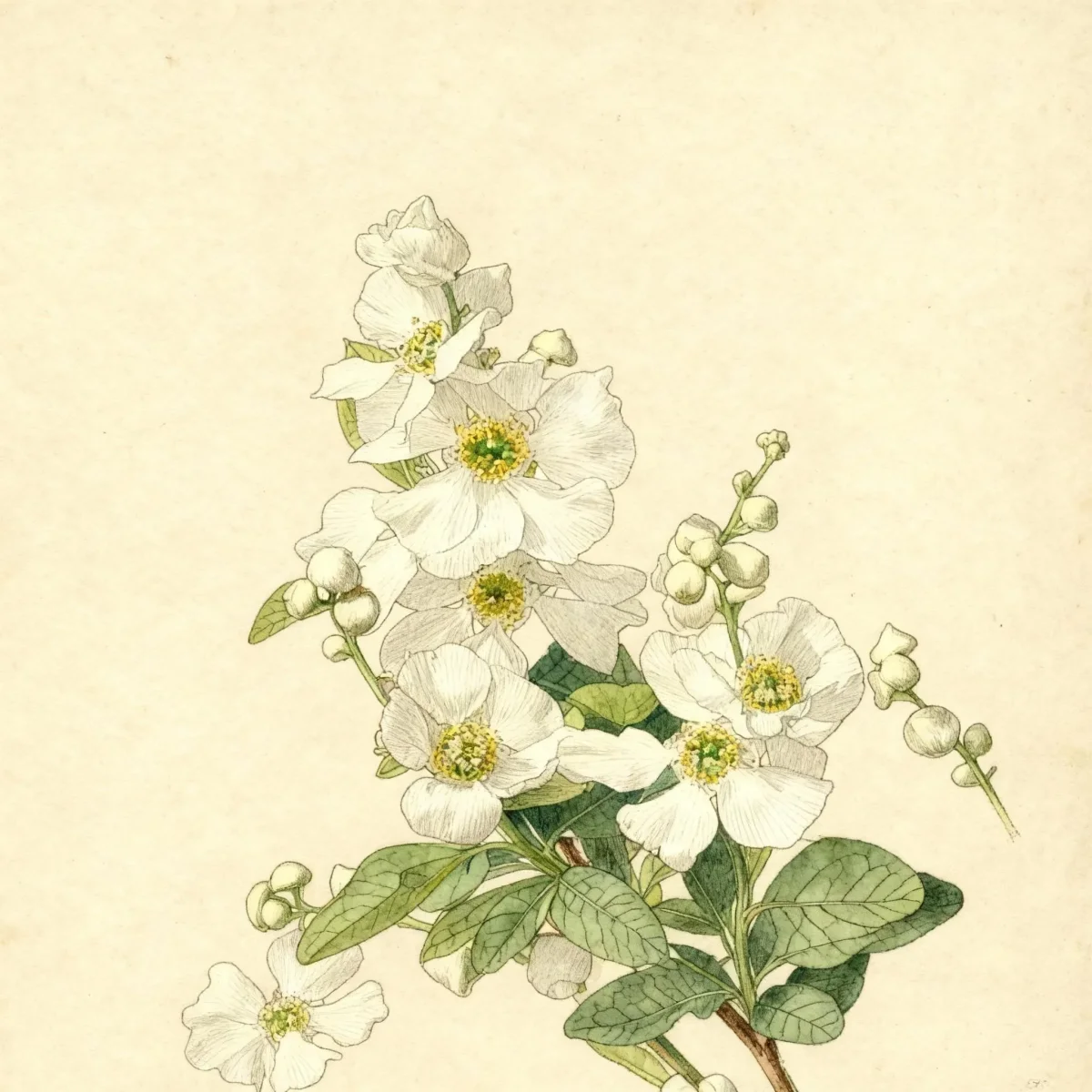
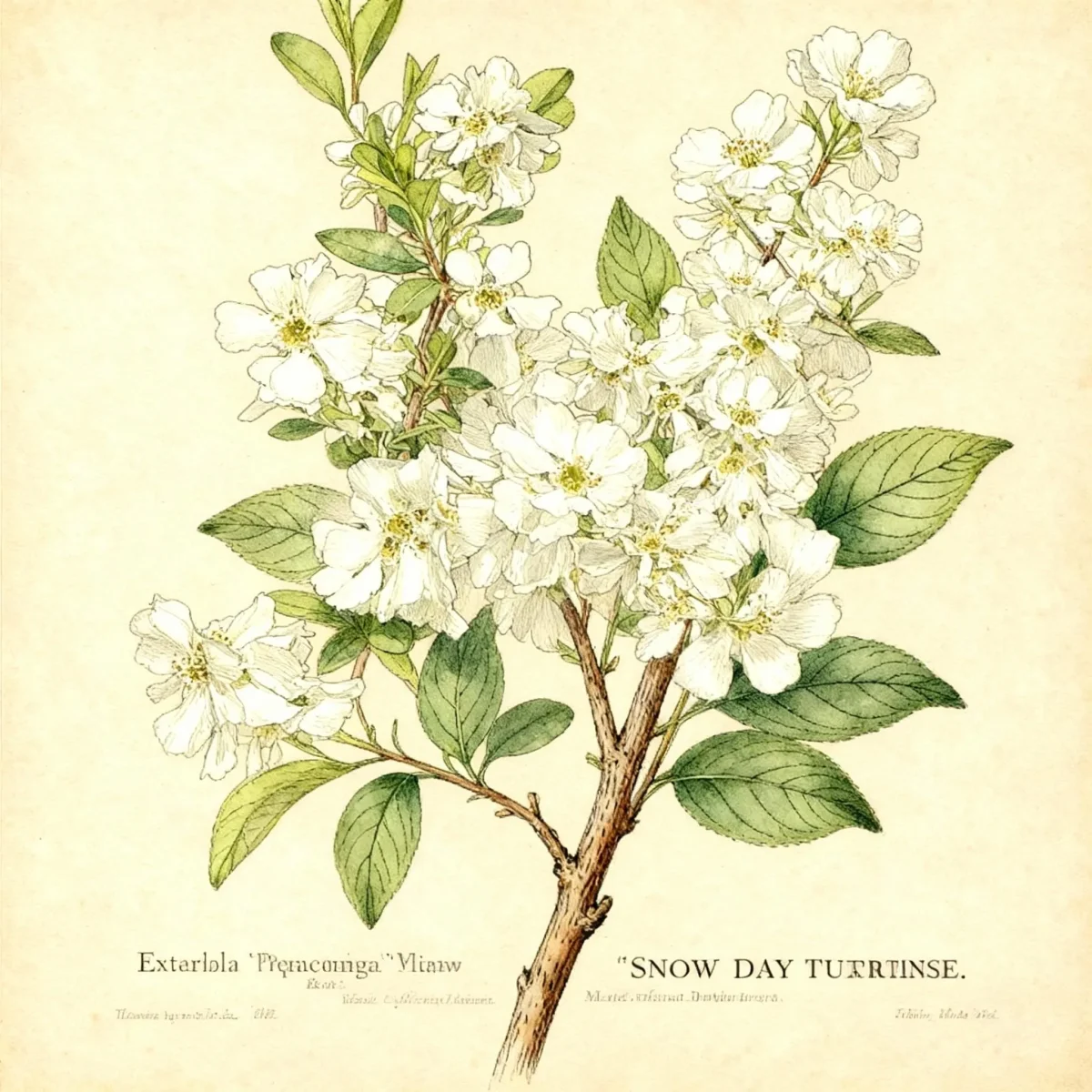
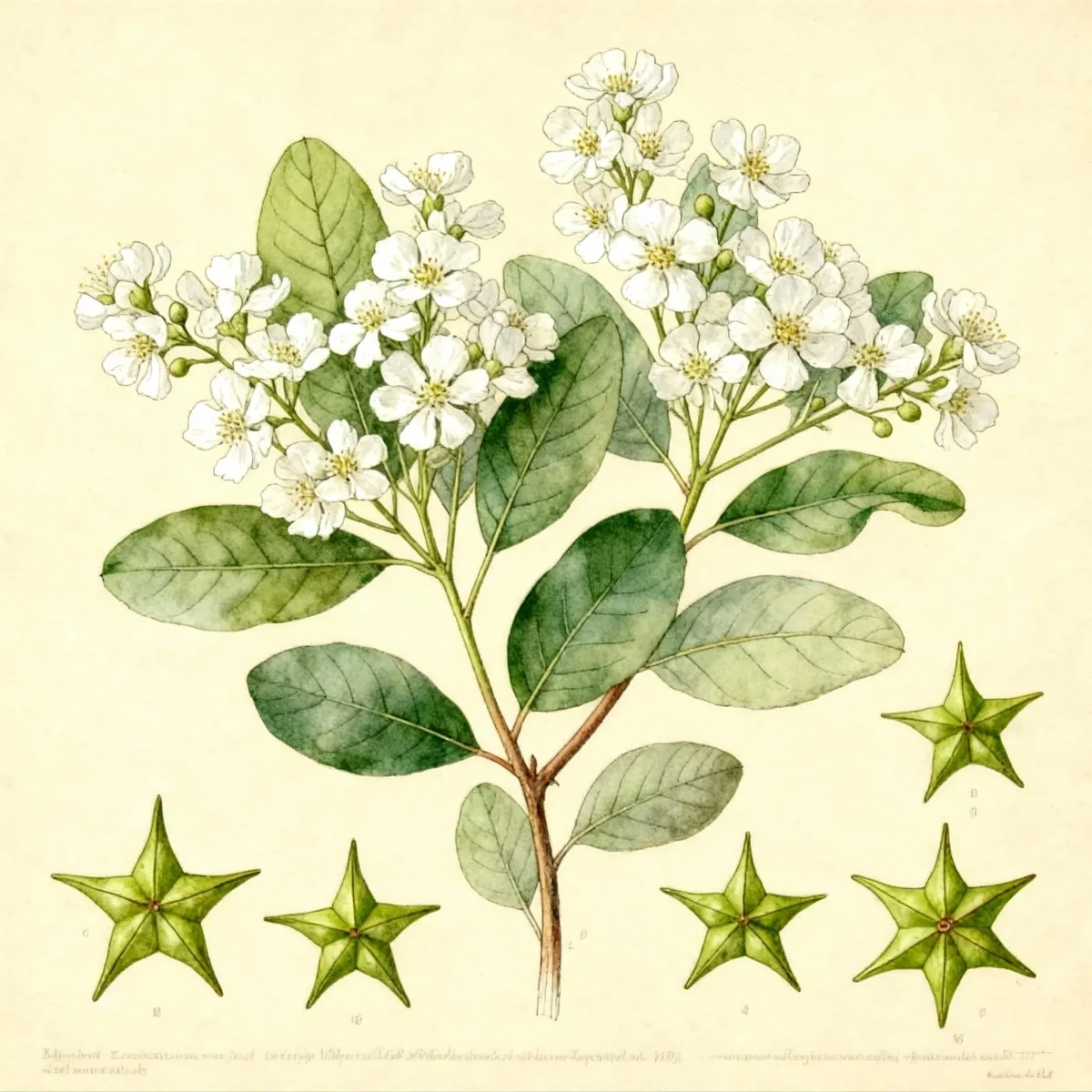
The Pearlbush, scientifically known as Exochorda racemosa, is highly valued by gardeners for its dramatic display of pristine white flowers that emerge early in spring. Before opening, the flower buds resemble shimmering white pearls, lending credence to the common name Pearlbush. This deciduous shrub provides reliable structure and outstanding spring interest in the landscape.
Reaching mature heights and spreads between 10 to 15 feet, Exochorda racemosa presents a broad, rounded silhouette. While it may appear somewhat nondescript during the summer months, its low-maintenance requirements make it an excellent candidate for backgrounds or informal screens. Established specimens of Pearlbush demonstrate notable adaptability once settled into appropriate growing conditions.
This shrub is generally recognized for being easy to cultivate and requiring minimal intensive care. Its main ornamental contribution is the prolific April bloom period, making it a must-have for gardeners anticipating the end of winter. Utilizing Exochorda racemosa effectively involves understanding its simple cultural needs and timing necessary pruning correctly.
Fast Facts
- Plant Family: Rosaceae
- Plant Type: Deciduous shrub
- Native Range: Central Asia, southeastern China
- Hardiness Zones: USDA Zones 4-8
- Size at Maturity:
- Height: 10-15 ft
- Spread: 10-15 ft
- Bloom Time: April
- Bloom Description: White
- Sun Exposure: Full sun to part shade
- Water Needs: Medium
- Maintenance Level: Low
How to Grow
The ideal time for planting Pearlbush is in the spring or fall, allowing it to establish roots before enduring intense seasonal stress. Select a location that receives full sun to light shade, as flowering will be best with more light exposure. This shrub thrives best in average, medium-moisture, well-drained soils. For optimal performance, aim for organically rich, slightly acidic loams.
Ongoing care for established Exochorda racemosa is simple. Maintain a medium watering schedule, especially during dry spells, though once mature, it exhibits good drought tolerance. Fertilization is rarely necessary if the soil is reasonably fertile. The most critical cultural practice involves pruning.
Flowers bloom exclusively on old growth (last year’s wood), so avoid late-season pruning. Prune as needed immediately after flowering finishes in spring to maintain shape and remove any damaged wood. This timing ensures maximum flower production the following year.
Landscape Uses
The large size and dense habit of the Pearlbush make it highly effective when utilized for functional landscape elements. It excels when planted as a component in shrub borders, offering height and mass that anchors the design. Due to its low maintenance, it is frequently employed to create informal hedges where a sharp, manicured line is not required.
When used as a foundation planting, ensure sufficient space is provided, as this 15-foot wide shrub needs room to mature without crowding structures. Consider pairing Exochorda racemosa with medium-sized perennials that bloom later in the season, providing continuous color once the Pearlbush’s spectacular spring show concludes. Its simplicity allows it to blend well with architectural evergreens.
Standout Features
Flower Qualities
- Showy
Noteworthy Characteristics
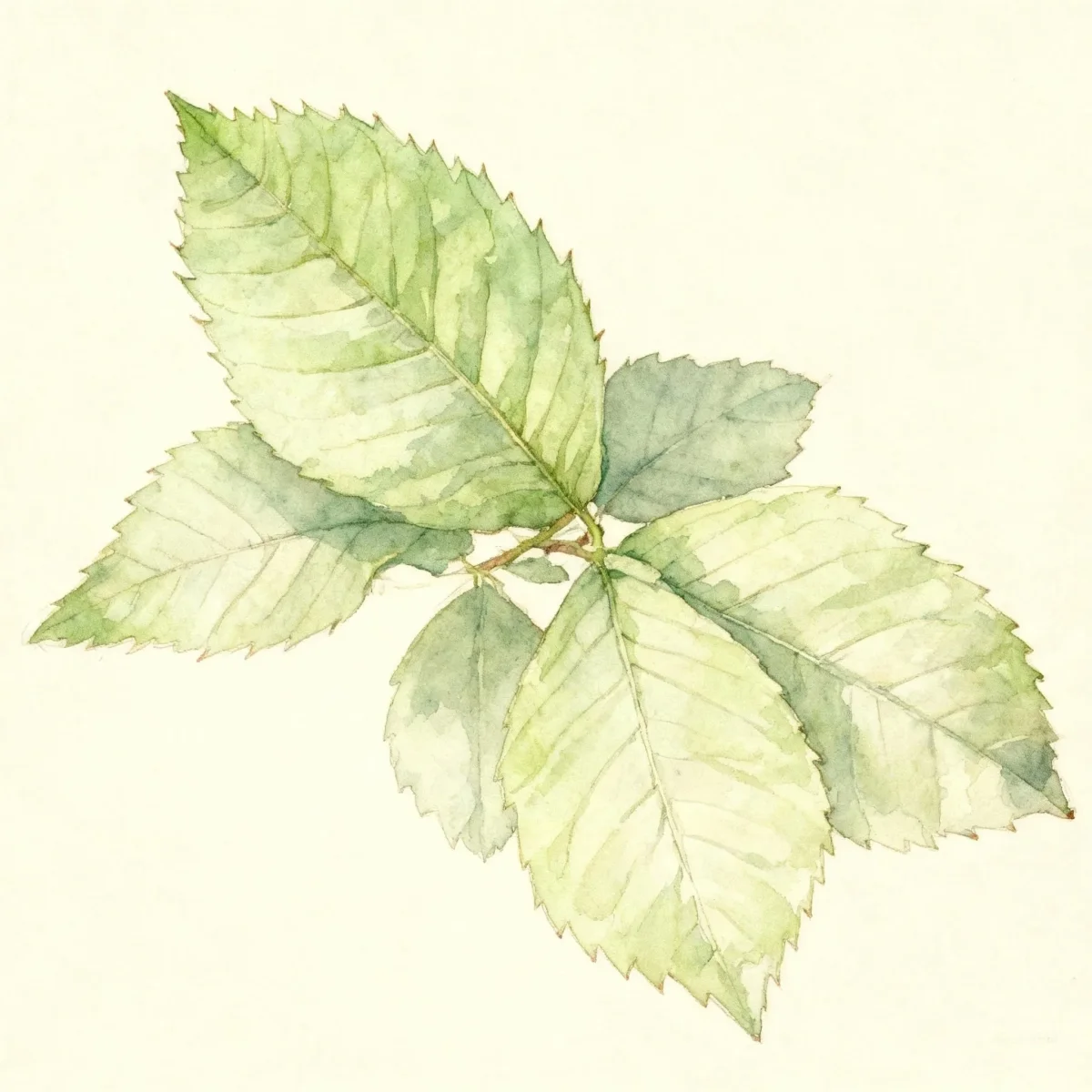
Exochorda racemosa, commonly called pearlbush, is native to China and presents as a loose, upright, early-blooming deciduous shrub with a broad rounded shape, typically maturing to 10-15 feet tall and wide. The flower buds are distinctive, resembling small white pearls, and the cup-shaped, 5-petaled white flowers appear in spring in 6-10 flowered racemes. While highly floriferous, the shrub’s medium green foliage provides unremarkable seasonal interest outside of its bloom time, though it has no significant fall color.
Tolerances
- Drought
Potential Problems
Exochorda racemosa generally experiences very few issues related to pests or diseases, maintaining a low-maintenance profile in this regard. Gardeners should, however, always check local environmental regulations, as this species is listed as invasive in some jurisdictions. If invasiveness is a concern, choose alternative early-blooming white shrubs or ensure spent seed capsules are promptly removed after flowering to prevent unwanted self-seeding.
Frequently Asked Questions
What hardiness zones is Pearlbush suitable for?
Exochorda racemosa is suitable for USDA Hardiness Zones 4 through 8.
How large does Pearlbush grow?
This deciduous shrub typically reaches a mature height between 10 and 15 feet, with a comparable spread of 10 to 15 feet wide.
What sun exposure does Pearlbush need?
Pearlbush prefers full sun to light shade for the best flowering display.
When does Pearlbush bloom?
The outstanding bloom time for Pearlbush is April, featuring fragrant white flowers.
Conclusion
The Exochorda racemosa provides unparalleled early spring beauty through its mass of white, pearl-like blossoms, coupled with its extremely low maintenance needs once established. If you seek a substantial, reliable specimen for structural planting or hedging that requires little coddling, the Pearlbush is an excellent choice. Always confirm its suitability for your specific microclimate within USDA Zones 4-8 before incorporating this beauty into your garden design.
Companion Planting
Selecting companions for Pearlbush involves choosing shrubs or perennials that either bloom later or offer contrasting foliage texture. Since Exochorda racemosa flowers early and its summer foliage is relatively plain, late-season bloomers provide sustained visual interest. Consider pairing it with late spring or early summer flowering Lilacs (Syringa vulgaris) or early peonies, which share similar sun and drainage requirements.
For contrast in texture, group the Pearlbush near plants with fine, airy foliage. Japanese Forest Grass (Hakonechloa macra) or certain ornamental grasses can offer a soft counterpoint to the relatively heavy structure of the mature Exochorda racemosa. Ensure that any companion plants also tolerate average, well-drained soil conditions common to its site requirements.
Design Ideas Using Pearlbush
The upright, broad habit of Exochorda racemosa makes it highly versatile for larger landscape designs. Use multiple specimens spaced adequately apart to create a highly effective, yet informal, specimen hedge screening utility areas or property lines; remember they need room to reach 15 feet wide. Its brilliant white flowers stand out dramatically against dark backgrounds, such as deep purple foliage shrubs like certain Weigela cultivars or burgundy Japanese Maples.
For a more traditional country garden, plant the Pearlbush toward the back of a mixed border. Placing it where its spring flowers are visible from a doorway or patio ensures gardeners enjoy its brief, spectacular performance. Since it tolerates part shade, it can be strategically placed near the eastern edge of a small grove of taller, light-reaching trees, capturing morning sun.