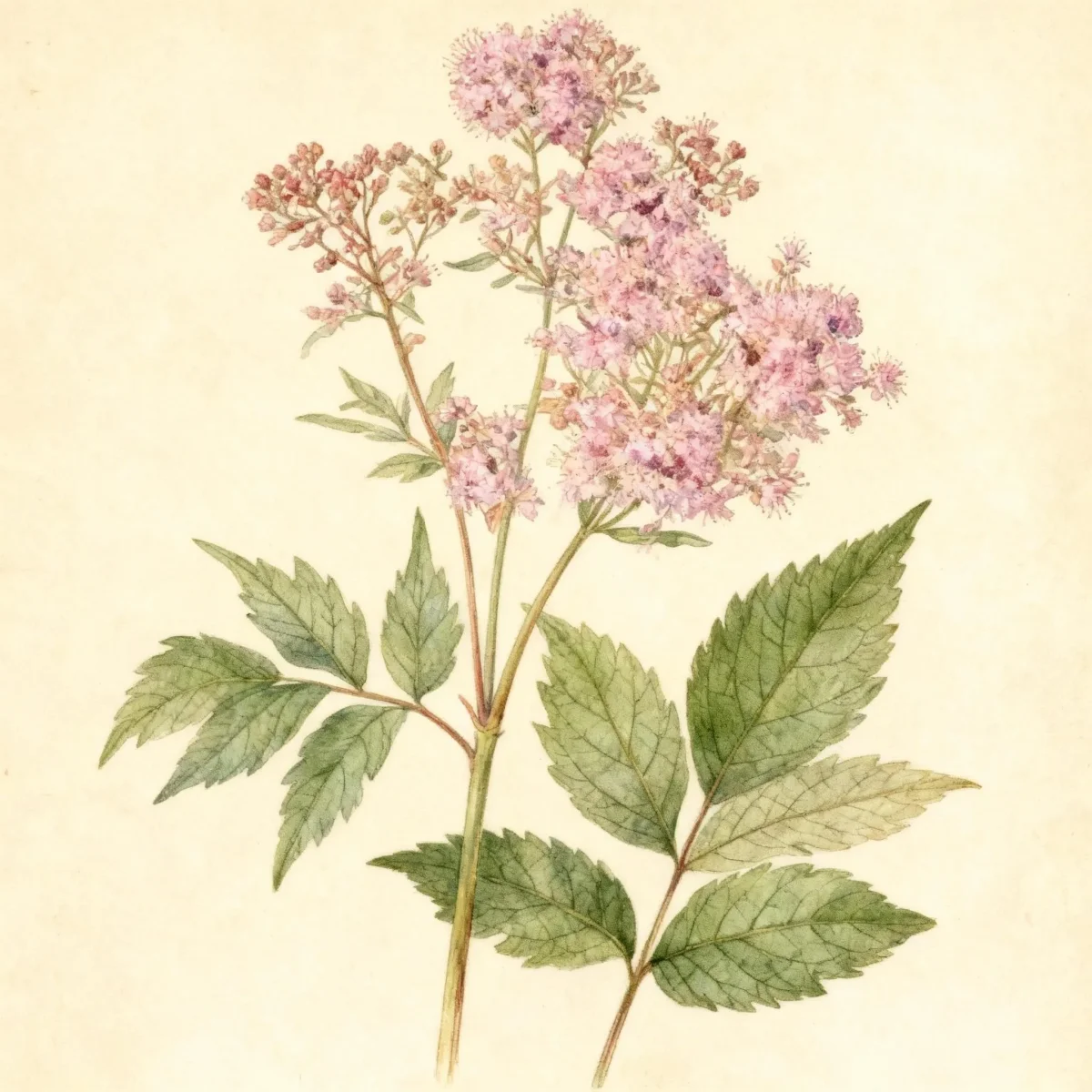
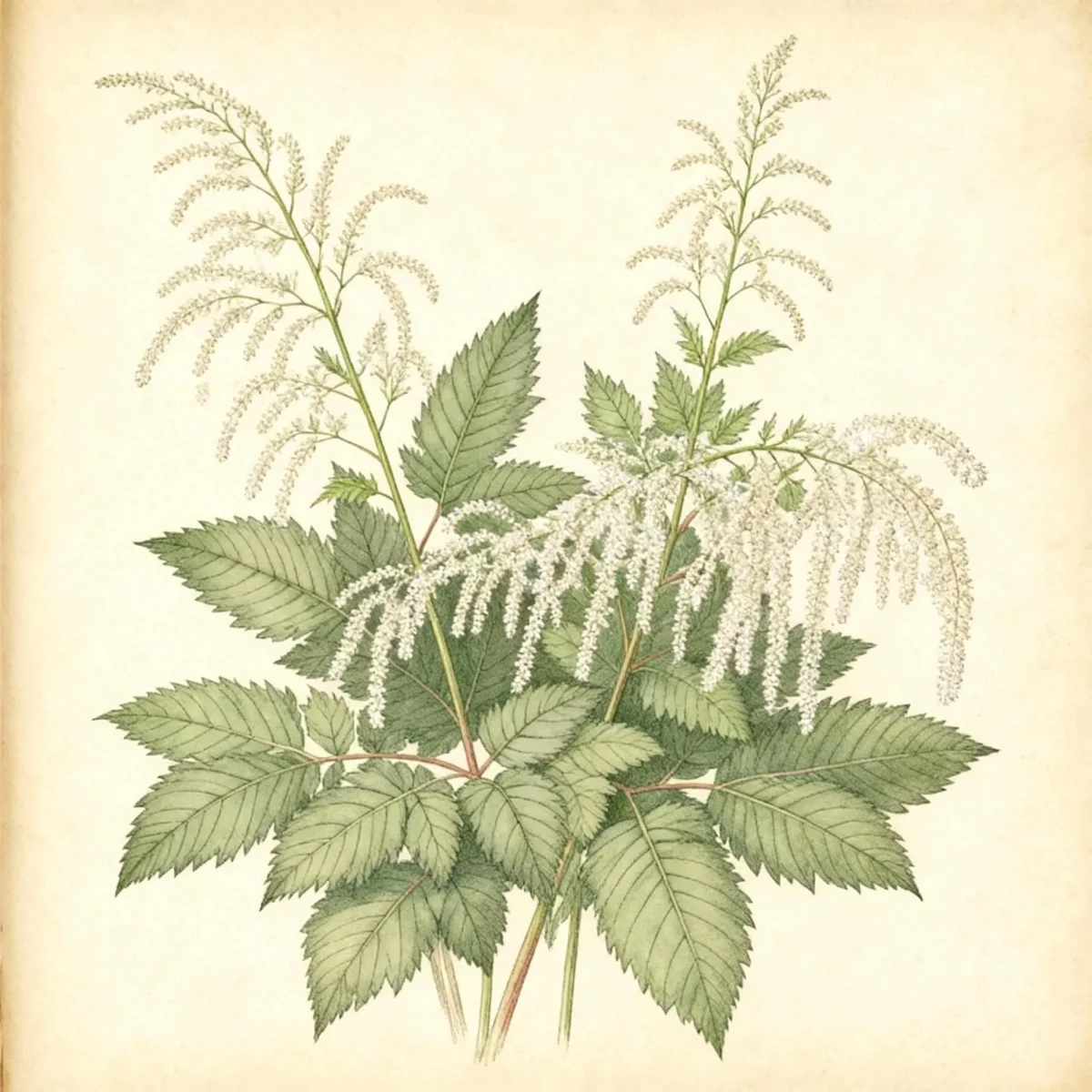
Queen of the prairie (Filipendula rubra)
The towering Queen of the prairie (Filipendula rubra) offers showy, fragrant pink blooms in summer, perfect for large, moist native gardens.
Scroll down to discover growing tips, care requirements, companion plants, and more
Complete Plant Information
Overview
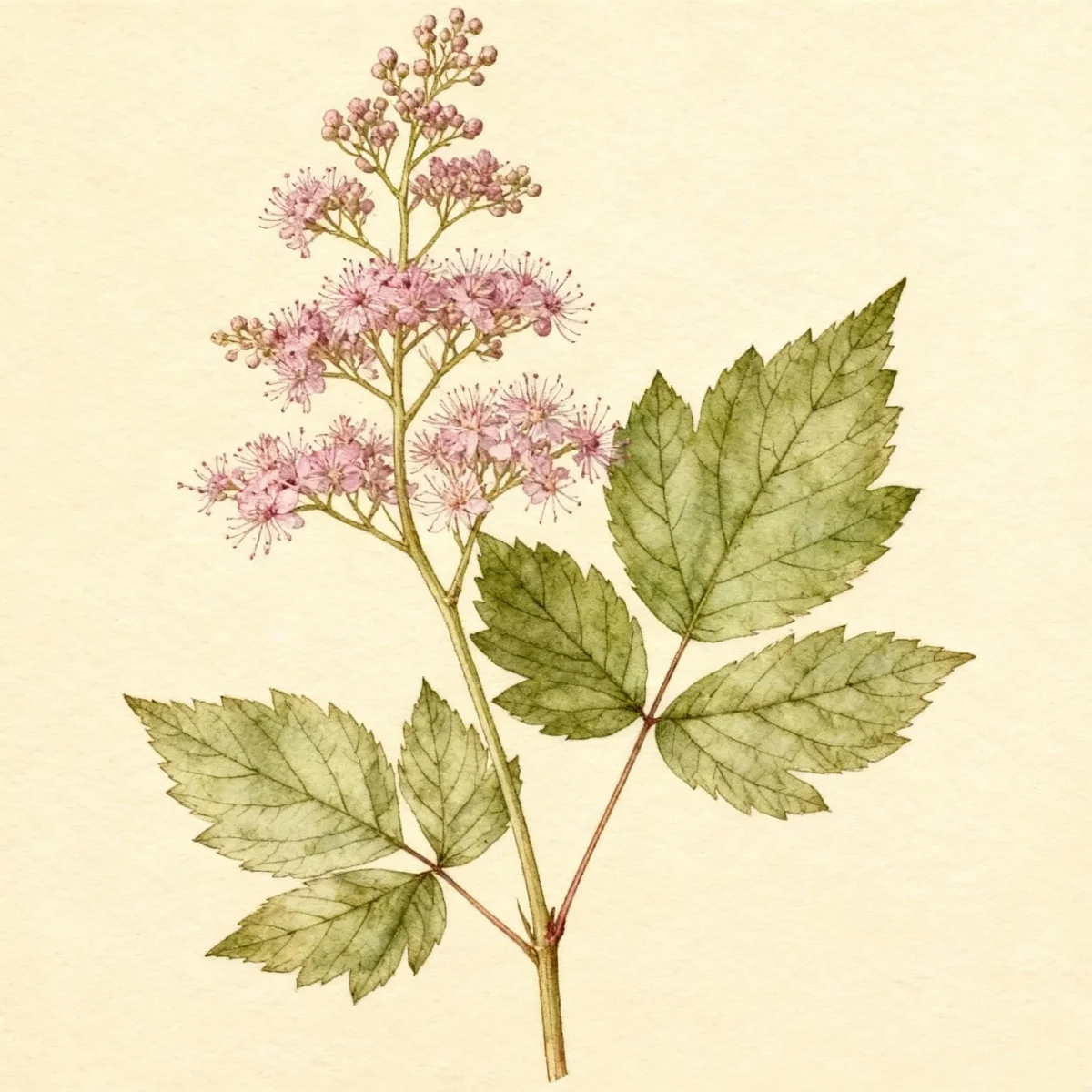
The Queen of the prairie, scientifically known as Filipendula rubra, commands attention in the landscape with its impressive stature, frequently reaching heights of six to eight feet. This U.S. Native perennial is highly valued for its spectacular display of tiny, fragrant, pale pink flowers borne on large terminal panicles during the summer months. It serves as a dramatic architectural element in large gardens where consistently moist soil conditions can be guaranteed.
As a clump-forming herbaceous perennial, Filipendula rubra establishes itself best in wet meadows or along water features, thriving in the humid conditions common to its native Eastern United States range. Beyond its fleeting but beautiful bloom, this plant offers attractive, deeply cut foliage that contributes significantly to garden texture. Gardeners seeking low-maintenance, high-impact native specimens will find the majestic Filipendula rubra an exceptional choice for naturalistic settings.
Fast Facts
- Plant Family: Rosaceae
- Plant Type: Herbaceous perennial
- Native Range: Eastern United States
- Hardiness Zones: USDA Zones 3-8
- Size at Maturity:
- Height: 6-8 ft
- Spread: 3-4 ft
- Bloom Time: June to August
- Bloom Description: Pale pink
- Sun Exposure: Full sun to part shade
- Water Needs: Medium to wet
- Maintenance Level: Low
How to Grow
Plant Filipendula rubra during the spring in an ideal location providing full sun or partial shade. This species performs best in average, medium to wet, well-drained soil that retains fertility and richness. It is intolerant of drought, meaning consistent moisture is key; locate it near ponds, streams, or within rain gardens where drainage is sufficient but soil remains consistently moist.
Maintenance for the Queen of the prairie is generally low once establishment occurs. Fertilization is typically unnecessary if the soil is naturally fertile and humusy. Deadheading spent flower panicles is unproductive as it does not prolong the bloom period, so it is best left intact.
If summer heat causes the foliage to decline or scorch—often a sign the soil dried out—cut the entire plant back hard in mid-summer to encourage a fresh flush of attractive growth for the remainder of the season. Propagation is easily managed by dividing existing clumps in the spring.
Landscape Uses
Filipendula rubra is truly a large plant designed for large-scale landscapes, offering spectacular results when massed together. Its height makes it perfectly suited for the rear of borders where it can provide a dramatic backdrop to shorter plantings. It integrates seamlessly into cottage gardens, taking advantage of its lush foliage and impressive flowers.
Because of its preference for moisture, the Queen of the prairie is an excellent candidate for ecological restorations, massing in wild or naturalized areas, or serving as a star specimen in dedicated rain gardens. Its native status also makes it valuable for sustainable, native plant gardens across the Eastern United States range.
Standout Features
Flower Qualities
- Showy
- Fragrant
Noteworthy Characteristics
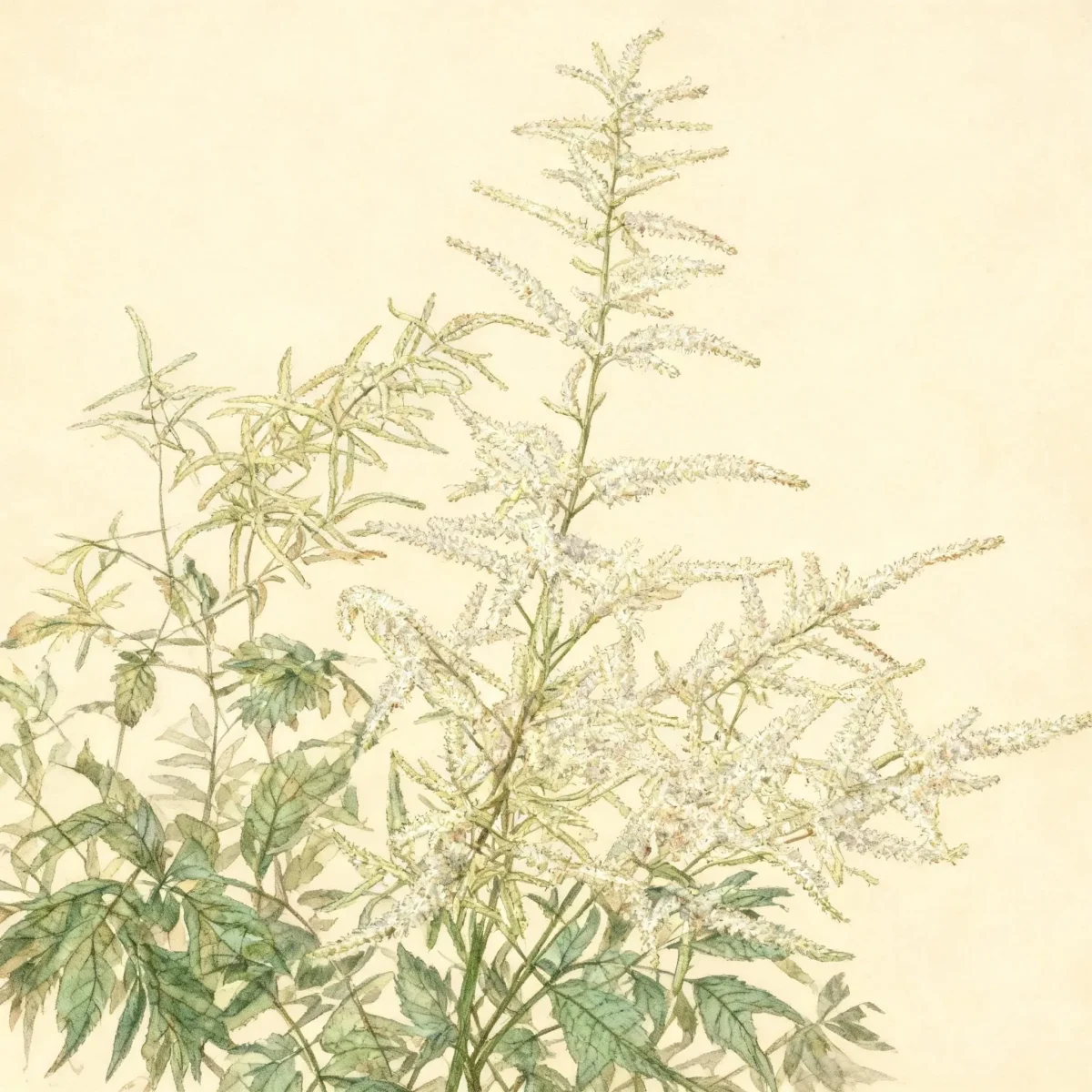
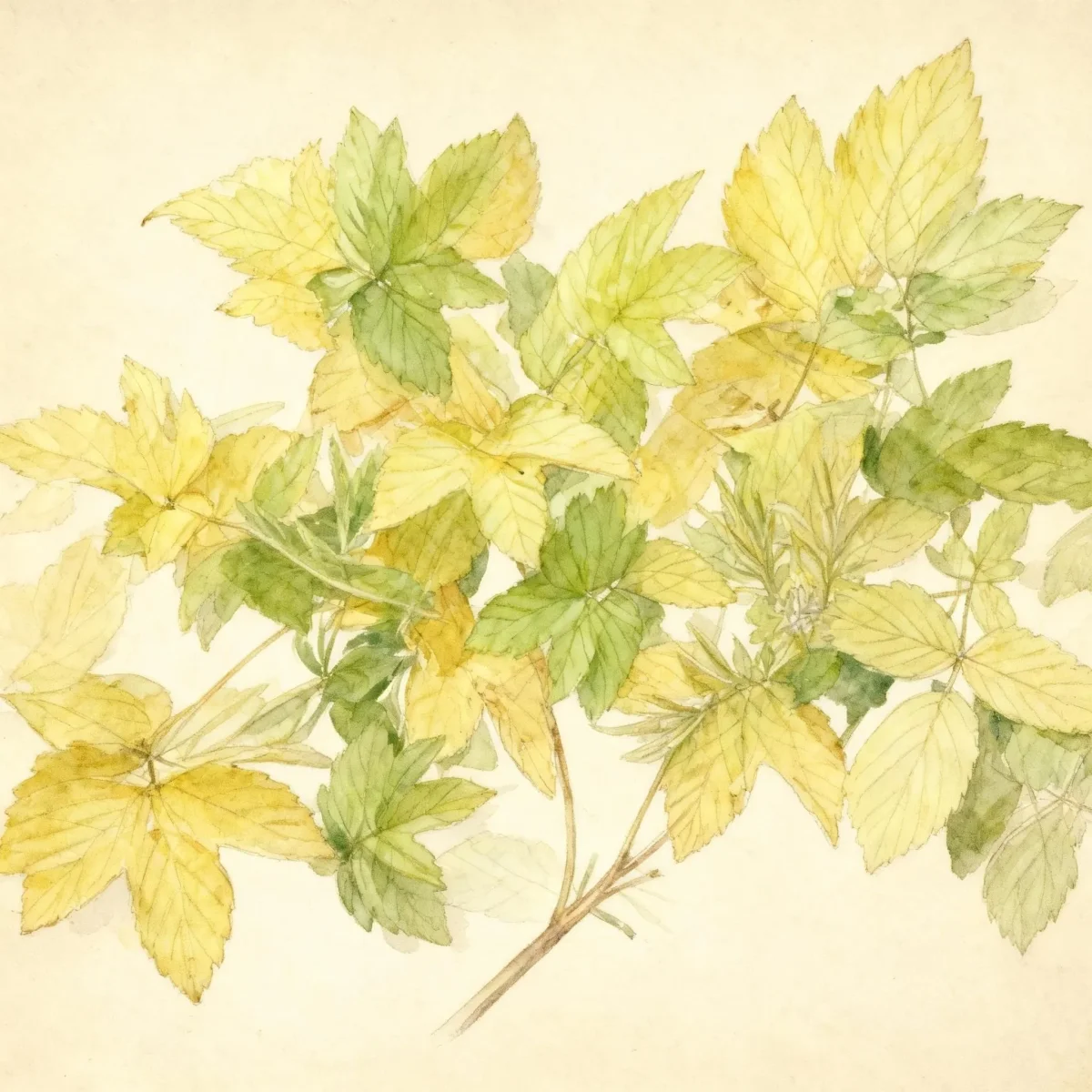
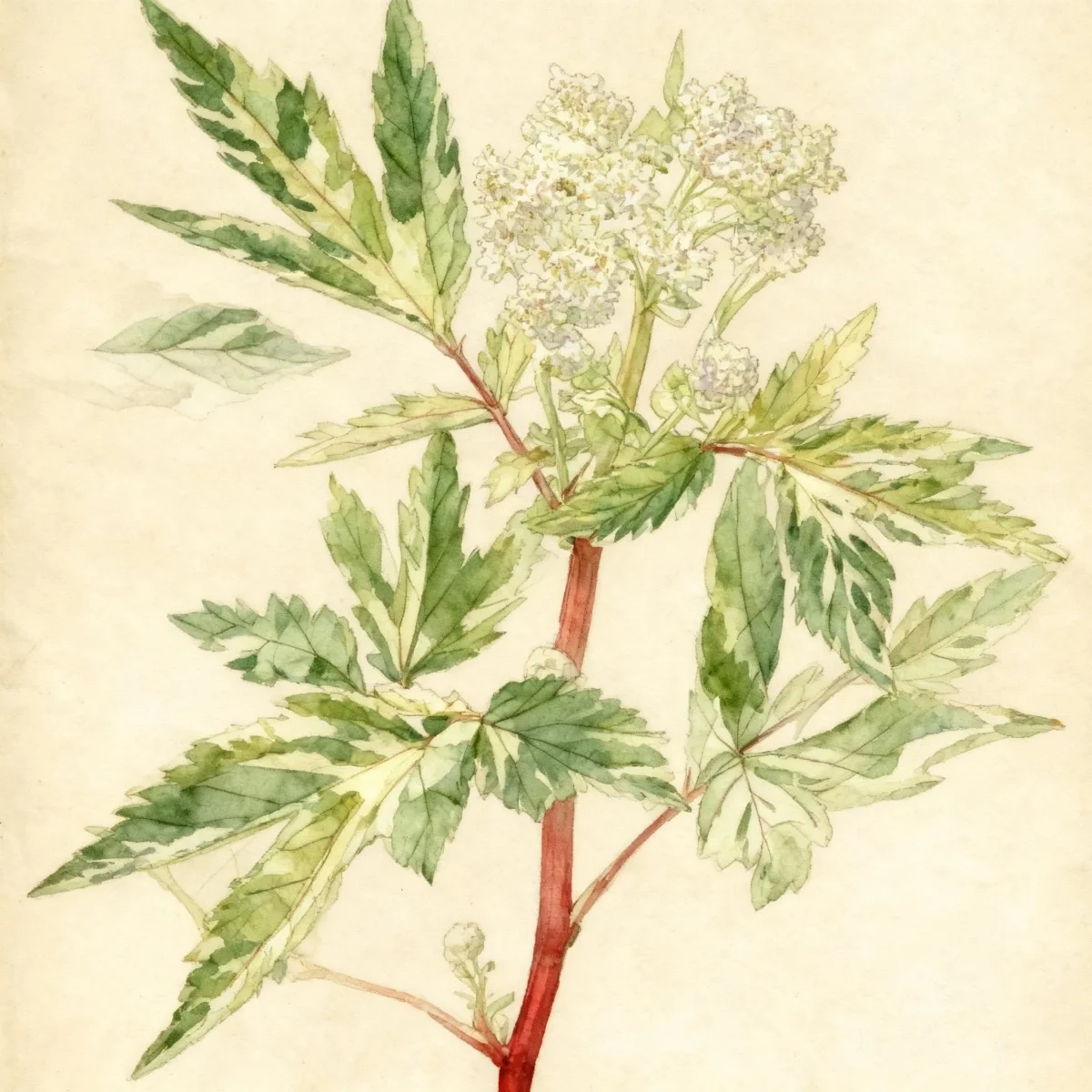
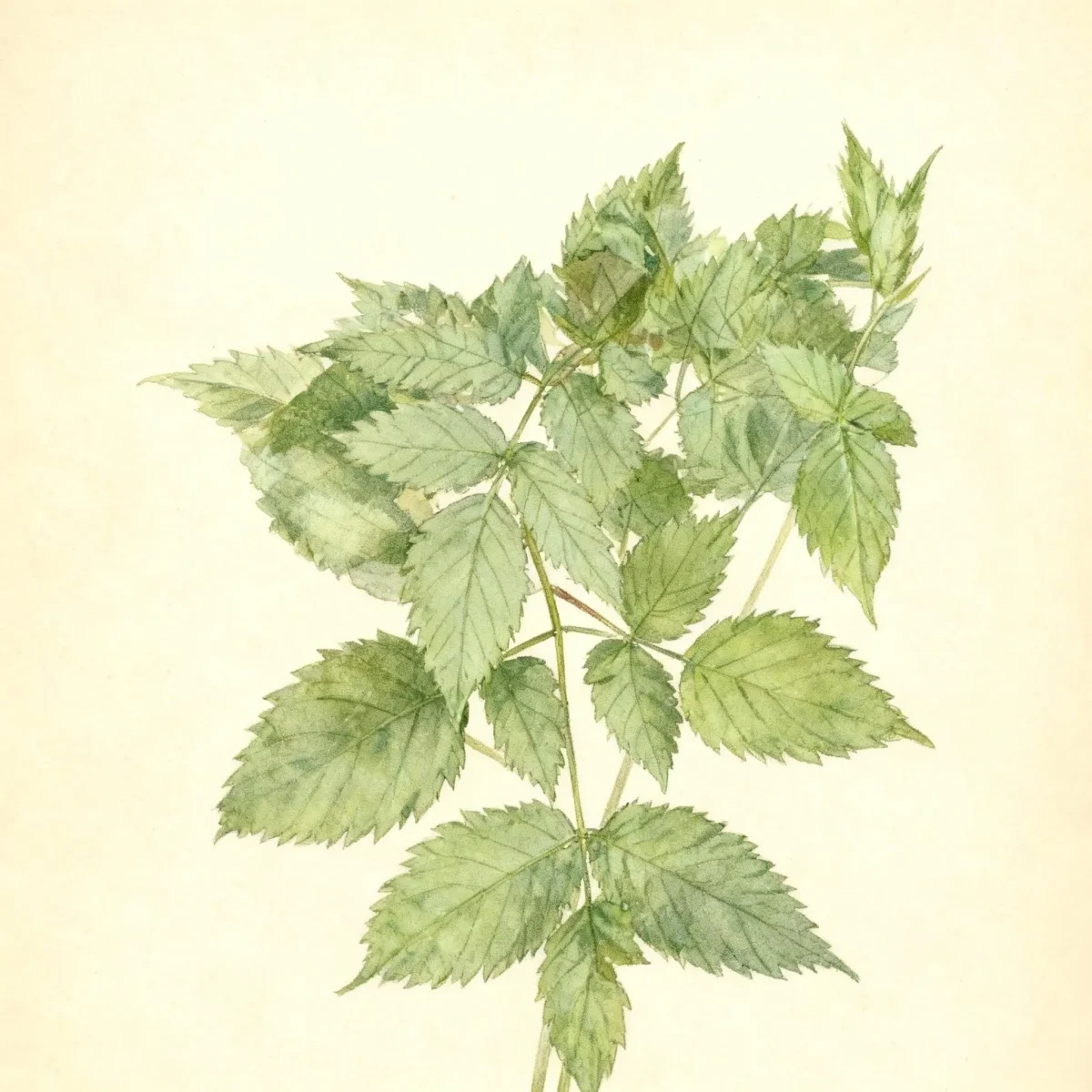
Filipendula rubra, commonly called queen of the prairie, is a U.S. Native perennial which ranges from Pennsylvania to Georgia and west to Iowa and Missouri. It is a very tall, upright, clump-forming perennial that typically grows 6-8’ tall and features branched, terminal, astilbe-like, 6-9” wide panicles (corymbs) of tiny, fragrant, pale pink flowers in early to mid summer. The deeply cut, compound-pinnate, bright green leaves are also fragrant, making this a good foliage plant valued for both its leaves and its flowers.
Tolerances
- Deer
- Clay Soil
Potential Problems
This sturdy plant typically avoids serious insect or disease issues, offering reliable performance. Because the Queen of the prairie grows quite tall (up to 8 feet), some gardeners worry about staking requirements. However, this plant usually remains upright without support, provided it receives adequate water and is not subjected to high winds in overly exposed locations.
Frequently Asked Questions
What hardiness zones is Queen of the prairie suitable for?
Filipendula rubra is reliably hardy in USDA Zones 3 through 8.
How large does Queen of the prairie grow?
This towering perennial typically reaches heights between 6 and 8 feet, with a spread ranging from 3 to 4 feet wide.
When does Queen of the prairie bloom?
The pale pink, showy flowers of Filipendula rubra typically appear from June into August.
Conclusion
For gardeners with space and reliably moist conditions, the Queen of the prairie (Filipendula rubra) provides unmatched vertical interest and delicate summer fragrance. Its low maintenance needs and robust constitution make it a reliable feature in large-scale natural plantings. Check your soil moisture levels and prepare a spot in your native garden this spring to welcome this magnificent perennial.
Companion Planting
When selecting companions for Filipendula rubra, prioritize other moisture-loving perennials that can handle its height or those that provide contrast in texture or color. Species like Joe-Pye Weed (Eutrochium species) pair well, as they share similar wet soil requirements and mature at comparable towering heights, creating a cohesive meadow effect. For areas receiving partial shade, hostas with blue or variegated foliage can offer excellent textural contrast beneath the airy pink blooms.
Consider plants with different bloom times to extend visual interest throughout the season. Tall irises or native marsh marigolds are excellent spring partners before the Filipendula rubra reaches its peak height. Maintaining moisture is the primary goal, so select neighbors that also suffer if their roots dry out.
Wildlife Benefits
The fragrant, showy flowers of the Queen of the prairie are highly attractive to various beneficial insects, though specific pollinator focus should be verified based on local ecology. Since the plant is native throughout much of the Eastern US, it provides necessary structural support and nectar sources throughout the growing season. Its dense clump structure can also offer cover for small ground-dwelling creatures in naturalized areas.