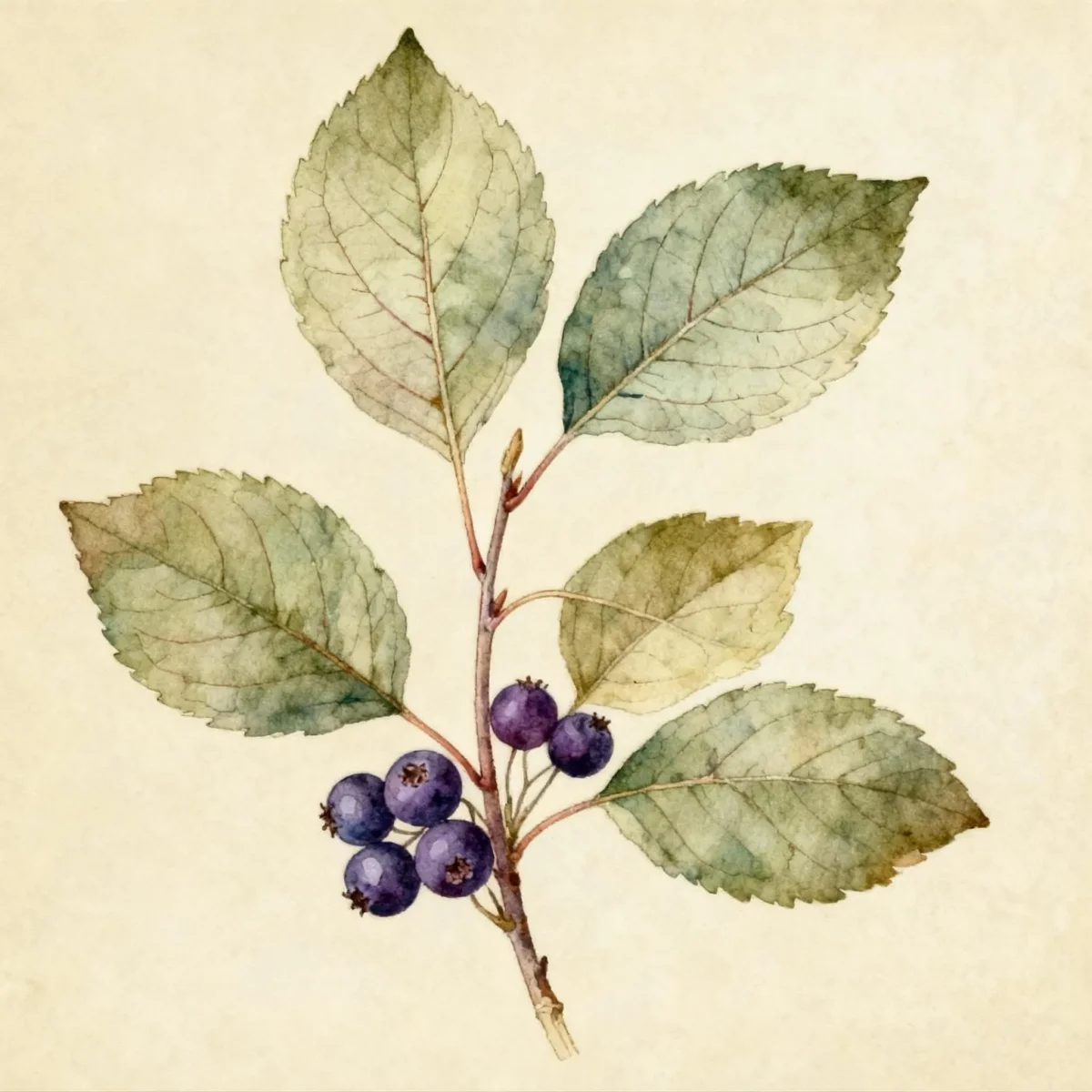
Purple-fruited chokeberry (Aronia × prunifolia)
Aronia × prunifolia, Purple-fruited chokeberry, is a resilient deciduous shrub offering white spring flowers and persistent purple fall fruit.
Scroll down to discover growing tips, care requirements, companion plants, and more
Complete Plant Information
Overview
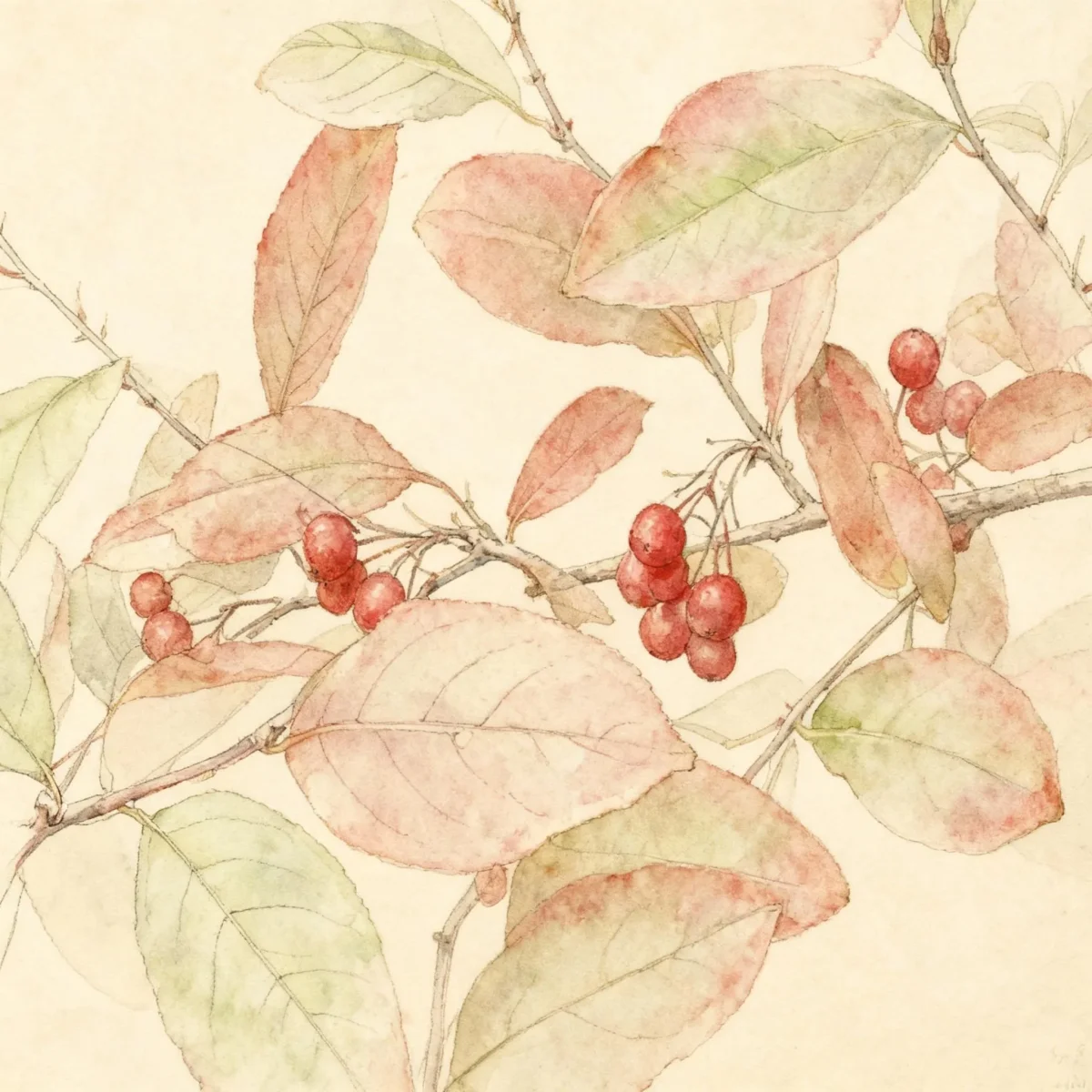
The Purple-fruited chokeberry (Aronia × prunifolia) is a robust, low-maintenance deciduous shrub valued for its multi-season interest in the landscape. As a natural hybrid, it combines the best traits of its parent species, offering attractive white blossoms in spring followed by dense clusters of purple berries that persist well into the winter months. Gardeners appreciate Aronia × prunifolia for its adaptability and the stunning wine-red tones its foliage adopts before leaf drop.
This hardy shrub typically matures between 8 and 12 feet tall, thriving across USDA zones 4 through 7. While it is frequently used for hedges or mass plantings, it also fills naturalized areas effectively due to its tendency to sucker and form colonies over time. The Purple-fruited chokeberry stands out as an excellent choice for challenging sites requiring minimal intervention.
With its excellent fall color and persistent fruit display, Aronia × prunifolia provides consistent visual appeal, making it a highly practical and rewarding addition to the Eastern North American garden setting. Ensure proper spacing to accommodate its mature spread of 6 to 9 feet.
Fast Facts
- Plant Family: Rosaceae
- Plant Type: Deciduous shrub
- Native Range: Eastern North America
- Hardiness Zones: USDA Zones 4-7
- Size at Maturity:
- Height: 8-12 ft
- Spread: 6-9 ft
- Bloom Time: May
- Bloom Description: White
- Sun Exposure: Full sun to part shade
- Water Needs: Medium
- Maintenance Level: Low
How to Grow
Plant Aronia × prunifolia when dormant, ideally in early spring or fall, allowing it time to establish before summer heat or winter freezes. This shrub exhibits wide soil tolerance, flourishing in average, medium, well-drained soils. For optimal fruit production, site your Purple-fruited chokeberry where it receives full sun, although it tolerates partial shade well.
Water moderately until the plant is fully established. Once mature, the Purple-fruited chokeberry requires only medium water, making it relatively drought-tolerant compared to many ornamental shrubs. Fertilization is rarely necessary due to its vigorous nature and adaptability to various soil types.
A key maintenance consideration for Aronia × prunifolia is managing its colonial spread; if you wish to keep the shrub confined, actively remove root suckers as they emerge. A positive note for propagation enthusiasts is that plants reportedly come true from seed. Pruning is generally minimal, focusing on removing dead or crossing branches during dormancy.
Landscape Uses
The versatility of Aronia × prunifolia allows it to transition seamlessly between formal and natural settings. Its dense structure and medium maintenance level make it an excellent foundational plant for large shrub borders, providing reliable screening or backdrop texture throughout the seasons. When used functionally, it excels as a hedge, though aggressive suckering should be expected and managed near tidy lawns.
For a more naturalistic design, group or mass these shrubs in woodland areas or along the margins of ponds or streams. The Purple-fruited chokeberry tolerates wet conditions remarkably well, making marginal planting a superb application where other shrubs might fail. Its suckering habit is actually beneficial in these naturalized areas, helping to stabilize stream banks.
Consider pairing Aronia × prunifolia with other native shrubs that share similar light and moisture needs, such as serviceberries (Amelanchier) for spring bloom overlap, or utilizing the vibrant fall color as a contrast against green evergreens.
Standout Features
Flower Qualities
- Showy
Fruit Qualities
- Showy
- Edible
Noteworthy Characteristics
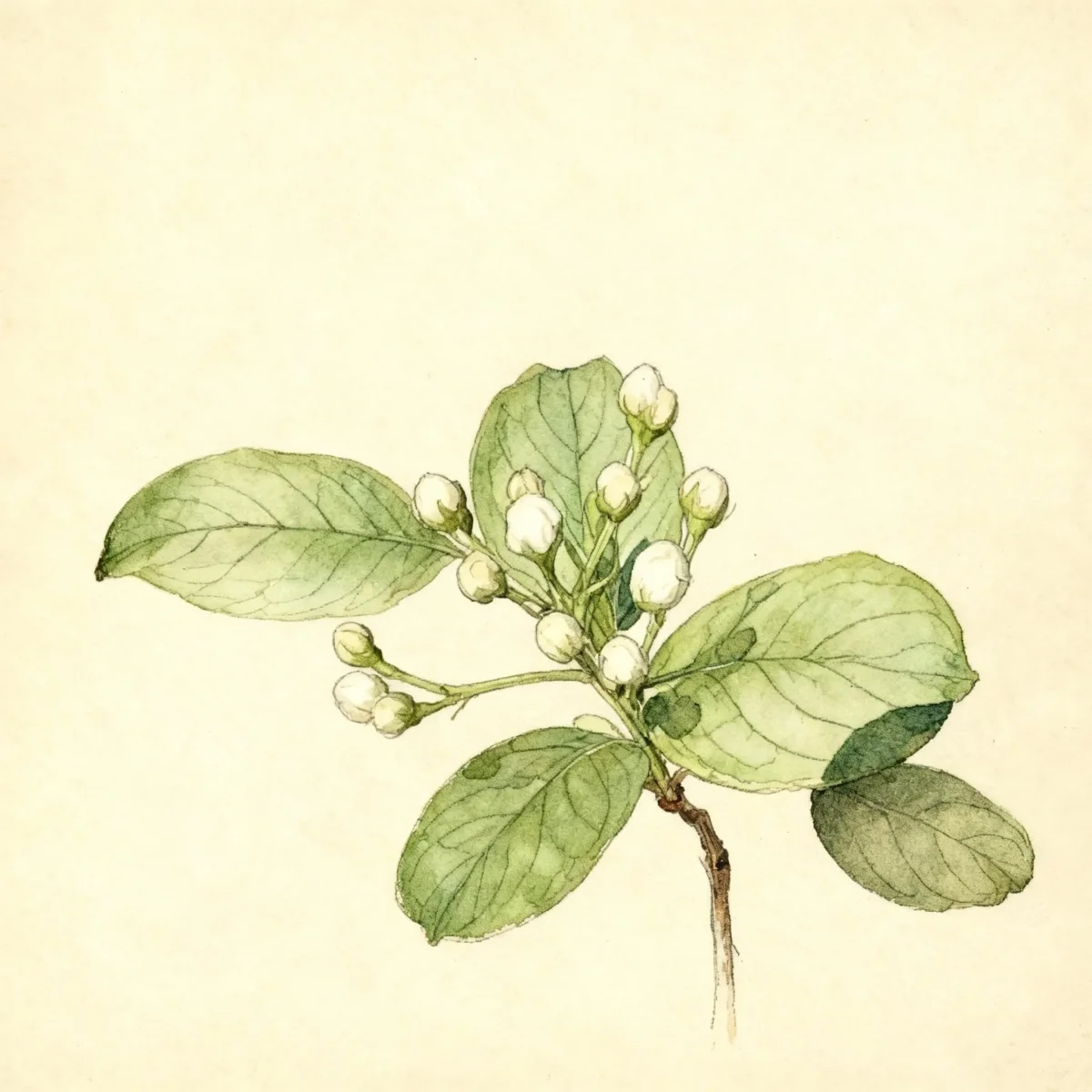
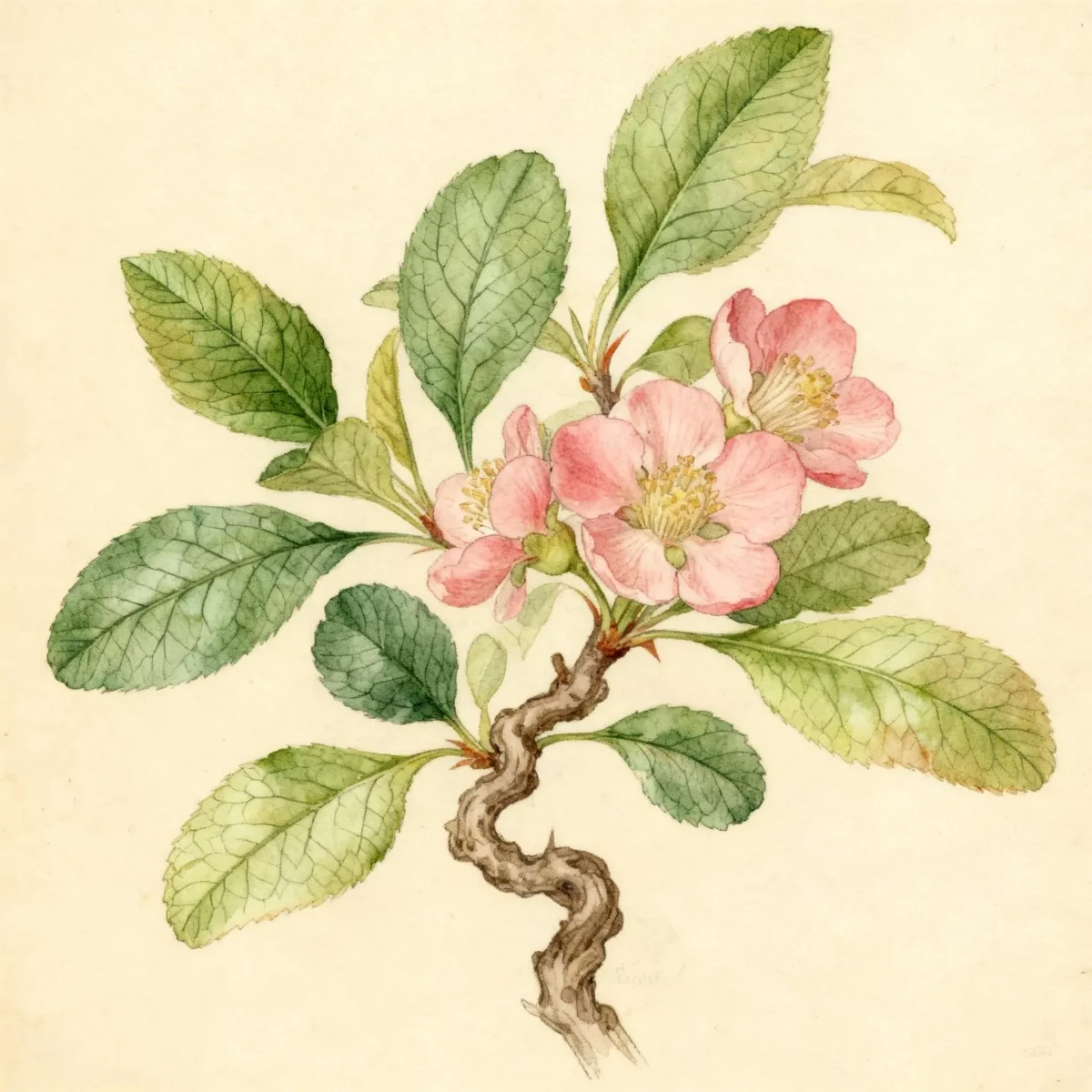
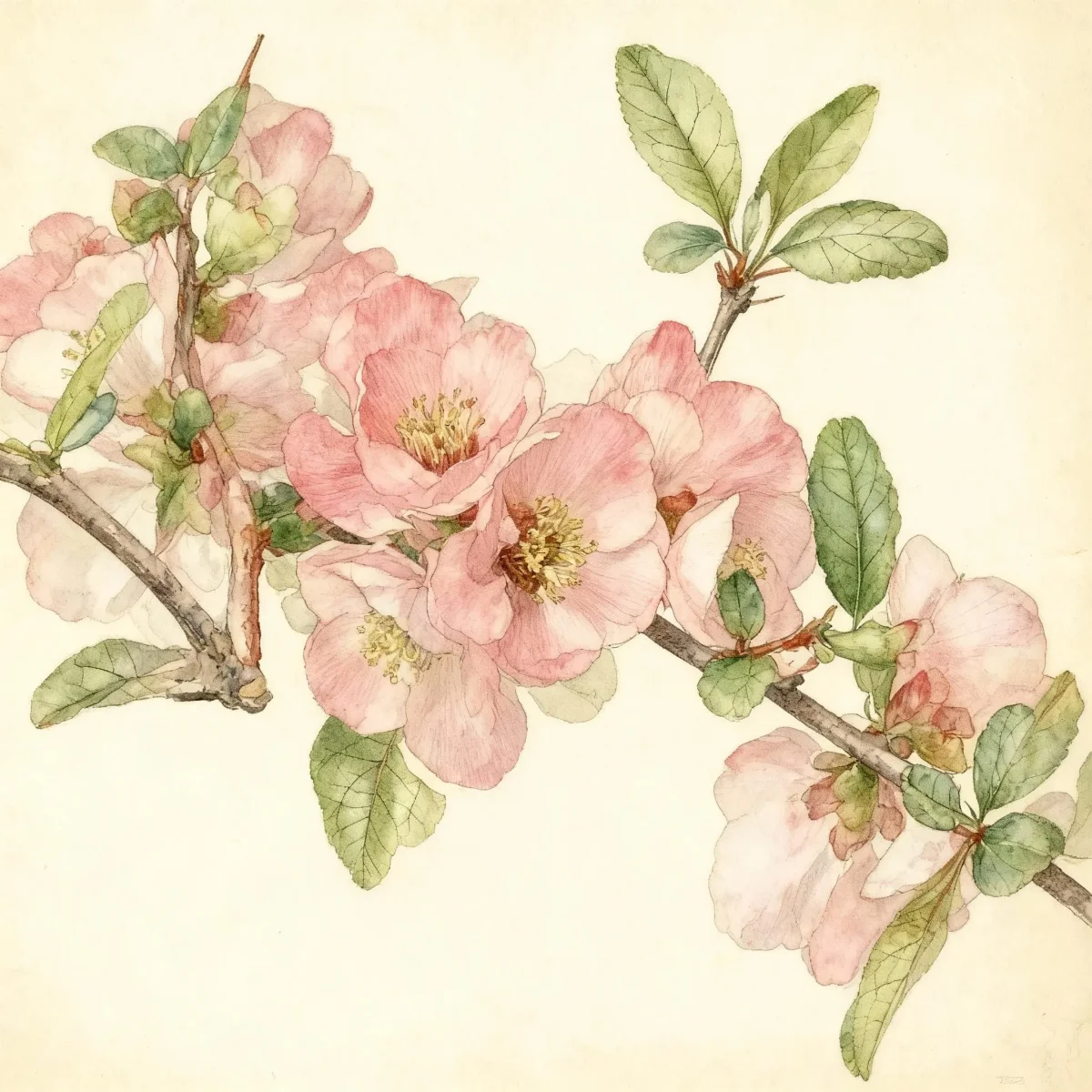
Aronia × prunifolia is recognized for its purple fruits, leading to its common name, purple chokeberry. This hybrid typically grows slowly to 8-12 ft tall and features clusters of white, 5-petaled flowers that appear in spring. The dark green leaves turn a distinctive wine red in autumn, while the abundant purple fruits ripen in late summer and persist into winter.
Tolerances
No tolerances were explicitly listed in the source data for Aronia × prunifolia.
Potential Problems
Serious insect or disease issues are rare for the Purple-fruited chokeberry, contributing significantly to its low-maintenance status. However, there is some documented susceptibility to common fungal issues, specifically leaf spots and twig/fruit blight.
To minimize fungal risk, ensure adequate air circulation around the shrubs, especially if planting densely for a hedge. Avoid overhead watering late in the day, which keeps foliage wet overnight, encouraging pathogen development. Promptly removing blighted twigs can prevent the spread of infection within the plant structure.
Frequently Asked Questions
What hardiness zones is Purple-fruited chokeberry suitable for?
Aronia × prunifolia is best suited for USDA Hardiness Zones 4 through 7.
How large does Aronia × prunifolia grow?
This deciduous shrub generally reaches a mature height between 8 and 12 feet, with a corresponding spread of 6 to 9 feet.
What sun exposure does Aronia × prunifolia need?
For best performance and fruit set, the Purple-fruited chokeberry requires full sun, though it adapts well to partial shade.
When does Purple-fruited chokeberry bloom?
The shrub flowers in May, producing clusters of small white blossoms.
Conclusion
The Aronia × prunifolia, or Purple-fruited chokeberry, is an exceptionally adaptable and ornamental plant, delivering excellent visual interest from spring flowers through persistent winter fruit. Its low maintenance demands and wide soil tolerance make incorporating this resilient shrub simple for most gardeners. Before planting, verify that your site falls within USDA Zones 4-7 to ensure successful, long-term establishment.
Companion Planting
Selecting appropriate companions enhances the landscape appeal of Aronia × prunifolia. Since this chokeberry tolerates wet margins, pair it with moisture-loving natives like Blue Flag Iris (Iris versicolor) or Swamp Milkweed (Asclepias incarnata). These companions offer contrasting flower shapes and textures during the summer months.
For drier, sunny locations where you are using the Purple-fruited chokeberry as a hedge row boundary, consider using plants with contrasting foliage color, such as yellow-leaved varieties of Ninebark (Physocarpus opulifolius). This ensures that even when the chokeberry is out of bloom, the overall border provides seasonal vibrancy.
Wildlife Benefits
The flowers of Aronia × prunifolia provide early nectar for beneficial insects as they begin activity in May. More significantly, the dense clusters of purple berries left on the branches throughout fall and winter offer a vital late-season food source for local bird populations.
Due to its colonial growth habit from suckering, this shrub also creates dense cover utilized by smaller wildlife for shelter and nesting opportunities. Successfully integrating the Purple-fruited chokeberry into a border supports local biodiversity while simultaneously fulfilling your landscape needs.