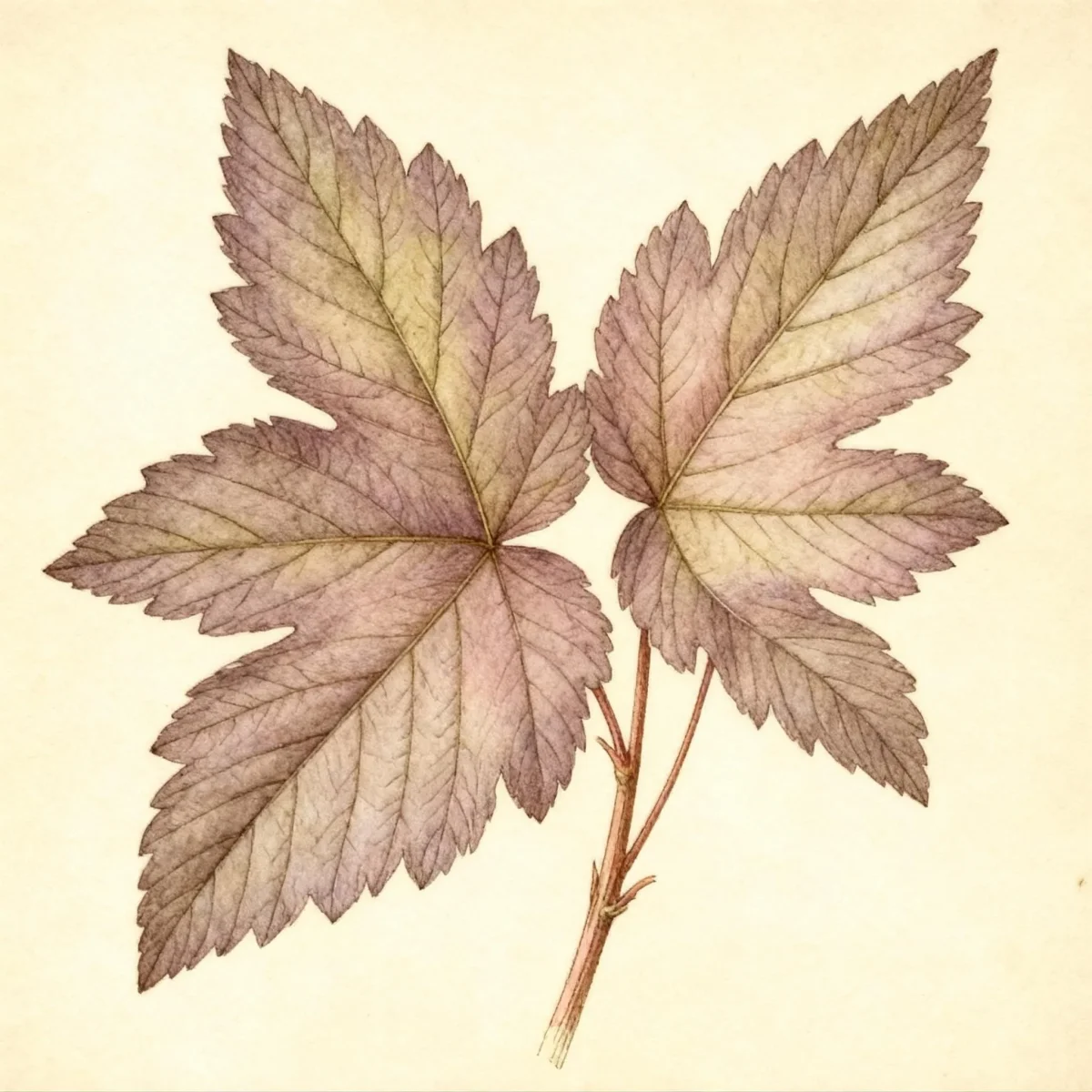
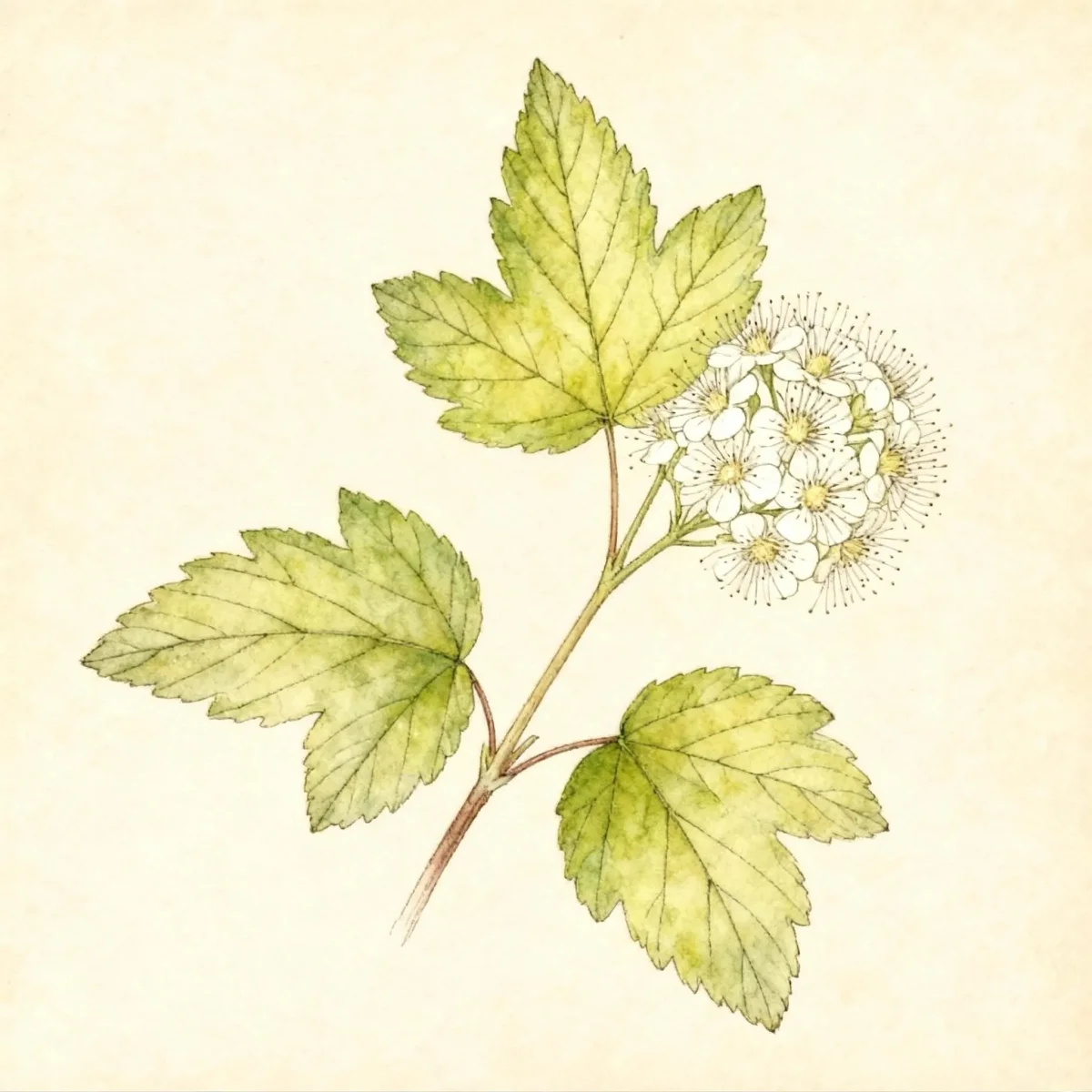
Ninebark (Physocarpus opulifolius)
Hardy Physocarpus opulifolius (Ninebark) is a versatile, low-maintenance shrub valued for exfoliating bark and white-to-pink spring blooms.
Scroll down to discover growing tips, care requirements, companion plants, and more
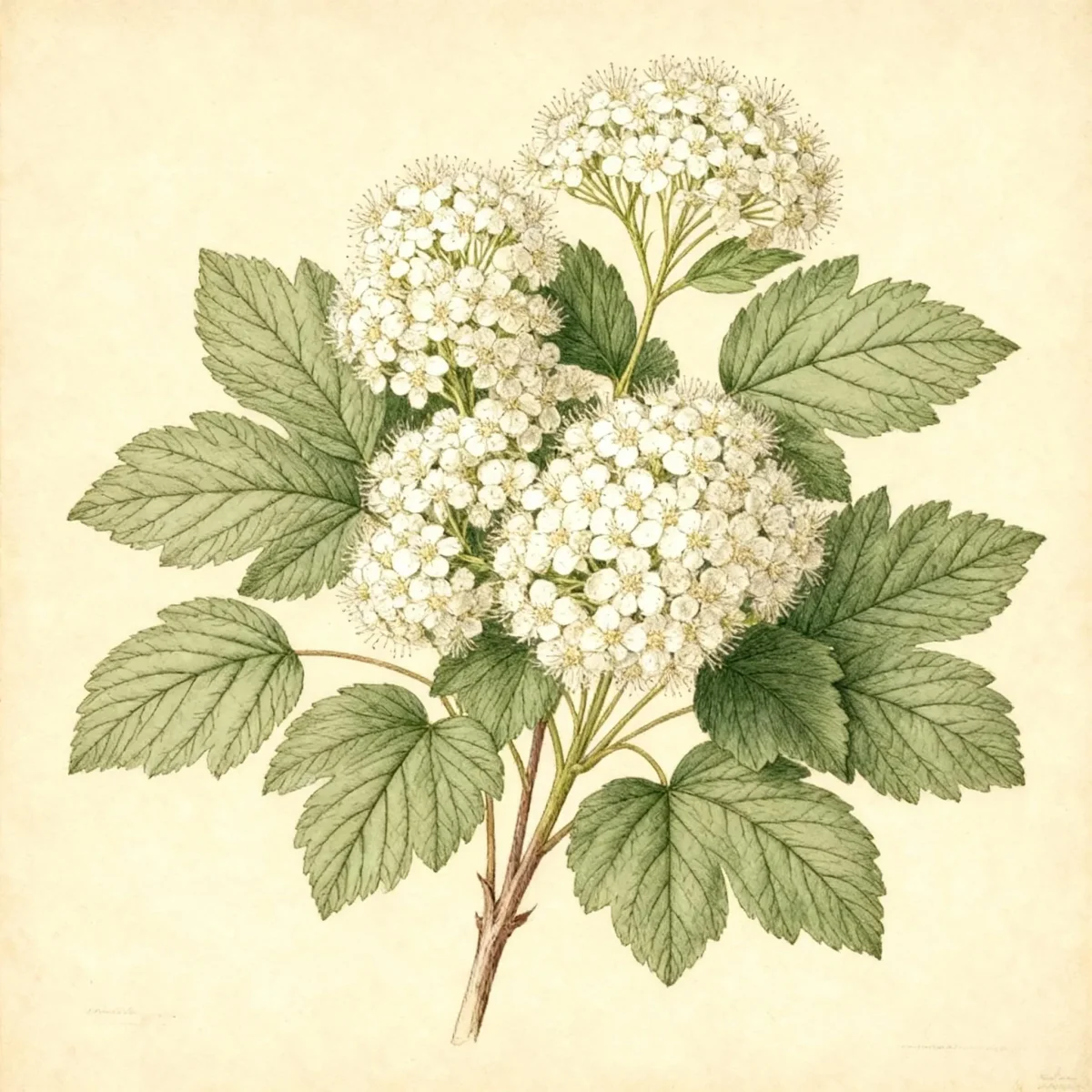
Complete Plant Information
Overview
The Ninebark, scientifically known as Physocarpus opulifolius, is a robust native shrub prized for its multi-season interest and exceptional resilience. Its defining feature is the unique, exfoliating bark that peels in thin strips on mature branches, revealing attractive reddish-brown inner layers that provide critical winter structure. This upright, spreading deciduous shrub adapts well to challenging site conditions, making it a dependable backbone plant in many landscapes.
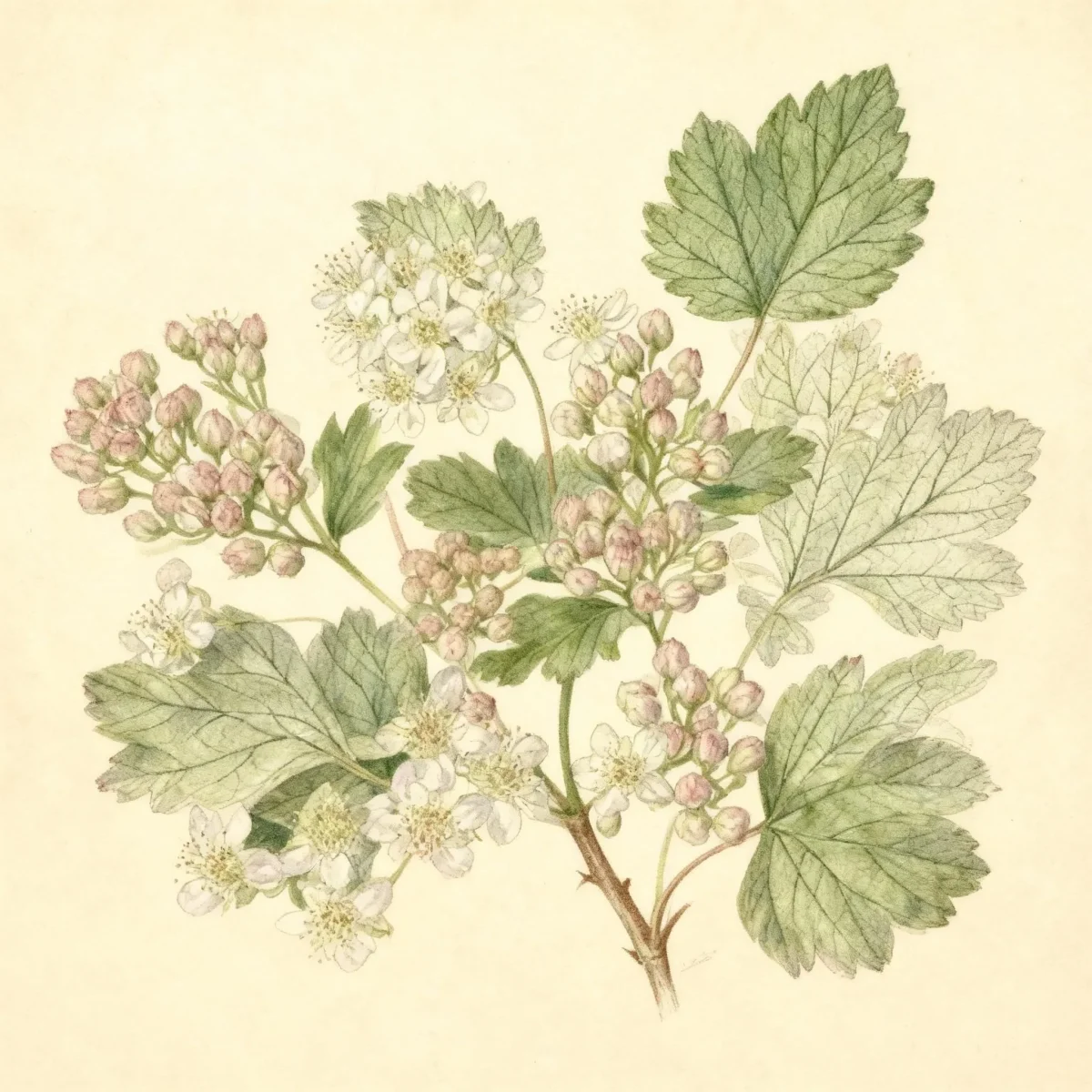
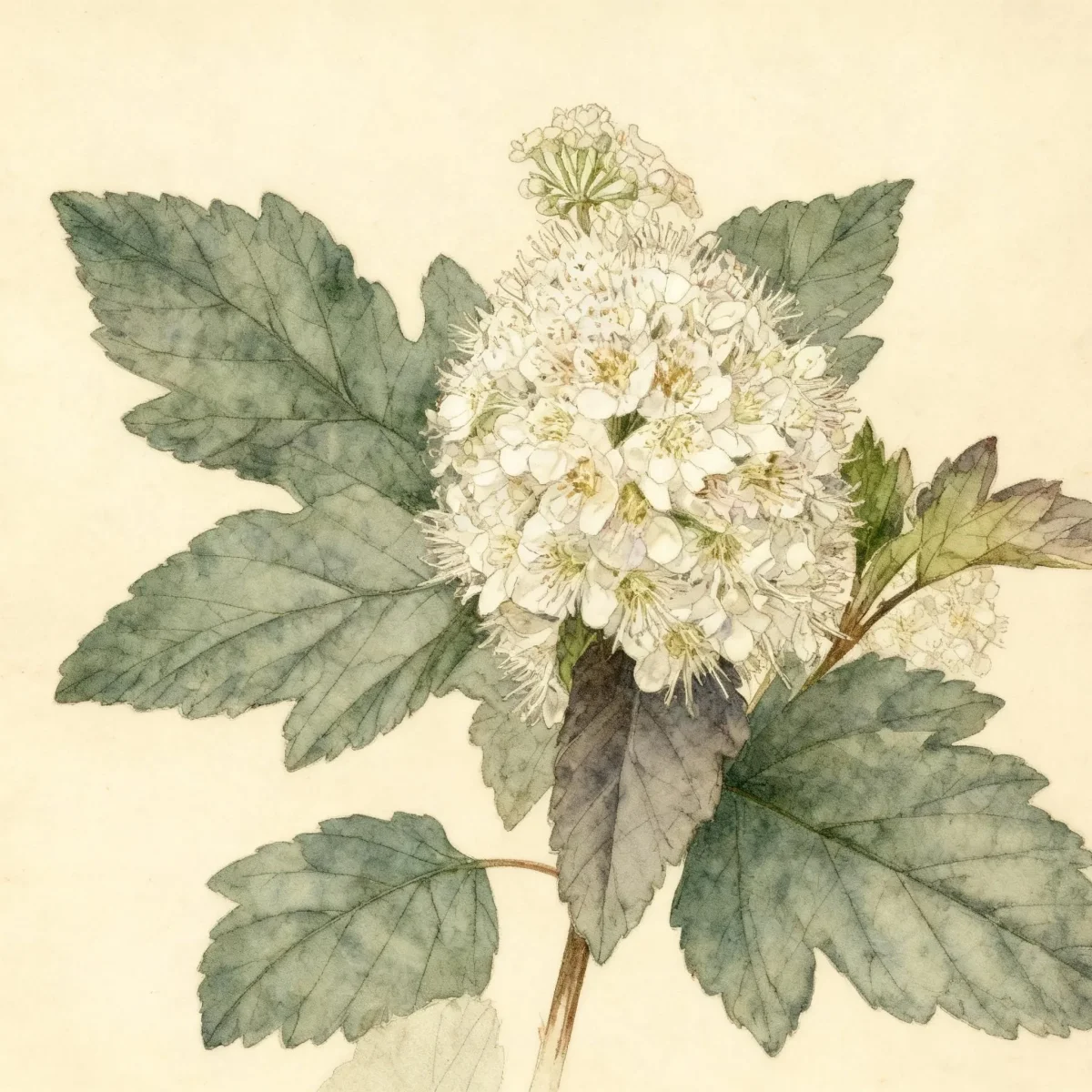
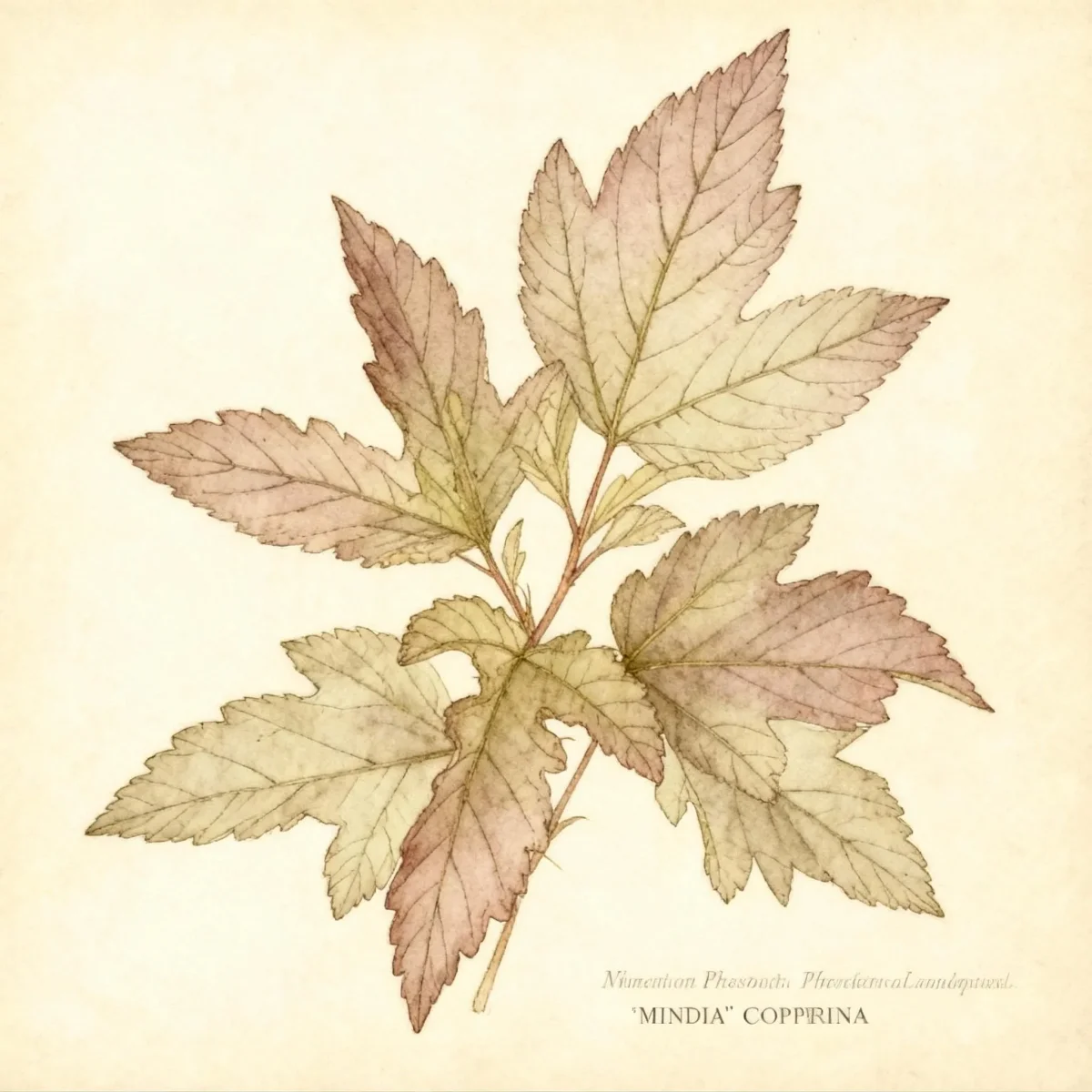
Flowering occurs from late spring into early summer, showcasing clusters of small white or pink, spirea-like flowers that attract pollinators. While the summer foliage—typically dull green and lobed—is attractive, the overall appeal of Physocarpus opulifolius lies in its toughness and year-round bark display. Gardeners value Ninebark for its ability to establish quickly and tolerate poor soils.
As a Missouri native, the Ninebark is naturally suited to various ecosystems across Central and Eastern North America. It offers significant functional value, serving effectively as a screen, hedge, or bank stabilizer, embodying both aesthetic appeal and practical landscape engineering.
Fast Facts
- Plant Family: Rosaceae
- Plant Type: Deciduous shrub
- Native Range: Central and eastern North America
- Hardiness Zones: USDA Zones 2-8
- Size at Maturity:
- Height: 5-8 ft
- Spread: 4-6 ft
- Bloom Time: May to June
- Bloom Description: White or pink
- Sun Exposure: Full sun to part shade
- Water Needs: Dry to medium
- Maintenance Level: Medium
How to Grow
Physocarpus opulifolius is known for being easily established. For the best performance, plant the Ninebark in average, slightly acidic, well-drained soil. While it tolerates a wide range of moisture levels, ensure the soil is not constantly waterlogged. Planting in full sun maximizes vigor and flower production in cooler northern regions, but in hotter, more humid climates, afternoon shade is beneficial to prevent scorch.
Watering requirements are moderate once established; allow the soil to dry slightly between waterings (“dry to medium” moisture). Fertilization is rarely necessary unless the soil is extremely poor. The primary care requirement for Ninebark involves pruning. Prune as needed immediately after the bloom period concludes, ensuring all pruning is completed no later than mid-August to allow new wood to harden before winter.
For revitalization or size management on older specimens, Physocarpus opulifolius responds well to harder pruning. Plants can be cut close to the ground (coppiced) during early spring before new growth begins. This drastic measure rejuvenates older stems and rejuvenates the exfoliating bark display on the new growth.
Landscape Uses
The tough nature of Ninebark makes it an exceptionally versatile plant suitable for challenging locations. It excels when massed in shrub borders, where its form provides strong structure throughout the year. Due to its height and density capability, Physocarpus opulifolius is highly effective when utilized as a formal hedge or an informal screen, particularly where speed of establishment is important.
Furthermore, this shrub is an excellent choice for native plant gardens. Its tolerance for difficult substrate conditions—including shallow, rocky soil and clay—means it can be successfully deployed on slopes for erosion control on banks where other shrubs might struggle to thrive. While specific companion plants aren’t listed, consider pairing Ninebark with perennials or smaller shrubs that contrast its coarse texture or highlight its bark in winter.
Standout Features
Flower Qualities
- Showy
Noteworthy Characteristics
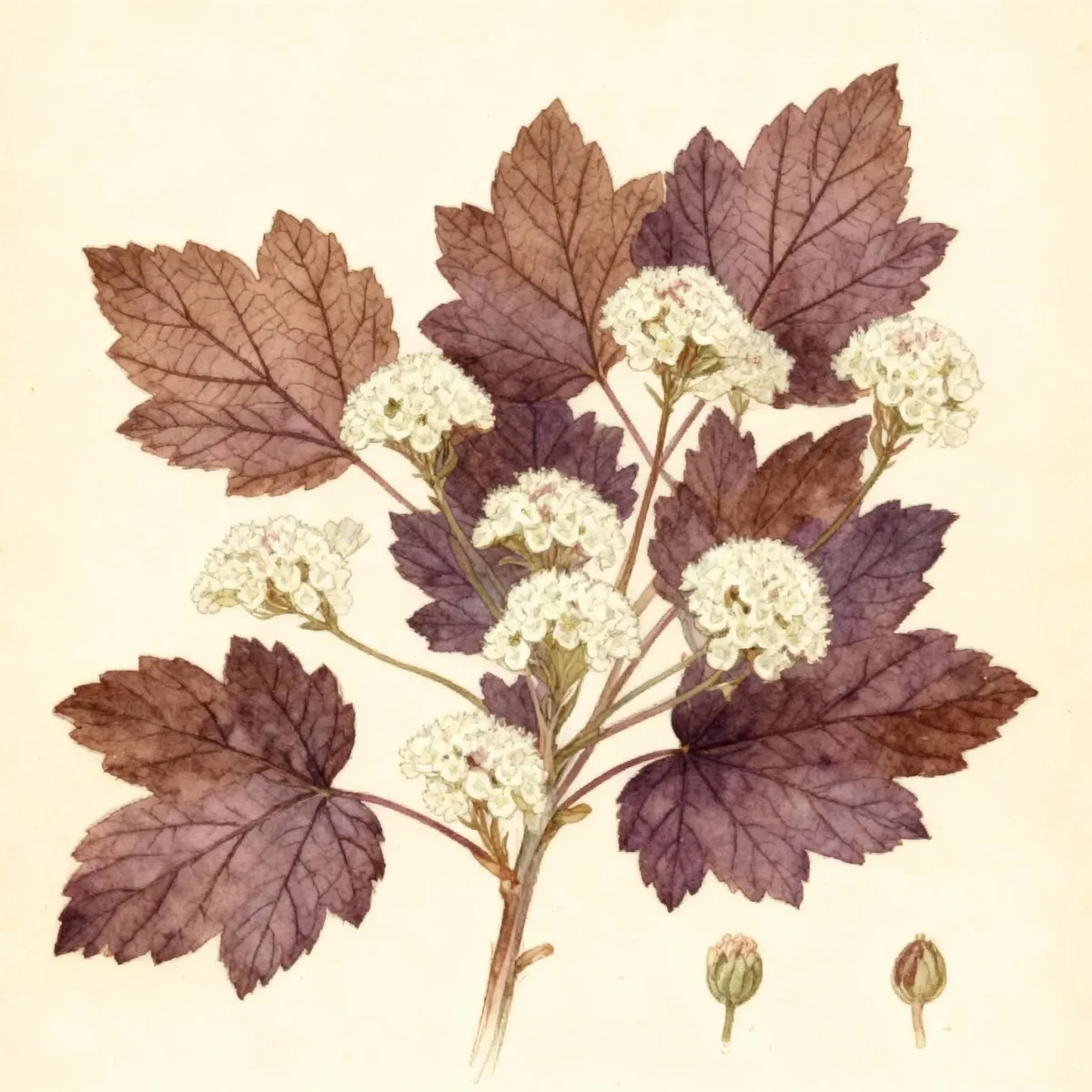
Physocarpus opulifolius, commonly called ninebark, is noted for its exfoliating bark which peels in strips to reveal several layers of reddish to light brown inner bark, lending the plant its common name. Features small pink or white, five-petaled flowers appearing in dense, flat, rounded clusters in late spring. This shrub presents an upright, spreading habit and is beneficial in the garden for its interest across all four seasons.
Tolerances
The high resiliency of Ninebark is demonstrated by its wide array of tolerances:
- Drought
- Erosion
- Clay Soil
- Dry Soil
- Wet Soil
- Shallow-Rocky Soil
- Black Walnut
Potential Problems
Potential issues for Ninebark include fireblight, powdery mildew, and various leaf spots. Powdery mildew often manifests during hot, humid conditions, particularly if the plant is situated in an area with poor air circulation or heavy shade. Ensure adequate spacing when planting to promote airflow, which mitigates fungal diseases. Implementing proper pruning timing—avoiding late-season heading back—also helps the shrub manage stress and resist opportunistic pathogens like fireblight.
Frequently Asked Questions
What hardiness zones is Ninebark suitable for?
Physocarpus opulifolius is exceptionally cold-hardy and is suitable for USDA Zones 2 through 8.
How large does Physocarpus opulifolius grow?
This shrub typically reaches a mature height between 5 and 8 feet, with a spread ranging from 4 to 6 feet wide, depending on growing conditions and cultivar.
What sun exposure does Ninebark need?
Ninebark performs best with full sun exposure, although it will also tolerate part shade, especially beneficial during hot summer afternoons in southern portions of its range.
When does Physocarpus opulifolius bloom?
The blooming period for this shrub is generally in May to June, producing distinctive clusters of white or pink flowers.
Conclusion
The Ninebark (Physocarpus opulifolius) remains a staple in resilient landscaping due to its tolerance for tough conditions and its unique exfoliating bark that offers winter definition. Its ease of culture, ranging from dry to medium soil needs, ensures widespread adaptability. Before planting, verify that your site falls within USDA Zones 2-8 and plan your rejuvenation pruning schedule immediately following the spring bloom.
Companion Planting
When designing beds around Ninebark, consider plants that offer contrasting textures or colors, especially since the Ninebark leaves can be a plain dull green. Because Ninebark accepts full sun and dry conditions, pairing it with other native, drought-tolerant choices like Coneflowers (Echinacea) or sturdy ornamental grasses provides excellent structural contrast. Avoid placing lower-growing, moisture-loving perennials directly at the base, as the established shrub will aggressively outcompete them for available water.
Wildlife Benefits
Although not primarily a significant nectar source compared to flowering trees, the dense structure of Physocarpus opulifolius provides excellent cover and nesting potential for small birds. Furthermore, the late-season reddish fruit clusters, while often ignored by people, can offer a minor food source for certain birds after the primary fruiting season has passed. Utilizing native species like Ninebark supports local ecological health simply by providing reliable, enduring structure in the landscape.