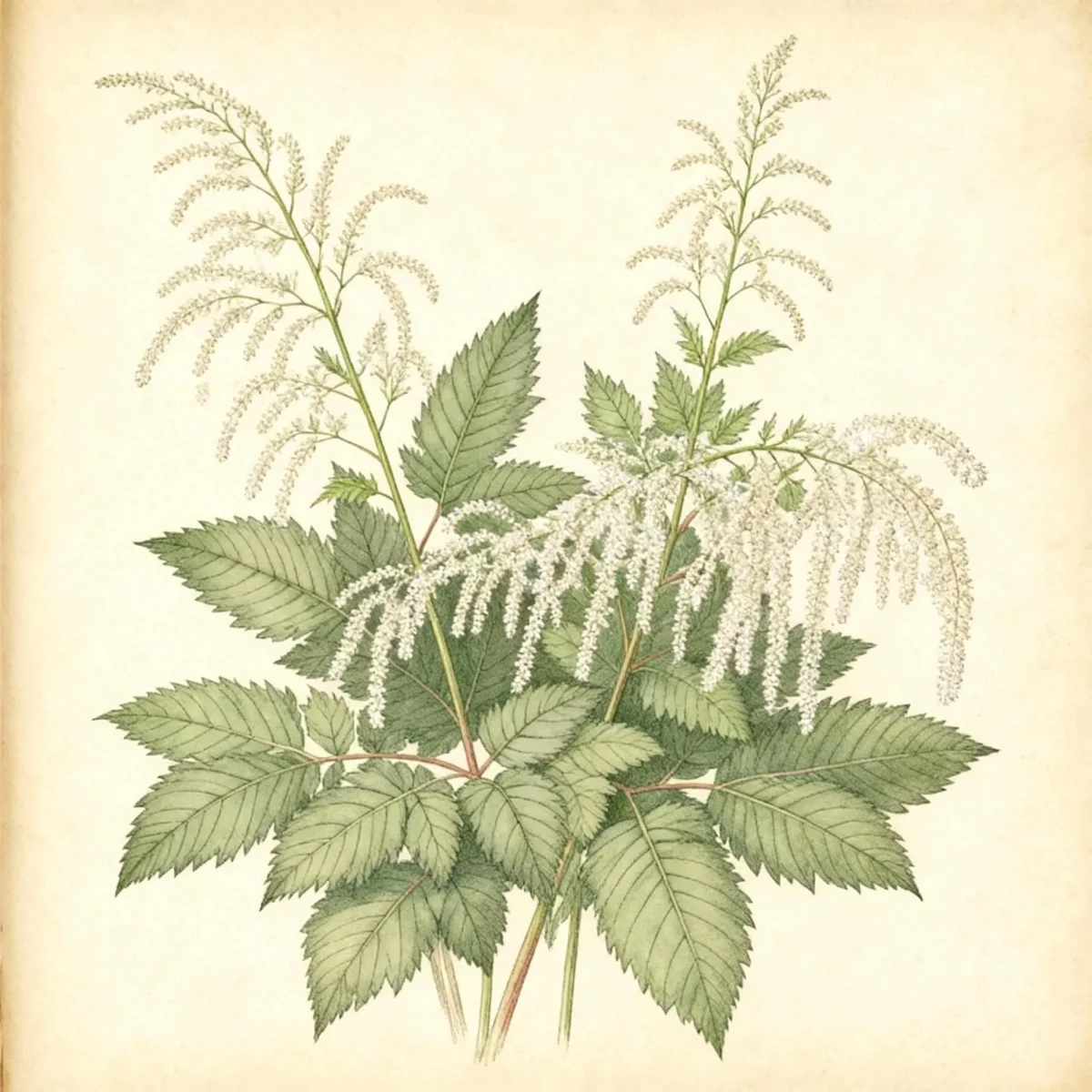
Goat's beard (Aruncus dioicus)
Aruncus dioicus (Goat's beard) is a dramatic, low-maintenance perennial featuring creamy plumes ideal for moist, shady borders.
Scroll down to discover growing tips, care requirements, companion plants, and more
Complete Plant Information
Overview
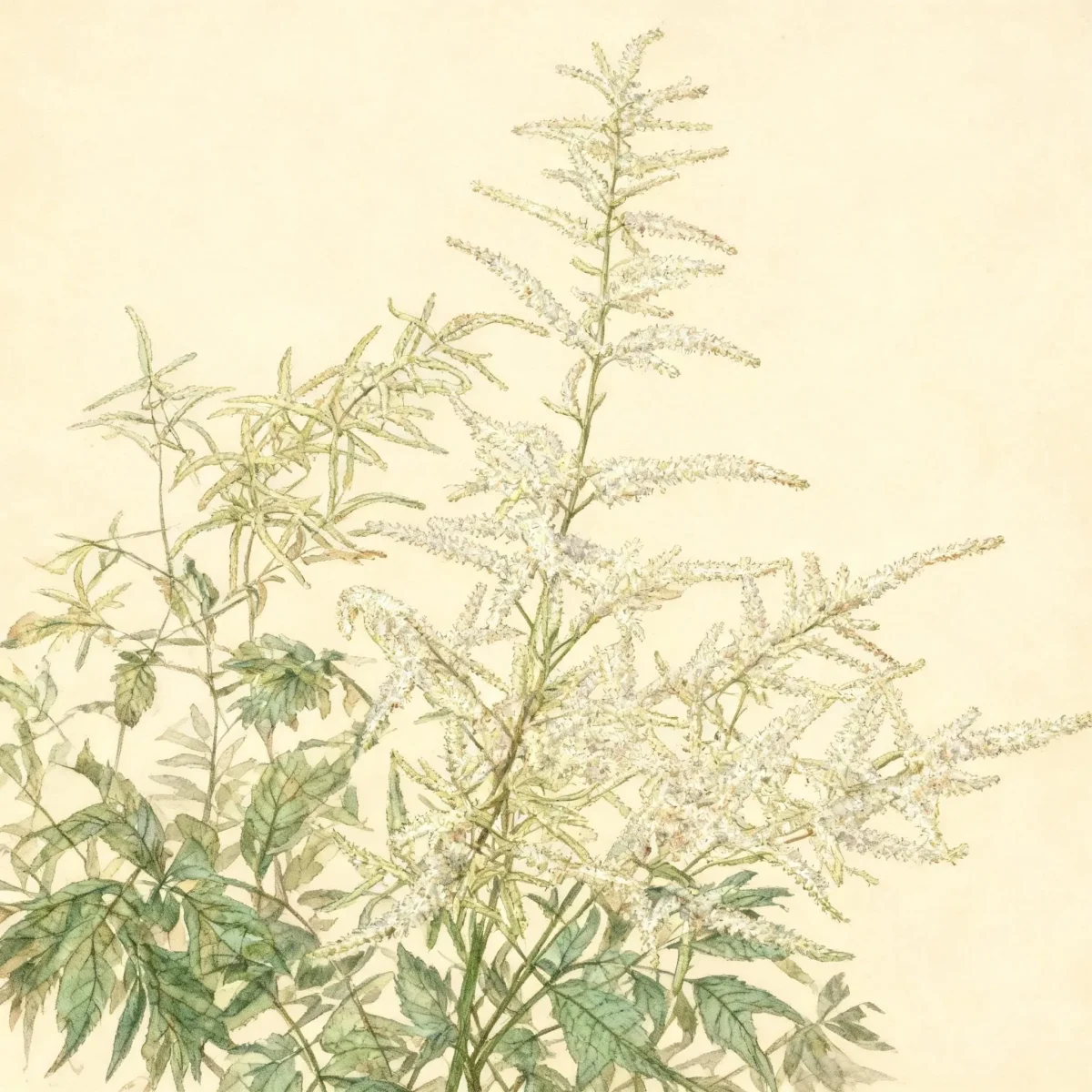
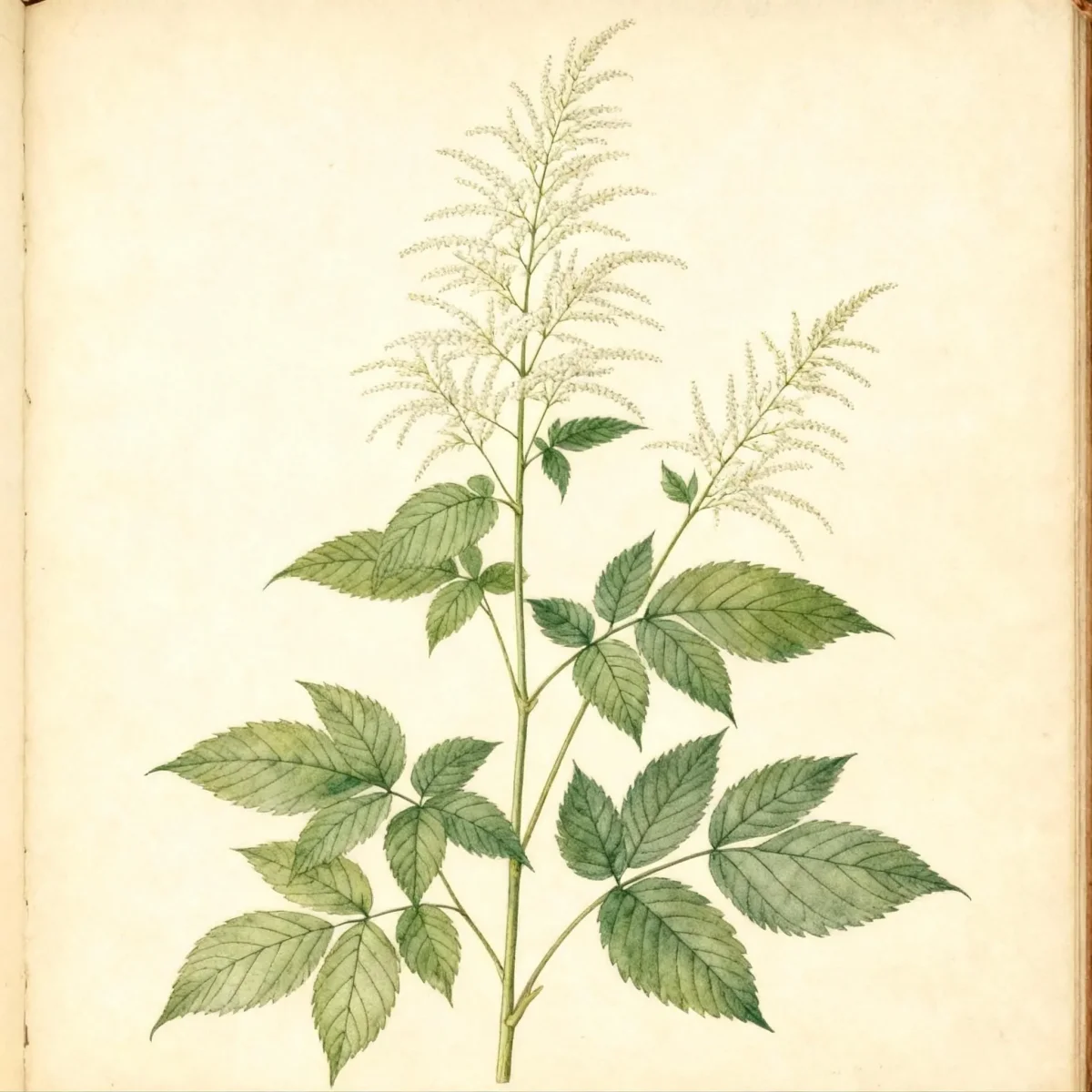
Aruncus dioicus, widely known as goat’s beard, commands attention in the landscape with its impressive vertical habit and airy flower plumes. This vigorous herbaceous perennial develops a bushy, clump-forming structure, making it an excellent choice for adding height and texture to shaded areas where other plants might fail. Its value lies in its bold, architectural presence, reminiscent of a larger Astilbe, but with greater stature.
The cultural requirements for Aruncus dioicus prioritize consistent moisture; its foliage will rapidly decline if the soil dries out, especially during hotter periods. While generally low maintenance once established, providing organically rich, moist soil ensures this plant performs optimally throughout its long season of interest. Gardeners should note that it is dioecious, meaning male and female flowers appear on separate plants, with the males typically producing the showier bloom.
As a striking Missouri native, goat’s beard provides significant aesthetic impact in woodland settings or along water features. Planning for its substantial mature size is key, as this tall perennial creates effective massing or acts as a dramatic background element throughout the garden. Embrace the low maintenance and striking form of Aruncus dioicus for reliable seasonal drama.
Fast Facts
- Plant Family: Rosaceae
- Plant Type: Herbaceous perennial
- Native Range: Temperate northern hemisphere
- Hardiness Zones: USDA Zones 4-8
- Size at Maturity:
- Height: 4-6 ft
- Spread: 2-4 ft
- Bloom Time: April to May
- Bloom Description: Cream
- Sun Exposure: Full sun to part shade
- Water Needs: Medium to wet
- Maintenance Level: Low
How to Grow
The ideal placement for Aruncus dioicus involves moist, fertile, and organically rich soils. Planting should ideally occur in early spring or fall. While it tolerates full sun in the northern limits of its range (Zones 4-5), it strongly prefers part shade in southern locations or areas prone to intense afternoon heat, as this helps prevent foliage stress.
Consistent moisture management is crucial for success. Water thoroughly, especially during establishment, as foliage decline is rapid if the soil is allowed to dry out. Fertilization is often unnecessary if the soil structure is already rich in organic matter. Minimal pruning is required; removing faded flower stalks improves tidiness, but leaving the plumes on female plants adds winter interest.
Be patient during establishment, as these perennials can be slow to settle in. If a garden experiences hot, humid summers, plant goat’s beard where it receives afternoon shade and consistently benefits from high moisture levels. Adapting the sun exposure based on your regional climate is the most important cultural adaptation for this species.
Landscape Uses
The height and stature of Aruncus dioicus make it an exceptional choice for the background layer in perennial borders. It thrives in conditions mirroring its native woodland habitat, lending itself perfectly to damp locations, streamsides, or naturalized woodland gardens. Because it requires medium to wet soil conditions, it is an excellent structural anchor for rain gardens, managing runoff beautifully while providing late spring visual appeal.
Consider planting goat’s beard alongside complementary shade-lovers that contrast in texture, such as large-leaved Hostas or ferns. Taller plantings like Joe-Pye Weed (Eutrochium spp.) can share the space, complementing its moist soil needs. Planting Aruncus dioicus in groups or drifts along a stream bank or water feature maximizes the visual impact of its creamy plumes contrasting against dark, rich foliage.
Standout Features
Flower Qualities
- Showy
Noteworthy Characteristics
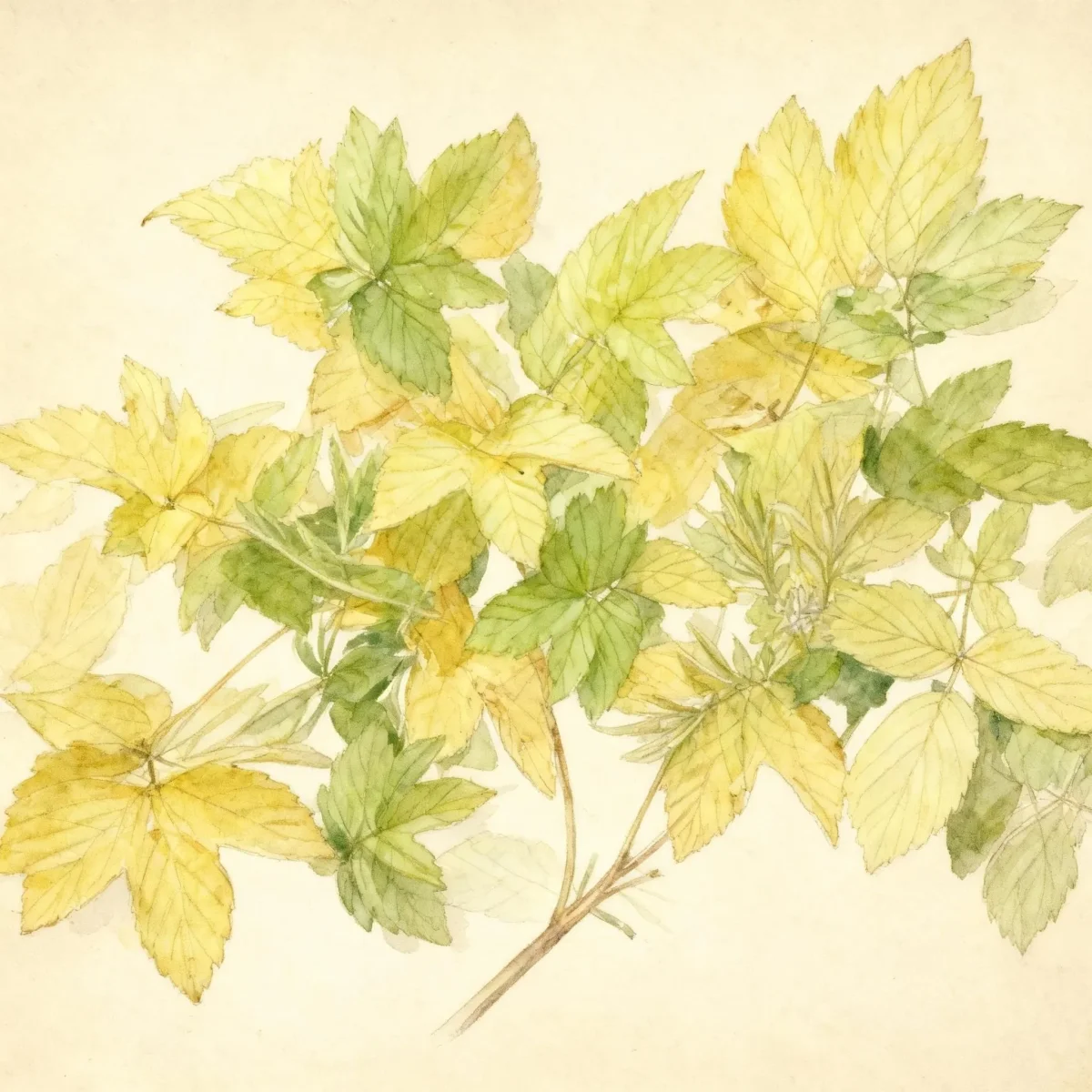
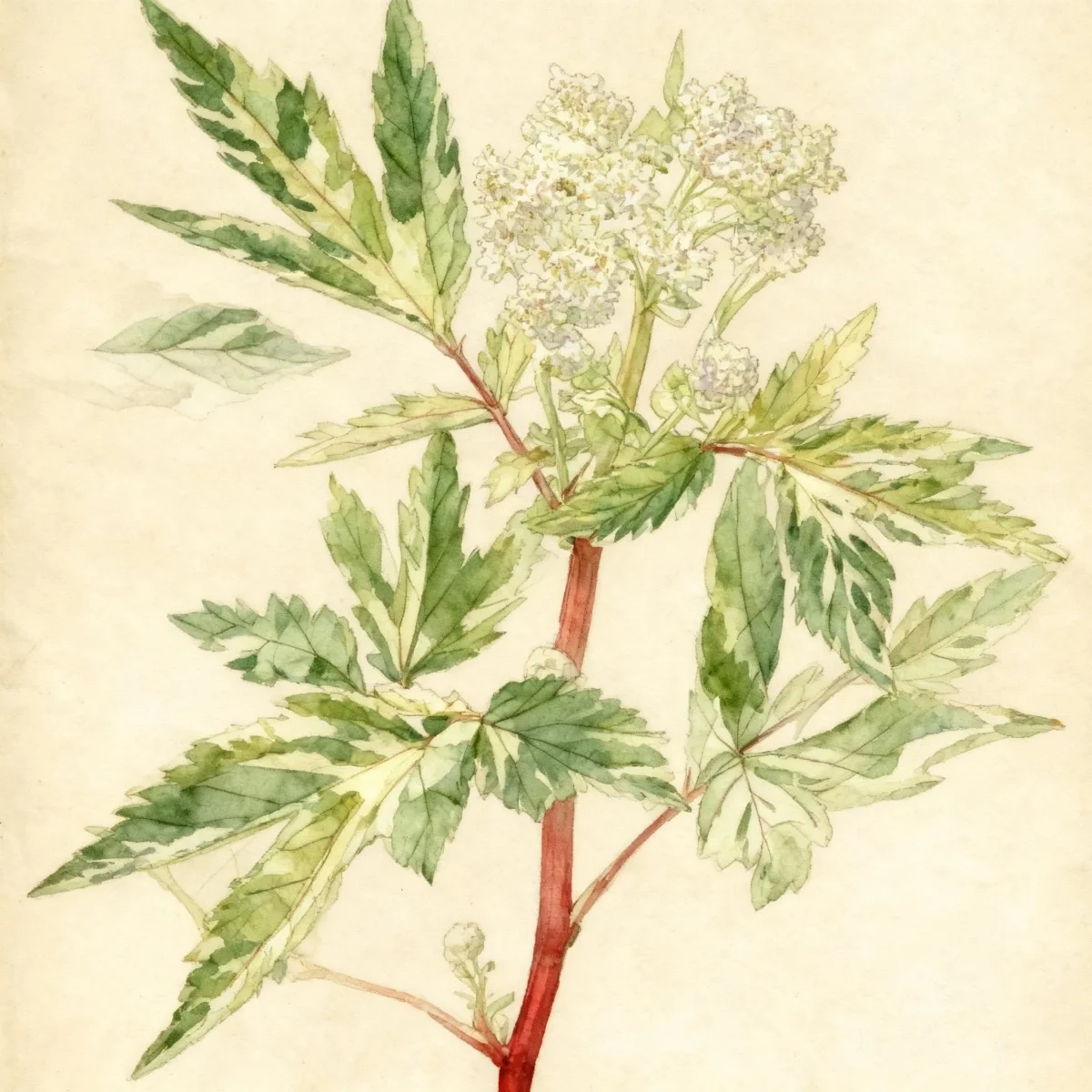
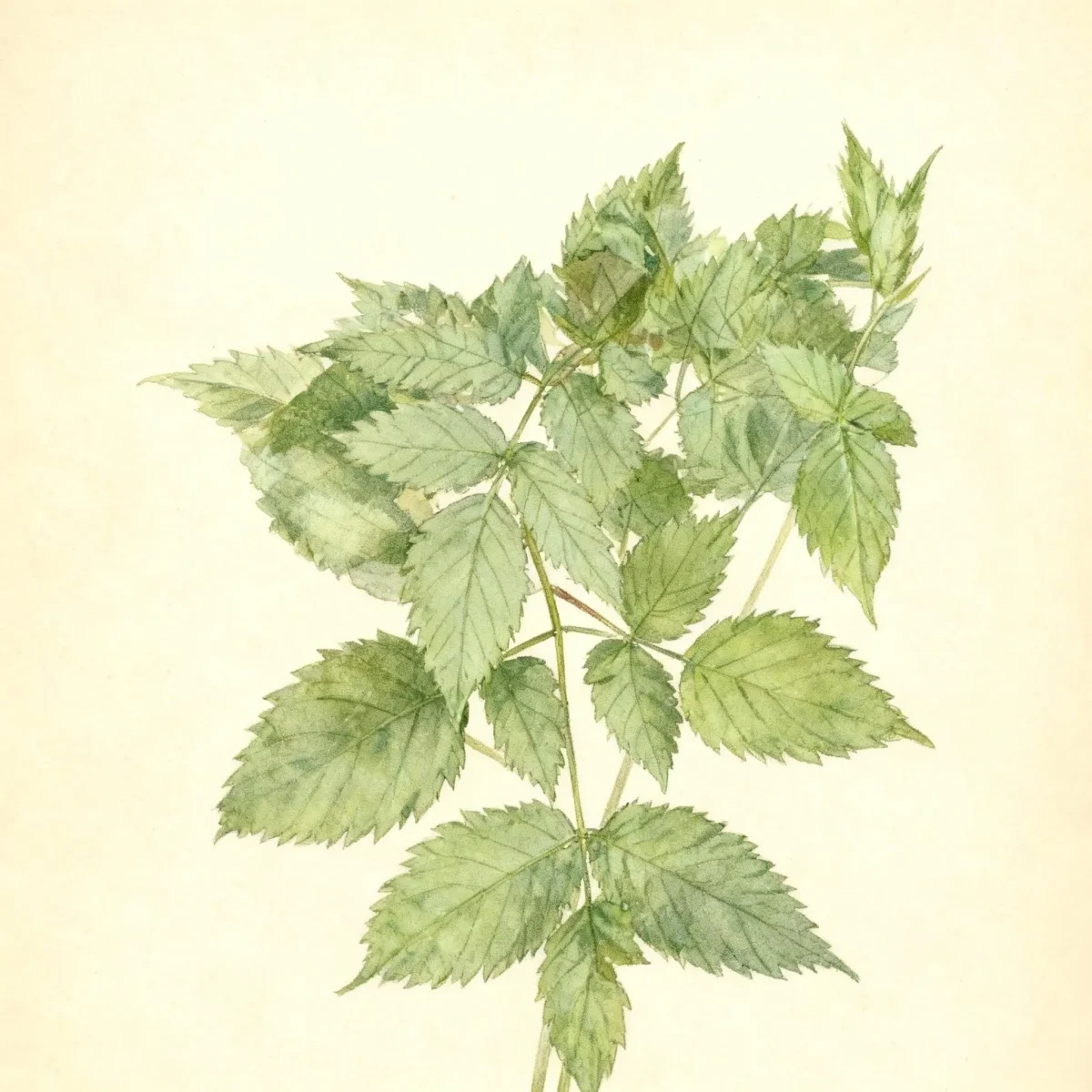
Aruncus dioicus, commonly called goat’s beard, is a Missouri native plant which occurs in moist woodlands and along bluffs in the central and southeast part of the State. A tall, erect, bushy, clump-forming plant typically growing 4-6’ high which features pinnately compound, dark green foliage and showy, plume-like spikes of tiny, cream colored flowers which rise well above the foliage in early to mid summer, creating a bold effect. This rose family member is somewhat similar in appearance to astilbe. Dioecious (separate male and female plants) as the species name suggests.
Tolerances
- Rabbit
Potential Problems
This genus is remarkably pest-free, boasting no serious disease or insect problems under ideal growing conditions. The primary concern is cultural: failing to provide adequate moisture, which leads to unsightly foliage collapse during dry spells. Management focuses heavily on soil conditioning rich in organic material to retain water. Occasionally, leaf spot might become apparent, usually favored by high summer humidity; ensure good air circulation around the clumps to minimize incidence.
Frequently Asked Questions
What hardiness zones is Goat’s beard suitable for?
Aruncus dioicus is reliably hardy across USDA Zones 4 through 8.
How large does Goat’s beard grow?
This perennial typically reaches a mature height between 4 and 6 feet and spreads to occupy 2 to 4 feet in width.
What sun exposure does Aruncus dioicus need?
Goat’s beard performs best in full sun to part shade conditions, requiring more shade protection in hotter climates.
When does Goat’s beard bloom?
This plant produces its signature creamy blooms in the early season, generally blooming from April through May.
Conclusion
The imposing stature and drought-intolerant, moisture-loving nature of Aruncus dioicus make it an indispensable architectural component for wet or rich garden areas. Success with goat’s beard hinges on consistent soil moisture, rewarding dedicated gardeners with low maintenance and spectacular plumes. Before planting, confirm your site offers the preferred medium to wet soil conditions necessary for this magnificent perennial to thrive throughout the season.
Companion Planting in Moist Gardens
When designing a space for Aruncus dioicus, focus on partners that share its preference for high moisture and shade, yet offer contrasting leaf forms. Large-leaved plants like Rodgersia or various large-leafed Hostas provide ground-level textural contrast to the feathery plumes of the Aruncus. Furthermore, reliable bloomers such as Ligularia species, which also thrive in damp soil, will extend the season of color long after the goat’s beard flowers conclude their show in late spring.
Designing with Vertical Structure
Utilize the impressive height of Aruncus dioicus to add necessary vertical accents, especially in partially shaded borders where verticality is often lacking. Because it is slow to establish, plant it slightly behind shorter moisture-loving perennials, allowing lower specimens to soften the base while the Aruncus gains its full dominance. This technique ensures the garden bed looks full and intentional even during the establishment years of the goat’s beard clump.